
The Science of Stress Reduction Explored at Yoga Retreats


Welcome to Mind Care Guide, a sanctuary for your mental well-being.
Feeling overwhelmed? You're not alone. Explore the profound connection between mindful practices and inner peace as we delve into "Yoga Retreats Stress Reduction Science." Discover the evidence-based benefits and transformative potential of these immersive experiences, and unlock the secrets to a calmer, more resilient you. Are yoga retreats truly the key to lasting stress relief? Let's find out together...
The Science of Stress Reduction Explored at Yoga Retreats
- Understanding Stress and the Need for Science-Backed Solutions
- Yoga Retreats: A Scientific Approach to Calming the Mind and Body
- Top Yoga Retreats Utilizing the Science of Stress Reduction
- Key Scientific Elements to Look for in a Yoga Retreat for Stress Reduction
- Optimizing Your Yoga Retreat Experience for Maximum Stress Reduction: A Science-Based Guide
- The Future of Yoga Retreats: Combining Ancient Wisdom with Modern Science for Stress Management
- Conclusion: Embracing the Science of Yoga for a Calmer, More Resilient You
-
Frequently Asked Questions
- How does Mind Care Guide connect yoga retreats to stress reduction?
- What scientific evidence supports the claim that yoga retreats reduce stress?
- What types of yoga and mindfulness practices are typically incorporated into yoga retreats for stress reduction?
- Besides yoga and mindfulness, what other factors contribute to stress reduction at these retreats?
- How can Mind Care Guide help me find a suitable yoga retreat* for stress reduction, and what should I consider?
- Final Reflection: Finding Inner Peace Through the Science of Yoga
- Unlock Your Inner Calm: Take the Next Step
Understanding Stress and the Need for Science-Backed Solutions
The Physiological Impact of Chronic Stress: Beyond Just Feeling Overwhelmed
Chronic stress is far more than a mental state; it triggers a cascade of physiological responses that can significantly impact overall health. When the body perceives a threat, the sympathetic nervous system activates the "fight or flight" response, releasing hormones like cortisol and adrenaline. While useful in acute situations, prolonged exposure to elevated levels of these hormones can lead to serious health issues.
For instance, studies have shown that sustained high cortisol can impair immune function, increase blood pressure, disrupt sleep patterns, and even contribute to weight gain, particularly around the abdomen. The intricate link between the mind and body means that persistent psychological stress manifests physically, wearing down vital systems over time.
Beyond the immediate hormonal surge, chronic stress remodels the brain. Research indicates that prolonged stress can shrink the hippocampus, a brain region crucial for memory and learning, while increasing the size and activity of the amygdala, associated with fear and anxiety. This neurobiological change can make individuals more reactive to stressors and less able to regulate emotional responses.
A 2012 study published in Molecular Psychiatry highlighted how chronic stress can alter gene expression and neural circuits, demonstrating the deep biological imprint stress leaves. Understanding these profound physiological effects underscores the critical need for effective, science-backed strategies to mitigate the long-term damage inflicted by persistent stress.
Why Traditional Stress Management Techniques Sometimes Fall Short
While common advice like "take a break" or "listen to music" can offer temporary relief, traditional stress management techniques often fall short of addressing the root causes and physiological impacts of chronic stress. These methods, while valuable for mild or transient stress, may not be sufficient to counteract the deep-seated hormonal imbalances and neurological changes associated with prolonged stress exposure.
They can act as coping mechanisms rather than transformative practices that alter the body's stress response system. For someone experiencing significant burnout or stress-related health issues, a simple distraction might not penetrate the cycle of elevated cortisol and sympathetic nervous system overdrive.
Furthermore, the effectiveness of traditional methods can be highly variable and depend heavily on individual circumstances, consistency, and the severity of the stressor. Without a structured approach grounded in an understanding of the stress response, it's easy to fall back into old patterns.
For example, while exercise is a powerful stress reducer, inconsistent or overly intense exercise can sometimes add more stress to the body. This highlights the need for approaches that not only offer relief but also educate individuals on the science behind stress and provide tools to build long-term resilience, which is where exploring the science of stress reduction at yoga retreats becomes particularly relevant.
The Importance of Evidence-Based Practices in Stress Reduction
In the complex landscape of mental well-being, relying on evidence-based practices is paramount, especially when seeking profound and lasting change in stress levels. Science-backed methods have undergone rigorous testing and evaluation, demonstrating their efficacy through measurable outcomes like reduced cortisol levels, lower blood pressure, improved heart rate variability, and positive changes in brain activity patterns.
This empirical validation provides a level of confidence that anecdotal approaches cannot match. Choosing stress reduction techniques supported by scientific research ensures that the time and effort invested are likely to yield tangible and sustainable benefits, moving beyond temporary fixes to address the underlying physiological and psychological mechanisms of stress.
The demand for evidence-based interventions in stress reduction is growing as people become more aware of the serious health implications of chronic stress. Programs like Mindfulness-Based Stress Reduction (MBSR), developed by Jon Kabat-Zinn, are prime examples of integrating ancient practices with modern scientific understanding, proving their effectiveness in numerous clinical trials. When considering transformative experiences like yoga retreats stress reduction science becomes a key differentiator.
Retreats that incorporate scientifically validated elements, such as specific breathwork techniques known to stimulate the vagus nerve or mindfulness practices shown to reduce amygdala reactivity, offer participants a powerful toolkit grounded in how the body and mind actually process and respond to stress. This scientific foundation enhances the credibility and potential impact of the experience.
Yoga Retreats: A Scientific Approach to Calming the Mind and Body
How Yoga Asanas Influence the Nervous System: A Scientific Overview
Yoga asanas, or physical postures, are not merely exercises; they are structured movements designed to influence the body's physiological state, particularly the nervous system. Engaging in mindful movement and holding specific poses can shift the balance from the sympathetic "fight or flight" response towards the parasympathetic "rest and digest" state. Certain poses, especially those involving gentle twists, forward folds, and inversions, are thought to stimulate the vagus nerve, the primary component of the parasympathetic nervous system. Increased vagal tone is scientifically associated with lower heart rate, improved digestion, reduced inflammation, and a greater capacity to regulate stress responses.
Furthermore, the slow, deliberate movements and conscious holding of poses inherent in many yoga styles can help regulate breathing patterns, which in turn directly impacts heart rate variability (HRV). Higher HRV is an indicator of a more resilient and adaptable nervous system, better equipped to handle stressors.
Studies using fMRI scans have also shown that regular yoga practice can lead to changes in brain structure and function similar to those seen with meditation, including increased grey matter in areas associated with self-awareness, emotional regulation, and stress resilience. This neurobiological evidence supports the anecdotal reports of reduced anxiety and a greater sense of calm experienced by regular yoga practitioners, highlighting the profound scientific underpinnings of yoga asanas in stress reduction.
The Role of Mindfulness and Meditation in Reducing Cortisol Levels
Mindfulness and meditation, often integral components of yoga retreats, have a well-documented scientific basis for their stress-reducing effects, particularly their impact on cortisol levels. Cortisol, the body's primary stress hormone, is released in response to perceived threats, and chronically elevated levels are linked to numerous health problems. Meditation practices, especially those focused on mindful awareness, have been shown in multiple studies to significantly lower circulating cortisol. A meta-analysis of randomized controlled trials, for example, found a moderate effect size for mindfulness meditation in reducing cortisol concentrations across various populations.
The mechanism behind this reduction is complex but involves the hypothalamic-pituitary-adrenal (HPA) axis, the body's central stress response system. Regular meditation appears to dampen the reactivity of the HPA axis, making it less likely to overreact to minor stressors and quicker to return to a baseline state after a stressor has passed. Beyond cortisol, mindfulness and meditation also influence other stress markers, such as C-reactive protein (an inflammatory marker often elevated by stress) and blood pressure.
By cultivating present-moment awareness without judgment, these practices also help individuals detach from rumination and worry, which are significant drivers of chronic stress and HPA axis activation. The integration of these practices within yoga retreats stress reduction science is leveraged directly to help participants achieve a calmer physiological state.
Science-Backed Benefits of Yoga Retreats: Beyond Relaxation
Yoga retreats offer benefits that extend far beyond simple relaxation, incorporating multiple science-backed modalities for comprehensive stress reduction. The immersive environment allows for sustained practice of yoga, meditation, and breathwork, intensifying their physiological effects compared to occasional sessions. This consistent engagement over several days can lead to more significant and measurable changes in stress biomarkers, such as sustained reductions in cortisol and improvements in heart rate variability. The removal from daily stressors inherent in a retreat setting also provides a crucial break, allowing the nervous system to downregulate without constant triggering.
Furthermore, many yoga retreats incorporate educational components that teach the science behind the practices, empowering participants with knowledge about their own stress response and how the techniques work on a biological level. This understanding can increase motivation and adherence to practices upon returning home. Group settings also offer a sense of community and social support, which is scientifically proven to buffer the effects of stress.
A study published in Health Psychology found that social connection can lower stress hormone levels and improve immune function. Thus, yoga retreats combine physical practice, mental training, physiological regulation, education, and social support – a potent, multi-faceted approach grounded in science for deep and lasting stress reduction.
Top Yoga Retreats Utilizing the Science of Stress Reduction
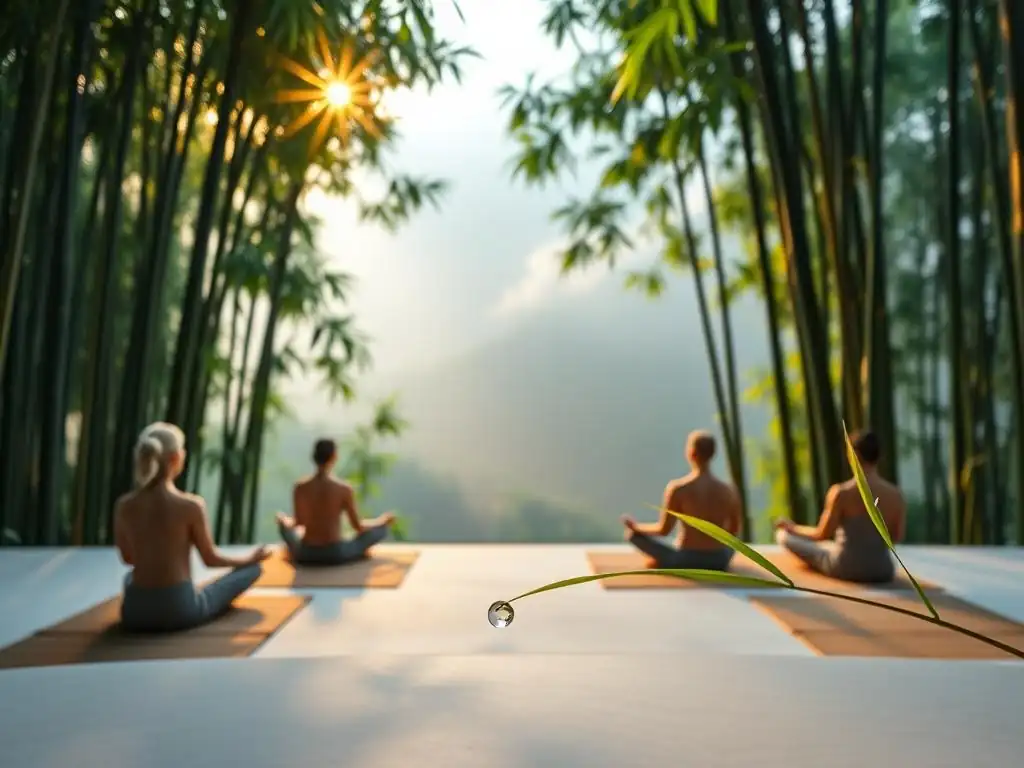
[Retreat Name 1]: Integrating Neuroscience with Ancient Wisdom
This retreat centers its philosophy on the intersection of modern neuroscience and traditional yogic practices, specifically targeting the neural pathways involved in stress and resilience. Located in a tranquil natural setting, the program is designed by practitioners with backgrounds blending psychology, neuroscience, and seasoned yoga instruction. The focus is on understanding why certain practices work, providing participants with both experiential knowledge and the scientific context to support their journey toward reduced stress.
Features and Programs: Focus on Vagal Nerve Stimulation
The core of this retreat's program includes daily sessions specifically designed to enhance vagal tone. These sessions feature guided breathwork techniques known to stimulate the vagus nerve, such as slow, diaphragmatic breathing and resonant breathing (breathing at a rate of approximately 5-7 breaths per minute).
Gentle yoga poses that promote relaxation and open the chest and throat areas are also incorporated, as these are believed to further support vagal nerve activity. Workshops delve into the anatomy and function of the vagus nerve, explaining its role in regulating heart rate, digestion, mood, and the stress response, providing participants with a scientific understanding of the practices they are engaging in.
Pricing and Packages: [Information placeholder]
Specific pricing details and package options would typically be found on the retreat's website or brochure. Packages often vary based on accommodation type (e.g., shared room, private cabin) and duration (e.g., 3-day weekend, 7-day immersive). An example range might be from $800 for a shared weekend package to $3,000+ for a private week-long stay, often including meals, accommodation, and all scheduled activities.
Unique Benefits: Personalized Stress Assessments and Biofeedback
A distinctive feature of this retreat is the inclusion of personalized stress assessments upon arrival and departure. These might include questionnaires evaluating perceived stress levels (e.g., Perceived Stress Scale) or even non-invasive physiological measurements like heart rate variability (HRV) biofeedback sessions. Participants learn how their physiological state changes throughout the retreat and gain practical experience using biofeedback tools to influence their nervous system in real-time. This data-driven approach provides tangible evidence of the retreat's impact and equips individuals with concrete strategies to continue monitoring and managing their stress post-retreat.
[Retreat Name 2]: The Power of Breathwork and Body Awareness
This retreat emphasizes the profound connection between breath, body, and mind, drawing on scientific understanding of interoception (the sense of the internal state of the body) and the physiological effects of conscious breathing. Set in a serene natural environment, the program integrates specific yoga styles known for their emphasis on mindful movement and breath synchronization, providing a powerful pathway to downregulate the stress response.
Features and Programs: Emphasis on Trauma-Informed Yoga and its Scientific Basis
A central element of this retreat is the practice of Trauma-Informed Yoga, which is grounded in neuroscience and psychological research on stress, trauma, and the nervous system. These sessions focus on creating a safe, predictable environment, offering choices to participants, and emphasizing gentle movements that promote body awareness and self-regulation without triggering the fight, flight, or freeze response.
Workshops explain the scientific rationale behind this approach, including how chronic stress and trauma can impact the nervous system's ability to regulate itself and how mindful movement can help restore a sense of safety and control within the body. Specific breathwork techniques, such as coherent breathing and alternative nostril breathing, are taught with an emphasis on their scientifically observed effects on the autonomic nervous system.
Pricing and Packages: [Information placeholder]
Pricing at such a retreat might range from approximately $750 for a basic shared room for a short program (e.g., 4 days/3 nights) to $2,500 or more for a private room during a longer, more intensive week-long program. These costs typically cover accommodation, meals focused on nourishing the body, and all retreat activities and workshops.
Unique Benefits: Dedicated Workshops on the Science of Breath Control
A significant unique benefit is the deep dive into the science of breath control (Pranayama). Beyond simply practicing techniques, participants attend dedicated workshops explaining the physiological mechanisms by which different breathing patterns influence heart rate, blood pressure, oxygen saturation, and nervous system balance. They learn about the respiratory sinus arrhythmia (RSA) and how conscious breathing can enhance it, contributing to greater HRV and resilience. This scientific knowledge empowers participants to use breath as a powerful, accessible tool for stress management in their daily lives, long after the retreat concludes.
[Retreat Name 3]: Mindfulness-Based Stress Reduction (MBSR) Retreats
This retreat offers an immersive experience in the scientifically validated Mindfulness-Based Stress Reduction (MBSR) program, typically delivered in a silent or near-silent retreat format. Developed at the University of Massachusetts Medical School, MBSR is one of the most researched stress reduction interventions globally, providing participants with a structured, evidence-based path to cultivating mindfulness and reducing reactivity to stress.
Features and Programs: Implementing MBSR Protocols for Measurable Stress Reduction
The program faithfully follows the established MBSR curriculum, condensed into an intensive retreat format (often 5-7 days). It includes guided mindfulness meditation practices (body scan, sitting meditation, walking meditation), gentle mindful movement (adapted yoga), and periods of silent practice. Participants engage in daily group discussions and receive guidance on integrating mindfulness into daily life. The structure is highly intentional, designed to systematically build mindfulness skills that research has shown to reduce stress, anxiety, and depression, and improve overall well-being.
Pricing and Packages: [Information placeholder]
MBSR retreats often have a cost structure ranging from $900 to $2,000+, depending on the duration and location. This cost typically includes program instruction, accommodation, and meals. Some centers may offer sliding scale fees or scholarships based on need, reflecting the program's roots in accessibility.
Unique Benefits: Pre and Post-Retreat Stress Level Assessments
A key unique benefit is the emphasis on measuring the impact of the program. Participants are often encouraged, and sometimes required, to complete standardized stress assessment questionnaires (like the PSS - Perceived Stress Scale) before the retreat begins and again upon completion. Some programs may also incorporate physiological measures, such as collecting saliva samples for cortisol testing or using wearable devices to track sleep and activity patterns. This data provides concrete evidence of the program's effectiveness for the individual and reinforces the scientific basis of the MBSR approach, demonstrating the measurable stress reduction benefits of this intensive experience.
Key Scientific Elements to Look for in a Yoga Retreat for Stress Reduction
Understanding the Science of Mindfulness: What to Expect
When seeking a yoga retreat focused on stress reduction science, understanding the scientific basis of mindfulness is crucial. Look for retreats that don't just offer meditation sessions but explain how mindfulness works from a scientific perspective.
Expect discussions or workshops on topics like neuroplasticity – the brain's ability to change and adapt – and how regular mindfulness practice can alter neural pathways, reducing activity in the stress-reactive amygdala and increasing activity in prefrontal cortex areas associated with attention and emotional regulation. A good retreat will explain how mindfulness helps detach from rumination and worry by training the mind to stay present, thereby interrupting the cycle of stress amplification.
Furthermore, a retreat grounded in the science of mindfulness should teach various techniques and explain their specific impacts. This could include walking meditation's effect on embodied cognition, the body scan's role in improving interoceptive awareness (sensing internal bodily states), or loving-kindness meditation's influence on empathy and social connection, which are known stress buffers.
They might discuss how mindfulness practice can improve attentional control, making it easier to focus and less likely to get caught up in stressful thoughts. Retreats that emphasize the empirical evidence behind mindfulness, referencing studies on its effects on brain function, stress hormones, and psychological well-being, offer a more robust and trustworthy approach to stress reduction.
The Role of the Vagus Nerve in Stress Resilience: Retreats Focused on Vagal Tone
The vagus nerve is a critical component of the parasympathetic nervous system, acting as a major pathway between the brain and many internal organs, including the heart, lungs, and digestive system. High vagal tone is associated with better health outcomes, including improved mood, reduced inflammation, and enhanced stress resilience – the ability to recover quickly from stressful experiences. A yoga retreat focused on the science of stress reduction should ideally incorporate practices specifically known to stimulate the vagus nerve and improve vagal tone.
Look for retreats that highlight practices like slow, deep diaphragmatic breathing, humming or chanting (which vibrates the vocal cords, stimulating the vagus nerve), cold exposure (like cold showers or dips, if appropriate for the location and participants' health), and specific yoga poses that gently compress or stretch areas along the vagus nerve pathway (e.g., neck stretches, twists). Retreats that offer workshops explaining the anatomy and physiology of the vagus nerve and teach participants how to measure and improve their own vagal tone (e.g., through heart rate variability monitoring, though this is less common) demonstrate a commitment to a science-informed approach.
Understanding and actively engaging the vagus nerve provides a powerful, direct pathway to calming the nervous system and building long-term resilience.
Exploring the Science of Sleep and its Impact on Stress Levels: Retreats Promoting Sleep Hygiene
Sleep is profoundly intertwined with stress regulation. Chronic stress can disrupt sleep patterns, and conversely, poor sleep significantly exacerbates stress reactivity and impairs the ability to cope. A science-informed yoga retreat for stress reduction should recognize this connection and actively promote healthy sleep hygiene. While the retreat environment itself often facilitates better sleep due to reduced external stressors and a consistent schedule, some retreats go further by incorporating educational components and practices specifically aimed at improving sleep quality.
Look for retreats that discuss the science of sleep – the different stages of sleep, the role of circadian rhythms, and how stress hormones like cortisol interfere with sleep architecture. They might offer evening practices designed to calm the nervous system before bed, such as gentle restorative yoga, guided relaxation (like Yoga Nidra), or mindfulness practices focused on releasing tension.
Discussions around practical sleep hygiene tips – like avoiding screens before bed, creating a dark and cool sleep environment, and maintaining a consistent sleep schedule – are also valuable. By addressing sleep as a critical pillar of stress management, these retreats offer a more holistic and scientifically complete approach to helping participants build resilience.
Optimizing Your Yoga Retreat Experience for Maximum Stress Reduction: A Science-Based Guide
Preparing Your Mind and Body for the Retreat: Pre-Retreat Practices
To maximize the benefits of a yoga retreat focused on stress reduction science, preparation is key. In the weeks leading up to the retreat, begin to gently adjust your routine to align with the likely schedule – this might involve gradually shifting your sleep time or incorporating short periods of quiet reflection. Consider reducing caffeine or alcohol intake, as these can interfere with nervous system regulation and might make the initial days of the retreat more challenging.
Mentally, set an intention for your time there; what specific aspects of stress do you hope to address? Research suggests that setting clear goals, even for a retreat, can enhance focus and outcomes.
Physically, if you are new to yoga, try attending a few gentle classes beforehand to familiarize yourself with basic postures and the sensation of mindful movement. This can make the physical practice at the retreat more comfortable and allow you to focus more on the mental and emotional aspects.
Inform the retreat center of any physical limitations or health conditions. Reducing external stressors before you go – by delegating tasks, completing urgent work, or notifying colleagues/family of your limited availability – allows you to arrive with a calmer baseline, ready to fully immerse yourself in the experience and absorb the science-backed tools offered.
Maximizing the Benefits During the Retreat: Active Participation and Mindful Engagement
Once at the retreat, active participation and mindful engagement are crucial for leveraging the science-backed practices to their full potential. Approach each session – whether it's yoga, meditation, breathwork, or a workshop on the science of stress – with curiosity and an open mind. Pay attention not just to the instructions but to the subtle sensations in your body and the fluctuations of your mind, practicing non-judgmental awareness. Research indicates that this mindful presence during practice is what cultivates interoception and helps rewire the brain's stress response.
Engage fully in the silence or periods of reflection, allowing your nervous system the space it needs to downregulate away from constant stimulation. Participate actively in workshops, asking questions about the science behind the practices to deepen your understanding. Connect with the instructors and fellow participants if opportunities arise, as social connection is a powerful stress buffer.
Remember that stress reduction isn't just about doing the practices, but about being with your experience – observing thoughts and emotions without getting carried away by them, a core tenet of mindfulness science. The more present and engaged you are, the more profoundly the science-backed techniques can impact your physiological and psychological state.
Integrating the Science of Stress Reduction into Your Daily Life: Post-Retreat Strategies
The true measure of a successful yoga retreat stress reduction science experience lies in your ability to integrate the learned practices and scientific understanding into your daily life. Before leaving, make a realistic plan for continuing your practice. This might involve scheduling short daily meditation or breathwork sessions, committing to a weekly yoga class, or simply incorporating moments of mindful awareness throughout your day. Identify which specific science-backed techniques resonated most with you – was it the vagus nerve stimulation exercises, the body scan, or the focus on mindful breathing? Prioritize practicing those regularly.
Reflect on the scientific principles you learned. How can understanding the HPA axis or vagal tone help you recognize and respond differently to stress in your daily environment? Use the knowledge gained to make informed choices about sleep hygiene, diet, and social connections, all of which are scientifically linked to stress resilience.
Be patient and compassionate with yourself; integrating new habits takes time. Revisit any materials provided by the retreat center that explain the science. By consistently applying the science-backed tools and knowledge gained at the retreat, you can build lasting stress resilience and maintain the calmer state you cultivated.
The Future of Yoga Retreats: Combining Ancient Wisdom with Modern Science for Stress Management
The Growing Trend of Science-Informed Yoga Retreats
There is a clear and growing trend towards yoga retreats that integrate ancient wisdom with modern scientific understanding, particularly in the realm of stress reduction. Retreat organizers are increasingly recognizing the value of explaining why practices like yoga, meditation, and breathwork are effective, moving beyond purely spiritual or anecdotal explanations. This shift is driven by consumer demand for evidence-based interventions and a deeper understanding within the wellness industry of the physiological and neurological impacts of these practices. Retreats are now more likely to feature facilitators with backgrounds in psychology, neuroscience, or medical fields, alongside seasoned yoga and meditation teachers.
This trend manifests in retreat descriptions that explicitly mention terms like "neuroplasticity," "vagal tone," "HRV," and "mindfulness-based interventions." Programs are being designed with specific, measurable goals related to stress reduction, drawing on research from fields like psychophysiology and behavioral medicine. For example, retreats focusing on Trauma-Informed Yoga are directly applying research on the nervous system's response to chronic stress and trauma. This evolution towards science-informed yoga retreats stress reduction science is becoming a core selling point, appealing to individuals seeking effective, credible methods to manage their stress in a world that demands resilience.
Emerging Technologies and Their Potential Impact on Stress Reduction at Retreats
Emerging technologies are poised to further enhance the science-backed approach to stress reduction at yoga retreats. Wearable devices and apps that track physiological data like heart rate variability (HRV), sleep patterns, and even biomarkers like skin conductance are becoming more accessible. While not yet standard, future retreats might incorporate these technologies to provide participants with real-time feedback on their stress levels and the immediate impact of different practices. Imagine a retreat where participants can see how a specific breathwork technique instantly increases their HRV, providing tangible evidence of its calming effect on the nervous system.
Biofeedback tools, already used in some therapeutic settings, could become more common in retreats, allowing individuals to train themselves to regulate physiological responses like heart rate or muscle tension under the guidance of experts. Virtual or augmented reality could potentially be used to create immersive, calming environments for meditation or to provide anatomical visualizations explaining the science of stress within the body. While maintaining the essential human connection and natural environment of a retreat is crucial, technology could serve as a powerful tool for education, personalization, and demonstrating the concrete, science-based outcomes of the stress reduction practices.
Finding the Right Yoga Retreat for Your Unique Stress Profile: Personalization is Key
Given the diverse nature of stress and individual responses, finding a yoga retreat that aligns with your unique stress profile is crucial for maximizing stress reduction benefits. Not all stress is the same; it can manifest differently based on personality, life experiences (including trauma history), and underlying health conditions. Therefore, a one-size-fits-all approach may not be the most effective. Consider what aspects of stress you struggle with most – is it rumination, physical tension, difficulty sleeping, or feeling overwhelmed?
Look for retreats that offer different styles of yoga or meditation, or those that explicitly mention tailoring practices to individual needs. Retreats that incorporate assessment tools (even simple questionnaires) or offer one-on-one consultations with instructors can help personalize the experience. If you have a history of trauma, seeking out a retreat specifically offering Trauma-Informed Yoga is vital. Understanding the science of your own stress response and seeking a retreat that addresses your specific needs, rather than just offering generic stress management, is key to finding the most impactful yoga retreats stress reduction science experience for you.
Conclusion: Embracing the Science of Yoga for a Calmer, More Resilient You
Navigating the complexities of modern life often means confronting significant levels of stress. Understanding the science behind stress – its profound physiological and neurological impacts – is the first step towards effective management. While many traditional methods offer temporary relief, integrating evidence-based practices provides a more robust pathway to lasting change. Yoga retreats, particularly those grounded in the science of stress reduction, offer a powerful immersive environment to learn and apply these techniques.
By engaging in practices like specific yoga asanas that influence the nervous system, mindfulness and meditation that lower cortisol, and breathwork that enhances vagal tone, participants gain tools that are scientifically proven to build resilience. Retreats incorporating elements like neuroscience education, personalized assessments, and focus on critical factors like sleep hygiene offer a comprehensive approach.
As the field evolves, integrating emerging technologies and emphasizing personalization will further enhance the effectiveness of yoga retreats stress reduction science. Embracing this science-informed path allows individuals to move beyond simply coping with stress to cultivating a calmer, more resilient mind and body, equipped with powerful, evidence-based strategies for long-term well-being.
Frequently Asked Questions
How does Mind Care Guide connect yoga retreats to stress reduction?
Mind Care Guide explains how yoga retreats offer an immersive environment combining physical postures, meditation, and mindful practices, leading to stress reduction through various physiological and psychological mechanisms. The science behind these mechanisms is explored.
What scientific evidence supports the claim that yoga retreats reduce stress?
Studies show that yoga retreats can lower cortisol levels (the stress hormone), increase heart rate variability (an indicator of resilience), and promote the release of endorphins, all of which contribute to stress reduction.
What types of yoga and mindfulness practices are typically incorporated into yoga retreats for stress reduction?
Common practices include Hatha yoga (focusing on physical postures), meditation (cultivating present moment awareness), pranayama (breath control techniques), and mindful movement to calm the nervous system.
Besides yoga and mindfulness, what other factors contribute to stress reduction at these retreats?
Factors like being in a supportive community, connecting with nature, eating nutritious food, and disconnecting from daily stressors create a holistic environment conducive to relaxation and well-being.
How can Mind Care Guide help me find a suitable yoga retreat* for stress reduction, and what should I consider?
Mind Care Guide offers resources and information on different retreat types, locations, and instructors. Consider the retreat's focus, your experience level, the retreat's philosophy, and your personal preferences for optimal results.
Final Reflection: Finding Inner Peace Through the Science of Yoga
The science of stress reduction, once a niche field, is now a vital component of modern well-being, and yoga retreats are at the forefront of this movement. The increasing prevalence of stress-related illnesses underscores the urgent need for accessible and effective stress management techniques, and the evidence-based practices offered at yoga retreats provide a powerful pathway to improved mental and physical health. This is no longer a fringe pursuit; it's a crucial element of a balanced and fulfilling life.
The profound impact of combining mindful movement, breathwork, and meditation, as explored throughout this article, resonates deeply with me. I've witnessed firsthand the transformative power of these practices, not just in the controlled environment of a retreat, but also in the everyday lives of those who have embraced them. The integration of ancient wisdom with modern scientific understanding creates a truly holistic approach to well-being. The body benefits from movement, and the mind benefits from stillness.
This simple yet profound statement encapsulates the essence of what makes yoga retreats so effective in stress reduction.
Consider the lessons learned here – the power of mindful breathing, the strength found in physical postures, and the clarity gained through meditation. You, the reader, now possess the knowledge to make informed choices about your well-being. Will you seek out a yoga retreat to experience these benefits firsthand? Will you incorporate these practices into your daily life, even in small ways? The journey to stress reduction begins with a single breath, a single pose, a single moment of mindful awareness. Embrace the science, embrace the practice, and embrace the peace that awaits you.
Unlock Your Inner Calm: Take the Next Step
Thanks for diving into the science of stress reduction with us! We hope you discovered valuable insights into how yoga retreats can transform your well-being. Ready to put this knowledge into practice?
- Book your transformative yoga retreat today! Explore different locations and styles to find the perfect fit for your needs. This is your chance to prioritize self-care and invest in lasting peace.
- Share your thoughts and experiences – leave a comment below and let's create a supportive community of mindful explorers! What resonates most with you from today's article?
- Dive deeper into stress-reducing techniques by exploring other articles on MindCareGuide.org. Find more resources designed to support your journey to inner peace.
What specific step will you take today to nurture your mind and body?