
Transform Your Stress: Yoga Retreats with Lasting Impact

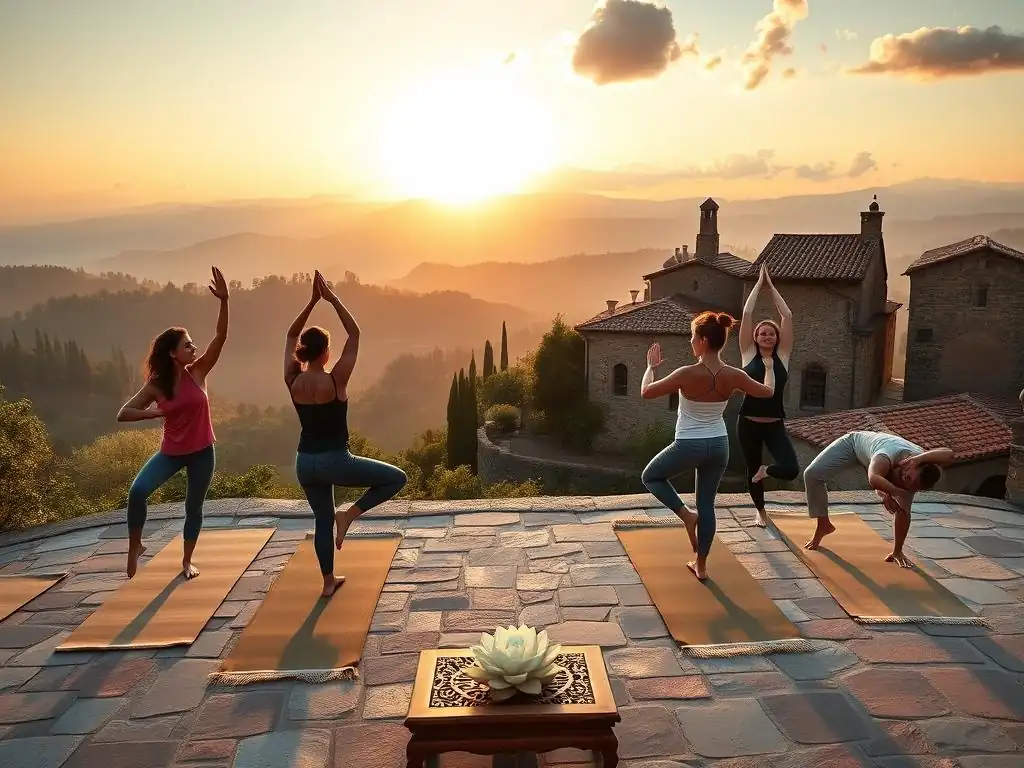
Welcome to Mind Care Guide, a sanctuary dedicated to your mental well-being.
Feeling overwhelmed? You're not alone. Discover how yoga retreats reduce stress anxiety and offer a path to lasting inner peace. Embark on a journey of self-discovery and learn how these transformative experiences can reshape your mental landscape. Ready to find your calm?
Transform Your Stress: Yoga Retreats with Lasting Impact
- Finding Calm: Why Yoga Retreats Are Effective for Stress & Anxiety Relief
- Top Yoga Retreat Destinations for Stress Reduction & Anxiety Management
- Choosing the Right Yoga Retreat to Reduce Anxiety and Stress
- Key Elements of a Stress-Reducing Yoga Retreat Program
- Maximizing the Benefits: Preparing for and Integrating Your Retreat Experience
- Real-Life Transformations: Yoga Retreat Success Stories for Stress and Anxiety
- Investing in Your Well-being: The Long-Term Value of Yoga Retreats for Anxiety and Stress
-
Frequently Asked Questions
- What are the primary benefits of attending yoga retreats specifically for stress and anxiety?
- How do yoga retreats differ from regular yoga classes in terms of stress reduction?
- What types of yoga are most effective for stress and anxiety relief during a retreat?
- How can I choose the right yoga retreat to address my specific stress and anxiety levels?
- What lasting impact can a yoga retreat have on managing stress and anxiety after returning home?
- Final Reflection: Finding Peace, Cultivating Resilience
- Unleash Your Inner Peace: Take the Next Step Towards Serenity
Finding Calm: Why Yoga Retreats Are Effective for Stress & Anxiety Relief
Understanding the Science: How Yoga and Mindfulness Alleviate Stress
The practice of yoga, combined with mindfulness techniques often integral to retreats, has a profound impact on the body's stress response system. When we experience stress or anxiety, our sympathetic nervous system kicks into 'fight or flight' mode, releasing hormones like cortisol and adrenaline. Chronic elevation of these hormones can lead to numerous health issues.
Studies, including research published in journals like Frontiers in Human Neuroscience, have shown that regular yoga practice can help regulate the hypothalamic-pituitary-adrenal (HPA) axis, which controls this stress response. By engaging in postures (asana), breathwork (pranayama), and meditation, individuals can activate the parasympathetic nervous system, promoting a state of rest and digestion, effectively counteracting the physiological effects of stress.
Furthermore, mindfulness, a core component of many yoga retreats designed to reduce stress and anxiety, cultivates present-moment awareness without judgment. Research using fMRI scans has indicated that mindfulness meditation can lead to structural changes in the brain, such as a decrease in the size of the amygdala (the brain's fear center) and an increase in gray matter in areas associated with self-awareness and emotional regulation, like the prefrontal cortex. This neurological shift helps individuals respond to stressors with greater calm and less reactivity.
The immersive environment of a retreat amplifies these effects, removing daily triggers and providing dedicated time and expert guidance to rewire stress responses, making yoga retreats a powerful tool for reducing anxiety. Participants often report significant decreases in perceived stress scales (like the PSS-10) and anxiety symptom questionnaires after just one retreat experience.
Beyond the Mat: The Holistic Benefits of a Yoga Retreat Experience
While the physical practice of yoga is central, a retreat offers a far more comprehensive approach to well-being, crucial for deep stress and anxiety reduction. It's an opportunity to step away from the demands of daily life and immerse oneself in a healing environment. This immersion extends beyond the physical postures to encompass nourishing food, restful sleep, connection with nature, and a supportive community.
Many retreats provide organic, plant-based meals designed to reduce inflammation and support gut health, which is increasingly linked to mental well-being. Disconnecting from digital devices allows the nervous system to truly unwind, reducing the constant low-level stress induced by notifications and screen time.
The structured yet flexible schedule of a retreat encourages healthy habits and provides ample time for introspection and rest, elements often sacrificed in busy lives. Participants benefit from expert guidance not only in yoga and meditation but often in areas like nutrition, stress management techniques, and mindful living. The shared experience with like-minded individuals fosters a sense of belonging and reduces feelings of isolation, which can exacerbate anxiety.
This holistic environment creates a powerful synergy where the benefits of physical practice are amplified by mental, emotional, and social support, leading to more profound and lasting stress reduction and anxiety relief through yoga retreats. It’s this comprehensive approach that differentiates a retreat from simply attending local yoga classes.
Top Yoga Retreat Destinations for Stress Reduction & Anxiety Management
Bali's Serene Sanctuaries: Unwind with Ubud's Yoga and Meditation
Bali, often referred to as the "Island of the Gods," offers a unique blend of spiritual culture, lush landscapes, and tranquil energy that makes it an ideal setting for yoga retreats aimed at reducing stress and anxiety. Ubud, in particular, is considered Bali's spiritual heartland, surrounded by rice paddies and rainforests, providing a naturally calming backdrop. The pervasive Balinese Hindu culture, with its daily offerings and focus on harmony (Tri Hita Karana), contributes to an atmosphere of peace and mindfulness that is deeply conducive to healing and letting go of worries.
- The Yoga Barn, Ubud - Offers a variety of classes, workshops, and teacher trainings.
The Yoga Barn in Ubud is a well-known example, attracting visitors globally for its diverse offerings focused on healing and transformation. They provide a packed schedule of daily classes covering various yoga styles, meditation, sound healing, and breathwork – all practices proven to mitigate stress and anxiety. Beyond the classes, the environment itself, with its open-air studios nestled amongst tropical foliage, encourages a sense of connection to nature and detachment from everyday pressures. While specific retreat packages vary, their general ethos and comprehensive schedule provide fertile ground for individuals seeking significant stress reduction and anxiety through yoga retreats.
Costa Rica's Coastal Calm: Surf, Yoga, and Nature's Healing Power
Costa Rica, with its "Pura Vida" philosophy, embodies a relaxed and joyful approach to life that is inherently stress-reducing. Its abundant biodiversity, from lush rainforests to pristine coastlines, offers a powerful connection to nature, a key element in many retreats focused on mental well-being. The combination of vibrant natural beauty and a slower pace of life provides an ideal escape for those looking to disconnect from stress and reconnect with themselves through yoga and outdoor activities.
- Blue Osa Yoga Retreat + Spa, Costa Rica - Eco-friendly retreat with daily yoga, organic meals, and spa treatments.
Located on the Osa Peninsula, one of the most biodiverse places on Earth, Blue Osa Yoga Retreat + Spa exemplifies the Costa Rican retreat experience focused on stress and anxiety reduction. This eco-friendly sanctuary offers daily yoga classes in an open-air pavilion overlooking the ocean, allowing the sounds of waves and jungle to enhance the practice. Their focus on organic, farm-to-table meals nourishes the body, while opportunities for nature walks, swimming in the ocean, and spa treatments provide additional avenues for relaxation and healing.
The absence of distractions and the emphasis on simple, mindful living create a potent environment for shedding stress and cultivating inner peace. Attending yoga retreats in Costa Rica reduce stress anxiety by combining physical practice with profound nature immersion.
Sedona's Spiritual Solace: Desert Landscapes and Transformative Yoga
Sedona, Arizona, is renowned for its stunning red rock formations and perceived spiritual energy vortexes, attracting those seeking healing and transformation. The unique desert landscape provides a dramatic and awe-inspiring backdrop that encourages introspection and a sense of perspective. The dry, clear air and vibrant colors of the environment contribute to a feeling of clarity and focus, making it a powerful location for deep personal work often undertaken at yoga retreats.
- Mii Amo, a Destination Spa at Enchantment Resort - Offers personalized yoga programs, spa treatments, and stunning red rock views.
Mii Amo in Sedona offers a luxurious and deeply personalized retreat experience designed to address individual wellness goals, including significant stress and anxiety reduction. Set against the backdrop of Boynton Canyon, the resort integrates the natural beauty and spiritual reputation of Sedona into its programs. Guests receive tailored treatment plans that can include various styles of yoga, meditation, energy work, and therapeutic spa treatments.
The focus is on creating a bespoke journey of healing and self-discovery, allowing participants to release accumulated tension and find inner balance. The combination of personalized attention, therapeutic practices, and the powerful energy of the Sedona landscape makes this a prime destination for transformative yoga retreats that reduce stress anxiety.
Thailand's Tranquil Temples: Finding Peace in Chiang Mai's Yoga Retreats
Thailand, with its rich Buddhist traditions and serene temples, offers a deeply spiritual and peaceful environment conducive to yoga and meditation practices aimed at reducing stress and anxiety. Chiang Mai, nestled in the northern mountains, is known for its laid-back atmosphere, ancient temples, and vibrant yet calm energy. The cultural emphasis on mindfulness and compassion aligns perfectly with the goals of a wellness retreat focused on mental peace.
- The Yoga Tree, Chiang Mai - Offers personalized yoga programs, spa treatments, and stunning views of the mountains.
The Yoga Tree in Chiang Mai provides a sanctuary for those seeking respite from stress and a deeper connection to their inner selves. While specific programs may vary, retreats often incorporate daily yoga and meditation sessions led by experienced instructors, often drawing on traditional Thai wisdom and Buddhist principles. The setting, often surrounded by nature or near tranquil temples, enhances the feeling of peace and detachment from daily worries.
Many retreats in Chiang Mai also include elements like healthy Thai cuisine, massage, and opportunities for quiet reflection or mindful walks, creating a holistic experience. Attending yoga retreats in Thailand can effectively reduce stress and anxiety by immersing participants in a culture that values tranquility and inner peace alongside dedicated practice.
Choosing the Right Yoga Retreat to Reduce Anxiety and Stress
Identifying Your Needs: What Are You Seeking From a Retreat?
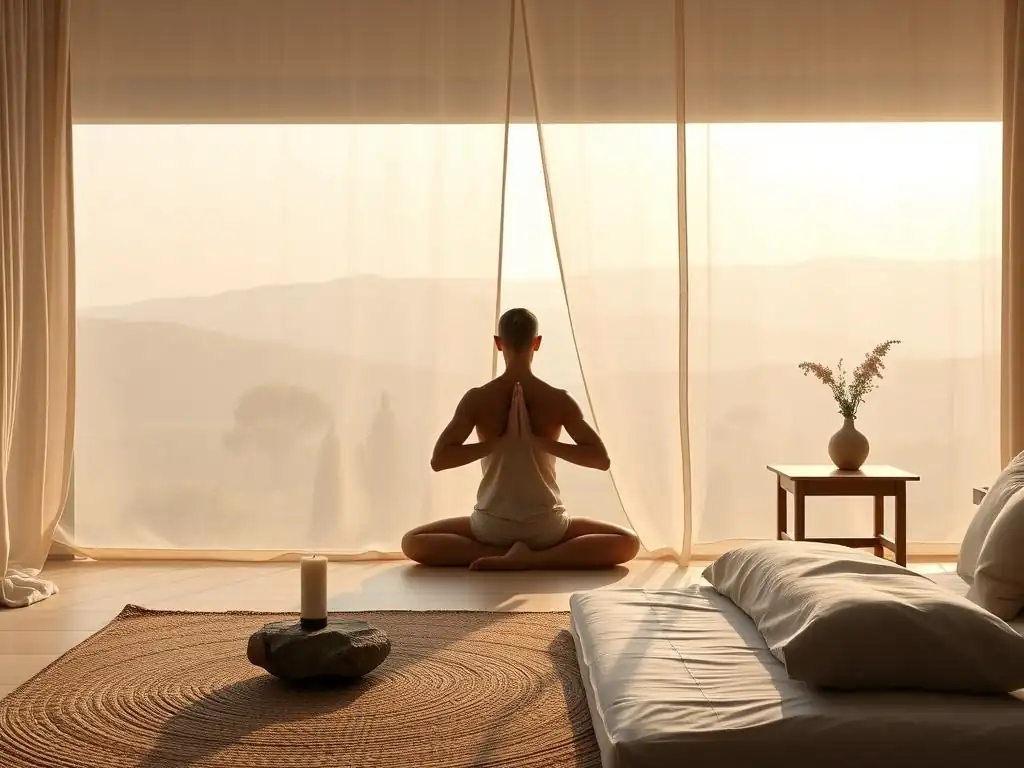
Before booking a yoga retreat for stress and anxiety reduction, it's crucial to honestly assess your personal goals and current state. Are you primarily looking for physical relaxation and gentle movement, or are you seeking deeper emotional release and tools for managing chronic anxiety? Consider the specific types of stress you face – is it burnout from work, relationship stress, or general overwhelm? Understanding your primary motivation will help you narrow down the vast options available.
For instance, someone dealing with burnout might prioritize rest and gentle practices, while someone managing chronic anxiety might seek retreats with strong mindfulness or therapeutic components. Take some time to journal about your intentions: What do I hope to leave behind? What do I hope to gain?
Your current experience level with yoga and meditation is also a key factor. If you're a complete beginner, look for retreats explicitly labeled as beginner-friendly, focusing on foundational poses and basic breathwork. If you have an established practice, you might prefer an intermediate or advanced retreat that challenges you further or delves into specific styles like Yin or Restorative yoga, which are particularly effective for calming the nervous system.
Some retreats specialize in specific issues, such as trauma-informed yoga or retreats specifically designed for anxiety relief, offering targeted workshops and support structures. Pinpointing your needs ensures you choose a retreat that truly helps yoga retreats reduce stress anxiety in a way that is most beneficial for you personally.
Program Types: From Beginner-Friendly to Advanced Intensive Yoga
Yoga retreats come in a wide variety of program types, catering to different levels, interests, and goals. For individuals focused on stress and anxiety reduction, beginner-friendly and restorative-focused retreats are often excellent choices. These programs typically emphasize gentle Hatha or Yin yoga, which focus on holding poses longer to release deep connective tissue tension, and Restorative yoga, which uses props to support the body completely, allowing for profound relaxation and nervous system calming. Breathwork (pranayama) focused on calming techniques like Ujjayi (victorious breath) or Nadi Shodhana (alternate nostril breathing) is usually a significant part of the daily schedule.
More intensive retreats might delve into stronger physical practices like Vinyasa or Ashtanga, which can be stress-relieving for some but might be too physically demanding for others seeking deep relaxation. However, even intensive retreats often balance vigorous practice with ample meditation, mindfulness, and relaxation time. Retreats specifically marketed for "stress and anxiety" will likely include workshops on stress management techniques, emotional regulation, and integrating mindfulness into daily life.
Some retreats combine yoga with other modalities like hiking, surfing, or creative arts, offering a multi-faceted approach to well-being. Researching the daily schedule and the qualifications of the instructors is vital to ensure the program aligns with your goals for using yoga retreats to reduce stress and anxiety.
Accommodation and Amenities: Comfort Levels for Optimal Relaxation
The environment and comfort level of your accommodation significantly impact your ability to relax and fully benefit from a yoga retreat aimed at reducing stress and anxiety. While some retreats offer rustic, shared accommodations that encourage community building, others provide private rooms with luxurious amenities for maximum solitude and comfort. Consider what kind of environment will best support your need to unwind. For some, a simple, minimalist setting is freeing, reducing distractions. For others, a comfortable, private space is essential for feeling safe and relaxed enough to delve into inner work.
Beyond the rooms themselves, look at the overall amenities offered. Is there a dedicated meditation space, quiet areas for reading or reflection, or communal lounges for connecting with others? Access to nature, whether it's a garden, forest trails, or a beach, is a major plus for stress reduction.
Spa services, swimming pools, or hot tubs can also enhance relaxation. Consider practicalities like internet access (some retreats encourage or require digital detox), dietary options (ensuring they can accommodate your needs is vital for feeling cared for), and the overall cleanliness and atmosphere of the venue. A retreat environment that feels safe, comfortable, and nurturing is paramount for allowing the deep relaxation necessary for yoga retreats to effectively reduce stress anxiety.
Budget Considerations: Finding a Retreat That Fits Your Financial Plan
Yoga retreats vary widely in cost, from budget-friendly options in shared accommodations to luxury experiences with private villas and bespoke programs. Establishing a clear budget upfront is essential to finding a retreat that is financially accessible without compromising too much on your needs for stress and anxiety reduction. Remember that the cost typically includes accommodation, meals, and all scheduled activities (yoga, meditation, workshops). Additional costs might include travel to and from the location, airport transfers, spa treatments, excursions, and personal expenses.
Consider the value offered versus the price. A more expensive retreat might include highly qualified instructors, specialized workshops, gourmet organic food, or luxurious amenities that significantly enhance the experience and potential for healing. A less expensive option might offer a simpler setting but still provide excellent core programming in yoga and meditation. Look for retreats that are transparent about what is included in the price.
Sometimes, off-season travel or booking well in advance can offer cost savings. Many retreats also offer payment plans. Don't let a tight budget deter you; numerous affordable options exist that still provide a powerful opportunity for stress reduction and anxiety relief through yoga retreats. Prioritize the elements most important for your well-being within your financial constraints.
Key Elements of a Stress-Reducing Yoga Retreat Program
Daily Yoga Practice: Focusing on Restorative Poses and Breathwork (Pranayama)
A cornerstone of any effective yoga retreat for stress and anxiety is consistent, daily practice. While many styles may be offered, programs specifically designed for stress reduction often emphasize gentle, accessible forms like Hatha, Yin, or Restorative yoga. Restorative yoga, in particular, is incredibly beneficial; it involves holding supported poses for several minutes using props like bolsters, blankets, and blocks. This allows the body to fully release tension without effort, activating the parasympathetic nervous system and reducing cortisol levels. A typical restorative session might include supported bridge pose, legs-up-the-wall, or supported forward folds.
Equally important is the focus on breathwork, or Pranayama. Conscious breathing techniques are powerful tools for regulating the nervous system. Retreats focused on stress relief often teach practices like Ujjayi breath, which creates a soothing oceanic sound, or Nadi Shodhana (alternate nostril breathing), known for balancing the left and right hemispheres of the brain and calming the mind.
Simple deep belly breathing exercises are also fundamental. By consciously manipulating the breath, participants learn to interrupt the stress response cycle in real-time, a skill they can take home. Daily practice of these techniques within the supportive retreat environment builds a strong foundation for sustained stress reduction and anxiety relief.
Guided Meditation and Mindfulness Sessions: Cultivating Inner Peace
Meditation and mindfulness are integral components of yoga retreats aimed at calming the mind and reducing anxiety. Daily guided meditation sessions provide structured time to cultivate stillness and awareness. These sessions might range from simple breath awareness meditations to body scans (progressively bringing attention to different parts of the body) or loving-kindness meditation (cultivating feelings of warmth and compassion towards oneself and others). The consistent guidance helps participants overcome common challenges like a wandering mind and learn techniques they can integrate into their daily lives.
Mindfulness is often woven throughout the retreat experience, extending beyond formal meditation sits. This includes mindful eating, mindful walking in nature, and simply practicing awareness in everyday activities. Workshops on mindfulness might explore its psychological benefits and practical application in managing difficult thoughts and emotions without getting overwhelmed. Learning to observe thoughts and feelings without judgment is a powerful skill for reducing the reactivity often associated with anxiety. The retreat environment, free from daily distractions, provides an ideal setting to deepen this practice, making it easier to access inner peace and cultivate resilience against stress.
Nutritious and Delicious Meals: Fueling Your Body and Mind
The food served at a yoga retreat plays a significant role in the overall healing process, especially for those seeking to reduce stress and anxiety. Most retreats provide healthy, wholesome meals, often vegetarian or vegan, focusing on fresh, local, and organic ingredients. Diets high in processed foods, sugar, and unhealthy fats can exacerbate inflammation and negatively impact mood and energy levels. Conversely, nutrient-dense foods support brain health, stabilize blood sugar, and provide sustained energy, all of which are crucial for managing stress and anxiety.
Retreat meals are typically served communally, encouraging mindful eating and fostering a sense of connection among participants. Emphasis is often placed on slowing down, savoring each bite, and paying attention to how the food makes you feel. Hydration is also prioritized, with plenty of water and herbal teas available. Some retreats offer workshops on nutrition and its link to mental well-being, empowering participants to make healthier choices after they leave. Nourishing the body with clean, vibrant food supports the mental and emotional work being done, enhancing the overall effectiveness of the retreat in reducing stress and anxiety.
Nature Immersion: Connecting with the Earth's Healing Energy
Connecting with nature is a powerful antidote to stress and anxiety, and many yoga retreats are strategically located in beautiful natural settings to leverage this. Whether nestled in mountains, besides the ocean, or surrounded by forests, the environment provides a calming and grounding influence. Spending time in nature has been shown in numerous studies to lower cortisol levels, reduce blood pressure, and improve mood. Simply being in a natural environment can reduce rumination and increase feelings of awe, shifting focus away from internal worries.
Retreats often incorporate nature immersion through mindful walks, hiking, swimming, or simply spending quiet time observing the surroundings. Practices like "forest bathing" (Shinrin-yoku) – mindfully engaging the senses while in a forest – are sometimes included. Opportunities for grounding, such as walking barefoot on the earth or sand, help to connect with the planet's energy and release built-up tension. This connection to the natural world provides perspective, reduces feelings of isolation, and offers a profound sense of peace that complements the benefits of yoga and meditation, making nature a vital component of yoga retreats that effectively reduce stress anxiety.
Maximizing the Benefits: Preparing for and Integrating Your Retreat Experience
Pre-Retreat Preparation: Setting Intentions and Building a Foundation
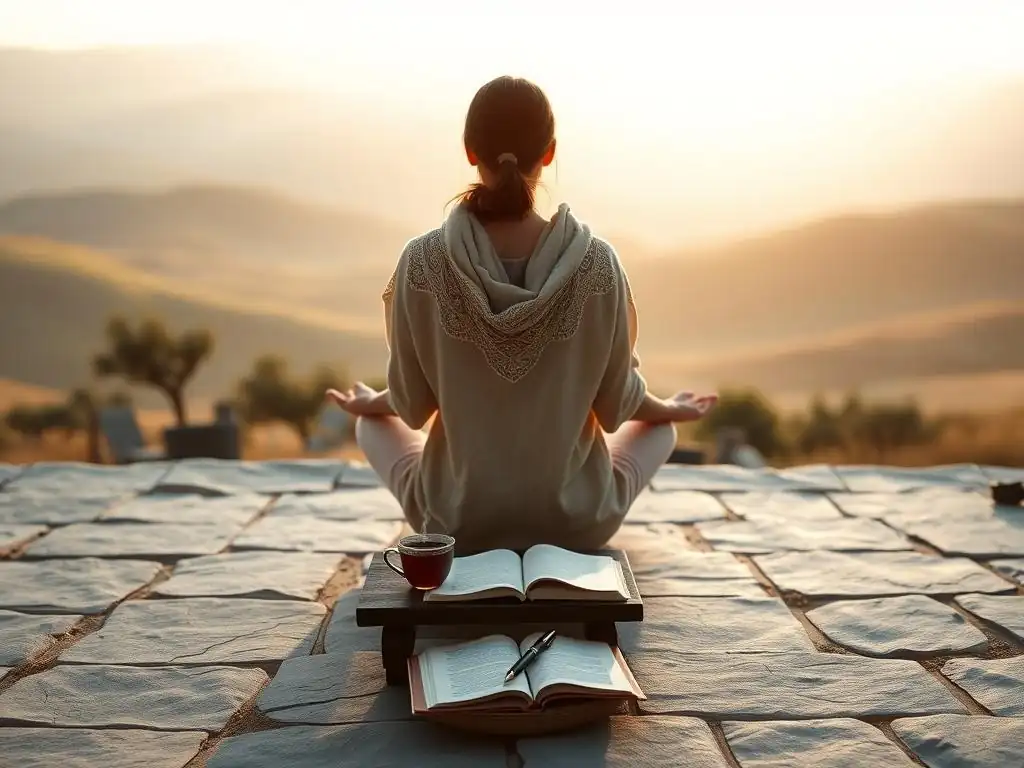
To maximize the benefits of a yoga retreat aimed at reducing stress and anxiety, preparation is key. Begin by clearly setting your intentions for the retreat. What specific challenges are you hoping to address? What qualities do you wish to cultivate (e.g., calm, resilience, self-compassion)?
Writing these down can help focus your energy and make you more receptive to the retreat's offerings. Start incorporating small, mindful practices into your daily routine before you go, like a few minutes of deep breathing or a short walk in nature. This helps build a foundation and makes the transition into the retreat environment smoother.
Consider a digital detox plan for the retreat duration. Inform colleagues and family that you will be mostly offline. This allows you to fully disconnect and immerse yourself in the experience without the constant pull of notifications and emails, which are significant stress triggers for many.
Pack comfortable clothing suitable for movement and relaxation, any personal items that bring you comfort (like a journal or a favorite meditation cushion), and essentials like sunscreen and insect repellent depending on the location. Preparing mentally and practically ensures you arrive ready to fully embrace the journey towards stress reduction and anxiety relief through yoga retreats.
During the Retreat: Embracing the Present Moment and Letting Go of Expectations
Once at the retreat, the most important practice is simply being present. Try to let go of expectations about what the experience "should" be like. Every day might feel different; some moments might be blissful, while others might bring up challenging emotions. Approach each practice, meal, and interaction with curiosity and non-judgment, both towards yourself and others. Engage fully in the scheduled activities, but also allow yourself time for spontaneous rest or quiet reflection if needed. Listen to your body and mind, and honor what they need in the moment.
Resist the urge to constantly analyze or critique your progress. The benefits of yoga retreats for stress and anxiety often unfold gradually. If difficult feelings arise, acknowledge them without getting swept away, perhaps using the mindfulness techniques you are learning. Connect with others if it feels right, but also cherish your solitude. This is your time to disconnect from external pressures and reconnect with your inner self. By staying present and letting go of rigid expectations, you create space for genuine healing and allow the yoga retreat to truly reduce your stress and anxiety.
Post-Retreat Integration: Maintaining Your Practice and Stress-Reduction Techniques
The real test of a yoga retreat's lasting impact on stress and anxiety is how well you integrate the lessons and practices into your daily life back home. Before leaving the retreat, take time to reflect on what felt most beneficial and sustainable for you. Was it a specific breathing technique, a type of meditation, a gentle yoga pose, or simply the practice of mindful eating? Identify 1-3 key practices you commit to incorporating regularly. Start small – perhaps 10-15 minutes of practice each day.
Schedule your practice time into your calendar like any other important appointment. Find local yoga classes or online resources that resonate with you. Reconnect with the community you built at the retreat, if possible, for ongoing support.
Continue to prioritize healthy eating, adequate sleep, and time in nature. When faced with stressors, consciously recall the techniques you learned at the retreat, such as mindful breathing or body scanning, to respond more calmly. Recognize that maintaining stress reduction and anxiety relief achieved through yoga retreats is an ongoing journey, and be patient and compassionate with yourself as you navigate integrating these powerful tools into your everyday life.
Real-Life Transformations: Yoga Retreat Success Stories for Stress and Anxiety
Sarah's Story: How a Yoga Retreat Helped Overcome Burnout
Sarah, a marketing executive in her late 30s, arrived at a mountain-based yoga retreat feeling completely depleted. Long hours, constant deadlines, and the pressure to always be "on" had led to classic burnout symptoms: chronic fatigue, irritability, difficulty concentrating, and persistent low-grade anxiety that made sleep elusive. She had tried various stress-reduction techniques but found them hard to stick with amidst her demanding schedule. Her doctor suggested exploring options for significant stress relief, and she decided a retreat focusing on yoga retreats reduce stress anxiety might offer the immersive break she desperately needed.
During the week-long retreat, Sarah participated in daily gentle yoga sessions, focusing on restorative poses that helped release physical tension she hadn't realized she was holding. The guided meditations taught her simple techniques for observing her racing thoughts without judgment. She found the digital detox challenging at first but soon appreciated the freedom from constant connectivity. The nutritious meals and early nights helped restore her physical energy.
By the end of the week, Sarah reported feeling significantly calmer, with a noticeable decrease in her anxiety levels (she estimated a 50% reduction in her subjective anxiety score). She left with a simple 15-minute morning routine combining gentle stretching and mindful breathing, which she committed to maintaining. Six months later, she still practices this routine daily, has better boundaries around work, and reports feeling more resilient and less susceptible to the overwhelming stress that previously defined her life.
David's Story: Finding Calm and Clarity After a Difficult Life Transition
David, a man in his early 50s, attended a coastal yoga retreat following a challenging period of life transition, including a job loss and the end of a long-term relationship. He felt adrift, struggling with uncertainty, sadness, and heightened anxiety about the future. He hoped a retreat focused on yoga retreats reduce stress anxiety could provide space for healing and clarity. He was new to yoga and meditation but was open to trying anything that might help him find peace amidst the turmoil.
The retreat's program included daily Hatha yoga, mindfulness workshops, and ample free time for reflection or walks on the beach. David initially found the quiet challenging, as it allowed difficult emotions to surface. However, the supportive environment and guidance from instructors helped him process these feelings.
He learned breathing techniques that calmed his panic attacks and found unexpected comfort in the physical practice of yoga, which helped ground him when his mind felt chaotic. The retreat's focus on self-compassion resonated deeply, helping him move past self-blame related to his job loss. By the end of the retreat, David felt a profound sense of calm he hadn't experienced in months.
He left with a commitment to continue practicing mindful breathing and attending local yoga classes. He credits the retreat with giving him the emotional strength and clarity needed to navigate his transition with greater peace and less anxiety, ultimately leading him to pursue a new, more fulfilling career path within a year.
Investing in Your Well-being: The Long-Term Value of Yoga Retreats for Anxiety and Stress
Beyond Temporary Relief: Building Resilience and Coping Mechanisms
While a yoga retreat offers immediate relief from the pressures of daily life and can significantly reduce stress and anxiety during the experience, its true value lies in the long-term impact. A well-chosen retreat doesn't just provide a temporary escape; it equips you with practical tools and techniques to manage stress and anxiety more effectively in your everyday life.
The consistent practice of yoga, meditation, and mindfulness during the retreat helps build new neural pathways, strengthening your ability to respond to challenges with greater calm and less reactivity. This process builds resilience – the capacity to bounce back from adversity.
Participants learn specific breathing exercises (pranayama) and meditation techniques that can be deployed in moments of stress or panic. They gain a deeper understanding of the mind-body connection and how stress manifests physically and emotionally. This awareness is the first step towards developing healthier coping mechanisms than relying on detrimental habits. By providing an immersive learning environment, yoga retreats reduce stress anxiety not just for a week, but by fostering sustainable skills. The investment is in building an internal toolkit that you can access anytime, anywhere, long after the retreat ends.
Creating a Sustainable Self-Care Routine: Incorporating Yoga and Mindfulness into Daily Life
One of the most valuable outcomes of attending a yoga retreat focused on stress and anxiety reduction is the inspiration and practical knowledge gained to create a sustainable self-care routine back home. The retreat experience demonstrates the profound benefits of consistent practice and provides a tangible experience of what feeling calm and centered is like. This motivation is crucial for overcoming the inertia that often prevents people from prioritizing their well-being amidst busy schedules.
Integrating yoga and mindfulness into daily life doesn't require hours each day. Even 10-20 minutes of conscious breathing, gentle stretching, or quiet meditation can make a significant difference in managing stress levels. The retreat teaches how to practice effectively, providing a foundation you can build upon.
This might involve joining a local yoga studio, using meditation apps, finding online yoga classes, or simply dedicating a quiet corner in your home for practice. By consistently applying the techniques learned at the retreat, individuals can maintain the reduced levels of stress and anxiety achieved during their time away, transforming temporary relief into lasting well-being through the power of yoga and mindfulness.
Resources and Support: Continuing Your Journey to Inner Peace
The journey towards lasting stress reduction and inner peace doesn't end when the yoga retreat concludes. Maintaining the benefits requires ongoing effort and support. Retreats often provide resources, such as recommended reading lists, guided meditation recordings, or contact information for instructors, to help you continue your practice. Many retreat centers also offer alumni programs or follow-up sessions.
Beyond the retreat's specific resources, numerous avenues exist for continued support. Exploring local yoga studios allows you to connect with a community and receive in-person guidance. Online platforms offer a vast array of yoga and meditation classes at various levels and styles. Meditation apps can provide daily guided sessions and reminders.
For deeper emotional work or persistent anxiety, consider seeking support from a therapist or counselor who integrates mindfulness or somatic practices. Connecting with fellow retreat participants can also provide a valuable support network. Embracing these resources ensures that the powerful stress reduction and anxiety relief gained from yoga retreats becomes a sustained part of your life, leading to long-term well-being.
Frequently Asked Questions
What are the primary benefits of attending yoga retreats specifically for stress and anxiety?
Yoga retreats offer a structured environment for deep relaxation and mindfulness practices. They often incorporate techniques specifically designed to reduce stress hormones and promote emotional regulation.
How do yoga retreats differ from regular yoga classes in terms of stress reduction?
Retreats provide an immersive experience focused on holistic well-being, unlike shorter, less frequent classes. They offer deeper exploration of yoga philosophy and practices, fostering lasting change.
What types of yoga are most effective for stress and anxiety relief during a retreat?
Restorative yoga, Hatha yoga, and yoga nidra are particularly beneficial due to their emphasis on relaxation and mindfulness. These styles calm the nervous system and promote a sense of inner peace.
How can I choose the right yoga retreat to address my specific stress and anxiety levels?
Consider the retreat's focus, location, and instructors' expertise. Read reviews and assess the daily schedule to ensure it aligns with your preferences and needs for stress reduction.
What lasting impact can a yoga retreat have on managing stress and anxiety after returning home?
Participants often develop new coping mechanisms and mindfulness habits that they can integrate into their daily lives. This leads to improved stress resilience and a more balanced emotional state long-term.
Final Reflection: Finding Peace, Cultivating Resilience
The pervasive nature of stress and anxiety in modern life demands proactive solutions, and the transformative power of yoga retreats offers a potent antidote. These retreats aren't just temporary escapes; they provide the tools and techniques to cultivate lasting resilience, equipping individuals to navigate the challenges of daily life with greater ease and equanimity. The profound impact on mental and physical well-being extends far beyond the retreat itself, fostering a ripple effect of positive change.
The journey inward, undertaken during a yoga retreat, is a deeply personal one, revealing hidden strengths and fostering a renewed sense of self-awareness. It's a journey that resonates long after the final savasana. The practices learned – from mindful movement to meditation to connecting with nature – become integral parts of daily life, offering solace and strength in the face of adversity. Yoga is the journey of the self, through the self, to the self.
– The Bhagavad Gita. This ancient wisdom rings truer than ever in our fast-paced world, reminding us of the importance of inner peace and self-discovery.
Now, consider how you can integrate the principles of mindfulness and self-care into your own life. Perhaps it's dedicating just ten minutes each day to meditation, incorporating gentle yoga stretches into your routine, or simply taking a few deep breaths when stress arises. The path to a calmer, more fulfilling life begins with a single step, a single breath, a single moment of mindful awareness. Embrace the opportunity to transform your stress, not just for a week-long retreat, but for a lifetime of well-being.
Unleash Your Inner Peace: Take the Next Step Towards Serenity
Thanks for taking the time to explore the world of transformative yoga retreats with Mind Care Guide. We hope you've gained valuable insights into finding lasting peace and well-being. Now, it's time to turn that inspiration into action!
- Book your transformative retreat: Take the first step towards a calmer, more centered you by researching and booking a retreat that resonates with you. Explore different locations, styles, and levels to find the perfect fit.
- Share your journey: Inspire others to prioritize self-care by sharing your newfound knowledge and experiences on social media! Use #MindCareGuideRetreats to connect with our community.
- Explore guided meditations: Continue your journey towards inner peace by utilizing the free guided meditations offered on our website. These short practices can help you maintain serenity throughout your day.
Ready to embark on this transformative journey? What step resonates most with you and why?