
Can Therapy Change Your Brain Chemistry? Neurobiological Effects of Psychotherapy

Welcome to Mind Care Guide, your trusted companion on the journey to mental well-being.
Ever wondered if talk therapy is more than just words? Dive into our comprehensive article, "Can Therapy Change Your Brain Chemistry? ", where we explore the fascinating neurobiological effects of psychotherapy and uncover how therapy alters brain chemistry to promote healing and resilience. Discover the science behind the shifts – and how it can empower you on your path to improved mental health. Ready to understand the profound impact of therapy on your brain?
Can Therapy Change Your Brain Chemistry? Neurobiological Effects of Psychotherapy
- Introduction: The Brain's Response to Therapy
- The Neurobiological Impact of Psychotherapy: How Therapy Alters Brain Chemistry
- Specific Therapies and Their Effects on Brain Chemistry
- Brain Imaging Studies: Evidence of Neuroplasticity After Therapy
- The Impact of Therapy on Specific Brain Regions
- Factors Influencing Therapy's Impact on Brain Chemistry
- Medication vs. Therapy: A Comparative Look at Brain Changes
- Maintaining Brain Health After Therapy: Long-Term Strategies
- Conclusion: Therapy, Brain Chemistry, and the Future of Mental Healthcare
-
Frequently Asked Questions
- Can Therapy actually change your brain chemistry?
- How does therapy alter brain chemistry differently from medication?
- What specific brain areas are affected by therapeutic interventions?
- What types of therapy are most effective at changing brain chemistry?
- How long does it take for therapy to show changes in brain chemistry?
- Final Reflection: The Rewiring of Resilience: How Therapy Shapes Our Brains
- Unlock Your Brain's Potential: Take Charge of Your Mental Wellbeing
Introduction: The Brain's Response to Therapy
Understanding the Connection Between Therapy and Brain Function
For many years, the focus of mental health treatment often seemed divided between psychological interventions like therapy and biological interventions like medication. However, modern neuroscience is increasingly revealing a profound and intricate connection: the mind and the brain are not separate entities but deeply intertwined. Our thoughts, feelings, and behaviors, which are the focus of psychotherapy, are direct expressions of brain activity. Conversely, changes in our mental state, brought about through therapeutic processes, can indeed lead to measurable changes in brain function and structure. This understanding is crucial for appreciating how therapy alters brain chemistry and neural pathways.
This growing body of research highlights that talking therapies are not just about managing symptoms or developing coping skills at a behavioral level. They are powerful experiences that can influence the very biological substrate of our mental lives. By engaging specific cognitive and emotional processes, therapy encourages the brain to adapt and reorganize. This neurobiological perspective offers a hopeful message: just as negative experiences can impact brain function, positive, structured therapeutic experiences can promote healing and resilience by actively modifying brain chemistry and connectivity.
Neuroplasticity and Mental Health
At the heart of understanding how therapy alters brain chemistry is the concept of neuroplasticity. This refers to the brain's remarkable ability to reorganize itself throughout life by forming new neural connections. It can adapt in response to learning, experience, and even injury. For decades, it was believed the adult brain was largely fixed, but we now know it is dynamic and constantly changing. This principle is fundamental to why psychotherapy is effective; it leverages the brain's natural capacity to change.
In the context of mental health, neuroplasticity means that the brain circuits involved in conditions like depression, anxiety, or PTSD are not permanently wired in a dysfunctional state. Therapeutic interventions provide structured experiences that guide the brain towards healthier patterns of activity. For instance, therapy can help weaken neural connections associated with fear responses while strengthening those related to calm and rational thought. This capacity for the brain to physically change in response to psychological input is the biological basis for long-term recovery and well-being achieved through therapy.
The Neurobiological Impact of Psychotherapy: How Therapy Alters Brain Chemistry
Mechanisms of Change: From Talk Therapy to Neural Rewiring
The process by which talk therapy translates into physical changes in the brain is complex but increasingly understood. When a person engages in therapy, they are learning new ways of thinking, feeling, and behaving. This learning process involves the strengthening or weakening of synapses – the connections between neurons. For example, practicing a new coping strategy in response to stress involves activating specific neural circuits repeatedly, making those pathways more efficient over time. This is the essence of neural rewiring; the brain literally changes its wiring diagram based on new experiences and learning.
Furthermore, therapy often involves processing difficult emotions and memories in a safe environment. This can alter the activity in brain regions involved in emotional regulation, such as the amygdala and prefrontal cortex. By repeatedly confronting and re-evaluating distressing thoughts or memories, their associated emotional intensity can decrease, indicating a change in how these stimuli are processed at a neural level. This demonstrates how psychotherapy alters brain chemistry and connectivity, leading to shifts in emotional responses and cognitive patterns.
Neurotransmitters: Serotonin, Dopamine, and Norepinephrine in Therapy
Psychotherapy's impact extends to the level of neurotransmitters, the chemical messengers that transmit signals within the brain. While direct measurement of neurotransmitter levels in response to therapy is challenging in living humans, evidence suggests that successful therapy is associated with changes in neurotransmitter systems that are often implicated in mood and anxiety disorders. For instance, depression is frequently linked to dysregulation in serotonin, norepinephrine, and dopamine systems.
Studies, often using indirect measures or animal models, suggest that effective psychotherapy for depression can lead to changes in the sensitivity or availability of receptors for these neurotransmitters in specific brain areas. For example, some research indicates that successful treatment for depression, whether through medication or therapy, can influence the function of the serotonin transporter, a protein crucial for regulating serotonin levels in the synapse.
Similarly, changes in dopamine pathways, associated with reward and motivation, and norepinephrine pathways, linked to alertness and stress response, are also believed to contribute to therapeutic outcomes. Thus, psychotherapy alters brain chemistry by influencing the complex balance and function of these vital chemical systems.
Specific Therapies and Their Effects on Brain Chemistry
Cognitive Behavioral Therapy (CBT): Rewiring Thought Patterns
Cognitive Behavioral Therapy (CBT) is one of the most widely researched forms of psychotherapy regarding its neurobiological effects. CBT focuses on identifying and changing negative thought patterns and behaviors. This process directly engages the brain's prefrontal cortex, the area responsible for executive functions like decision-making, planning, and overriding automatic responses. By learning to challenge irrational thoughts and develop more balanced perspectives, individuals strengthen the neural pathways involved in rational appraisal and weaken those associated with automatic negative reactions.
Research using fMRI has shown that successful CBT for conditions like depression and anxiety is associated with altered activity in the prefrontal cortex and reduced activity in the amygdala, the brain's fear center. For example, studies on panic disorder have shown that after CBT, patients exhibit decreased activation in the amygdala when anticipating a panic attack cue, alongside increased activity in regulatory prefrontal regions. This provides clear evidence that this form of psychotherapy alters brain chemistry and function, leading to more adaptive emotional and cognitive processing.
Dialectical Behavior Therapy (DBT): Emotional Regulation and Brain Function
Dialectical Behavior Therapy (DBT), originally developed for individuals with Borderline Personality Disorder, focuses heavily on emotional regulation, distress tolerance, and interpersonal effectiveness. These skills are learned and practiced, engaging brain circuits involved in impulse control and emotional processing. DBT aims to improve the connection between the prefrontal cortex and the limbic system (which includes the amygdala and hippocampus), allowing for better management of intense emotions.
Studies, though fewer than for CBT, suggest that DBT can lead to structural and functional changes in brain areas related to emotional regulation. For instance, some preliminary research indicates that individuals undergoing DBT show changes in gray matter volume in areas like the insula, a region involved in processing bodily states and emotions, and the amygdala. By teaching skills to manage overwhelming emotions and reduce impulsive behaviors, DBT helps individuals build stronger neural pathways for emotional control, demonstrating how this psychotherapy alters brain chemistry to improve emotional stability.
Psychodynamic Therapy: Unconscious Processes and Neural Pathways
Psychodynamic therapy explores unconscious patterns of thought and behavior rooted in past experiences, particularly early relationships. While it might seem less directly focused on immediate behaviors than CBT or DBT, this therapy involves deep processing of emotions and memories, which also has neurobiological correlates. Bringing unconscious patterns into conscious awareness and working through them involves significant activity in brain regions associated with memory, emotion, and self-reflection, including the hippocampus and prefrontal cortex.
Processing past trauma or difficult relationship patterns in a safe therapeutic setting can help to "detoxify" these memories, changing how they are stored and accessed in the brain. This can involve altering the neural connections between the hippocampus (memory) and the amygdala (emotion), reducing the intensity of emotional reactions triggered by these memories. Although research on the specific brain changes due to psychodynamic therapy is less extensive than for CBT, the fundamental principles of neuroplasticity apply, suggesting that gaining insight and resolving internal conflicts through this therapy also contributes to how therapy alters brain chemistry and neural processing.
Interpersonal Therapy (IPT) focuses on resolving interpersonal problems and improving communication skills, often used for depression. Given that social connection and relationships significantly impact brain health and function, it's logical that a therapy targeting these areas would have neurobiological effects. Social interactions are known to influence neurotransmitter systems, including dopamine (related to social reward) and oxytocin (related to bonding and trust).
IPT helps individuals navigate difficult relationships, resolve grief, and adapt to role transitions, which can reduce social stress and improve feelings of connection. Reduced social stress can lower cortisol levels, a stress hormone known to negatively impact the hippocampus and prefrontal cortex over time. By improving the quality of social interactions and reducing interpersonal conflict, IPT can positively influence the brain's stress response system and enhance the function of brain regions involved in social cognition and emotional regulation, illustrating another way therapy alters brain chemistry and overall brain health.
Brain Imaging Studies: Evidence of Neuroplasticity After Therapy
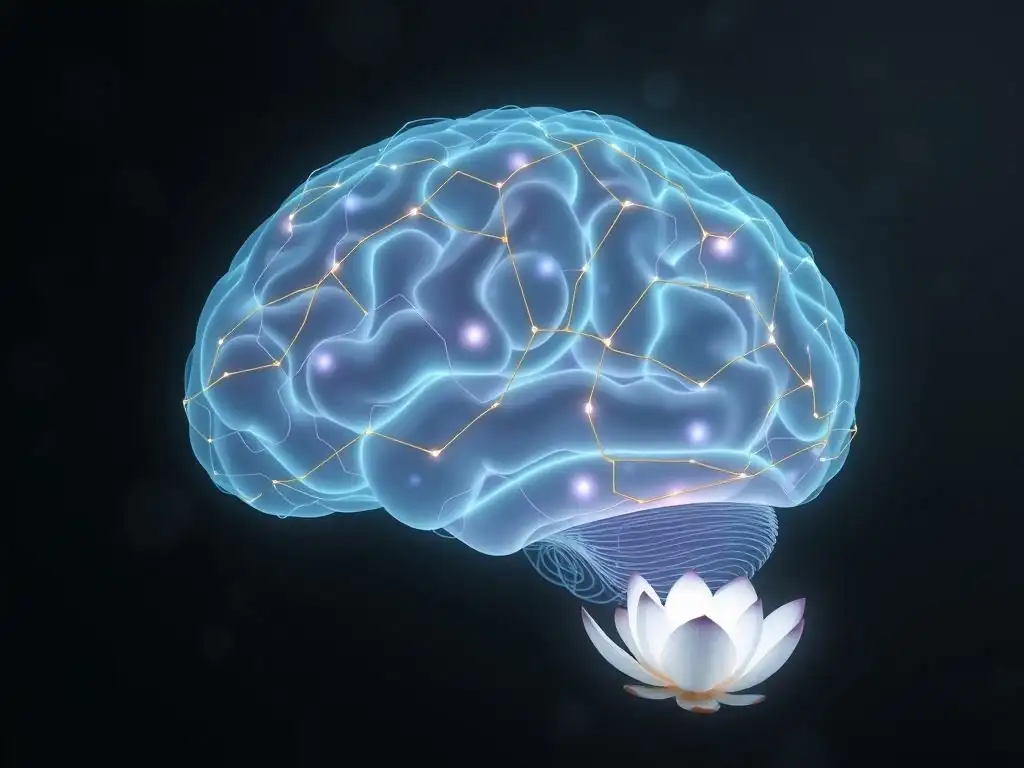
fMRI Studies: Visualizing Brain Changes
Functional Magnetic Resonance Imaging (fMRI) is a key tool used by researchers to visualize brain activity in real-time. By measuring changes in blood flow, fMRI can show which brain regions are more or less active during specific tasks or in response to certain stimuli. Numerous fMRI studies have provided compelling evidence that psychotherapy leads to observable changes in brain function.
For example, studies on individuals with Major Depressive Disorder have consistently shown altered activity in the prefrontal cortex and limbic system. After successful treatment with various psychotherapies, fMRI scans often show a normalization of activity patterns in these regions – for instance, increased activity in areas associated with emotional regulation and decreased activity in areas linked to rumination or negative affect.
One notable finding across several studies is the reduction in amygdala reactivity to negative emotional stimuli after therapy for anxiety disorders or depression. For example, patients with social anxiety disorder showed reduced amygdala activation when viewing critical faces after receiving CBT. These findings provide visual proof that psychotherapy alters brain chemistry indirectly by changing how different brain regions communicate and process information, leading to more adaptive neural responses.
EEG Studies: Measuring Brainwave Activity and Therapeutic Outcomes
Electroencephalography (EEG) measures electrical activity in the brain through electrodes placed on the scalp. While it provides less precise spatial information than fMRI, EEG offers excellent temporal resolution, capturing brain activity changes milliseconds by milliseconds. EEG studies have also contributed to our understanding of the neurobiological effects of therapy by identifying changes in brainwave patterns associated with therapeutic improvement.
For instance, research using quantitative EEG (qEEG) has shown specific patterns of electrical activity linked to different mental health conditions. Studies have found that after successful psychotherapy, patients' EEG patterns can shift towards those observed in healthy individuals. Changes in alpha, theta, or gamma wave activity in specific brain regions have been correlated with reductions in symptoms of depression and anxiety. These EEG findings complement fMRI results by demonstrating that therapy-induced changes occur at the level of neural firing patterns, providing further support for the idea that psychotherapy alters brain chemistry and electrical activity.
Research Examples on Therapy's Impact on Brain Structure
Beyond function, therapy can also influence brain structure, specifically gray matter volume and white matter connectivity. Gray matter consists primarily of neuronal cell bodies, while white matter is made up of myelinated axons that connect different brain regions. Structural MRI studies have investigated changes in these aspects after therapy.
For example, studies on individuals with Post-Traumatic Stress Disorder (PTSD) receiving trauma-focused therapy have shown increases in hippocampal volume. The hippocampus is crucial for memory processing, and chronic stress and trauma are often associated with reduced hippocampal size. Therapy-induced growth or recovery in this area suggests a structural basis for improved memory processing and reduced avoidance behaviors.
Similarly, research on depression has indicated that effective therapy can be associated with changes in prefrontal cortex thickness or connectivity patterns in white matter tracts connecting emotional and cognitive regions. These structural adaptations underscore the profound physical impact of psychotherapy and how therapy alters brain chemistry and the physical architecture of the brain itself.
The Impact of Therapy on Specific Brain Regions
The Prefrontal Cortex: Enhancing Executive Function
The prefrontal cortex (PFC), located at the front of the brain, is the control center for executive functions such as planning, decision-making, working memory, and regulating attention and behavior. It also plays a critical role in modulating emotional responses originating from the limbic system. Many mental health conditions, including depression, anxiety, and ADHD, are associated with dysfunction or altered activity in the PFC. Psychotherapy, particularly therapies like CBT and DBT, actively engages and strengthens the PFC.
By teaching skills like cognitive restructuring, problem-solving, and impulse control, therapy helps to improve the PFC's ability to manage thoughts and emotions. Research indicates that successful therapy is often correlated with increased activity or connectivity in the PFC during tasks requiring emotional regulation or cognitive control. For instance, studies have shown increased activation in the dorsolateral PFC during reappraisal tasks after therapy for depression. This enhancement of PFC function is a key way that psychotherapy alters brain chemistry and neural circuits, leading to improved self-regulation and more adaptive responses to challenges.
The Amygdala: Reducing Fear and Anxiety Responses
The amygdala, a small almond-shaped structure deep within the temporal lobe, is a primary component of the brain's fear circuitry. It is responsible for detecting threats and triggering the body's fight-or-flight response. In anxiety disorders and PTSD, the amygdala often becomes hyperactive or overly sensitive, leading to excessive fear and anxiety responses even in the absence of real danger. Reducing this heightened amygdala activity is a major goal of many psychotherapies.
Therapies such as exposure therapy (often part of CBT) work by gradually exposing individuals to feared stimuli in a safe environment, allowing the brain to learn that these stimuli are not dangerous. This process, known as extinction learning, involves the prefrontal cortex inhibiting the amygdala's response. Studies have shown that successful exposure therapy leads to decreased amygdala activation when confronted with previously feared cues.
For example, fMRI studies on phobia patients after exposure therapy show a significant reduction in amygdala response to phobic stimuli. This reduction in fear signaling from the amygdala is a direct neurobiological effect, demonstrating how psychotherapy alters brain chemistry and neural circuits to alleviate pathological fear and anxiety.
The Hippocampus: Improving Memory and Emotional Processing
The hippocampus, another structure within the limbic system, is vital for forming new memories, spatial navigation, and plays a role in regulating the stress response. It works closely with the amygdala and prefrontal cortex in processing emotional memories. Chronic stress and trauma, often underlying conditions like depression and PTSD, can impair hippocampal function and even reduce its size. Improving hippocampal function is a key outcome observed after successful psychotherapy for these conditions.
Therapies that involve processing traumatic memories or negative life events in a narrative, coherent way can help integrate these experiences into the brain's memory system more adaptively. This process is thought to strengthen connections within the hippocampus and between the hippocampus and the prefrontal cortex, allowing for better contextualization of memories and reduced emotional reactivity.
Studies have shown that effective trauma therapy can lead to increased hippocampal volume and improved performance on memory tasks. By helping the brain process and store emotional memories more effectively, psychotherapy alters brain chemistry and hippocampal function, contributing to recovery from trauma and mood disorders.
Factors Influencing Therapy's Impact on Brain Chemistry
The Type of Therapy: Choosing the Right Approach
The specific neurobiological changes observed in response to therapy can vary depending on the type of therapy used and the condition being treated. Different therapeutic modalities target different psychological processes, which in turn engage distinct neural circuits. For example, CBT, with its focus on cognitive restructuring, might show more pronounced effects on prefrontal cortex activity related to rational thought, while exposure therapy for PTSD might show more significant changes in amygdala and hippocampal processing of fear memories.
Choosing the right type of therapy based on the individual's specific challenges and diagnosis is therefore crucial for maximizing its potential neurobiological impact. A therapy that effectively addresses the core psychological and behavioral mechanisms underlying a condition is more likely to induce the relevant and beneficial changes in brain function and structure. Understanding how different forms of psychotherapy alters brain chemistry in distinct ways helps clinicians tailor treatment plans for optimal outcomes.
The Duration of Therapy: Sustained Change and Neuroplasticity
Neuroplasticity is a process that takes time and consistent effort. Just as learning a new skill requires repeated practice to strengthen neural pathways, the changes in brain chemistry and function brought about by therapy are often dependent on the duration and consistency of treatment. Short-term interventions can provide relief, but more enduring and fundamental changes in brain circuitry often require a longer course of therapy.
Research suggests that the structural changes in the brain, such as increases in gray matter volume or changes in white matter connectivity, may take several months or even longer to become apparent. Similarly, the consolidation of new, healthier neural pathways requires repeated activation over time. Therefore, committing to the recommended duration of therapy is important for allowing the brain sufficient time to undergo the necessary neurobiological adaptations. Sustained engagement in psychotherapy alters brain chemistry more profoundly, leading to more stable and long-lasting recovery.
Individual Differences: Genetic Predisposition and Brain Responsiveness
It is important to acknowledge that individuals respond to therapy differently, and this variability can be partly attributed to individual differences in brain structure, function, and genetic makeup. Genetic factors can influence the baseline activity of neurotransmitter systems, the density of receptors, and the overall capacity for neuroplasticity. These inherent biological differences can affect how readily an individual's brain responds to the therapeutic process.
For example, variations in genes related to serotonin or dopamine transporters might influence how effectively therapy can modulate these systems. Similarly, pre-existing differences in the connectivity between brain regions involved in emotional regulation could affect how easily an individual learns and applies therapeutic skills. While these factors can influence the pace and extent of change, they do not negate the potential for therapy to induce significant neurobiological effects. Instead, they highlight the importance of personalized treatment approaches and underscore that while psychotherapy alters brain chemistry, the degree of change can vary from person to person.
Medication vs. Therapy: A Comparative Look at Brain Changes
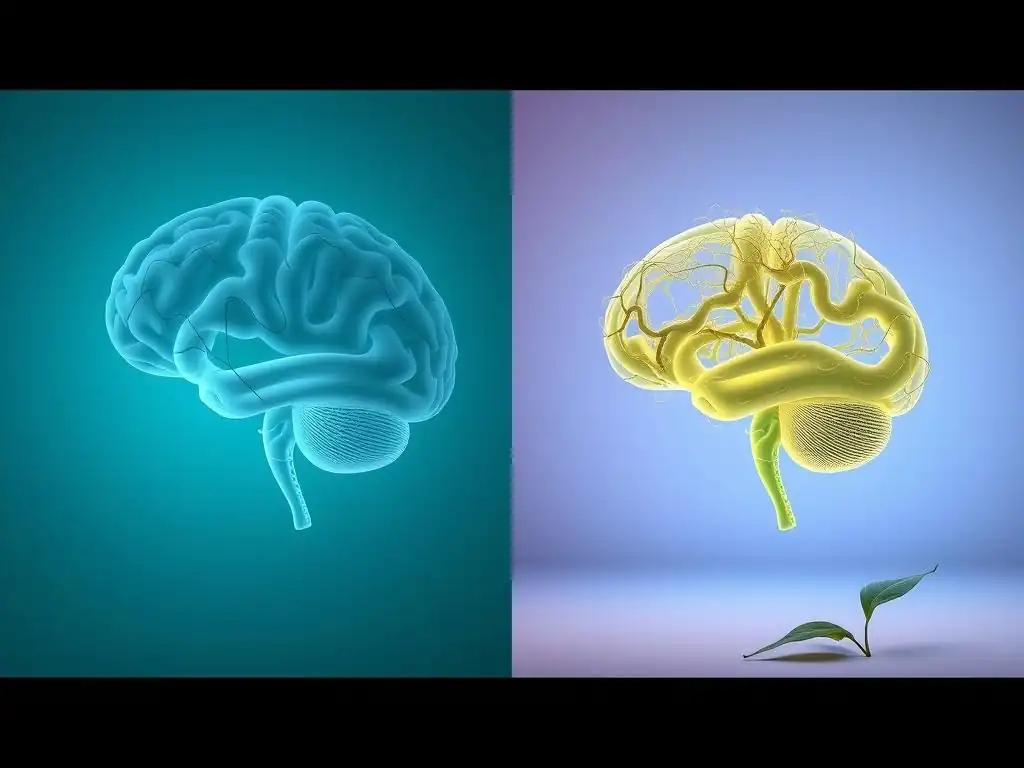
Comparing Medication and Therapy
Both psychiatric medications and psychotherapy can be effective treatments for mental health conditions, and both exert their effects by influencing brain function and chemistry. Medications, such as antidepressants or anti-anxiety drugs, typically target specific neurotransmitter systems directly, altering the availability or activity of chemicals like serotonin, norepinephrine, or dopamine in the synapse. These biological interventions can lead to relatively rapid changes in brain chemistry.
Psychotherapy, as discussed, influences brain chemistry and function indirectly through psychological processes like learning, emotional processing, and behavioral change, leveraging the brain's natural neuroplasticity. While medication might primarily impact chemical balance, therapy focuses on rewiring the circuits that process information and regulate responses. Research comparing the neurobiological effects of medication and therapy often finds overlapping but also distinct patterns of brain change.
For instance, both might lead to reduced amygdala activity in anxiety, but therapy might show more pronounced changes in prefrontal cortex activation related to cognitive control. Both approaches effectively demonstrate that treatment alters brain chemistry, albeit through different primary mechanisms.
Combining Medication and Therapy: Synergistic Effects
For many individuals, the most effective approach to treating mental health conditions involves combining medication and therapy. This integrated approach can offer synergistic benefits, addressing both the chemical imbalances and the maladaptive thought and behavior patterns that contribute to the condition. Medication can help alleviate severe symptoms relatively quickly, making it easier for individuals to engage in and benefit from therapy.
When used together, medication might help stabilize the brain's chemical environment, potentially enhancing the brain's capacity for neuroplastic change. Therapy then provides the structured learning experiences needed to build new, healthier neural pathways and coping mechanisms. Research suggests that combination therapy can sometimes lead to more robust or comprehensive changes in brain function than either treatment alone.
For example, studies on depression have shown that combining antidepressants and CBT can lead to greater normalization of activity in certain brain circuits compared to either treatment modality in isolation. This combined strategy leverages both direct chemical intervention and experience-dependent neuroplasticity, powerfully demonstrating how integrated treatment alters brain chemistry and promotes recovery.
Maintaining Brain Health After Therapy: Long-Term Strategies
Mindfulness and Meditation: Strengthening Neural Connections
After completing a course of therapy that has helped to alter brain chemistry and establish healthier neural patterns, maintaining these gains is crucial. Mindfulness and meditation practices are excellent tools for supporting long-term brain health and reinforcing the positive changes achieved. Regular mindfulness practice has been shown to increase gray matter density in areas like the prefrontal cortex and hippocampus, regions vital for attention, emotional regulation, and memory – areas often targeted in therapy.
Mindfulness meditation involves focusing attention on the present moment without judgment. This practice strengthens the neural circuits involved in attention control and emotional regulation, particularly the connection between the prefrontal cortex and the amygdala. By regularly engaging these circuits, individuals can reinforce the brain's capacity to manage stress and negative emotions effectively. Integrating mindfulness after therapy provides a powerful way to continue supporting the brain's neuroplasticity and solidify how therapy alters brain chemistry for sustained well-being.
Healthy Lifestyle Choices: Diet, Exercise, and Sleep
Beyond specific psychological practices, general healthy lifestyle choices play a fundamental role in supporting brain health and maintaining the neurobiological benefits of therapy. Diet, exercise, and sleep have profound impacts on brain structure, function, and chemistry. A balanced diet rich in omega-3 fatty acids, antioxidants, and vitamins supports neuronal health and reduces inflammation, which can negatively affect brain function.
Regular physical exercise is a potent promoter of neuroplasticity. It increases blood flow to the brain, stimulates the production of growth factors like BDNF (Brain-Derived Neurotrophic Factor), which supports the growth and survival of neurons, and influences neurotransmitter levels. Studies have shown exercise can increase hippocampal volume and improve cognitive function. Adequate and quality sleep is essential for memory consolidation, emotional regulation, and clearing metabolic waste products from the brain. Prioritizing these lifestyle factors after therapy helps to create an optimal environment for maintaining the positive ways therapy alters brain chemistry and overall brain function.
Continued Self-Care and Support Systems
Maintaining mental well-being and the associated healthy brain states after therapy is an ongoing process that involves consistent self-care and leveraging support systems. This includes continuing to practice the skills learned in therapy, engaging in activities that bring joy and reduce stress, and maintaining healthy boundaries. Self-care reinforces the positive neural pathways developed during treatment.
Equally important are strong social connections. Supportive relationships provide emotional buffering against stress and activate neural circuits associated with social reward and safety. Maintaining connections with friends, family, or support groups helps to reinforce positive emotional states and resilience. Recognizing the need for ongoing self-care and support is vital for sustaining the long-term benefits achieved when psychotherapy alters brain chemistry, ensuring lasting recovery and mental resilience.
Conclusion: Therapy, Brain Chemistry, and the Future of Mental Healthcare
Therapy's Potential to Remodel the Brain
The growing body of evidence from neuroscience clearly demonstrates that psychotherapy is a powerful intervention with the capacity to fundamentally remodel the brain. It's not merely a coping strategy; it's an experience-dependent process that leverages neuroplasticity to alter brain chemistry, function, and even structure. By targeting maladaptive neural circuits and strengthening healthy ones, therapy helps the brain to heal and develop more adaptive patterns of thought, emotion, and behavior. This understanding validates the profound impact of psychological interventions and reinforces the hope for recovery and lasting change.
From reducing activity in the fear-processing amygdala to enhancing the regulatory capacity of the prefrontal cortex and promoting growth in the memory-related hippocampus, psychotherapy induces tangible, measurable changes in the brain. This neurobiological perspective demystifies how talk therapy works, showing that engaging in therapeutic work creates real, physical changes in the organ responsible for our mental lives. The knowledge that therapy alters brain chemistry empowers individuals and destigmatizes mental health treatment by highlighting its biological underpinnings.
The Importance of Personalized Therapy Approaches
Given the complexity of the brain and the variability in individual responses to treatment, the future of mental healthcare lies increasingly in personalized approaches. Understanding how different types of psychotherapy alters brain chemistry in distinct ways, and how individual factors like genetics and baseline brain function influence responsiveness, can help clinicians tailor interventions more effectively. Matching the right therapy to the right person, perhaps guided by future advancements in neurobiological markers, could significantly improve treatment outcomes.
A personalized approach considers not just the diagnosis but also the individual's unique history, strengths, and the specific ways their brain might be contributing to their challenges. This might involve selecting a therapy modality known to be particularly effective for targeting the specific brain regions or circuits implicated in their condition. As our understanding of the neurobiological effects of psychotherapy deepens, we move closer to a future where mental health treatment is not only effective but also precisely matched to the individual's needs and their brain's capacity for change.
Future Directions in Neuropsychological Research
Research into the neurobiological effects of psychotherapy is a rapidly evolving field. Future directions will likely involve more sophisticated brain imaging techniques, genetic studies to identify predictors of treatment response, and investigations into how therapy interacts with other factors like the microbiome or inflammatory processes, which are also known to influence brain health. Longitudinal studies are needed to track brain changes over longer periods after therapy and understand what factors contribute to maintaining gains.
Exploring how novel therapeutic approaches, such as technology-assisted therapy or psychedelic-assisted psychotherapy, impact brain chemistry and function will also be crucial. The ultimate goal of this research is to refine our understanding of how psychotherapy alters brain chemistry and the brain as a whole, leading to more effective, personalized, and accessible mental health treatments for everyone. This ongoing scientific exploration continues to underscore the profound power of the mind-brain connection and the potential of therapy to foster healing and resilience.
Frequently Asked Questions
Can Therapy actually change your brain chemistry?
Yes, absolutely. Psychotherapy can lead to measurable changes in brain chemistry, similar to the effects of medication, but through different pathways. It's not just talk; it's a biological process.
How does therapy alter brain chemistry differently from medication?
Medication typically works by directly influencing neurotransmitter levels. Therapy, on the other hand, alters brain chemistry through neuroplasticity, reshaping neural pathways via new experiences and thought patterns. This is a more long-term and adaptive change.
What specific brain areas are affected by therapeutic interventions?
Studies show that therapy can impact areas like the amygdala (responsible for emotional processing), the prefrontal cortex (involved in decision-making and emotional regulation), and the hippocampus (critical for memory). This leads to improved emotional regulation and cognitive function.
What types of therapy are most effective at changing brain chemistry?
While various therapies can be effective, Cognitive Behavioral Therapy (CBT), Dialectical Behavior Therapy (DBT), and psychodynamic therapy have shown significant impact on brain structure and function. The key is finding a therapy that resonates with the individual and their specific needs.
How long does it take for therapy to show changes in brain chemistry?
The timeline varies depending on the individual and the type of therapy, but noticeable changes can occur within several weeks to months. Consistent participation and active engagement in the therapeutic process are crucial for achieving lasting effects.
Final Reflection: The Rewiring of Resilience: How Therapy Shapes Our Brains
The evidence is clear: therapy isn't just about talking; it's about actively reshaping the neural pathways that underpin our emotional and behavioral responses. This profound impact on brain chemistry offers a powerful counter-narrative to the stigma surrounding mental health treatment, demonstrating its tangible, measurable effects on the very architecture of our minds.
The exploration of how psychotherapy alters brain chemistry has been a deeply personal journey for me, highlighting the incredible plasticity of the human brain and the potential for healing that resides within each of us. The brain is the organ of hope, and, in many ways, the organ of healing.
This quote underscores the transformative power of therapeutic intervention, not just as a temporary fix, but as a catalyst for lasting positive change in our neurological landscape, influencing how we experience and navigate the world. The ongoing research in this field continues to illuminate the intricate dance between our thoughts, feelings, and the physical structures of our brains, offering a scientific foundation for the deeply human experience of healing.
Consider the implications of this: your thoughts and experiences aren't merely ephemeral; they physically alter your brain. This understanding empowers you to take an active role in your mental well-being. Don't just passively accept struggles; actively seek the tools and support—including therapy—to reshape your neural pathways towards greater resilience, happiness, and fulfillment. Embrace the potential for change, and begin your journey towards a healthier, more vibrant you.
Unlock Your Brain's Potential: Take Charge of Your Mental Wellbeing
Thanks for taking the time to explore the fascinating connection between therapy and brain chemistry! You've learned how powerful and transformative psychotherapy can be. Now, it's time to put that knowledge into action.
- Schedule a consultation with a therapist: This is the most important step towards improving your mental wellbeing. Don't hesitate – your mental health deserves the same attention as your physical health.
- Share this article with someone you care about: Help them discover the potential of therapy and support their journey to better mental health. Starting a conversation can make a world of difference.
- Explore Mind Care Guide's resources: Dive deeper into related topics and discover additional tools to support your mental wellness journey.
What small step will you take today to nurture your mental wellbeing?