
Complementary and Holistic Approaches for Melancholic Depression


Welcome to Mind Care Guide, a sanctuary for your mental well-being.
Are you feeling lost in the shadows of melancholic depression, searching for a light that feels truly right? You're not alone. This guide explores holistic depression treatment strategies, offering a compassionate and comprehensive perspective on finding your path to healing. Curious about how to integrate mind, body, and spirit in your journey toward brighter days? Let's begin.
Complementary and Holistic Approaches for Melancholic Depression: A Mind Care Guide
- Understanding Melancholic Depression and the Need for Holistic Strategies
- Exploring Complementary Therapies for Melancholic Depression
- Holistic Treatment Strategies: Integrating Different Approaches
- Natural Remedies and Supplements for Melancholic Depression: Considerations
- Managing Melancholic Depression: Long-Term Strategies for Well-being
- The Future of Holistic Treatment for Melancholic Depression
-
Frequently Asked Questions
- How does a holistic approach differ from traditional depression treatment?
- What are some examples of complementary therapies used in holistic depression treatment?
- Can dietary changes really impact depression symptoms?
- What role does exercise play in holistic depression treatment strategies?
- Is holistic depression treatment a replacement for medication or therapy?
- Final Reflection: Finding Harmony in the Treatment of Melancholic Depression
- Unleash Your Inner Resilience: Steps to a Brighter You
Understanding Melancholic Depression and the Need for Holistic Strategies
Defining Melancholic Depression: Beyond Typical Depressive Symptoms
Melancholic depression represents a severe subtype of major depressive disorder characterized by a distinct set of symptoms often unresponsive to standard treatments like talk therapy alone. Unlike typical depression, melancholia is frequently associated with profound anhedonia (inability to experience pleasure), psychomotor changes (either slowing down or agitation), significant loss of appetite or weight loss, early morning awakenings, and a worsening of mood in the morning. The pervasive nature of these symptoms means that individuals often experience a near-complete absence of reactivity to pleasurable stimuli, making even previously enjoyed activities feel empty and burdensome.
This form of depression is widely considered to have a stronger biological component compared to other depressive subtypes. Studies utilizing neuroimaging techniques, for instance, have sometimes shown differences in brain activity patterns, particularly in areas related to reward processing and motor control, in individuals with melancholic features. While precise biological markers remain a subject of ongoing research, the clinical presentation strongly suggests underlying neurobiological alterations that necessitate targeted and often more intensive interventions than typically required for less severe forms of depression.
Limitations of Conventional Treatments for Melancholic Depression
Conventional treatments for melancholic depression primarily involve antidepressant medication, particularly those affecting norepinephrine and dopamine, and sometimes electroconvulsive therapy (ECT) for severe, treatment-resistant cases. While these approaches can be effective, they don't work for everyone, and remission rates can be lower than desired. A significant percentage of individuals may experience only partial symptom relief, persistent side effects, or relapse even with medication. For example, estimates suggest that up to one-third of patients with major depression may not achieve remission with initial antidepressant treatment.
Furthermore, conventional treatments often focus primarily on symptom reduction rather than addressing the broader aspects of well-being. They may not adequately tackle the lifestyle factors, psychological patterns, or environmental stressors that contribute to the persistence of melancholic symptoms. This gap highlights the need for more comprehensive strategies. Relying solely on medication or even standard talk therapy may overlook crucial elements necessary for sustained recovery and preventing recurrence, prompting exploration into more holistic depression treatment strategies.
Why Consider Complementary and Holistic Treatment Strategies?
Complementary and holistic treatment strategies offer a valuable opportunity to augment conventional care by addressing the multifaceted nature of melancholic depression. These approaches look beyond just the biological symptoms and consider the individual as a whole, integrating mind, body, and spirit. By incorporating lifestyle changes, therapeutic modalities, and natural interventions, a more robust and personalized treatment plan can be developed.
Adopting holistic depression treatment strategies can provide individuals with a greater sense of agency and control over their condition. Instead of solely relying on external interventions like medication, these strategies empower individuals to actively participate in their healing process through diet, exercise, mindfulness, and other practices. This can lead to improved coping skills, enhanced resilience, and a greater sense of overall well-being, potentially improving outcomes and reducing the likelihood of relapse compared to conventional treatments alone.
Exploring Complementary Therapies for Melancholic Depression
The Role of Therapy in Addressing Melancholic Depression
Cognitive Behavioral Therapy (CBT) for Melancholic Depression
Cognitive Behavioral Therapy (CBT) is a structured form of psychotherapy that focuses on identifying and changing negative thought patterns and behaviors that contribute to depression. For individuals with melancholic depression, traditional CBT targeting cognitive distortions might be challenging initially due to the severity of anhedonia and psychomotor retardation, which can make engaging in activities or even identifying thoughts difficult.
However, adapted forms or specific components of CBT, such as behavioral activation, can be beneficial. Behavioral activation encourages individuals to schedule and engage in activities, even when they don't feel like it, to counteract the withdrawal and lack of pleasure characteristic of melancholia.
While CBT alone may not be sufficient for severe melancholic depression, particularly without concurrent medication or other intensive treatments, it can serve as a valuable adjunct once initial symptoms have somewhat improved. It helps individuals develop strategies to manage residual symptoms, prevent relapse, and build coping skills. Focusing on practical, goal-oriented tasks can be more effective than abstract cognitive work in the initial stages for some individuals with severe melancholic features.
Interpersonal Therapy (IPT) for Melancholic Depression
Interpersonal Therapy (IPT) focuses on the individual's relationships and social roles, addressing how interpersonal difficulties may contribute to or be affected by depression. For those with melancholic depression, relationship issues can be both a cause and a consequence of the illness; severe symptoms like withdrawal and irritability can strain social connections, while existing interpersonal conflicts can exacerbate depressive feelings. IPT helps individuals identify problematic relationship patterns, improve communication skills, and navigate life transitions or grief that may be contributing to their mood.
IPT is particularly useful in helping individuals reconnect with others and rebuild social support systems, which are often severely damaged by the isolating nature of melancholic depression. By improving interpersonal functioning, IPT can help alleviate feelings of loneliness and isolation, providing a foundation for recovery. While it doesn't directly target the core biological symptoms of melancholia, addressing the social and relational impact is a crucial part of a comprehensive holistic depression treatment strategy.
Psychodynamic Therapy and Melancholic Depression
Psychodynamic therapy explores how unconscious processes, past experiences, and early relationships influence current feelings and behaviors. While less symptom-focused than CBT or IPT, it can offer insights into the underlying psychological factors that may contribute to vulnerability to depression or shape how the illness is experienced. For individuals with melancholic depression, this therapy might explore themes of loss, attachment, or unresolved trauma, which could play a role in the severity and nature of their symptoms.
However, traditional psychodynamic therapy often requires a level of cognitive and emotional engagement that can be difficult for individuals in the acute phase of severe melancholic depression. It is often more beneficial as a longer-term therapy once acute symptoms have been managed, helping individuals understand deeper patterns and build resilience to prevent future episodes. When incorporated into a broader set of holistic depression treatment strategies, it can provide valuable self-understanding.
The Power of Lifestyle Changes in Managing Melancholic Depression
Nutrition and Diet for Melancholic Depression: Anti-Inflammatory Diet Recommendations
Emerging research suggests a strong link between diet, gut health, and mental well-being, including depression. Chronic inflammation is increasingly implicated in mood disorders. Therefore, adopting an anti-inflammatory diet can be a supportive component of holistic depression treatment strategies. Such a diet emphasizes whole, unprocessed foods rich in omega-3 fatty acids (found in fatty fish like salmon, walnuts, and flaxseeds), antioxidants (abundant in colorful fruits and vegetables), and fiber (from whole grains, legumes, and vegetables).
Conversely, it limits pro-inflammatory foods like refined sugars, processed meats, trans fats, and excessive saturated fats. For instance, increasing intake of foods like berries, leafy greens, nuts, and olive oil while reducing consumption of sugary drinks and fried foods aligns with these principles. While dietary changes alone are unlikely to resolve severe melancholic depression, they can support overall brain health, improve energy levels, and potentially reduce inflammatory processes that may contribute to symptoms, making them a valuable part of a holistic approach.
Exercise and Physical Activity for Melancholic Depression: Aerobic Exercise and Nature Walks
Regular physical activity is a well-documented mood booster and can be particularly helpful in managing depression, though initiating and maintaining it can be extremely challenging for individuals with the psychomotor retardation typical of melancholia. Even short bursts of gentle activity can be beneficial. Aerobic exercise, such as brisk walking, jogging, swimming, or cycling, has been shown to release endorphins and impact neurotransmitters like serotonin and norepinephrine, which are often dysregulated in depression. Aiming for even 20-30 minutes of moderate activity a few times a week, if tolerated, can make a difference.
Nature walks combine the benefits of physical movement with exposure to natural environments, which has been shown to reduce stress and improve mood. Spending time outdoors, even just sitting in a park, can decrease levels of cortisol (a stress hormone) and increase feelings of calmness. For someone struggling with the severe inertia of melancholia, starting with very short, manageable walks, perhaps just around the block or in a garden, can be a crucial first step in incorporating exercise into their holistic depression treatment strategies.
Sleep Hygiene for Melancholic Depression: Establishing a Consistent Sleep Schedule
Sleep disturbances, particularly early morning awakening, are a hallmark symptom of melancholic depression. Poor sleep significantly worsens mood, reduces cognitive function, and decreases resilience. Implementing rigorous sleep hygiene practices is therefore essential, though challenging. This involves establishing a consistent sleep schedule, going to bed and waking up at roughly the same time every day, even on weekends, to regulate the body's internal clock.
Other crucial sleep hygiene practices include creating a dark, quiet, and cool bedroom environment; avoiding caffeine, alcohol, and heavy meals close to bedtime; limiting screen time (phones, tablets, TVs) in the hour before sleep; and using the bedroom only for sleep and intimacy. While the underlying biological drivers of sleep disturbance in melancholia may require medical intervention, optimizing sleep habits can support overall recovery and improve the effectiveness of other holistic depression treatment strategies.
Mind-Body Practices for Alleviating Melancholic Depression
Mindfulness Meditation for Melancholic Depression: Body Scan Meditation Techniques
Mindfulness meditation involves paying attention to the present moment without judgment. While the severe anhedonia and cognitive difficulties in acute melancholic depression can make traditional sitting meditation challenging, gentler practices like body scan meditation can be more accessible. A body scan involves systematically bringing attention to different parts of the body, noticing physical sensations without trying to change them. This practice can help individuals reconnect with their physical selves, which can feel disconnected or numb during severe depression, and cultivate a sense of grounding.
Regular mindfulness practice, even for just 5-10 minutes daily, can help reduce rumination (repetitive negative thinking) and increase self-awareness. It doesn't aim to eliminate negative feelings but rather to change one's relationship with them, fostering a sense of acceptance and reducing reactivity. When integrated into a comprehensive plan, mindfulness can be a powerful tool within holistic depression treatment strategies, especially as symptoms begin to lift.
Yoga and Tai Chi for Melancholic Depression: Restorative Poses and Gentle Movements
Yoga and Tai Chi are mind-body practices that combine gentle physical postures or movements with breath awareness and meditation. They are often less physically demanding than aerobic exercise and can be adapted to suit various energy levels, making them potentially more accessible for individuals experiencing psychomotor retardation. Restorative yoga, which uses props to support the body in gentle stretches, can be particularly calming and help alleviate physical tension often associated with depression.
Tai Chi involves slow, flowing movements and deep breathing, promoting relaxation and balance. Both practices have been shown to reduce stress, improve mood, and increase feelings of calm and well-being. They offer a way to gently re-engage the body and mind, providing a non-strenuous form of activity that supports mental health. Incorporating these practices can be a valuable component of holistic depression treatment strategies, helping to restore a sense of connection between mind and body.
Acupuncture for Melancholic Depression: Stimulating Specific Acupoints for Mood Regulation
Acupuncture, a practice originating from Traditional Chinese Medicine, involves inserting thin needles into specific points on the body. The theory is that this stimulates the body's energy flow ("Qi") and can help restore balance. From a Western perspective, acupuncture may influence the nervous system and the release of neurotransmitters and endorphins, potentially impacting mood and reducing stress. Some studies have investigated acupuncture for depression, with some showing positive effects, though the evidence is not yet conclusive, particularly for severe melancholic depression.
Specific acupoints are believed to be associated with mood regulation, stress reduction, and energy levels. For example, points on the ear, wrist, or head are often targeted. While not a standalone treatment for severe melancholia, acupuncture could potentially serve as a complementary therapy to help manage symptoms like anxiety, sleep disturbances, or low energy when used as part of broader holistic depression treatment strategies under the guidance of a qualified practitioner.
Holistic Treatment Strategies: Integrating Different Approaches
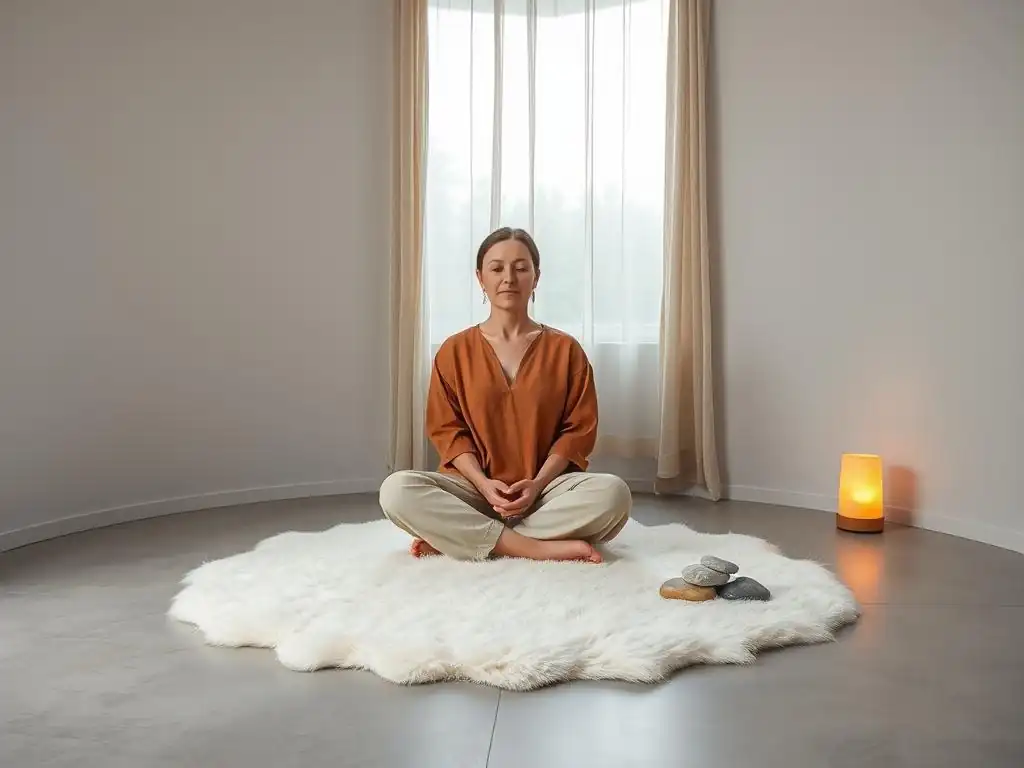
Creating a Personalized Treatment Plan for Melancholic Depression
Given the complexity and severity of melancholic depression, a one-size-fits-all approach is rarely effective. Creating a personalized treatment plan is crucial, combining conventional medical interventions with appropriate complementary and holistic strategies tailored to the individual's specific symptoms, preferences, and circumstances. This involves a thorough assessment by healthcare professionals to understand the unique presentation of the illness, co-occurring conditions, and potential barriers to treatment.
A personalized plan might start with establishing a strong foundation using medication and potentially intensive therapy like ECT if needed, and then gradually integrating lifestyle changes, mind-body practices, and potentially supplements as the individual stabilizes. The plan should be flexible, regularly reviewed, and adjusted based on the individual's response. Effective holistic depression treatment strategies are dynamic and evolve with the person's journey towards recovery.
The Importance of Professional Guidance and Support
Embarking on a path that includes holistic depression treatment strategies requires professional guidance. It is essential to work closely with a team of healthcare providers, which may include psychiatrists, therapists, nutritionists, and complementary health practitioners. They can help assess the appropriateness of different therapies, monitor progress, manage medications, and ensure that complementary approaches are safe and integrated effectively.
Self-treating severe melancholic depression with only holistic methods is not recommended due to the potential severity and risks associated with this condition. Professionals provide crucial support, expertise, and monitoring, helping individuals navigate the complexities of their illness and treatment options safely and effectively. Their guidance ensures that all components of the treatment plan work together synergistically.
Combining Conventional and Complementary Therapies: A Synergistic Approach
The most effective approach for melancholic depression often involves combining conventional medical treatments with complementary and holistic strategies. This synergistic approach leverages the strengths of each modality. Medication or ECT can address the acute biological symptoms, providing a necessary foundation for other therapies to be effective. Once symptoms are somewhat managed, therapies like adapted CBT or IPT can help address psychological and interpersonal factors.
Simultaneously, lifestyle changes such as improved nutrition, exercise, and sleep hygiene support overall physical and mental health, enhancing resilience. Mind-body practices like mindfulness or yoga help manage stress and improve self-awareness. This integrated model forms the core of comprehensive holistic depression treatment strategies, addressing the biological, psychological, and social aspects of the illness for more robust and sustainable recovery.
Natural Remedies and Supplements for Melancholic Depression: Considerations
Understanding the Potential of Herbal Remedies
St. John's Wort for Melancholic Depression: Dosage and Potential Drug Interactions
St. John's Wort (Hypericum perforatum) is an herbal supplement that has been studied for its potential antidepressant effects, particularly in mild to moderate depression. It is thought to influence neurotransmitters like serotonin, dopamine, and norepinephrine. However, for severe melancholic depression, the evidence for its effectiveness is less clear, and it is generally not recommended as a primary treatment. A typical dosage used in studies is around 300 mg of a standardized extract taken three times daily, but this can vary.
Crucially, St. John's Wort has significant potential for interactions with numerous prescription medications, including many antidepressants, blood thinners, birth control pills, and medications for heart conditions or HIV. These interactions can reduce the effectiveness of the prescription drug or cause dangerous side effects. Therefore, it is absolutely essential to consult with a healthcare professional before considering St. John's Wort, especially if taking any other medications, making it a high-risk component of potential holistic depression treatment strategies without strict medical supervision.
SAMe (S-Adenosylmethionine) for Melancholic Depression: Clinical Trials and Safety Profile
SAMe (S-Adenosylmethionine) is a naturally occurring compound in the body that plays a role in various biochemical processes, including the synthesis of neurotransmitters. Supplements containing SAMe have been studied for depression, with some research suggesting potential benefits, sometimes comparable to certain antidepressants, particularly for mild to moderate cases. Dosages used in clinical trials have varied, often ranging from 400 mg to 1600 mg daily, typically divided into two doses.
SAMe is generally considered relatively safe for many individuals, but it can cause side effects such as digestive upset, anxiety, or insomnia in some people. It should not be used by individuals with bipolar disorder, as it could potentially trigger manic episodes. Like St. John's Wort, SAMe can interact with certain medications, including antidepressants. Therefore, its use as part of holistic depression treatment strategies requires careful consideration and discussion with a healthcare provider, who can assess its appropriateness and monitor for side effects or interactions.
The Role of Vitamins and Minerals in Mood Regulation
Vitamin D and Melancholic Depression: Optimal Levels and Supplementation Guidelines
Vitamin D, often called the "sunshine vitamin," plays a role in brain function and has been linked to mood regulation. Low levels of Vitamin D are common, especially in individuals with limited sun exposure, and some studies have found an association between Vitamin D deficiency and depression, including severe forms. While research on Vitamin D supplementation specifically for melancholic depression is ongoing, ensuring adequate levels is important for overall health and may support mood.
Optimal Vitamin D levels are generally considered to be between 30-60 ng/mL. If blood tests reveal a deficiency, supplementation may be recommended. Typical maintenance doses range from 600-2000 IU daily, but higher doses may be needed initially to correct a deficiency, always under medical guidance. Simply correcting a deficiency may improve overall well-being and potentially enhance the effectiveness of other holistic depression treatment strategies.
B Vitamins and Melancholic Depression: Impact on Serotonin and Dopamine Synthesis
B vitamins, particularly B6, B12, and folate (B9), are essential for brain health and the synthesis of neurotransmitters like serotonin, dopamine, and norepinephrine, which are crucial for mood regulation and are often implicated in depression. Deficiencies in these vitamins have been associated with an increased risk of depression. For example, folate deficiency is relatively common and has been linked to poorer response to antidepressant treatment in some individuals.
Ensuring adequate intake of B vitamins through diet (leafy greens, whole grains, lean meats, legumes) or supplementation can support neurotransmitter function. Some research has explored the use of specific B vitamin supplements, such as L-methylfolate (an active form of folate), as an adjunct therapy for depression, particularly in individuals with genetic variations affecting folate metabolism. While not a primary treatment for melancholic depression, addressing B vitamin deficiencies is a foundational element of supporting brain health within holistic depression treatment strategies.
Important Considerations Before Using Natural Remedies
Potential Interactions with Medications
It is paramount to understand that "natural" does not mean "safe," especially when combined with prescription medications. Many herbal remedies and supplements can interact with antidepressants, mood stabilizers, and other drugs commonly prescribed for mental health conditions or co-occurring physical illnesses. These interactions can range from reducing the effectiveness of the medication to causing dangerous side effects like serotonin syndrome (with St. John's Wort or SAMe combined with certain antidepressants) or increased bleeding risk (with certain supplements and blood thinners).
Healthcare providers need to have a complete picture of everything an individual is taking, including all over-the-counter supplements, vitamins, and herbal products. Withholding this information can lead to unforeseen and potentially serious health consequences. Always discuss any potential natural remedy with your doctor or pharmacist before starting it, especially when dealing with a severe condition like melancholic depression that often requires complex medication regimens.
Consulting with a Healthcare Professional
Due to the severity and potential risks associated with melancholic depression, and the complex interplay between conventional treatments and complementary approaches, consulting with a qualified healthcare professional is non-negotiable before incorporating any natural remedies or supplements into a treatment plan. A psychiatrist, medical doctor, or pharmacist can provide personalized advice based on your specific health status, current medications, and the nature of your depression.
They can help determine whether a particular supplement is appropriate, safe, and likely to be beneficial, guide you on proper dosage, and monitor for potential side effects or interactions. Integrating natural remedies should always be a collaborative decision made with your treatment team to ensure that all components of your holistic depression treatment strategies are safe, effective, and working in harmony towards your recovery.
Managing Melancholic Depression: Long-Term Strategies for Well-being

Building a Strong Support System
A robust support system is invaluable for managing melancholic depression long-term. The isolation and withdrawal characteristic of this subtype can make it difficult to connect with others, yet social connection is a powerful protective factor against relapse. Building and nurturing relationships with understanding family members, friends, or support groups provides emotional support, reduces feelings of loneliness, and offers practical help when needed.
Support groups, whether in-person or online, connect individuals who share similar experiences, reducing stigma and providing a sense of community. Learning from others' coping strategies and sharing personal challenges in a supportive environment can be incredibly empowering. Actively seeking out and maintaining these connections is a vital component of holistic depression treatment strategies, offering a buffer against the challenges of living with a chronic illness.
Developing Coping Mechanisms for Melancholic Depression
Developing effective coping mechanisms is essential for navigating the ups and downs of melancholic depression and preventing relapse. This involves identifying healthy ways to manage stress, difficult emotions, and early warning signs of a worsening mood. Coping strategies can include techniques learned in therapy, such as cognitive restructuring or behavioral activation, as well as lifestyle practices like mindfulness, exercise, or engaging in hobbies.
It's also important to develop strategies for managing specific melancholic symptoms, such as the inertia or early morning awakening. This might involve structured daily routines, pre-planned activities for low-energy days, or specific relaxation techniques for sleep. Building a toolkit of diverse coping mechanisms empowers individuals to proactively manage their well-being and strengthens their overall holistic depression treatment strategies.
Maintaining a Positive Mindset and Promoting Self-Care
Maintaining a positive mindset while living with severe depression is incredibly challenging, but cultivating self-compassion and focusing on small achievable goals can foster a sense of hope. Rather than striving for constant happiness, which can feel impossible, focus on recognizing small improvements, practicing gratitude for minor positive experiences, and challenging overly negative self-talk. This is not about denying the reality of the illness but about nurturing resilience.
Promoting self-care involves intentionally engaging in activities that nourish your physical, emotional, and mental health. This includes sticking to healthy habits like good nutrition, regular sleep, and physical activity, but also engaging in enjoyable activities, setting boundaries, and allowing for rest without guilt. Prioritizing self-care is not selfish; it is fundamental to managing a chronic illness and is a non-negotiable part of sustainable holistic depression treatment strategies.
The Future of Holistic Treatment for Melancholic Depression
Emerging Therapies and Research
Research into the biological underpinnings of melancholic depression continues, paving the way for potentially more targeted treatments. Alongside advancements in pharmacotherapy and neuromodulation techniques like rTMS (repetitive transcranial magnetic stimulation) or ECT, there is growing interest in how our understanding of the gut-brain axis, inflammation, and genetics can inform holistic interventions. For instance, research into specific probiotics or personalized dietary interventions based on an individual's microbiome profile is an exciting area.
Furthermore, studies are exploring the efficacy of combining conventional treatments with specific complementary therapies in more rigorous ways. For example, clinical trials might investigate the effect of adding a structured yoga program or a specific nutritional intervention to standard antidepressant treatment for individuals with melancholic features. As our understanding grows, future holistic depression treatment strategies will likely become even more evidence-based and personalized.
The Growing Acceptance of Integrative Approaches
Historically, there has sometimes been a divide between conventional medicine and complementary therapies. However, there is a growing acceptance within the medical community of the value of integrative approaches that combine the best of both worlds. Healthcare systems are increasingly recognizing that addressing lifestyle factors, psychological well-being, and social support alongside medical treatment can lead to better outcomes for complex conditions like melancholic depression.
This shift is reflected in the increasing number of clinics and practitioners who specialize in integrative mental health, offering a blend of conventional and complementary services. This growing acceptance makes it easier for individuals to access a wider range of support and build comprehensive holistic depression treatment strategies that feel right for them, moving away from a narrow focus solely on medication.
Empowering Individuals to Take Control of Their Mental Health
Ultimately, the goal of exploring complementary and holistic approaches is to empower individuals living with melancholic depression to become active participants in their recovery journey. While professional guidance is essential, understanding the various options available and making informed choices about lifestyle, therapies, and support systems can foster a sense of agency and hope.
By integrating conventional treatments with personalized holistic depression treatment strategies, individuals can build a resilient foundation for long-term well-being. This involves not just managing symptoms but also cultivating a fulfilling life, fostering resilience, and maintaining hope, even in the face of a challenging illness. The future points towards treatment models that are more collaborative, comprehensive, and centered around the individual's unique path to healing.
Frequently Asked Questions
How does a holistic approach differ from traditional depression treatment?
A holistic approach considers the whole person, including their physical, emotional, and social well-being, while traditional treatments often focus primarily on medication and therapy. It emphasizes lifestyle changes and complementary therapies alongside conventional methods.
What are some examples of complementary therapies used in holistic depression treatment?
Complementary therapies can include acupuncture, yoga, meditation, and nutritional counseling. These aim to address underlying imbalances and promote overall well-being alongside traditional treatments. The focus is on supporting the body's natural healing processes.
Can dietary changes really impact depression symptoms?
Yes, a healthy diet can significantly impact mood. Deficiencies in certain nutrients can exacerbate depression, while a diet rich in whole foods, omega-3 fatty acids, and antioxidants can support brain health.
What role does exercise play in holistic depression treatment strategies?
Exercise is a powerful mood booster. It releases endorphins, reduces stress, and improves sleep, all of which can alleviate depression symptoms. Regular physical activity is a crucial component of holistic care.
Is holistic depression treatment a replacement for medication or therapy?
No, holistic treatment is often used in conjunction with medication and therapy. It's not a replacement, but rather a complementary approach that aims to enhance the effectiveness of conventional treatments and promote long-term well-being.
Final Reflection: Finding Harmony in the Treatment of Melancholic Depression
The holistic approach to melancholic depression, once considered alternative, is rapidly becoming a vital component of effective treatment strategies. The integration of complementary therapies with conventional methods offers a powerful pathway towards healing, acknowledging the intricate interplay between mind, body, and spirit in the experience of this debilitating condition. This is no longer a fringe idea; it's a necessary evolution in our understanding of mental health.
The journey through melancholic depression is profoundly personal, and the impact of this illness extends far beyond the individual, rippling outward to affect families and communities. The stigma surrounding mental illness, particularly depression, continues to hinder open conversations and access to care. Yet, the growing acceptance of holistic approaches signals a shift towards a more compassionate and comprehensive understanding. The cure for boredom is curiosity. There is no cure for suffering.
– This quote, while not directly about depression, highlights the importance of actively seeking healing and engaging with life, a core principle of holistic treatment.
You, the reader, are now equipped with a broader understanding of the options available in addressing melancholic depression. Consider the information presented here not as a definitive answer, but as a starting point for your own journey towards wellness. Explore what resonates with you, engage in open dialogue with your healthcare providers, and remember that healing is a process, not a destination. Embrace the opportunity to find harmony within yourself, and know that you are not alone in this journey.
Unleash Your Inner Resilience: Steps to a Brighter You
Thanks for taking the time to explore complementary and holistic approaches to melancholic depression with us. We hope this article has provided you with valuable insights and tools for your journey towards better well-being. Now, let's take the next steps!
- Prioritize one small, self-care practice from the article this week. Even 5 minutes of mindful breathing or a gentle walk can make a difference. This is your starting point for building a sustainable self-care routine.
- Share this article with someone who might benefit. Helping others is a powerful way to support your own mental health journey, and it can spark meaningful conversations.
- Consider journaling your experiences with the practices you've chosen. This allows you to track your progress and identify what works best for you. It’s a personal experiment, and your insights are invaluable.
What small step will you take today to nurture your mental well-being?