
Daily Routines for SAD: Structuring Your Day for Better Mental Health


Welcome to Mind Care Guide, a safe space to explore and nurture your mental well-being.
Feeling the weight of the changing seasons? You're not alone. Our comprehensive guide begins with practical Seasonal Affective Disorder routines to help you structure your day and reclaim your joy, even when the days are shorter. Let's navigate this together and discover strategies that can make a real difference. Ready to learn more and build your own personalized plan?
- Daily Routines for SAD: Structuring Your Day for Better Mental Health - Mind Care Guide
- Understanding the Challenges of Seasonal Affective Disorder Routines
-
Building Your Personalized Seasonal Affective Disorder Routine: A Step-by-Step Guide
- Step 1: Assessing Your Current Daily Habits and Identifying Problem Areas
- Step 2: Incorporating Light Therapy into Your Daily Schedule for SAD
- Step 3: Scheduling Regular Physical Activity to Boost Mood and Energy
- Step 4: Prioritizing Healthy Eating Habits to Support Mental Well-being
- Step 5: Establishing a Consistent Sleep Schedule for Better Sleep Hygiene
- Step 6: Incorporating Mindfulness and Relaxation Techniques
- Step 7: Scheduling Social Interaction and Connection
- Sample Daily Schedules for Managing Seasonal Affective Disorder
- Maintaining Consistency and Overcoming Challenges with SAD Routines
- Beyond Daily Routines: Additional Therapies and Support for SAD
- Conclusion: Empowering Yourself with Daily Structure for Enhanced Mental Well-being During Seasonal Changes
-
Frequently Asked Questions
- What is Seasonal Affective Disorder (SAD), and how do daily routines help?
- How important is light exposure in a daily SAD routine?
- What kind of physical activity should I include in my daily routine to combat SAD?
- Besides light and exercise, what other elements are essential in a SAD-focused daily routine?
- How can I adapt my daily routine as the seasons change and SAD symptoms improve?
- Final Reflection: Reclaiming the Light Within
- Unleash Your Inner Sunshine: Boost Your Mood with a New Routine!
Daily Routines for SAD: Structuring Your Day for Better Mental Health - Mind Care Guide
Introduction to Seasonal Affective Disorder (SAD) and the Importance of Daily Structure
Seasonal Affective Disorder (SAD) is a type of depression that's related to changes in seasons, typically beginning in the late fall and early winter and going away during the spring and summer. It's often referred to as "winter depression" because symptoms tend to be most severe during the colder, darker months. For many individuals, the reduced exposure to sunlight during these periods significantly impacts their mood, energy levels, and overall well-being. Understanding that SAD is a real and impactful condition is the first step towards managing its effects.
While professional treatment options like light therapy, medication, and counseling are crucial, establishing effective daily routines for SAD can provide a powerful foundation for managing symptoms. The disruption caused by SAD, such as changes in sleep patterns, appetite, and motivation, can easily lead to a feeling of chaos and loss of control. Implementing structure through consistent daily routines helps counteract this by providing predictability, reinforcing healthy habits, and offering a sense of purpose during challenging times.
Understanding the Challenges of Seasonal Affective Disorder Routines
Identifying Common Symptoms of SAD and Their Impact on Daily Life
Seasonal Affective Disorder manifests differently in individuals, but several common symptoms can severely disrupt daily functioning and make establishing SAD routines challenging. These often include feeling depressed most of the day, nearly every day, losing interest in activities you once enjoyed, experiencing low energy and fatigue, and having difficulty concentrating. Many people also notice significant changes in their sleep patterns, such as oversleeping (hypersomnia), and changes in appetite, often craving high-carbohydrate foods, leading to weight gain.
These symptoms directly impact the ability to maintain regular daily activities. For example, overwhelming fatigue can make it difficult to wake up at a consistent time or muster the energy for work, school, or social engagements. Cravings for comfort foods and lack of motivation to cook healthy meals can disrupt nutritional balance. The loss of interest in hobbies or social activities can lead to isolation. Recognizing these specific challenges is vital when designing personalized Seasonal Affective Disorder routines, as the structure needs to address these barriers empathetically and practically.
Why Structure Matters: Combatting SAD with Routine
Implementing structure through consistent daily routines serves as a powerful tool in managing Seasonal Affective Disorder. The predictability of a routine helps regulate the body's internal clock, which can become disrupted by the changes in light and sleep patterns associated with SAD. By scheduling activities like waking up, eating meals, exercising, and going to bed at roughly the same times each day, you help synchronize your circadian rhythm, potentially improving sleep quality and energy levels.
Moreover, a structured day combats the inertia and lack of motivation often experienced with SAD. Breaking the day into manageable blocks with planned activities makes it easier to initiate tasks, even when feeling low. For instance, knowing that 30 minutes are specifically allocated for a walk or light therapy session removes the need to make a decision in the moment, reducing the mental barrier. Consistent Seasonal Affective Disorder routines provide a framework that encourages engagement with beneficial activities, preventing days from dissolving into unproductive periods dominated by symptoms.
Building Your Personalized Seasonal Affective Disorder Routine: A Step-by-Step Guide
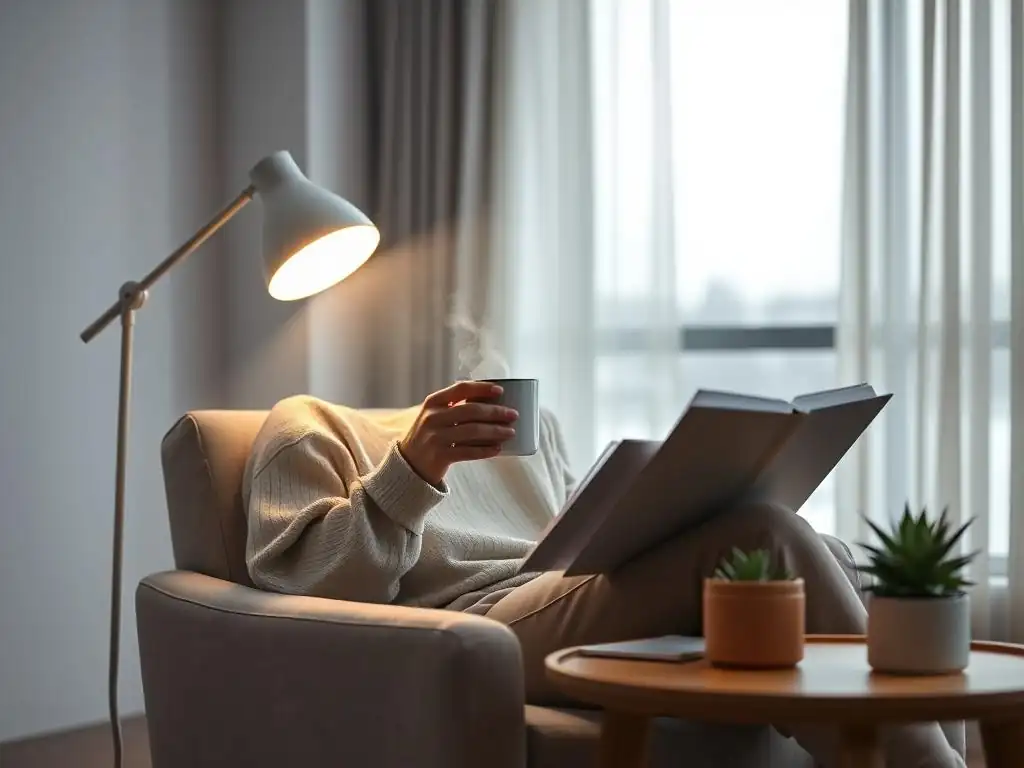
Step 1: Assessing Your Current Daily Habits and Identifying Problem Areas
The first step in creating effective daily routines for SAD is to understand your current patterns and identify areas where SAD symptoms are causing the most disruption. This involves taking an honest look at your typical day during the winter months. Consider aspects like:
- Your usual wake-up and sleep times.
- When and what you eat.
- How much physical activity you get.
- Your exposure to natural light.
- How you spend your leisure time.
- Your social interactions.
Keep a simple log for a few days to track these habits. Note when you feel most fatigued, when cravings are strongest, and when you experience low mood. Identifying these specific problem areas – perhaps you sleep until noon, skip breakfast, and spend evenings isolated – provides a clear starting point for building a SAD routine that targets your unique challenges.
Step 2: Incorporating Light Therapy into Your Daily Schedule for SAD
Light therapy is a cornerstone treatment for many people with Seasonal Affective Disorder and integrating it effectively into your daily routine is crucial. The goal is to simulate the sunlight that is missing during the darker months.
Optimizing Light Exposure Timing for Maximum Benefit
Research suggests that timing is key for light therapy. For most people with SAD, using a light therapy box first thing in the morning, within an hour of waking up, is most effective. This helps reset your body's internal clock for the day. A typical session involves sitting a specific distance from a 10,000 lux light box for about 20-30 minutes. Consistency is paramount; using the light box daily, even on weekends, helps maintain the benefits. Avoid using it too close to bedtime, as this can interfere with sleep.
Choosing the Right Light Therapy Device
When selecting a light therapy box for your Seasonal Affective Disorder routines, look for a box that produces 10,000 lux of illumination, as recommended by the Center for Environmental Therapeutics. It should also filter out most ultraviolet (UV) light, which can be harmful. While floor lamps or desk lamps with high lux output exist, boxes specifically designed for SAD therapy are generally preferred due to their intensity and spectrum. Consider features like size, portability, and light angle based on where you plan to use it (e.g., while eating breakfast, working at a desk).
Step 3: Scheduling Regular Physical Activity to Boost Mood and Energy
Exercise is a powerful mood booster and energy enhancer, making it an essential component of daily routines for SAD. Regular physical activity can help reduce stress, improve sleep, and alleviate feelings of fatigue and sadness.
Best Types of Exercise for SAD Relief
Any form of physical activity is beneficial, but some might be particularly helpful for SAD. Aerobic exercises like brisk walking, running, swimming, or cycling can release endorphins, often referred to as "feel-good" chemicals. Aim for activities you enjoy to increase adherence. Even moderate activities like yoga or stretching can help reduce tension and improve well-being. Exercising outdoors during daylight hours, if possible, provides the added benefit of natural light exposure.
Setting Realistic Exercise Goals for Winter Months
During winter, motivation can be low, and weather conditions might limit outdoor activities. Set realistic and achievable goals for your Seasonal Affective Disorder routines. Aim for at least 30 minutes of moderate-intensity exercise most days of the week, as recommended by health guidelines. If 30 minutes feels overwhelming, start with 10-15 minute intervals. Plan for indoor alternatives like gym workouts, home exercise videos, or mall walking for days when outdoor activity isn't feasible. Schedule your exercise session like any other important appointment.
Step 4: Prioritizing Healthy Eating Habits to Support Mental Well-being
What you eat significantly impacts your mood and energy levels, making nutrition a key element in managing Seasonal Affective Disorder routines. While SAD can trigger cravings for sugary and starchy foods, focusing on a balanced diet is crucial.
Foods to Include in Your Diet for SAD
Focus on nutrient-dense foods that provide sustained energy and support brain health. Include plenty of fruits and vegetables, lean proteins (like poultry, fish, beans, and nuts), and complex carbohydrates (like whole grains, oats, and brown rice). Foods rich in Omega-3 fatty acids, such as salmon and flaxseed, are known to support brain function. Vitamin D is also important, and while sunlight is the primary source, incorporating fortified foods or supplements (under medical advice) can be helpful during winter.
Foods to Avoid That Can Worsen SAD Symptoms
Foods that cause rapid spikes and crashes in blood sugar can exacerbate mood swings and energy dips associated with SAD. Try to limit or avoid excessive amounts of simple sugars found in sweets, pastries, and sugary drinks. Refined carbohydrates like white bread and pasta can also contribute to energy fluctuations. While comfort foods are tempting, a diet high in processed foods and unhealthy fats can negatively impact overall mental well-being.
Step 5: Establishing a Consistent Sleep Schedule for Better Sleep Hygiene
Sleep disturbances, particularly oversleeping and difficulty waking, are common with SAD. A consistent sleep schedule is vital for regulating your body clock and improving sleep quality within your daily routines for SAD.
Creating a Relaxing Bedtime Routine for SAD
Develop a calming routine in the hour before bed to signal to your body that it's time to wind down. This might include taking a warm bath, reading a book (not on a screen), listening to quiet music, or practicing gentle stretching or meditation. Avoid stimulating activities like intense exercise, working, or engaging in emotional conversations close to bedtime. Dimming the lights in the evening can also help prepare your body for sleep.
Optimizing Your Sleep Environment for Quality Rest
Ensure your bedroom is conducive to sleep. It should be dark, quiet, and cool. Blackout curtains can be particularly helpful during shorter winter days when sunlight might still enter your room too early or too late. Minimize exposure to screens (phones, tablets, TVs) in the bedroom, as the blue light can interfere with melatonin production. Aim to go to bed and wake up at roughly the same time each day, even on weekends, to reinforce your circadian rhythm. Most adults need between 7 and 9 hours of sleep per night.
Step 6: Incorporating Mindfulness and Relaxation Techniques
Managing stress and anxiety is an important part of coping with SAD. Integrating mindfulness and relaxation techniques into your daily Seasonal Affective Disorder routines can help calm the nervous system and improve emotional regulation.
Practicing Mindfulness Meditation for Stress Reduction
Mindfulness involves focusing on the present moment without judgment. Even a few minutes of daily mindfulness meditation can help reduce rumination on negative thoughts, a common symptom of depression. You can practice by simply sitting quietly and focusing on your breath, or use guided meditations available online or through apps. Schedule a specific time each day for this practice, perhaps in the morning after light therapy or in the evening as part of your bedtime routine.
Using Deep Breathing Exercises for Anxiety Relief
When feeling overwhelmed or anxious, simple deep breathing exercises can quickly help calm your body's stress response. Techniques like box breathing (inhaling for a count of four, holding for four, exhaling for four, holding for four) or diaphragmatic breathing can slow your heart rate and promote relaxation. Incorporate short breathing exercises throughout your day, especially during moments of stress or low mood. Making these techniques a regular part of your SAD routines provides readily available tools for managing difficult moments.
Isolation can worsen SAD symptoms. Actively scheduling social interaction is crucial for maintaining mental well-being during the winter months and is a vital component of effective daily routines for SAD.
Combating Isolation During the Winter Months
Make a conscious effort to stay connected with friends and family. Plan regular phone calls, video chats, or in-person meetups. Even brief interactions can make a difference. If weather permits, suggest outdoor activities like a walk in the park. If staying indoors, invite someone over for tea or a board game. Schedule these interactions in your calendar to ensure they happen, just like any other appointment.
Joining Support Groups for People with SAD
Connecting with others who understand the challenges of SAD can be incredibly validating and supportive. Look for local or online support groups specifically for Seasonal Affective Disorder or general mood disorders. Sharing experiences, challenges, and coping strategies with peers can reduce feelings of isolation and provide practical advice. Integrating a weekly or bi-weekly group meeting into your Seasonal Affective Disorder routines offers a consistent source of understanding and encouragement.
Sample Daily Schedules for Managing Seasonal Affective Disorder
Creating personalized Seasonal Affective Disorder routines requires flexibility, but seeing sample schedules can provide a helpful starting point. These examples illustrate how the elements discussed can be integrated into a typical day.
Sample Schedule 1: Morning Focused Routine
- 7:00 AM: Wake up, drink water.
- 7:15 AM - 7:45 AM: Light Therapy session while having breakfast (e.g., oatmeal with fruit and nuts).
- 7:45 AM - 8:15 AM: Morning exercise (e.g., brisk walk outdoors if possible, or home workout).
- 8:15 AM - 9:00 AM: Get ready for the day, include 5 minutes of deep breathing.
- 9:00 AM - 12:00 PM: Work/Study block.
- 12:00 PM - 1:00 PM: Lunch (balanced meal with lean protein and complex carbs).
- 1:00 PM - 5:00 PM: Work/Study block, include a short break for stretching or a quick walk.
- 5:00 PM - 6:00 PM: Leisure activity or social call.
- 6:00 PM - 7:00 PM: Prepare and eat dinner.
- 7:00 PM - 9:00 PM: Wind down time, hobby, family time.
- 9:00 PM - 9:30 PM: Relaxing bedtime routine (bath, reading).
- 9:30 PM: Aim for sleep.
- 8:00 AM: Wake up, drink water.
- 8:15 AM - 8:45 AM: Prepare and eat breakfast.
- 8:45 AM - 12:00 PM: Work/Study block, include a short walk break around 10:30 AM.
- 12:00 PM - 1:00 PM: Lunch, potentially incorporating a short light therapy session if morning isn't feasible (though morning is preferred).
- 1:00 PM - 5:00 PM: Work/Study block.
- 5:00 PM - 6:00 PM: Physical activity (e.g., gym session, yoga class).
- 6:00 PM - 7:00 PM: Prepare and eat dinner.
- 7:00 PM - 8:00 PM: Social interaction (call a friend, meet a family member).
- 8:00 PM - 9:00 PM: Engage in a relaxing hobby or mindfulness practice.
- 9:00 PM - 9:30 PM: Relaxing bedtime routine.
- 9:30 PM: Aim for sleep.
Adapting the Sample Schedules to Your Individual Needs and Preferences
These are just frameworks. The most effective Seasonal Affective Disorder routines are those tailored to your specific lifestyle, work commitments, energy levels, and symptoms. Use the samples as inspiration.
- Flexibility: Life happens. Don't strive for perfection, but aim for consistency most days. If you miss a scheduled activity, don't give up; just get back on track with the next one.
- Prioritize: Identify which elements are most crucial for your well-being (e.g., light therapy, sleep). Ensure these are non-negotiable parts of your day.
- Listen to Your Body: Pay attention to when you naturally have more energy and schedule more demanding tasks or activities during those times.
- Start Small: If a full schedule feels overwhelming, begin by implementing just one or two new consistent habits, like a regular wake-up time or daily light therapy, and gradually add more elements.
Maintaining Consistency and Overcoming Challenges with SAD Routines

Sticking to daily routines for SAD during the challenging winter months requires conscious effort and strategies to navigate setbacks. It's normal to face difficulties, but persistence is key.
Tips for Staying Motivated During Darker Months
Motivation can be particularly low when dealing with SAD symptoms. To stay on track with your Seasonal Affective Disorder routines, try breaking down larger goals into smaller, more manageable steps. Celebrate small victories, like successfully completing your light therapy session for a week or sticking to your exercise plan for a few days.
Use positive self-talk and remind yourself of the benefits of maintaining structure – improved mood, better energy, and a greater sense of control. Finding an accountability partner, such as a friend or family member, can also provide encouragement and support. Visual aids like printed schedules or habit trackers can help you see your progress and stay motivated.
Strategies for Dealing with Setbacks and Adjusting Your Routine
It's inevitable that you'll encounter days when you don't follow your SAD routines perfectly. Don't view a deviation as a failure. Instead, see it as a temporary setback. Avoid negative self-judgment. Simply acknowledge what happened and commit to resuming your routine as soon as possible.
If certain aspects of your routine consistently prove difficult to maintain, evaluate why. Perhaps the timing isn't right, or the activity is too ambitious for your current energy level. Be willing to adjust your schedule or modify activities to make them more realistic and sustainable. For instance, if a 30-minute workout feels impossible, aim for a 15-minute walk instead.
The Importance of Seeking Professional Help for SAD
While implementing daily routines for SAD is incredibly beneficial, it's crucial to understand that these routines are often most effective when used in conjunction with professional guidance. Seasonal Affective Disorder is a recognized medical condition, and treatment by a healthcare professional is essential, especially for moderate to severe symptoms. A doctor can properly diagnose SAD, rule out other conditions, and recommend appropriate treatments like light therapy, psychotherapy (such as CBT), or antidepressant medication.
They can also offer personalized advice on how to structure your day and manage your specific symptoms. Do not hesitate to reach out for professional support if you are struggling.
Beyond Daily Routines: Additional Therapies and Support for SAD
While structured daily routines are foundational, other therapies and support systems play a vital role in managing Seasonal Affective Disorder effectively. Combining these approaches often leads to the best outcomes.
Exploring Medication Options for Seasonal Affective Disorder
For some individuals, especially those with more severe symptoms or those who don't respond adequately to light therapy and lifestyle changes, antidepressant medication may be recommended by a healthcare provider. Selective serotonin reuptake inhibitors (SSRIs) are often the first line of treatment. These medications work by affecting serotonin levels in the brain, which can influence mood.
Medication for SAD is sometimes prescribed to be taken starting in the fall before symptoms begin and tapered off in the spring. A doctor will determine if medication is appropriate and which type and dosage are best based on an individual's symptoms and health history.
Cognitive Behavioral Therapy (CBT) for Seasonal Affective Disorder
Cognitive Behavioral Therapy (CBT) is a type of talk therapy that has been shown to be very effective in treating SAD. CBT for SAD, sometimes called CBT-SAD, focuses on identifying and changing negative thought patterns and behaviors associated with the condition. A therapist helps individuals challenge pessimistic thoughts about winter and SAD, and develop coping strategies. This includes behavioral activation, which encourages engaging in enjoyable activities even when motivation is low, reinforcing positive daily routines for SAD. Studies have shown that CBT-SAD can have longer-lasting effects than light therapy alone, potentially helping individuals manage future SAD episodes.
The Role of Support Systems and Community in Managing SAD
Strong support systems are invaluable when navigating the challenges of Seasonal Affective Disorder. Connecting with understanding friends, family, or support groups provides emotional validation and reduces feelings of isolation. Sharing your experiences with people who care can lighten the burden and offer different perspectives or practical suggestions for managing your daily SAD routines. Participating in community activities or groups that align with your interests can also provide a sense of belonging and purpose during the darker months, counteracting the withdrawal symptoms often associated with SAD.
Conclusion: Empowering Yourself with Daily Structure for Enhanced Mental Well-being During Seasonal Changes
Managing Seasonal Affective Disorder can feel overwhelming, but implementing consistent daily routines for SAD offers a tangible way to regain control and support your mental well-being. By proactively structuring your day to include essential elements like timed light exposure, regular physical activity, balanced nutrition, consistent sleep, mindfulness practices, and social connection, you create a robust framework to counteract the symptoms of SAD.
Developing personalized Seasonal Affective Disorder routines isn't about creating a rigid, punishing schedule, but rather about building supportive habits that nurture your mind and body through the challenging winter months. While incorporating these routines is a powerful step, remember that SAD is a clinical condition, and seeking professional help is a sign of strength.
By combining tailored daily structure with appropriate therapies and support, you can significantly improve your ability to navigate seasonal changes and enhance your overall mental health. Empower yourself by taking charge of your daily life and building routines that illuminate your path through the darker seasons.
Frequently Asked Questions
What is Seasonal Affective Disorder (SAD), and how do daily routines help?
SAD is a type of depression related to changes in seasons, usually starting in the fall and continuing into the winter months. Daily routines help by providing structure and stability, which can counteract the mood changes.
How important is light exposure in a daily SAD routine?
Light exposure is crucial in managing SAD. Incorporating bright light therapy or spending time outdoors during daylight hours helps regulate the body's natural clock and boost mood.
What kind of physical activity should I include in my daily routine to combat SAD?
Aim for at least 30 minutes of moderate-intensity exercise most days of the week. Activities like walking, jogging, or yoga can improve mood and energy levels, alleviating SAD symptoms.
Besides light and exercise, what other elements are essential in a SAD-focused daily routine?
Prioritize consistent sleep schedules, a healthy diet, and mindfulness practices such as meditation or deep breathing exercises to manage stress and improve overall well-being.
How can I adapt my daily routine as the seasons change and SAD symptoms improve?
Gradually reduce light therapy duration as daylight increases. Continue with healthy habits like exercise and mindfulness, but be flexible and adjust your routine based on how you're feeling and your energy levels.
Final Reflection: Reclaiming the Light Within
The struggle with Seasonal Affective Disorder (SAD) is far from a solitary experience; it's a shared challenge impacting millions, demanding a proactive approach to well-being. The strategies outlined in this article – from prioritizing sunlight exposure to establishing consistent sleep schedules – are not merely suggestions, but essential tools for navigating the darker months and reclaiming a sense of control over your mental health. These are not quick fixes, but rather building blocks for a more resilient and joyful you.
The impact of SAD extends far beyond individual suffering; it subtly shapes our cultural understanding of mental health and the importance of self-care. The very act of acknowledging and addressing SAD, of openly discussing its effects and the strategies for coping, is a powerful step towards destigmatization. As the poet Mary Oliver so eloquently stated, Tell me, what is it you plan to do with your one wild and precious life?
This question becomes even more poignant when facing the challenges of SAD, urging us to actively cultivate routines that nurture our minds and spirits.
Now, consider your own life. What small adjustments can you make to your daily routine to better support your mental well-being? Perhaps it's setting aside 15 minutes each morning for mindful meditation, or ensuring you get at least 30 minutes of sunlight each day, even on cloudy days. Don't underestimate the power of small, consistent actions. Embrace the opportunity to build a routine that fosters resilience and helps you shine brightly, even during the darkest of seasons. Your well-being is worth the effort, and the journey towards a healthier, happier you begins with a single, intentional step.
Unleash Your Inner Sunshine: Boost Your Mood with a New Routine!
Thanks for taking the time to explore ways to improve your mental well-being! We hope you found practical strategies in this article to combat SAD and create a brighter day. Now it's time to put that knowledge into action.
- Prioritize one new routine change this week: Choose just one element from the article – whether it's adding a morning walk, incorporating more light exposure, or scheduling a regular social interaction – and make it a consistent part of your day.
- Experiment with a new mindfulness technique: Try a short guided meditation or mindful breathing exercise. It could be the surprising boost you need.
- Share your journey: Tell us about your experience! What small changes are you most excited to try, and what do you hope to gain from them?
What simple step will you take today to brighten your day and support your mental health?