
The DoubleEdged Sword: Social Media's Complex Impact on Mood Disorders

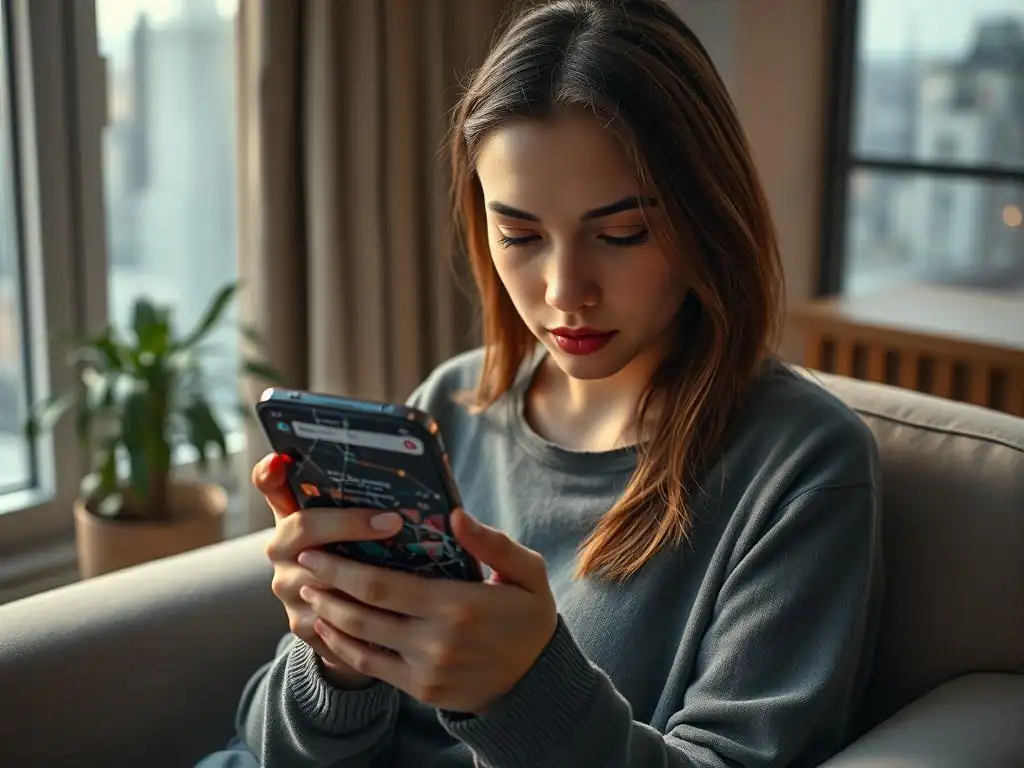
Welcome to Mind Care Guide, a safe space dedicated to understanding and nurturing your mental well-being.
Are you feeling the push and pull of the digital world? We know navigating the complexities of modern life can be challenging, especially when it comes to your mood. This article delves into the double-edged sword of social media, exploring the intricate and often surprising ways it can impact mood disorders. Curious to understand how your online habits might be affecting you? Let's unravel the threads together and discover pathways towards a healthier digital balance.
- The Double-Edged Sword: Social Media's Complex Impact on Mood Disorders | Mind Care Guide
-
How Social Media Can Exacerbate Mood Disorders
- The Comparison Game: Social Media's Impact on Self-Esteem
- Fear of Missing Out (FOMO): Fueling Anxiety and Depression
- Cyberbullying and Online Harassment: A Direct Threat to Mental Well-being
- The Illusion of Perfection: Unrealistic Standards and Mood
- Sleep Disruption and Its Link to Mood and Social Media Usage
- Social Media's Potential Benefits for Individuals with Mood Disorders
- Identifying the Signs: Recognizing Social Media's Negative Impact on Your Mood
- Strategies for Managing Social Media Use and Protecting Your Mental Health
- Social Media Detox: Taking a Break for Mental Well-being
- The Role of Professionals: When to Seek Help for Social Media-Related Mood Disorder Symptoms
- Social Media and Specific Mood Disorders: A Closer Look
- Social Media: A Tool, Not a Determinant of Mood
- Conclusion: Navigating the Complexities of Social Media and Mood Disorders for a Healthier Mind
-
Frequently Asked Questions
- How does social media potentially contribute to the development or worsening of mood disorders?
- What specific types of mood disorders are most commonly linked to negative social media usage?
- Are there any positive aspects of social media use for individuals with mood disorders?
- What are some practical strategies for managing the negative impacts of social media on mood?
- How can parents and educators help young people navigate the complex relationship between social media and mental well-being?
- Final Reflection: Navigating the Digital Landscape of Mental Wellbeing
- Unleash Your Mental Wellbeing: Take Control of Your Social Media
Defining Mood Disorders: An Overview for Mind Care
Mood disorders represent a category of mental health conditions characterized by significant disturbances in a person's emotional state. These disturbances can manifest as persistently low mood (depression), extremely elevated mood (mania or hypomania), or a combination of both, often cycling over time. Conditions like Major Depressive Disorder, Bipolar Disorder (including Bipolar I and Bipolar II), and Persistent Depressive Disorder (Dysthymia) fall under this umbrella.
The impact of these disorders extends far beyond just feeling sad or happy; they can profoundly affect a person's energy levels, sleep patterns, appetite, concentration, and overall ability to function in daily life, including work, relationships, and self-care. Understanding these fundamental aspects is crucial when examining external factors, such as the pervasive influence of social media, on an individual's emotional landscape.
These disorders are complex, often resulting from a confluence of genetic, biological, environmental, and psychological factors. While some individuals may experience mild, episodic symptoms, others face severe, chronic challenges that necessitate ongoing treatment and support. The subjective experience of a mood disorder can vary dramatically from person to person.
For instance, someone with depression might feel overwhelming fatigue and a profound sense of hopelessness, while someone experiencing mania might feel boundless energy, euphoria, and a decreased need for sleep. Given their varied presentation and underlying causes, exploring how modern phenomena like extensive social media use intertwine with the onset, exacerbation, or even potential mitigation of these conditions is increasingly vital in contemporary mental health discourse. The social media mood disorder impact is a significant area of concern and research.
Social media platforms have become an integral part of modern life, transforming how people connect, share information, and perceive the world around them. From their humble beginnings as simple networking sites, platforms like Facebook, Instagram, Twitter (now X), and TikTok have evolved into multifaceted ecosystems offering everything from news consumption and entertainment to professional networking and personal expression.
Billions of people worldwide now use social media daily, spending significant portions of their time scrolling through feeds, interacting with content, and presenting curated versions of their lives. This pervasive presence means that the online environment is no longer a separate sphere but deeply interwoven with our real-world experiences, relationships, and emotional states, raising important questions about the social media mood disorder impact.
However, this ubiquity presents a complex challenge. While offering unprecedented opportunities for connection and access to information, social media also exposes users to potential psychological stressors. The curated nature of online profiles can foster unrealistic comparisons, the constant flow of information can be overwhelming, and the pressure to maintain an online presence can be draining.
For individuals predisposed to or already managing mood disorders, navigating this digital landscape can be particularly precarious. The same platform that facilitates connection might also amplify feelings of isolation, inadequacy, or anxiety, illustrating the "double-edged sword" nature of social media's influence on emotional well-being. Understanding this duality is key to developing healthier digital habits and mitigating negative social media mood disorder impact.
Global social media usage statistics highlight its widespread adoption. As of early 2023, estimates suggest over 4.7 billion people are active social media users, representing nearly 60% of the world's population. The average daily time spent on social media varies by region but often exceeds two hours per person.
For younger demographics, particularly adolescents and young adults, these figures can be even higher, sometimes approaching three to four hours or more per day. Concurrent with this rise in social media engagement, mental health challenges, including rates of anxiety and depression, have also seen concerning trends globally, particularly among younger generations. While establishing direct causation is complex, research increasingly explores the correlation between high levels of social media use and negative mental health outcomes, contributing to the discussion on social media mood disorder impact.
Numerous studies have attempted to quantify this relationship. For example, some research indicates that individuals who spend excessive amounts of time on social media, perhaps exceeding three hours daily, report higher rates of depressive symptoms compared to those with more moderate use. Surveys have shown that a significant percentage of adolescents, sometimes cited as high as 30-40% in certain studies, report feeling worse about their lives or themselves after spending time on social media.
While these statistics are correlational and do not definitively prove that social media causes mood disorders, they provide compelling evidence that the digital environment plays a role in the mental health landscape, potentially exacerbating existing vulnerabilities or contributing to distress. Understanding these trends is vital for developing strategies to mitigate the negative social media mood disorder impact.
Social media platforms are often curated highlight reels, where individuals share their most positive experiences, achievements, and idealized appearances. This constant exposure to seemingly perfect lives can trigger intense social comparison.
When users scroll through feeds filled with glamorous photos, tales of exotic vacations, career successes, and happy relationships, they may inevitably compare their own reality – with its imperfections, struggles, and mundane moments – to these idealized portrayals. This process can lead to feelings of inadequacy, envy, and a diminished sense of self-worth, particularly for individuals already grappling with low self-esteem, a common symptom of depression and anxiety disorders.
Research indicates that upward social comparison on platforms like Instagram, where visual content is dominant, is strongly linked to lower self-esteem and increased body dissatisfaction. One study suggested that young women viewing highly curated images of peers reported feeling significantly worse about their own appearance compared to those viewing more realistic images or no images at all.
This constant barrage of unattainable standards can create a vicious cycle: feeling bad about oneself leads to more time spent seeking validation or distraction online, which in turn exposes the individual to further comparisons, deepening feelings of inadequacy. This dynamic significantly contributes to the negative social media mood disorder impact by eroding self-esteem and fostering negative self-perception.
Fear of Missing Out (FOMO): Fueling Anxiety and Depression
Fear of Missing Out, or FOMO, is a psychological phenomenon exacerbated by social media. It's the uneasy and sometimes overwhelming feeling that others are having rewarding experiences from which you are absent. Social media feeds are perpetual streams of events, gatherings, trips, and social interactions that users might not be a part of. Seeing friends or acquaintances enjoying themselves can trigger feelings of exclusion, anxiety, and regret about one's own choices or circumstances. This isn't just about missing a party; it can extend to career opportunities, personal milestones, or simply feeling left out of the current social zeitgeist.
For individuals with mood disorders, FOMO can be particularly potent. Someone experiencing depression might already struggle with motivation and social withdrawal; seeing others actively engaging in life can amplify feelings of isolation and worthlessness. Similarly, those prone to anxiety may feel a constant pressure to be everywhere and do everything, fearing they are falling behind or missing crucial social cues if they aren't constantly online.
Studies have linked high levels of social media-induced FOMO to increased rates of anxiety and depressive symptoms. A 2013 study in the Computers in Human Behavior journal highlighted a correlation between FOMO, social media engagement, and negative mood. This perpetual cycle of checking feeds to alleviate anxiety about missing out, only to have that anxiety reinforced by what is seen, represents a significant social media mood disorder impact.
Cyberbullying and Online Harassment: A Direct Threat to Mental Well-being
Cyberbullying involves the use of electronic communication to bully a person, typically by sending messages of an intimidating or threatening nature. Online harassment can take many forms, including spreading rumors, posting embarrassing photos or videos, sending hateful messages, or excluding someone from online groups. Unlike traditional bullying, cyberbullying can happen 24/7, reach a wide audience quickly, and the perpetrator can often remain anonymous, making it difficult to escape and address.
The impact of cyberbullying on mental health is severe and well-documented. Victims of cyberbullying are at significantly higher risk of experiencing depression, anxiety, low self-esteem, academic difficulties, and even suicidal ideation. For someone already struggling with a mood disorder, cyberbullying can be devastating, confirming negative self-beliefs and intensifying feelings of isolation and hopelessness.
Data from various studies consistently shows that a substantial percentage of adolescents and young adults report experiencing cyberbullying, with figures often ranging from 10% to 40% depending on the survey and definition used. The pervasive nature of social media means that the risk of encountering online harassment is ever-present, posing a direct and serious threat to the mental well-being of vulnerable individuals and highlighting a critical social media mood disorder impact.
The Illusion of Perfection: Unrealistic Standards and Mood
Social media platforms often present an idealized version of reality. Filters, editing tools, and careful curation allow users to present only the most attractive, successful, and happy aspects of their lives, creating an "illusion of perfection." This isn't just limited to personal profiles; influencers and celebrities often perpetuate aspirational lifestyles that are far removed from the average person's reality. The constant exposure to these seemingly flawless lives can distort users' perceptions of what is normal or achievable, setting unrealistic standards for appearance, success, and happiness.
When individuals, particularly those with mood disorders who may already struggle with distorted thinking or negative self-perception, compare their authentic, messy lives to these polished online presentations, it can foster feelings of inadequacy, failure, and dissatisfaction. This gap between the perceived perfection of others and one's own reality can exacerbate symptoms of depression and anxiety.
For instance, someone feeling depressed might see posts about constant social activities and feel like a failure for staying home, even if that's what they need for their well-being. The pressure to conform to these unrealistic online standards, or to create one's own "perfect" online persona, adds another layer of stress, contributing significantly to the negative social media mood disorder impact.
Adequate sleep is fundamental to mental health, playing a critical role in mood regulation, cognitive function, and emotional resilience. Conversely, sleep disruption is a common symptom and risk factor for mood disorders like depression and bipolar disorder. Excessive social media use, particularly late at night, is strongly associated with poor sleep quality and quantity. The blue light emitted from screens can suppress melatonin production, making it harder to fall asleep. Furthermore, the engaging and sometimes anxiety-provoking nature of social media content can keep the mind active, preventing relaxation needed for sleep.
Many individuals report spending their final waking moments scrolling through social media feeds, a habit sometimes referred to as "doomscrolling" if the content is negative. This can lead to delayed bedtimes, fragmented sleep, and insufficient rest. Studies consistently show a correlation between increased screen time, especially before bed, and poorer sleep outcomes among adolescents and adults.
For example, some research indicates that young adults who use social media for extended periods at night are significantly more likely to report insufficient sleep and daytime fatigue. This sleep deprivation directly impacts mood, increasing irritability, anxiety, and depressive symptoms, thus contributing to the overall social media mood disorder impact. Establishing healthy sleep hygiene, including limiting social media before bed, is a crucial strategy for protecting mental health.
Building Online Communities for Support and Connection
Despite its potential drawbacks, social media can also serve as a powerful tool for fostering connection and building supportive communities, which is particularly beneficial for individuals managing mood disorders. Online support groups, forums, and communities dedicated to specific mental health conditions or shared experiences can provide a sense of belonging and understanding that might be difficult to find in person. These platforms allow individuals to connect with others who are facing similar challenges, share their experiences, offer and receive advice, and reduce feelings of isolation.
Access to such communities can be invaluable, especially for those who live in remote areas, have limited mobility, or find face-on-face social interactions challenging due to their symptoms. Sharing personal stories in a safe, moderated online space can be therapeutic, validating one's experiences and providing hope through the stories of others who have navigated similar paths.
While not a substitute for professional help, these online connections can act as a vital supplement, offering peer support and reducing the stigma often associated with mental illness. This positive aspect balances the negative social media mood disorder impact by providing avenues for connection.
Accessing Mental Health Resources and Information Online
Social media platforms and the broader internet offer unprecedented access to mental health resources, information, and educational content. Individuals can easily find websites, blogs, podcasts, and social media accounts run by mental health organizations, professionals, and advocates. This access can help people learn more about their condition, understand symptoms, explore treatment options, and find coping strategies. Many mental health organizations use social media to raise awareness, share helpful tips, and signpost to crisis resources.
For someone hesitant or unable to seek professional help immediately, online resources can be a crucial first step in understanding their experiences and realizing they are not alone. Platforms can host Q&A sessions with therapists, share infographics explaining complex concepts like cognitive behavioral therapy (CBT) or dialectical behavior therapy (DBT), and provide links to helplines or low-cost counseling services.
While caution is needed to ensure the information is credible, the sheer volume of accessible knowledge online represents a significant potential benefit, empowering individuals to learn more about their mental well-being and available support, which can help mitigate the negative social media mood disorder impact.
Social media platforms offer diverse avenues for creative expression, which can be therapeutic and beneficial for individuals with mood disorders. Sharing art, writing, music, photography, or other creative endeavors online can provide an outlet for emotions, foster a sense of accomplishment, and connect individuals with others who appreciate their work. Platforms like Instagram for visual art, TikTok for short videos, or blogging sites for writing allow users to express themselves authentically and explore different facets of their identity.
This process of creative expression can be a form of self-discovery, helping individuals process their thoughts and feelings, build confidence, and find a sense of purpose. Receiving positive feedback or connecting with others through shared creative interests can boost self-esteem and combat feelings of worthlessness often associated with depression. Engaging in creative activities and sharing them online shifts the focus from passive consumption of content to active creation, promoting a more positive and engaging interaction with digital spaces. This active engagement can counteract some negative social media mood disorder impact by fostering self-expression and connection through shared interests.
For individuals with mood disorders, maintaining social connections can be challenging due to symptoms like low energy, social anxiety, or withdrawal. Social media can serve as a tool to help maintain these connections, especially during periods when face-to-face interactions are difficult. Simple acts like liking a friend's post, leaving a comment, or sending a direct message can help individuals feel connected to their social network without the pressure of in-person interaction.
Social media can also facilitate staying in touch with distant friends and family, bridging geographical gaps. For those who experience significant social isolation, platforms can provide a low-stakes way to interact with others, reducing feelings of loneliness, which is a significant risk factor for worsening mood disorder symptoms. While online interactions shouldn't completely replace real-life relationships, they can act as a valuable supplement, helping individuals feel less alone and more connected to their social support system, offering a positive counterpoint to the negative social media mood disorder impact.
One of the key indicators that social media might be negatively impacting your mood is experiencing heightened anxiety or restlessness after spending time on these platforms. This might manifest as a racing heart, difficulty concentrating, feeling on edge, or a pervasive sense of worry that wasn't present before you started scrolling. Often, this anxiety stems from exposure to overwhelming news cycles, engaging in online conflicts, comparing yourself to others' seemingly perfect lives, or feeling pressure to respond to messages and notifications.
Pay attention to how your body and mind feel immediately after closing a social media app. Do you feel more stressed, agitated, or uneasy than before? This sensation can be a direct result of the stimulating and often comparison-driven environment of social media. For someone prone to anxiety disorders, this immediate negative reaction is a strong signal that their current social media habits are detrimental to their mental well-being and are contributing to a negative social media mood disorder impact. Recognizing this pattern is the first step towards making positive changes.
Feelings of Sadness, Hopelessness, or Worthlessness
Another significant sign is a noticeable shift towards feelings of sadness, hopelessness, or worthlessness after using social media. This is often closely tied to the comparison game and the illusion of perfection discussed earlier. Seeing others' perceived successes and happiness while feeling stuck or inadequate in your own life can deepen feelings of depression. The curated nature of online feeds rarely shows the struggles, failures, or ordinary moments that are part of everyone's reality, creating a distorted view that can make one's own life feel insufficient.
If you find that scrolling through social media consistently leaves you feeling down, discouraged, or like you don't measure up, it's a clear indication that your online activity is negatively affecting your mood. These feelings are core symptoms of depression, and social media can act as a powerful trigger or intensifier. Monitoring your emotional state during and after social media use is crucial for identifying this negative social media mood disorder impact.
Ironically, despite being designed for connection, excessive social media use can sometimes lead to increased social withdrawal and isolation from real-life interactions. You might find yourself prioritizing online interactions over spending time with friends and family in person, or using social media as a substitute for real-world social engagement. This can happen because online interactions can feel less demanding or safer, especially for individuals struggling with social anxiety or low energy due to depression.
However, replacing meaningful face-to-face connections with superficial online scrolling can leave you feeling more isolated in the long run. If you notice that your social media habits are causing you to decline invitations, spend less time with loved ones, or feel more disconnected from your real-world support system, it's a strong sign that your online behavior is having a negative social media mood disorder impact on your social well-being and overall mood.
As previously mentioned, sleep disruption is a common consequence of excessive social media use, particularly at night. If you find yourself staying up late scrolling, having difficulty falling asleep because your mind is racing with online content, or experiencing fragmented sleep, and this correlates with periods of heavy social media use, it's a significant warning sign. Poor sleep directly impacts mood, increasing irritability and exacerbating symptoms of both anxiety and depression.
Similarly, changes in appetite – either eating significantly more or less than usual – can be linked to the emotional distress caused by social media. Stress, anxiety, and depression can all affect appetite. If you notice that periods of increased or distressing social media use coincide with changes in your eating habits, it could be another indicator of its negative impact on your mood and overall well-being. These physiological changes are tangible manifestations of the social media mood disorder impact.
Becoming preoccupied with social media content or interactions is another sign that it might be negatively affecting your mental health. This could involve constantly checking for likes, comments, or messages, feeling compelled to post updates frequently, excessively worrying about how your posts are perceived, or ruminating over negative online interactions long after they've occurred. This can take up significant mental energy and distract from other aspects of life.
If you find your thoughts constantly drifting back to social media – wondering what others are doing, replaying online conversations, or feeling anxious about your online presence – it suggests an unhealthy level of engagement. This obsessive thinking can fuel anxiety and make it difficult to focus on other things, interrupting daily life and contributing to emotional distress. This level of preoccupation is a clear indicator of a negative social media mood disorder impact.
Setting Time Limits and Creating Digital Boundaries
Establishing clear boundaries around social media use is crucial for protecting your mental health. One effective strategy is to set specific time limits for how long you will spend on platforms each day. Many smartphones and social media apps now have built-in tools that track usage and allow you to set daily limits, notifying you when you've reached your allocated time. For example, you might aim for no more than 30-60 minutes of recreational scrolling per day.
Beyond daily limits, consider creating "digital-free" zones or times. This could mean no phones at the dinner table, refraining from checking social media for the first hour after waking up, or designating evenings after a certain time as screen-free. Implementing these boundaries requires discipline but can significantly reduce overall screen time and the potential for negative exposure. Creating a schedule for checking social media, rather than mindlessly opening apps throughout the day, can help regain control. This proactive approach is essential for mitigating negative social media mood disorder impact.
- [x] Set a daily time limit for social media use (e.g., 60 minutes).
- [x] Use phone/app features to track and enforce limits.
- [x] Designate specific times or places as "digital-free."
- [x] Avoid checking social media first thing in the morning or last thing at night.
Curating Your Feed: Unfollowing Accounts That Trigger Negative Emotions
The content you consume on social media directly impacts how you feel. If certain accounts, types of posts, or individuals consistently trigger negative emotions such as envy, anxiety, inadequacy, or frustration, it's time to curate your feed. Don't hesitate to unfollow, mute, or block accounts that make you feel bad about yourself or your life. This includes accounts that promote unrealistic standards, share overly negative or triggering content, or belong to people with whom online interactions are stressful.
Conversely, actively seek out and follow accounts that inspire you, make you feel good, provide valuable information, or connect you with supportive communities. This might include accounts focused on mental health advocacy, hobbies, positive news, or those of friends and family whose updates genuinely uplift you. Taking control of the content you see transforms your feed from a potential source of distress into a more positive and supportive environment, actively working against negative social media mood disorder impact.
# Example of a curated feed goal:
- Follow accounts that promote body positivity and realistic lifestyles.
- Unfollow accounts that focus heavily on unattainable luxury or perfect aesthetics.
- Mute individuals whose posts consistently cause stress or comparison.
- Seek out mental health advocates and supportive community groups.
Mindfulness can be applied to social media use to make it a more conscious and less detrimental activity. Instead of mindlessly scrolling, take a moment before opening an app to ask yourself why you are doing it. Are you seeking connection, information, or are you simply bored or avoiding something else? During your time on the platform, pay attention to how certain content makes you feel. If you encounter something that triggers negative emotions, acknowledge it without judgment and consider why it affects you.
Mindful consumption also involves being present while you are online and avoiding multitasking. Giving your full attention to what you are doing can help you process information more effectively and be more intentional about your interactions. When you finish using social media, take another moment to check in with yourself. How do you feel now? Does this feeling align with your goals for using the platform? Practicing this awareness helps you understand the real-time social media mood disorder impact and empowers you to make choices that protect your well-being.
Mindful social media use is about presence and intention. It's not just what you see, but how you react and why you are looking.
Engaging in Real-Life Activities and Hobbies
Balancing online life with engaging in real-life activities and hobbies is essential for overall mental health. Spending time on activities you enjoy that don't involve screens provides a crucial counterbalance to the digital world. This could include exercising, spending time in nature, reading a physical book, pursuing a creative hobby like painting or playing music, volunteering, or spending quality time face-to-face with loved ones.
These real-world activities offer tangible rewards, physical benefits, and deeper social connections that social media often cannot replicate. They provide opportunities for flow states, where you become completely absorbed in an activity, which can be incredibly beneficial for reducing stress and improving mood. Making a conscious effort to schedule and prioritize these activities helps ensure that social media doesn't consume all your free time and energy, thereby reducing its potential negative social media mood disorder impact.
If you find that your social media use is significantly contributing to or exacerbating symptoms of a mood disorder, and you are struggling to manage it on your own, seeking professional help is a vital step. Mental health professionals, such as therapists, counselors, or psychiatrists, can provide tailored support and strategies. They can help you understand the underlying reasons why social media affects you so strongly, develop healthier coping mechanisms, and address any co-occurring mood disorder symptoms.
Therapy approaches like Cognitive Behavioral Therapy (CBT) can be particularly helpful in identifying and challenging negative thought patterns triggered by social media, such as comparison or fear of missing out. A professional can also help you set realistic goals for social media use and develop a plan for reducing its negative influence. Don't hesitate to reach out; mental health professionals are equipped to help navigate the complex relationship between technology and well-being, addressing the specific social media mood disorder impact you might be experiencing.

A social media detox involves taking a deliberate break from using social media platforms for a set period. This can range from a weekend to a week, a month, or even longer, depending on your needs and goals. Planning your detox is key to its success. Start by deciding on the duration of your break. Be realistic about what you can manage. Next, identify which platforms you will be abstaining from. Will it be all social media, or just specific apps that you find most problematic?
Inform key friends or family members that you will be taking a break so they know how to reach you if needed (e.g., via text or phone call) and understand why you might be less responsive online. Delete the apps from your phone to remove the easy temptation to scroll. Prepare for how you will fill the time you would normally spend on social media by planning alternative activities.
Having a plan for how you will spend your newly free time is crucial for preventing boredom and the urge to relapse. This structured approach makes the detox more manageable and effective in assessing the social media mood disorder impact.
Taking a break from social media can sometimes feel challenging, especially if it's been a significant part of your routine. It's important to have coping strategies in place to manage potential feelings of boredom, restlessness, or even anxiety from being disconnected. Revisit hobbies you've neglected or try new ones. Engage in physical activity, spend time outdoors, read books, listen to podcasts, or connect with people face-to-face.
Journaling can be a helpful way to process your thoughts and feelings during the detox, noting any changes in your mood or anxiety levels. Be patient with yourself; it's normal to feel the urge to check apps out of habit. Recognize these urges without acting on them. Remind yourself why you are taking the break – to improve your mental well-being. Focusing on the positive outcomes, like reduced anxiety or better sleep, can help you stay motivated. These strategies help navigate the withdrawal and better understand the social media mood disorder impact by experiencing life without constant online input.
After completing a social media detox, the goal isn't necessarily to return to your old habits. The break provides an opportunity to re-evaluate your relationship with social media and reintroduce it mindfully. Before logging back in, reflect on what you learned during your break. Did your mood improve? Did you feel less anxious or stressed? Did you find more time for other activities? Use these insights to inform how you will use social media going forward.
Consider implementing the strategies for managing use discussed earlier, such as setting strict time limits, curating your feed more aggressively, and being more intentional about why you are using the platform each time you open it. Perhaps you decide to only use social media for specific purposes, like connecting with a particular group or following certain positive accounts, rather than aimless scrolling. The key is to return with awareness and boundaries, ensuring that social media serves you, rather than detracting from your mental health. This mindful re-engagement is crucial for maintaining a positive social media mood disorder impact.
Identifying When Professional Intervention is Necessary
It can be challenging to determine when the negative impact of social media on your mood warrants professional help versus being something you can manage with personal strategies. A good indicator that professional intervention is necessary is if the negative effects of social media are significantly interfering with your daily life. This includes persistent symptoms like severe sadness, hopelessness, anxiety, panic attacks, significant changes in sleep or appetite, inability to concentrate, loss of interest in activities you once enjoyed, or thoughts of self-harm, and you suspect social media is a major contributing factor or trigger.
If you've tried implementing strategies like setting limits, curating your feed, or taking a detox, and you still feel overwhelmed, consistently low, or highly anxious after using social media, it's a sign that you may need professional support. Professionals can help disentangle the complex relationship between your social media habits and your mood disorder symptoms, providing targeted interventions. Don't wait until symptoms become unbearable; seeking help early can prevent escalation and improve outcomes related to social media mood disorder impact.
Several types of therapy can be beneficial for individuals experiencing mood disorders exacerbated by social media use. Cognitive Behavioral Therapy (CBT) is often recommended because it helps individuals identify and challenge negative thought patterns and behaviors associated with social media, such as comparison, fear of missing out, or seeking external validation. CBT can equip you with tools to reframe your thinking about online content and develop healthier digital habits.
Dialectical Behavior Therapy (DBT) can also be helpful, particularly for individuals who experience intense emotional reactions to social media interactions or content. DBT focuses on mindfulness, emotional regulation, distress tolerance, and interpersonal effectiveness, skills that are highly applicable to navigating the often emotionally charged environment of social media. Additionally, general counseling or psychotherapy can provide a supportive space to explore the underlying issues contributing to vulnerability to negative social media mood disorder impact.
Common therapies for social media-related mood issues:
- CBT (Cognitive Behavioral Therapy)
- DBT (Dialectical Behavior Therapy)
- General Psychotherapy
When seeking professional help, it can be beneficial to find a mental health professional who is aware of and understands the specific ways social media can impact mental health. While most therapists are familiar with anxiety and depression, having a professional who recognizes the unique stressors of the digital age – such as cyberbullying, FOMO, and online comparison – can lead to more targeted and effective treatment.
When contacting potential therapists, you can ask about their experience working with clients on issues related to technology use, screen time, or the impact of social media on mood and self-esteem. Some therapists specialize in digital well-being or technology addiction, although the latter term is sometimes debated. Even a therapist who doesn't specialize but is open to learning about your specific challenges related to social media can provide significant support. The goal is to find a professional you trust and feel comfortable discussing the sensitive topic of your social media mood disorder impact with.
For individuals with depression, social media can be a particularly challenging environment. Symptoms like low energy, lack of motivation, and social withdrawal can make it difficult to engage positively online or maintain real-life connections. The comparison game on social media can significantly exacerbate feelings of worthlessness and hopelessness, core symptoms of depression. Seeing others' seemingly happy and active lives can deepen feelings of isolation and inadequacy, reinforcing negative self-talk.
Furthermore, the passive consumption of social media content, where one scrolls endlessly without active engagement, has been linked to increased depressive symptoms. This passive use can lead to more social comparison and less meaningful interaction compared to active use (e.g., messaging friends, posting content).
Studies have shown a correlation between higher levels of passive social media use and increased levels of depression among young adults. The constant availability of social media also makes it easy to fall into patterns of using it as a form of avoidance or distraction, preventing engagement in activities that might actually improve mood, thus contributing significantly to social media mood disorder impact in the context of depression.
Social media can be a significant trigger for anxiety disorders, including generalized anxiety disorder (GAD), social anxiety disorder, and panic disorder. The pressure to present a perfect online persona, the fear of missing out (FOMO), and the potential for negative interactions like cyberbullying or online conflict can create a state of constant hyperarousal and worry. Checking notifications can become an obsessive behavior driven by anxiety about missing something important or receiving negative feedback.
Individuals with social anxiety may find online interactions less intimidating initially, but they can still experience significant anxiety related to posting content, receiving likes or comments, or navigating online social dynamics. The fear of judgment or criticism is amplified by the public nature of many platforms. The constant stream of information, including distressing news or triggering content, can also fuel generalized anxiety.
Research indicates a strong link between excessive social media use and increased anxiety levels, with some studies showing that reducing usage can lead to a decrease in anxiety symptoms. This highlights a clear social media mood disorder impact specifically on anxiety.
Bipolar disorder is characterized by significant mood swings, ranging from depressive lows to manic or hypomanic highs. Social media can potentially impact individuals with bipolar disorder in complex ways. During depressive episodes, the negative impacts discussed earlier – comparison, isolation, cyberbullying – can exacerbate symptoms. During manic or hypomanic episodes, social media use might become excessive or impulsive.
Increased energy and decreased need for sleep during mania can lead to spending excessive amounts of time online, potentially engaging in risky behaviors like excessive online shopping, impulsive posting, or engaging in online conflicts. The rapid pace and constant stimulation of social media can also potentially trigger or worsen manic symptoms in some individuals. Conversely, during periods of stability, social media might be used more healthily for connection or creative expression.
Managing social media use is often an important part of managing bipolar disorder, as it can influence sleep patterns and impulsivity, both critical factors in mood stability. Understanding this nuanced social media mood disorder impact is vital for managing the condition.
It's important to recognize that social media is fundamentally a tool. Like any tool, its impact depends largely on how it is used. It is not inherently good or bad, but rather a platform that can be leveraged for positive or negative purposes. Reframing your relationship with social media means shifting from being a passive consumer or someone driven by external validation to becoming an intentional and active user who controls their experience.
This involves understanding your own vulnerabilities – how comparison, FOMO, or online conflict affect you specifically – and developing strategies to mitigate those risks. It means recognizing that the content you see is often curated and not a full representation of reality. By viewing social media as a tool you control, rather than a force that controls your emotions, you can approach it with greater awareness and purpose. This reframing is a powerful step in minimizing negative social media mood disorder impact.
Finding Balance and Prioritizing Mental Well-being
Ultimately, navigating the complexities of social media and protecting your mental health is about finding balance. This involves integrating social media into your life in a way that supports, rather than detracts from, your overall well-being. It means prioritizing real-life connections, hobbies, sleep, and self-care over endless scrolling or seeking online validation.
Finding balance is a continuous process that may require regular check-ins with yourself and adjustments to your habits. It involves being mindful of how social media makes you feel and being willing to step back or make changes when you notice negative impacts. Prioritizing your mental health means recognizing that your well-being is more important than keeping up with every online trend or achieving a perfect online persona. This focus on balance is key to mitigating long-term social media mood disorder impact.
Frequently Asked Questions
Social media can contribute through social comparison, leading to feelings of inadequacy and low self-esteem. The curated nature of online content can also foster a sense of missing out (FOMO) and anxiety.
Studies suggest a link between excessive social media use and increased symptoms of depression and anxiety. Furthermore, it may exacerbate symptoms of bipolar disorder, particularly during manic phases.
Yes, social media can provide valuable support networks and access to mental health resources. Online communities can foster a sense of belonging and reduce feelings of isolation.
Strategies include setting time limits for social media use, unfollowing accounts that trigger negative emotions, and practicing mindful engagement online. It's also crucial to prioritize real-life interactions.
Parents and educators can promote digital literacy and critical thinking skills. They can also encourage open conversations about responsible social media use and its potential effects on mood.
The pervasive influence of social media on our mental health is no longer a fringe concern; it's a defining characteristic of the 21st-century experience. The seemingly innocuous scroll through curated feeds can subtly, yet powerfully, impact our self-perception, fueling anxieties and exacerbating existing mood disorders. This article has explored the multifaceted nature of this relationship, highlighting both the potential benefits of connection and the insidious risks of comparison, cyberbullying, and the relentless pursuit of online validation.
The constant bombardment of idealized lifestyles and seemingly perfect lives online has profoundly altered our cultural understanding of mental wellbeing. It fosters a climate of unrealistic expectations and fuels a pervasive sense of inadequacy. This pressure to present a flawless online persona, often at the expense of genuine self-expression, can be particularly damaging for individuals already struggling with mood disorders. We are all now connected by the Internet, like neurons in a giant brain.
– This quote, while optimistic in its original intent, underscores the double-edged nature of this connection; it can foster community but also amplify negativity and isolation.
Consider the impact of social media on your own life. Are you consciously curating your online presence, or are you allowing the platform to dictate your self-perception? Take a moment to reflect on your relationship with social media and identify areas where you can foster a healthier, more balanced approach. Unfollow accounts that trigger negative emotions, prioritize real-life connections, and remember that the curated perfection you see online is rarely the full picture. By cultivating mindful engagement with the digital world, you can reclaim your mental wellbeing and navigate the complexities of social media with greater awareness and self-compassion.
Thanks for taking the time to explore the complex relationship between social media and mood disorders. We hope this article provided valuable insights into navigating this digital landscape. Now, let's turn those insights into action!
- Prioritize your mental health: Identify one social media habit that negatively impacts your mood and create a plan to modify or eliminate it. This could be anything from limiting screen time to unfollowing accounts that trigger negative emotions.
- Share your experience: Start a conversation! Share this article with a friend or family member who might benefit from understanding the connection between social media and mental wellbeing. Let's raise awareness together.
- Explore mindful digital detox strategies: Research different techniques for managing your screen time more effectively, such as scheduling dedicated "digital downtime" or using app timers.
What small step will you take today to cultivate a healthier relationship with social media and improve your mental wellbeing?