
Finding Peace in Winter: Mindfulness and Meditation for Seasonal Affective Disorder

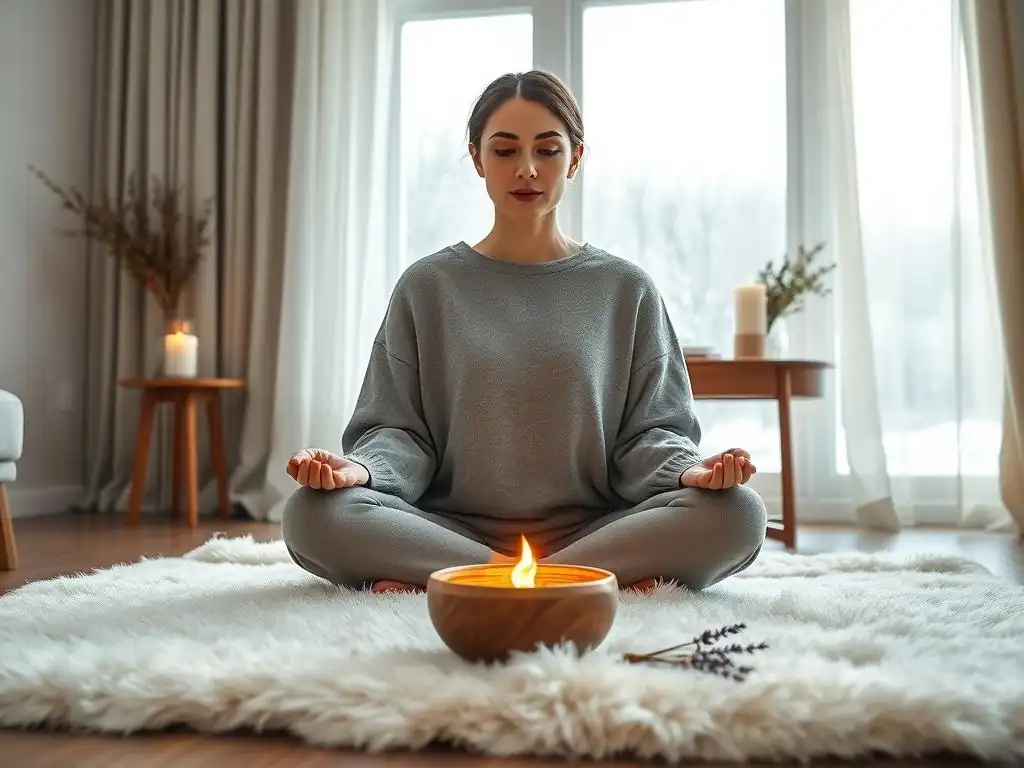
Welcome to Mind Care Guide.
Feeling the winter blues a little too deeply? You're not alone. At Mind Care Guide, we understand the unique challenges that come with the changing seasons. This isn't just about feeling a little down; it's about recognizing and addressing the potential impact of Seasonal Affective Disorder (SAD). Are you searching for a way to navigate the darkness and find inner peace? Explore our comprehensive guide and discover how seasonal affective disorder mindfulness meditation can be a powerful tool in your journey towards well-being. Let's uncover a path to light, even in the darkest months...
Finding Peace in Winter: Mindfulness and Meditation for Seasonal Affective Disorder
- Understanding Seasonal Affective Disorder (SAD)
- Mindfulness and Meditation: Tools for SAD Relief
- Practical Mindfulness Meditation Techniques for Winter SAD
- Creating a Winter Wellness Routine
- Overcoming Challenges in Your Mindfulness Meditation Practice
- Additional Resources
- Long-Term Benefits
-
Frequently Asked Questions
- What is Seasonal Affective Disorder (SAD) and how does it affect mental well-being?
- How can mindfulness meditation help manage symptoms of Seasonal Affective Disorder?
- Are there specific types of mindfulness meditation techniques that are particularly effective for SAD?
- How often should I practice mindfulness meditation to experience benefits for Seasonal Affective Disorder?
- Where can I find resources and support for practicing mindfulness meditation for Seasonal Affective Disorder?
- Final Reflection: Embracing the Stillness Within During Winter's Embrace
- Unveil Your Winter Calm: Embrace Mindfulness Now
Understanding Seasonal Affective Disorder (SAD)
What is Seasonal Affective Disorder? Defining the Condition
Seasonal Affective Disorder (SAD) is a type of depression that follows a seasonal pattern. For most individuals, symptoms begin in the late fall or early winter and disappear during the spring and summer months. A smaller percentage of people experience the reverse pattern, with symptoms starting in spring or summer.
While often referred to casually as the "winter blues," SAD is a recognized clinical condition that can significantly impact a person's mood, energy levels, sleep patterns, and overall quality of life. It's more than just feeling a bit down when the weather is gloomy; it involves recurrent episodes of major depression linked to specific seasons.
Diagnosing SAD typically involves a pattern of depressive episodes that occur during a particular season for at least two consecutive years, with full remission at other times of the year. Approximately 5% of the U.S. population experiences SAD, with symptoms often starting in their 20s. Women are diagnosed with SAD more often than men, by a ratio of about 4:1. The severity of SAD symptoms can vary widely among individuals, ranging from mild to severe, and can interfere with daily functioning, work, relationships, and enjoyment of activities.
Identifying SAD Symptoms: Recognizing the Signs
Recognizing the signs of SAD is crucial for seeking appropriate support. Common symptoms in winter-pattern SAD mirror those of major depression but are tied to the seasonal shift. These include feeling depressed most of the day, nearly every day, loss of interest in activities once enjoyed, low energy, difficulty sleeping (often sleeping too much), changes in appetite (often craving carbohydrates) leading to weight gain, feeling sluggish or agitated, difficulty concentrating, and feelings of hopelessness or worthlessness. Physical symptoms like fatigue and body aches are also frequently reported.
In contrast, summer-pattern SAD symptoms can include insomnia, poor appetite leading to weight loss, agitation, restlessness, and anxiety. Regardless of the pattern, the key diagnostic feature is the consistent timing of depressive episodes with specific seasons and their resolution during other times. For instance, someone might notice that every November they start feeling excessively tired, lose interest in social activities, and struggle with concentration, with these symptoms lifting predictably around March or April. Tracking symptoms over a couple of years can help identify this seasonal pattern.
The Science Behind SAD: Circadian Rhythm and Neurotransmitters
The exact cause of SAD is not fully understood, but research points to several biological factors linked to the decrease in natural sunlight during fall and winter. One primary theory involves the disruption of the body's internal clock, or circadian rhythm. Reduced sunlight exposure can throw off this rhythm, leading to misalignment between the body's sleep-wake cycle and the daily cycle of light and dark. This disruption can contribute to symptoms like fatigue and changes in sleep patterns characteristic of SAD.
Another significant factor is the role of neurotransmitters, particularly serotonin and melatonin. Serotonin, a brain chemical that affects mood, is often found to be lower in individuals with SAD. Reduced sunlight can lead to a drop in serotonin levels, potentially contributing to depressive feelings. Melatonin, a hormone regulating sleep, is produced in higher levels in the dark. With shorter daylight hours, melatonin production increases, which can lead to feelings of sleepiness and lethargy. Some research also suggests that people with SAD may have difficulty regulating serotonin and melatonin levels, making them more susceptible to seasonal changes.
Mindfulness and Meditation: Tools for SAD Relief
The Role of Mindfulness in Symptom Management
Mindfulness is the practice of bringing one's attention to the present moment, without judgment. For individuals grappling with Seasonal Affective Disorder, particularly during the challenging winter months, cultivating mindfulness can be a powerful tool for managing symptoms. It helps by interrupting the cycle of negative rumination often associated with depression. Instead of getting caught up in thoughts about feeling low, tired, or hopeless, mindfulness encourages acknowledging these feelings without letting them dictate one's state entirely. This simple act of non-judgmental observation can create a sense of distance from distressing thoughts and emotions.
By practicing mindfulness, individuals can become more aware of their physical sensations, thoughts, and feelings as they arise, rather than being overwhelmed by them. This heightened self-awareness is crucial for recognizing the early signs of SAD or understanding the nuances of current symptoms. For example, noticing the physical heaviness associated with low energy without immediately labeling it as a failure or sign of weakness allows for a more compassionate response. Regular mindfulness practice can build resilience, enabling a person to weather the seasonal shifts with greater emotional stability and presence.
How Meditation Improves Mood and Reduces Anxiety
Meditation, often a core component of mindfulness practice, involves training the mind to focus or to be open to awareness without judgment. Various forms of meditation have been shown to have positive effects on mood and anxiety, which are common symptoms of Seasonal Affective Disorder. Consistent meditation practice can alter brain structure and function, particularly in areas related to emotional regulation, stress response, and self-awareness. Studies using fMRI have shown that areas like the prefrontal cortex (involved in attention and emotional control) can become more active, while the amygdala (involved in fear and anxiety) may show reduced activity.
Regular meditation can help lower levels of stress hormones like cortisol, which are often elevated during periods of depression and anxiety. By promoting relaxation and a sense of calm, meditation can directly counteract the heightened anxiety and agitation some people with SAD experience. Furthermore, practices focused on loving-kindness or compassion can foster feelings of connection and warmth, helping to combat the isolation and withdrawal that can accompany seasonal depression. Even short, daily meditation sessions, perhaps 10-15 minutes, can begin to shift neural pathways and improve emotional well-being over time.
Benefits of Mindfulness Meditation for Seasonal Depression
Integrating mindfulness meditation into a wellness routine offers specific benefits for alleviating the challenges of seasonal depression. One key advantage is its accessibility; it requires no special equipment and can be practiced almost anywhere. For someone dealing with the low energy of winter SAD, a simple seated meditation or mindful walk can be less daunting than other activities. The practice helps individuals develop a greater capacity to tolerate the discomfort and lethargy associated with the condition, fostering acceptance rather than resistance or frustration.
Furthermore, mindfulness meditation for Seasonal Affective Disorder can enhance the effectiveness of other treatments. When combined with therapies like light therapy (phototherapy) or cognitive-behavioral therapy (CBT), mindfulness can provide an additional layer of support by teaching practical skills for managing negative thought patterns and emotional reactivity. For instance, someone using a light box might also use mindful breathing techniques during their session to enhance relaxation and presence. Over time, a consistent mindfulness meditation practice can help individuals build a stronger internal foundation, making them less vulnerable to the cyclical nature of seasonal depressive episodes.
Practical Mindfulness Meditation Techniques for Winter SAD
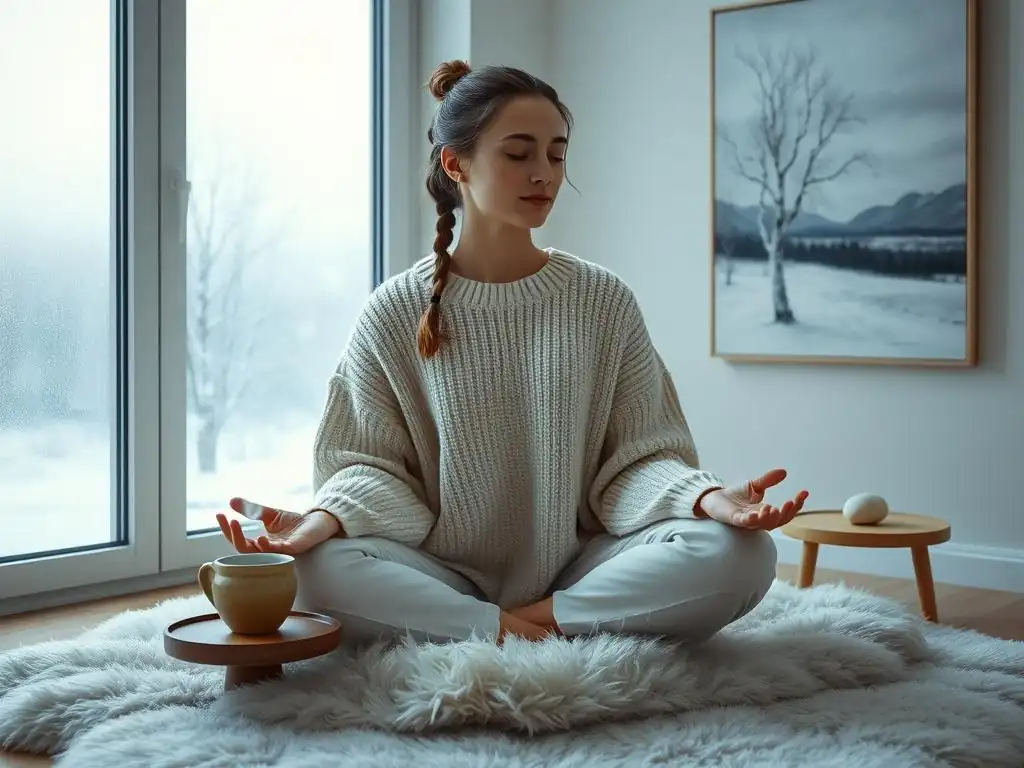
Guided Meditation for SAD: A Step-by-Step Guide
Guided meditation is an excellent starting point for using mindfulness meditation for Seasonal Affective Disorder, especially when motivation is low. A guided session involves listening to an instructor (often through an audio recording or app) who leads you through the practice. This can help keep your mind from wandering and provide structure.
Here's a basic structure often followed in guided meditations adapted for SAD:
- Finding a Comfortable Position: The guide will typically instruct you to find a comfortable seated or lying position.
- Closing or Softening Eyes: You'll be invited to gently close your eyes or soften your gaze.
- Focusing on Breath: The guide will direct your attention to your breath, noticing the sensation of air entering and leaving your body without trying to change it.
- Body Scan: Often, a guided meditation will include a body scan, where you're led to bring awareness to different parts of your body, noticing any sensations (or lack thereof) without judgment.
- Noticing Thoughts and Feelings: The guide encourages you to notice thoughts and feelings as they arise, acknowledging them gently, and then letting them pass, returning attention to the breath or body.
- Cultivating Compassion: Some guided meditations specifically for mood might include elements of self-compassion or loving-kindness towards oneself, which can be particularly helpful for the self-criticism sometimes accompanying depression.
- Gentle Return: The guide will gently bring your awareness back to your surroundings before concluding the session.
Guided meditations, particularly those focused on mood or energy, can be found on various meditation apps and websites. Many are specifically tagged for stress, anxiety, or depression, making them relevant for Seasonal Affective Disorder mindfulness meditation. Starting with shorter sessions, perhaps 5-10 minutes, can make the practice feel more manageable when energy levels are low. Consistency, even in short bursts, is more beneficial than infrequent long sessions.
Body Scan Meditation for Awareness and Relaxation
The body scan meditation is a foundational mindfulness technique that involves systematically bringing gentle attention to different parts of the body, from head to toe or vice versa. This practice is particularly useful for SAD symptoms like lethargy, physical heaviness, and dissociation from one's physical self. By focusing on physical sensations, it helps ground you in the present moment and can reveal areas of tension you might not have been aware of. The intention is not to change anything, but simply to notice.
To practice a body scan: Lie down comfortably or sit upright with your feet on the floor. Close your eyes or soften your gaze. Take a few deep breaths to settle in. Bring your awareness to your toes on one foot.
Simply notice any sensations there – warmth, coolness, tingling, pressure, absence of sensation. Stay there for a few breaths, then gently move your attention to the sole of that foot, then the heel, ankle, and so on, gradually moving up through your legs, torso, arms, neck, and head. If your mind wanders, gently guide it back to the part of the body you were focusing on. This process, typically lasting 10-30 minutes, can significantly reduce physical tension and promote a sense of calm, offering a tangible antidote to the physical slump often associated with winter SAD.
Mindful Breathing Exercises for Combating Winter Blues
Mindful breathing is perhaps the most accessible mindfulness technique and can be practiced anywhere, anytime, making it an excellent tool for immediate relief from feelings of overwhelm or low mood associated with the winter blues. It simply involves paying attention to the sensation of breathing. This focus provides an anchor to the present moment, helping to interrupt cycles of negative thinking or worry about the future or past.
A simple mindful breathing exercise involves sitting comfortably and bringing your awareness to the physical sensation of your breath. Notice the rise and fall of your chest or abdomen, the feeling of air entering and leaving your nostrils, or the temperature of the air. Don't try to control your breath; just observe it as it naturally occurs. If your mind gets distracted by thoughts (which it will!
), gently acknowledge the thought without judgment and guide your attention back to the breath. Even practicing this for just 1-3 minutes can help regulate your nervous system, reduce feelings of anxiety, and bring a sense of calm. For instance, if you feel a sudden wave of lethargy or sadness hit, taking a minute for mindful breathing can help you pause and respond more effectively rather than reacting from a place of despair.
Incorporating Mindfulness into Daily Winter Activities [Example: Mindful Tea Drinking]
Mindfulness doesn't have to be limited to formal meditation sessions; it can be woven into everyday activities, making it a practical approach for managing Seasonal Affective Disorder throughout the day. Simple tasks can become opportunities to ground yourself in the present moment and appreciate small sensory experiences, which can counteract the dullness that SAD can bring.
Take, for example, the simple act of drinking tea, a common winter ritual. Instead of mindlessly sipping while scrolling on your phone or thinking about your to-do list, try mindful tea drinking. As you prepare the tea, notice the warmth of the mug in your hands. Observe the color of the liquid.
Bring the mug to your nose and inhale the aroma. Take a small sip, allowing the warmth and flavor to spread across your tongue. Notice the sensation as you swallow.
Pay attention to how your body feels as you drink. This deliberate engagement of the senses helps pull you out of your head and into the present, offering a small moment of peace and sensory richness in a season that can feel deprived of stimulation. Other activities like taking a shower, walking outdoors (even on a grey day), or eating a meal can also be transformed into mindful practices.
Creating a Winter Wellness Routine
Setting Realistic Goals for Daily Practice
Establishing a consistent mindfulness meditation practice is crucial for managing Seasonal Affective Disorder, but setting realistic goals is key to long-term success. When dealing with the low energy and motivation often associated with winter SAD, aiming for an hour of meditation daily might be counterproductive and lead to feelings of failure. Instead, start small. Consider committing to just 5-10 minutes of mindful breathing or a short guided meditation each day. The goal is consistency, not duration.
Think about your current energy levels and schedule. Could you realistically fit in 7 minutes of mindfulness meditation for Seasonal Affective Disorder relief right after waking up, or perhaps during your lunch break? Write down your commitment, perhaps using a simple task list:
- [ ] Practice mindful breathing for 5 minutes today.
- [ ] Do a 10-minute guided meditation.
- [ ] Engage in one mindful activity (e.g., mindful eating) for 5 minutes.
Checking off these small goals can provide a sense of accomplishment, which is particularly valuable when battling depressive symptoms. As your energy or motivation improves, you can gradually increase the duration or frequency of your practice. Remember, progress isn't linear, and some days will be harder than others – approach yourself with compassion if you miss a session.
Finding the Right Time and Space for Meditation
Identifying a specific time and place for your mindfulness meditation practice can significantly help in establishing a routine, especially when navigating the challenges of Seasonal Affective Disorder. Choose a time of day when you are least likely to be interrupted, even if it's only for a few minutes. For some, this might be first thing in the morning before the demands of the day begin, while for others, it might be in the evening to wind down before bed. Experiment to see what works best with your energy fluctuations during the winter months.
Your chosen space doesn't need to be elaborate – a quiet corner of a room, a comfortable chair, or even just a cleared space on the floor will suffice. The key is to find somewhere relatively quiet where you feel safe and comfortable. Minimizing external distractions like phones or loud noises can help you focus. While dedicated meditation cushions or benches can be helpful, they are not necessary. The most important elements are consistency in time (as much as possible) and creating a personal space, even a small one, dedicated to this practice.
Mindfulness meditation is a powerful complementary tool and works best when integrated into a broader strategy for managing Seasonal Affective Disorder. It should not necessarily replace other evidence-based treatments like light therapy (phototherapy), antidepressant medication (if prescribed by a doctor), or psychotherapy (like CBT). Combining these approaches can create a more robust defense against winter depression.
For instance, regular physical exercise is highly recommended for mood disorders, including SAD. Even a brisk 30-minute walk outdoors (ideally during daylight hours) can boost mood and energy. You can make this exercise mindful by paying attention to the sensations of walking, the feeling of the air on your skin, or the sights and sounds around you.
Similarly, maintaining social connections is vital, as SAD can lead to withdrawal. When meeting with friends or family, practice mindful listening – fully focusing on the conversation without planning your response. Combining the benefits of Seasonal Affective Disorder mindfulness meditation with proven lifestyle interventions like exercise and social engagement creates a holistic approach to winter wellness, addressing both the mental and physical aspects of the condition.
Overcoming Challenges in Your Mindfulness Meditation Practice

Dealing with Distractions
Distractions are a universal part of mindfulness meditation practice, and they can feel particularly challenging when dealing with the mental fogginess or restlessness that can accompany Seasonal Affective Disorder. It's important to understand that having your mind wander is not a sign of failure; it's simply what minds do. The practice isn't about stopping thoughts, but about noticing when your mind has wandered and gently guiding it back to your chosen anchor, such as the breath.
When you notice your mind drifting into worries about the short daylight hours, feelings of fatigue, or external noises, simply acknowledge the distraction. You can mentally note "thinking" or "sound" and then, without self-criticism, redirect your attention back to your anchor. The act of noticing and returning is the core of the practice. Think of it like training a puppy – it will wander off, and you gently bring it back. Patience and persistence are key. With consistent practice, you may find the periods of focus lengthen, and the ability to return from distraction becomes quicker and less effortful.
Managing Difficult Thoughts and Emotions
Winter SAD often brings difficult thoughts and emotions, such as sadness, hopelessness, irritability, or self-criticism. During mindfulness meditation, these feelings may arise more prominently. The practice encourages you to face these difficult internal experiences with awareness and acceptance, rather than avoidance or suppression, which can often make them stronger.
When a difficult emotion arises during meditation, try to turn towards it with curiosity. Where do you feel this emotion in your body? What are the physical sensations associated with it? Can you allow it to be there without needing to fix it or push it away?
If it's a difficult thought, like "I'm never going to feel better," notice it as just a thought, not necessarily a fact. You can mentally label it "thinking" and let it pass like a cloud. This doesn't mean you agree with the thought or emotion, but you are practicing observing it without getting consumed by it. This skill of gentle observation is incredibly valuable for navigating the emotional landscape of Seasonal Affective Disorder mindfulness meditation.
Staying Motivated
Maintaining motivation for any practice, including mindfulness meditation for Seasonal Affective Disorder, can be challenging, especially when energy levels are low during the winter. It's easy to fall into a pattern of skipping sessions when you feel tired or uninspired. One strategy is to remind yourself of the 'why' – why you started this practice. Reflect on the potential benefits for your mood, energy, and overall well-being during the winter months.
Another helpful approach is to lower the bar on difficult days. If your goal is 15 minutes, but you can only manage 5, do 5. Any amount of practice is better than none.
Consider using visual cues, like placing a meditation cushion in a visible spot, or using a habit tracker app to mark off days you practice. Connecting with others who also practice mindfulness or struggle with SAD (perhaps in an online forum or support group) can also provide encouragement and accountability. Remember to celebrate small victories and acknowledge your effort, especially on days when it feels particularly hard to show up.
Additional Resources
Books, Apps, and Websites for Support
Accessing resources can significantly support your journey with mindfulness meditation for Seasonal Affective Disorder. Numerous books offer in-depth guidance on mindfulness and meditation techniques, some specifically tailored for depression or anxiety. Titles by authors like Jon Kabat-Zinn, Tara Brach, or Mark Williams provide foundational knowledge and practical exercises.
Meditation apps like Calm, Headspace, Insight Timer, and Ten Percent Happier offer a wide range of guided meditations, including sessions focused on sleep, stress, anxiety, and even specific challenges like low energy or difficult emotions, making them highly relevant for SAD. Many offer introductory courses on mindfulness meditation. Numerous websites, including those from universities with mindfulness programs or reputable mental health organizations, provide free resources, articles, and sometimes even free guided meditations or online courses. Exploring these options can help you find approaches and voices that resonate with you.
Finding a Qualified Teacher
While many resources allow for self-guided practice, learning from a qualified mindfulness meditation teacher can deepen your understanding and practice, particularly when navigating the complexities of Seasonal Affective Disorder. A teacher can provide personalized guidance, answer questions, and help you troubleshoot challenges you encounter in your practice, such as dealing with strong emotions or persistent distractions.
Qualified teachers often have certifications from recognized mindfulness training programs, such as those based on Mindfulness-Based Stress Reduction (MBSR) or Mindfulness-Based Cognitive Therapy (MBCT), which has specific applications for depression. Look for teachers with experience working with individuals facing mood challenges. You can often find qualified teachers through local meditation centers, wellness clinics, or online directories provided by mindfulness training organizations. Attending a beginner's course or workshop can be a great way to experience guided practice and connect with an instructor.
Support Groups and Communities
Connecting with others who understand the experience of Seasonal Affective Disorder or are also practicing mindfulness meditation can provide invaluable support and reduce feelings of isolation. Support groups specifically for SAD or depression allow individuals to share experiences, coping strategies, and encouragement. Hearing from others who are navigating similar challenges can normalize your own feelings and provide a sense of community.
Many meditation centers offer sitting groups or community practice sessions, providing a supportive environment to meditate alongside others. Online forums and social media groups dedicated to mindfulness, meditation, or SAD also exist, offering platforms for sharing insights, asking questions, and finding motivation. Engaging with a community can reinforce your commitment to using mindfulness meditation for Seasonal Affective Disorder and provide a sense of belonging during a time of year that can feel isolating.
Long-Term Benefits
Cultivating Resilience
Consistent practice of mindfulness meditation for Seasonal Affective Disorder builds resilience, which is the capacity to recover quickly from difficulties. By regularly observing challenging thoughts and emotions without being swept away by them, you train your mind to tolerate discomfort and bounce back more effectively. This doesn't mean you won't experience low moods or fatigue during winter, but your ability to navigate these feelings without becoming overwhelmed improves.
Over time, mindfulness helps you develop a more stable internal anchor, less dependent on external circumstances like the weather or the amount of daylight. You learn to recognize the early signs of seasonal shifts in your mood and energy and apply your learned skills proactively. This cultivated resilience extends beyond SAD, enhancing your ability to cope with stress and challenges throughout the year, fostering a greater sense of inner strength and stability.
Improving Mental Health
Regular engagement with mindfulness meditation has broad, long-term benefits for overall mental health. Beyond specifically addressing SAD symptoms, it can lead to reduced general anxiety, improved emotional regulation, and a greater sense of well-being. The practice fosters self-compassion and acceptance, which are crucial for maintaining positive mental health.
By becoming more aware of your thought patterns and emotional responses, you gain greater agency over your internal experience. This can help prevent minor dips in mood from escalating into full depressive episodes. A consistent mindfulness meditation practice contributes to neuroplasticity, the brain's ability to reorganize itself by forming new neural connections. This can lead to lasting positive changes in brain function related to mood and emotional processing, offering sustained improvement in mental health beyond the winter season.
Preventing Future Episodes
While SAD is a recurrent condition, incorporating mindfulness meditation into your long-term wellness routine may play a role in mitigating the severity or even helping to prevent future episodes. By building awareness of your typical seasonal patterns and developing robust coping skills, you are better equipped to address the challenges before they become overwhelming.
Maintaining a consistent practice throughout the year, not just in winter, can help maintain the neural changes that support emotional resilience. As fall approaches, you can proactively increase the frequency or duration of your practice, revisit specific techniques helpful for SAD, and integrate mindfulness more deliberately into your daily routine. This proactive approach, combined with other preventive measures like planning for light therapy or maintaining social connections, leverages the skills gained through Seasonal Affective Disorder mindfulness meditation to potentially lessen the impact of future seasonal downturns.
Frequently Asked Questions
What is Seasonal Affective Disorder (SAD) and how does it affect mental well-being?
SAD is a type of depression that occurs at a specific time of year, most often in the winter. It impacts mental well-being by causing symptoms like sadness, fatigue, and difficulty concentrating.
How can mindfulness meditation help manage symptoms of Seasonal Affective Disorder?
Mindfulness meditation can help by focusing on the present moment, reducing negative thought patterns associated with SAD, and promoting a sense of calm.
Are there specific types of mindfulness meditation techniques that are particularly effective for SAD?
Yes, techniques like body scan meditations and guided visualizations focusing on light and warmth can be particularly helpful in alleviating SAD symptoms.
How often should I practice mindfulness meditation to experience benefits for Seasonal Affective Disorder?
Consistency is key; aim for at least 15-20 minutes daily. Even short sessions can make a difference in managing symptoms over time.
Where can I find resources and support for practicing mindfulness meditation for Seasonal Affective Disorder?
Mind Care Guide offers a variety of resources, including guided meditations and information on SAD. You can also find support through mental health professionals.
Final Reflection: Embracing the Stillness Within During Winter's Embrace
The struggle with Seasonal Affective Disorder (SAD) is far from a solitary experience; it's a shared journey of navigating the darkness and finding light within. Millions grapple with the emotional and physical challenges brought on by shorter days and reduced sunlight, and the need for effective coping mechanisms is more urgent than ever. This article explored the powerful tools of mindfulness and meditation as pathways to navigate these difficult months, offering practical techniques to reclaim inner peace amidst the winter blues.
The impact of SAD extends far beyond individual suffering; it subtly shapes our collective cultural landscape, influencing productivity, social interactions, and even artistic expression. The quiet introspection often associated with winter months can, paradoxically, become a breeding ground for isolation and despair if not actively countered. Finding healthy ways to cope, like the mindfulness practices discussed, is crucial for individual well-being and the overall societal mood. As the poet Mary Oliver wisely noted: Tell me, what is it you plan to do with your one wild and precious life?
This question becomes particularly poignant during the winter months, urging us to actively cultivate self-care and inner peace.
Now, consider your own relationship with the winter season. Do you feel the pull of SAD's shadow? Perhaps this article has provided you with new tools to navigate those feelings. I invite you to experiment with the mindfulness and meditation techniques outlined, to carve out even small pockets of stillness in your day, and to nurture the inner light that shines brightly even in the darkest of seasons. Remember, peace is not the absence of struggle, but the ability to find serenity amidst the storm. Embrace the winter's stillness, and discover the profound peace that awaits within.
Unveil Your Winter Calm: Embrace Mindfulness Now
Thanks for taking the time to explore ways to navigate the challenges of seasonal affective disorder (SAD). We hope you found practical tips and insights in this article to help you find more peace this winter. Ready to cultivate your inner calm?
- Prioritize a Daily Mindfulness Practice: Start small! Even 5 minutes of focused breathing can make a world of difference. Try our guided meditation (available on our site - this would be a link on a real website, but is omitted here per instructions).
- Share Your Journey: Connect with others facing similar challenges. Share your experiences and coping strategies on our social media channels (link would go here, again omitted). Let's build a supportive community!
- Explore Nature's Winter Wonders: Take a mindful walk in the crisp winter air. Notice the details—the texture of the snow, the sound of the wind. This simple act can ground you and bring you closer to nature's calming embrace.
What small step will you take today to nurture your well-being this winter?