
The History of ECT: From Early Days to Modern Practice

Welcome to Mind Care Guide, a safe space dedicated to your mental well-being.
Ever wondered about the origins of treatments for mood disorders? We understand that navigating mental health can feel overwhelming, and sometimes, understanding the past can illuminate the present. In this article, we delve into the fascinating and often misunderstood history of electroconvulsive therapy (ECT), exploring its journey from early beginnings to the refined and effective treatment it is today. Join us as we uncover the evolution of this technique and separate fact from fiction, offering a compassionate look at its impact on individuals' lives. Are you ready to learn more and understand how ECT evolved?
The History of ECT: From Early Days to Modern Practice
- Introduction to Electroconvulsive Therapy (ECT)
- Early History of ECT: Origins and Initial Development
- The Rise of ECT in the Mid-20th Century
- Challenges and Controversies Surrounding ECT
- Modern ECT Techniques: Refinements and Advancements
- The Role of ECT in Contemporary Psychiatric Practice
- Research and Evidence Supporting Modern ECT
-
Addressing Common Misconceptions About ECT
- Myth: ECT is a Crude and Barbaric Procedure
- Reality: Modern ECT is a Safe and Highly Regulated Treatment
- Myth: ECT Causes Permanent Brain Damage
- Reality: Cognitive Side Effects are Usually Temporary and Manageable
- Myth: ECT is Only Used as a Punishment
- Reality: ECT is a Medically Necessary Treatment for Severe Mental Illness
- The Future of Electroconvulsive Therapy
- Conclusion: ECT's Evolution and Current Status
-
Frequently Asked Questions
- How did electroconvulsive therapy (ECT) initially come about?
- What were some of the early methods and concerns surrounding ECT?
- How has ECT changed over time, and what improvements have been made?
- What conditions is ECT typically used to treat in contemporary practice?
- Is ECT still considered a controversial treatment, and why?
- Final Reflection: The Enduring Legacy of Electroconvulsive Therapy
- Unlock a Deeper Understanding of ECT
Introduction to Electroconvulsive Therapy (ECT)
What is Electroconvulsive Therapy? A Brief Overview
Electroconvulsive therapy (ECT) is a medical procedure involving the brief application of electrical stimulation to the brain while the patient is under general anesthesia. This stimulation intentionally triggers a brief seizure, which is believed to cause changes in brain chemistry that can rapidly reverse symptoms of certain severe mental health conditions. While its history is complex and sometimes controversial, modern ECT is a highly refined and effective treatment option for specific conditions. It is typically administered in a hospital setting by a team of trained medical professionals, including a psychiatrist, an anesthesiologist, and nurses.
Unlike popular portrayals, contemporary ECT is a carefully controlled procedure. The amount of electricity used is precisely calibrated, and the patient is given medication to relax their muscles, preventing the dramatic, convulsive movements associated with earlier forms of the treatment. The goal is to induce a therapeutic seizure within the brain while minimizing physical stress on the body. Understanding the history of electroconvulsive therapy treatment is crucial for appreciating how far the procedure has evolved and its role in psychiatric care today.
The Importance of Understanding ECT's Historical Context
Examining the history of electroconvulsive therapy history treatment provides essential context for understanding its current application and public perception. The procedure's past is marked by significant advancements in technique and safety, but also by periods of misuse and negative portrayal in media, which contributed to lasting stigma. Learning about its origins helps differentiate the often-harsh realities of early, unmodified ECT from the carefully managed procedure used today.
By tracing the evolution of ECT, from its experimental beginnings based on flawed theories to its current evidence-based practice, one can grasp the scientific and ethical journey of this treatment. This historical perspective is vital for healthcare providers, patients, and the public to have informed discussions about ECT as a viable medical intervention for severe mental illness. It highlights the continuous efforts made over decades to improve safety, efficacy, and the patient experience in receiving electroconvulsive therapy treatment.
ECT in Mental Health: A Treatment Option for Mood Disorders
In contemporary psychiatric practice, ECT is primarily used to treat severe mood disorders, particularly major depressive disorder that has not responded to other treatments (treatment-resistant depression), as well as bipolar disorder (especially severe mania or depression), and psychotic depression. It is also highly effective for catatonia, a complex neuropsychiatric syndrome. While psychotropic medications are the first-line treatment for many mental health conditions, ECT is considered when symptoms are severe, life-threatening (e.g., suicidal ideation, refusal to eat/drink), or when rapid improvement is medically necessary.
For individuals suffering from debilitating symptoms that haven't improved with multiple medication trials or psychotherapy, ECT offers a potential pathway to remission. Response rates for severe depression treated with modern ECT can be quite high, often cited in the range of 70% to 80% or even greater in carefully selected populations. This makes it a critical tool in the arsenal of psychiatric treatments, particularly for those facing the most challenging forms of mood disorders. The history of electroconvulsive therapy treatment demonstrates its enduring, albeit evolving, role in addressing severe psychiatric illness.
Early History of ECT: Origins and Initial Development
The Pre-ECT Era: Insulin Shock Therapy and Metrazol-Induced Seizures
Before the advent of ECT, other methods were explored to induce therapeutic seizures or coma, based on the observation (later found to be largely coincidental or flawed) that epilepsy and schizophrenia rarely co-occurred. One notable treatment was insulin shock therapy, developed by Manfred Sakel in the early 1930s. This involved administering large doses of insulin to induce a coma, which was thought to alleviate symptoms of schizophrenia. While some patients showed temporary improvement, the procedure was lengthy, complex, and carried significant risks, including prolonged coma, irreversible brain damage, and death.
Another precursor was Metrazol shock therapy, introduced by Ladislas Meduna around 1934-1935. Meduna used the drug Metrazol (cardiazol) to chemically induce grand mal seizures. Like insulin shock, Metrazol therapy was physically violent, causing intense muscle contractions that frequently resulted in fractures and injuries. Patients experienced extreme fear and distress during the procedure. These early, risky, and often traumatic shock therapies set the stage for the search for a more controlled and less physically damaging method of seizure induction, which eventually led to the development of electroconvulsive therapy treatment.
Cerletti and Bini: The Accidental Discovery of ECT
The direct path to electroconvulsive therapy history treatment began with Italian neurologist Ugo Cerletti and psychiatrist Lucio Bini in the late 1930s. Cerletti had been experimenting with inducing seizures electrically in animals, inspired by observations of epileptic seizures potentially having a therapeutic effect. He was also struck by seeing pigs being stunned with electricity before slaughter in a Roman butcher shop, noting the induced seizure was brief and followed by rapid recovery. He hypothesized that electricity could be a safer and more controlled way to induce seizures than chemical methods like Metrazol.
Working with Bini, who built the necessary electrical apparatus, they initially experimented on animals. Their breakthrough came in April 1938 when they applied their technique to a human patient in Rome. This patient, a man found wandering the streets speaking incoherently, was diagnosed with schizophrenia. The first attempt with a low voltage was unsuccessful. The second attempt, at a higher voltage, successfully induced a seizure. The patient reportedly sat up afterward and sang, showing a surprising, albeit temporary, clarity. This marked the very first application of electroconvulsive therapy treatment in humans.
The First Human Application of ECT: A Patient with Schizophrenia
The inaugural electroconvulsive therapy treatment session on a human took place on April 11, 1938, at the Clinic for Mental and Nervous Diseases at the University of Rome. The patient was a 39-year-old man diagnosed with schizophrenia. He was in a catatonic state, mute and unresponsive. Cerletti and Bini, after their animal experiments, decided to proceed with human trials, driven by the limitations and dangers of existing shock therapies.
The first electrical stimulus was delivered, but it was too weak to induce a seizure. The patient reportedly reacted with fear. Against initial caution, a second, higher-voltage stimulus was applied. This successfully induced a full grand mal seizure. Following the seizure, the patient reportedly became calm and responsive, even speaking briefly. While the improvement was not permanent, this initial success provided the impetus for Cerletti and Bini to continue refining the procedure and exploring its potential therapeutic effects, paving the way for the wider adoption of electroconvulsive therapy treatment.
Initial Theories on How ECT Worked: Neurotransmitter Release and Seizure Threshold Modification
In the early days following Cerletti and Bini's discovery, the understanding of how ECT produced its effects was largely theoretical and speculative, given the limited knowledge of brain function at the time. One prominent early theory was that the induced seizure somehow "reset" the brain or corrected an underlying imbalance. There was also speculation that the seizure might release certain substances in the brain that had a therapeutic effect.
As neuroscience advanced, particularly with the discovery of neurotransmitters, theories evolved. Researchers began to hypothesize that the seizure might cause a massive release of neurotransmitters like serotonin, norepinephrine, and dopamine, which are known to be involved in mood regulation and are targeted by antidepressant medications.
Another idea was that repeated seizures might alter the brain's seizure threshold, making it less susceptible to spontaneous seizures or somehow normalizing neural activity. While these early theories laid groundwork, a complete and definitive understanding of ECT's complex mechanisms continues to be an active area of research today, building upon this initial exploration into the history of electroconvulsive therapy treatment.
The Rise of ECT in the Mid-20th Century
Widespread Adoption of ECT in Psychiatric Hospitals
Following its introduction in 1938, electroconvulsive therapy treatment rapidly gained popularity and spread globally throughout the 1940s and 1950s. Compared to the dangerous and physically traumatic insulin and Metrazol shock therapies, ECT was perceived as easier to administer, less risky (initially, before its own risks became fully apparent), and potentially more effective for a wider range of conditions, particularly severe depression. Its relative simplicity and the rapid, often dramatic, improvements seen in some patients led to its widespread adoption in psychiatric hospitals, particularly in the era before the widespread availability of effective psychopharmacology.
By the 1950s, ECT had become a standard treatment in many mental institutions across North America and Europe. It was used not only for severe mood disorders but also for a variety of other conditions, sometimes including conditions for which it is not considered effective today. The enthusiasm for this new treatment, coupled with the limited alternatives for severely ill patients, fueled its rapid integration into clinical practice, marking a significant phase in the history of electroconvulsive therapy treatment.
ECT as a Primary Treatment for Severe Depression and Schizophrenia
In the mid-20th century, electroconvulsive therapy treatment became a primary, often first-line, treatment for severe mental illnesses like major depression and schizophrenia in many psychiatric settings. For patients with profound depression, catatonia, or acute psychosis, where rapid intervention was needed or other treatments had failed, ECT offered a means of quickly alleviating symptoms. While its efficacy for depression was consistently observed, its use for schizophrenia was more variable, showing greater effectiveness for acute rather than chronic forms of the illness.
Hospitals often had dedicated ECT suites, and courses of treatment, typically involving multiple sessions over several weeks, were commonly prescribed. The perceived effectiveness and speed of response, especially in severe cases, solidified its position as a cornerstone of inpatient psychiatric care during this period. This era saw ECT used extensively, sometimes without adequate diagnostic precision or consideration of potential side effects, a practice that would later contribute to significant controversy regarding the history of electroconvulsive therapy treatment.
The "Unmodified" ECT Era: High Doses, No Muscle Relaxants, Increased Risks
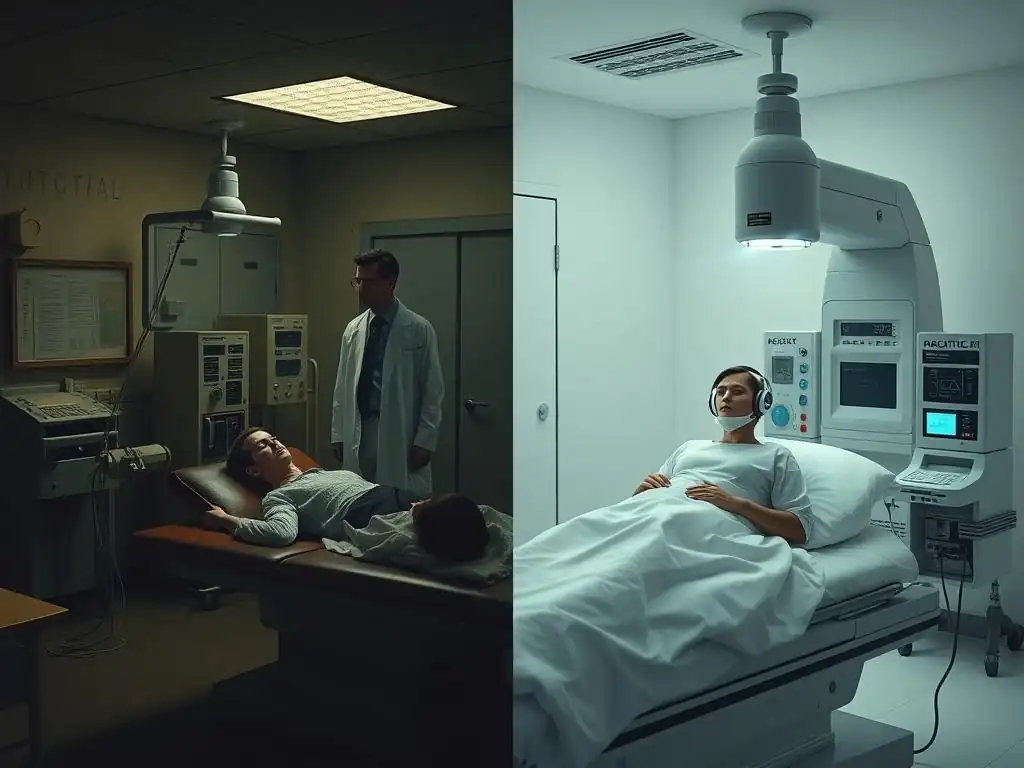
A critical aspect of the history of electroconvulsive therapy treatment in its early decades was the practice of "unmodified" ECT. This meant the procedure was performed without general anesthesia and, crucially, without muscle relaxants. The electrical stimulus was applied, inducing a full-blown grand mal seizure with violent muscle contractions throughout the body. This led to significant physical risks for the patient.
Fractures, particularly of the spine and long bones, dislocations, and other injuries were relatively common complications during the unmodified ECT era. While estimates vary, some historical accounts suggest fracture rates could be substantial, although precise, standardized data from that time is scarce. The lack of anesthesia also meant the procedure was terrifying and painful for patients. This period of unmodified ECT, characterized by high physical risk and distress, stands in stark contrast to modern practice and is often the source of negative imagery and stigma associated with the history of electroconvulsive therapy treatment.
Public Perception of ECT: "One Flew Over the Cuckoo's Nest" and Stigma
Public perception of ECT in the mid-20th century was heavily influenced by the dramatic and often negative portrayal in literature and film. Ken Kesey's 1962 novel One Flew Over the Cuckoo's Nest and its highly influential 1975 film adaptation depicted ECT as a punitive, barbaric procedure used to control unruly patients, administered without consent in a brutal manner. This fictional portrayal, while not representative of all practices even at the time, resonated with growing concerns about patient rights and the power dynamics within psychiatric institutions.
This negative media representation, coupled with genuine concerns about the side effects and potential misuse of unmodified ECT, contributed significantly to the lasting stigma surrounding the treatment. The image of a patient undergoing a violent, uncontrolled seizure became deeply ingrained in the public consciousness, overshadowing the therapeutic benefits for those suffering from severe mental illness. This period highlights how cultural narratives can shape the understanding and acceptance of medical treatments, particularly impacting the history of electroconvulsive therapy treatment.
Challenges and Controversies Surrounding ECT
Concerns About Memory Loss and Cognitive Side Effects
One of the most persistent challenges and sources of controversy surrounding electroconvulsive therapy history treatment has been its impact on memory and cognitive function. Patients undergoing ECT, particularly with earlier techniques and bilateral electrode placement, often experienced memory loss. This typically included retrograde amnesia (difficulty recalling events from before the treatment course) and anterograde amnesia (difficulty forming new memories during and immediately after the treatment course).
While most cognitive side effects, including memory deficits, tend to improve over the weeks and months following a course of modern ECT, some patients report persistent difficulties with autobiographical memory or specific learned information. The degree and nature of memory impairment vary significantly between individuals and depend on factors like electrode placement (bilateral vs. unilateral), electrical dose, and pulse width. Addressing and mitigating these cognitive effects has been a major focus of research and technical refinement throughout the evolution of electroconvulsive therapy treatment.
Ethical Considerations and Patient Autonomy
The history of electroconvulsive therapy treatment is intertwined with significant ethical debates, particularly concerning patient autonomy and the potential for coercion. In the mid-20th century, ECT was sometimes administered to patients in state institutions without explicit consent or with consent obtained under questionable circumstances, especially for long-term or involuntary patients. The power imbalance between medical professionals and patients, particularly those with severe mental illness, raised serious ethical concerns about whether consent was truly informed and voluntary.
The controversies surrounding involuntary or coerced treatment fueled calls for stricter regulations and greater protection of patient rights. Advocacy groups and legal challenges pushed for mandatory informed consent procedures, ensuring patients were fully apprised of the risks, benefits, and alternatives to ECT before agreeing to the procedure. This ethical scrutiny has profoundly shaped the modern practice of ECT, emphasizing patient education, shared decision-making, and legal safeguards around its administration.
The Anti-Psychiatry Movement's Criticism of ECT
The anti-psychiatry movement, which gained prominence in the mid-to-late 20th century, was a major voice of criticism against ECT. Proponents of this movement, such as Thomas Szasz, argued that mental illness was not a biological disease but often a social construct or a problem of living, and that psychiatric treatments, including ECT, were tools of social control rather than genuine medical interventions. They viewed ECT as particularly egregious, seeing it as a form of punishment or a means of suppressing individuality and dissent.
The movement highlighted instances of misuse, the adverse effects of unmodified ECT, and the ethical concerns around consent, using these points to argue against the legitimacy of the treatment itself. While mainstream psychiatry largely rejected the core tenets of the anti-psychiatry movement, the criticisms raised did contribute to increased scrutiny of ECT practices, pushing for greater transparency, safety improvements, and patient advocacy. The movement's impact remains a notable part of the controversial history of electroconvulsive therapy treatment.
Legal Challenges and Informed Consent Requirements
Public and ethical concerns led to legal challenges and the implementation of stricter regulations governing the use of ECT. Lawsuits were filed challenging involuntary administration, inadequate consent procedures, and injuries sustained during unmodified treatments. These legal pressures, combined with advocacy efforts, resulted in significant changes to clinical practice and legal requirements.
By the late 20th century, detailed informed consent procedures became mandatory in most jurisdictions. These procedures require clinicians to explain the reasons for recommending ECT, the expected benefits, potential risks (including memory loss), alternative treatments, and the patient's right to refuse treatment.
In many places, specific legal frameworks or administrative rules were established to oversee the use of ECT, particularly for involuntary patients, often requiring court orders or review by independent bodies. These legal and regulatory changes were pivotal in transforming ECT from a procedure sometimes used without clear consent into a carefully regulated medical treatment, marking a crucial step in the history of electroconvulsive therapy treatment.
Modern ECT Techniques: Refinements and Advancements
The Introduction of Muscle Relaxants and Anesthesia: A Significant Improvement
Perhaps the most significant advancement in the history of electroconvulsive therapy treatment was the introduction of general anesthesia and muscle relaxants in the 1950s. Administering a short-acting anesthetic (like methohexital or propofol) ensures the patient is unconscious and feels no pain or fear during the procedure. Simultaneously, a muscle relaxant (like succinylcholine) is given to paralyze the voluntary muscles.
The use of muscle relaxants completely eliminates the violent motor convulsions associated with unmodified ECT. Instead, the seizure is primarily contained within the brain, while the physical manifestation is reduced to minimal muscle twitching (observable via monitoring, such as a cuff on one limb where the relaxant is prevented from reaching). This dramatically reduced the risk of fractures, dislocations, and other physical injuries, transforming ECT from a physically traumatic experience into a much safer and more humane procedure. This change was fundamental to the evolution of electroconvulsive therapy treatment into a viable modern medical intervention.
Development of Unilateral and Bilateral ECT: Understanding the Differences
Modern ECT employs different electrode placements, primarily bilateral and unilateral. Bilateral ECT, the original method, involves placing electrodes on both sides of the head (typically in the frontotemporal region), delivering electrical current across both hemispheres of the brain. This method is often considered highly effective, particularly for severe depression.
Unilateral ECT, developed later (gaining prominence in the 1970s), involves placing both electrodes on the same side of the head, usually over the non-dominant hemisphere (typically the right side for most people). The aim of unilateral placement is to preferentially stimulate one side of the brain, particularly the circuits involved in mood regulation, while potentially minimizing the electrical current flow through areas critical for memory function in the dominant hemisphere.
Research suggests that right unilateral ECT, particularly with adequate dosing, can be as effective as bilateral ECT for many patients while causing fewer cognitive side effects, especially memory problems. This technical refinement represents a key step in optimizing electroconvulsive therapy treatment.
Titration of Electrical Dose: Minimizing Side Effects While Maintaining Efficacy
Early ECT often used a fixed, high dose of electricity for all patients. Modern practice involves titrating the electrical dose to the individual patient's seizure threshold – the minimum amount of electrical energy required to produce a therapeutic seizure. The seizure threshold varies significantly between individuals based on factors like age, sex, and anesthetic used.
By starting with a low dose and gradually increasing it during the first session or two until a generalized seizure is reliably produced, clinicians can use the minimum effective stimulus intensity for subsequent treatments. Using the lowest effective dose is crucial because higher doses (above the seizure threshold) are associated with an increased risk of cognitive side effects, particularly memory impairment, without necessarily increasing efficacy. Dose titration allows for a personalized approach to electroconvulsive therapy treatment, aiming to maximize therapeutic benefit while minimizing adverse effects.
Pulse Width and Frequency: Optimizing ECT Parameters
Further refinements in modern ECT technology involve manipulating the characteristics of the electrical stimulus itself, specifically the pulse width and frequency. Early ECT machines delivered a continuous, or sine wave, stimulus. Modern devices deliver brief pulses of electricity, typically lasting between 0.5 and 1.5 milliseconds. Brief pulse stimulation is associated with less cognitive side effects compared to sine wave stimulation while maintaining high efficacy.
More recently, ultrabrief pulse stimulation (pulse widths typically less than 0.5 milliseconds, often 0.25-0.3 milliseconds) has been developed and studied. Ultrabrief pulse ECT, particularly when delivered unilaterally, has been shown in numerous studies to cause significantly fewer cognitive side effects, including less memory impairment, compared to standard brief pulse ECT.
While some research initially suggested it might be less effective for severely treatment-resistant depression, subsequent studies using higher doses and optimized placement have demonstrated comparable efficacy for many patients. The ongoing optimization of pulse width and frequency highlights the continuous effort to improve the safety and tolerability of electroconvulsive therapy treatment.
The Role of ECT in Contemporary Psychiatric Practice
ECT for Treatment-Resistant Depression: A Last Resort Option
In contemporary psychiatric practice, electroconvulsive therapy treatment is often considered a "last resort" or later-line option for patients with severe major depressive disorder that has not adequately responded to trials of multiple antidepressant medications and psychotherapy. This is known as treatment-resistant depression (TRD). For individuals suffering from profound, debilitating depression that has failed to remit with standard treatments, ECT offers the highest likelihood of rapid and significant improvement.
Studies consistently show that ECT has higher response and remission rates for severe TRD compared to switching to or augmenting with other medications. While it's not the first treatment tried for most people with depression, its powerful antidepressant effect makes it an indispensable tool for those who have exhausted other options and remain severely symptomatic. Its use in TRD underscores its position as a highly effective intervention for the most challenging cases in the history of electroconvulsive therapy treatment.
ECT for Severe Mania and Catatonia
Beyond depression, electroconvulsive therapy treatment is also a highly effective treatment for other severe psychiatric conditions. It is considered a first-line option for severe, treatment-resistant mania, particularly when symptoms are life-threatening (e.g., leading to exhaustion or dangerous impulsivity) or when psychotic features are present. ECT can rapidly stabilize mood in severe manic episodes, often more quickly than medication alone.
Furthermore, ECT is widely recognized as the most effective treatment for catatonia, regardless of the underlying cause (which can range from mood disorders and schizophrenia to medical conditions). Catatonia involves severe disturbances in movement, speech, and behavior, and can be life-threatening due to associated medical complications. Response rates for catatonia treated with ECT are exceptionally high, often exceeding 80% or 90%, with rapid improvement typically seen within a few sessions. Its effectiveness in these severe, often life-threatening conditions highlights its unique and vital role in modern psychiatric care and its evolution throughout the history of electroconvulsive therapy treatment.
Maintenance ECT: Preventing Relapse
While an acute course of ECT (typically 6-12 sessions over several weeks) is highly effective at achieving remission from severe symptoms, there is a significant risk of relapse, particularly for depression, if no further treatment is given. To address this, maintenance ECT (M-ECT) is sometimes recommended for patients who have responded well to an acute course but have a history of frequent or severe relapses despite other treatments.
M-ECT involves receiving ECT treatments at regular intervals, typically starting weekly or bi-weekly and gradually spacing out to monthly or less frequently, often in conjunction with maintenance medication. The goal is to prevent the return of severe symptoms and maintain the remission achieved during the acute phase. Decisions about M-ECT are made on an individual basis, weighing the benefits of relapse prevention against the potential burden and risks of ongoing treatment, including cumulative cognitive effects. This practice is part of the ongoing refinement of electroconvulsive therapy treatment strategies.
Patient Selection Criteria for ECT: Severe Symptoms and Failed Alternative Treatments
Modern electroconvulsive therapy treatment is reserved for specific patient populations based on clear clinical guidelines. Key selection criteria include the severity of symptoms (e.g., severe depression with suicidal ideation, psychotic features, catatonia, or inability to eat/drink), the diagnosis (primarily severe mood disorders, psychotic depression, or catatonia), and, often, the failure of less intensive treatments like psychotherapy and medication.
Patients considered for ECT typically have symptoms that are significantly impairing their functioning or posing a risk to their life, and they have not achieved adequate improvement despite trials of multiple appropriate medications at therapeutic doses for sufficient durations. Contraindications are relative rather than absolute, but conditions that increase anesthetic risk (e.g., recent heart attack, stroke, or unstable aneurysm) require careful evaluation and risk management.
The decision to proceed with ECT involves a thorough assessment of the patient's clinical status, medical history, and preferences, always prioritizing informed consent, reflecting the ethical progress made throughout the history of electroconvulsive therapy treatment.
Research and Evidence Supporting Modern ECT
Clinical Trials Demonstrating ECT's Effectiveness
The efficacy of modern electroconvulsive therapy treatment is supported by a substantial body of clinical research, including randomized controlled trials (RCTs). Early sham-controlled trials (where the control group receives anesthesia and mock stimulation without inducing a seizure) conducted in the late 20th century provided strong evidence for ECT's superior efficacy compared to placebo or sham treatment for severe depression.
More recent trials compare ECT to antidepressant medications, often in populations with treatment-resistant depression. These studies consistently show that ECT leads to higher rates of response and remission in this severely ill group. For example, studies have demonstrated remission rates for ECT in TRD often significantly exceed those achieved with medication strategies alone, sometimes showing remission rates of 50-70% or higher in trials, compared to lower rates for medication switches or augmentations. This strong evidence base is crucial for the continued use and acceptance of electroconvulsive therapy treatment.
Studies on the Mechanisms of Action of ECT
Despite decades of research, the precise mechanisms by which ECT exerts its therapeutic effects are not fully understood, but significant progress has been made. Studies using neuroimaging techniques (like fMRI and PET scans) and neurobiological methods have explored the brain changes induced by seizures. Research suggests ECT affects multiple neurotransmitter systems, including increasing levels of serotonin, norepinephrine, and dopamine, similar to antidepressants but perhaps in a more robust or rapid manner.
Other research focuses on structural and functional changes. Studies have shown that ECT can promote neurogenesis (the growth of new neurons) in certain brain regions, such as the hippocampus, and increase brain-derived neurotrophic factor (BDNF), a protein important for neuron health and plasticity. It also appears to modulate brain connectivity, potentially normalizing aberrant activity in circuits involved in mood regulation, such as those connecting the prefrontal cortex and limbic system. Ongoing research continues to unravel the complex neurobiological processes underlying the effectiveness of electroconvulsive therapy treatment.
Meta-Analyses and Systematic Reviews of ECT Outcomes
The evidence supporting the effectiveness of electroconvulsive therapy treatment is further strengthened by numerous meta-analyses and systematic reviews that synthesize findings from multiple studies. These analyses pool data from many clinical trials, providing a more robust estimate of treatment effects than single studies alone. Reviews consistently conclude that ECT is a highly effective treatment for severe depression, particularly treatment-resistant depression, and is superior to sham ECT and often more effective or faster acting than pharmacotherapy in this population.
Meta-analyses also support ECT's efficacy for severe mania and catatonia. For example, reviews on catatonia consistently identify ECT as the most effective intervention, with rapid and high rates of response across various underlying etiologies. These comprehensive reviews, published in reputable medical journals, provide the highest level of evidence for the clinical utility of ECT and are essential for informing treatment guidelines and clinical decision-making regarding electroconvulsive therapy treatment.
Research on Cognitive Effects and Strategies for Mitigation
Extensive research has focused on the cognitive effects of ECT, particularly memory impairment, and strategies to mitigate them. Studies comparing bilateral and unilateral electrode placement consistently show that right unilateral ECT, especially with ultrabrief pulses, is associated with significantly less post-treatment memory impairment than bilateral ECT, while often maintaining comparable efficacy when administered at an adequate dose.
Research also explores factors influencing cognitive outcomes, such as pulse width (ultrabrief vs. brief), electrical dose (just above threshold vs. significantly above), and the number and frequency of treatments. Findings from these studies have directly informed clinical practice guidelines, leading to the preference for right unilateral, ultrabrief pulse ECT administered at an individually titrated dose when possible, to minimize cognitive burden while achieving therapeutic effect. This ongoing research reflects the commitment to improving the tolerability and safety profile throughout the history of electroconvulsive therapy treatment.
Addressing Common Misconceptions About ECT
Myth: ECT is a Crude and Barbaric Procedure
A prevalent misconception, often fueled by historical portrayals, is that electroconvulsive therapy treatment is a crude, painful, and barbaric procedure. This view is outdated and does not reflect modern clinical practice. The image of a patient convulsing violently is from the era of unmodified ECT (pre-1950s) before the use of anesthesia and muscle relaxants.
Reality: Modern ECT is a Safe and Highly Regulated Treatment
In reality, modern ECT is performed under general anesthesia, so the patient is asleep and feels nothing. A muscle relaxant prevents violent muscle contractions, reducing physical risk dramatically. The procedure is conducted in a controlled medical environment by a trained team and involves precise delivery of electrical stimulation using sophisticated equipment. It is also subject to strict regulations and requires detailed informed consent, making it a safe and highly regulated medical treatment for severe mental illness, a stark contrast to its early history of electroconvulsive therapy treatment.
Myth: ECT Causes Permanent Brain Damage
Another common fear is that ECT causes permanent brain damage. This myth likely stems from the significant cognitive side effects, particularly memory loss, associated with earlier forms of the treatment and high-dose, bilateral stimulation. While some patients experience temporary cognitive difficulties, the notion of permanent structural brain damage is not supported by scientific evidence.
Reality: Cognitive Side Effects are Usually Temporary and Manageable
Research, including studies using advanced neuroimaging, has not found evidence that modern ECT causes permanent structural brain damage. While memory loss and other cognitive effects can occur, they are typically transient, improving over the weeks and months following the completion of a treatment course. Strategies like using unilateral electrode placement and ultrabrief pulses are employed to minimize these effects. For most patients, any persistent cognitive changes are subtle and do not represent gross brain damage. The focus in modern practice is on managing and mitigating these temporary side effects, reflecting advancements in the history of electroconvulsive therapy treatment.
Myth: ECT is Only Used as a Punishment
Due to historical misuse and negative media portrayals, some people believe ECT is used as a form of punishment or control for difficult patients, rather than a legitimate medical treatment. This is a serious and harmful misconception that contributes to stigma and prevents people who could benefit from seeking help.
Reality: ECT is a Medically Necessary Treatment for Severe Mental Illness
In contemporary practice, electroconvulsive therapy treatment is used only as a medical treatment for specific, severe mental illnesses when deemed medically necessary by a clinical team, often after other treatments have failed. It is utilized for conditions that are significantly impairing or life-threatening, such as severe treatment-resistant depression, severe mania, and catatonia, where its benefits in alleviating suffering and restoring function outweigh the risks. Its use is based on clinical evidence and guidelines, emphasizing its role as a therapeutic intervention for the most challenging cases, a key understanding when reviewing the history of electroconvulsive therapy treatment.
The Future of Electroconvulsive Therapy
Ongoing Research and Innovations in ECT Delivery
Research into electroconvulsive therapy treatment continues, focusing on optimizing its delivery to maximize efficacy and minimize side effects. This includes exploring different stimulus parameters (e.g., pulse shapes, frequencies), electrode placements beyond standard bilateral and unilateral approaches (e.g., individualized or spatially targeted stimulation), and the use of neuronavigation or brain imaging guidance to precisely target specific brain regions involved in mood regulation.
Innovations in ECT devices aim to allow for more precise control and monitoring of the induced seizure and its effects on brain activity. The goal is to develop even more personalized ECT protocols tailored to individual patients' needs and brain characteristics, further improving outcomes and reducing the burden of treatment. These ongoing efforts build upon the rich history of electroconvulsive therapy treatment, pushing towards even safer and more effective methods.
Exploring Brain Stimulation Techniques as Alternatives to ECT
The success of ECT in modulating brain activity has spurred the development and investigation of other brain stimulation techniques. These include transcranial magnetic stimulation (TMS) and transcranial direct current stimulation (tDCS), which are non-invasive and do not require anesthesia or induce a seizure. TMS is now an FDA-approved treatment for depression and OCD, and research continues into its use for other conditions.
While these techniques are generally considered less potent than ECT for severe, acute illness, they offer alternative options, particularly for patients with less severe symptoms or those seeking treatments with fewer cognitive side effects. Research also explores vagus nerve stimulation (VNS) and deep brain stimulation (DBS) for treatment-resistant depression, though these are more invasive. These alternative approaches are part of a broader landscape of neuromodulation therapies, informed by the understanding gained from the history of electroconvulsive therapy treatment, aimed at treating severe mental illness.
The Role of ECT in Personalized Psychiatry
The future of electroconvulsive therapy treatment is likely to involve increasing integration into the emerging field of personalized psychiatry. This involves using patient-specific data, such as genetic profiles, neuroimaging findings, or clinical characteristics, to predict treatment response and tailor treatment parameters. For ECT, this could mean using neuroimaging to determine the optimal electrode placement and stimulation intensity for a particular individual, or using genetic markers to predict susceptibility to cognitive side effects.
Personalized approaches aim to move beyond one-size-fits-all protocols towards treatments that are optimized for each patient, potentially improving efficacy and minimizing adverse effects. As our understanding of the brain and the mechanisms of ECT grows, the potential for highly individualized electroconvulsive therapy treatment protocols based on biological markers and clinical profiles becomes more feasible, representing a significant step forward in its history.
Advancements in Cognitive Side Effect Management
Minimizing cognitive side effects, particularly memory impairment, remains a key area of focus for future advancements in electroconvulsive therapy treatment. Ongoing research is dedicated to further refining stimulation parameters (e.g., exploring specific ultrabrief pulse patterns), optimizing electrode placement (e.g., using individualized anatomical targeting), and developing pharmacological or behavioral interventions to protect cognitive function or enhance recovery after ECT.
Studies are exploring medications that might mitigate memory effects or strategies like cognitive training before or after a course of ECT. The development of more sophisticated monitoring techniques during ECT may also help clinicians deliver the most effective seizure while minimizing cognitive burden. These efforts underscore the commitment to making electroconvulsive therapy treatment as safe and tolerable as possible, building on the lessons learned throughout its history.
Conclusion: ECT's Evolution and Current Status
Summarizing the Key Developments in ECT History
The history of electroconvulsive therapy treatment is a story of dramatic evolution, marked by both controversy and remarkable progress. From its origins in the late 1930s as a raw, unmodified procedure that carried significant physical risks and stigma, often fueled by negative portrayals, it has transformed into a highly refined, safe, and effective medical treatment. Key developments include the introduction of anesthesia and muscle relaxants in the 1950s, the refinement of electrode placement (unilateral vs. bilateral), and the optimization of stimulus parameters like brief and ultrabrief pulses and dose titration.
This journey reflects decades of clinical experience, scientific research, and ethical scrutiny, leading to clearer guidelines, stricter regulations, and a profound improvement in patient safety and comfort. Understanding this history is essential to appreciating the sophisticated nature of modern electroconvulsive therapy treatment and dispelling outdated myths.
ECT as a Valuable Tool in the Treatment of Severe Mental Illness
Today, electroconvulsive therapy treatment is recognized by major psychiatric and medical organizations as a valuable, evidence-based treatment for specific, severe mental illnesses. It is not a first-line treatment for most people with mental health conditions but is a critical option for those with severe, debilitating, or life-threatening symptoms that have not responded to other interventions. Its high efficacy for conditions like treatment-resistant depression, severe mania, and catatonia makes it an indispensable tool in the psychiatric armamentarium.
For many individuals who have suffered for years despite trying multiple medications and therapies, a course of modern ECT can offer rapid and significant relief, enabling recovery and improved quality of life. Its role is precisely defined within clinical guidelines, emphasizing its use for specific indications where its benefits are well-established, demonstrating its maturity as a therapeutic option in the history of electroconvulsive therapy treatment.
Emphasizing the Importance of Informed Consent and Patient Education Regarding ECT
Given its complex history and the persistent stigma, informed consent and comprehensive patient education are paramount in the modern practice of electroconvulsive therapy treatment. Before undergoing ECT, patients and their families receive detailed information about the procedure, its potential benefits and risks (including memory effects), alternative treatments, and the right to refuse treatment. The decision to proceed is made collaboratively between the patient, their family (when appropriate), and the clinical team, ensuring it aligns with the patient's values and treatment goals.
Open communication, addressing concerns and misconceptions stemming from the history of electroconvulsive therapy treatment, and providing accurate information about the modern procedure are crucial for building trust and empowering patients to make informed choices about their care.
Resources for Further Information on ECT
For individuals seeking more information about modern electroconvulsive therapy treatment, reputable resources are available. Professional organizations like the American Psychiatric Association (APA) and the National Institute of Mental Health (NIMH) in the United States, as well as equivalent bodies internationally, provide evidence-based information for patients and the public.
Patient advocacy groups also offer valuable perspectives and support. Consulting with a qualified mental health professional who specializes in ECT is the best way to get personalized information and discuss whether this treatment option is appropriate for a specific situation, ensuring decisions are based on current knowledge rather than outdated perceptions from the history of electroconvulsive therapy treatment.
Frequently Asked Questions
How did electroconvulsive therapy (ECT) initially come about?
ECT's early origins are linked to the observation that seizures could sometimes alleviate mental illness. It was initially inspired by the idea of artificially inducing seizures to treat conditions like schizophrenia.
What were some of the early methods and concerns surrounding ECT?
Early ECT involved direct application of electricity without anesthesia or muscle relaxants, leading to concerns about fractures and patient distress. These methods were relatively crude compared to modern techniques.
How has ECT changed over time, and what improvements have been made?
Modern ECT utilizes anesthesia and muscle relaxants to minimize physical trauma. Refinements in electrode placement and dosage have also significantly improved safety and efficacy.
What conditions is ECT typically used to treat in contemporary practice?
ECT is primarily used for severe depression, especially when other treatments have failed. It can also be effective for bipolar disorder and certain forms of catatonia.
Is ECT still considered a controversial treatment, and why?
Yes, ECT remains controversial due to concerns about memory loss and the historical stigma associated with its early use. However, it's now a refined and often life-saving treatment for specific conditions.
Final Reflection: The Enduring Legacy of Electroconvulsive Therapy
The history of electroconvulsive therapy (ECT) reveals a powerful narrative of medical innovation, ethical grappling, and ongoing evolution. Its journey, from crude beginnings to the sophisticated, carefully monitored procedure of today, underscores the importance of continuous critical evaluation in medical practice. The legacy of ECT is not simply a historical record; it's a living testament to the complexities of treating severe mental illness.
The stigma surrounding ECT remains a significant hurdle, even as modern techniques have minimized side effects and maximized efficacy. This enduring prejudice reflects a broader societal struggle to understand and empathize with mental illness. The persistent misconceptions surrounding ECT highlight the need for open dialogue and accurate information dissemination. The greatest obstacle to discovery is not ignorance, but the illusion of knowledge.
– Daniel J. Boorstin. This quote resonates deeply, as the evolution of ECT demonstrates how initial assumptions and incomplete understanding can shape perceptions for decades.
Consider the journey of ECT, from its controversial inception to its current, carefully regulated application. Reflect on the ethical considerations that have shaped its development and the ongoing need for responsible and compassionate care for those suffering from severe mental illness. You, the reader, hold a crucial role in shaping the future of ECT's perception and application. By understanding its history, you can contribute to a more informed and empathetic approach to mental health care, fostering a future where effective treatments are accessible and free from unnecessary stigma.
Unlock a Deeper Understanding of ECT
Thanks for exploring the fascinating history of ECT with us! You've now gained valuable insight into its evolution and modern applications. Ready to delve even further?
- Share your thoughts: What surprised you most about ECT's journey? Leave a comment below – your perspective is valuable! This helps others understand the topic better and fosters a more informed discussion.
- Learn more: Research reputable sources to deepen your knowledge on the ethical considerations and current best practices surrounding ECT.
- Challenge your perceptions: Consider how this historical understanding impacts your views on mental health treatments and the ongoing conversation around effective care.
What are your next steps in furthering your understanding of ECT and its role in mental healthcare today?