
The Illusion of Perfection: Social Media's Impact on SelfWorth and Mood

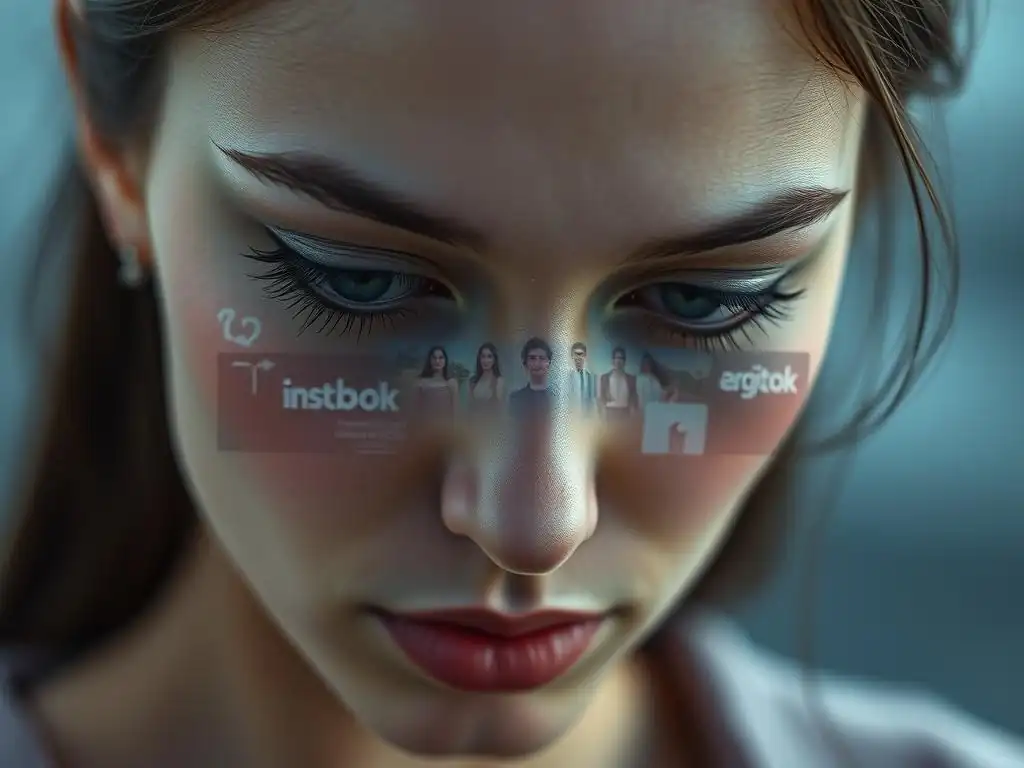
Welcome to Mind Care Guide, a safe space where understanding and support intertwine.
Ever felt a pang of unease scrolling through flawless feeds? This isn't just you. We delve into the complex ways social media impacts selfworth and mood, exploring the often-unseen pressures behind the curated smiles. Join us as we unravel the illusion of perfection and offer actionable steps towards cultivating a healthier, more authentic sense of self. Ready to reclaim your self-perception? Let's begin.
The Illusion of Perfection: Social Media's Impact on Self-Worth and Mood
- Introduction: Understanding the Link Between Social Media and Mental Well-being
- Social Media's Influence on Self-Perception: A Deeper Look
-
The Negative Impacts of Social Media on Self-Esteem and Mood
- Social Media and Body Image Issues: Appearance Filters, Idealized Images, and the Pursuit of Unrealistic Beauty Standards
- Fear of Missing Out (FOMO): The Anxiety of Being Left Behind
- Cyberbullying and Online Harassment: The Dark Side of Social Connection
- The Relationship Between Social Media Use and Depression: Exploring the Connection
- How Social Media Affects Mood Disorders
- Recognizing the Signs of Social Media-Related Mental Health Issues
- Strategies for Mitigating the Negative Effects of Social Media
- Building a Healthier Relationship with Social Media
- Seeking Professional Help for Social Media-Related Mental Health Concerns
- Conclusion: Reclaiming Your Self-Worth in the Digital Age
-
Frequently Asked Questions
- How does social media contribute to feelings of inadequacy and low self-worth?
- What is the "comparison trap" and how does it relate to social media usage?
- Can social media impact mood, and if so, how?
- Are there specific types of social media content that are more likely to negatively impact self-worth?
- What are some strategies for mitigating the negative impacts of social media on self-worth?
- Final Reflection: Unmasking the Illusion of Perfection
- Rediscover Your Authentic Self: Step Away from the Filter
In today's hyper-connected world, social media platforms have become integral to daily life for billions of people. They offer unprecedented opportunities for connection, information sharing, and community building. However, alongside these benefits lies a growing concern about the potential negative effects of social media on mental well-being, particularly regarding how it shapes our self-perception and emotional states. The carefully curated online world often presents an idealized version of reality, creating a landscape ripe for comparison and feelings of inadequacy.
This article delves into the complex relationship between social media use and mental health. We will explore how the digital environment can influence self-worth, contribute to negative moods, and potentially exacerbate existing mental health conditions like anxiety and depression. Understanding these impacts is the first step towards building a healthier relationship with social media and protecting your psychological well-being in the digital age. The pervasive nature of social media means that its impact on selfworth is a topic of increasing importance for individuals and mental health professionals alike.
Social media feeds are often carefully constructed highlight reels, showcasing only the best moments, filtered images, and seemingly perfect lives. Users selectively share their successes, joyful experiences, and aesthetically pleasing visuals, while struggles, mundane routines, and imperfections are largely omitted.
This presents a distorted and often unrealistic portrayal of reality, leading viewers to believe that everyone else's life is consistently exciting, happy, and successful. For example, a study by the Royal Society for Public Health in the UK in 2017 ranked Instagram as the worst social media platform for young people's mental health, specifically citing its impact on body image and sleep, largely due to the pressure to present a perfect online persona.
This constant exposure to idealized versions of reality can significantly impact how individuals perceive their own lives. When comparing their everyday experiences – which inevitably include challenges, failures, and ordinary moments – to the polished narratives online, people can develop feelings of inadequacy, envy, and dissatisfaction with their own circumstances. This comparison trap is a key way social media impacts selfworth negatively, fostering a sense that one is not achieving enough or experiencing life fully compared to others. The gap between perceived online perfection and real-life reality can widen, contributing to a feeling of being "less than."
Constant Comparison: The Trap of Measuring Up to Others Online
Social media platforms are inherently designed to facilitate comparison. From tracking likes and followers to viewing friends' travel photos, career milestones, and relationship updates, users are constantly presented with metrics and visual evidence of others' lives. This constant stream of information makes it almost impossible to avoid comparing one's own achievements, appearance, possessions, and lifestyle to those of others, often focusing on perceived superiors. Research from various studies consistently shows a correlation between increased social comparison on social media and heightened feelings of envy and decreased self-esteem.
This relentless comparison can be particularly damaging because it often occurs in the absence of full context. We compare our entire, complex lives to the carefully selected and often exaggerated highlights of others. This distorted comparison undermines self-acceptance and can lead to a perpetual state of feeling insufficient. The way social media impacts selfworth is heavily influenced by this comparison cycle, where individuals may feel pressured to measure their value against external, often artificial, benchmarks presented online.
The architecture of social media platforms, with features like likes, comments, shares, and follower counts, creates a system that encourages seeking external validation. Users may feel pressure to post content that will garner positive reactions, leading to a focus on presenting a version of themselves that they believe will be accepted and admired by others. This can involve carefully curating images, crafting witty captions, or sharing only experiences deemed "likable" by their audience. The pursuit of likes and positive comments can become a primary motivator for online activity.
This reliance on external validation for feelings of worth can be detrimental to genuine self-esteem. When self-worth becomes tied to the number of likes a post receives or the positive feedback from others, it becomes fragile and dependent on external factors. Low engagement can be interpreted as rejection or inadequacy, directly affecting mood and self-perception. This need to perform and gain approval is a significant factor in how social media impacts selfworth, shifting the focus from internal values and accomplishments to external metrics of popularity.
Social media has become a major battleground for body image concerns. The prevalence of photo editing apps and filters allows users to easily alter their appearance in photos, smoothing skin, reshaping features, and creating an often unattainable look. Influencers and celebrities frequently post highly edited or professionally retouched images, setting unrealistic beauty standards that are difficult or impossible for the average person to achieve.
This constant exposure to digitally enhanced or genetically privileged bodies can lead to dissatisfaction with one's own appearance. A survey by The Renfrew Center Foundation in 2019 found that a significant percentage of women reported feeling worse about their bodies after viewing social media images.
The pursuit of this digital perfection can have serious psychological consequences. Individuals may feel pressured to conform to these narrow beauty ideals, leading to increased body dissatisfaction, negative self-talk, and even disordered eating patterns or excessive exercise. The way social media impacts selfworth is profoundly affected by this emphasis on physical appearance and the presentation of idealized bodies, making people feel inadequate based on superficial criteria. The gap between one's real appearance and the filtered or idealized images online can fuel significant anxiety and low self-esteem.
Fear of Missing Out (FOMO): The Anxiety of Being Left Behind
Social media provides a constant window into the activities and experiences of others. Seeing friends' travel photos, party pictures, or exciting social events can trigger the "Fear of Missing Out" (FOMO). This anxiety stems from the feeling that others are having more fun, living more interesting lives, or experiencing things that you are not.
FOMO is often accompanied by feelings of envy, restlessness, and dissatisfaction with one's current situation, even if that situation is perfectly enjoyable in reality. A 2013 study published in the journal Computers in Human Behavior found a correlation between higher levels of social media use and increased feelings of FOMO, which in turn was linked to negative mood and decreased life satisfaction.
The constant stream of updates highlighting others' social engagements and perceived successes can make individuals feel isolated or inadequate if their own lives don't appear as vibrant online. This anxiety can lead to excessive checking of social media to stay updated, further reinforcing the cycle of comparison and dissatisfaction. The feeling of being left out, fueled by curated online content, is a significant way social media impacts selfworth and overall mood, contributing to stress and unhappiness.
While social media can foster connection, it also provides a platform for negative interactions, including cyberbullying and online harassment. Unlike traditional bullying, cyberbullying can occur 24/7, reach a wide audience instantly, and perpetrators can sometimes remain anonymous, making it difficult to escape. This can include spreading rumors, posting embarrassing photos or videos, sending threatening messages, or engaging in hate speech. The impact on victims can be devastating, leading to severe emotional distress, anxiety, depression, social isolation, and in extreme cases, suicidal thoughts.
Studies have shown that experiences of cyberbullying are strongly linked to negative mental health outcomes, particularly among young people. The public nature of online harassment means that humiliation and distress can be magnified, affecting a person's reputation and sense of safety both online and offline. The vulnerability exposed by cyberbullying is a stark example of how negative interactions on social media impacts selfworth, eroding confidence and creating lasting psychological scars.
Numerous studies have explored the link between social media usage and symptoms of depression. While the relationship is complex and not simply one of causation, research consistently suggests a correlation between high levels of social media use and increased depressive symptoms, particularly among adolescents and young adults.
Factors contributing to this link include social comparison, FOMO, cyberbullying, and the potential for reduced real-life social interaction in favor of online connections. A meta-analysis of studies on social media use and depression found a moderate but significant positive association between the two, indicating that heavier use is often associated with higher levels of depressive symptoms.
One theory is that excessive social media use can displace activities known to protect against depression, such as exercise, face-to-face interactions, and sufficient sleep. Additionally, the passive consumption of idealized content can foster rumination and negative self-appraisal. While social media can be a tool for support and connection, for many, the way social media impacts selfworth, coupled with exposure to negative aspects like cyberbullying or unrealistic comparisons, contributes to feelings of sadness, hopelessness, and a loss of interest in activities.

For individuals already prone to anxiety, social media can act as a significant trigger and amplifier of symptoms. The constant influx of information, the pressure to respond quickly to messages, and the fear of missing out can create a state of heightened alertness and restlessness. Seeing others' seemingly perfect lives can fuel social anxiety, leading individuals to feel inadequate or awkward in their own social interactions, both online and offline.
Furthermore, the potential for negative feedback or criticism online can be a constant source of worry for those with social anxiety disorder. Research indicates that excessive social media use is correlated with increased levels of generalized anxiety disorder and social anxiety symptoms.
The unpredictable nature of online interactions and the potential for negative outcomes can keep the nervous system in a state of heightened alert. For example, waiting for responses to messages or checking for likes on a post can become sources of significant stress and anticipation. This constant low-level stress, combined with exposure to potential triggers like cyberbullying or overwhelming information, demonstrates how social media impacts selfworth and exacerbates existing anxiety, making it harder for individuals to manage their worries and find peace.
Social media can contribute to and reinforce negative thought patterns often associated with depression. The tendency to compare oneself negatively to others is a common cognitive distortion in depression, and social media provides ample material for this comparison. Seeing only the positive aspects of others' lives can confirm a depressed individual's belief that they are failures or that their own life is uniquely bleak.
Furthermore, the passive consumption of content can lead to increased rumination, where individuals dwell on negative thoughts and feelings without engaging in activities that could improve their mood. A study published in the Journal of Social and Clinical Psychology found that limiting social media use led to significant decreases in depression and loneliness over just three weeks.
For someone experiencing depression, the curated online world can feel alienating and isolating, reinforcing feelings of worthlessness and hopelessness. The lack of motivation often associated with depression can make engaging with social media feel overwhelming, or conversely, lead to excessive passive scrolling as a form of avoidance, further entrenching negative cycles. Understanding how social media impacts selfworth is crucial here, as the constant exposure to perceived success can deepen feelings of personal failure characteristic of depressive episodes.
Social media can pose unique challenges for individuals with bipolar disorder, potentially influencing mood stability and behavior. During manic or hypomanic episodes, increased impulsivity and decreased need for sleep are common symptoms. Social media can fuel impulsive behaviors, such as excessive online shopping, engaging in risky online interactions, or posting inappropriate content. The constant stimulation from notifications and scrolling can also disrupt sleep patterns, which is a critical factor in maintaining mood stability for individuals with bipolar disorder. Lack of sleep is a known trigger for both manic and depressive episodes.
Furthermore, the rapid shifts in online trends and interactions can sometimes mirror or exacerbate the rapid mood swings experienced in bipolar disorder. Intense online engagement or negative online experiences could potentially trigger shifts in mood. While some individuals may find online support communities helpful, the inherent volatility and potential for negative interactions on social media highlight the complex way social media impacts selfworth and mood regulation for those managing bipolar disorder. Careful monitoring of social media use is often recommended as part of a management plan.
Recognizing when social media use has become problematic is the first step towards addressing its potential negative impacts on mental health. Unhealthy habits might include spending excessive amounts of time on platforms, neglecting real-life responsibilities or relationships in favor of online interactions, or feeling compelled to check social media constantly.
Other signs include experiencing significant distress or anxiety when unable to access social media, or using it as a primary coping mechanism to avoid dealing with difficult emotions. If you find yourself comparing your life negatively to others online on a regular basis, this could be a sign that social media is impacting your selfworth negatively.
Additionally, observe if your mood is significantly affected by your social media experiences. Do you feel worse about yourself after scrolling? Do you experience anxiety before posting or checking for likes? Are you losing sleep due to late-night scrolling? These behavioral and emotional indicators can signal that your relationship with social media is no longer healthy and may be contributing to or exacerbating mental health challenges. Tracking your usage and noticing these patterns is key.
It's important to connect the dots between your social media use and changes in your mood or anxiety levels. If you notice increased feelings of sadness, hopelessness, or a loss of interest in activities you once enjoyed, particularly after spending time on social media, these could be symptoms of depression.
Similarly, if you experience heightened worry, restlessness, irritability, or physical symptoms of anxiety (like rapid heart rate or difficulty breathing) when thinking about or using social media, it might be a trigger for anxiety. Pay attention to whether these symptoms seem to worsen following negative online interactions or exposure to content that makes you feel inadequate.
Consider if your self-esteem takes a hit after engaging with social media. Do you feel less confident about your appearance, achievements, or social life after seeing others' posts? This dip in self-worth is a significant indicator of how social media impacts selfworth and can be a precursor or symptom of depression or anxiety. If these symptoms are persistent and interfere with your daily life, it's crucial to consider their connection to your online habits and seek help if needed.
A critical self-assessment involves examining how your feelings of self-worth are tied to your social media presence and experiences. Ask yourself: Do I base my value on the number of likes or followers I have? Does negative feedback online significantly impact how I feel about myself? Do I feel pressure to present a perfect image online to feel accepted? If the answers to these questions reveal that your self-esteem is heavily influenced by your social media interactions and metrics, it indicates that social media is significantly impacting your selfworth in a potentially unhealthy way.
Reflect on whether you feel genuinely good about yourself independent of your online presence. Can you acknowledge your strengths and accomplishments even if they aren't showcased or validated on social media? A strong sense of self-worth comes from within, not from external validation, particularly the fleeting kind offered by social media platforms. Recognizing this distinction and assessing where your self-worth truly resides is vital for understanding the depth of social media's influence.
One of the most effective ways to mitigate the negative impacts of social media is to set clear boundaries around its use. This can involve setting time limits for how long you spend on platforms each day, using app timers to track and restrict usage. Consider designating specific times of the day when you will not use social media, such as during meals, before bed, or for the first hour after waking up. Creating "social media-free" zones in your home or during certain activities can also be helpful.
Establishing these boundaries helps to prevent excessive scrolling and reduces constant exposure to potentially triggering content. It frees up time for other activities that are more likely to contribute positively to your well-being, such as exercise, hobbies, or spending time with loved ones offline. By consciously limiting your exposure, you can lessen the extent to which social media impacts selfworth and overall mood.
Mindful social media consumption involves being intentional and aware of why you are using social media and how it makes you feel. Before opening an app, ask yourself what your purpose is. Are you looking to connect with a specific person, find information, or are you simply scrolling out of habit or boredom?
While scrolling, pay attention to your emotional responses. Do certain types of content make you feel anxious, envious, or inadequate? Recognizing these feelings in the moment allows you to identify triggers and make conscious choices about what content you engage with and how long you spend online.
Engaging mindfully means actively choosing to consume content that is uplifting, informative, or genuinely connecting, rather than passively absorbing everything in your feed. It involves being critical of the content you see, recognizing that it is often a curated version of reality, and not letting it dictate your feelings about yourself or your life. This intentional approach can help reduce the negative ways social media impacts selfworth by fostering critical thinking rather than passive comparison.
Unfollowing Accounts That Trigger Negative Emotions
Curating your social media feed is essential for creating a more positive online environment. Take the time to unfollow or mute accounts that consistently make you feel bad about yourself, whether they trigger feelings of envy, inadequacy, or anxiety. This might include accounts that promote unrealistic beauty standards, showcase excessive materialism, or feature individuals whose lives seem unattainable. Your social media feed should ideally be a source of connection, inspiration, or entertainment, not a constant reminder of perceived shortcomings.
Replacing triggering accounts with those that promote positivity, self-acceptance, diversity, or share relatable experiences can significantly improve your online experience. Follow accounts that genuinely inspire you, make you laugh, teach you something new, or connect you with supportive communities. This deliberate curation is a powerful step in reclaiming control over your online environment and minimizing the negative ways social media impacts selfworth and mood.
Cultivating Real-Life Connections and Relationships

While social media offers a form of connection, it cannot fully replace the depth and richness of real-life relationships. Prioritize spending time with friends and family face-to-face, engaging in meaningful conversations, and participating in shared activities. These interactions provide authentic social support, emotional intimacy, and a sense of belonging that can buffer against the negative effects of online comparison and isolation. Investing in offline relationships strengthens your social support network, which is a crucial protective factor for mental health.
Make a conscious effort to schedule regular meetups, join clubs or groups based on your interests, or volunteer in your community. These activities provide genuine connection and validation that are not dependent on likes or online approval. Building a strong foundation of real-life connections helps anchor your sense of self-worth in authentic relationships rather than fleeting online interactions, counteracting the potential for social media impacts selfworth negatively.
Focusing on Self-Acceptance and Self-Compassion
Counteracting the pressures of social media requires cultivating a strong sense of self-acceptance and practicing self-compassion. Self-acceptance involves acknowledging and embracing who you are, including your flaws and imperfections, without judgment. Recognize that your worth is inherent and not dependent on external validation or comparison to others, online or offline. Self-compassion involves treating yourself with the same kindness, understanding, and empathy you would offer a friend experiencing difficulty. When you inevitably compare yourself to others online or feel inadequate, respond to yourself with kindness rather than harsh criticism.
Practice mindfulness techniques to stay grounded in the present moment and appreciate your own journey. Engage in activities that genuinely bring you joy and fulfillment, reinforcing your intrinsic value. By nurturing self-acceptance and self-compassion, you build an internal resilience that can better withstand the external pressures and idealized realities presented on social media, significantly reducing the negative ways social media impacts selfworth.
Creating a Positive Online Environment
Building a healthier relationship with social media involves actively shaping your online environment to be more positive and supportive. This goes beyond just unfollowing negative accounts; it also involves engaging with content and communities that uplift you. Seek out groups or pages related to your hobbies, interests, or support networks. Engage in positive interactions, offer encouragement to others, and contribute constructively to online conversations. Your online experience is not just about the content you consume, but also the interactions you have.
Consider diversifying the types of content you engage with. Explore educational accounts, inspirational speakers, or creators who promote authenticity and body positivity. By curating a feed that reflects your values and supports your well-being, you can transform social media from a source of stress into a tool for learning, connection, and personal growth. Taking control of your feed is a proactive step in ensuring social media impacts selfworth positively, or at least minimizes negative effects.
Leverage social media platforms for their intended purpose: connecting with others and finding support. Instead of passively scrolling and comparing, actively reach out to friends and family. Share genuine updates about your life, including both ups and downs, fostering authentic connection. Utilize groups and communities focused on shared interests, challenges, or support needs. Many online communities offer valuable peer support for mental health challenges, providing a space to share experiences and feel understood.
Shift your focus from using social media to measure yourself against others to using it as a tool to build and maintain relationships. Engage in meaningful conversations, offer support to others, and celebrate their successes without letting it diminish your own. When used mindfully and with the intention of genuine connection, social media can be a valuable tool for combating loneliness and fostering a sense of community, mitigating the negative ways social media impacts selfworth when comparison is the primary driver.
Promoting Authenticity and Realness Online
Be mindful of the image you project online and consider the impact of contributing to the "illusion of perfection." While it's natural to want to share positive experiences, strive for authenticity rather than presenting a completely curated or unrealistic version of your life. Sharing genuine moments, including challenges or vulnerabilities where appropriate and comfortable, can help break down the pressure for perfection and encourage more authentic interactions among your network. Being real online can also attract more genuine connections.
Consider being mindful of your use of filters and editing tools, especially if you notice they contribute to body image concerns for yourself or others. By choosing to present a more realistic portrayal of yourself and your life, you not only benefit your own self-acceptance but also contribute to a healthier online environment for others. Promoting authenticity is a small but significant way to counteract the negative ways social media impacts selfworth for everyone.
When to Consult a Therapist or Counselor
It's important to recognize when the impact of social media on your mental health warrants professional intervention. If you find that your social media use is significantly contributing to persistent feelings of depression, anxiety, low self-esteem, or body image issues that interfere with your daily life, it may be time to consult a therapist or counselor. Signs that professional help is needed include difficulty controlling your social media use despite wanting to, neglecting work, school, or relationships due to social media, or experiencing suicidal thoughts related to online experiences.
A mental health professional can help you explore the underlying reasons for your vulnerability to social media's negative effects, develop healthier coping mechanisms, and address any co-occurring mental health conditions. They can provide strategies for setting boundaries, managing anxiety and depression symptoms, and rebuilding a healthy sense of self-worth independent of online validation. Don't hesitate to seek help if you feel overwhelmed by the negative ways social media impacts selfworth and mood.
For individuals who struggle with problematic or addictive social media use, Cognitive Behavioral Therapy (CBT) can be a highly effective treatment. CBT helps individuals identify and challenge the negative thought patterns and behaviors associated with excessive social media use. This might involve exploring the beliefs that drive the need for online validation, addressing the fear of missing out, and developing strategies to resist the urge to check social media compulsively. A therapist can work with you to set realistic goals for reducing usage and build healthier habits.
CBT also focuses on developing alternative coping strategies for dealing with difficult emotions or boredom that might typically lead to excessive social media use. By changing the way you think about social media and developing healthier behavioral responses, CBT can help you regain control over your usage and reduce its negative impact on your mental health. It directly addresses the cognitive distortions that contribute to how social media impacts selfworth negatively.
Online Resources and Support Groups for Mental Well-being
In addition to individual therapy, numerous online resources and support groups can provide valuable information and connection for those struggling with social media's impact on mental health. Many mental health organizations offer websites with articles, tools, and self-help guides on topics like managing anxiety, depression, and building self-esteem in the digital age. Online support groups, facilitated by peers or professionals, can offer a sense of community and shared understanding for individuals facing similar challenges.
While being mindful of potential triggers, seeking out supportive online communities focused on mental wellness can be a positive use of the internet. These resources can provide validation, coping strategies, and a reminder that you are not alone in navigating the complexities of social media's influence. Exploring these resources can be a helpful step in understanding and addressing how social media impacts selfworth and emotional well-being.
Conclusion: Reclaiming Your Self-Worth in the Digital Age
The digital landscape of social media presents both opportunities and challenges for our mental well-being. While it can connect us and provide information, its curated realities, constant comparisons, and pressure for validation can significantly impact our self-worth and mood, potentially exacerbating conditions like anxiety and depression. Recognizing the signs of unhealthy social media habits and understanding how social media impacts selfworth is the crucial first step towards a healthier relationship with these platforms.
Reclaiming your self-worth in the digital age requires intentional effort. By setting boundaries, practicing mindful consumption, curating your feed, prioritizing real-life connections, and cultivating self-acceptance, you can mitigate the negative effects. Remember that your value is intrinsic and not defined by likes, followers, or the curated highlights of others' lives. If you are struggling, seeking professional help is a sign of strength. By taking conscious steps to manage your social media use and nurture your inner resilience, you can navigate the digital world while protecting and strengthening your mental well-being.
Frequently Asked Questions
Social media often presents a curated and idealized version of reality, leading individuals to compare themselves to unrealistic standards. This constant comparison can fuel feelings of inadequacy and diminish self-worth.
The "comparison trap" refers to the tendency to constantly compare oneself to others, particularly on social media. This trap is fueled by the selective and often exaggerated portrayals of success and happiness, leading to feelings of envy and dissatisfaction.
Yes, excessive social media use has been linked to negative mood states, including anxiety and depression. The constant exposure to curated content and the pressure to maintain an online persona can be emotionally draining.
Content that focuses on material possessions, physical appearance, or seemingly perfect lifestyles is particularly likely to negatively impact self-worth. This type of content often promotes unrealistic expectations and fosters a sense of deficiency.
Strategies include limiting social media use, being mindful of the content consumed, focusing on personal values and accomplishments, and cultivating real-life relationships for genuine connection and support.
Final Reflection: Unmasking the Illusion of Perfection
The curated perfection presented on social media is not reality, and its insidious impact on our self-worth and mood is a pervasive issue demanding immediate attention. We've explored the ways in which carefully crafted online personas foster unrealistic expectations, triggering feelings of inadequacy and fueling a cycle of comparison and self-doubt. This isn't just a fleeting trend; it's a fundamental shift in how we perceive ourselves and the world around us.
The constant bombardment of seemingly flawless lives online has profoundly altered our cultural landscape, shaping our understanding of success, beauty, and happiness. It's created a generation grappling with anxieties and insecurities fueled by a relentless pursuit of an unattainable ideal. This pervasive influence is subtly, yet powerfully, shaping our self-perception and mental well-being. We don't see things as they are, we see them as we are.
– Anaïs Nin. This quote perfectly encapsulates the subjective nature of our online experiences and how our pre-existing biases are amplified by the curated content we consume.
You now possess a deeper understanding of the illusion of perfection and its detrimental effects. Consider your own relationship with social media. Are you actively engaging in mindful consumption? Are you prioritizing genuine connections over superficial validation? Take a moment to reflect on your online habits and consciously choose to curate your digital experience in a way that nurtures your self-worth and mental well-being. Unfollow accounts that trigger negative emotions, and focus on building a digital space that supports your authentic self. The power to break free from the illusion lies within you.
Rediscover Your Authentic Self: Step Away from the Filter
Thanks for taking the time to explore the often-hidden impact of social media on our self-worth. We hope you gained valuable insights into how to navigate this complex digital landscape. Now, it's time to put that knowledge into action.
Here's what you can do next:
- Prioritize a Digital Detox: Take a break from scrolling – even just for an hour each day – and notice how you feel. This mindful pause will help you reconnect with yourself and your real-world experiences.
- Engage in a Self-Compassion Exercise: Spend 5 minutes each day writing down three things you appreciate about yourself, focusing on your inherent qualities rather than achievements.
- Share this article with a friend who might also benefit from these insights. Starting a conversation about healthy social media habits can be incredibly powerful.
Ready to reclaim your mental wellbeing and cultivate a more genuine sense of self? What's one small step you'll take today to reduce the influence of social media perfectionism on your mood?