
More Than Just Late Nights: Recognizing Troubled Sleep Patterns in Depressed Teens


Welcome to Mind Care Guide, your compassionate companion on the journey to mental well-being. Are you worried about a teen struggling with persistent fatigue and disrupted sleep? It's more than just typical teenage sleepiness. Dive into our latest article, "More Than Just Late Nights: Recognizing Troubled Sleep Patterns in Depressed Teens," to understand the crucial link between sleep and mood disorders, and discover how to offer the support they desperately need. Explore further, and let us help you navigate the complexities of mental health.
- More Than Just Late Nights: Recognizing Troubled Sleep Patterns in Depressed Teens - Mind Care Guide
- Understanding the Link Between Teen Depression and Sleep Disorders
- Identifying Troubled Sleep Patterns in Depressed Teens: Key Signs
- The Impact of Troubled Sleep on Teen Mental Health and Depression
- Recognizing the Underlying Causes of Sleep Disturbances in Depressed Teens
-
Strategies for Addressing Troubled Sleep Patterns in Depressed Teens
- Establishing a Consistent Sleep Schedule for Teenagers with Depression
- Creating a Relaxing Bedtime Routine for Improved Sleep Quality
- The Importance of a Healthy Sleep Environment
- Cognitive Behavioral Therapy for Insomnia (CBT-I) in Depressed Teens
- When to Seek Professional Help: Identifying the Need for Therapy or Medication
- Supporting a Teenager with Depression and Sleep Issues: A Guide for Parents and Caregivers
- Resources for Teens and Families Dealing with Depression and Sleep Problems
- Conclusion: Prioritizing Sleep as Part of Teen Depression Treatment
-
Frequently Asked Questions
- What are some common troubled sleep patterns seen in teens experiencing depression?
- How are troubled sleep patterns linked to depression in teenagers?
- Besides depression, what else could be contributing to troubled sleep patterns in teens?
- What are some effective strategies for addressing troubled sleep patterns alongside depression in teens?
- Where can parents and teens find support and resources for managing depression and associated sleep problems?
- Final Reflection: The Silent Struggle of Sleep in Adolescent Depression
- Uncover Your Teen's Sleep Secrets: Take Action Now
More Than Just Late Nights: Recognizing Troubled Sleep Patterns in Depressed Teens - Mind Care Guide
Troubled sleep patterns are often dismissed as a normal part of adolescence, characterized by late nights and difficulty waking up. However, for many teenagers, persistent sleep disturbances can be a significant indicator of an underlying mental health challenge, particularly depression. Recognizing the difference between typical teen sleep shifts and truly troubled sleep patterns depression teens experience is crucial for early identification and support. This article aims to provide a comprehensive guide for parents, caregivers, and educators on understanding and addressing the complex relationship between sleep and depression in adolescents.
Sleep is fundamental to overall health and well-being, even more so during the critical developmental years of adolescence. When sleep is consistently disrupted, it can profoundly impact mood, cognitive function, physical health, and emotional regulation. For teenagers already grappling with the complexities of depression, troubled sleep can exacerbate symptoms, create a negative feedback loop, and make recovery more challenging. Understanding this connection is the first step in providing effective support.
Understanding the Link Between Teen Depression and Sleep Disorders
The connection between depression and sleep is bidirectional – depression can cause sleep problems, and sleep problems can worsen depression. This is particularly true for adolescents whose brains are still developing and whose sleep-wake cycles are naturally shifting.
Why Sleep Problems are Common in Depressed Adolescents
Sleep problems are remarkably common in adolescents diagnosed with depression, with estimates suggesting that a large majority experience some form of sleep disturbance. This high prevalence is partly due to the intricate relationship between the brain regions and neurotransmitters that regulate both mood and sleep. In depressed teens, disruptions in systems involving serotonin, norepinephrine, and cortisol can directly interfere with the body's natural sleep-wake cycle (circadian rhythm) and the ability to enter and maintain healthy sleep stages.
Furthermore, the cognitive and emotional symptoms of depression, such as persistent negative thoughts, worry, and feelings of hopelessness, can make it incredibly difficult for a teenager to relax and fall asleep. They may ruminate on problems from the day or dread the challenges of the next, keeping their minds racing long after bedtime. This mental activation is a significant barrier to initiating sleep, contributing to the troubled sleep patterns depression teens often report.
Differentiating Normal Teen Sleep Schedules from Troubled Sleep Patterns
It's true that adolescent sleep patterns naturally shift towards a later bedtime and wake-up time, often referred to as a "delayed sleep phase." This biological shift means a teen might genuinely feel more awake later in the evening and need to sleep later in the morning to get sufficient rest. This is considered a normal developmental change and differs significantly from troubled sleep patterns depression teens exhibit.
Troubled sleep patterns, in contrast, are characterized by persistent difficulty falling asleep or staying asleep, waking up much earlier than desired, or excessive daytime sleepiness despite adequate time in bed. These patterns are disruptive to daily functioning, impacting school performance, social interactions, and overall mood.
While a normal teen might stay up late occasionally for social reasons or homework, a teen with depression might lie awake for hours night after night, feeling distressed by their inability to sleep, or sleep excessively but still feel utterly exhausted and unable to function during the day. The key distinction lies in the persistence, distress, and impairment caused by the sleep disturbance.
Identifying Troubled Sleep Patterns in Depressed Teens: Key Signs
Recognizing the specific manifestations of troubled sleep patterns depression teens exhibit is vital for parents and caregivers. These signs go beyond simply looking tired; they represent significant deviations from healthy sleep.
Difficulty Falling Asleep: A Common Symptom of Teen Depression
One of the most frequently reported troubled sleep patterns depression teens experience is significant difficulty falling asleep (sleep onset insomnia). A healthy teen might take 15-20 minutes to drift off after getting into bed. However, a depressed teenager might lie awake for an hour, two hours, or even longer, night after night. This isn't just occasional restlessness; it's a persistent struggle.
This difficulty is often fueled by the cognitive symptoms of depression. The teen's mind might be racing with worries, self-critical thoughts, or a sense of dread about the future. They may feel physically tired but mentally wide awake, unable to switch off their thoughts. This prolonged period of wakefulness in bed can become a source of anxiety itself, creating a negative association with the bedroom and bedtime, further contributing to the cycle of troubled sleep patterns depression teens face.
Frequent Night Wakings and Restless Sleep in Depressed Teens
Another hallmark of troubled sleep patterns depression teens exhibit is waking up frequently during the night and having difficulty returning to sleep. While everyone wakes briefly during the night, depressed teens may experience prolonged awakenings, sometimes lasting for 30 minutes or more, multiple times per night. They might find themselves wide awake in the early hours of the morning (e.g., 2 am or 3 am) and unable to fall back asleep, leading to significantly reduced total sleep time.
Restless sleep is also common. Even when asleep, the sleep quality may be poor, characterized by tossing and turning, vivid or disturbing dreams (or nightmares), and not feeling refreshed upon waking. This fragmented and non-restorative sleep prevents the brain and body from undergoing essential restorative processes that occur during deeper sleep stages, exacerbating fatigue, irritability, and other depressive symptoms throughout the day. These troubled sleep patterns depression teens experience diminish the restorative power of sleep.
Oversleeping (Hypersomnia) as a Sign of Depression in Adolescents
While insomnia is widely associated with depression, a significant subset of depressed individuals, particularly adolescents, experience hypersomnia – excessive sleepiness or prolonged sleep. This isn't just sleeping in on weekends; it involves sleeping for unusually long periods (e.g., 10-12 hours or more per night) and still feeling profoundly tired during the day. They might struggle to get out of bed, nap excessively during the day, and still feel unrefreshed.
Hypersomnia in the context of depression is often linked to what is sometimes called "atypical depression," though it can occur in other forms. The excessive sleepiness and fatigue can be debilitating, making it hard for the teen to engage in school, hobbies, or social activities. This withdrawal and lack of engagement further reinforce feelings of isolation and hopelessness, deepening the depression and perpetuating the troubled sleep patterns depression teens struggle with.
Insomnia and Depression in Teens: A Dangerous Combination
Insomnia, characterized by persistent difficulty falling or staying asleep, is one of the most strongly linked sleep disturbances to depression in adolescents. When a teenager consistently gets insufficient sleep due to insomnia, it significantly impairs their ability to regulate mood, manage stress, and think clearly. Lack of sleep can amplify feelings of sadness, irritability, and anxiety, making depressive symptoms feel more intense and harder to cope with.
Moreover, chronic insomnia can increase the risk of developing depression or worsening existing depressive episodes. Studies have shown that adolescents with insomnia are at a substantially higher risk of developing depression later on. The combination creates a vicious cycle: depression makes it hard to sleep, and lack of sleep makes depression worse. Addressing this specific troubled sleep pattern is often a critical step in managing teen depression effectively.
The Impact of Troubled Sleep on Teen Mental Health and Depression
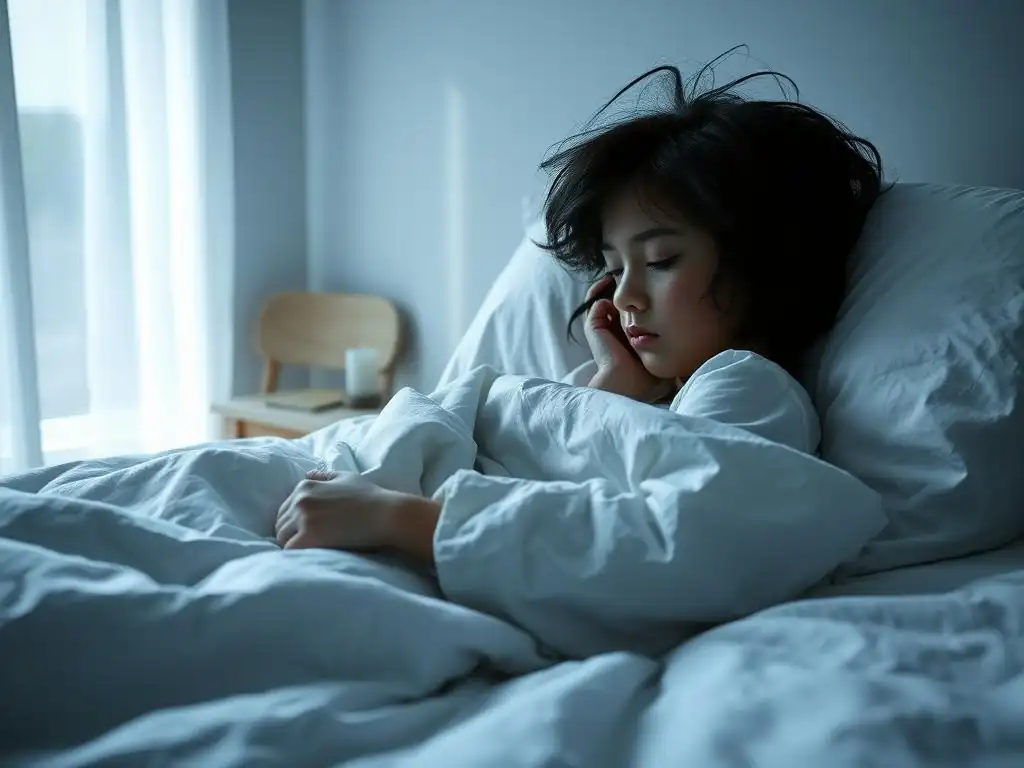
The consequences of troubled sleep patterns depression teens endure extend far beyond just feeling tired. They have a profound and detrimental impact on mental health, cognitive function, and overall quality of life.
How Sleep Deprivation Exacerbates Depressive Symptoms in Teens
Chronic sleep deprivation, a direct result of troubled sleep patterns, significantly worsens the core symptoms of depression in adolescents. Lack of adequate sleep impairs the brain's ability to regulate mood and emotions. The amygdala, the brain region associated with processing fear and emotional responses, becomes hyperactive when sleep-deprived, leading to increased reactivity to negative stimuli and heightened feelings of irritability, anxiety, and sadness.
Furthermore, the prefrontal cortex, responsible for executive functions like decision-making, impulse control, and emotional regulation, is impaired by sleep deprivation. This makes it harder for depressed teens to manage their emotions, solve problems, or resist negative thoughts, effectively stripping them of crucial coping mechanisms. The physical exhaustion also reduces their motivation and energy levels, making it even more difficult to engage in activities that could help alleviate their depression, such as exercise or social interaction. These troubled sleep patterns depression teens face actively fuel the depressive state.
The Cycle of Depression and Sleep Problems in Adolescence
The relationship between depression and troubled sleep patterns in teens is often described as a vicious cycle. Depression makes it difficult to sleep due to racing thoughts, worry, and altered brain chemistry. The resulting lack of sleep then worsens depressive symptoms, increasing irritability, fatigue, and negative thinking. This intensification of depressive symptoms, in turn, makes it even harder to get a good night's sleep, perpetuating the cycle.
Breaking this cycle is essential for recovery. For instance, a depressed teen struggling with insomnia might lie awake worrying about school. Lack of sleep makes them feel more anxious and less able to concentrate the next day, leading to poor performance. This poor performance then feeds their worries about school, making it harder to sleep again that night. Recognizing and targeting the troubled sleep patterns depression teens experience is not just about improving sleep; it's a vital strategy for disrupting this negative feedback loop and supporting overall mental health improvement.
Decline in Academic Performance and Concentration
Troubled sleep patterns depression teens experience have a direct and significant impact on cognitive function, leading to a noticeable decline in academic performance. Sleep is essential for memory consolidation, learning, and attention. When a teenager is sleep-deprived or experiencing fragmented sleep, their ability to concentrate in class, absorb new information, recall facts, and solve problems is severely impaired.
This manifests as difficulty paying attention, forgetfulness, slower processing speed, and reduced capacity for complex thinking. A teen who previously did well in school may see their grades drop, struggle to keep up with homework, and feel overwhelmed by academic demands. This decline can add another layer of stress and frustration, potentially worsening their depression and further contributing to the troubled sleep patterns they are already facing. Studies consistently show a correlation between poor sleep quality and lower academic achievement in adolescents.
The fatigue, irritability, and difficulty with emotional regulation that result from troubled sleep patterns depression teens suffer can significantly strain their social relationships. When a teenager is exhausted and feeling low, they are less likely to have the energy or motivation to socialize with friends or participate in family activities. They may become withdrawn, cancel plans, and avoid social situations.
Furthermore, sleep deprivation can make individuals more emotionally reactive and less patient, leading to increased arguments or misunderstandings with peers and family members. The combination of withdrawal and strained interactions can lead to increased feelings of isolation, which is a significant risk factor for worsening depression. The troubled sleep patterns depression teens face thus contribute to social difficulties that further entrench their depressive state.
Recognizing the Underlying Causes of Sleep Disturbances in Depressed Teens
While depression is a primary driver of troubled sleep patterns, other factors often contribute and can exacerbate the problem. Identifying these underlying causes is crucial for developing effective strategies.
Anxiety and Stress as Contributors to Sleep Problems in Depressed Adolescents
Anxiety is a frequent co-occurrence with depression, and it is a major contributor to sleep disturbances. Anxious thoughts, worry, and a feeling of being constantly on edge make it incredibly difficult for the body and mind to relax enough to fall asleep. A depressed teen who also experiences anxiety might lie in bed replaying stressful events, anticipating future difficulties, or worrying about their inability to sleep, creating a perfect storm for insomnia.
High levels of stress, whether from school pressure, social issues, family conflicts, or other life events, also activate the body's stress response system, releasing hormones like cortisol. Elevated cortisol levels can interfere with sleep architecture and circadian rhythms, making it harder to fall asleep and leading to more fragmented sleep. For a depressed teenager, who may already have a reduced capacity to cope with stress, these factors significantly worsen the troubled sleep patterns they experience.
The Role of Screen Time and Technology in Disrupting Teen Sleep
Excessive screen time, particularly in the hours leading up to bedtime, is a widespread factor contributing to troubled sleep patterns in adolescents, and it can be particularly detrimental for those with depression. The blue light emitted from electronic devices like phones, tablets, and computers suppresses the production of melatonin, the hormone that signals to the body that it's time to sleep. Using these devices close to bedtime can effectively trick the brain into thinking it's still daytime, delaying sleep onset.
Beyond the blue light effect, engaging with social media, video games, or streaming content is often stimulating and mentally engaging, making it harder for the mind to wind down. Notifications and the temptation to check devices during the night can also disrupt sleep continuity. For depressed teens, who may be using screens as a form of avoidance or distraction, the negative impact on their already troubled sleep patterns is significant.
Impact of Poor Diet and Lack of Physical Activity
Lifestyle factors such as diet and physical activity levels also play a role in regulating sleep, and imbalances can contribute to troubled sleep patterns depression teens experience. Consuming excessive amounts of caffeine, particularly in the afternoon or evening, can make it difficult to fall asleep. Sugary snacks or heavy meals close to bedtime can also disrupt sleep quality.
Conversely, regular physical activity is known to improve sleep quality and duration, as well as having positive effects on mood. However, depressed teens often lack the energy or motivation to exercise. A sedentary lifestyle, coupled with poor nutritional choices (which can sometimes be a symptom of depression itself), can negatively impact both sleep and mood, creating another reinforcing cycle. Addressing these lifestyle factors is an important component of supporting a teen with depression and troubled sleep.
Strategies for Addressing Troubled Sleep Patterns in Depressed Teens
Addressing troubled sleep patterns is a critical component of treating depression in adolescents. These strategies focus on improving sleep hygiene and utilizing therapeutic approaches.
Establishing a Consistent Sleep Schedule for Teenagers with Depression
One of the most effective strategies for regulating sleep is establishing and maintaining a consistent sleep schedule, even on weekends. While challenging with a teen's natural sleep phase shift and school demands, aiming for roughly the same bedtime and wake-up time every day helps to reinforce the body's natural circadian rhythm. This consistency signals to the brain when it's time to be awake and when it's time to sleep.
For a depressed teen struggling with troubled sleep patterns, this might mean gently encouraging them to get out of bed at a reasonable time in the morning, even if they feel they haven't slept well. Avoiding excessive lie-ins on weekends (perhaps limiting it to an hour or two later than weekdays) is important for preventing further disruption to their body clock. Consistency is key to retraining their sleep system.
Creating a Relaxing Bedtime Routine for Improved Sleep Quality
Developing a relaxing bedtime routine can signal to the body and mind that it's time to wind down and prepare for sleep. This routine should be implemented in the hour or two before the target bedtime and should exclude stimulating activities. Examples include taking a warm bath or shower, reading a physical book (not on a screen), listening to calming music or a podcast, practicing gentle stretching or yoga, or engaging in quiet hobbies like drawing or journaling.
The goal is to create a sense of calm and reduce mental and physical arousal. For a depressed teen experiencing racing thoughts, this routine can provide a structured period of relaxation that helps quiet the mind. Avoiding homework, stressful conversations, or screen time during this period is crucial for maximizing its effectiveness in combating troubled sleep patterns depression teens face.
The Importance of a Healthy Sleep Environment
The physical environment where a teenager sleeps plays a significant role in sleep quality. The bedroom should be optimized for sleep: dark, quiet, and cool. Blackout curtains can help block out light, especially important in the morning. Using earplugs or a white noise machine can help minimize disruptive sounds. The ideal temperature for sleep is generally cooler, typically between 60-67°F (15-19°C).
Ensuring the bed is comfortable and used primarily for sleep (not homework, eating, or excessive screen time) can also strengthen the association between the bed and sleep. Creating a calm and inviting space can make bedtime feel less like a struggle and more conducive to rest, helping to mitigate the troubled sleep patterns depression teens often experience in unoptimized environments.
Cognitive Behavioral Therapy for Insomnia (CBT-I) in Depressed Teens
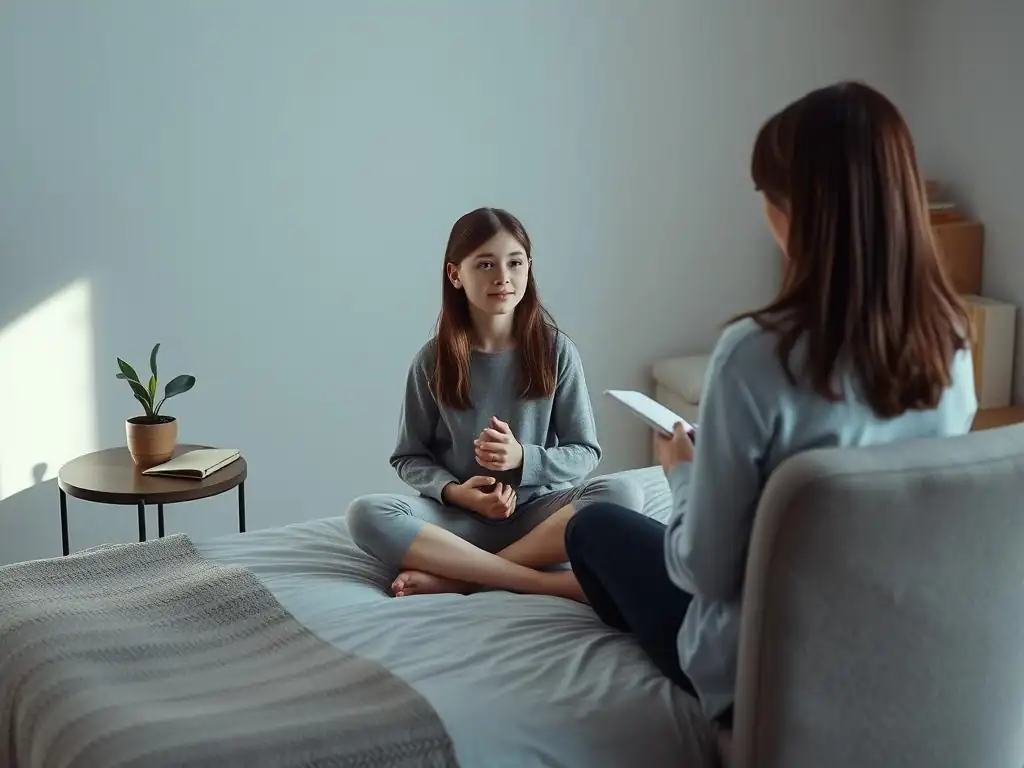
Cognitive Behavioral Therapy for Insomnia (CBT-I) is a highly effective, evidence-based treatment for chronic insomnia and is often recommended for individuals with co-occurring conditions like depression. CBT-I addresses the thoughts and behaviors that contribute to sleep problems. It typically involves several components, including stimulus control (associating the bed only with sleep), sleep restriction (temporarily limiting time in bed to increase sleep drive), cognitive restructuring (challenging unhelpful beliefs about sleep), and relaxation techniques.
For depressed adolescents, CBT-I can be particularly helpful in breaking the negative associations and thought patterns that fuel their troubled sleep patterns. It teaches them practical strategies to manage worry at bedtime, improve their sleep efficiency, and reduce sleep-related anxiety. While it requires commitment, CBT-I is a powerful tool that can significantly improve sleep quality and, in turn, support the treatment of depression.
When to Seek Professional Help: Identifying the Need for Therapy or Medication
While implementing sleep hygiene strategies is beneficial, it's crucial to recognize when professional help is needed, especially when dealing with troubled sleep patterns depression teens are experiencing. If sleep problems are persistent (lasting for several weeks or months), significantly impacting the teen's daily functioning, or accompanied by other symptoms of depression (such as persistent sadness, loss of interest, changes in appetite, irritability, or thoughts of self-harm), seeking professional evaluation is essential.
A pediatrician, family doctor, school counselor, or mental health professional can assess the teen's sleep patterns and mood, rule out other medical causes for sleep disturbances, and recommend appropriate treatment. This might include individual therapy (like CBT-I or other forms of therapy for depression), family therapy, or, in some cases, medication to address either the sleep problem or the underlying depression. Professional guidance is vital for developing a comprehensive treatment plan that addresses both the depression and the troubled sleep patterns effectively.
Supporting a Teenager with Depression and Sleep Issues: A Guide for Parents and Caregivers
Supporting a teenager who is struggling with both depression and troubled sleep patterns requires patience, understanding, and active involvement. Parents and caregivers play a vital role in helping their teen navigate these challenges.
Open Communication and Understanding
Creating an environment of open and non-judgmental communication is paramount. Let your teenager know that you are concerned about their well-being and that you understand that sleep problems and depression are real and difficult challenges, not signs of laziness or unwillingness. Encourage them to talk about how they are feeling, both emotionally and physically, including their struggles with sleep. Listen actively without immediately offering solutions.
Validate their experiences and feelings. Phrases like, "It sounds incredibly tough to feel so tired and also struggle to sleep," can help them feel heard and understood. Avoid critical or dismissive language, such as "You just need to try harder to fall asleep" or "You're just being lazy." Empathy is key to building trust and encouraging them to accept help for their troubled sleep patterns and depression.
Encouraging Healthy Sleep Habits
Parents and caregivers can actively support the implementation of healthy sleep habits at home. This involves setting clear expectations around bedtime routines and screen time, especially in the evenings. While it can be met with resistance, consistently enforcing rules about device use before bed is crucial. Consider creating a family charging station outside bedrooms overnight.
Model healthy sleep habits yourself. Discuss the importance of sleep openly as a family. Encourage regular physical activity during the day and ensure healthy food and drink options are available. While you cannot force a teenager to sleep, you can create a supportive environment and provide gentle encouragement and structure that makes healthy sleep more achievable, helping to address the troubled sleep patterns depression teens face.
Seeking Professional Help and Support
Perhaps the most important role for parents and caregivers is recognizing the need for professional help and actively seeking it out. If you suspect your teenager is depressed or if their sleep problems are persistent and severe, consult with a healthcare professional promptly. Be prepared to share observations about their mood, behavior, and sleep patterns.
Involve your teenager in the process as much as possible, allowing them agency in choosing a therapist they feel comfortable with. Attend appointments with them if appropriate and support their adherence to treatment plans, whether that involves therapy sessions, sleep hygiene strategies, or medication. Remember that supporting a teen through depression and troubled sleep patterns is a journey that often requires professional guidance and support for the entire family.
Resources for Teens and Families Dealing with Depression and Sleep Problems
Access to reliable information and support networks is essential for teens and families navigating the challenges of depression and troubled sleep patterns.
Relevant Websites and Organizations
Numerous reputable websites and national organizations offer valuable information about adolescent depression, sleep disorders, and the connection between the two. These resources provide educational materials, articles, fact sheets, and sometimes even self-help tools or screening questionnaires. They can help families better understand the symptoms, causes, and treatment options for troubled sleep patterns depression teens experience.
Look for websites associated with mental health associations, sleep foundations, or reputable health institutions. These resources often provide evidence-based information and guidance written in an accessible way for both teens and parents.
Information on Support Groups and Therapy Options
Finding support groups, either for teens dealing with depression or sleep issues, or for parents of struggling adolescents, can provide a sense of community and shared experience. Peer support can be incredibly validating and offer practical tips and emotional encouragement. Information about local or online support groups is often available through mental health organizations or community health centers.
Information on various therapy options, including individual therapy (such as CBT or CBT-I), group therapy, and family therapy, is also crucial. Understanding the different therapeutic approaches available can help families make informed decisions about the best course of treatment for their teenager's specific needs regarding depression and troubled sleep patterns.
Conclusion: Prioritizing Sleep as Part of Teen Depression Treatment
Troubled sleep patterns are not just a minor inconvenience for depressed teenagers; they are a core symptom and a significant factor that can perpetuate and worsen depressive episodes. Recognizing the signs of troubled sleep patterns depression teens exhibit, differentiating them from normal adolescent sleep shifts, and understanding their profound impact is the first step towards effective intervention.
Addressing sleep disturbances through consistent routines, a healthy sleep environment, and evidence-based therapies like CBT-I, alongside treatment for the underlying depression, is crucial. Prioritizing sleep is not a separate issue but an integral part of a comprehensive approach to supporting a teenager's mental health recovery. By understanding the link and taking proactive steps, parents, caregivers, and professionals can help teens break the cycle of troubled sleep and depression, paving the way for improved well-being and a brighter future.
Frequently Asked Questions
What are some common troubled sleep patterns seen in teens experiencing depression?
These patterns often include insomnia (difficulty falling or staying asleep), hypersomnia (excessive sleepiness), or a disrupted sleep-wake cycle. These disturbances significantly impact their daily functioning.
How are troubled sleep patterns linked to depression in teenagers?
Sleep deprivation can exacerbate depressive symptoms, while depression can disrupt normal sleep regulation. It's often a bidirectional relationship, each influencing the other.
Besides depression, what else could be contributing to troubled sleep patterns in teens?
Factors like stress, anxiety, screen time before bed, poor diet, and underlying medical conditions can also play a significant role. These need to be ruled out.
What are some effective strategies for addressing troubled sleep patterns alongside depression in teens?
Cognitive Behavioral Therapy for Insomnia (CBT-I), establishing a consistent sleep schedule, and practicing good sleep hygiene are beneficial. Consulting a mental health professional is crucial.
Where can parents and teens find support and resources for managing depression and associated sleep problems?
Websites like Mind Care Guide, mental health organizations, and local therapists can provide information, support groups, and professional help. Early intervention is key.
Final Reflection: The Silent Struggle of Sleep in Adolescent Depression
The pervasive link between troubled sleep patterns and depression in teenagers is not merely a correlation; it's a critical component of the illness itself. Ignoring this silent struggle means missing a vital opportunity for early intervention and effective treatment. Understanding the intricate relationship between sleep disruption and depression is paramount to improving the mental health outcomes of our youth.
The impact of sleep deprivation on adolescent mental health is profound and far-reaching, shaping not only their immediate well-being but also their trajectory into adulthood. The constant pressure of academic expectations, social media, and the complexities of identity formation already place immense strain on teenagers. When sleep, a fundamental pillar of physical and mental health, is compromised, the consequences can be devastating. Sleep is the golden chain that ties health and our bodies together.
– Thomas Dekker. This quote highlights the crucial role sleep plays in overall well-being, a role often overlooked in the context of adolescent depression.
You, the reader, are now equipped with a deeper understanding of the complexities surrounding sleep and depression in teenagers. Consider the adolescents in your life – your children, siblings, students, or friends. Are there subtle signs of sleep disruption you might have previously dismissed? Take the time to observe, listen, and offer support. Encourage open conversations about sleep, mental health, and the importance of seeking professional help when needed. By recognizing and addressing troubled sleep patterns, we can empower teenagers to navigate the challenges of depression and build a healthier, more hopeful future.
Uncover Your Teen's Sleep Secrets: Take Action Now
Thanks for taking the time to learn about the crucial link between sleep and depression in teenagers. You've gained valuable insight into recognizing the subtle signs of sleep disruption. Now, let's turn that knowledge into action!
- Prioritize a Sleep-Focused Conversation: Have an open, honest talk with your teen about their sleep habits. Ask about their experiences without judgment, creating a safe space for them to share. This is the most important step.
- Explore Resources Together: Research helpful resources like sleep hygiene guides or mental health support groups designed for teens and families. Finding community support can make a big difference.
- Consider a Journaling Experiment: Encourage your teen to keep a sleep journal for a week, tracking sleep patterns, mood, and activities. This unexpected approach can reveal surprising connections.
What small step will you take today to improve your teen's sleep and overall well-being?