
Ketamine for Depression: A Neurochemical Revolution?

Welcome to Mind Care Guide, a sanctuary for your mental well-being.
Feeling overwhelmed by the shadows of depression? You're not alone. We understand the search for effective treatment can be exhausting. That's why we've compiled this comprehensive guide to help you navigate the landscape of Ketamine depression treatment options. Could this innovative approach be the key to unlocking a brighter future? Explore the possibilities and discover if it's right for you. Let's embark on this journey to healing together.
Ketamine for Depression: A Neurochemical Revolution?
- Understanding Ketamine's Role in Depression Treatment
- Ketamine Depression Treatment Options: A Comprehensive Overview
- The Science Behind Ketamine's Antidepressant Effects: A Deep Dive
- Benefits of Ketamine Therapy for Treatment-Resistant Depression
- Potential Risks and Side Effects of Ketamine Treatment
- What to Expect During Ketamine Infusion Therapy
- Ketamine vs. Other Depression Treatments: A Comparison
- Finding a Qualified Ketamine Provider: Important Considerations
- The Future of Ketamine in Mental Health: Research and Development
- Integrating Ketamine Therapy with Other Mental Wellness Strategies
- Is Ketamine Right for You? Making an Informed Decision
-
Frequently Asked Questions
- What is ketamine and how does it relate to depression treatment?
- Is ketamine an FDA-approved treatment for depression?
- What are the potential benefits of ketamine treatment for depression compared to traditional antidepressants?
- What are the potential side effects and risks associated with ketamine treatment?
- Who is a suitable candidate for ketamine treatment for depression?
- Final Reflection: A New Dawn for Depression Treatment?
- Unlock Your Brain's Potential: Next Steps for Depression Relief
Understanding Ketamine's Role in Depression Treatment
Exploring the Neurochemical Basis of Depression
Depression is a complex mood disorder believed to involve dysregulation in various neurotransmitter systems in the brain. While historically research focused heavily on monoamines like serotonin, norepinephrine, and dopamine, it's now understood that other systems, particularly the glutamatergic system, play a significant role. This shift in understanding has opened doors for exploring treatments that target these different pathways.
Traditional antidepressants, such as SSRIs and SNRIs, primarily work by modulating monoamine levels, aiming to restore balance over several weeks or months. However, a substantial portion of individuals with depression do not achieve remission with these medications, highlighting the need for alternative approaches that address other potential underlying neurochemical imbalances. The understanding of depression as a disorder potentially linked to synaptic dysfunction and impaired neuroplasticity has become increasingly prominent in recent years.
How Ketamine Differs from Traditional Antidepressants
Ketamine stands apart from conventional antidepressants primarily in its mechanism of action and speed of effect. Unlike SSRIs or SNRIs, which target monoamine transporters, ketamine primarily interacts with the glutamatergic system, the brain's main excitatory neurotransmitter system. Specifically, it acts as an antagonist at the N-methyl-D-aspartate (NMDA) receptor.
This distinct pathway allows ketamine to potentially bypass the limitations of monoamine-focused treatments and offer rapid antidepressant effects, sometimes within hours or days, compared to the weeks or months required for traditional medications to become fully effective. This rapid onset is a critical difference, particularly for individuals experiencing severe depression or suicidal ideation, where quick relief is paramount. The way ketamine influences brain circuits and promotes synaptic plasticity also sets it apart, suggesting it may help "rewire" connections affected by chronic stress and depression.
Ketamine Depression Treatment Options: A Comprehensive Overview
Types of Ketamine Administration for Depression
Ketamine depression treatment options are available through several administration routes, primarily determined by the specific formulation and clinical setting. Each method has its own protocol regarding dosage, frequency, and duration of treatment, and the choice often depends on factors like the patient's health, the severity of depression, and the provider's clinical judgment. It is crucial that any form of ketamine therapy for depression is administered in a controlled medical environment by trained professionals.
The most common routes include intravenous infusions, intranasal spray, and less commonly, subcutaneous injections. While oral or sublingual formulations exist, they are not as widely used or studied for depression due to variable absorption and bioavailability. Understanding these different routes is key for anyone researching Ketamine depression treatment options guide.
Intravenous (IV) Ketamine Infusions
Intravenous (IV) ketamine infusion is one of the most studied and commonly used methods for administering ketamine for depression. This involves a carefully controlled dose of racemic ketamine (a mixture of R- and S-ketamine enantiomers) being delivered directly into the bloodstream over a specific period, typically 40 to 60 minutes. The precise dosage is usually weight-based and titrated by the treating physician.
A typical course of IV ketamine therapy for depression often involves a series of infusions, such as six infusions administered over a two-to-three-week period (e.g., infusions on Monday, Wednesday, and Friday for two weeks). Following this initial acute phase, maintenance infusions may be required, ranging from weekly to monthly depending on the individual's response and needs. IV administration allows for precise control over the dosage entering the bloodstream, potentially contributing to its rapid and consistent effects.
Intranasal Ketamine (Esketamine)
Esketamine is the S-enantiomer of ketamine and is available as a prescription intranasal spray (Spravato®) specifically approved for treatment-resistant depression and for depressive symptoms in adults with major depressive disorder with suicidal thoughts or behavior. Unlike racemic ketamine, esketamine is a single molecule and is administered differently.
Treatment with intranasal esketamine typically involves administration twice a week for the first four weeks, followed by weekly administration during weeks 5-9, and then either weekly or every two weeks thereafter, depending on clinical response. Each dose is administered in a certified healthcare setting, and patients are monitored for at least two hours after administration due to potential side effects like dissociation and elevated blood pressure. This method provides a less invasive alternative to IV infusions while still ensuring medical supervision.
Subcutaneous Ketamine
Subcutaneous (SC) administration involves injecting ketamine directly into the tissue layer just under the skin. While less common than IV or intranasal routes for depression, it is sometimes used, particularly in palliative care settings or in certain clinical protocols.
The subcutaneous route offers a potential alternative for patients who may have difficulty with IV access or prefer not to use the intranasal spray. However, absorption can be slower and potentially less predictable compared to IV administration. Protocols for SC ketamine for depression are less standardized than for IV or intranasal routes, and its use is often based on individual provider experience and specific patient circumstances. Research is ongoing to better understand its efficacy and optimal dosing for depression treatment.
Who is a Good Candidate for Ketamine Therapy?
Ketamine therapy for depression is typically considered for individuals diagnosed with treatment-resistant depression (TRD). This is generally defined as failing to achieve a satisfactory response after adequate trials of at least two different antidepressant medications from different classes or with different mechanisms of action. It's not usually a first-line treatment for depression.
Additionally, individuals experiencing severe depressive symptoms, including those with acute suicidal ideation, may be considered candidates due to ketamine's potential for rapid relief. A thorough medical and psychiatric evaluation is essential to determine eligibility, considering overall physical health, history of substance abuse, and presence of certain medical conditions like uncontrolled hypertension or psychotic disorders. The decision to pursue ketamine treatment options is a complex one made in collaboration with a mental health professional and a medical provider experienced in administering the therapy.
The Science Behind Ketamine's Antidepressant Effects: A Deep Dive
NMDA Receptor Antagonism and Glutamate Release
The primary mechanism by which ketamine is believed to exert its rapid antidepressant effects involves its interaction with the glutamatergic system. Ketamine acts as a non-competitive antagonist at the N-methyl-D-aspartate (NMDA) receptor, a type of glutamate receptor found throughout the brain. By blocking these receptors, particularly on inhibitory interneurons, ketamine leads to a disinhibition of excitatory neurons.
This disinhibition results in a surge of glutamate release in specific brain regions associated with mood and cognition, such as the prefrontal cortex. While NMDA receptor antagonism is the initial step, the subsequent downstream effects of this glutamate surge are thought to be critical for its therapeutic action. This differs significantly from traditional antidepressants that modulate monoamines directly.
The Role of BDNF (Brain-Derived Neurotrophic Factor) in Ketamine's Action
One of the key downstream effects believed to contribute to ketamine's antidepressant efficacy is the rapid increase in levels of Brain-Derived Neurotrophic Factor (BDNF). BDNF is a protein that plays a crucial role in neuronal survival, growth, differentiation, and the formation of new synapses (synaptogenesis). Chronic stress and depression are often associated with reduced levels of BDNF and atrophy in certain brain areas, like the hippocampus.
Ketamine's modulation of the glutamatergic system is thought to trigger signaling pathways (like the mTOR pathway) that quickly upregulate BDNF synthesis and release. This rapid increase in BDNF is hypothesized to promote the growth and repair of neural connections that may have been damaged or weakened by chronic depression, thereby facilitating neuroplasticity.
Synaptic Plasticity and Ketamine's Long-Term Effects
Beyond the immediate increase in glutamate and BDNF, a major theory behind ketamine's more sustained antidepressant effects involves its ability to promote synaptic plasticity. Synaptic plasticity refers to the brain's ability to strengthen or weaken connections between neurons in response to activity. In depression, there is evidence of reduced synaptic density and function in certain brain circuits.
By rapidly increasing BDNF and activating pathways involved in protein synthesis, ketamine appears to facilitate the formation of new synapses and restore function to existing ones. This process, often referred to as "synaptogenesis," could potentially counteract the synaptic deficits associated with depression, leading to more resilient and functional neural networks over time. While the effects of a single dose might be transient, a course of treatment is thought to reinforce these structural changes, contributing to longer-lasting relief.
Benefits of Ketamine Therapy for Treatment-Resistant Depression

Rapid Relief from Depressive Symptoms
One of the most significant advantages of ketamine therapy for depression, particularly for individuals with treatment-resistant forms, is its potential for rapid onset of action. While traditional antidepressants can take weeks or even months to show significant effects, many patients report experiencing a reduction in depressive symptoms within hours or days after a ketamine infusion.
This rapid response can be life-changing for individuals suffering from severe and debilitating depression, offering a quicker path to relief when other treatments have failed. Studies and clinical observations have consistently shown this accelerated timeline compared to conventional pharmacological interventions, making it a valuable option in certain clinical scenarios.
Addressing Suicidal Ideation with Ketamine
Ketamine has shown remarkable potential in rapidly reducing suicidal thoughts, often even before a significant improvement in overall mood is observed. This is a critical benefit, especially for patients presenting with acute suicidal ideation, where immediate intervention is necessary.
Research suggests that ketamine's effects on suicidal ideation can manifest within a single infusion, providing a crucial window for safety and further therapeutic intervention. While it is not a substitute for comprehensive crisis management, its ability to quickly attenuate suicidal thoughts makes it a uniquely valuable tool in the psychiatric arsenal for managing severe depressive episodes.
Improving Mood and Overall Quality of Life
Beyond the reduction of core depressive symptoms like low mood and anhedonia (inability to feel pleasure), ketamine therapy can lead to broader improvements in a patient's overall quality of life. As depressive symptoms lift, individuals often experience increased energy levels, improved motivation, better sleep patterns, and enhanced cognitive function.
Patients may find it easier to engage in daily activities, reconnect with loved ones, and participate in therapeutic interventions like psychotherapy, which can consolidate the benefits of ketamine. This holistic improvement in functioning contributes significantly to recovery and helps individuals regain a sense of hope and possibility.
Potential Risks and Side Effects of Ketamine Treatment
Common Side Effects During and After Infusion
While generally well-tolerated in a controlled medical setting, ketamine therapy for depression can cause certain side effects, particularly during and immediately after administration. The most common acute side effects are dose-dependent and often transient.
These can include dissociative effects (feeling detached from one's body or surroundings), changes in perception, dizziness, nausea, and elevated blood pressure and heart rate. These effects are typically managed by the monitoring team during the infusion and usually resolve within an hour or two after the treatment concludes. Patients are typically advised not to drive or operate heavy machinery for the rest of the day.
Psychological Considerations and Potential for Abuse
Ketamine is a dissociative anesthetic and has a history of recreational use, carrying a potential for psychological dependence and abuse, although this risk is considered lower when administered in a controlled medical setting for therapeutic purposes. The dissociative experience during infusion can be intense for some individuals and may require careful monitoring and support.
A thorough assessment of a patient's history of substance abuse and current psychological state is crucial before initiating treatment. Providers must adhere to strict protocols to minimize the risk of misuse and ensure patient safety, emphasizing that therapeutic ketamine is administered under medical supervision and is not equivalent to recreational use.
Long-Term Safety and Monitoring
The long-term safety profile of therapeutic ketamine for depression is still being actively studied, though available data from clinical trials are generally reassuring. Potential long-term risks associated with chronic, high-dose recreational ketamine use, such as bladder problems (ketamine-induced cystitis) or cognitive impairment, are not typically observed with the lower doses and structured protocols used for psychiatric treatment.
However, ongoing monitoring is important. This includes tracking blood pressure and heart rate, assessing mental status and mood changes, and monitoring for any emergent concerns. Providers should discuss the known risks and uncertainties regarding long-term use with patients before beginning Ketamine depression treatment options.
What to Expect During Ketamine Infusion Therapy
The Initial Consultation and Assessment Process
Before starting ketamine infusion therapy, a comprehensive initial consultation is essential. This involves a thorough review of your medical and psychiatric history, including past treatments for depression and any co-occurring conditions. The provider will assess the severity of your depression, discuss the potential benefits and risks of ketamine, and determine if you are a suitable candidate for this treatment.
This phase is also an opportunity for you to ask questions and express any concerns you may have. The goal is to ensure that ketamine therapy is appropriate for your specific situation and that you are fully informed about what the treatment entails. This detailed assessment is a critical step in the Ketamine depression treatment options guide.
Preparing for Your Ketamine Treatment Session
Preparation for a ketamine infusion session is relatively straightforward but important for safety and comfort. You will typically be instructed to fast for a certain period before the infusion, usually several hours, to minimize the risk of nausea or vomiting. It's also advisable to arrange for transportation home, as you will not be able to drive after the treatment.
Wear comfortable clothing and arrive a little early to allow time to relax before the infusion begins. Some clinics may suggest bringing headphones and calming music to help enhance the experience or provide a sense of comfort during the dissociative effects. Ensuring you are well-rested and hydrated can also contribute to a smoother session.
The Ketamine Infusion Experience: Step-by-Step
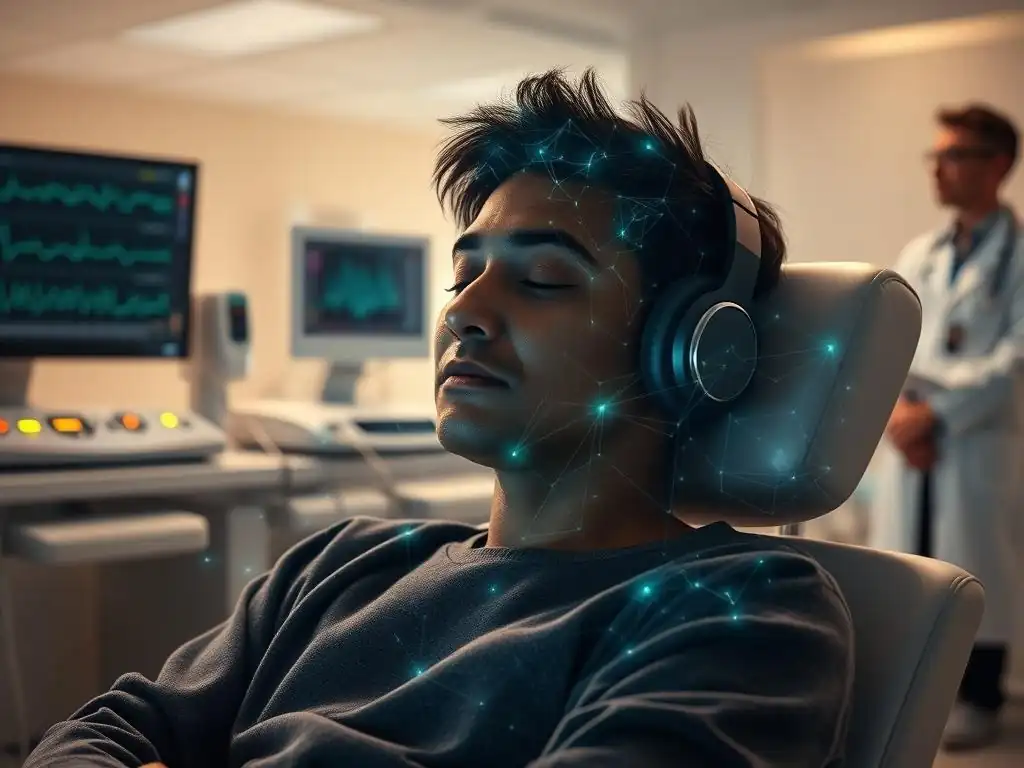
During a ketamine infusion, you will be in a comfortable, quiet room, often with dimmed lighting. A nurse or technician will insert an IV line, usually in your arm. Throughout the infusion, which typically lasts 40-60 minutes, you will be continuously monitored by trained medical staff. This monitoring includes blood pressure, heart rate, and oxygen levels.
You may experience dissociative effects, which can range from a feeling of floating or detachment to more profound alterations in perception. Some individuals describe it as a "dreamlike" state. These effects are temporary. Medical staff will be present to ensure your safety and comfort during this time. Communication is key; let the staff know how you are feeling.
Post-Treatment Care and Follow-Up
After the infusion is complete, you will remain in the clinic for a monitoring period, typically one to two hours, as the acute effects of the ketamine wear off. During this time, staff will continue to monitor your vital signs and ensure you are feeling grounded and ready to leave. Once cleared, your pre-arranged ride can take you home.
It's recommended to take it easy for the rest of the day and avoid making any major decisions or engaging in complex tasks. Follow-up appointments, either in person or via telehealth, are crucial to assess your response to the treatment, discuss any side effects, and plan for subsequent infusions or maintenance therapy. This ongoing care is vital for maximizing the benefits of Ketamine depression treatment options.
Ketamine vs. Other Depression Treatments: A Comparison
Ketamine vs. SSRIs and SNRIs
Comparing ketamine to traditional selective serotonin reuptake inhibitors (SSRIs) and serotonin-norepinephrine reuptake inhibitors (SNRIs) highlights key differences in mechanism and speed. SSRIs and SNRIs work by increasing levels of serotonin and/or norepinephrine in the brain over several weeks, gradually modulating mood. They are typically first-line treatments for mild to moderate depression.
Ketamine, conversely, targets the glutamatergic system and can produce rapid antidepressant effects, often within hours or days. It is primarily used for treatment-resistant depression when SSRIs/SNRIs have proven ineffective. While SSRIs/SNRIs are taken daily, ketamine therapy involves a series of infusions or nasal spray administrations over a shorter period, followed by potential maintenance doses. Their side effect profiles also differ significantly.
Ketamine vs. TMS (Transcranial Magnetic Stimulation)
Transcranial Magnetic Stimulation (TMS) is another non-pharmacological treatment option for depression, particularly TRD. TMS uses magnetic pulses delivered to specific areas of the brain, typically the prefrontal cortex, to stimulate nerve cells. A course of TMS usually involves daily sessions (five days a week) for four to six weeks, with each session lasting around 20-40 minutes.
Like ketamine, TMS is considered for treatment-resistant cases. Both can be effective, but they differ in administration, speed of effect, and potential side effects. Ketamine often provides more rapid relief, while TMS effects build up over the course of treatment. TMS does not involve medication and is generally well-tolerated, with common side effects being mild headache or scalp discomfort at the stimulation site, unlike the dissociative effects of ketamine.
Ketamine vs. ECT (Electroconvulsive Therapy)
Electroconvulsive Therapy (ECT) is one of the oldest and most effective treatments for severe depression, especially when rapid response is needed or in cases of psychotic depression or catatonia. ECT involves passing small electrical currents through the brain to intentionally trigger a brief seizure, which is believed to alter brain chemistry and relieve symptoms. It is performed under general anesthesia.
ECT is often considered when other treatments, including potentially ketamine, have failed or in life-threatening situations. While highly effective and often rapid, ECT requires anesthesia and can be associated with side effects like memory loss and confusion, which are not typical of ketamine. Ketamine is generally less invasive than ECT, though ECT remains a critical tool for the most severe and refractory cases.
Finding a Qualified Ketamine Provider: Important Considerations

Credentials and Experience
Choosing a qualified provider is paramount when considering Ketamine depression treatment options. Look for clinics or medical professionals with specific experience in administering ketamine for psychiatric conditions. This typically involves psychiatrists, anesthesiologists, or other physicians who have received specialized training in ketamine protocols and patient monitoring.
Verify the credentials of the medical staff, including nurses and technicians who will be involved in your care. Experience matters; a provider who has treated numerous patients with depression using ketamine will be better equipped to manage potential side effects, adjust dosages, and provide appropriate support throughout the treatment process. Do not hesitate to ask about their training and experience.
Monitoring and Safety Protocols
Safety is a critical aspect of ketamine therapy. A reputable provider will have robust monitoring and safety protocols in place. This includes continuous monitoring of vital signs (blood pressure, heart rate, oxygen saturation) during the infusion and for a period afterward. Emergency equipment and trained personnel should be readily available to manage any potential complications.
Discuss the clinic's safety procedures during your initial consultation. Ensure they have experience managing potential side effects like elevated blood pressure or dissociation. A commitment to patient safety and vigilant monitoring is a hallmark of a responsible ketamine treatment provider.
Cost and Insurance Coverage for Ketamine Therapy
The cost of ketamine therapy for depression can be a significant factor, as it is often not fully covered by insurance, particularly for off-label uses like racemic IV ketamine. A series of IV infusions can range from several hundred to over a thousand dollars per infusion, and a typical course involves multiple sessions. Intranasal esketamine (Spravato®) may have better insurance coverage, but costs can still vary significantly depending on the plan.
Discuss the cost structure and payment options upfront with the clinic. Inquire about potential insurance verification or payment plans. While the potential benefits are significant, understanding the financial commitment is an important part of evaluating Ketamine depression treatment options guide.
The Future of Ketamine in Mental Health: Research and Development
Ongoing Clinical Trials and Potential New Applications
Research into ketamine and related compounds for mental health conditions is rapidly expanding. Numerous clinical trials are underway exploring ketamine's efficacy for conditions beyond treatment-resistant depression, such as bipolar depression, obsessive-compulsive disorder (OCD), post-traumatic stress disorder (PTSD), and various anxiety disorders.
Scientists are also investigating different dosing strategies, administration routes, and the potential for combining ketamine with other therapies. These ongoing studies aim to refine existing protocols and potentially broaden the range of conditions that could benefit from ketamine-based treatments.
Personalized Ketamine Treatment Approaches
The future of ketamine therapy may involve more personalized approaches. Researchers are exploring factors that might predict an individual's response to ketamine, such as genetic markers, brain imaging patterns, or specific symptom profiles.
Tailoring dosage, frequency, and adjunct therapies based on these individual characteristics could potentially optimize outcomes and minimize side effects. Personalized medicine in ketamine treatment aims to move beyond a one-size-fits-all approach to better match the right patient with the right protocol.
The Role of Genetics in Predicting Treatment Response
Emerging research is investigating how genetic factors might influence a person's response to ketamine therapy. Variations in genes related to glutamate receptors, BDNF signaling, or metabolic enzymes could potentially affect how an individual processes ketamine or responds to its neurochemical effects.
Understanding these genetic influences could help clinicians predict which patients are most likely to benefit from ketamine, identify those at higher risk for side effects, and ultimately guide treatment decisions. While still in early stages, this area of research holds promise for making Ketamine depression treatment options even more effective and targeted in the future.
Integrating Ketamine Therapy with Other Mental Wellness Strategies
The Importance of Psychotherapy
Ketamine therapy is often viewed as a catalyst or "opening" that can enhance the effectiveness of other therapeutic approaches, particularly psychotherapy. While ketamine can rapidly alleviate symptoms, it doesn't necessarily teach coping skills or address the underlying psychological factors contributing to depression.
Integrating ketamine treatment with psychotherapy, such as cognitive behavioral therapy (CBT) or dialectical behavior therapy (DBT), is increasingly recommended. Therapy can help patients process the experiences that may arise during infusions and, more importantly, capitalize on the period of improved mood and cognitive flexibility to learn new ways of thinking and behaving, potentially leading to more sustained recovery.
Lifestyle Factors and Complementary Therapies
A holistic approach to mental wellness involves integrating various strategies, and this is true for individuals receiving ketamine therapy as well. Lifestyle factors such as regular exercise, a healthy diet, sufficient sleep, and stress-reduction techniques like mindfulness or meditation can significantly support mental health and potentially enhance or prolong the benefits of ketamine treatment.
Complementary therapies, such as yoga, acupuncture, or nutritional counseling, may also play a role in a comprehensive wellness plan. While these don't replace medical treatment, they can provide additional support and contribute to overall well-being.
Building a Comprehensive Mental Health Plan
Ultimately, successful management of treatment-resistant depression often requires building a comprehensive mental health plan that extends beyond any single treatment modality. For individuals considering or receiving ketamine therapy, this means integrating medical treatment with psychological support, healthy lifestyle choices, and a strong support system.
Working closely with a team of healthcare professionals, including psychiatrists, therapists, and primary care physicians, is crucial. A well-rounded plan addresses not just the symptoms of depression but also promotes long-term resilience and recovery. Exploring all available Ketamine depression treatment options should be part of this broader strategy.
Is Ketamine Right for You? Making an Informed Decision
Weighing the Potential Benefits and Risks
Deciding whether ketamine therapy is the right path for you involves carefully weighing its potential benefits against the associated risks. For individuals who have not found relief with multiple other treatments, the potential for rapid and significant improvement in depressive symptoms and suicidal ideation can be life-altering.
However, it's essential to consider the potential side effects, the need for supervised administration, the financial cost, and the fact that it may not be effective for everyone or provide a permanent cure. An open and honest assessment of these factors is necessary.
Discussing Your Options with a Mental Health Professional
The decision to pursue ketamine therapy should never be made in isolation. It is crucial to have a thorough discussion with a qualified mental health professional who is knowledgeable about treatment-resistant depression and various treatment modalities, including ketamine.
They can help you evaluate whether you meet the criteria for TRD, discuss if ketamine aligns with your overall treatment goals, assess potential contraindications, and guide you through the process of finding a reputable provider. Their expertise is invaluable in navigating the complexities of Ketamine depression treatment options.
Managing Expectations and Maintaining Realistic Goals
While ketamine can offer rapid relief, it is not a guaranteed cure, and managing expectations is important. Some individuals experience dramatic improvement, while others may have a more modest response or require ongoing maintenance treatments. The effects can sometimes be transient, necessitating booster infusions.
Approaching ketamine therapy with realistic goals and understanding that it is often one component of a larger treatment plan can help set the stage for a more positive experience. Sustained recovery often involves continued therapy, lifestyle adjustments, and potential ongoing medical management.
Frequently Asked Questions
What is ketamine and how does it relate to depression treatment?
Ketamine is an anesthetic that has shown promise as a rapid-acting antidepressant. It works by influencing the neurochemical pathways in the brain, offering a different approach than traditional antidepressants. It's considered a novel treatment option for those with treatment-resistant depression.
Is ketamine an FDA-approved treatment for depression?
While ketamine itself is FDA-approved as an anesthetic, its use for depression is generally considered "off-label". Esketamine, a derivative of ketamine, is FDA-approved as a nasal spray (Spravato) for treatment-resistant depression, but it requires administration under medical supervision.
What are the potential benefits of ketamine treatment for depression compared to traditional antidepressants?
Ketamine's main advantage is its rapid onset of action. Traditional antidepressants can take weeks or months to show effects, while ketamine can provide relief in hours or days. This makes it a potential option for individuals experiencing severe or suicidal ideation.
What are the potential side effects and risks associated with ketamine treatment?
Potential side effects can include increased blood pressure, nausea, dissociation, and hallucinations. Long-term effects are still being studied, and there is a potential for abuse and dependence. Careful screening and monitoring by a qualified healthcare professional are essential.
Who is a suitable candidate for ketamine treatment for depression?
Ketamine treatment is typically considered for individuals with treatment-resistant depression, meaning they haven't responded to other antidepressants. It's also considered for those experiencing severe depressive episodes with high suicide risk. A thorough psychiatric evaluation is crucial to determine suitability.
Final Reflection: A New Dawn for Depression Treatment?
The revolutionary potential of ketamine in treating depression is no longer a fringe theory; it's a rapidly evolving reality impacting countless lives. While challenges remain in terms of access, cost, and long-term efficacy, the initial breakthroughs in understanding ketamine's mechanism of action and its ability to offer rapid relief to treatment-resistant patients represent a significant leap forward in mental health care. This isn't just about a new drug; it's about a paradigm shift in how we approach this debilitating illness.
The impact of ketamine's emergence extends far beyond the clinical setting. It has sparked renewed interest in exploring novel therapeutic avenues for depression, fostering a more nuanced understanding of the neurochemical complexities underlying the disorder. This renewed hope is palpable, offering a lifeline to those who have felt abandoned by traditional treatments. Hope is the thing with feathers that perches in the soul, and sings the tune without the words, and never stops at all.
- Emily Dickinson. This quote perfectly encapsulates the feeling many patients experience upon discovering the potential of ketamine therapy.
Consider the implications of this research. What does it mean for the future of mental health care? You have the power to advocate for increased access to ketamine therapy, to support research into its long-term effects, and to share this information with those who might benefit. Don't let the limitations of the present overshadow the potential of the future. Embrace the possibility of a brighter, healthier tomorrow, and be a part of the ongoing revolution in depression treatment.
Unlock Your Brain's Potential: Next Steps for Depression Relief
Thanks for exploring the fascinating world of ketamine and its potential in treating depression with Mind Care Guide! We hope you gained valuable insights into this groundbreaking approach. Now, let's take the next step towards better mental health.
- Schedule a consultation with your doctor: This is the most important step to discuss if ketamine therapy might be right for you. Don't hesitate to ask detailed questions.
- Share this article with someone you care about: Depression affects many, and raising awareness is crucial. Helping others learn about potential treatment options can make a significant difference.
- Explore additional resources on ketamine therapy: Search for reputable online organizations focused on mental health and learn more about the research and clinical trials.
Ready to take control of your mental well-being? What specific questions do you have about ketamine therapy and how it could help you or someone you know?