
Lifestyle Changes That Can Help Manage Atypical Depression Symptoms


Welcome to Mind Care Guide, your compassionate companion on the journey to mental well-being. Feeling like your depression doesn't quite fit the mold? You're not alone. Many experience atypical depression, and we understand the unique challenges it presents. This article dives into practical and empowering lifestyle changes that can significantly help in managing atypical depression symptoms. Curious to discover simple yet effective ways to reclaim your well-being? Let's explore together...
Lifestyle Changes for Managing Seasonal Affective Disorder (SAD) | Winter Wellness Guide
- Understanding Seasonal Affective Disorder and the Role of Lifestyle
- Light Therapy for Seasonal Affective Disorder
- Diet and Nutrition Strategies for SAD Relief
- The Power of Regular Exercise in Combating SAD
- Prioritizing Sleep for Enhanced Mental Well-being
- Social Connection and Combating Isolation
- Mindful Practices for SAD
- Creating a Personalized Lifestyle Plan for Managing SAD
- Long-Term Strategies for Maintaining Mental Wellness
-
Frequently Asked Questions
- What is atypical depression, and how does it differ from other types of depression?
- How can lifestyle changes specifically help manage atypical depression?
- What are some specific dietary recommendations for managing atypical depression through lifestyle changes?
- How important is regular exercise in managing atypical depression, and what types of exercise are most beneficial?
- Besides diet and exercise, what other lifestyle changes can help manage atypical depression symptoms?
- Final Reflection: Rewiring Your Life, Rewiring Your Mind
- Unlock Your Well-being: Take Charge of Atypical Depression
Understanding Seasonal Affective Disorder and the Role of Lifestyle
What is Seasonal Affective Disorder? Defining SAD and its Symptoms
Seasonal Affective Disorder (SAD) is a type of depression that's related to changes in seasons. It typically begins and ends at about the same times every year. For most people with SAD, symptoms start in the fall and continue into the winter months, draining their energy and making them feel moody.
Less commonly, SAD causes depression in the spring or early summer. It's estimated that SAD affects about 5% of the U.S. population, with another 10% experiencing a milder form known as the "winter blues." While the exact cause isn't fully understood, it's believed to be linked to changes in the body's internal clock (circadian rhythm) and a reduction in serotonin and melatonin levels, often triggered by decreased exposure to sunlight.
Common symptoms of SAD can include feeling depressed most of the day, nearly every day, losing interest in activities you once enjoyed, experiencing low energy and feeling sluggish, having problems with sleep (often oversleeping), and changes in appetite or weight (typically craving high-carb foods and gaining weight). Other signs might involve difficulty concentrating, feeling hopeless or worthless, and sometimes having thoughts of death or suicide.
Recognizing these patterns is the first step towards managing seasonal affective disorder lifestyle changes effectively. The impact of SAD on daily life can be significant, affecting work, relationships, and overall well-being during the affected months.
The Importance of Lifestyle Adjustments in Managing SAD
While medical treatments like psychotherapy and medication are often part of a comprehensive plan for managing SAD, lifestyle adjustments play a crucial, foundational role. Simple, consistent changes in daily habits can significantly alleviate symptoms and improve resilience against the seasonal shifts. These changes don't just address the symptoms; they work to counteract some of the underlying factors thought to contribute to SAD, such as disruptions in circadian rhythms, nutritional deficiencies, and lack of physical activity.
Incorporating lifestyle changes for managing seasonal affective disorder can empower individuals to take an active role in their mental wellness journey. These adjustments can include optimizing light exposure, modifying diet, increasing physical activity, improving sleep hygiene, nurturing social connections, and practicing mindfulness. For instance, simply stepping outside for a walk on a sunny winter day, even for a short period, can make a noticeable difference. These strategies are often accessible and can be integrated into daily life, offering a proactive approach to coping with the challenges of SAD symptoms each year.
Light Therapy for Seasonal Affective Disorder
Understanding Light Therapy: How it Works and Benefits
Light therapy, also known as phototherapy, is a cornerstone treatment for winter-pattern SAD. It involves daily exposure to a special light box that mimics natural outdoor light. The theory is that this bright light impacts brain chemicals linked to mood and sleep, easing SAD symptoms. Typically, sessions involve sitting a specific distance from a light box, usually in the morning, for about 20-30 minutes. The timing and duration can vary based on individual needs and the specific light box used.
The benefits of light therapy for managing seasonal affective disorder are often significant. Many individuals report a noticeable improvement in mood and energy levels within a week or two of starting treatment. It's thought that the bright light helps regulate the body's internal clock, which can be disrupted by shorter winter days, and may also influence serotonin levels. Compared to medication, light therapy often has fewer side effects, making it a preferred initial treatment for many people experiencing SAD.
Choosing the Right Light Box: Features and Considerations
Selecting an appropriate light box is crucial for effective light therapy. Not all light boxes are created equal. A therapeutic light box for SAD should deliver a specific intensity of light, typically 10,000 lux, and emit minimal ultraviolet (UV) light, as UV rays can be harmful to the eyes and skin. Look for products specifically designed for SAD treatment, often labeled as "light therapy lamps" or "SAD light boxes."
Key features to consider when choosing a light box include the light intensity (aim for 10,000 lux), the light source (full-spectrum light is often preferred), the size and portability of the unit, and safety features like UV filtering. Some models offer adjustable brightness or tilting stands for comfort.
While there are many options available, from compact desk lamps to larger floor units, the most important factor is ensuring it provides the recommended light intensity safely. Consulting with a healthcare provider can help determine if light therapy is right for you and guide you in choosing a suitable device for managing seasonal affective disorder effectively.
Integrating Light Therapy into Your Daily Routine: Tips and Best Practices
Consistency is key when using light therapy for managing seasonal affective disorder. Aim to use your light box at the same time each day, ideally within the first hour of waking up. Place the light box on a table or desk so the light is indirect – you don't need to stare directly into the light, but it should be in your peripheral vision while you engage in other activities like eating breakfast, reading, or working on a computer.
Start with shorter sessions, perhaps 10-15 minutes, and gradually increase to the recommended 20-30 minutes as tolerated. Pay attention to how you feel; some people may experience side effects like eyestrain, headaches, or nausea, which often subside with time or by adjusting the distance from the light source. If side effects persist, reduce the session length or consult your doctor. Making light therapy a non-negotiable part of your morning routine, like brushing your teeth, can help ensure consistent use and maximize its benefits for managing seasonal affective disorder symptoms throughout the winter.
Diet and Nutrition Strategies for SAD Relief
The Impact of Food on Mood: Nutritional Guidelines for SAD
The foods we eat have a profound impact on our mood and energy levels, and this is particularly true for individuals managing seasonal affective disorder. During the winter months, cravings for comfort foods, often high in sugar and refined carbohydrates, can increase. While these foods might provide a temporary mood boost, they can lead to energy crashes and blood sugar fluctuations, potentially exacerbating symptoms like fatigue and irritability.
Focusing on a balanced diet rich in complex carbohydrates, lean proteins, and healthy fats can provide sustained energy and support brain health. Complex carbohydrates, found in whole grains, vegetables, and legumes, can help regulate serotonin levels, a neurotransmitter linked to mood. Lean proteins provide amino acids necessary for neurotransmitter production, and healthy fats, like omega-3 fatty acids found in fish, nuts, and seeds, are essential for brain function. Prioritizing nutrient-dense foods is a vital part of managing seasonal affective disorder lifestyle changes.
Foods to Embrace and Limit: A Diet Tailored for SAD
To support better mood and energy when managing seasonal affective disorder, incorporate foods known to potentially boost well-being. This includes fatty fish like salmon and mackerel, rich in omega-3s; nuts and seeds, which provide healthy fats and magnesium; and whole grains like oats and brown rice, for stable energy release. Fruits and vegetables, particularly colorful ones, offer essential vitamins, minerals, and antioxidants that support overall health and brain function.
Conversely, limiting or avoiding foods that can negatively impact mood is advisable. This includes excessive amounts of sugar, refined grains (like white bread and pasta), and processed foods, which can cause energy spikes and crashes. While caffeine and alcohol might seem appealing for a quick lift or relaxation, they can disrupt sleep and worsen anxiety or depression symptoms in the long run. Making conscious food choices is a practical strategy for managing seasonal affective disorder symptoms.
Vitamin D and SAD: Understanding the Connection
Sunlight is a primary source of Vitamin D, and during the shorter, darker winter months, many people experience a drop in their Vitamin D levels. Research suggests a potential link between Vitamin D deficiency and depression, including SAD. Vitamin D receptors are found in areas of the brain associated with mood, and the vitamin is thought to play a role in serotonin production.
While the exact relationship between Vitamin D and SAD is still being studied, ensuring adequate levels is considered a helpful strategy for managing seasonal affective disorder. This can be achieved through diet, including fortified foods like milk and cereals, and fatty fish. However, dietary sources often aren't sufficient to meet needs, especially in winter. Supplementation is a common approach, but it's crucial to consult with a healthcare provider before starting Vitamin D supplements to determine the appropriate dosage and check your current levels.
The Power of Regular Exercise in Combating SAD

Physical Activity and Mental Health: Understanding the Connection
Exercise is a powerful tool for improving mental health, and its benefits are particularly relevant when managing seasonal affective disorder. Physical activity releases endorphins, natural mood boosters that can help alleviate feelings of sadness and low energy. Regular exercise also helps regulate sleep patterns, reduces stress and anxiety, and can improve self-esteem, all of which are common challenges for individuals with SAD.
Beyond the immediate mood lift, consistent physical activity helps build resilience. It provides a structured activity that can break the cycle of lethargy and withdrawal often associated with SAD. Aiming for at least 30 minutes of moderate-intensity exercise most days of the week is a general guideline, but even shorter bursts of activity can be beneficial. Incorporating movement into your routine is a proactive step in managing seasonal affective disorder symptoms.
Best Exercise Types for SAD: Outdoor Activities and Indoor Alternatives
Maximizing exposure to natural light while exercising can provide a double benefit for managing seasonal affective disorder. Activities like walking, running, or cycling outdoors during daylight hours combine the mood-boosting effects of exercise with potential benefits from sunlight exposure. Even on cloudy days, outdoor light is significantly brighter than indoor light.
When outdoor conditions aren't feasible, indoor exercise is still highly valuable. Activities like yoga, swimming, dancing, or using gym equipment can help maintain physical and mental well-being. Group fitness classes can also offer the added benefit of social interaction. The key is to find activities you enjoy and can stick with consistently throughout the winter months, making exercise a reliable part of your strategy for managing seasonal affective disorder.
Creating a Sustainable Exercise Routine: Tips and Motivation
Starting and maintaining an exercise routine, especially when feeling low energy from SAD, can be challenging. Begin with small, achievable goals. Instead of aiming for an hour at the gym, commit to a 15-minute walk or a short home workout. Gradually increase the duration and intensity as you feel stronger. Schedule your workouts like any other important appointment to increase accountability.
Finding an exercise buddy or joining a class can provide motivation and social support. Track your progress, whether it's distance walked, time spent active, or simply completing your planned workout, and acknowledge your achievements. Don't be discouraged by occasional missed days; simply get back on track as soon as possible. Making exercise a consistent habit is a powerful component of managing seasonal affective disorder lifestyle changes.
Prioritizing Sleep for Enhanced Mental Well-being
Sleep Deprivation and SAD: The Vicious Cycle
Sleep disturbances are a common symptom of SAD, often manifesting as oversleeping (hypersomnia) or difficulty sleeping (insomnia). Both extremes can negatively impact mood, energy, and concentration, creating a vicious cycle. Oversleeping can disrupt circadian rhythms further, while insufficient or poor-quality sleep exacerbates feelings of fatigue and irritability associated with managing seasonal affective disorder.
Addressing sleep issues is therefore a critical part of managing seasonal affective disorder lifestyle changes. Poor sleep weakens the body's ability to cope with stress and regulate emotions, making individuals more vulnerable to the depressive symptoms of SAD. Establishing healthy sleep habits can help stabilize mood, improve energy levels, and support overall mental resilience during the winter months.
Establishing a Consistent Sleep Schedule: Tips for Improved Sleep Hygiene
Consistency is paramount for regulating your body's internal clock. Aim to go to bed and wake up at the same time every day, even on weekends. This helps reinforce your natural sleep-wake cycle. While it can be tempting to sleep in when feeling low energy, sticking to a schedule, even if you feel tired initially, can improve sleep quality over time.
Creating a relaxing bedtime routine signals to your body that it's time to wind down. This might include taking a warm bath, reading a book, listening to calm music, or practicing gentle stretching. Avoid stimulating activities like watching TV, using electronic devices (due to blue light emission), or engaging in stressful conversations in the hour before bed. Practicing good sleep hygiene is a fundamental step in managing seasonal affective disorder and its impact on rest.
Optimizing Your Sleep Environment for SAD: Darkness and Temperature
Your sleep environment plays a significant role in the quality of your rest. Ensure your bedroom is dark, quiet, and cool. Darkness is essential for melatonin production, the hormone that regulates sleep. Use blackout curtains if necessary to block out external light, especially as mornings get brighter later in the winter.
The ideal temperature for sleep is generally between 60-67°F (15-19°C). A cooler environment helps promote sleep initiation and maintenance. Ensure your bedroom is free from distractions. Removing electronic devices can prevent late-night scrolling and exposure to stimulating light. Creating a sanctuary for sleep is a practical strategy for improving rest when managing seasonal affective disorder.
SAD symptoms can include withdrawal and a desire to isolate, but maintaining social connections is vital for mental well-being. Isolation can exacerbate feelings of loneliness and depression. Human connection provides emotional support, a sense of belonging, and opportunities for positive interactions that can lift your mood.
Making an effort to stay connected, even when you don't feel like it, can significantly impact your experience of managing seasonal affective disorder. Schedule regular calls or video chats with friends and family. Plan social activities, even small ones, that you can look forward to. Reminding yourself that you are not alone in your struggles can be incredibly comforting.
Joining Winter Activities and Events: Finding Community
While winter might feel like a time for hibernation, actively seeking out and participating in winter-specific activities can provide opportunities for social interaction and enjoyment. Look for local events, classes, or groups that align with your interests. This could include joining a book club, a winter hiking group, a pottery class, or volunteering for a local cause.
Engaging in shared activities with others can help combat the feeling of being isolated during the darker months. These activities also provide structure and routine, which can be beneficial when managing seasonal affective disorder. Even if it's just attending a weekly coffee meet-up, these connections can make a significant difference.
Nurturing existing relationships is just as important as seeking new connections. Make time for quality interactions with close friends and family. Be open about how you're feeling with trusted individuals; sharing your experiences can alleviate the burden of managing seasonal affective disorder symptoms alone.
Offer support to others as well; focusing on someone else can shift your perspective. Understand that sometimes you may need to lean on your support network more heavily, and that's okay. Conversely, recognize when you might need to set boundaries if certain relationships are draining. Prioritizing healthy social bonds is a crucial element in a holistic approach to managing seasonal affective disorder lifestyle changes.
Mindful Practices for SAD
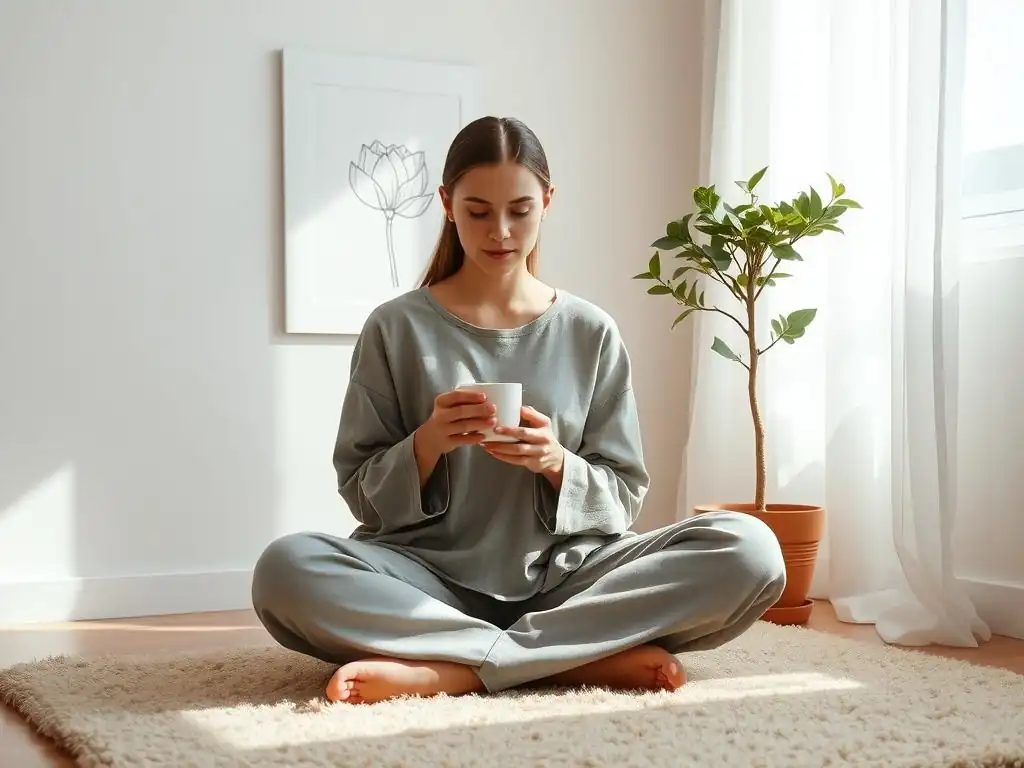
Practicing Gratitude: Shifting Focus to Positives
When struggling with the low mood associated with SAD, it's easy to focus on the negative aspects of winter and your symptoms. Practicing gratitude involves consciously shifting your attention to the things you are thankful for, no matter how small. This simple act can help reframe your perspective and cultivate a more positive outlook.
Start a gratitude journal and write down a few things you are grateful for each day. These could be simple things like a warm cup of tea, a beautiful sunset, or a kind word from a friend. Regularly reflecting on positives can help counteract the negative thought patterns associated with managing seasonal affective disorder.
Journaling for Self-Reflection and Emotional Processing
Journaling provides a private space to explore your thoughts and feelings without judgment. When managing seasonal affective disorder, writing down your experiences can help you identify patterns in your mood, understand triggers, and process difficult emotions. It can also be a way to track the effectiveness of the lifestyle changes you are implementing.
There's no right or wrong way to journal. You can write freely about whatever comes to mind, focus on specific prompts related to your mood or day, or even just jot down bullet points. The act of putting thoughts onto paper can provide clarity and a sense of release, offering valuable self-reflection as part of managing seasonal affective disorder.
Engaging in Hobbies and Activities You Enjoy: Rediscovering Winter Pleasures
As SAD symptoms take hold, you might lose interest in activities you once loved. Making a conscious effort to re-engage with hobbies and find pleasure in winter-specific activities can be incredibly therapeutic. Think about what brings you joy and try to incorporate it into your routine.
This could be anything from knitting, painting, or playing a musical instrument to baking, watching classic movies, or playing board games. Embrace activities that are unique to winter, like ice skating, snowshoeing (if applicable), or simply enjoying the cozy atmosphere indoors. Actively seeking out pleasure is a powerful antidote to the apathy associated with managing seasonal affective disorder.
Creating a Personalized Lifestyle Plan for Managing SAD
Assessing Your Current Lifestyle: Identifying Areas for Improvement
Taking an honest look at your current habits is the first step in creating an effective plan for managing seasonal affective disorder. Consider your sleep patterns, dietary choices, activity levels, social interactions, and coping mechanisms during the winter months. Where are your biggest challenges? Are you consistently getting enough sleep? Are you isolating yourself?
Identify specific areas where you feel you can make changes. Perhaps you realize you spend too much time indoors after dark, or your diet consists mostly of sugary snacks. Be specific in your assessment. This self-awareness provides a foundation for setting realistic goals tailored to your individual needs when managing seasonal affective disorder.
Setting Realistic Goals: Small Steps for Sustainable Change
Overhauling your entire lifestyle at once can be overwhelming. Instead, focus on setting small, achievable goals. For example, instead of aiming to exercise for an hour every day, commit to a 20-minute walk three times a week. If improving your diet feels daunting, start by adding one extra serving of vegetables to your daily meals.
Write down your goals and make them specific, measurable, achievable, relevant, and time-bound (SMART). For instance, "Use the light box for 25 minutes every morning within 30 minutes of waking up" is a SMART goal. Setting realistic goals helps build momentum and increases your likelihood of successfully managing seasonal affective disorder lifestyle changes in the long term.
Tracking Progress and Celebrating Successes: Staying Motivated on Your Journey
Monitoring your progress can help you stay motivated and identify what strategies are working best for you. This could involve keeping a log of your light therapy sessions, exercise duration, sleep times, or even just noting your daily mood on a scale. Tracking helps reinforce positive habits and makes it easier to spot patterns.
Celebrate your successes, no matter how small. Did you stick to your exercise plan for the week? Did you manage to connect with a friend even when you didn't feel like it? Acknowledge your efforts and reward yourself in healthy ways. Positive reinforcement is key to maintaining motivation when managing seasonal affective disorder throughout the winter.
Long-Term Strategies for Maintaining Mental Wellness
Building Resilience: Coping Mechanisms for Challenging Times
Managing seasonal affective disorder is an ongoing process, and building resilience is key to navigating challenging periods. Resilience isn't about avoiding difficulties, but about developing effective coping mechanisms to bounce back from setbacks. This includes practicing self-compassion, developing problem-solving skills, and maintaining a hopeful outlook.
Identifying healthy ways to cope with stress and low mood is crucial. This might involve techniques like deep breathing exercises, meditation, spending time in nature, or engaging in creative outlets. Having a repertoire of coping strategies helps you navigate the fluctuations in mood that can occur when managing seasonal affective disorder.
Preventing Relapse: Recognizing Early Warning Signs
Being aware of the early warning signs of returning SAD symptoms can help you take proactive steps before they become severe. These signs might be subtle changes in sleep patterns, appetite shifts, increased fatigue, or a creeping sense of sadness or irritability. Learning to recognize your personal triggers and initial symptoms is vital.
Have a plan in place for when you notice these signs. This might involve immediately increasing your light therapy sessions, reaching out to your support system, or scheduling an appointment with your therapist. Early intervention based on recognizing warning signs is a powerful strategy for managing seasonal affective disorder and preventing a full relapse.
Seeking Ongoing Support and Adjusting Your Plan as Needed
Managing seasonal affective disorder is not something you have to do alone. Ongoing support from healthcare providers, therapists, and your social network is invaluable. Don't hesitate to reach out for professional help if your symptoms are severe or if lifestyle changes aren't providing sufficient relief.
Your personalized lifestyle plan should also be flexible and adaptable. What works one year might need adjustment the next. Regularly review your strategies, assess their effectiveness, and be willing to make changes as needed. Staying informed about SAD and its management, and advocating for your own well-being, are long-term commitments to successfully managing seasonal affective disorder.
Frequently Asked Questions
What is atypical depression, and how does it differ from other types of depression?
Atypical depression is a subtype of depression characterized by mood reactivity (ability to temporarily feel better in response to positive events), increased appetite or weight gain, excessive sleep, leaden paralysis (a heavy feeling in the limbs), and sensitivity to rejection. Unlike typical depression, individuals with atypical depression might experience periods where they feel relatively normal.
How can lifestyle changes specifically help manage atypical depression?
Lifestyle changes can significantly impact atypical depression by addressing its specific symptoms. For instance, regular exercise can improve mood reactivity and energy levels, while mindfulness practices can reduce sensitivity to rejection by promoting self-acceptance and emotional regulation.
What are some specific dietary recommendations for managing atypical depression through lifestyle changes?
Focus on a balanced diet rich in whole foods, lean protein, and complex carbohydrates. Avoid processed foods and sugary drinks, which can worsen mood swings and contribute to weight gain. Consider incorporating foods high in omega-3 fatty acids, which have been linked to improved mood.
How important is regular exercise in managing atypical depression, and what types of exercise are most beneficial?
Exercise is crucial for managing atypical depression. Aim for at least 30 minutes of moderate-intensity aerobic exercise most days of the week. Activities like walking, jogging, swimming, or cycling can significantly boost mood and energy levels, and help regulate sleep patterns.
Besides diet and exercise, what other lifestyle changes can help manage atypical depression symptoms?
Prioritize sleep hygiene by maintaining a consistent sleep schedule and creating a relaxing bedtime routine. Practice stress management techniques like yoga, meditation, or deep breathing exercises. Building a strong social support network is also extremely important.
Final Reflection: Rewiring Your Life, Rewiring Your Mind
The strategies outlined in this article—prioritizing physical activity, embracing sunlight, cultivating strong social connections, and establishing consistent routines—aren't just suggestions; they are powerful tools in the ongoing battle against atypical depression. These lifestyle changes offer a proactive, empowering approach to managing symptoms, moving beyond passive reliance on medication alone and fostering a sense of agency over one's well-being.
The impact of atypical depression extends far beyond the individual, rippling outwards to affect families, workplaces, and communities. The pervasive nature of this condition, often misunderstood and underdiagnosed, underscores the importance of accessible information and supportive strategies. The greatest weapon against stress is our ability to choose one thought over another.
– William James. This quote highlights the power of conscious choice in managing the mental and emotional challenges presented by atypical depression. By actively choosing to implement these lifestyle changes, individuals can begin to reshape their narrative and reclaim their lives.
You hold the power to reshape your experience with atypical depression. Don't wait for a crisis to take action. Start small, choose one change from this article that resonates with you, and integrate it into your daily life. Observe its impact, celebrate your progress, and gradually build upon your success. Remember, managing atypical depression is a journey, not a destination, and your commitment to self-care is the most valuable investment you can make.
Unlock Your Well-being: Take Charge of Atypical Depression
Thanks for taking the time to explore ways to manage atypical depression symptoms. We hope this article provided valuable insights and tools to help you on your journey. Now, let's turn those insights into action!
- Prioritize one small, manageable lifestyle change this week. This could be anything from adding a short walk to your day to trying a new relaxation technique. Even small steps make a big difference.
- Share this article with someone you care about who might benefit. Connecting and sharing experiences is a powerful way to build support and understanding.
- Consider journaling your mood and energy levels daily for a week. Tracking patterns can reveal valuable insights into your triggers and help you anticipate and manage your symptoms more effectively.
What's one small step you can take today to nurture your well-being?