
MDD in Children: How Symptoms Can Differ in Kids


Welcome to Mind Care Guide, your trusted companion on the path to mental well-being.
Feeling lost and unsure about the signs of struggle in your child? It's okay. Many parents face this challenge. In this article, we delve into a crucial topic: understanding Childhood Major Depressive Disorder Symptoms. What may look like typical childhood behavior could be something more. Let's unravel the complexities together and learn how symptoms can differ in kids, opening the door to early support and a brighter future. Ready to learn more and gain clarity?
MDD in Children: How Symptoms Can Differ in Kids
Major Depressive Disorder (MDD) is a serious mental health condition that can affect people of all ages, including children. While often thought of as an adult illness, depression in childhood is a significant concern with unique presentations. Understanding how Childhood major depressive disorder symptoms manifest differently in young people compared to adults is crucial for early identification and intervention. This article explores the nuances of MDD in children, shedding light on its prevalence, impact, typical signs, and how it is diagnosed and treated.
Recognizing symptoms of depression in children can be challenging because children may not have the vocabulary to express their feelings in the same way adults do. Their distress often comes out through behavioral changes, physical complaints, or shifts in mood that parents and caregivers might initially attribute to typical childhood phases or other issues. However, persistent changes warrant attention as they could indicate the presence of MDD.
- Understanding Childhood Major Depressive Disorder (MDD)
- Key Differences in Childhood Major Depressive Disorder Symptoms
- Recognizing the Signs: Early Indicators of Depression in Children
- Diagnosing MDD in Children: A Comprehensive Approach
- Contributing Factors to Childhood Major Depressive Disorder
- Treatment Options for Children with Major Depressive Disorder
- Supporting a Child with Major Depressive Disorder: A Guide for Parents and Caregivers
- Long-Term Outlook for Children with MDD
-
Frequently Asked Questions
- What are some common Childhood Major Depressive Disorder (MDD) symptoms that might differ from adult symptoms?
- How can I differentiate typical childhood mood swings from potential Childhood Major Depressive Disorder (MDD)?
- What should I do if I suspect my child is experiencing Childhood Major Depressive Disorder (MDD)?
- What are some effective treatment options for Childhood Major Depressive Disorder (MDD)?
- Where can I find additional support and resources for families dealing with Childhood Major Depressive Disorder (MDD)?
- Final Reflection: Understanding the Unique Landscape of Childhood Depression
- Unlock Your Child's Potential: Take the Next Steps
Understanding Childhood Major Depressive Disorder (MDD)
Major Depressive Disorder in children is characterized by a persistent sad or irritable mood and/or loss of interest or pleasure in most activities, along with several other specific symptoms that significantly impair functioning. Unlike the transient sadness or moodiness that is common in childhood, MDD involves symptoms that are severe and long-lasting, typically present for at least two consecutive weeks.
Pinpointing Childhood major depressive disorder symptoms requires careful observation and understanding that they may not always align with the classic adult presentation of profound sadness and hopelessness. For instance, irritability is often a more prominent symptom in depressed children than outright sadness. These differences necessitate a specialized approach to assessment and support for young individuals struggling with depression.
Defining Major Depressive Disorder in Children
Major Depressive Disorder in children is a clinical diagnosis based on specific criteria outlined in diagnostic manuals like the DSM-5. A child must experience a change from their baseline functioning and exhibit at least five symptoms during the same two-week period, with at least one symptom being either depressed mood (or irritability in children/adolescents) or loss of interest or pleasure. Other symptoms can include significant weight changes or appetite changes, sleep disturbances, psychomotor agitation or retardation, fatigue, feelings of worthlessness or excessive guilt, difficulty concentrating, or recurrent thoughts of death or suicide.
The definition emphasizes the persistence and severity of these Childhood major depressive disorder symptoms. It's not just a "bad mood" or a reaction to a specific event, although stressors can certainly trigger an episode. The symptoms cause significant distress or impairment in social, academic, or other important areas of functioning. Differentiating between typical childhood emotional fluctuations and clinical depression is a critical step in ensuring children receive appropriate care.
Prevalence of MDD Among Children and Adolescents
Data suggests that Major Depressive Disorder affects a significant number of young people, though prevalence rates vary by age group. Among pre-adolescent children (e.g., ages 6-12), the prevalence of MDD is estimated to be around 2% to 3%. This rate increases significantly during adolescence, reaching approximately 5% to 8% among teenagers (ages 13-18).
These figures highlight that while less common in younger children than in adolescents, Childhood major depressive disorder symptoms are by no means rare. For example, in a school of 500 elementary students, it's possible that 10 to 15 children may be experiencing MDD at any given time. Understanding these prevalence rates underscores the importance of screening and early identification efforts within pediatric healthcare and school settings.
The Impact of Childhood Depression on Development
Undiagnosed or untreated MDD in children can have profound and lasting impacts on their development across multiple domains. Emotionally, it can hinder the development of healthy coping mechanisms and emotional regulation skills. Socially, it can lead to isolation, difficulty forming peer relationships, and conflict within families. Academically, symptoms like concentration problems and low energy can severely impede learning and school performance.
Furthermore, Childhood major depressive disorder symptoms can disrupt physical development through issues like appetite changes or sleep disturbances. A study might show, for instance, that children with persistent depression are more likely to fall behind academically or struggle with social integration compared to their peers. The long-term implications can include a higher risk of recurrent depressive episodes later in life, other mental health conditions, and difficulties achieving developmental milestones, emphasizing the urgency of early intervention.
Key Differences in Childhood Major Depressive Disorder Symptoms
While the core diagnostic criteria for MDD are similar across age groups, the manifestation of symptoms can look quite different in children compared to adults. Recognizing these age-specific presentations of Childhood major depressive disorder symptoms is vital for accurate diagnosis. What might appear as defiance or hyperactivity could, in fact, be a sign of underlying depression in a child.
It's important not to simply apply adult symptom checklists directly to children. Pediatricians, parents, and educators need to be attuned to the unique ways depression can present in younger individuals. These differences are not just minor variations; they are key indicators that require specific attention during assessment.
Irritability as a Primary Symptom of Depression in Children
One of the most notable differences in Childhood major depressive disorder symptoms is the prominence of irritability rather than classic sadness. While depressed adults often report feeling persistently sad or down, children may express their low mood through increased crankiness, frustration, anger, or defiant behavior. This irritability can be constant or seem out of proportion to the situation.
For example, a child who previously handled minor disappointments well might now react with explosive anger or sullen withdrawal when things don't go their way. This persistent irritability, often coupled with other symptoms like loss of interest, is a strong indicator of depression in young people and is specifically included as an alternative to depressed mood in the diagnostic criteria for children and adolescents. It's crucial not to dismiss this as just a "phase" or bad behavior.
Somatic Complaints and Physical Symptoms of Depression in Kids
Children with MDD often present with physical complaints that have no apparent medical cause. These somatic symptoms can be a way for children to express psychological distress when they lack the emotional vocabulary to do so. Common complaints include headaches, stomachaches, nausea, fatigue, or general aches and pains.
These physical manifestations are significant Childhood major depressive disorder symptoms. A child might frequently complain of feeling sick, especially in the morning before school, even after a thorough medical examination rules out physical illness. While adults can also experience somatic symptoms with depression, they are particularly common and often the primary way younger children communicate their internal suffering, sometimes leading to delayed diagnosis as the focus remains on physical health.
Difficulty Concentrating and Academic Struggles in Depressed Children
Depression can significantly impair cognitive functions, and in children, this often translates directly into difficulties at school. Symptoms like poor concentration, indecisiveness, and forgetfulness are common Childhood major depressive disorder symptoms that impact learning and academic performance.
A child who was previously a good student might suddenly start struggling with schoolwork, having trouble focusing in class, completing assignments, or retaining information. Grades may drop, and teachers might report the child seems distracted or withdrawn. These academic difficulties are not necessarily due to a learning disability but can be a direct consequence of the cognitive fog associated with depression, making it hard for the child to engage with learning effectively.
Significant changes in behavior are hallmark Childhood major depressive disorder symptoms. This can manifest as withdrawal from friends and family, loss of interest in activities they once enjoyed (anhedonia), or increased isolation. Children might stop participating in sports, hobbies, or social events they previously loved.
Alongside withdrawal, some children may exhibit increased agitation, restlessness, or even risk-taking behaviors, though withdrawal is more typical. A child who was once outgoing might become quiet and reserved, spending more time alone in their room. Conversely, an increase in arguments, defiance, or irritability (as discussed earlier) can also be a behavioral sign. These changes represent a significant shift from the child's usual temperament and social engagement patterns.
Recognizing the Signs: Early Indicators of Depression in Children
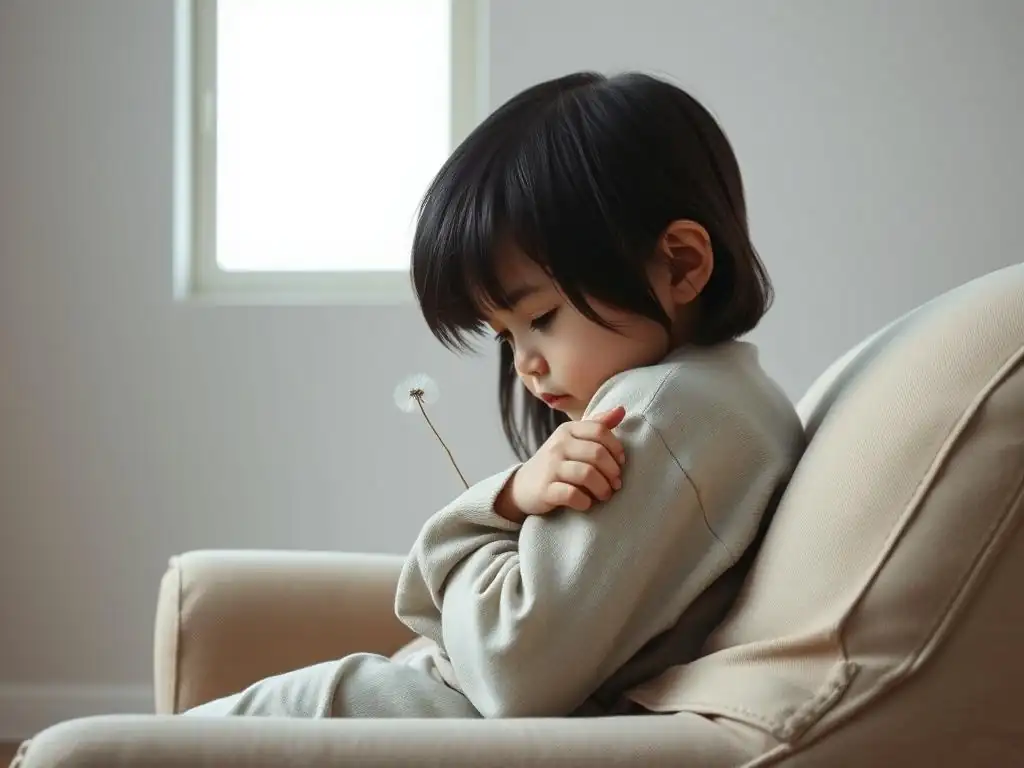
Early recognition of Childhood major depressive disorder symptoms is critical for improving outcomes. Parents, caregivers, teachers, and pediatricians are often the first to notice subtle or overt changes in a child's behavior, mood, or physical state. Being aware of key indicators can prompt timely evaluation and intervention.
It's important to look for patterns of change rather than isolated incidents. A child having one bad day is normal; a child exhibiting several concerning signs persistently over weeks or months warrants professional attention. These early indicators often involve disruptions in basic biological functions and changes in typical interests and energy levels.
Changes in Sleep Patterns: A Red Flag for Childhood Depression
Sleep disturbances are common Childhood major depressive disorder symptoms and can manifest in various ways. Children might have trouble falling asleep (insomnia), wake up frequently during the night, or wake up very early and be unable to get back to sleep. Conversely, some children with depression may experience hypersomnia, sleeping excessively during the night and/or day.
Observing significant, persistent changes in a child's sleep habits is a crucial early indicator. For instance, a child who previously slept soundly for 9-10 hours might now struggle to fall asleep until late, waking up exhausted, or conversely, might sleep for 12+ hours and still seem tired. These sleep issues contribute to fatigue and can exacerbate other depressive symptoms.
Appetite Changes and Weight Fluctuations in Children with MDD
Alterations in appetite and corresponding changes in weight are also important Childhood major depressive disorder symptoms. Some children with depression lose their appetite and may experience significant weight loss. Food might seem unappealing, and they may skip meals or eat very little.
Other children, however, may experience increased appetite or specific cravings (sometimes called "stress eating"), potentially leading to weight gain. A noticeable change in a child's eating habits – significant decrease or increase – or unexplained weight loss or gain can be a physical manifestation of underlying emotional distress and should be investigated, especially when coupled with other potential symptoms of depression in children.
Loss of Interest in Activities: Identifying Anhedonia in Children
Anhedonia, the loss of interest or pleasure in activities that were once enjoyable, is a core symptom of MDD in all age groups, including children. In kids, this might look like a sudden disinterest in playing with toys, participating in sports, engaging in hobbies, or spending time with friends.
This lack of engagement is one of the most telling Childhood major depressive disorder symptoms. A child who loved soccer practice might now dread going, or one who eagerly anticipated playing video games might no longer bother. This persistent absence of joy or enthusiasm in activities that previously brought them pleasure is a significant red flag indicating a potential depressive episode.
Increased Agitation or Restlessness: Depression Manifestations in Kids
While withdrawal is common, some children with MDD may exhibit increased psychomotor agitation or restlessness. This can manifest as fidgeting, inability to sit still, pacing, or feeling keyed up or on edge. This is distinct from hyperactivity associated with conditions like ADHD, as it's often accompanied by other depressive symptoms like low mood or loss of interest.
This agitation can sometimes be mistaken for anxiety or behavioral problems, but it is a recognized Childhood major depressive disorder symptom. A child might seem jumpy, easily startled, or unable to relax. This internal restlessness can be a distressing experience for the child and another way their depression manifests externally.
Diagnosing MDD in Children: A Comprehensive Approach
Diagnosing Major Depressive Disorder in children requires a comprehensive evaluation by a qualified mental health professional. It's not a diagnosis that can be made lightly or based on just one or two observed behaviors. A thorough assessment process is necessary to accurately identify Childhood major depressive disorder symptoms and differentiate MDD from other conditions that might present similarly.
This process typically involves gathering information from multiple sources and utilizing various assessment tools. It's a collaborative effort involving the child, parents, teachers, and potentially other caregivers to get a full picture of the child's functioning and symptoms across different environments.
The Role of Pediatricians in Identifying Childhood Depression
Pediatricians play a critical first-line role in identifying potential Childhood major depressive disorder symptoms. During routine check-ups, pediatricians can screen for mental health concerns by asking questions about a child's mood, behavior, sleep, appetite, and school performance. They are often the first professionals parents turn to with concerns about their child's well-being.
Many pediatric practices now incorporate standardized screening tools, such as the PHQ-9 Modified for Adolescents or the Beck Depression Inventory-Primary Care version, to help identify children who may be at risk. If a pediatrician suspects depression based on screening results or reported symptoms, they can then refer the child and family to a mental health specialist for a more in-depth evaluation, bridging the gap between physical health and mental health care.
Psychological Evaluations and Assessments for MDD in Children
A formal diagnosis of MDD in children is typically made by a child and adolescent psychiatrist, psychologist, or licensed clinical social worker. This involves a detailed psychological evaluation. The evaluation includes clinical interviews with the child (using age-appropriate language), interviews with parents or caregivers, and potentially interviews with teachers or school counselors.
Standardized rating scales and questionnaires are often used to assess the severity and nature of Childhood major depressive disorder symptoms. Examples include the Child Depression Inventory (CDI) or the Mood and Feelings Questionnaire (MFQ). These tools help the clinician gather objective information and compare the child's reported symptoms to established norms, contributing to a more accurate diagnosis based on the specific presentation of depression in children.
Differentiating MDD from Other Childhood Disorders
One of the challenges in diagnosing MDD in children is differentiating its Childhood major depressive disorder symptoms from those of other conditions that can present similarly. For instance, irritability and behavioral issues can be seen in Oppositional Defiant Disorder (ODD) or Conduct Disorder. Concentration problems and restlessness can overlap with symptoms of Attention-Deficit/Hyperactivity Disorder (ADHD). Mood swings might sometimes be confused with early signs of Bipolar Disorder, particularly during adolescence.
A thorough evaluation is necessary to carefully consider the full symptom profile, the onset and duration of symptoms, and their impact on functioning. For example, while a child with ADHD might have chronic concentration issues, a child with MDD might show a recent decline in concentration alongside other depressive signs like anhedonia and fatigue. Differentiating these conditions ensures the child receives the most appropriate and effective treatment plan.
Contributing Factors to Childhood Major Depressive Disorder
Major Depressive Disorder in children, like in adults, is typically caused by a complex interplay of factors rather than a single cause. Understanding these contributing elements is important for both prevention and treatment planning. Biological vulnerabilities, environmental stressors, and psychological factors all play a role in the development of Childhood major depressive disorder symptoms.
It's rare for depression to appear without some underlying predisposition or triggering event. While we can't change a child's genetic makeup, identifying and addressing environmental factors is a key part of supporting their mental well-being and managing depression in children.
Genetic Predisposition and Family History of Depression
Research strongly indicates a genetic component to Major Depressive Disorder. Children who have a family history of depression or other mood disorders are at an increased risk of developing depression themselves. This doesn't mean they will develop it, but they may have a biological vulnerability that makes them more susceptible when faced with stressors.
Studies estimate that genetics account for approximately 40% of the risk for developing depression. If a parent or sibling has experienced MDD, the likelihood of a child experiencing Childhood major depressive disorder symptoms is significantly higher than in the general population. This genetic predisposition interacts with environmental factors to either trigger or protect against the onset of the disorder.
Environmental Stressors and Traumatic Experiences in Children
Significant environmental stressors and adverse childhood experiences can be powerful triggers for the onset of MDD in vulnerable children. These can include family conflict, parental separation or divorce, loss of a loved one, chronic illness (either the child's or a family member's), bullying, academic pressure, poverty, or exposure to trauma such as abuse or neglect.
Even seemingly less severe, chronic stressors, like ongoing difficulties with peers or persistent academic struggles, can contribute to the development of Childhood major depressive disorder symptoms. The cumulative effect of multiple stressors can overwhelm a child's coping resources, making them more susceptible to depression. Creating a stable and supportive environment is crucial in mitigating these risks.
The Influence of Brain Chemistry on Childhood Depression
Neurobiological factors, including imbalances in brain chemistry, are believed to play a significant role in the development of depression. Neurotransmitters like serotonin, norepinephrine, and dopamine, which are involved in regulating mood, sleep, appetite, and other functions, may not function correctly in individuals with MDD.
Research using neuroimaging techniques is helping us understand how the brains of children with depression may differ in structure and function compared to their non-depressed peers. While the exact mechanisms are still being studied, it's understood that these chemical and structural differences contribute to the manifestation of Childhood major depressive disorder symptoms, affecting mood regulation, emotional processing, and cognitive function.
Treatment Options for Children with Major Depressive Disorder

Fortunately, Major Depressive Disorder in children is a treatable condition. A combination of therapeutic approaches is often the most effective way to address Childhood major depressive disorder symptoms and support a child's recovery. Treatment plans are typically individualized based on the child's age, symptom severity, and specific needs.
The primary goals of treatment are to alleviate depressive symptoms, restore the child's functioning in daily life (school, social, family), prevent recurrence, and promote healthy emotional development. A multidisciplinary approach involving mental health professionals, parents, and sometimes school personnel is often beneficial.
Psychotherapy for Children with MDD: Cognitive Behavioral Therapy (CBT) and Interpersonal Therapy (IPT)
Psychotherapy, or talk therapy, is a cornerstone of treatment for MDD in children, particularly for mild to moderate cases. Two evidence-based therapies commonly used are Cognitive Behavioral Therapy (CBT) and Interpersonal Therapy (IPT).
- Cognitive Behavioral Therapy (CBT): This therapy helps children identify negative thought patterns (e.g., "I'm a failure," "Nobody likes me") and learn how these thoughts influence their feelings and behaviors. Children learn to challenge irrational thoughts and develop more realistic and positive ways of thinking. They also learn coping skills to manage difficult emotions and situations. Studies consistently show that CBT is effective in reducing Childhood major depressive disorder symptoms.
- Interpersonal Therapy (IPT): IPT focuses on the child's relationships and how difficulties in these relationships may be contributing to their depression. For adolescents, IPT often focuses on peer relationships, conflicts with parents, grief, or role transitions. By improving communication skills and addressing relationship issues, IPT can help alleviate depressive symptoms.
These therapies provide children with practical tools and strategies they can use to manage their mood and improve their interactions with the world around them.
Medication for Childhood Depression: Considerations and Guidelines
In moderate to severe cases of MDD, or when psychotherapy alone is not sufficiently effective, antidepressant medication may be considered as part of a comprehensive treatment plan for children. Selective Serotonin Reuptake Inhibitors (SSRIs) are typically the first-line medication class prescribed for Childhood major depressive disorder symptoms.
The decision to use medication is made carefully, weighing the potential benefits against risks, and is always done under the close supervision of a child and adolescent psychiatrist or other physician experienced in prescribing psychiatric medications to children. Guidelines often recommend starting with a low dose and monitoring the child closely for effectiveness and side effects. For example, fluoxetine (Prozac) is one of the SSRIs approved by the FDA for use in children aged 8 and older with depression. Medication is often most effective when used in combination with psychotherapy.
The Importance of Family Therapy in Treating Childhood MDD
Because a child's environment significantly impacts their well-being, involving the family in the treatment process is often crucial. Family therapy can help improve communication within the family, resolve conflicts, and educate parents and siblings about MDD and how to support the child.
Family therapy helps all family members understand the nature of Childhood major depressive disorder symptoms and the impact the illness has on the entire family system. It can equip parents with strategies for creating a supportive home environment, setting appropriate expectations, and encouraging the child's participation in treatment. Addressing family dynamics can strengthen the support network available to the child and improve treatment outcomes.
Supporting a Child with Major Depressive Disorder: A Guide for Parents and Caregivers
Supporting a child diagnosed with MDD can feel overwhelming for parents and caregivers. It requires patience, understanding, and active involvement in their treatment. Your role is vital in helping your child manage their Childhood major depressive disorder symptoms and navigate their path to recovery.
Remember that you are not alone in this journey. Seeking support for yourself is also important. By creating a nurturing environment, fostering open communication, and actively engaging with professionals, you can make a significant positive difference in your child's life.
Creating a Supportive and Understanding Home Environment
A supportive home environment is foundational for a child's recovery from depression. This means creating a space where the child feels safe, loved, and accepted, regardless of their symptoms. Avoid blame or criticism regarding their difficulties; instead, focus on empathy and encouragement.
- Maintain routines for sleep, meals, and activities.
- Ensure the child has a quiet space for rest or reflection.
- Break down tasks into smaller, manageable steps if the child is struggling with motivation.
- Celebrate small successes and acknowledge their efforts.
- Limit stressors where possible.
Providing consistent structure and positive reinforcement helps counteract some of the negative effects of Childhood major depressive disorder symptoms, such as low energy and feelings of worthlessness.
Encouraging Open Communication and Emotional Expression
Encourage your child to talk about their feelings, even if it's difficult for them. Let them know that it's okay to feel sad, angry, or frustrated, and that you are there to listen without judgment. For younger children, this might involve using play or art to help them express emotions.
- Ask open-ended questions (e.g., "How did that make you feel?" instead of "Are you sad? ").
- Listen actively and validate their feelings ("It sounds like you're feeling really tired and discouraged right now").
- Be patient; they may not always want to talk.
- Share your own feelings appropriately to model emotional expression.
Open communication helps your child feel less alone with their Childhood major depressive disorder symptoms and strengthens your bond, making them more likely to come to you when they are struggling.
Seeking Professional Help and Advocating for Your Child
Perhaps the most crucial step is seeking and engaging with professional help. This includes consulting with your pediatrician, getting a referral for a mental health evaluation, and actively participating in therapy sessions (individually and/or as a family).
Task List for Parents:
- [ ] Schedule an appointment with your pediatrician to discuss your concerns.
- [ ] Follow up on referrals to mental health specialists.
- [ ] Attend therapy sessions regularly.
- [ ] Communicate with your child's therapist about observed Childhood major depressive disorder symptoms and progress.
- [ ] Collaborate with the school to ensure appropriate support (e.g., modified assignments, counseling).
- [ ] Educate yourself about MDD in children.
- [ ] Consider joining a parent support group.
Being an active advocate for your child within the healthcare and education systems ensures they receive the comprehensive care and support needed to manage their depression in children effectively.
Long-Term Outlook for Children with MDD
The long-term outlook for children diagnosed with Major Depressive Disorder varies, but early intervention and consistent treatment significantly improve the prognosis. While MDD can be a chronic or recurrent illness, many children who receive appropriate care can experience remission of their Childhood major depressive disorder symptoms and go on to live healthy, fulfilling lives.
However, it's important to be aware that childhood depression can increase the risk of future depressive episodes and other mental health challenges later in life. Therefore, ongoing support and vigilance are often necessary, even after the initial symptoms improve.
The Importance of Early Intervention and Treatment
Research consistently shows that intervening early when Childhood major depressive disorder symptoms first appear leads to better outcomes. Early identification and prompt access to evidence-based treatments like psychotherapy and, when necessary, medication, can shorten the duration of depressive episodes, reduce symptom severity, and decrease the likelihood of the depression becoming chronic or recurring frequently.
For example, a study might demonstrate that children who began treatment within one month of symptom onset had a higher rate of remission within six months compared to those whose treatment was delayed by several months. Early intervention also helps mitigate the negative impact of depression on a child's development, preserving their ability to learn, socialize, and build resilience.
Managing Chronic Depression in Children and Adolescents
For some children, MDD may become a chronic condition, or they may experience recurrent episodes throughout childhood and adolescence. Managing chronic or recurrent Childhood major depressive disorder symptoms requires a long-term approach involving ongoing therapy, potential medication management, and robust family and school support.
This might involve periods of more intensive treatment during symptomatic phases and less intensive "maintenance" therapy or check-ups during periods of remission. Developing strong coping skills, maintaining healthy lifestyle habits (sleep, diet, exercise), and having a solid support network are crucial for children dealing with chronic depression. The focus shifts to managing the illness over time and preventing relapse.
Promoting Resilience and Mental Well-being in Children with MDD
Beyond treating the acute symptoms, a key aspect of long-term care is promoting resilience and overall mental well-being in children who have experienced MDD. This involves helping children develop strong coping mechanisms, problem-solving skills, and a positive self-image.
Activities that foster a sense of competence and connection – such as participation in hobbies, sports, or social groups – can be incredibly beneficial. Teaching mindfulness or relaxation techniques can also help manage stress and prevent relapse. By equipping children with these tools and fostering a supportive environment, we can help them not just recover from Childhood major depressive disorder symptoms, but also build the strength and resilience needed to navigate future challenges and thrive.
Frequently Asked Questions
What are some common Childhood Major Depressive Disorder (MDD) symptoms that might differ from adult symptoms?
Children with MDD may exhibit more irritability and anger than sadness. They may also display physical complaints like stomachaches or headaches more frequently. Finally, it's common to see increased clinginess or separation anxiety.
How can I differentiate typical childhood mood swings from potential Childhood Major Depressive Disorder (MDD)?
Typical mood swings are usually brief and reactive, stemming from specific events. MDD is characterized by persistent sadness or irritability lasting for at least two weeks. It also significantly impacts their daily functioning and overall well-being.
What should I do if I suspect my child is experiencing Childhood Major Depressive Disorder (MDD)?
The first step is to consult with a qualified mental health professional, such as a therapist or psychiatrist. They can conduct a thorough assessment and provide an accurate diagnosis. Early intervention is crucial for effective treatment.
What are some effective treatment options for Childhood Major Depressive Disorder (MDD)?
Treatment often involves a combination of therapy and medication. Cognitive Behavioral Therapy (CBT) can help children learn coping skills. In some cases, antidepressant medication may be prescribed under careful medical supervision.
Where can I find additional support and resources for families dealing with Childhood Major Depressive Disorder (MDD)?
Mind Care Guide and other websites offer valuable information and support networks. Look for local mental health organizations and support groups for families. Remember you are not alone in navigating this challenging situation.
Final Reflection: Understanding the Unique Landscape of Childhood Depression
The silent struggle of childhood depression is far more prevalent than many realize, and recognizing its unique manifestations is crucial for early intervention and effective support. The symptoms often differ significantly from those seen in adults, making diagnosis challenging and highlighting the urgent need for increased awareness and tailored treatment approaches. Ignoring these differences can lead to delayed or inadequate care, with potentially devastating consequences for a child's development and well-being.
The impact of untreated childhood depression extends far beyond the individual child; it ripples through families and communities, shaping future generations. The stigma surrounding mental health, particularly in children, often prevents open conversations and timely help-seeking. This silence perpetuates a cycle of suffering that can be broken only through education, empathy, and a commitment to understanding the nuances of this complex condition. The most basic of all human needs is the need to understand and be understood.
- Ralph Nichols. This quote underscores the importance of creating a supportive environment where children feel safe to express their emotions and seek help without fear of judgment.
You, the reader, now possess a deeper understanding of the diverse ways depression can present itself in children. Take this knowledge and use it to become a more informed advocate for children's mental health. Look beyond the obvious, listen attentively to the subtle cues, and don't hesitate to seek professional help if you suspect a child in your life might be struggling. Your awareness and action can make a profound difference in a child's life, offering hope and paving the way towards a brighter, healthier future.
Unlock Your Child's Potential: Take the Next Steps
Thanks for taking the time to learn about the unique ways childhood depression can manifest. Understanding these nuances is a powerful first step towards supporting your child's well-being. Now, let's turn that knowledge into action:
- Schedule a consultation with your pediatrician or a child psychologist: This is the most crucial step to get a professional assessment and create a personalized plan for your child. Early intervention is key.
- Explore child-focused resources and support groups: Connecting with others facing similar challenges can provide invaluable support and guidance for both you and your child.
- Share this article with someone who might benefit: Helping others understand childhood depression can make a real difference in a child's life.
What specific step will you take today to prioritize your child's mental health?