
Melatonin's Role in SAD: Restoring Your SleepWake Cycle


Welcome to Mind Care Guide, your trusted companion on the journey to mental well-being. Feeling the winter blues heavier than usual? Discover how melatonin can be a key player in alleviating Seasonal Affective Disorder (SAD) and restoring your natural sleep-wake cycle. Could a simple hormone hold the answer to brighter days and restful nights? Let's explore the connection and find out how to get you back on track.
Melatonin's Role in SAD: Restoring Your Sleep-Wake Cycle
- Understanding Seasonal Affective Disorder (SAD) and Sleep Disruption
- Melatonin: The Key to Regulating Your Sleep-Wake Cycle
- SAD, Melatonin Deficiency, and Sleep Problems: The Connection
- Melatonin Supplementation for SAD: Benefits and Considerations
- Optimizing Your Sleep Environment for SAD Relief
- Beyond Melatonin: Holistic Approaches to Managing SAD and Sleep
- When to Seek Professional Help for SAD and Sleep Issues
- Conclusion: Reclaiming Your Sleep and Well-being with Melatonin and Comprehensive SAD Care
-
Frequently Asked Questions
- What is SAD and how does it relate to the sleep-wake cycle?
- How does melatonin impact the sleep-wake cycle, especially in individuals with SAD?
- Can melatonin supplements completely cure SAD, or are they just a supportive treatment?
- What is the optimal dosage of melatonin for individuals with SAD seeking to improve their sleep?
- What are some potential side effects or risks associated with using melatonin supplements for SAD?
- Final Reflection: Reclaiming the Light Within: Melatonin and the Winter Blues
- Rediscover Your Inner Sunshine: Take Charge of Your Sleep
Understanding Seasonal Affective Disorder (SAD) and Sleep Disruption
What is Seasonal Affective Disorder (SAD)?
Seasonal Affective Disorder (SAD) is a type of depression that is related to changes in seasons. It typically begins and ends at about the same times every year. For most people, SAD symptoms start in the fall and continue into the winter months, sapping their energy and making them feel moody.
Less commonly, SAD can cause depression in the spring or early summer. The exact cause of SAD isn't fully understood, but it's often linked to the reduced exposure to sunlight during the shorter days of fall and winter. This decrease in light can disrupt your body's internal clock (circadian rhythm), leading to feelings of depression and fatigue.
Symptoms of winter-pattern SAD often include low energy, hypersomnia (oversleeping), overeating, weight gain, and social withdrawal. While estimates vary, research suggests that SAD affects approximately 5% of the adult population in the United States, with many more experiencing a milder form known as the "winter blues." Women are diagnosed with SAD more often than men. Understanding SAD is the first step toward finding effective strategies, including potentially SAD melatonin sleep cycle help.
The Impact of SAD on the Circadian Rhythm
The circadian rhythm is our body's natural 24-hour cycle that regulates various physiological processes, including the sleep-wake cycle. It is primarily influenced by light exposure. In individuals with SAD, the reduced sunlight during fall and winter can throw this rhythm out of balance. The body may shift its timing, leading to difficulty waking up in the morning, feeling tired earlier in the evening, and overall disruption in sleep patterns.
This desynchronization of the internal clock can exacerbate other SAD symptoms. When the circadian rhythm is disrupted, it can affect hormone production, neurotransmitter activity, and energy levels. For instance, the body might produce melatonin at the wrong times or in incorrect amounts relative to the external light cycle, contributing to sleep problems and mood changes. Addressing this circadian disruption is a key goal in managing SAD and is where understanding the role of melatonin becomes particularly relevant for those seeking SAD melatonin sleep cycle help.
How Sunlight Affects Melatonin Production in SAD
Sunlight plays a crucial role in regulating melatonin production in the brain's pineal gland. Typically, light inhibits melatonin production, which helps us feel awake during the day. As darkness falls, melatonin levels rise, signaling to the body that it's time to prepare for sleep. During the shorter days of winter, individuals with SAD are exposed to less natural light, especially bright morning light which is most effective at setting the circadian clock.
This reduced light exposure can lead to a dysregulation of melatonin. Some theories suggest that people with SAD might produce too much melatonin, or produce it for too long during the day, contributing to feelings of lethargy and excessive sleepiness. Alternatively, their melatonin timing might be off, shifting their internal clock later than the natural light cycle. Understanding this intricate relationship between sunlight, melatonin, and the circadian rhythm is vital for anyone exploring options for SAD melatonin sleep cycle help.
Melatonin: The Key to Regulating Your Sleep-Wake Cycle
What is Melatonin and How Does it Work?
Melatonin is a hormone primarily produced by the pineal gland in the brain. It's often referred to as the "sleep hormone" because of its critical role in regulating the sleep-wake cycle. Its production is strongly influenced by light exposure: light inhibits its release, while darkness stimulates it. Melatonin doesn't necessarily force you to sleep, but rather signals to your body that it's nighttime and time to prepare for rest. It helps to regulate the timing of sleep, influencing when you feel sleepy and when you feel awake.
Beyond sleep regulation, melatonin also has antioxidant properties and plays a role in regulating body temperature, blood pressure, and cortisol levels. Its primary mechanism involves binding to specific receptors in the brain, which helps to reduce alertness and promote a state conducive to sleep. This makes understanding its function essential for anyone seeking effective SAD melatonin sleep cycle help.
Melatonin and the Sleep-Wake Cycle: A Closer Look
The concentration of melatonin in the bloodstream follows a distinct pattern throughout the 24-hour cycle. Levels are typically low during the day, begin to rise in the early evening, peak during the night, and then fall back down towards morning. This rhythmic secretion acts as an internal signal, synchronizing the body's various processes with the external light-dark cycle. It helps to maintain a consistent sleep schedule, ensuring that we feel tired at night and alert during the day.
Disruptions to this pattern, whether caused by shift work, jet lag, or conditions like SAD, can lead to sleep problems and affect overall health and well-being. When the natural light cues are diminished, as in winter for individuals with SAD, the melatonin signal can become weaker or mistimed, leading to difficulties in falling asleep, staying asleep, or feeling refreshed upon waking. Restoring this balance is a primary target for SAD melatonin sleep cycle help strategies.
Melatonin's Role in Promoting Sleep Quality
While often associated with sleep onset, melatonin also contributes to sleep quality. By signaling the body to prepare for sleep, it facilitates the transition into deeper, more restorative sleep stages. Adequate melatonin levels at the right time can help consolidate sleep, reducing awakenings during the night and increasing the amount of time spent in slow-wave sleep and REM sleep, both of which are crucial for physical and cognitive restoration.
Studies have shown that proper melatonin signaling is linked to improved sleep efficiency and subjective reports of better sleep quality. In conditions where melatonin production or timing is impaired, such as SAD, individuals often report lighter, more fragmented sleep. Supporting the body's natural melatonin cycle, perhaps through careful timing of light exposure or considering supplementation, can be a valuable part of seeking SAD melatonin sleep cycle help to improve overall sleep quality and daytime functioning.
SAD, Melatonin Deficiency, and Sleep Problems: The Connection
The Link Between Low Melatonin Levels and SAD Symptoms
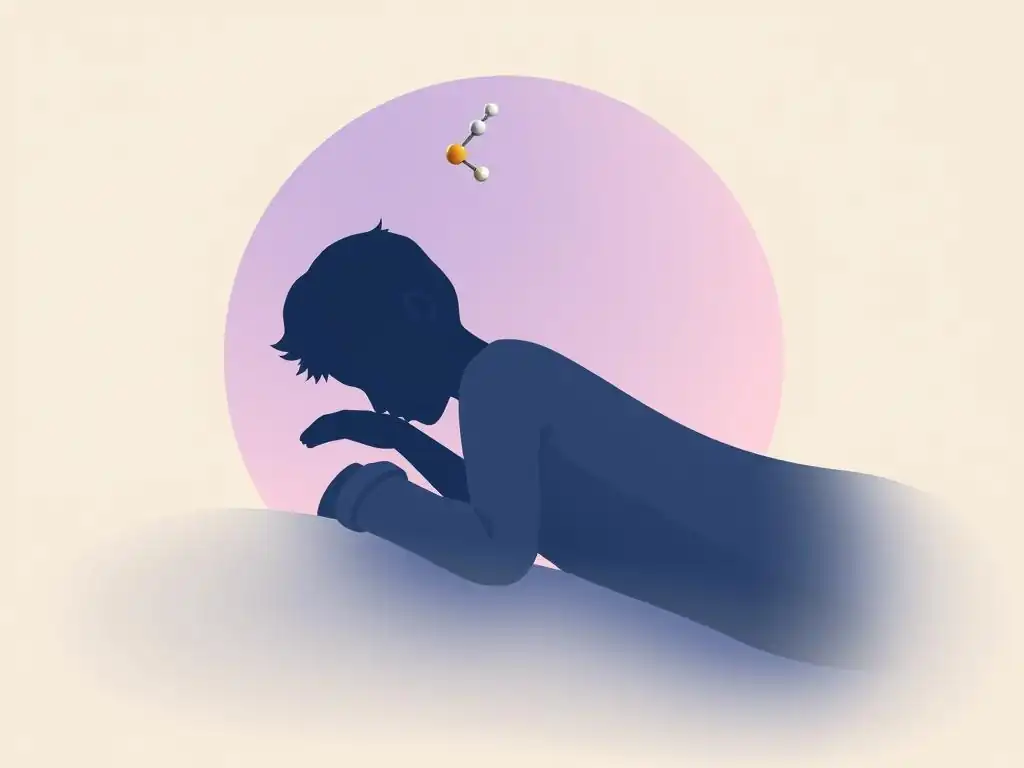
While the exact mechanism is complex and still being researched, one prominent theory links SAD symptoms to a disruption in melatonin regulation caused by reduced light exposure. It's not necessarily a deficiency in the traditional sense, but rather a potential dysregulation or mistiming of melatonin production.
Some studies suggest that individuals with SAD may have a phase delay in their circadian rhythm, meaning their internal clock runs later than the external day-night cycle. This could lead to melatonin being produced later in the evening than it should be, making it difficult to fall asleep at a socially acceptable time, or potentially lingering longer in the morning, contributing to difficulty waking and daytime grogginess.
Another perspective suggests that the pineal gland in individuals with SAD may be less sensitive to light, meaning that even available daylight doesn't suppress melatonin production as effectively as it should. This could result in elevated melatonin levels during the day, leading to lethargy and depression. Regardless of the precise nature of the dysregulation, the connection between altered melatonin patterns and core SAD symptoms like low mood, fatigue, and hypersomnia is a significant area of focus for research and treatment strategies, including those offering SAD melatonin sleep cycle help.
Common Sleep Problems Associated with SAD: Insomnia, Daytime Fatigue
Sleep disturbances are a hallmark symptom of winter-pattern SAD. The most common issues include hypersomnia, which is sleeping significantly more than usual, often 10-12 hours per night, yet still feeling unrefreshed. Despite the increased time in bed, the quality of sleep may be poor. Another frequent complaint is difficulty waking up in the morning, often described as feeling "glued to the bed" or having extreme morning grogginess that persists for hours.
Paradoxically, some individuals with SAD also experience insomnia, characterized by difficulty falling asleep or staying asleep, although this is less common than hypersomnia in the winter pattern. The persistent feeling of daytime fatigue, even after long hours of sleep, is a particularly debilitating symptom. This fatigue can significantly impair daily functioning, productivity, and overall quality of life, highlighting the critical need for effective SAD melatonin sleep cycle help.
Identifying Potential Melatonin Imbalance in Individuals with SAD
Identifying a specific melatonin imbalance in individuals with SAD typically relies on understanding their symptoms and sleep patterns rather than direct measurement, as melatonin levels fluctuate throughout the day and are influenced by many factors. Healthcare providers will often ask detailed questions about sleep habits, including bedtime, wake time, sleep duration, sleep quality, and feelings of daytime sleepiness. They will also inquire about the timing of mood changes and their correlation with the seasons.
Clinical assessment focuses on the characteristic pattern of sleep disturbances in SAD, such as increased sleep duration, difficulty waking, and pervasive daytime fatigue, which are consistent with potential melatonin dysregulation or a phase shift in the circadian rhythm. While laboratory tests to measure melatonin levels exist, they are not standard practice for diagnosing SAD or identifying melatonin imbalance in a clinical setting due to their variability and complexity.
Instead, recognizing the typical symptoms of SAD and its impact on the sleep-wake cycle is the primary way to identify the potential role of melatonin and determine if exploring SAD melatonin sleep cycle help is appropriate.
Melatonin Supplementation for SAD: Benefits and Considerations
Melatonin supplements are sometimes considered as a potential strategy for managing sleep disturbances associated with SAD, particularly problems related to the timing of sleep. The theory is that by taking melatonin at the appropriate time in the evening, it may help to shift the circadian rhythm earlier or strengthen the signal for sleep onset, counteracting the effects of reduced natural light exposure.
Some studies and clinical experiences suggest that low doses of melatonin taken in the late afternoon or early evening may help to promote sleepiness at an earlier time, making it easier for individuals with SAD to fall asleep and wake up closer to a desired schedule.
However, research on the effectiveness of melatonin supplements specifically for treating SAD itself (the mood symptoms) is mixed and less conclusive than for other treatments like light therapy. Its primary potential benefit for SAD sufferers lies in addressing the sleep timing and quality issues. For individuals seeking SAD melatonin sleep cycle help, supplementation might offer some relief from insomnia or help regulate a delayed sleep phase, but it's crucial to understand it's often used as an adjunct therapy rather than a standalone treatment for the depressive symptoms of SAD.
Dosage Guidelines for Melatonin Use in SAD
Dosage guidelines for melatonin supplementation, especially in the context of SAD, are not as standardized as for prescription medications and can vary. Generally, lower doses are often recommended, as taking too much melatonin can potentially disrupt sleep patterns further or lead to daytime grogginess. Doses typically range from 0.5 mg to 3 mg, taken about 30 minutes to an hour before the desired bedtime. Some research suggests that very low doses (e.g., 0.5 mg) might be more effective for circadian rhythm regulation than higher doses, which can lead to higher-than-physiological levels.
The optimal timing of the dose is also critical and depends on the specific sleep problem. For a delayed sleep phase (difficulty falling asleep early enough), taking melatonin in the late afternoon or early evening (e.g., 4-6 PM) might be considered under professional guidance to help advance the sleep phase. For simple insomnia (difficulty falling asleep at the desired time), taking it closer to bedtime is more common. It is essential to start with the lowest effective dose and adjust as needed, always in consultation with a healthcare provider familiar with SAD melatonin sleep cycle help strategies.
Potential Side Effects and Precautions When Taking Melatonin
Melatonin is generally considered safe for short-term use in adults, but like any supplement, it can have potential side effects. Common side effects are usually mild and may include drowsiness, headache, dizziness, or nausea. Less common effects can include temporary feelings of depression, mild tremor, anxiety, abdominal cramps, irritability, and reduced alertness. Since melatonin can cause drowsiness, it's important not to drive or operate machinery within several hours of taking it.
There isn't extensive research on the long-term effects of daily melatonin supplementation. It's also important to note that melatonin can interact with certain medications, including anticoagulants (blood thinners), medications for diabetes, immunosuppressants, and certain antidepressants. Individuals with autoimmune disorders, seizure disorders, or depression should use melatonin with caution and only under the supervision of a healthcare provider.
Pregnant and breastfeeding women are typically advised to avoid melatonin due to a lack of research on its safety in these populations. Always discuss the use of melatonin with a doctor before starting, especially when seeking SAD melatonin sleep cycle help, to ensure it's appropriate and safe for your specific situation.
Optimizing Your Sleep Environment for SAD Relief
Creating a Sleep-Friendly Bedroom for SAD Sufferers
For individuals struggling with SAD and its related sleep issues, creating an optimal sleep environment is a crucial step toward improving sleep quality and regulating the sleep-wake cycle. The bedroom should be dark, quiet, and cool. Darkness is particularly important as even small amounts of light can suppress melatonin production. Using blackout curtains can help block out external light, especially during the early morning hours when the body should ideally be transitioning towards wakefulness.
Minimizing noise disruptions and maintaining a cool temperature (typically between 60-67°F or 15-19°C) can also facilitate falling asleep and staying asleep. Remove electronic devices that emit blue light (phones, tablets, computers) from the bedroom, as blue light is particularly effective at inhibiting melatonin and disrupting the circadian rhythm. A clutter-free and calming environment can also contribute to a relaxed state conducive to sleep. Implementing these environmental changes is a foundational element of seeking effective SAD melatonin sleep cycle help.
The Importance of a Consistent Sleep Schedule for Regulating Melatonin
Maintaining a consistent sleep schedule is one of the most powerful tools for regulating your body's natural circadian rhythm and optimizing melatonin production. Going to bed and waking up at roughly the same time every day, including on weekends, helps to set your internal clock. This consistency reinforces the natural rise and fall of melatonin levels, making it easier to feel sleepy when it's time for bed and wake up feeling refreshed in the morning.
In contrast, an erratic sleep schedule can confuse the body's internal clock, leading to difficulties falling asleep, fragmented sleep, and daytime fatigue – issues particularly relevant to SAD. Even if you feel the urge to oversleep during winter months due to SAD symptoms, try to limit weekend sleep-ins to no more than an hour or two beyond your weekday wake-up time. A consistent schedule provides a stable framework for your body's natural rhythms, significantly contributing to effective SAD melatonin sleep cycle help.
Combining Melatonin with Other SAD Treatments: Light Therapy, Psychotherapy
Melatonin supplementation is often most effective for SAD-related sleep issues when used as part of a comprehensive treatment plan that addresses both sleep and mood symptoms. Light therapy is a first-line treatment for SAD, involving daily exposure to a special light box that mimics natural outdoor light.
Using a light box for 20-30 minutes each morning shortly after waking can help reset the circadian rhythm and suppress melatonin production during the day, counteracting the effects of reduced winter sunlight. Combining light therapy with melatonin (taken in the evening or late afternoon if needed for timing) can offer more complete SAD melatonin sleep cycle help by addressing both light exposure and hormonal signaling.
Psychotherapy, particularly Cognitive Behavioral Therapy for SAD (CBT-SAD), is another effective treatment. CBT-SAD helps individuals identify and change negative thought patterns and behaviors associated with SAD, including those related to sleep. It can involve strategies for improving sleep hygiene and managing the emotional impact of sleep disruption. Combining melatonin with light therapy and psychotherapy creates a multi-faceted approach that addresses the biological, behavioral, and psychological components of SAD and its impact on sleep, offering more robust SAD melatonin sleep cycle help.
Beyond Melatonin: Holistic Approaches to Managing SAD and Sleep

Light Therapy: A Complementary Treatment for SAD
Light therapy, also known as phototherapy, is one of the most well-established and effective treatments for winter-pattern SAD. It involves sitting near a special light box that emits a bright light (typically 10,000 lux) for a set period each day, usually in the morning. This exposure to bright light helps to regulate the body's internal clock and can influence brain chemicals linked to mood, such as serotonin. Many individuals with SAD find that using a light box within the first hour of waking up significantly improves their mood and energy levels within a few weeks.
The mechanism is thought to involve the light reaching the retina and signaling the brain to adjust the circadian rhythm and potentially regulate neurotransmitter levels. A typical session might last 20-30 minutes. While light therapy directly addresses the light deficiency aspect of SAD, its impact on the circadian rhythm also indirectly supports healthy melatonin regulation. For comprehensive SAD melatonin sleep cycle help, combining light therapy with strategies to support melatonin timing is often recommended.
Cognitive Behavioral Therapy (CBT) for Insomnia and SAD
Cognitive Behavioral Therapy (CBT) is a highly effective form of psychotherapy that is often adapted for specific conditions. CBT for Insomnia (CBT-I) is considered a gold standard treatment for chronic sleep problems and can be particularly helpful for individuals with SAD who experience insomnia or difficulty maintaining sleep quality. CBT-I focuses on identifying and changing thoughts and behaviors that interfere with sleep. This might include challenging unhelpful beliefs about sleep, establishing consistent sleep patterns, creating a relaxing bedtime routine, and implementing strategies like sleep restriction or stimulus control to improve sleep efficiency.
Furthermore, a specialized form called CBT for SAD (CBT-SAD) specifically addresses the cognitive and behavioral patterns associated with seasonal depression. It helps individuals develop coping strategies for winter months, challenge negative thoughts about the season or their symptoms, and plan engaging activities to counteract social withdrawal. By addressing both the sleep-specific issues and the broader depressive symptoms, CBT offers a holistic approach that complements potential SAD melatonin sleep cycle help strategies.
Lifestyle Changes to Improve Sleep and Mood During Winter Months: Regular Exercise, Balanced Diet
Beyond specific treatments like light therapy or potential SAD melatonin sleep cycle help, adopting healthy lifestyle habits is fundamental to managing SAD and improving sleep during winter. Regular physical activity, even moderate exercise like brisk walking for 30 minutes most days of the week, can significantly boost mood and improve sleep quality. Exercise helps regulate the sleep-wake cycle and can reduce stress and anxiety, which often contribute to sleep problems. Aiming for outdoor exercise during daylight hours can provide the added benefit of natural light exposure.
A balanced diet rich in fruits, vegetables, whole grains, and lean protein provides the nutrients needed for overall brain health and energy regulation. Limiting caffeine and alcohol, especially in the hours before bedtime, is also crucial as these substances can disrupt sleep. Ensuring adequate intake of Vitamin D, which can be lower in winter due to reduced sunlight, may also play a role in mood regulation. These lifestyle adjustments provide a supportive foundation for other SAD and sleep treatments.
When to Seek Professional Help for SAD and Sleep Issues
Recognizing the Signs That You Need Professional Support
It's important to recognize when SAD symptoms and associated sleep problems require professional attention. If your symptoms are significantly impacting your daily life – affecting your work or school performance, relationships, or ability to engage in activities you normally enjoy – it's time to consult a healthcare provider. Severe symptoms like persistent feelings of hopelessness, thoughts of self-harm, or an inability to manage daily tasks are clear indicators that professional help is needed immediately.
Even if symptoms are less severe but have persisted for more than a couple of weeks or recur every winter, seeking professional guidance is advisable. A doctor or mental health professional can provide an accurate diagnosis, rule out other potential causes for your symptoms (like thyroid issues or other forms of depression), and develop an appropriate treatment plan. Don't hesitate to reach out if you feel overwhelmed or unable to cope with the challenges of SAD and its impact on your sleep. Getting professional SAD melatonin sleep cycle help can make a significant difference.
Finding a Healthcare Provider Specializing in SAD and Sleep Disorders
Finding the right healthcare provider is crucial for effective management of SAD and related sleep issues. Start with your primary care physician, who can perform an initial assessment and refer you to specialists if needed. For SAD, you might benefit from seeing a psychiatrist, psychologist, or other mental health professional experienced in treating mood disorders. Look for practitioners who mention experience with SAD or seasonal depression.
For sleep problems, a sleep specialist (often a neurologist, pulmonologist, or psychiatrist with specialized training) or a sleep psychologist (a psychologist specializing in behavioral sleep medicine like CBT-I) can provide targeted help. Some clinics specialize in both mood and sleep disorders. When searching for SAD melatonin sleep cycle help, consider providers who are knowledgeable about the interplay between light, circadian rhythms, melatonin, and mood. Don't be afraid to ask potential providers about their experience with SAD and sleep disturbances.
Discussing Melatonin and Other Treatment Options with Your Doctor
Once you have found a healthcare provider, have an open and detailed discussion about your symptoms, including your mood changes and specific sleep problems. Describe when your symptoms typically start and end each year and how they affect your daily life. Be specific about your sleep patterns – when you go to bed, when you wake up, how long you sleep, and how you feel during the day.
Discuss any strategies you've already tried, such as lifestyle changes or over-the-counter supplements like melatonin. Ask your doctor about the full range of evidence-based treatments for SAD, including light therapy, psychotherapy (like CBT-SAD), and prescription medications if necessary. If you are interested in trying melatonin, discuss the potential benefits, appropriate dosage, timing, potential side effects, and interactions with any other medications you are taking. Your doctor can help you determine if melatonin is a suitable part of your SAD melatonin sleep cycle help plan and how to use it safely and effectively alongside other therapies.
Conclusion: Reclaiming Your Sleep and Well-being with Melatonin and Comprehensive SAD Care
Seasonal Affective Disorder can significantly disrupt sleep patterns, often leading to hypersomnia, difficulty waking, and persistent daytime fatigue, symptoms closely linked to the impact of reduced winter light on the body's melatonin production and circadian rhythm. Understanding the role of melatonin as the key regulator of the sleep-wake cycle is a vital step for anyone seeking SAD melatonin sleep cycle help. While melatonin supplements may offer targeted support for sleep timing issues in SAD, they are most effective when integrated into a broader treatment strategy.
Reclaiming your sleep and overall well-being during the winter months involves a comprehensive approach. This includes leveraging the power of light therapy to reset your internal clock, implementing cognitive behavioral therapy to address negative thought patterns and behaviors related to SAD and sleep, and adopting healthy lifestyle habits like consistent exercise and a balanced diet.
By addressing the interplay between light, melatonin, circadian rhythms, and mood through these combined strategies, individuals with SAD can significantly improve their sleep quality, reduce fatigue, and alleviate depressive symptoms. Remember that seeking professional guidance is crucial to develop a personalized plan for SAD melatonin sleep cycle help that is safe and effective for your specific needs.
Frequently Asked Questions
What is SAD and how does it relate to the sleep-wake cycle?
SAD, or Seasonal Affective Disorder, is a type of depression linked to changes in the seasons. It often disrupts the natural sleep-wake cycle, leading to fatigue and other symptoms.
How does melatonin impact the sleep-wake cycle, especially in individuals with SAD?
Melatonin is a hormone that helps regulate the sleep-wake cycle. In individuals with SAD, melatonin production can be disrupted, leading to difficulties falling and staying asleep, which supplemental melatonin may help.
Can melatonin supplements completely cure SAD, or are they just a supportive treatment?
Melatonin supplements are generally considered a supportive treatment for SAD. They can help regulate the sleep cycle, but are often used in conjunction with other therapies, such as light therapy.
What is the optimal dosage of melatonin for individuals with SAD seeking to improve their sleep?
The optimal dosage of melatonin varies, but typically ranges from 0.3mg to 5mg, taken a few hours before bedtime. It's crucial to consult with a healthcare professional to determine the right dose for your specific needs.
What are some potential side effects or risks associated with using melatonin supplements for SAD?
Common side effects of melatonin can include drowsiness, dizziness, headaches, and nausea. While generally safe, it's important to be aware of potential interactions with other medications and to consult your doctor before use.
Final Reflection: Reclaiming the Light Within: Melatonin and the Winter Blues
The struggle with Seasonal Affective Disorder (SAD) is far from a niche concern; it's a pervasive challenge impacting millions, silently stealing joy and disrupting lives during the darker months. The information presented in this article highlights the crucial role melatonin plays in regulating our sleep-wake cycle and how its disruption contributes significantly to the symptoms of SAD. Understanding this connection empowers us to take proactive steps towards reclaiming our well-being.
The impact of SAD extends far beyond simple fatigue; it touches upon our emotional, mental, and even social lives. The pervasive darkness and shortened daylight hours can feel overwhelming, leading to feelings of isolation and hopelessness. This is why exploring natural solutions like optimizing melatonin production and leveraging light therapy is so crucial. As the poet Mary Oliver wisely wrote, Tell me, what is it you plan to do with your one wild and precious life?
Addressing SAD directly allows us to answer this question with more energy and enthusiasm, embracing the preciousness of each day.
Now, consider your own relationship with sleep and light. Are you experiencing symptoms of SAD? This article has provided you with tools to understand the science behind your experience and to explore potential solutions. Take the time to reflect on your sleep patterns, your exposure to sunlight, and your overall well-being. Don't hesitate to consult with a healthcare professional for personalized advice and support. Remember, reclaiming your sleep-wake cycle is a journey towards reclaiming your life, filled with the vibrant energy of a balanced and healthy you.
Rediscover Your Inner Sunshine: Take Charge of Your Sleep
Thanks for taking the time to learn about melatonin and its role in Seasonal Affective Disorder. We hope you gained valuable insights into improving your sleep-wake cycle and boosting your mood. Now, let's put that knowledge into action!
- Prioritize a consistent sleep schedule: This is the single most impactful step you can take to regulate your melatonin production and combat SAD. Aim for 7-9 hours of sleep each night, going to bed and waking up around the same time, even on weekends.
- Share your experiences: Connect with others in our community and share your journey managing SAD. Your insights might help someone else!
- Try a relaxing bedtime routine: Experiment with techniques like meditation, journaling, or a warm bath to promote relaxation and prepare your body for sleep.
What small change will you make today to prioritize your sleep and boost your overall well-being?