
Mindfulness and Meditation: Calming the Rapid Cycling Mind


Welcome to Mind Care Guide, a sanctuary for your mental well-being.
Feeling overwhelmed by the relentless shifts of rapid cycling mood? You're not alone. We understand the unique challenges you face. In this article, we delve into mindfulness for rapid cycling mood, exploring how this powerful practice can offer a sense of grounding and stability amidst the storm. Discover practical techniques and compassionate guidance to navigate the complexities of your experience and begin your journey towards inner peace. What if you could find a moment of calm, even amidst the chaos? Let's explore the possibilities together...
Mindfulness and Meditation: Calming the Rapid Cycling Mind
Rapid cycling bipolar disorder presents unique challenges, characterized by frequent shifts in mood that can occur within days, weeks, or even hours. These intense fluctuations between manic/hypomanic and depressive states can be profoundly disruptive, impacting daily life, relationships, and overall stability. Managing these rapid shifts requires a comprehensive approach, and many individuals are exploring complementary strategies alongside traditional treatments. This is where mindfulness and meditation offer promising avenues for cultivating inner calm and navigating the turbulent waters of rapid cycling mood.
Understanding the nature of these frequent mood swings and their impact is the first step toward finding effective management techniques. The intensity and unpredictability of rapid cycling can lead to significant distress, making it difficult to maintain routines, make consistent decisions, or feel a sense of control over one's emotional landscape. Exploring practices that foster present moment awareness and emotional regulation can empower individuals to better understand their internal states and respond with greater resilience.
- Understanding Rapid Cycling Bipolar Disorder and the Need for Mindfulness
- The Science Behind Mindfulness for Rapid Cycling Mood
- Mindfulness Techniques for Managing Rapid Cycling Mood Swings
- Practical Meditation Techniques for Rapid Cycling
- Integrating Mindfulness into Daily Life with Rapid Cycling
- Overcoming Challenges in Practicing Mindfulness with Rapid Cycling
- Other Complementary Therapies to Mindfulness for Rapid Cycling
- Long-Term Benefits of Mindfulness and Meditation for Rapid Cycling
- Resources for Mindfulness and Meditation for Bipolar Disorder
-
Frequently Asked Questions
- What is rapid cycling mood and how does it relate to bipolar disorder?
- How can mindfulness and meditation help with rapid cycling mood?
- What specific mindfulness techniques are most effective for managing rapid cycling mood?
- How often should someone practice mindfulness and meditation to see benefits for rapid cycling mood?
- Are there any potential risks or limitations to using mindfulness for rapid cycling mood?
- Final Reflection: Finding Stillness in the Storm
- Unleash Your Inner Calm: Start Your Mindfulness Journey Today
Understanding Rapid Cycling Bipolar Disorder and the Need for Mindfulness
Rapid cycling bipolar disorder is a distinct pattern within bipolar disorder characterized by four or more mood episodes (major depressive, hypomanic, manic, or mixed) within a 12-month period. Unlike slower cycling patterns, these frequent shifts can make the condition particularly challenging to manage, often leading to greater functional impairment and a higher likelihood of treatment resistance in some cases. The constant transition between emotional extremes can be exhausting and disorienting, making it hard to find a baseline state of emotional equilibrium.
The diagnostic criteria specify that the mood episodes must be distinct periods, clearly demarcated from each other, though they can occur back-to-back or separated by periods of euthymia (stable mood) or phases of opposite polarity. This rapid oscillation is often associated with a less favorable prognosis compared to non-rapid cycling bipolar disorder, highlighting the need for multifaceted treatment strategies that address not only the symptoms but also the underlying emotional reactivity and stress vulnerability.
Defining Rapid Cycling: A Deeper Look at Mood Swings
Rapid cycling is defined by the frequency of mood episodes, specifically four or more in a year. However, for some individuals, these cycles can be ultra-rapid (within days) or even ultra-ultra-rapid (within hours). This means someone might experience a full manic or hypomanic episode followed quickly by a depressive episode, repeating this pattern multiple times within a relatively short period. The speed and intensity of these shifts are what differentiate rapid cycling from other forms of bipolar disorder.
The experience of rapid cycling can feel like being on an emotional roller coaster with steep drops and sudden climbs. During a hypomanic or manic phase, energy is high, sleep needs decrease, and impulsivity may increase. This can be followed abruptly by a depressive phase characterized by low energy, sadness, loss of interest, and difficulty concentrating. Managing rapid cycling with mindfulness aims to help individuals observe these shifts without being completely swept away by them, fostering a sense of agency even amidst the instability.
The Impact of Rapid Cycling on Mental Wellbeing
The relentless nature of rapid cycling takes a significant toll on mental wellbeing. The unpredictability of mood swings can lead to high levels of anxiety and stress, as individuals may constantly anticipate the next shift. This chronic stress can exacerbate symptoms and make it difficult to maintain stable relationships, employment, and social connections. The emotional exhaustion from constantly adapting to extreme mood states can also contribute to feelings of hopelessness and isolation.
Furthermore, the cognitive effects of rapid cycling, such as difficulty with executive functions, memory, and concentration during mood episodes, can persist even during periods of relative stability. This cognitive burden, combined with the emotional volatility, underscores the profound impact rapid cycling has on overall mental health and quality of life. Finding tools like mindfulness for rapid cycling mood can provide much-needed anchors in this challenging experience.
Why Mindfulness and Meditation Can Help Manage Rapid Cycling
Mindfulness and meditation offer valuable skills for individuals navigating rapid cycling. At its core, mindfulness is the practice of paying attention to the present moment without judgment. For someone experiencing rapid, intense mood swings, this practice can help create a space between the feeling and the reaction. Instead of being instantly consumed by a shift into depression or hypomania, mindfulness allows for observation: "Ah, this is a wave of sadness," or "Here is the rising energy of hypomania."
Meditation, often a vehicle for cultivating mindfulness, helps train the mind to focus and remain present. Regular practice can strengthen neural pathways associated with emotional regulation and self-awareness. While mindfulness and meditation are not a cure for rapid cycling, they serve as powerful complementary tools that can enhance resilience, reduce reactivity to mood shifts, and improve overall emotional balance. Learning mindfulness for rapid cycling mood provides practical strategies for navigating internal experiences with greater calm.
The Science Behind Mindfulness for Rapid Cycling Mood
The growing body of research on mindfulness and its effects on the brain and mental health provides a scientific basis for its potential benefits in managing conditions like rapid cycling bipolar disorder. Studies have shown that regular mindfulness practice can lead to measurable changes in brain structure and function, particularly in areas related to emotional regulation, self-awareness, and stress response. Understanding these mechanisms helps explain why mindfulness for rapid cycling mood can be an effective part of a management plan.
Neuroimaging studies, for instance, have demonstrated increased activity in the prefrontal cortex, an area crucial for executive function and emotional control, among experienced meditators. Simultaneously, there is often reduced activity in the amygdala, the brain's primary fear and stress response center. These changes suggest that mindfulness can help individuals develop a greater capacity to regulate their emotional responses and experience less intense reactions to stressors, including internal mood shifts.
How Mindfulness Impacts Brain Activity and Mood Regulation
Mindfulness practice has been linked to neuroplasticity, the brain's ability to reorganize itself by forming new neural connections. Regular meditation can strengthen connections between the prefrontal cortex and the limbic system, which includes the amygdala and hippocampus (involved in memory and emotion). This enhanced connectivity allows the prefrontal cortex to exert greater top-down control over emotional reactions generated in the limbic system.
For someone with rapid cycling, this means developing a greater ability to observe intense emotions without being overwhelmed by them. Instead of immediately acting on impulsive urges during hypomania or sinking completely into despair during depression, mindfulness helps create a pause. This pause allows for a more considered response, enabling the individual to utilize coping strategies learned in therapy or through their mindfulness practice. The shift towards reduced amygdala reactivity also contributes to lower overall stress levels, which can be a significant trigger for mood episodes in rapid cycling.
Research Supporting Mindfulness for Bipolar Disorder
While specific research on mindfulness exclusively for rapid cycling bipolar disorder is still developing, studies on mindfulness-based interventions for bipolar disorder in general show promising results that are highly relevant. For example, Mindfulness-Based Cognitive Therapy (MBCT), which integrates mindfulness meditation with principles of Cognitive Behavioral Therapy (CBT), has been studied for its effectiveness in preventing relapse in depression, including in individuals with bipolar disorder.
Although results can vary, some studies indicate that participants engaging in MBCT show reduced rates of depressive relapse and improved mood stability over time compared to control groups. While these studies often include mixed samples of bipolar patients (some rapid cyclers, some not), the findings suggest that the core skills taught in mindfulness – such as non-judgmental awareness of thoughts and feelings – are beneficial for managing the emotional and cognitive challenges inherent in bipolar disorder, including the volatility of rapid cycling. Further research is needed to specifically isolate the effects of mindfulness on rapid cycling patterns themselves.
The Role of Meditation in Reducing Mood Instability
Meditation, as a practice that cultivates mindfulness, directly addresses the challenge of mood instability by training the mind to be less reactive. Different forms of meditation, such as focused attention or open monitoring, help individuals become more aware of their internal states – thoughts, feelings, and bodily sensations – as they arise and pass. This awareness, practiced repeatedly, reduces the tendency to identify completely with every passing mood state.
By observing mood swings from a detached perspective, individuals can learn that a depressive state is not a permanent identity, but a temporary experience. Similarly, the intense energy of hypomania can be observed without necessarily leading to impulsive behavior. Regular meditation builds the mental muscle required to navigate these shifts with greater equanimity, potentially reducing the intensity and duration of episodes or at least improving the ability to cope with them when they occur. This makes meditation a core component of leveraging mindfulness for rapid cycling mood management.
Mindfulness Techniques for Managing Rapid Cycling Mood Swings
Applying mindfulness principles through specific techniques provides practical ways to navigate the challenges of rapid cycling mood swings in the moment. These techniques are not about stopping the mood swings, but about changing your relationship with them. By practicing these regularly, you build a toolkit to access when you feel a shift occurring or are in the midst of an intense mood state.
The key is consistency in practice, even outside of episodes. Building these skills during periods of relative stability makes them more accessible and effective when mood swings are active. Integrating various techniques allows for flexibility, enabling you to choose the practice that feels most helpful and accessible in a given moment, whether you are feeling overwhelmed by sadness or energized by hypomania.
Deep Breathing Exercises for Immediate Calm
Deep breathing is perhaps the most accessible and immediate mindfulness technique for managing intense mood states. When anxiety or intense emotion arises, the breath often becomes shallow and rapid. Consciously slowing down and deepening the breath can activate the parasympathetic nervous system, promoting relaxation and reducing the physiological stress response.
A simple deep breathing exercise involves inhaling slowly through the nose, filling the belly with air, holding for a moment, and exhaling slowly through the mouth, perhaps counting to four on the inhale and six on the exhale. Practicing this for just a few minutes can help ground you in the present moment and create a sense of calm amidst emotional turbulence. This immediate tool is invaluable when navigating rapid cycling mood shifts.
Body Scan Meditation for Increased Awareness
The body scan meditation is a foundational mindfulness practice that involves systematically bringing attention to different parts of the body, noticing sensations without judgment. For someone with rapid cycling, this practice can help increase awareness of physical cues associated with mood shifts – perhaps a tightness in the chest during depression or restless energy during hypomania.
By tuning into the body, you can develop a deeper understanding of how mood manifests physically. This heightened self-awareness can act as an early warning system, alerting you to an impending mood swing before it becomes overwhelming. Practicing body scan meditation regularly, even for 10-15 minutes daily, helps cultivate this connection between mind and body, which is essential for applying mindfulness for rapid cycling mood management effectively.
Mindful Walking: Connecting with the Present Moment
Mindful walking integrates mindfulness into a physical activity, making it accessible throughout the day. Instead of rushing from one place to another, mindful walking involves paying deliberate attention to the sensations of walking: the feeling of your feet on the ground, the movement of your legs, the swing of your arms, and the sights and sounds around you.
This practice helps anchor you in the present moment, diverting attention away from ruminative thoughts or the internal chaos of a mood swing. It can be particularly helpful during periods of restless energy in hypomania, providing a structured way to expend energy while staying grounded. Even a short 5-minute mindful walk can shift your state and bring a sense of presence, supporting the application of mindfulness for rapid cycling mood.
Loving-Kindness Meditation: Cultivating Self-Compassion
Loving-kindness meditation, or Metta meditation, involves directing warm, compassionate thoughts towards oneself and others. For individuals managing rapid cycling, who may experience significant self-criticism or shame related to their mood swings, cultivating self-compassion is crucial. This practice typically involves silently repeating phrases like "May I be happy," "May I be healthy," "May I be safe," and "May I be free from suffering."
Extending these phrases first to oneself, then to loved ones, neutral people, difficult people, and finally all beings, helps foster feelings of warmth and connection. This practice can counteract the harsh self-judgment that often accompanies mental health challenges and build resilience. Embracing self-compassion through loving-kindness meditation is a powerful aspect of using mindfulness for rapid cycling mood, promoting acceptance and inner peace.
Practical Meditation Techniques for Rapid Cycling

Beyond specific mindfulness exercises, establishing a regular meditation practice is key to reaping the long-term benefits for rapid cycling mood. This involves setting aside dedicated time, finding comfortable positions, and exploring different types of meditation that resonate with you. Consistency is more important than duration; even short, daily sessions can make a difference.
Integrating meditation into your routine helps train your mind to be more present and less reactive over time. It provides a consistent touchstone for self-awareness amidst the unpredictability of mood swings. Practical approaches, such as using guided meditations or incorporating meditation into existing habits, can make the practice more sustainable and accessible.
Guided Meditation for Mood Regulation: A Step-by-Step Guide
Guided meditations can be particularly helpful for beginners or when finding focus is difficult, which is often the case during mood swings. These meditations involve following the voice of an instructor who guides you through the process, whether it's focusing on the breath, body sensations, or specific themes like calming anxiety or cultivating acceptance.
To start a guided meditation:
- Find a quiet, comfortable space where you won't be disturbed.
- Choose a comfortable posture, whether sitting, lying down, or even standing.
- Select a guided meditation recording (available through apps, websites, or videos).
- Close your eyes or soften your gaze.
- Follow the instructions of the guide, bringing your attention back gently whenever your mind wanders.
- Practice non-judgment towards distractions or difficult emotions that arise.
- Finish the meditation gently, taking a moment before returning to your day.
This structured approach can help build the habit and make the practice of mindfulness for rapid cycling mood feel less daunting.
Creating a Daily Mindfulness Practice
Establishing a daily mindfulness practice doesn't necessarily mean hours of formal meditation. It's about integrating moments of mindfulness throughout your day. This could involve:
- Starting the day with 5-10 minutes of seated meditation.
- Practicing mindful eating during one meal.
- Taking a mindful break during work to focus on your breath.
- Engaging in mindful walking during your commute or a short walk.
- Doing a body scan before bed.
The goal is to build consistency and make mindfulness a natural part of your routine. Even two short periods of 5 minutes each day can begin to shift your relationship with your internal experiences and support the use of mindfulness for rapid cycling mood management. Find times that work best for you and start small, gradually increasing the duration as you feel comfortable.
Using Meditation Apps for Rapid Cycling Support
Meditation apps have become a popular and convenient way to access guided meditations and build a regular practice. Many apps offer specific programs or meditations tailored to different needs, such as managing stress, anxiety, or improving sleep – all relevant challenges for individuals with rapid cycling.
Apps often provide guided meditations of varying lengths, allowing you to choose a practice that fits your available time, whether it's a 3-minute emergency calm session or a 20-minute deeper dive. Some apps also offer tracking features to help you monitor your practice consistency. While not a substitute for professional help, these apps can be valuable tools for integrating mindfulness for rapid cycling mood into your daily life, providing accessible support whenever needed.
Integrating Mindfulness into Daily Life with Rapid Cycling
Beyond formal meditation sessions, the true power of mindfulness lies in integrating its principles into your daily activities and interactions. This means bringing a sense of present moment awareness and non-judgment to everyday experiences, including navigating triggers, communicating with others, and managing stress. This ongoing application of mindfulness for rapid cycling mood is where its transformative potential really shines.
Integrating mindfulness helps you become more attuned to your internal and external environment, enabling you to respond more skillfully to the challenges that rapid cycling presents. It's about cultivating a mindful attitude that permeates your day, rather than just being a practice done on a cushion.
Identifying Triggers and Applying Mindfulness Techniques
Identifying triggers is a crucial part of managing rapid cycling. These can be external events (like stress at work, relationship conflicts, changes in routine) or internal states (like lack of sleep, specific thought patterns, or physical sensations). Mindfulness helps you become more aware of these triggers as they arise. By paying attention to your thoughts, feelings, and bodily sensations without judgment, you can begin to recognize the patterns that often precede a mood shift.
Once a trigger is identified, mindfulness techniques can be applied proactively or reactively. If you notice a familiar trigger, you can consciously engage in deep breathing, a short body scan, or a mindful walk to help regulate your state. If you are already experiencing a mood swing, these techniques can help you navigate the intensity with greater presence and less reactivity, supporting the ongoing use of mindfulness for rapid cycling mood management.
Mindful Communication and Relationships
Rapid cycling can strain relationships due to the unpredictable nature of mood swings. Mindful communication involves listening attentively, speaking with intention, and being present during interactions. When you are mindful in communication, you are less likely to react impulsively out of anger, irritability, or grandiosity during hypomanic phases, or withdraw completely during depressive phases.
Practicing mindfulness in relationships means paying attention to your own emotional state during conversations and recognizing how it might be influencing your words and actions. It also involves paying genuine attention to the other person, fostering empathy and understanding. This mindful approach can help navigate conflicts more constructively and strengthen connections, providing vital social support when managing rapid cycling with mindfulness.
Stress Reduction Strategies Using Mindfulness
Stress is a well-known trigger for mood episodes in bipolar disorder, including rapid cycling. Mindfulness-based stress reduction (MBSR) programs have demonstrated effectiveness in reducing stress levels by teaching participants how to relate differently to stressful experiences. The core principle is to observe stress without being consumed by it.
Mindfulness techniques like mindful breathing, body scans, and mindful movement (such as gentle yoga) help calm the nervous system and build resilience to stress. By regularly practicing mindfulness for rapid cycling mood, individuals can lower their baseline stress levels and improve their capacity to cope with acute stressors when they arise, potentially reducing the frequency or severity of triggered mood swings.
Overcoming Challenges in Practicing Mindfulness with Rapid Cycling
While mindfulness offers significant benefits, practicing it consistently, especially during the intensity of rapid cycling mood swings, can be challenging. Periods of depression may bring low energy and lack of motivation, while hypomania can lead to restlessness and difficulty sitting still. It's important to acknowledge these difficulties with self-compassion and adapt the practice rather than abandoning it.
Recognizing that your ability to practice will vary depending on your current mood state is key. Some days, a formal 20-minute sit might be impossible; other days, it might feel grounding. The goal is not perfection, but persistent effort and flexibility. Finding ways to adapt practices and seeking support when needed are crucial for maintaining mindfulness for rapid cycling mood management.
Addressing Frustration and Impatience
It's common to feel frustrated or impatient when starting mindfulness, particularly if the mind feels restless or if you expect immediate dramatic results. For someone with rapid cycling, the internal turbulence can make sitting quietly feel unbearable at times. It's important to view these feelings as part of the practice itself – simply notice the frustration without judging it.
Remember that mindfulness is a skill that develops over time with practice. There will be days when your mind is racing or your body is restless. On these days, perhaps try a shorter practice, a walking meditation, or simply bringing mindful awareness to a simple activity like washing dishes. Acknowledging the difficulty with kindness, rather than self-criticism, is essential for sustaining your commitment to mindfulness for rapid cycling mood.
Adapting Mindfulness Practices to Your Needs
Flexibility is paramount when practicing mindfulness with rapid cycling. During a depressive phase, finding the energy for a formal sit might be difficult. In this case, perhaps a few minutes of mindful breathing while lying in bed is more accessible. During a hypomanic phase, sitting still might be challenging; a mindful walk or mindful movement practice could be more suitable.
Listen to your body and mind, and adjust the practice accordingly. There is no single "right" way to practice. Experiment with different techniques, durations, and times of day to find what works best for you in your current state. The most effective mindfulness for rapid cycling mood is the practice that you can actually do, consistently, even if it's just for a few minutes.
Seeking Professional Guidance for Mindfulness and Rapid Cycling
While many resources are available for learning mindfulness, seeking guidance from a qualified professional is highly recommended, especially when managing a complex condition like rapid cycling bipolar disorder. A therapist or counselor trained in mindfulness-based approaches (like MBCT or MBSR) can provide personalized guidance, help you navigate challenges specific to your experience with rapid cycling, and ensure the practice is integrated safely and effectively into your overall treatment plan.
They can also help you distinguish between typical challenges in mindfulness practice and symptoms of a mood episode, ensuring that mindfulness is supporting, not hindering, your stability. Professional support ensures that your journey with mindfulness for rapid cycling mood is guided by expertise and tailored to your individual needs.
Other Complementary Therapies to Mindfulness for Rapid Cycling
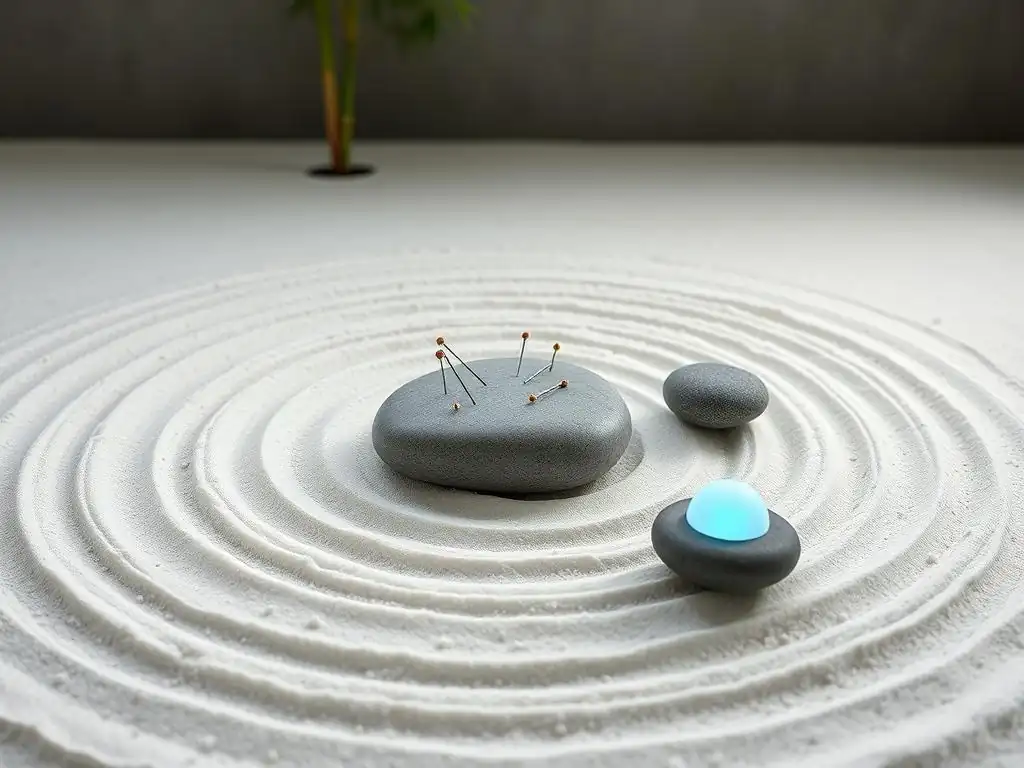
Mindfulness and meditation are powerful tools, but they are most effective when integrated into a comprehensive treatment plan for rapid cycling bipolar disorder. This often includes medication, psychotherapy, and lifestyle adjustments. Understanding how mindfulness complements other evidence-based therapies can help you build a robust strategy for managing your condition.
Combining mindfulness with other therapeutic modalities can create a synergistic effect, addressing the multifaceted nature of rapid cycling. Therapies like CBT and DBT offer structured approaches to changing thought patterns and behaviors, while mindfulness enhances the ability to observe these patterns and emotions with greater awareness.
Cognitive Behavioral Therapy (CBT) and Mindfulness
Cognitive Behavioral Therapy (CBT) helps individuals identify and challenge negative or unhelpful thought patterns and behaviors that contribute to mood instability. Mindfulness complements CBT by enhancing the ability to notice these thoughts and feelings as they arise in the moment, without immediately reacting to them.
For example, CBT might help you identify the thought "I am a failure" during a depressive episode. Mindfulness helps you observe that thought as just a thought, rather than an absolute truth, creating space to apply CBT techniques to challenge its validity. This integration allows for both the intellectual understanding provided by CBT and the experiential awareness cultivated by mindfulness for rapid cycling mood.
Dialectical Behavior Therapy (DBT) and Mindfulness Integration
Dialectical Behavior Therapy (DBT) is an intensive therapy that focuses on teaching skills in four key areas: mindfulness, distress tolerance, emotion regulation, and interpersonal effectiveness. Mindfulness is a core component of DBT, serving as the foundation for the other skills. DBT's emphasis on radical acceptance, which involves accepting reality as it is without judgment, aligns closely with mindfulness principles.
DBT skills are particularly relevant for managing the intense emotional dysregulation often experienced in rapid cycling. By integrating mindfulness into DBT, individuals learn to stay present and tolerate difficult emotions without resorting to destructive coping mechanisms. This combined approach provides a structured framework for applying mindfulness for rapid cycling mood in the context of intense emotional states.
The Role of Medication in Conjunction with Mindfulness
For most individuals with rapid cycling bipolar disorder, medication (such as mood stabilizers, antipsychotics, or antidepressants, often in combination) is a foundational element of treatment. Mindfulness and meditation are complementary therapies and should not be used as a substitute for prescribed medication unless explicitly advised by a qualified healthcare provider.
Medication helps stabilize mood episodes and reduce their frequency and severity, creating a more stable baseline upon which mindfulness practices can be built. Mindfulness can then enhance the effectiveness of medication by improving self-awareness (helping individuals notice subtle shifts and adhere to treatment plans) and reducing stress, which can interfere with medication efficacy. Working closely with your psychiatrist or doctor to integrate mindfulness for rapid cycling mood alongside medication is essential for optimal outcomes.
Long-Term Benefits of Mindfulness and Meditation for Rapid Cycling
Committing to a consistent practice of mindfulness and meditation offers significant long-term benefits for individuals managing rapid cycling bipolar disorder. These benefits extend beyond simply coping with mood swings; they contribute to improved overall wellbeing, resilience, and a greater sense of control over one's life. The ongoing practice of mindfulness for rapid cycling mood management builds lasting internal resources.
Over time, mindfulness can fundamentally change your relationship with your internal experiences, fostering acceptance and reducing the tendency to be swept away by intense emotions. It cultivates a deeper understanding of yourself and your patterns, empowering you to navigate the challenges of rapid cycling with greater ease and confidence.
Improved Mood Stability and Emotional Regulation
One of the most significant long-term benefits is the potential for improved mood stability and enhanced emotional regulation. While mindfulness doesn't eliminate mood swings, it helps reduce the intensity and reactivity associated with them. By consistently practicing non-judgmental awareness, you become less likely to amplify negative emotions or get carried away by hypomanic energy.
Studies, while not always specific to rapid cycling, suggest that mindfulness interventions can lead to a reduction in the frequency and severity of mood episodes in individuals with bipolar disorder. This is likely due to the combined effects of reduced stress, enhanced self-awareness of triggers, and improved ability to regulate emotional responses in the moment, all facilitated by the practice of mindfulness for rapid cycling mood.
Enhanced Self-Awareness and Self-Management
Regular mindfulness practice cultivates a deeper level of self-awareness. You become more attuned to your internal states – your thoughts, feelings, bodily sensations, and behavioral impulses – as they arise. This heightened awareness is invaluable for self-management in rapid cycling. You can recognize the subtle signs of an impending mood shift earlier, allowing you to implement coping strategies or seek support proactively.
This enhanced self-awareness also leads to greater insight into your personal triggers and patterns, empowering you to make conscious choices rather than reacting on autopilot. This ability to observe and choose your response is a cornerstone of effective self-management when utilizing mindfulness for rapid cycling mood.
A Path to Greater Wellbeing with Mindfulness for Mood Disorders
Ultimately, integrating mindfulness and meditation into your life with rapid cycling bipolar disorder offers a path towards greater overall wellbeing. Beyond managing symptoms, mindfulness helps cultivate a sense of inner peace, resilience, and acceptance. It shifts the focus from constantly battling mood swings to building a more stable and fulfilling life alongside the condition.
By developing the capacity to be present with whatever arises, you can find moments of calm and connection even amidst the challenges. Mindfulness helps you appreciate the present moment, fostering gratitude and reducing the tendency to dwell on past difficulties or future anxieties. This holistic approach, centered around mindfulness for rapid cycling mood, supports not just symptom management, but a richer, more engaged life.
Resources for Mindfulness and Meditation for Bipolar Disorder
Finding reliable resources is key to starting and sustaining a mindfulness and meditation practice, especially when navigating a condition like rapid cycling bipolar disorder. Access to accurate information, guided practices, and community support can make the journey more accessible and effective. These resources can help you deepen your understanding and connect with others who share similar experiences with mindfulness for rapid cycling mood.
Utilizing a variety of resources allows you to explore different approaches and find what resonates best with you. Remember to prioritize resources that are reputable and align with evidence-based practices, particularly those recommended by mental health professionals.
Recommended Books and Websites
Numerous books and websites offer valuable information and guidance on mindfulness and meditation, often with specific applications for mental health challenges. Some highly recommended resources include:
- Books: "Full Catastrophe Living" by Jon Kabat-Zinn (founder of MBSR), "Mindfulness: An Eight-Week Plan for Finding Peace in a Frantic World" by Mark Williams and Danny Penman (based on MBCT), and books specifically on applying mindfulness to emotional regulation or bipolar disorder if available.
- Websites: Reputable organizations dedicated to mindfulness research and practice, mental health foundations offering resources on bipolar disorder and complementary therapies, and websites of mindfulness centers or practitioners.
These resources can provide foundational knowledge, guided practices, and deeper insights into integrating mindfulness for rapid cycling mood into your life.
Support Groups and Online Communities
Connecting with others who understand the unique challenges of rapid cycling bipolar disorder can be incredibly supportive. Many mental health organizations and online platforms host support groups specifically for individuals with bipolar disorder, some of which may discuss complementary therapies like mindfulness.
Online communities offer a space to share experiences, ask questions, and find encouragement from peers. While not a substitute for professional treatment, these groups can provide emotional support and practical tips from others who are also navigating rapid cycling with mindfulness and other strategies. Look for groups that are moderated and prioritize a respectful and supportive environment.
Finding a Qualified Mindfulness Instructor
Learning mindfulness from a qualified instructor or therapist trained in mindfulness-based interventions can significantly enhance your practice and ensure it's appropriate for your needs, especially with rapid cycling. An instructor can provide personalized guidance, correct common misconceptions, and help you navigate difficulties that may arise during practice.
Look for instructors certified in programs like MBSR or MBCT, or therapists who integrate mindfulness into their clinical practice. Your psychiatrist, therapist, or local mental health organization may be able to provide recommendations for qualified practitioners specializing in the use of mindfulness for rapid cycling mood or bipolar disorder in general. Investing in professional guidance can provide a strong foundation for your mindfulness journey.
Frequently Asked Questions
What is rapid cycling mood and how does it relate to bipolar disorder?
Rapid cycling mood refers to experiencing four or more distinct mood episodes (mania, hypomania, depression, or mixed) within a 12-month period. It's often associated with, but not exclusive to, bipolar disorder.
How can mindfulness and meditation help with rapid cycling mood?
Mindfulness and meditation can help by promoting emotional regulation and self-awareness. This allows individuals to better recognize and manage mood swings, reducing their intensity and frequency.
What specific mindfulness techniques are most effective for managing rapid cycling mood?
Techniques like body scan meditations, mindful breathing exercises, and loving-kindness meditation can be particularly helpful. These practices cultivate present moment awareness and acceptance of fluctuating emotions.
How often should someone practice mindfulness and meditation to see benefits for rapid cycling mood?
Consistency is key. Aim for at least 10-15 minutes daily, gradually increasing the duration as comfort allows. Regular practice helps build emotional resilience and improves overall well-being.
Are there any potential risks or limitations to using mindfulness for rapid cycling mood?
While generally safe, mindfulness isn't a replacement for professional treatment. In some cases, intense meditation might initially trigger anxiety or discomfort. It's crucial to work with a mental health professional to tailor the approach.
Final Reflection: Finding Stillness in the Storm
The relentless pace of modern life, coupled with the inherent challenges of rapid cycling mood, often leaves us feeling overwhelmed and disconnected. This article explored the powerful tools of mindfulness and meditation as anchors in this turbulent sea, offering practical techniques to navigate the unpredictable shifts in emotion and find moments of peace amidst the chaos. The ability to cultivate inner stillness is not a luxury, but a vital necessity for anyone facing the complexities of rapid cycling.
The journey towards mindful awareness is deeply personal, a continuous process of self-discovery and acceptance. It's a journey I've undertaken myself, and I've witnessed firsthand the transformative power of even a few minutes of daily practice. The ability to observe my thoughts and emotions without judgment, to simply be present, has been invaluable in managing the intensity of my own experiences. The mind is everything. What you think you become.
– Buddha. This quote resonates deeply, highlighting the profound impact our internal landscape has on our overall well-being. The practice of mindfulness allows us to cultivate a more positive and resilient internal world.
Now, I invite you to consider how you might integrate these practices into your own life. Begin with small, manageable steps. Even five minutes of focused breathing can make a difference. Explore guided meditations designed for mood regulation. Remember, the goal isn't to eliminate the ups and downs entirely, but to develop the skills to navigate them with greater ease and compassion. Embrace the journey, celebrate your progress, and know that you are not alone in this pursuit of inner peace and stability. Your well-being is worth the effort.
Unleash Your Inner Calm: Start Your Mindfulness Journey Today
Thanks for taking the time to explore the power of mindfulness and meditation! We hope you gained valuable insights into calming your busy mind and finding inner peace. Ready to put these practices into action?
- Begin a daily meditation practice: Even 5 minutes a day can make a significant difference. Try focusing on your breath, or use a guided meditation app. This is the key step to unlocking the benefits discussed in this article.
- Share your experiences: Connect with others on their mindfulness journey. Share your thoughts and any challenges you've encountered in the comments below – let's build a supportive community!
- Explore different mindfulness techniques: Experiment with mindful walking, eating, or even just noticing your senses throughout the day. Discover what resonates with you most.
What simple mindfulness practice will you incorporate into your day today, and what are you most curious to learn or experience next?