
Navigating Social Situations with Atypical Depression

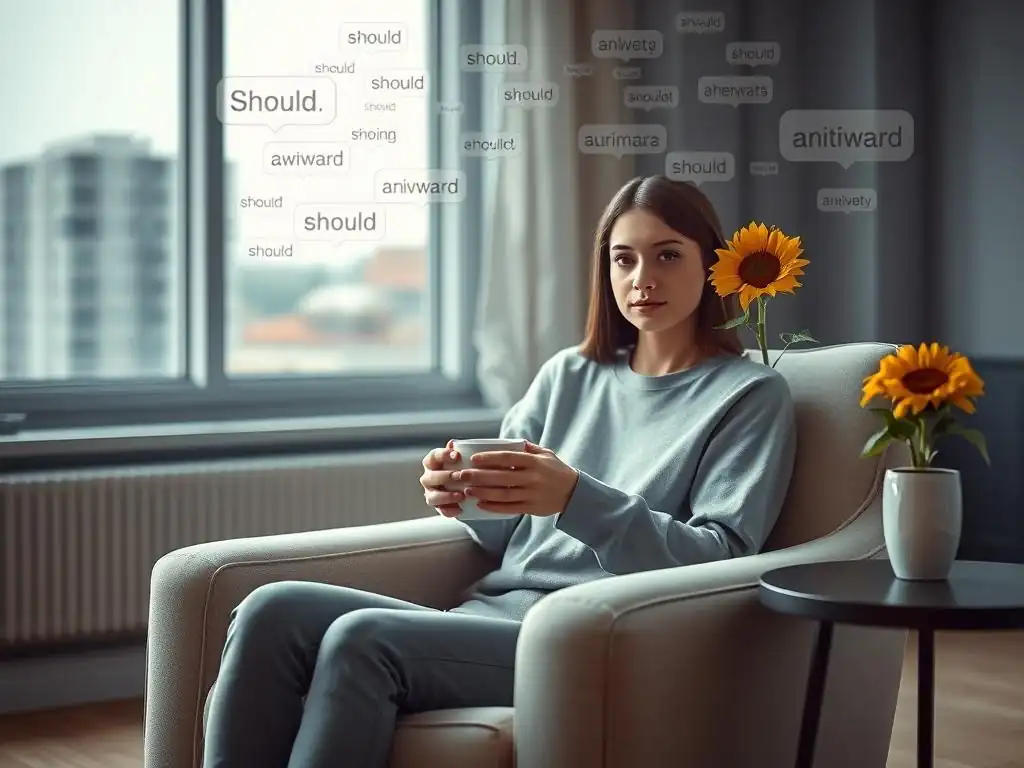
Welcome to Mind Care Guide.
Feeling the weight of atypical depression, especially when navigating social situations? You're not alone. We understand the unique challenges of social anxiety compounded by the complexities of atypical depression. This guide offers practical support and insights to help you understand and manage these intertwined struggles. Let's explore strategies to reclaim your confidence and find moments of connection.
Navigating Social Situations with Atypical Depression: A Mind Care Guide
- Understanding Atypical Depression and Social Interaction Challenges
- Social Anxiety and Atypical Depression: Unpacking the Connection
- Strategies for Managing Social Anxiety in Atypical Depression
- Atypical Depression Support: Seeking Professional Help
- Building a More Fulfilling Social Life with Atypical Depression
- Resources for Atypical Depression and Social Anxiety Support
- Overcoming Social Isolation: A Pathway to Well-being with Atypical Depression
-
Frequently Asked Questions
- How does atypical depression specifically impact social anxiety?
- What are some key differences between typical depression and atypical depression regarding social interaction?
- What support resources are available specifically for individuals experiencing social anxiety alongside atypical depression?
- How can I distinguish between normal shyness and social anxiety exacerbated by atypical depression?
- What are some coping strategies for managing social situations when dealing with atypical depression and social anxiety?
- Final Reflection: Finding Your Voice in the Quiet of Atypical Depression
- Unlock Your Social Confidence: Take Charge of Your Connections
Defining Atypical Depression: Beyond the Blues
Atypical depression is a subtype of major depressive disorder that presents with specific characteristics that differ from melancholic depression, the more commonly portrayed form. While classic depression often involves loss of interest, weight loss, and insomnia, atypical depression is marked by mood reactivity – meaning a person's mood can improve temporarily in response to positive events.
This doesn't mean they aren't experiencing significant distress, but rather that their mood isn't persistently low regardless of circumstances. Other hallmark symptoms include increased appetite or weight gain, excessive sleep (hypersomnia), a heavy or leaden feeling in the limbs (leaden paralysis), and, crucially, a long-standing pattern of sensitivity to interpersonal rejection.
Unlike typical depression where individuals might feel numb or unable to experience pleasure even when good things happen, someone with atypical depression can experience a temporary lift in spirits. However, this reactivity is often coupled with profound sensitivity to criticism or perceived rejection, which can significantly impact social interactions.
Studies suggest that atypical features are present in a substantial portion of individuals with major depression, perhaps around 15% to 30% of cases seeking treatment, highlighting its prevalence and the importance of accurate diagnosis for effective atypical depression support. Understanding these unique symptoms is the first step in navigating the challenges it presents, particularly in social contexts.
The social presentation of atypical depression is heavily influenced by its key features, especially mood reactivity and rejection sensitivity. While someone with typical depression might withdraw due to a general lack of energy and interest, individuals with atypical depression may withdraw specifically to avoid potential negative social experiences or perceived criticism. Their mood might lift when they are with supportive friends, but plummet rapidly after a perceived slight or negative interaction, even if the negativity wasn't intended or significant. This makes their social interactions highly variable and often anxiety-provoking.
This heightened sensitivity to rejection can lead to significant distress in social settings, making it difficult to maintain relationships or participate in group activities. Someone might anticipate rejection before it even occurs, leading to avoidance behaviours. For example, they might decline invitations to social gatherings, hesitate to express their opinions, or misinterpret neutral social cues as critical. This pattern can be confusing for both the individual and their social circle, as their ability to engage socially fluctuates dramatically depending on their perception of potential acceptance or rejection, often requiring specific social anxiety atypical depression support strategies.
The symptoms of atypical depression, particularly rejection sensitivity and variable mood, can have a profound and often debilitating impact on a person's social life and relationships. The fear of being hurt or rejected can lead to chronic social withdrawal, making it challenging to form new connections or maintain existing ones.
Friends and family might struggle to understand the fluctuating moods and the intense reactions to seemingly minor issues, potentially leading to misunderstandings and further isolation for the individual. This cycle of fear, withdrawal, and potential misunderstanding can significantly erode a person's social support network, which is crucial for mental well-being.
Furthermore, the 'leaden paralysis' symptom, a feeling of physical heaviness, can make the simple act of leaving the house or engaging in social activities feel physically draining and overwhelming. Combined with hypersomnia, the desire or need to sleep excessively, the energy required for social interaction can feel insurmountable. This physical burden, coupled with the emotional weight of rejection sensitivity, creates significant barriers to social engagement, leading to a smaller social circle and increased feelings of loneliness. Effective atypical depression support often needs to address both the emotional and physical symptoms that hinder social participation.
Social anxiety disorder (SAD) and atypical depression share significant common ground, particularly concerning difficulties in social situations and fear of negative evaluation. While SAD is primarily characterized by an intense fear of being judged, scrutinized, or humiliated in social or performance situations, atypical depression includes prominent rejection sensitivity, which is a fear of interpersonal criticism or rejection.
This overlap means that many individuals with atypical depression also experience significant social anxiety, sometimes to the degree that they might meet criteria for both conditions. Both disorders can lead to avoidance of social situations, feelings of isolation, and distress in social interactions.
Research indicates a high comorbidity rate between mood disorders and anxiety disorders. Specifically, individuals with atypical depression report higher rates of social anxiety compared to those with melancholic depression. This suggests that the unique features of atypical depression, especially the heightened sensitivity to interpersonal cues, predispose individuals to developing or exacerbating social anxiety symptoms. Addressing this overlap is crucial for effective treatment planning, as interventions targeting both depression and anxiety are often needed for comprehensive atypical depression support.
Identifying social anxiety symptoms within the context of atypical depression can be complex because some symptoms, like social withdrawal, can stem from either condition. However, specific signs point more directly to social anxiety co-occurring with atypical depression. These include intense fear or worry about social situations where one might be judged; avoidance of social events or enduring them with intense anxiety; physical symptoms like blushing, sweating, trembling, or rapid heartbeat when anticipating or during social interaction; and excessive rumination about social encounters afterward.
The key difference often lies in the primary driver of the social difficulty. While atypical depression's withdrawal might be triggered by a perceived slight or general lack of energy, social anxiety's avoidance is driven by the fear of the social situation itself and potential negative evaluation. For example, someone with atypical depression might avoid a party because they fear someone they know will ignore them (rejection sensitivity), whereas someone with social anxiety might avoid it because they fear saying something awkward or being the center of attention (fear of judgment). Both require tailored social anxiety atypical depression support.
Rejection sensitivity, a core feature of atypical depression, plays a pivotal role in driving social withdrawal. This isn't just feeling hurt when rejected; it's an anxious anticipation of rejection, a tendency to perceive rejection readily where it might not exist, and an intense emotional reaction to actual or perceived rejection. This constant state of hypervigilance regarding social cues and potential criticism creates immense stress and makes social interactions feel inherently risky. The emotional pain associated with perceived rejection is often disproportionately severe compared to the actual event.
This intense fear and pain lead to a proactive avoidance strategy. To protect themselves from the anticipated hurt, individuals with high rejection sensitivity in the context of atypical depression may minimize social contact, avoid situations where they might be evaluated (like public speaking or meeting new people), and struggle to assert themselves or express needs for fear of pushback.
This avoidance, while intended to protect, ultimately reinforces feelings of isolation and can prevent the individual from experiencing positive social interactions that could help counteract depressive symptoms. Effectively managing rejection sensitivity is a key component of social anxiety atypical depression support.

Building a robust support system is fundamental for navigating social challenges when living with atypical depression and social anxiety. This involves actively seeking out and nurturing relationships with people who are understanding and empathetic. It's important to communicate openly, when you feel ready, about your experiences with depression and anxiety, helping others to understand the unique ways these conditions affect your social interactions. A strong support network provides emotional validation, reduces feelings of isolation, and offers practical assistance when needed.
This support system doesn't have to be large; even one or two trusted individuals can make a significant difference. The goal is to have people you feel safe with, who won't judge your fluctuating moods or social anxieties. Lean on them for encouragement before social events, process difficult interactions afterward, and share your successes. Remember, seeking and accepting support is a sign of strength, not weakness, and is a vital part of managing atypical depression and its social impact.
Finding Atypical Depression Support Groups
Joining atypical depression support groups can be incredibly beneficial. These groups, whether in-person or online, connect you with others who share similar experiences with atypical depression and its specific challenges, including social anxiety. Hearing from peers who understand the nuances of mood reactivity, rejection sensitivity, and the physical symptoms can reduce feelings of isolation and provide valuable coping strategies.
Support groups offer a safe space to share your struggles without fear of judgment and to learn from how others manage similar situations. They can provide practical tips for navigating social events, managing anxiety symptoms in the moment, and finding effective social anxiety atypical depression support resources. Many mental health organizations host such groups, and online communities dedicated to atypical depression are also readily available.
Connecting with Understanding Friends and Family
Identifying and connecting with friends and family members who are understanding and empathetic is crucial. Not everyone will fully grasp the complexities of atypical depression, but those who are willing to listen and learn can be invaluable allies. Open communication about what you're going through, explaining symptoms like rejection sensitivity and mood reactivity, can help bridge understanding gaps.
Prioritize spending time with people who make you feel safe, accepted, and valued. These relationships can act as a buffer against the negative impacts of rejection sensitivity. Don't be afraid to set boundaries or communicate your needs, such as needing to leave a social event early or preferring one-on-one interactions over large groups. Nurturing these supportive relationships is a continuous process that significantly contributes to managing social anxiety atypical depression support.
Beyond building support, several practical techniques can help manage social anxiety symptoms associated with atypical depression. These strategies often focus on managing anxious thoughts, regulating physiological responses, and gradually increasing comfort in social settings. Implementing these techniques regularly can build resilience and reduce the intensity of social fears over time. Consistency is key in making these practices effective tools for navigating daily social challenges.
Experiment with different techniques to find what works best for you. What helps one person manage their anxiety before a social event might be different for another. Be patient with yourself as you learn and practice these skills. Progress in managing social anxiety is often gradual, marked by small, consistent steps forward.
Cognitive Behavioral Therapy (CBT) for Social Anxiety and Atypical Depression
Cognitive Behavioral Therapy (CBT) is a highly effective therapeutic approach for both depression and anxiety, making it particularly valuable for individuals with atypical depression experiencing social anxiety. CBT helps identify and challenge negative thought patterns that contribute to social fears and depressive symptoms. For example, it can help you recognize and reframe thoughts like "Everyone is judging me" or "If someone disagrees with me, it means they reject me."
Through CBT, you learn to replace these unhelpful thoughts with more balanced and realistic perspectives. It also equips you with behavioural strategies, such as gradual exposure to feared social situations, to help you build confidence and reduce avoidance. A therapist trained in CBT can tailor the approach to address the specific interplay between your atypical depression and social anxiety, providing targeted social anxiety atypical depression support.
Mindfulness and Relaxation Techniques for Social Situations
Mindfulness and relaxation techniques can be powerful tools for managing the physical and emotional symptoms of social anxiety in the moment. Practices like deep breathing exercises, progressive muscle relaxation, or short mindfulness meditations can help calm the nervous system when anxiety is high. These techniques can be used before entering a social situation, during a difficult interaction, or afterward to process feelings.
Mindfulness involves paying attention to the present moment without judgment. When applied to social anxiety, this means observing anxious thoughts and physical sensations without getting swept away by them. Regular practice can increase your ability to tolerate discomfort and respond more calmly to social triggers. Simple techniques like focusing on your breath for a few minutes can make a noticeable difference in managing acute anxiety during social events.
Exposure Therapy for Managing Social Fears
Exposure therapy, often a component of CBT, involves gradually and systematically exposing yourself to feared social situations in a controlled and safe environment. The goal is to reduce the anxiety response by learning that the feared outcome (e.g., severe criticism, humiliation) is unlikely or manageable. This is done in a step-by-step manner, starting with situations that provoke minimal anxiety and slowly progressing to more challenging ones.
For someone with atypical depression and social anxiety, this might start with making eye contact with a stranger, progress to having a short conversation, then perhaps joining a small group activity. Each step is practiced until the anxiety decreases before moving to the next level. Exposure therapy directly confronts avoidance behaviours and helps build confidence in your ability to handle social situations, offering practical social anxiety atypical depression support.
Developing effective communication skills can significantly enhance social interactions and reduce anxiety for individuals with atypical depression. Poor communication, whether due to shyness, fear of judgment, or difficulty expressing needs, can exacerbate social difficulties. Learning to communicate clearly, assertively, and empathetically can build stronger connections and reduce misunderstandings.
This isn't about becoming the most outgoing person in the room, but rather about gaining confidence in expressing yourself authentically and understanding others better. Improved communication skills can help navigate potential conflicts, set healthy boundaries, and foster more fulfilling relationships, contributing positively to overall atypical depression support.
Assertiveness Training for Expressing Needs
Assertiveness training teaches you how to express your thoughts, feelings, and needs in a clear, direct, and respectful manner, without being aggressive or passive. For individuals with atypical depression and social anxiety, this can be particularly challenging due to the fear of rejection or conflict. Learning to be assertive helps you advocate for yourself in social situations, whether it's saying no to an invitation that feels overwhelming or expressing a boundary.
Practicing assertiveness can build self-esteem and reduce the likelihood of feeling resentful or taken advantage of, which can sometimes happen when you struggle to express yourself. It involves learning techniques like using "I" statements ("I feel overwhelmed by large gatherings") and practicing polite refusal. Assertiveness is a skill that improves with practice and is a valuable tool for managing social anxiety in the context of atypical depression.
Active Listening Skills for Deeper Connections
Active listening is a communication technique where you fully concentrate, understand, respond, and remember what is being said. For someone prone to social anxiety, the focus is often internal – worrying about what to say or how they are perceived. Shifting focus to actively listening to others can reduce self-consciousness and foster deeper, more meaningful connections.
Active listening involves paying attention not just to the words, but also to the speaker's tone of voice, body language, and emotions. It includes providing verbal and non-verbal feedback (like nodding or saying "I understand") and asking clarifying questions. Practicing active listening can make social interactions feel less like a performance and more like genuine exchanges, reducing anxiety and improving the quality of your relationships, thus contributing to social anxiety atypical depression support.
Atypical Depression Support: Seeking Professional Help
Knowing when to seek professional help is a critical step in managing atypical depression and co-occurring social anxiety. If your symptoms are significantly impacting your daily life, relationships, work, or overall well-being, it's time to consult a mental health professional. This includes persistent feelings of sadness, fatigue, changes in sleep or appetite, intense fear of social situations leading to avoidance, or overwhelming rejection sensitivity that causes distress.
Don't wait until symptoms become unbearable. Early intervention can make a significant difference in treatment outcomes. A mental health professional can provide an accurate diagnosis, develop a personalized treatment plan, and offer evidence-based therapies and support specifically tailored to the unique challenges of atypical depression and social anxiety. They are equipped to offer comprehensive social anxiety atypical depression support.
Several types of therapy are effective for treating both atypical depression and social anxiety. The choice of therapy often depends on the individual's specific needs, preferences, and the severity of their symptoms. A mental health professional can help determine the most suitable therapeutic approach. Often, a combination of therapies is used for the most comprehensive atypical depression support.
Therapy provides a structured environment to understand the root causes of your symptoms, develop coping mechanisms, challenge negative thought patterns, and practice new behaviours. It's a collaborative process where you work with a therapist towards your recovery goals.
Individual Therapy: Addressing Underlying Issues
Individual therapy provides a one-on-one setting with a therapist to explore the unique challenges you face with atypical depression and social anxiety. This setting allows for a deep dive into underlying issues that may contribute to your symptoms, such as past experiences with rejection, core beliefs about yourself, or specific triggers for your mood reactivity and social fears.
Therapies like Psychodynamic Therapy, Interpersonal Therapy (IPT), or Schema Therapy can be helpful in individual settings. IPT, for example, focuses on improving interpersonal relationships and social functioning, which is highly relevant for atypical depression and social anxiety. Individual therapy offers a confidential space to process emotions, gain insight, and develop personalized strategies for managing your symptoms and improving your social well-being.
Group Therapy: Sharing Experiences and Building Connections
Group therapy involves participating in therapy sessions with a small group of individuals who are also navigating similar challenges. For atypical depression and social anxiety, group therapy can be particularly beneficial. It provides a sense of community and validation, reducing feelings of isolation often experienced by those with these conditions.
In a group setting, you can share your experiences, learn from others' coping strategies, and practice social skills in a supportive environment. Group therapy can also help challenge the belief that you are alone in your struggles and provide opportunities for positive social interactions, which can be therapeutic in itself. Many groups focus specifically on social anxiety or depression, offering targeted social anxiety atypical depression support.
In some cases, medication may be recommended as part of a comprehensive treatment plan for atypical depression and co-occurring social anxiety. Medication can help alleviate core symptoms, making it easier to engage in therapy and implement coping strategies. The decision to use medication is typically made in consultation with a psychiatrist or prescribing physician.
It's important to understand that medication is often most effective when used in conjunction with therapy. It can help lift the depressive symptoms and reduce the intensity of anxiety, creating a foundation for therapeutic work to be more impactful.
Antidepressants and Their Role in Social Functioning
Several types of antidepressants have shown effectiveness in treating atypical depression and social anxiety. Monoamine Oxidase Inhibitors (MAOIs) were historically considered particularly effective for atypical features like rejection sensitivity, though they require dietary restrictions. Selective Serotonin Reuptake Inhibitors (SSRIs) and Serotonin-Norepinephrine Reuptake Inhibitors (SNRIs) are also commonly prescribed and are often the first-line treatment due to fewer side effects compared to MAOIs.
These medications work by affecting neurotransmitters in the brain that are involved in mood and anxiety regulation. By stabilizing mood and reducing the physiological symptoms of anxiety, antidepressants can help individuals feel more capable and less fearful in social situations, improving their social functioning and ability to seek and benefit from social anxiety atypical depression support.
Discussing Medication Options with Your Doctor
If you are considering medication, it is essential to have an open and thorough discussion with your doctor or psychiatrist. Be prepared to discuss your symptoms in detail, including their severity, duration, and how they impact your daily life and social interactions. Ask questions about different medication options, their potential benefits, side effects, and how they might interact with other medications or supplements you are taking.
Your doctor will help you weigh the potential risks and benefits and determine if medication is a suitable option for you. Remember that finding the right medication and dosage can sometimes take time and may require adjustments. Regular follow-up appointments are necessary to monitor your response to the medication and manage any side effects. This collaborative approach ensures you receive the most appropriate medical atypical depression support.

Building a more fulfilling social life when navigating atypical depression and social anxiety requires setting realistic and achievable goals. Starting small can prevent feeling overwhelmed and build confidence. Instead of aiming to attend a large party, perhaps set a goal to have a brief coffee with one friend, or join a low-pressure activity like a book club or a volunteer group related to your interests.
Break down larger goals into smaller, manageable steps. For example, if your goal is to attend a community event, the steps might include researching local events, choosing one that interests you, planning your transportation, and deciding how long you will stay. Celebrate each small success along the way, as these incremental achievements build momentum and reduce the feeling of being defeated by social challenges. Realistic goal-setting is a practical aspect of social anxiety atypical depression support.
Recognizing and celebrating small social victories is crucial for maintaining motivation and building confidence when managing social anxiety and atypical depression. A victory doesn't have to be a grand gesture; it could be simply initiating a conversation, attending a planned social event even if you felt anxious, or staying in a social situation longer than you typically would.
Acknowledge these small steps forward. You might journal about your experiences, share them with a trusted friend or therapist, or simply take a moment to appreciate your effort. Focusing on progress rather than perfection helps shift your mindset from one of fear and avoidance to one of capability and growth. Each small victory reinforces the belief that you can navigate social situations and is a testament to your resilience in seeking atypical depression support.
Practicing Self-Compassion and Reducing Self-Criticism
Self-compassion is vital when dealing with the challenges of atypical depression and social anxiety. These conditions often come with a harsh inner critic, especially concerning social performance or perceived rejection. Practicing self-compassion means treating yourself with the same kindness, understanding, and acceptance that you would offer a friend facing similar difficulties.
Challenge negative self-talk and replace self-criticism with self-kindness. Recognize that experiencing difficulties in social situations is part of living with these conditions, not a personal failing. Be patient with yourself during setbacks and acknowledge the effort you are making to improve your social well-being. Reducing self-criticism is a fundamental aspect of fostering resilience and seeking effective social anxiety atypical depression support.
Managing atypical depression and its impact on social interactions is often a long-term process that requires ongoing effort and a combination of strategies. Consistency in therapy, medication adherence (if prescribed), regular practice of coping skills, and maintaining a supportive network are key components of a long-term plan.
It's also important to continue exploring activities and social settings that align with your interests and values. Finding fulfilling ways to connect with others, even if it's through shared hobbies or volunteer work, can provide positive social experiences that counteract the negative effects of anxiety and depression. Regularly reviewing your progress and adjusting your strategies as needed is essential for sustained well-being and effective atypical depression support.
Online Communities and Forums
Online communities and forums dedicated to atypical depression and social anxiety can provide a valuable source of support and information. These platforms connect individuals from around the world who share similar experiences, offering a space to share stories, ask questions, and receive encouragement. Examples include forums hosted by mental health organizations, subreddits on Reddit focused on specific conditions, or dedicated online support groups.
While not a substitute for professional help, these online spaces can offer peer support, reduce feelings of isolation, and provide practical tips learned from others living with the conditions. It's important to choose reputable platforms and be mindful of privacy when sharing personal information. These communities contribute to accessible social anxiety atypical depression support.
Numerous books and articles offer in-depth information and practical strategies for understanding and managing atypical depression and social anxiety. Reading about these conditions can provide valuable insights into your symptoms, help you feel less alone, and equip you with knowledge about effective coping mechanisms and treatment options.
Look for resources written by mental health professionals or based on evidence-based research. Topics covered often include defining atypical depression, understanding rejection sensitivity, techniques for managing social anxiety, and guidance on seeking professional help. Educating yourself is a powerful step in taking control of your mental health journey and accessing information about social anxiety atypical depression support.
Mental Health Organizations Offering Support
Many national and local mental health organizations offer a wide range of support services for individuals with depression and anxiety disorders, including those with atypical features. These organizations often provide helplines, online resources, information about local support groups, educational materials, and referrals to mental health professionals.
Examples include organizations like the National Alliance on Mental Illness (NAMI), Mental Health America (MHA), and the Anxiety & Depression Association of America (ADAA). Their websites and resources are excellent starting points for finding reliable information and connecting with support services tailored to your needs. Utilizing these resources is a crucial part of accessing comprehensive atypical depression support.
Overcoming social isolation is a critical pathway to improved well-being when living with atypical depression. While the condition's symptoms, particularly rejection sensitivity and fatigue, make social engagement challenging, connection with others is also a powerful antidote to depression and anxiety. It requires courage and consistent effort to push back against the urge to withdraw.
Remember that progress is not linear, and there will be good days and challenging days. Be patient and compassionate with yourself. By understanding the unique features of atypical depression, addressing co-occurring social anxiety, building a support system, utilizing practical coping strategies, and seeking professional help when needed, you can gradually build a more fulfilling social life and enhance your overall mental well-being. The journey towards connection is possible with dedicated social anxiety atypical depression support.
Frequently Asked Questions
Atypical depression can worsen social anxiety through mood reactivity and rejection sensitivity. This means perceived social slights can have a disproportionately negative impact, leading to increased anxiety and avoidance.
While typical depression often involves a general withdrawal, atypical depression features mood brightening in response to positive events, although social anxiety may still persist. This mood reactivity differentiates it.
Resources like therapy groups focused on social skills, online forums dedicated to atypical depression, and mental health professionals specializing in both conditions can be helpful.
Social anxiety linked to atypical depression often involves intense fear of rejection and significant impairment in daily life. It goes beyond simple shyness and causes considerable distress.
Strategies include practicing mindfulness techniques to manage anxiety, setting realistic social goals, and engaging in self-compassion to combat negative self-talk.
Final Reflection: Finding Your Voice in the Quiet of Atypical Depression
The struggle with atypical depression isn't just an internal battle; it significantly impacts our ability to navigate social situations. This often-misunderstood form of depression manifests differently than its more commonly known counterpart, leaving individuals feeling isolated and misunderstood, even as they outwardly present as seemingly functional. This makes finding support and understanding crucial for navigating the complexities of daily life.
The pervasive influence of atypical depression on social interactions is undeniable. It subtly yet powerfully shapes our experiences, from the smallest interactions to the most significant relationships. The feeling of being "stuck" socially, despite a desire for connection, is a common thread. The most common way people give up their power is by thinking they don't have any.
– Alice Walker. This quote resonates deeply because the insidious nature of atypical depression can make it feel like we lack the energy, the will, or even the ability to engage fully in social settings. Understanding this lack of agency is the first step towards reclaiming our power and building healthier social connections.
You are not alone in this journey. Take the time to reflect on your own experiences with social situations and how atypical depression might be influencing them. Identify small, manageable steps you can take to build your confidence and connect with others. Seek support from loved ones, mental health professionals, or online communities. Remember, acknowledging the challenges is the first step towards finding your voice and building a life filled with meaningful connections, even amidst the quiet struggles of atypical depression. Your journey towards well-being is valid and worthy of your effort.
Thanks for taking the time to explore the nuances of social interaction while managing atypical depression. We hope this article provided valuable insights and practical strategies. Ready to put your newfound knowledge into action?
- Prioritize one small social step this week: This could be anything from sending a text to a friend, attending a short event, or simply engaging in a brief conversation. Start small and build from there.
- Share your experience: Help others by sharing your own journey navigating social situations with atypical depression. Leave a comment below and let us know what resonates with you or what challenges you still face.
- Explore supportive resources: Search online for local support groups, peer-to-peer communities or even online forums focused on mental wellness. Discover a community that understands.
What's one small change you can implement today to improve your comfort level in social situations?