
When Nothing Feels Fun Anymore: Recognizing Anhedonia in Adolescents

Welcome to Mind Care Guide.
Feeling lost and disconnected? It's heartbreaking to watch a young person lose their spark. If you're concerned about a teenager who's struggling to find joy in the things they once loved, you're not alone. Understanding why this happens is the first step toward helping them reclaim their happiness. This guide dives deep into adolescent anhedonia treatment options, offering practical insights and compassionate support to navigate this challenging landscape. Curious about how to reignite that spark? Read on to discover evidence-based approaches and resources that can make a real difference.
- When Nothing Feels Fun Anymore: Recognizing Anhedonia in Adolescents - A Mental Wellness Guide
- Identifying Signs and Symptoms of Anhedonia in Teens
- Causes of Anhedonia in Adolescents: Exploring Underlying Factors
- Diagnosing Anhedonia in Teenagers: A Comprehensive Evaluation
-
Treatment Options for Adolescent Anhedonia: A Holistic Approach
- Therapeutic Interventions: Cognitive Behavioral Therapy (CBT) and Dialectical Behavior Therapy (DBT)
- The Role of Therapy: Fostering Re-engagement and Emotional Regulation
- Medication Management: Antidepressants and Their Potential Benefits
- Lifestyle Adjustments: Exercise, Balanced Diet, and Consistent Sleep Schedule
- Supporting a Teenager Experiencing Anhedonia: Guidance for Parents and Caregivers
- Long-Term Management of Anhedonia in Adolescents: Promoting Well-being
-
Frequently Asked Questions
- How is anhedonia defined, and why is it particularly concerning in adolescents?
- What are some common causes of anhedonia in teenagers?
- What are some effective treatment options for adolescent anhedonia, as discussed by Mind Care Guide?
- How can parents and caregivers recognize the signs of anhedonia in their teens?
- Where can families find additional support and resources for adolescent mental well-being, according to Mind Care Guide?
- Final Reflection: Reclaiming Joy: Hope and Healing for Adolescent Anhedonia
- Rediscover Joy: Taking the Next Steps
When Nothing Feels Fun Anymore: Recognizing Anhedonia in Adolescents - A Mental Wellness Guide
Defining Anhedonia: Diminished Interest or Pleasure in Activities
Anhedonia is a core symptom seen in various mental health conditions, particularly depression, characterized by a reduced ability to experience pleasure from activities that were previously enjoyable or rewarding. It's more than just boredom or a temporary bad mood; it represents a persistent loss of interest and a lack of reactivity to pleasurable stimuli.
This can manifest across different domains, including social interactions (social anhedonia) and physical sensations (physical anhedonia), though the term is often used broadly to describe a general lack of enjoyment in life. For adolescents, this might mean losing interest in hobbies they once loved, feeling indifferent towards friends, or finding no joy in accomplishments like good grades or sports achievements.
The impact of anhedonia on an adolescent's life can be profound. It can interfere with motivation, learning, social development, and overall engagement with the world. Unlike the fleeting disinterest that can be typical during the teenage years, anhedonia is often persistent and pervasive, affecting multiple areas of functioning. Recognizing this symptom is crucial, as it is a significant predictor of the severity and duration of depressive episodes and can complicate recovery. Understanding anhedonia as a distinct symptom, rather than just general unhappiness, is the first step toward seeking appropriate support and exploring effective Adolescent anhedonia treatment options.
Differentiating Anhedonia from Typical Teenage Mood Swings
Distinguishing anhedonia from the normal emotional fluctuations of adolescence is vital for proper identification and intervention. Teenagers commonly experience mood swings, shifts in interests, and periods of wanting to withdraw as they navigate identity formation and independence. A typical teenager might complain about being bored, express frustration, or temporarily drop a hobby to explore a new one.
These changes are often reactive to specific situations, are less pervasive, and the teen still retains the capacity for joy and engagement in other areas of life. They might still laugh with friends, enjoy a favorite meal, or look forward to a specific event.
Anhedonia, in contrast, involves a consistent inability to derive pleasure across a wide range of activities, regardless of external circumstances. It's not just complaining about boredom; it's a genuine lack of feeling positive emotions or anticipation. A teenager experiencing anhedonia might show little reaction to positive news, seem indifferent during social gatherings they used to enjoy, or report that even their favorite foods or activities "just don't feel good anymore."
While typical teenage moodiness might involve irritability or sadness, anhedonia specifically targets the pleasure system, leaving the individual feeling flat or empty, even when presented with opportunities for fun. This distinction is critical for parents and educators to recognize, prompting them to consider professional evaluation rather than dismissing the behavior as "just a phase."
Importance of Recognizing Anhedonia for Adolescent Well-being
Early recognition of anhedonia in adolescents is paramount for protecting their mental health and developmental trajectory. Untreated anhedonia is not merely an unpleasant state; it is a significant risk factor for persistent depressive episodes, poor academic performance, social isolation, and potentially increased risk of substance use and suicidal ideation.
Research indicates that anhedonia can be a particularly challenging symptom to treat and may predict poorer outcomes in standard depression treatments if not specifically addressed. Identifying anhedonia early allows for targeted therapeutic approaches and the exploration of various Adolescent anhedonia treatment options that are specifically designed to help restore the capacity for pleasure and motivation.
Furthermore, recognizing anhedonia helps destigmatize the experience for the adolescent. They may feel guilty or confused about why they "can't just be happy" or enjoy things like others do. Understanding that anhedonia is a symptom of a potential underlying condition, rather than a character flaw or laziness, can be a relief. It opens the door for empathetic conversations and encourages the teenager to accept help. Addressing anhedonia early can significantly improve an adolescent's quality of life, prevent long-term functional impairments, and support their healthy transition into adulthood by fostering emotional regulation and engagement with life.
Identifying Signs and Symptoms of Anhedonia in Teens
Core Symptoms: Reduced Pleasure from Previously Enjoyable Activities
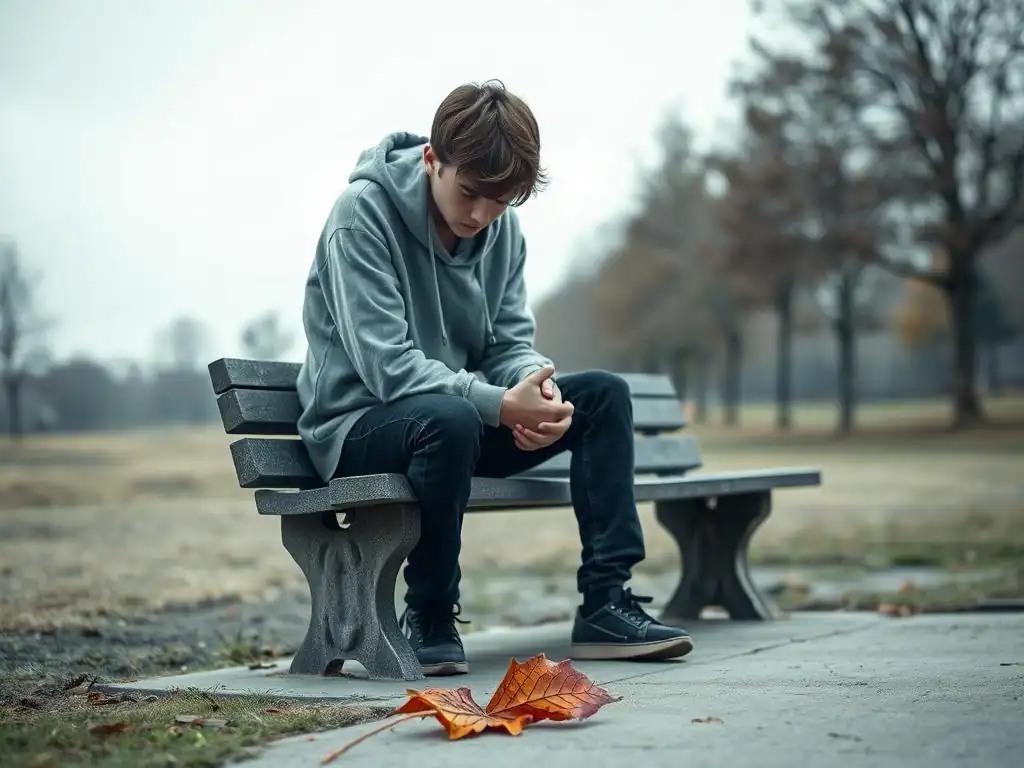
The most defining characteristic of anhedonia in adolescents is the marked decrease in pleasure or interest from activities they once found engaging and rewarding. This isn't a fleeting moment of disinterest but a persistent pattern. For a teenager who previously loved playing video games with friends, anhedonia might mean they no longer feel any excitement or satisfaction from gaming, even when winning or interacting with peers online. A teen who was passionate about art might stop drawing or painting because the process brings no joy, or they might feel indifferent towards finished pieces they used to be proud of.
This reduced pleasure extends beyond hobbies. It can affect simple daily experiences like enjoying a meal, listening to music, or spending time outdoors. The anticipation of positive events, which normally provides a sense of pleasure, is also often diminished.
For example, a teen might feel no excitement about an upcoming birthday party, a holiday trip, or seeing a favorite movie, even if they used to look forward to such things intensely. This pervasive lack of positive emotional response is a key indicator that something more significant than typical teenage apathy is occurring and highlights the need to consider professional help and potential Adolescent anhedonia treatment options.
Anhedonia often leads to observable behavioral changes as the teenager withdraws from activities that no longer provide pleasure. Social isolation is a common manifestation. If interacting with friends or participating in social events feels like a chore rather than a source of fun, the adolescent may start declining invitations, spending more time alone in their room, or becoming less communicative even when physically present with others. They might stop participating in school clubs, sports teams, or family outings that they once enjoyed, not out of defiance, but because the motivation and reward are absent.
Beyond social withdrawal, there's a general decrease in engagement with the world around them. Academic performance may decline not necessarily due to difficulty understanding material, but because the pleasure derived from learning, achieving good grades, or participating in class discussions has vanished. Personal hygiene might suffer as the sense of accomplishment or positive feeling associated with self-care diminishes. Errands or simple tasks might feel overwhelming because there is no anticipation of satisfaction upon completion. These behavioral shifts are often the first signs noticed by parents and educators and serve as critical warning signals.
Emotional Indicators: Blunted Emotions and Apathy
Anhedonia impacts the emotional landscape, often resulting in a noticeable blunting of both positive and negative emotions. While the inability to experience positive feelings is central, teenagers with anhedonia may also seem less reactive to negative events. They might appear unusually calm or indifferent in situations that would typically evoke sadness, anger, or frustration. This isn't emotional resilience but rather a general flattening of affect. The world can feel gray, monotonous, or lacking in emotional texture.
Apathy is closely linked to anhedonia and is characterized by a lack of motivation or concern about things that would normally matter. An apathetic teenager might show little interest in their future, their grades, or even their own well-being. They might express feelings of emptiness, numbness, or a sense that "nothing really matters."
While they might report feeling sad if asked directly about depression, the prominent feeling is often one of emotional void rather than intense distress. This emotional blunting can make it difficult for the teen to connect with others or to feel motivated to seek help, underscoring the importance of external support in exploring Adolescent anhedonia treatment options.
Physical Manifestations: Fatigue and Sleep Disturbances
Anhedonia, particularly when linked to depression, can also present with physical symptoms, most commonly fatigue and sleep disturbances. Teenagers experiencing anhedonia may report feeling constantly tired, lacking energy even after sufficient sleep. This fatigue is different from normal tiredness after physical exertion; it's a pervasive lack of vitality that makes even simple activities feel exhausting. Getting out of bed, getting dressed, or going to school can require significant effort.
Sleep patterns are often disrupted. This can manifest as insomnia, difficulty falling asleep or staying asleep, or hypersomnia, sleeping excessively but still feeling unrefreshed. These sleep issues can exacerbate feelings of fatigue and contribute to a vicious cycle, further reducing the teen's energy and motivation to engage in activities. While fatigue and sleep problems can have many causes, when they occur alongside a loss of interest and pleasure, they strongly suggest the presence of an underlying mood disorder like depression, of which anhedonia is a key symptom, and warrant a comprehensive evaluation to determine appropriate Adolescent anhedonia treatment options.
Causes of Anhedonia in Adolescents: Exploring Underlying Factors
Anhedonia and its Connection to Adolescent Depression and Anxiety
Anhedonia is most strongly associated with major depressive disorder (MDD) and is considered one of the two core diagnostic symptoms (along with depressed mood). Studies show that a significant percentage of adolescents diagnosed with depression, potentially ranging from 50% to 70% or more depending on the study criteria, report experiencing anhedonia. In many cases, anhedonia may even precede the onset of overt sadness or low mood, making it an early warning sign.
Anhedonia is also frequently present in anxiety disorders, although typically less prominent than in depression. For instance, a teenager with social anxiety might avoid social situations due to fear, but a teenager with anhedonia might avoid them because they no longer anticipate any pleasure from the interaction.
The presence of anhedonia in adolescent depression is linked to greater severity, poorer response to certain treatments, and a higher risk of recurrence. It can make it harder for the teenager to engage in therapeutic activities or feel motivated to stick with treatment plans.
Understanding this strong link is vital for clinicians when assessing adolescents for mood disorders. Identifying anhedonia as a key symptom helps tailor the diagnostic process and informs the selection of the most appropriate Adolescent anhedonia treatment options, which may need to specifically target the reward pathways in the brain in addition to addressing general mood symptoms.
Neurotransmitter Imbalances: Dopamine and Serotonin's Role
At a biological level, anhedonia is thought to be related to dysregulation in the brain's reward circuitry, particularly involving neurotransmitters like dopamine and serotonin. Dopamine is heavily involved in the brain's reward system, playing a key role in motivation, pleasure, and reinforcement learning. Reduced dopamine activity or impaired signaling in areas like the nucleus accumbens and prefrontal cortex is hypothesized to contribute significantly to the inability to experience pleasure and anticipate rewards. Serotonin, while more broadly associated with mood regulation, also interacts with the dopamine system and can influence the processing of rewards and emotional responses.
Research using neuroimaging techniques, though still evolving, has shown differences in brain activity in reward-related areas in individuals experiencing anhedonia compared to healthy controls. For example, studies might show reduced activation in response to pleasurable stimuli or altered connectivity within reward circuits. While the exact mechanisms are complex and likely involve multiple neurotransmitter systems and brain regions, the focus on dopamine and serotonin provides a biological basis for understanding anhedonia and informs pharmacological approaches included in Adolescent anhedonia treatment options, such as medications that modulate the activity of these neurotransmitters.
Environmental factors play a significant role in the development of anhedonia in adolescents, often interacting with biological and genetic vulnerabilities. Chronic stress, whether related to academic pressure, family conflict, or peer issues, can dysregulate the brain's stress response systems and impact neurotransmitter function, potentially contributing to anhedonia. Traumatic experiences, such as abuse, neglect, or significant loss, are strongly associated with the development of depression and anhedonia. Trauma can alter brain development and function, particularly in areas related to emotional processing and reward.
Social isolation, whether due to bullying, difficulty forming connections, or withdrawal resulting from early symptoms, can also perpetuate or worsen anhedonia. Humans are social beings, and positive social interactions are a powerful source of pleasure and reward. Lack of these interactions can deprive the brain of positive stimuli and reinforce feelings of disconnection and emptiness. A chaotic or unsupportive home environment can also contribute. Addressing these environmental factors is often a crucial component of effective Adolescent anhedonia treatment options, as therapy and support systems can help mitigate the impact of stress, process trauma, and rebuild social connections.
Genetic Factors: Family History of Mental Health Conditions
Genetic predisposition can increase an adolescent's vulnerability to developing conditions like depression, which often feature anhedonia. While there isn't a single "anhedonia gene," a family history of depression, bipolar disorder, or other mood disorders suggests a higher genetic risk. This doesn't mean an adolescent will develop anhedonia if a family member has experienced it, but they may have an increased biological susceptibility. Studies exploring the genetics of depression often identify genes related to neurotransmitter systems (like dopamine and serotonin pathways) and stress response as potentially involved, aligning with the biological understanding of anhedonia.
Furthermore, genetic factors can influence how an individual responds to stress or trauma, potentially making some adolescents more vulnerable to the impact of negative environmental factors on their mood and reward systems. For example, variations in genes related to stress hormones might influence how resilient an adolescent is to academic pressure or social rejection. While genetics are a risk factor, they are rarely the sole cause.
Anhedonia typically arises from a complex interplay between genetic vulnerability and environmental influences. Understanding the potential genetic component can inform family discussions about mental health and encourage proactive steps toward seeking support and exploring Adolescent anhedonia treatment options if symptoms emerge.
Diagnosing Anhedonia in Teenagers: A Comprehensive Evaluation
Clinical Interviews: Gathering Information from Adolescents and Caregivers
Diagnosing anhedonia, particularly as part of a broader mental health condition like depression, involves a thorough clinical evaluation conducted by a qualified mental health professional, such as a child and adolescent psychiatrist, psychologist, or licensed therapist. The process typically begins with detailed clinical interviews with both the adolescent and their parents or caregivers. The interviewer will ask specific questions designed to assess the presence and severity of anhedonia, such as: "Have you lost interest in activities you used to enjoy? ", "Do you find it hard to feel happy, even when good things happen?
", "Do things feel dull or gray? ", or "Do you look forward to anything? ".
Information from parents or caregivers is invaluable, as they can often provide observations about changes in the teen's behavior, social engagement, and emotional responsiveness over time. They might report noticing that their child has stopped participating in hobbies, withdrawn from friends, or seems indifferent to things that used to excite them. Gathering information from multiple perspectives helps build a comprehensive picture of the adolescent's experience and functioning, aiding in the accurate identification of anhedonia and guiding the selection of appropriate Adolescent anhedonia treatment options. The interview also allows the clinician to assess for other co-occurring symptoms and conditions.
Psychological Assessments: Standardized Questionnaires (e.g., Snaith-Hamilton Pleasure Scale)
In addition to clinical interviews, mental health professionals often use standardized psychological assessment tools to help quantify the presence and severity of anhedonia and other symptoms. Questionnaires designed specifically to measure anhedonia exist, such as the Snaith-Hamilton Pleasure Scale (SHAPS), which asks individuals to rate their anticipated or actual pleasure from various everyday activities (e.g., "I would enjoy a cup of tea or coffee," "I would enjoy looking at flowers or birds"). While not solely diagnostic, these scales can provide objective data points and track changes in anhedonia severity over time, which is useful for monitoring treatment progress.
Other broader depression or mood assessment scales commonly used with adolescents, such as the Child Depression Inventory (CDI) or the Beck Depression Inventory for Youth (BDI-Y), also include items related to loss of interest or pleasure, contributing to the overall assessment. These questionnaires provide valuable supplementary information to the clinical interview, helping to confirm the presence of anhedonia, assess its impact on different areas of life, and guide the development of a personalized treatment plan that may include specific Adolescent anhedonia treatment options.
Ruling Out Other Conditions: Addressing Potential Co-occurring Disorders
A crucial part of the diagnostic process is ruling out other potential medical or psychological conditions that could mimic or contribute to anhedonia. Certain medical conditions, like thyroid problems, chronic fatigue syndrome, or nutritional deficiencies (e.g., Vitamin D or B12), can cause fatigue and lack of energy that might be mistaken for anhedonia. A medical check-up is often recommended to rule out these physical causes. Substance use is another important consideration, as drug or alcohol use/withdrawal can significantly impact mood and motivation.
Psychologically, it's important to differentiate anhedonia related to depression from symptoms of other disorders. For example, apathy can be a symptom of certain neurological conditions, though this is less common in adolescents. Anhedonia can also occur in other mental health conditions like schizophrenia, though the overall clinical picture will be very different from depression.
Clinicians carefully assess for symptoms of other co-occurring mental health conditions, such as anxiety disorders, ADHD, or eating disorders, as these frequently occur alongside depression and anhedonia and can influence the choice of Adolescent anhedonia treatment options. A comprehensive differential diagnosis ensures that the underlying cause of anhedonia is correctly identified, leading to the most effective intervention strategy.
Treatment Options for Adolescent Anhedonia: A Holistic Approach

Therapeutic Interventions: Cognitive Behavioral Therapy (CBT) and Dialectical Behavior Therapy (DBT)
Therapy is a cornerstone of Adolescent anhedonia treatment options, often involving modalities like Cognitive Behavioral Therapy (CBT) and Dialectical Behavior Therapy (DBT). CBT helps adolescents identify and challenge negative thought patterns and behaviors that contribute to anhedonia. A specific technique within CBT, called Behavioral Activation, is particularly relevant.
It focuses on helping the individual schedule and engage in activities that are likely to increase positive experiences, even if they don't feel motivated initially. The idea is that by doing things that were previously enjoyable or are aligned with their values, the adolescent can gradually increase their exposure to potential rewards and break the cycle of withdrawal and lack of pleasure.
DBT, often used for adolescents with more complex emotional regulation difficulties, teaches skills in areas like mindfulness, distress tolerance, interpersonal effectiveness, and emotional regulation. While not solely focused on anhedonia, DBT skills can help adolescents better understand and manage their emotions, increase their awareness of positive experiences (mindfulness), and build coping mechanisms to handle the frustration and emptiness associated with anhedonia. Both CBT and DBT provide adolescents with practical tools and strategies to challenge anhedonic patterns and gradually re-engage with life, often showing positive results in studies looking at adolescent depression treatment.
The Role of Therapy: Fostering Re-engagement and Emotional Regulation
Therapy provides a safe and structured environment for adolescents to explore the roots of their anhedonia and develop strategies for recovery. A therapist can help the teen understand why they might be feeling a lack of pleasure, linking it to underlying depression, anxiety, trauma, or stress. They work collaboratively with the adolescent to set small, achievable goals for increasing engagement in activities.
This might start with very simple steps, like spending 10 minutes listening to music or going for a short walk, and gradually build up to more complex social or hobby-related activities. The therapist provides support and encouragement, helping the teen navigate the initial lack of motivation and the potential frustration of not feeling immediate pleasure.
Furthermore, therapy helps adolescents develop crucial emotional regulation skills. Anhedonia isn't just about the absence of pleasure; it can also make it difficult to process other emotions effectively. Learning to identify, understand, and manage feelings like sadness, frustration, or anxiety is vital for overall well-being and can indirectly help improve the capacity for positive emotions. Through therapy, adolescents can also process traumatic experiences or chronic stress that may be contributing to their anhedonia, building resilience and developing healthier coping mechanisms. This comprehensive approach makes therapy a cornerstone of effective Adolescent anhedonia treatment options.
Medication Management: Antidepressants and Their Potential Benefits
In some cases, particularly when anhedonia is severe or significantly impacting functioning, medication may be considered as part of Adolescent anhedonia treatment options. Antidepressant medications, most commonly Selective Serotonin Reuptake Inhibitors (SSRIs), are often prescribed for adolescent depression. While SSRIs primarily target serotonin, some may indirectly impact dopamine pathways. Other classes of antidepressants, such as those that affect both serotonin and norepinephrine (SNRIs) or those with more direct effects on dopamine (like bupropion, though its use requires careful consideration in adolescents), might be explored, sometimes as an augmentation strategy if initial treatments are ineffective.
It's important to note that medication responses can vary, and finding the right medication and dosage often requires a period of adjustment under careful medical supervision by a child and adolescent psychiatrist or other qualified prescriber. Medication can help alleviate core depressive symptoms, including potentially improving mood and motivation, which can indirectly reduce anhedonia. However, medication alone is often insufficient for treating anhedonia; it is typically most effective when used in combination with therapy and lifestyle interventions. Parents and adolescents should have open discussions with the prescribing physician about the potential benefits, risks, and side effects of any medication.
Lifestyle Adjustments: Exercise, Balanced Diet, and Consistent Sleep Schedule
Lifestyle factors play a significant, often underestimated, role in managing anhedonia and supporting overall mental well-being in adolescents. Encouraging regular physical activity is a key component of Adolescent anhedonia treatment options. Exercise has been shown to have mood-boosting effects, potentially by increasing endorphins and influencing neurotransmitter levels. Even moderate activity, like a daily walk or participating in a sport, can make a difference. The challenge with anhedonia is the lack of motivation, so starting small and focusing on consistency rather than intensity is often necessary.
Ensuring a balanced diet provides the necessary nutrients for brain function and overall energy levels. While diet isn't a cure, poor nutrition can exacerbate fatigue and low mood. Encouraging regular meals rich in fruits, vegetables, lean proteins, and whole grains can support physical and mental health. Establishing and maintaining a consistent sleep schedule is also critical.
As mentioned earlier, sleep disturbances are common with anhedonia and depression. Helping the adolescent establish a regular bedtime and wake-up time, even on weekends, and creating a relaxing bedtime routine can improve sleep quality, which in turn can positively impact mood, energy, and the capacity for pleasure. These lifestyle adjustments are supportive strategies that complement therapy and medication.
Supporting a Teenager Experiencing Anhedonia: Guidance for Parents and Caregivers
Creating a Supportive and Non-Judgmental Environment
Supporting a teenager with anhedonia requires patience, empathy, and a non-judgmental approach. It's crucial for parents and caregivers to understand that the teen's lack of interest and withdrawal is a symptom, not a choice or a sign of laziness or defiance. Phrases like "You just need to try harder," "Snap out of it," or "You're being lazy" are unhelpful and can increase feelings of guilt and isolation. Instead, validate their feelings (or lack thereof) by saying things like, "It sounds really hard when nothing feels fun," or "I can see you're struggling to enjoy things."
Create an environment where the teenager feels safe to talk about their feelings, even if those feelings are numbness or emptiness. Let them know you are there for them without pressure. Simply being present and available can make a difference. Avoid constant nagging or demanding that they participate in activities. While encouraging engagement is important, a gentle, supportive approach is more effective than forceful tactics. Educate yourself about anhedonia and depression to better understand what your teenager is going through. This understanding is foundational to effectively implementing Adolescent anhedonia treatment options.
Encouraging Gradual Re-engagement in Activities
Helping a teenager with anhedonia re-engage with activities requires a gradual, step-by-step approach. The goal isn't to force them back into everything at once, but to help them take small steps towards potential positive experiences. Work with the teenager (and their therapist, if applicable) to identify activities that were previously enjoyable or new activities that align with their current values, even if they don't feel excited about them.
Start with very small, manageable steps. For example, if they used to love playing guitar, suggest just picking it up for five minutes. If they enjoyed spending time with a specific friend, encourage sending a text or having a brief chat.
Focus on the process rather than the outcome or the feeling of pleasure. Acknowledge the effort it takes for them to even attempt an activity. Celebrate small successes, like getting out of the house or completing a small task. The purpose of re-engagement is to expose them to potential sources of reward and gradually reactivate the pleasure system, which is a key goal of many Adolescent anhedonia treatment options. This process can be slow, and there will be setbacks, but persistence with gentle encouragement is key.
Seeking Professional Support: Knowing When and Where to Find Help
Recognizing anhedonia in an adolescent is a signal that professional help is needed. Anhedonia is a significant symptom of potential underlying mental health issues that are unlikely to resolve on their own and can worsen over time. Don't wait hoping it's just a phase. If you notice persistent signs of anhedonia – loss of interest, withdrawal, emotional blunting – lasting for more than a couple of weeks, it's time to consult a professional. Start by talking to your pediatrician or family doctor; they can perform an initial assessment and provide referrals to mental health specialists.
Child and adolescent psychiatrists, psychologists, licensed clinical social workers, or licensed professional counselors specializing in adolescent mental health are the appropriate professionals to diagnose and treat anhedonia and related conditions. They can conduct comprehensive evaluations, provide a diagnosis, and recommend appropriate Adolescent anhedonia treatment options, which may include therapy, medication, or a combination. School counselors can also be a valuable resource for initial consultation and referrals. Seeking help is a sign of strength and the most important step in supporting your teenager's recovery journey.
Open Communication: Fostering Trust and Honest Dialogue
Maintaining open and honest communication with your teenager is fundamental when they are experiencing anhedonia. Create opportunities for conversation without pressure. This might be during a car ride, while doing a simple chore together, or during a quiet moment. Ask open-ended questions about how they are feeling, not just about their mood, but about their energy levels, how things feel to them, and what's going on in their world. Be prepared for them to struggle to articulate their experience, as anhedonia can make it hard to access and express feelings.
Listen more than you talk. Validate their struggles without minimizing them. Share your observations gently, for example, "I've noticed you haven't been playing your game much lately, and I was wondering how you're feeling about it?"
Reassure them that you are there to support them and that you believe things can get better with help. Open communication helps build trust, reduces feelings of isolation, and makes it easier to discuss difficult topics, including the possibility of seeking professional help and exploring Adolescent anhedonia treatment options. Even if they don't talk much, knowing that you are available and willing to listen is incredibly important.
Long-Term Management of Anhedonia in Adolescents: Promoting Well-being
The Importance of Early Identification and Intervention
The long-term prognosis for adolescents experiencing anhedonia is significantly improved with early identification and intervention. Anhedonia can be a chronic and debilitating symptom if left untreated, impacting educational attainment, social development, and future mental health. Studies suggest that anhedonia in adolescence is associated with a higher likelihood of persistent depression into adulthood. Identifying anhedonia early allows mental health professionals to implement targeted interventions, such as behavioral activation within therapy or considering specific medication approaches sooner, which can potentially shorten the duration of the anhedonic state and prevent its entrenchment.
Early intervention also minimizes the secondary impacts of anhedonia, such as academic decline, social isolation, and the development of unhealthy coping mechanisms. Addressing the issue promptly helps the adolescent maintain connections, continue developing skills, and build a foundation of resilience. It underscores why recognizing anhedonia as a distinct and serious symptom, rather than just teenage moodiness, is so critical for parents, educators, and healthcare providers. Proactive engagement with Adolescent anhedonia treatment options offers the best chance for a full recovery and healthy development.
Strategies for Preventing Recurrence
Preventing the recurrence of anhedonia and associated mood disorders involves developing long-term strategies for maintaining well-being after initial treatment. This typically includes ongoing therapy, even after symptoms improve, to reinforce coping skills and provide support during challenging periods. Psychoeducation for both the adolescent and family about recognizing early warning signs of anhedonia or depression is crucial.
These signs might include changes in sleep patterns, appetite, energy levels, or a return of loss of interest in activities. Having a plan in place for what steps to take if these signs reappear empowers the adolescent and their support system to act quickly.
Maintaining healthy lifestyle habits established during treatment – regular exercise, a balanced diet, consistent sleep – is also vital for long-term management. Continued engagement in meaningful activities, even during periods of wellness, helps reinforce positive reward pathways in the brain. For some adolescents, periodic check-ups with a mental health professional or primary care physician may be recommended, particularly if they have a history of severe or recurrent episodes. These ongoing strategies are part of comprehensive Adolescent anhedonia treatment options aimed at promoting sustained recovery.
Building Resilience and Adaptive Coping Skills
A key focus of long-term management is helping adolescents build resilience and develop adaptive coping skills to navigate future stressors and challenges without falling back into anhedonic patterns. Therapy plays a crucial role in this, teaching skills such as problem-solving, stress management techniques (like mindfulness or relaxation exercises), and healthy ways to process difficult emotions. Learning to identify and challenge negative or unhelpful thought patterns is an ongoing process that strengthens mental resilience.
Encouraging the adolescent to identify their values and engage in activities aligned with those values, regardless of immediate pleasure, can help build a sense of purpose and meaning, which acts as a buffer against anhedonia. Developing strong social connections and maintaining a support network of friends, family, or mentors provides a source of comfort and positive interaction. These skills and supports equip the adolescent to handle the inevitable ups and downs of life more effectively, reducing the likelihood of anhedonia returning and supporting overall well-being long after formal Adolescent anhedonia treatment options have concluded.
Impact of Untreated Anhedonia on Long-Term Development
The impact of untreated anhedonia on long-term adolescent development can be significant and far-reaching. Chronically reduced motivation and interest can severely hinder academic progress, potentially impacting future educational and career opportunities. Social isolation during these formative years can impede the development of crucial social skills and lead to persistent difficulties forming and maintaining relationships in adulthood. The inability to experience pleasure can make life feel meaningless or empty, increasing the risk of substance use disorders as individuals may seek external ways to feel something.
Furthermore, untreated anhedonia is a strong predictor of persistent depressive disorder (dysthymia) or recurrent major depressive episodes in adulthood. It can contribute to a reduced quality of life, decreased functional capacity, and a higher burden of mental and physical health problems over the lifespan. This highlights the critical importance of recognizing anhedonia in adolescence and actively pursuing comprehensive Adolescent anhedonia treatment options. Addressing anhedonia early is an investment in the adolescent's future, helping them regain their capacity for joy, engagement, and a fulfilling life.
Frequently Asked Questions
How is anhedonia defined, and why is it particularly concerning in adolescents?
Anhedonia is the inability to experience pleasure from activities normally found enjoyable. It's concerning in adolescents because it can significantly impact their social development and academic performance, potentially signaling underlying mental health issues.
What are some common causes of anhedonia in teenagers?
Anhedonia in teens can stem from various factors, including depression, anxiety, and stress. It can also be linked to substance use or certain medical conditions.
What are some effective treatment options for adolescent anhedonia, as discussed by Mind Care Guide?
Treatment options often involve a combination of therapy and medication. Cognitive Behavioral Therapy (CBT) and antidepressant medications are frequently used to address the underlying causes of anhedonia and restore the ability to experience pleasure.
How can parents and caregivers recognize the signs of anhedonia in their teens?
Look for signs like loss of interest in hobbies, social withdrawal, decreased energy, and complaints of feeling empty or numb. Open communication and observation are key to early detection.
Where can families find additional support and resources for adolescent mental well-being, according to Mind Care Guide?
Mind Care Guide offers extensive information, support groups, and resources for mental health challenges. Families can also consult with mental health professionals specializing in adolescent care.
Final Reflection: Reclaiming Joy: Hope and Healing for Adolescent Anhedonia
The pervasive loss of pleasure experienced by adolescents struggling with anhedonia is not just a phase; it's a significant mental health challenge demanding our urgent attention. This article has explored the complexities of adolescent anhedonia, highlighting its diverse presentations, underlying causes, and, crucially, the available treatment options. Understanding this condition is the first step towards providing effective support and fostering genuine healing.
The impact of anhedonia on young lives is profound, extending far beyond the individual to ripple through families and communities. It affects academic performance, social connections, and the overall trajectory of a young person's development. The joy and spontaneity of youth, so vital for healthy growth, can be tragically muted. The greatest happiness of life is the conviction that we are loved; loved for ourselves, or rather, loved in spite of ourselves.
– Victor Hugo. This quote underscores the importance of connection and acceptance in the healing process, a crucial element often overlooked in the pursuit of solely clinical solutions.
You, the reader, now possess a deeper understanding of adolescent anhedonia. This knowledge is power. Take the time to reflect on the young people in your life. Are there signs of anhedonia you may have missed? If so, reach out. Seek professional help, initiate open conversations, and offer unwavering support. Remember, reclaiming joy is a journey, not a destination, and with the right support, adolescents can navigate this challenge and rediscover the vibrant potential within them. Let's work together to create a world where every young person has the opportunity to experience the fullness of life.
Rediscover Joy: Taking the Next Steps
Thanks for taking the time to learn about anhedonia in adolescents. Understanding this challenge is the first step towards supporting your loved ones or yourself. Now, let's turn that understanding into action. Here's how you can make a real difference:
- Seek professional help: This is the most crucial step. A mental health professional can provide a proper diagnosis and create a personalized treatment plan. Don't hesitate to reach out – it's a sign of strength, not weakness.
- Explore engaging activities: Experiment with different hobbies and interests, even if they seem small or insignificant at first. Try something completely new – you might be surprised by what sparks joy.
- Connect with others: Share this article with someone who might benefit from understanding anhedonia. Starting a conversation is a powerful way to build support and reduce feelings of isolation.
What small step can you take today to rediscover some joy in your life or the life of someone you care about?