
Nutrition Hacks for Persistent Depression: Eating for Better Mood and Energy LongTerm


Welcome to Mind Care Guide, your sanctuary for navigating the intricate landscape of mental well-being. Are you struggling with persistent feelings of sadness and low energy? You're not alone. This guide offers a lifeline, starting with a crucial yet often overlooked aspect of mental health: the power of food. Dive into our article on Longterm depression nutrition strategies to discover how targeted dietary changes can be a powerful ally in your journey toward lasting mood stability and renewed vitality. Could the answer to feeling better be on your plate? Let's explore together.
Nutrition Strategies for Persistent Depressive Disorder: Eating for Improved Mood and Sustained Energy
- Understanding Persistent Depressive Disorder and the Role of Nutrition
- Longterm Depression Nutrition Strategies: Key Dietary Changes
- Practical Nutrition Strategies for Long-Term Depression Management
- Specific Foods to Include in Your Diet for Depression Relief
- Beyond Diet: Combining Nutrition with Other Therapies
- Maintaining a Healthy Diet Long-Term
-
Frequently Asked Questions
- How does nutrition impact long-term depression?
- What are some specific foods that can help with long-term depression?
- Are there any foods that should be avoided when dealing with long-term depression?
- How long does it typically take to see improvements in mood after implementing nutrition strategies?
- Should I consult with a professional before making significant dietary changes for long-term depression?
- Final Reflection: Nourishing the Mind, Body, and Soul Through Long-Term Dietary Strategies
- Unleash Your Inner Sunshine: Nourish Your Mood Today!
Understanding Persistent Depressive Disorder and the Role of Nutrition
What is Persistent Depressive Disorder (Dysthymia)?
Persistent Depressive Disorder, commonly known as dysthymia, is a chronic form of depression characterized by a low mood that lasts for at least two years. While symptoms may not be as severe as major depression, they are persistent and can significantly impact a person's daily life, relationships, and overall well-being. Individuals with PDD often experience feelings of hopelessness, lack of energy, low self-esteem, difficulty concentrating, and changes in appetite or sleep patterns, present for most of the day, for more days than not.
Unlike episodic major depressive disorder, dysthymia is defined by its long-term nature. It can begin in childhood, adolescence, or adulthood and often requires ongoing management. The chronic nature of this condition means that strategies for coping and improving mood need to be sustainable and integrated into daily life over extended periods. This is where considering comprehensive, Longterm depression nutrition strategies becomes particularly relevant, as diet is a daily, ongoing factor influencing health.
The Connection Between Diet and Long-Term Mood Regulation
Research increasingly highlights the intricate link between what we eat and how we feel, especially over time. A diet rich in processed foods, refined sugars, and unhealthy fats is often associated with a higher risk of depression and worse outcomes in individuals already experiencing mood disorders. Conversely, dietary patterns characterized by whole foods, fruits, vegetables, lean proteins, and healthy fats are linked to better mental health and may help support mood stability over the long haul.
This connection isn't merely anecdotal; it's rooted in complex biological processes. Nutrient deficiencies can impair brain function and neurotransmitter synthesis, while chronic inflammation, often fueled by poor diet, is implicated in the pathology of depression. Stable blood sugar levels, adequate hydration, and a healthy gut microbiome, all influenced by diet, play roles in maintaining energy levels and cognitive function, which are often compromised in persistent depression. Exploring Longterm depression nutrition strategies focuses on leveraging these connections for sustained benefit.
Why Nutrition Matters for Managing Chronic Depression
Managing persistent depressive disorder is a marathon, not a sprint. Because the condition is chronic, relying solely on acute treatments may not provide the sustained support needed. Nutrition offers a foundational, ongoing component of care that can impact mood, energy, and overall resilience day after day, year after year. A consistent focus on nourishing the body can help mitigate some of the biological underpinnings of low mood and fatigue associated with PDD.
Furthermore, adopting healthy eating habits can provide individuals with a sense of agency and control over their well-being, which can be empowering when living with a chronic condition. While nutrition is not a cure, integrating effective Longterm depression nutrition strategies into a broader treatment plan involving therapy and potentially medication can enhance overall outcomes, support brain health, and improve the capacity to engage in other beneficial activities like exercise and social interaction.
Longterm Depression Nutrition Strategies: Key Dietary Changes
Fueling Your Brain: Essential Nutrients for Mood Enhancement
The brain, like any other organ, requires specific nutrients to function optimally. Deficiencies or imbalances in certain vitamins, minerals, and fatty acids can disrupt neurotransmitter production, nerve signaling, and brain cell health, all of which are crucial for regulating mood and energy. Focusing on nutrient-dense foods is a cornerstone of effective Longterm depression nutrition strategies.
Ensuring adequate intake of key nutrients like omega-3 fatty acids, Vitamin D, and B vitamins is particularly important for individuals managing chronic low mood. These nutrients are involved in pathways directly related to brain health and mood regulation. Prioritizing these elements in your daily diet can provide the brain with the building blocks it needs for better function and resilience over time.
The Importance of Omega-3 Fatty Acids for Mood
Omega-3 fatty acids, particularly EPA (eicosapentaenoic acid) and DHA (docosahexaenoic acid), are vital components of brain cell membranes and play a significant role in brain structure and function. They have anti-inflammatory properties and are involved in neurotransmitter signaling pathways. Studies have shown that individuals with depression often have lower levels of omega-3s.
Incorporating sufficient omega-3s into your diet may help improve mood symptoms. Good sources include fatty fish like salmon, mackerel, and sardines. For those who don't eat fish, flaxseeds, chia seeds, walnuts, and algal oil supplements are alternatives, though the conversion of plant-based omega-3 (ALA) to EPA and DHA is less efficient. Aiming for several servings of fatty fish per week or considering a high-quality supplement under professional guidance can be a valuable part of Longterm depression nutrition strategies.
Vitamin D's Role in Mood Regulation
Vitamin D, often called the "sunshine vitamin," is synthesized in the skin upon exposure to sunlight. Receptors for Vitamin D are found throughout the brain, including areas associated with mood regulation. Low levels of Vitamin D have been correlated with an increased risk of depression symptoms.
While sunlight is the primary source, dietary sources include fortified foods (milk, orange juice, cereals) and fatty fish. Given that many people, especially in less sunny climates or during winter months, don't get enough sun exposure, maintaining adequate Vitamin D levels through diet and potential supplementation (after testing and consultation with a healthcare provider) is an important consideration for Longterm depression nutrition strategies.
B Vitamins: Essential for Neurotransmitter Synthesis
B vitamins, including B6, B12, and folate (B9), are crucial cofactors in the synthesis of neurotransmitters like serotonin, dopamine, and norepinephrine, all of which play key roles in mood regulation. Deficiencies in these vitamins have been linked to depression. For instance, low folate levels are sometimes observed in individuals with depression and can impact treatment response.
Ensuring adequate intake of a range of B vitamins through a balanced diet is important. Folate is found in leafy greens, legumes, and fortified grains. B6 is abundant in poultry, fish, bananas, and potatoes. B12 is primarily found in animal products (meat, fish, dairy, eggs), making supplementation or fortified foods important for vegetarians and vegans. Prioritizing these nutrient-rich foods supports the brain's chemical processes vital for mood stability as part of Longterm depression nutrition strategies.
Stabilizing Blood Sugar: Maintaining Consistent Energy and Mood
Fluctuations in blood sugar levels can significantly impact mood and energy. When you consume sugary or highly refined foods, blood sugar spikes rapidly, followed by a crash. This "sugar roller coaster" can lead to irritability, fatigue, anxiety, and contribute to the low energy and mood swings often experienced in persistent depression. Stabilizing blood sugar is a core component of effective Longterm depression nutrition strategies.
Chronic high blood sugar levels are also associated with increased inflammation and oxidative stress, which can negatively affect brain health over time. By choosing foods that release glucose slowly into the bloodstream, you can maintain more stable energy levels and reduce mood volatility throughout the day, contributing to better long-term management of PDD symptoms.
The Negative Effects of Processed Foods and Sugary Drinks
Processed foods and sugary drinks are often high in refined sugars, unhealthy fats, and artificial additives while being low in essential nutrients. They cause rapid spikes and crashes in blood sugar. A 2015 study published in the American Journal of Clinical Nutrition found a higher incidence of depression among postmenopausal women with higher dietary glycemic index and glycemic load, often associated with diets high in refined carbohydrates and sugars.
Regular consumption of these items can contribute to chronic low-grade inflammation and nutrient deficiencies, further exacerbating symptoms of depression. Limiting intake of sodas, candies, pastries, and highly processed snacks is a crucial step in adopting Longterm depression nutrition strategies aimed at stabilizing mood and energy.
Choosing Complex Carbohydrates for Sustained Energy
Complex carbohydrates, found in whole grains, vegetables, fruits, and legumes, are digested more slowly than simple sugars. This results in a gradual release of glucose into the bloodstream, providing a steady source of energy and helping to maintain stable blood sugar levels. This consistent energy supply is particularly beneficial for individuals with persistent depression who often struggle with fatigue.
Examples include oats, brown rice, quinoa, lentils, beans, sweet potatoes, and whole-wheat bread. Pairing these complex carbohydrates with protein or healthy fats can further slow digestion and enhance satiety. Making the switch from refined grains to whole, complex carbohydrates is a fundamental practice when implementing Longterm depression nutrition strategies.
Gut Health and Depression: The Microbiome Connection
The human gut is home to trillions of microorganisms collectively known as the gut microbiome. Emerging research highlights a strong connection between the gut and the brain, often referred to as the gut-brain axis. This communication pathway involves nerves, hormones, and the immune system. The composition and health of your gut microbiome can influence brain function, inflammation, and even the production of neurotransmitters.
An imbalance in the gut microbiome (dysbiosis) or compromised gut barrier function can contribute to inflammation throughout the body, including the brain, potentially impacting mood. Supporting a healthy and diverse gut microbiome through dietary choices is increasingly recognized as a vital component of holistic Longterm depression nutrition strategies.
Probiotics and Prebiotics: Supporting Gut Health
Probiotics are beneficial bacteria that can be introduced into the gut through fermented foods or supplements. Prebiotics are non-digestible fibers that serve as food for these beneficial bacteria. Consuming both can help promote a balanced and healthy gut microbiome.
Sources of probiotics include yogurt with live and active cultures, kefir, sauerkraut, kimchi, and kombucha. Prebiotics are found in foods like garlic, onions, leeks, asparagus, bananas, oats, and apples. Regularly incorporating these foods into your diet supports the growth of beneficial gut bacteria, which in turn can positively influence the gut-brain axis and potentially impact mood, forming a key part of Longterm depression nutrition strategies.
The Gut-Brain Axis: Impact on Mood
The gut and brain are in constant communication. Gut microbes can produce neurotransmitters like serotonin (an estimated 90% of the body's serotonin is produced in the gut) and gamma-aminobutyric acid (GABA), which influence mood and anxiety. They also produce short-chain fatty acids (SCFAs) like butyrate, which nourish gut cells and have anti-inflammatory effects that can extend to the brain.
Dysbiosis or inflammation in the gut can disrupt this communication, potentially contributing to mood disorders. By focusing on foods that nourish a healthy gut microbiome – rich in fiber, prebiotics, and probiotics – individuals can support this vital connection and potentially improve their mood and overall mental well-being over the long term, a crucial aim of Longterm depression nutrition strategies.
Practical Nutrition Strategies for Long-Term Depression Management
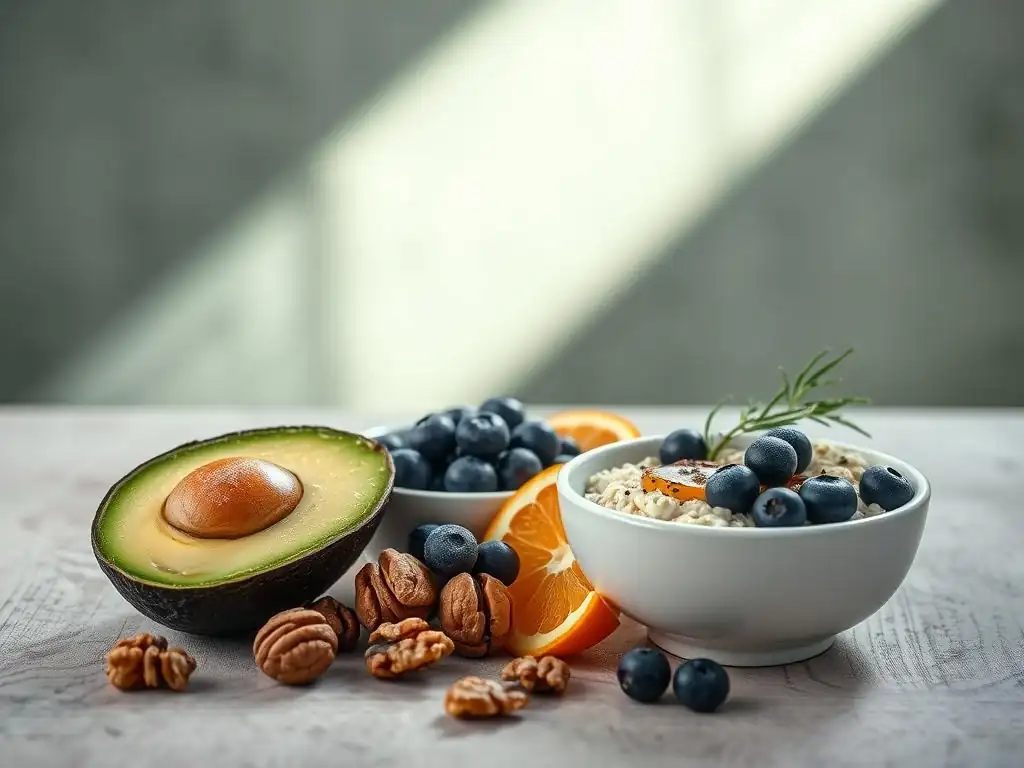
Implementing dietary changes can feel overwhelming, especially when dealing with the low energy and motivation often associated with persistent depression. Breaking down the process into manageable steps and focusing on practical strategies can make healthy eating more achievable and sustainable over time. These practical approaches are key to successfully applying Longterm depression nutrition strategies.
Focusing on consistency rather than perfection is essential. Small, consistent changes are more likely to stick than drastic overhauls. Finding simple meal ideas, planning ahead, and incorporating mindful eating practices can help make nourishing your body a supportive rather than stressful part of managing PDD.
Meal Planning for Consistent Mood Support
Meal planning involves deciding what you will eat in advance, often for a week. This practice can significantly reduce stress and decision fatigue, common challenges in depression. It helps ensure you have the necessary ingredients on hand, reducing the likelihood of resorting to less healthy, convenient options when energy levels are low.
Planning also allows you to consciously build balanced meals that incorporate the key nutrients and food groups discussed earlier. This proactive approach helps maintain a consistent intake of mood-supportive foods, which is vital for the sustained benefits sought through Longterm depression nutrition strategies. Even planning just a few meals or snacks can make a difference.
Sample Meal Plan for Persistent Depressive Disorder
Here is a simplified sample meal plan illustrating how to incorporate mood-supportive foods:
- Breakfast: Oatmeal with berries, nuts, and a sprinkle of chia seeds (complex carbs, fiber, omega-3s). Or scrambled eggs with spinach and whole-wheat toast (protein, B vitamins, folate).
- Lunch: Lentil soup with a side salad (protein, fiber, B vitamins). Or grilled chicken or fish salad with mixed greens, avocado, and olive oil dressing (protein, omega-3s, healthy fats).
- Snack: Apple slices with almond butter (fiber, healthy fats). Or Greek yogurt with a few walnuts (protein, probiotics, omega-3s).
- Dinner: Baked salmon with roasted sweet potatoes and broccoli (omega-3s, complex carbs, fiber, Vitamin D). Or Chickpea curry with brown rice and mixed vegetables (protein, fiber, B vitamins, complex carbs).
This sample emphasizes whole foods, lean protein, healthy fats, and fiber, providing a framework for applying Longterm depression nutrition strategies in a practical way.
Quick and Easy Meal Ideas
When energy is low, complicated recipes are often out of the question. Having a repertoire of quick and easy meal ideas is essential for maintaining healthy eating habits.
- Smoothies: Combine fruit, spinach, yogurt or milk, and perhaps some chia or flax seeds.
- Canned wild salmon or sardines on whole-grain crackers with avocado.
- Hard-boiled eggs (can be pre-cooked) with an apple.
- Pre-cooked lentils or beans added to a simple salad.
- Leftovers from a planned meal.
- Frozen vegetables added to pasta or stir-fries.
- Sheet pan meals: Toss vegetables and a protein (chicken, fish, tofu) with olive oil and herbs and roast on a single pan.
Prioritizing simplicity helps make consistent, healthy eating achievable, supporting your Longterm depression nutrition strategies.
Mindful Eating: Reconnecting with Your Body and Food
Mindful eating involves paying attention to your food, your body's hunger and fullness cues, and the experience of eating without judgment. This practice can help you develop a healthier relationship with food, reduce stress around eating, and become more aware of how different foods make you feel.
When living with depression, it's easy to use food as a coping mechanism (either eating too much or too little) or to eat quickly without much thought. Mindful eating encourages you to slow down, savor your food, and notice the physical and emotional sensations associated with eating. This can help you make more conscious choices about what and how much you eat, supporting your overall well-being and complementing your Longterm depression nutrition strategies.
Hydration: Impact on Mental Well-being
Dehydration, even mild dehydration, can affect mood, concentration, and energy levels – symptoms that are already challenging in persistent depression. Fatigue, irritability, and difficulty focusing can all be exacerbated by not drinking enough water.
Making sure you stay adequately hydrated throughout the day is a simple yet effective step in supporting your mental and physical health. Aim to drink water regularly, and recognize that needs vary based on activity level, climate, and individual factors. Keeping a water bottle handy can serve as a reminder to sip throughout the day, contributing positively to your Longterm depression nutrition strategies.
Specific Foods to Include in Your Diet for Depression Relief
While focusing on overall dietary patterns is key for Longterm depression nutrition strategies, certain foods are particularly noteworthy for their potential benefits due to specific nutrients or compounds they contain. Incorporating these foods regularly can help provide the brain with the specific support it needs.
It's important to remember that no single food is a magic bullet, but including a variety of these nutrient-dense options as part of a balanced diet can contribute to improved mood and energy over time.
Foods for Boosting Serotonin
Serotonin is a neurotransmitter that plays a crucial role in regulating mood, sleep, and appetite. While you can't directly eat serotonin, consuming foods that contain its precursor, the amino acid tryptophan, along with necessary cofactors (like B vitamins), can support its synthesis in the brain.
However, getting tryptophan from food into the brain is complex due to the blood-brain barrier. Consuming tryptophan-rich foods alongside carbohydrates can help facilitate its transport into the brain. While the effect of individual tryptophan-rich foods on mood might be modest, ensuring adequate intake as part of a nutrient-rich diet contributes to overall brain health, supporting Longterm depression nutrition strategies.
Tryptophan-Rich Foods
Tryptophan is an essential amino acid, meaning the body cannot produce it and must obtain it from the diet. Good sources include:
- Poultry (like turkey and chicken)
- Eggs
- Dairy products (milk, cheese, yogurt)
- Nuts and seeds (almonds, walnuts, pumpkin seeds)
- Soy products (tofu, soybeans)
- Fish
While the direct impact of a single meal high in tryptophan on mood is debated, ensuring a consistent intake of protein-rich foods provides the necessary building blocks for neurotransmitter synthesis over time, aligning with the goals of Longterm depression nutrition strategies.
Anti-Inflammatory Foods to Combat Depression
Chronic low-grade inflammation is increasingly linked to depression. Inflammatory markers, such as C-reactive protein (CRP), are often elevated in individuals with depression. This inflammation can affect brain function and neurotransmitter activity. Adopting an anti-inflammatory diet is a powerful component of Longterm depression nutrition strategies.
Foods rich in antioxidants, omega-3 fatty acids, and fiber can help reduce inflammation in the body. By regularly consuming these foods, you can help counteract some of the inflammatory processes that may contribute to persistent low mood.
The Role of Inflammation in Mood Disorders
Inflammation is the body's natural response to injury or infection, but when it becomes chronic and systemic, it can have detrimental effects. Research suggests that inflammatory cytokines can cross the blood-brain barrier and affect brain regions involved in mood regulation, such as the prefrontal cortex and hippocampus. This can disrupt neurotransmitter systems and impair neurogenesis (the growth of new brain cells).
Reducing chronic inflammation through dietary and lifestyle changes is therefore a promising approach for supporting mental health. Focusing on an anti-inflammatory eating pattern is a key element of comprehensive Longterm depression nutrition strategies.
Incorporating Anti-Inflammatory Foods
An anti-inflammatory diet emphasizes:
- Fruits and Vegetables: Rich in antioxidants and fiber. Aim for a variety of colors. Berries, leafy greens (spinach, kale), broccoli, bell peppers, and tomatoes are excellent choices.
- Fatty Fish: High in omega-3 fatty acids (EPA and DHA). Salmon, mackerel, sardines, and anchovies.
- Nuts and Seeds: Provide healthy fats, fiber, and antioxidants. Walnuts, almonds, flaxseeds, chia seeds.
- Olive Oil: Extra virgin olive oil is a source of monounsaturated fats and antioxidants.
- Whole Grains: Provide fiber and nutrients. Oats, brown rice, quinoa.
- Legumes: Beans, lentils, chickpeas are high in fiber and plant-based protein.
- Spices: Turmeric (contains curcumin), ginger, garlic have anti-inflammatory properties.
Regularly including these foods helps build a dietary pattern that supports reduced inflammation, a vital aspect of Longterm depression nutrition strategies.
Foods to Limit When Managing Longterm Depression
Just as certain foods can support mood, others can potentially worsen symptoms or counteract the benefits of a healthy diet. Limiting or avoiding these items is as important as focusing on beneficial foods when implementing Longterm depression nutrition strategies.
Foods that cause rapid blood sugar fluctuations, contribute to inflammation, or interfere with sleep and nutrient absorption are generally best consumed in moderation or avoided.
The Impact of Alcohol on Depression Symptoms
Alcohol is a depressant and can significantly interfere with mood regulation. While it may temporarily seem to alleviate anxiety or low mood, it disrupts sleep patterns, depletes B vitamins (crucial for neurotransmitter function), and can worsen depressive symptoms both in the short term and over time.
Regular or heavy alcohol consumption is a significant risk factor for developing depression and can make managing existing PDD much more difficult. Limiting or avoiding alcohol is strongly recommended for individuals seeking to improve their mood through Longterm depression nutrition strategies and overall lifestyle changes.
Limiting Caffeine and Processed Foods
Excessive caffeine intake can contribute to anxiety, restlessness, and sleep disturbances, all of which can exacerbate symptoms of depression. While moderate caffeine might be acceptable for some, paying attention to your individual response is important. Consider reducing intake, especially in the afternoon and evening.
As discussed earlier, processed foods high in added sugars, unhealthy fats, and refined grains contribute to blood sugar instability and inflammation. These foods offer little nutritional value and can displace more nutrient-dense options. Minimizing consumption of sugary snacks, fast food, and highly processed convenience items is a critical part of effective Longterm depression nutrition strategies.
Beyond Diet: Combining Nutrition with Other Therapies

It is crucial to understand that while nutrition is a powerful supportive tool, it is rarely sufficient on its own to manage persistent depressive disorder. PDD is a complex condition that often requires a multi-faceted approach involving professional help. Integrating Longterm depression nutrition strategies with other evidence-based therapies is essential for comprehensive care and optimal outcomes.
Nutrition works best when it is part of a broader treatment plan that addresses the psychological, behavioral, and potentially pharmacological aspects of the condition.
Integrating Nutrition with Therapy and Medication
Psychotherapy, such as Cognitive Behavioral Therapy (CBT) or Interpersonal Therapy (IPT), is a cornerstone of treatment for PDD. These therapies help individuals develop coping skills, challenge negative thought patterns, and improve interpersonal relationships. For some individuals, antidepressant medication may also be necessary to manage symptoms.
Nutrition complements these treatments by supporting brain function, energy levels, and overall physical health, which can enhance the effectiveness of therapy and medication. Discussing your dietary habits and any planned changes with your mental health professional and physician is recommended to ensure a coordinated approach.
The Importance of Exercise and Sunlight Exposure
Regular physical activity is well-established as a mood booster. Exercise releases endorphins, reduces stress hormones, and can improve sleep quality. Aiming for consistent movement, even moderate activity like walking, can significantly benefit mood and energy levels when managing PDD.
Exposure to sunlight helps regulate the body's circadian rhythm and is essential for Vitamin D production. Spending time outdoors, especially during daylight hours, can positively impact mood. Combining these lifestyle factors with Longterm depression nutrition strategies creates a more robust foundation for managing chronic low mood.
Building a Support System
Living with persistent depression can feel isolating. Having a strong support system – including family, friends, support groups, and mental health professionals – is invaluable. Sharing your experiences, challenges, and successes with others can provide emotional support and practical help.
Discussing your goals for implementing Longterm depression nutrition strategies with a supportive friend or family member might even help you stay accountable and motivated. Remember, you don't have to navigate managing PDD or making dietary changes alone.
Maintaining a Healthy Diet Long-Term
Adopting new eating habits is one thing; maintaining them consistently over years, especially while managing a chronic condition like PDD, presents its own set of challenges. Sustaining Longterm depression nutrition strategies requires ongoing effort, flexibility, and self-compassion.
Focusing on progress over perfection, developing strategies for overcoming setbacks, and seeking ongoing support are key to making healthy eating a sustainable part of your life with persistent depression.
Overcoming Challenges
Symptoms of PDD like fatigue, lack of motivation, and difficulty concentrating can make grocery shopping, cooking, and meal planning feel overwhelming. Setbacks, like falling back into old eating habits during periods of increased stress or low mood, are common.
Strategies for overcoming these challenges include starting small, focusing on one or two changes at a time, utilizing convenience options (like pre-cut vegetables or healthy frozen meals when needed), preparing meals in advance when energy is higher, and practicing self-compassion when things don't go perfectly. Recognizing that managing PDD is a journey with ups and downs is crucial for maintaining Longterm depression nutrition strategies.
Tracking Progress
While not necessary for everyone, some individuals find that tracking their food intake or monitoring how certain foods make them feel can be helpful. This doesn't need to be overly rigid; simply keeping a brief food and mood journal for a week or two can reveal patterns you weren't aware of.
Focus on tracking positive changes, such as increased energy after a balanced meal or reduced irritability after cutting back on sugar. Celebrate small victories. This awareness can provide motivation and help refine your Longterm depression nutrition strategies based on your personal experience.
Seeking Professional Guidance
For personalized advice and support regarding nutrition for persistent depression, consulting with a registered dietitian or a nutritionist who specializes in mental health or chronic conditions can be incredibly beneficial. They can help assess your current diet, identify potential nutrient deficiencies, create a tailored meal plan that fits your lifestyle and preferences, and provide ongoing support.
Working with a professional ensures that your Longterm depression nutrition strategies are evidence-based, safe, and effectively integrated with your overall treatment plan for persistent depressive disorder. They can help navigate the complexities of dietary changes and provide accountability and encouragement.
Frequently Asked Questions
How does nutrition impact long-term depression?
Nutrition plays a crucial role in managing depression by influencing brain function and neurotransmitter production. A balanced diet can help regulate mood and energy levels, making it easier to cope with persistent symptoms.
What are some specific foods that can help with long-term depression?
Foods rich in omega-3 fatty acids, like salmon and flaxseeds, and those high in B vitamins, found in leafy greens, are beneficial. Also, foods containing tryptophan, such as turkey and nuts, can help boost serotonin levels.
Are there any foods that should be avoided when dealing with long-term depression?
Yes, it's generally best to avoid processed foods, sugary drinks, and excessive caffeine, as these can lead to mood swings and energy crashes. These can negatively impact mental well-being long term.
How long does it typically take to see improvements in mood after implementing nutrition strategies?
The timeframe varies, but many people begin to notice subtle improvements within a few weeks of consistently following a healthy eating plan. It's essential to approach this as a long-term lifestyle change for optimal results.
Should I consult with a professional before making significant dietary changes for long-term depression?
Absolutely. Consulting with a registered dietitian or mental health professional is highly recommended. They can help you create a personalized nutrition plan tailored to your specific needs and ensure it complements any existing treatment.
Final Reflection: Nourishing the Mind, Body, and Soul Through Long-Term Dietary Strategies
The connection between what we eat and how we feel is undeniable, especially when navigating the persistent challenges of depression. Ignoring this powerful link is a disservice to ourselves and those struggling with this pervasive mental health condition. Finding sustainable, long-term nutritional strategies isn't just about managing symptoms; it's about reclaiming agency and fostering a holistic path towards well-being.
This exploration of nutrition's role in managing depression has been deeply personal for me, highlighting the often-overlooked power of food as medicine. I've witnessed firsthand the transformative impact of mindful eating and strategic dietary choices on mood regulation and energy levels. The food you eat can be either the safest and most powerful form of medicine or the slowest form of poison.
– Ann Wigmore. This quote underscores the profound responsibility we have in choosing foods that support, rather than hinder, our mental and physical health. The ongoing research in this field is incredibly promising, continually revealing the intricate interplay between gut health, brain function, and emotional well-being.
Now, I invite you to reflect on your own relationship with food and its impact on your mental health. Consider incorporating even one small change from this article into your daily routine – perhaps adding more colorful fruits and vegetables, prioritizing whole grains, or simply taking the time to savor each bite. Remember, the journey to better mental health is a marathon, not a sprint, and nourishing your body with intention is a crucial step in cultivating lasting well-being. Let's prioritize our mental and physical health together, one mindful meal at a time.
Unleash Your Inner Sunshine: Nourish Your Mood Today!
Thanks for taking the time to explore nutrition's powerful impact on your mental wellbeing! We hope this article equipped you with practical strategies to boost your mood and energy sustainably. Now it's time to put those insights into action.
- Prioritize one new recipe: Choose a healthy meal from the article or find a similar recipe that excites you. Commit to making it this week. This is your first step towards a brighter, more energized you!
- Share your progress: Connect with others on social media. Discuss what you've learned and what recipes have made a positive impact! Let's build a supportive community focused on mental wellness through nutrition.
- Explore a new ingredient: Pick one unfamiliar food mentioned (or something similar) and research its benefits. Experimenting with new healthy options can add excitement to your journey!
Which small change will you make first to improve your mood and energy through food? Let's discuss your experiences in the comments below!