
The Peripartum Shadow: Identifying MDD Symptoms After Childbirth


Welcome to Mind Care Guide, a haven for understanding and nurturing your mental well-being.
Feeling lost in the whirlwind after childbirth? You're not alone. This guide explores the often-overlooked reality of postpartum depression symptoms after birth, offering empathetic insights and practical support. Discover how to recognize the signs and find the help you deserve, because your journey to motherhood should be filled with joy, not shrouded in shadow. Let's begin to shed light on the path to recovery together.
The Peripartum Shadow: Identifying MDD Symptoms After Childbirth
- Understanding Postpartum Depression: More Than Just the "Baby Blues"
- Recognizing Postpartum Depression Symptoms After Birth: A Detailed Look
- Risk Factors for Developing Postpartum Depression
- Diagnosing Postpartum Depression: Seeking Professional Help
- Postpartum Depression Treatment Options: Pathways to Recovery
- Supporting a Loved One Experiencing Postpartum Depression
- Long-Term Impact of Untreated Postpartum Depression
- Overcoming the Stigma Surrounding Postpartum Depression
- Postpartum Depression vs. Postpartum Psychosis: Recognizing the Difference
-
Frequently Asked Questions
- What are the most common early postpartum depression symptoms to look out for?
- How long after childbirth can postpartum depression symptoms appear?
- Are postpartum depression symptoms different from the "baby blues"?
- What resources are available if I suspect I am experiencing postpartum depression symptoms?
- Can postpartum depression symptoms affect my baby?
- Final Reflection: Embracing the Light After the Peripartum Shadow
- Unveil Your Strength: Take Charge of Your Postpartum Wellbeing
Understanding Postpartum Depression: More Than Just the "Baby Blues"
Defining Postpartum Depression (PPD) and Its Significance
Postpartum Depression (PPD) is a complex mood disorder that affects some women after childbirth. It is a form of major depressive disorder (MDD) that occurs during the peripartum period, which includes pregnancy and the first year after delivery. Unlike the transient feelings of sadness or anxiety known as the "baby blues," PPD is a more severe and persistent condition requiring professional attention and treatment. Recognizing the specific postpartum depression symptoms after birth is crucial for timely intervention and recovery.
The significance of understanding and addressing PPD cannot be overstated. It is estimated to affect approximately 1 in 7 women who give birth, though rates can vary based on demographic factors and screening practices. Without proper identification and support, PPD can have profound impacts on the mother's well-being, her relationship with her infant, and the overall family dynamic. It's not a sign of weakness or a failure to bond; it's a medical condition influenced by a combination of biological, psychological, and social factors.
Differentiating Between Baby Blues and Postpartum Depression
It's common for new mothers to experience emotional ups and downs in the days immediately following childbirth. This is often referred to as the "baby blues," and it affects a significant majority, perhaps up to 80% of new mothers. Symptoms typically include mood swings, tearfulness, irritability, and feelings of anxiety, but these are generally mild and short-lived, usually resolving within two weeks after delivery without specific treatment. The baby blues are thought to be linked to the dramatic hormonal shifts after birth, sleep deprivation, and the adjustment to new responsibilities.
In contrast, Postpartum Depression symptoms after birth are more intense, last longer, and interfere significantly with a woman's ability to function. While the baby blues fade within a couple of weeks, PPD symptoms persist for weeks or months and can appear anytime in the first year postpartum, though they often begin within the first few weeks.
Key differences lie in the severity of symptoms, their duration, and their impact on daily life and the ability to care for oneself and the baby. For example, the sadness of baby blues is transient, whereas the sadness of PPD is persistent and profound, potentially accompanied by feelings of hopelessness or worthlessness.
Recognizing Postpartum Depression Symptoms After Birth: A Detailed Look
Identifying the specific postpartum depression symptoms after birth is the first step toward seeking help. These symptoms can manifest across emotional, psychological, physical, and cognitive domains, and their intensity and combination can vary greatly from person to person. It's important to note that a woman experiencing PPD may not have all the symptoms listed, and symptoms can fluctuate.
Emotional and Psychological Symptoms of Postpartum Depression
The emotional and psychological toll of PPD is often the most noticeable aspect. These symptoms go beyond typical new-parent stress or fatigue and represent a significant shift in mood and emotional state. Understanding these signs is vital for recognizing when the "baby blues" have transitioned into something more serious.
Persistent Sadness and Feelings of Hopelessness
One of the hallmark postpartum depression symptoms after birth is a persistent feeling of sadness, emptiness, or a depressed mood. This isn't just occasional tearfulness; it's a pervasive sense of gloom that doesn't lift. This sadness can be accompanied by feelings of hopelessness about the future or a sense that things will never get better. A new mother might describe feeling constantly down, tearful for no apparent reason, or experiencing an overwhelming sense of despair that makes it difficult to find joy in anything, even interacting with her baby.
These feelings can be debilitating. For instance, a mother might find herself crying for hours each day, feeling a heavy weight in her chest, and believing she is failing at motherhood. This persistent sadness can make simple tasks feel insurmountable and can isolate her from her support system, as she may feel too overwhelmed or ashamed to reach out. It's a deep emotional pain that significantly impacts her ability to function and connect with her new life.
Intense Irritability and Anger Outbursts
While sadness is often associated with depression, intense irritability and anger are also significant postpartum depression symptoms after birth. Many women with PPD report feeling on edge, easily agitated, or constantly frustrated. This can manifest as snapping at partners, family members, or even feeling disproportionately angry at the baby's cries or demands. These feelings can be surprising and distressing for the mother and her family.
These anger outbursts are not typical new-parent stress reactions. They are often intense, unpredictable, and difficult to control. A mother might feel a sudden surge of rage over minor inconveniences, like a spilled drink or a baby who won't sleep, leading to shouting or other expressions of anger that feel out of character. This irritability can damage relationships and contribute to feelings of guilt and shame in the mother, further exacerbating her depressive state.
Anxiety and Panic Attacks After Delivery
Anxiety is a common co-occurring symptom with PPD, and for some women, it can be the predominant feature. Postpartum anxiety symptoms after birth can include excessive worry about the baby's health and safety, constant racing thoughts, and a feeling of being on edge or keyed up. This worry goes beyond typical new-parent concerns and can be intrusive and consuming.
In some cases, this anxiety can escalate into panic attacks. These are sudden episodes of intense fear or discomfort that peak within minutes and can include physical symptoms like a racing heart, shortness of breath, chest pain, trembling, and a feeling of losing control or impending doom. Experiencing panic attacks can be terrifying and can make a new mother afraid to be alone with her baby or even leave the house, severely limiting her ability to function and enjoy motherhood.
Loss of Interest in Activities and Social Withdrawal
Anhedonia, the loss of interest or pleasure in activities that were once enjoyed, is a core symptom of depression, including PPD. This can manifest as a lack of interest in hobbies, social interactions, or even activities related to the baby, such as playtime or cuddling. Coupled with this is often a tendency towards social withdrawal, where a new mother isolates herself from friends and family.
This withdrawal is often fueled by feelings of being overwhelmed, exhausted, or inadequate, as well as the pervasive sadness or anxiety. She might decline visitors, avoid going out, and stop communicating with her support network. This isolation can worsen the depression, creating a vicious cycle where loneliness and lack of support amplify the negative feelings associated with PPD, making it harder to break free from the grip of the illness.
Feelings of Guilt, Worthlessness, and Inadequacy as a New Mother
Deep-seated feelings of guilt, worthlessness, and inadequacy are particularly painful postpartum depression symptoms after birth, often specifically related to the role of being a mother. A woman with PPD might feel guilty that she isn't enjoying motherhood as much as she expected, or that she isn't bonding with her baby in the way she feels she should. She might feel worthless or like a failure because she is struggling to cope.
These feelings can be intense and persistent. A mother might constantly compare herself negatively to other mothers, feeling she is inadequate or "bad" at caring for her child. She might blame herself for her feelings, believing she is somehow responsible for her depression. This internal criticism and self-blame are significant burdens that add to the suffering caused by PPD and make it difficult for her to see her own strengths or seek the help she needs.
Physical Symptoms Associated with Postpartum Depression
Beyond the emotional and psychological distress, PPD can also manifest through a range of physical symptoms. These are often overlooked or attributed solely to the demands of new motherhood, but they are integral postpartum depression symptoms after birth that indicate the body is also under significant stress.
Changes in Appetite and Sleep Patterns Post-Delivery
Disruptions in appetite and sleep are classic symptoms of depression, and they are prominent among postpartum depression symptoms after birth. While sleep deprivation is expected with a newborn, PPD can cause more severe and disruptive sleep problems. This might include insomnia, where a mother struggles to fall or stay asleep even when the baby is sleeping, or conversely, excessive sleeping that feels unrefreshing.
Appetite changes can involve either a significant decrease in appetite, leading to weight loss, or an increase in appetite, sometimes with specific cravings, leading to weight gain. For example, a mother might lose interest in food entirely, finding it difficult to eat even small amounts, while another might find herself overeating as a coping mechanism. These changes in eating and sleeping patterns are not just inconvenient; they further deplete a new mother's physical and emotional resources, making it harder to cope with the demands of caring for an infant.
Fatigue and Loss of Energy
Profound fatigue and a pervasive loss of energy are common postpartum depression symptoms after birth. This is more than just feeling tired from lack of sleep; it's a deep exhaustion that isn't relieved by rest. Simple tasks, like getting dressed or preparing a meal, can feel monumental.
This lack of energy can make it incredibly difficult for a mother to care for herself and her baby. She might struggle to get out of bed, have trouble focusing on feeding or changing the baby, and find it impossible to engage in any activities beyond basic care. This fatigue contributes significantly to feelings of inadequacy and can make the thought of facing each day feel overwhelming.
Body Aches and Headaches
Physical discomforts like body aches, muscle pain, and persistent headaches can also be among the postpartum depression symptoms after birth. While some aches are expected after delivery, PPD can exacerbate or cause new physical pains that don't have a clear medical explanation.
These somatic symptoms are a real part of the depressive experience. A mother might complain of constant tension headaches, back pain, or generalized body aches that don't seem related to physical exertion or injury. These physical manifestations of distress further contribute to her overall discomfort and can make it harder to manage the physical demands of caring for a newborn, adding another layer of burden to the emotional and psychological struggles.
Cognitive Symptoms: Difficulty Concentrating and Making Decisions
PPD doesn't just affect mood and body; it also impacts cognitive function. Difficulty concentrating, memory problems, and indecisiveness are significant postpartum depression symptoms after birth that can interfere with a mother's ability to think clearly and manage her responsibilities.
A new mother with PPD might find it hard to focus on conversations, follow instructions, or remember simple things, like appointments or where she put an item. Making even minor decisions, such as what to eat or what clothes to wear, can feel overwhelming or impossible. This cognitive fog can make it difficult for her to feel capable of caring for her baby or managing her household, reinforcing feelings of inadequacy and frustration. For example, she might stare blankly at a list of tasks, unable to decide where to start, or forget important details about the baby's care instructions.
Risk Factors for Developing Postpartum Depression
While PPD can affect any woman, certain factors increase the likelihood of developing the condition. These risk factors span biological, psychological, and social domains, highlighting the multifaceted nature of PPD. Understanding these factors can help identify individuals who may need closer monitoring or preventative support.
Biological Factors Contributing to Postpartum MDD After Childbirth
Biological elements play a significant role in the onset of postpartum depression symptoms after birth. These factors are often related to the physiological changes that occur during and after pregnancy.
Hormonal Shifts After Pregnancy
The dramatic fluctuations in hormone levels after childbirth are considered a primary biological contributor to PPD. Estrogen and progesterone levels, which are extremely high during pregnancy, drop sharply within the first 24 hours after delivery. This rapid decline is thought to affect brain chemistry in a way that can trigger depressive symptoms in vulnerable individuals.
While all women experience these hormonal shifts, not all develop PPD. This suggests that some women may be more sensitive to these changes due to genetic predisposition or other biological factors. The interplay between these hormonal changes and neurotransmitter systems in the brain is complex and an active area of research, but the link between the sudden drop in hormones and the onset of postpartum depression symptoms after birth is well-established.
Genetic Predisposition to Mood Disorders
A family history of depression, anxiety, or other mood disorders significantly increases a woman's risk of developing PPD. Genetics can play a role in how a person's brain chemistry responds to hormonal changes and stress, making some individuals inherently more vulnerable to depressive episodes, including those occurring in the postpartum period.
Studies have shown that women with a mother or sister who experienced PPD are at a higher risk themselves. This suggests a hereditary component to the susceptibility. While having a genetic predisposition doesn't guarantee PPD, it is a strong indicator that healthcare providers should be particularly vigilant in screening for postpartum depression symptoms after birth in individuals with such a family history.
Psychological Factors Increasing Susceptibility
A woman's psychological history and state can also make her more vulnerable to PPD. Past experiences and current mental health challenges are important considerations when assessing risk.
History of Depression or Anxiety
Perhaps the strongest predictor of PPD is a personal history of depression, anxiety, or bipolar disorder at any point in life, including during previous pregnancies. Women who have experienced a major depressive episode before pregnancy are at a significantly elevated risk of experiencing postpartum depression symptoms after birth.
Relapse rates for depression in the postpartum period can be high for individuals with a prior history. For example, a woman who had depression in her 20s but has been well for years is still at a considerably higher risk than someone with no history of mood disorders. This underscores the importance of screening for past mental health issues during prenatal and postnatal care.
Traumatic Birth Experience
A difficult or traumatic birth experience can be a significant psychological risk factor for PPD. This could include complications during labor and delivery, an emergency C-section, a feeling of loss of control during the birth, or a birth that did not go according to expectations. The physical and emotional stress of such an experience can be profound.
The psychological processing of a traumatic birth can contribute to feelings of failure, disappointment, or even post-traumatic stress disorder (PTSD), which can co-occur with or contribute to postpartum depression symptoms after birth. A mother might struggle to reconcile her birth experience with her expectations, leading to distress that can trigger or worsen depressive symptoms.
Difficulty Adjusting to Motherhood
The transition to motherhood is a massive life change, and difficulty adjusting to the new role and responsibilities can be a risk factor for PPD. This includes struggling with the demands of infant care, feeling overwhelmed by the loss of personal freedom or identity, or having unrealistic expectations about motherhood.
The gap between the idealized image of motherhood and the reality of sleep deprivation, constant demands, and the steep learning curve can lead to feelings of inadequacy and isolation. When a new mother feels she is failing or unable to cope with these adjustments, it can significantly increase her vulnerability to experiencing postpartum depression symptoms after birth.
A woman's social support system and her living environment also play a critical role in her risk of developing PPD. External stressors and lack of support can exacerbate vulnerabilities.
Lack of Social Support
Adequate social support from a partner, family, and friends is a protective factor against PPD. Conversely, a lack of a strong support network is a significant risk factor. Feeling isolated, having limited practical help with infant care or household tasks, or lacking emotional support can make the challenges of new motherhood feel insurmountable.
For example, a single mother without family nearby or a mother whose partner is unsupportive or absent is at a higher risk. Feeling alone in facing the demands of a newborn, without anyone to talk to or rely on for help, can significantly increase stress and contribute to the development of postpartum depression symptoms after birth.
Financial Stress
Financial difficulties and stress can add considerable burden to the already challenging transition to parenthood. Worries about income, job security, the cost of raising a child, or debt can create a constant state of anxiety and stress, which is a known risk factor for depression.
The added pressure of financial strain can make it harder for a new mother to focus on her own well-being or seek help, even if she recognizes postpartum depression symptoms after birth. The practical concerns can overshadow her emotional state, or the stress itself can trigger or worsen depressive symptoms, making it a critical environmental factor to consider.
Relationship Problems
Marital or relationship conflict is a significant stressor and a risk factor for PPD. A lack of support from a partner, frequent arguments, or feeling disconnected from one's partner can increase feelings of isolation and emotional distress during the postpartum period.
The quality of the relationship with the baby's father or primary co-parent is particularly important. When this relationship is strained, the new mother may lack the emotional and practical support she needs, making her more vulnerable to PPD. Relationship issues can also make it harder for her to discuss her feelings or seek help, further complicating the picture for identifying and addressing postpartum depression symptoms after birth.
Diagnosing Postpartum Depression: Seeking Professional Help
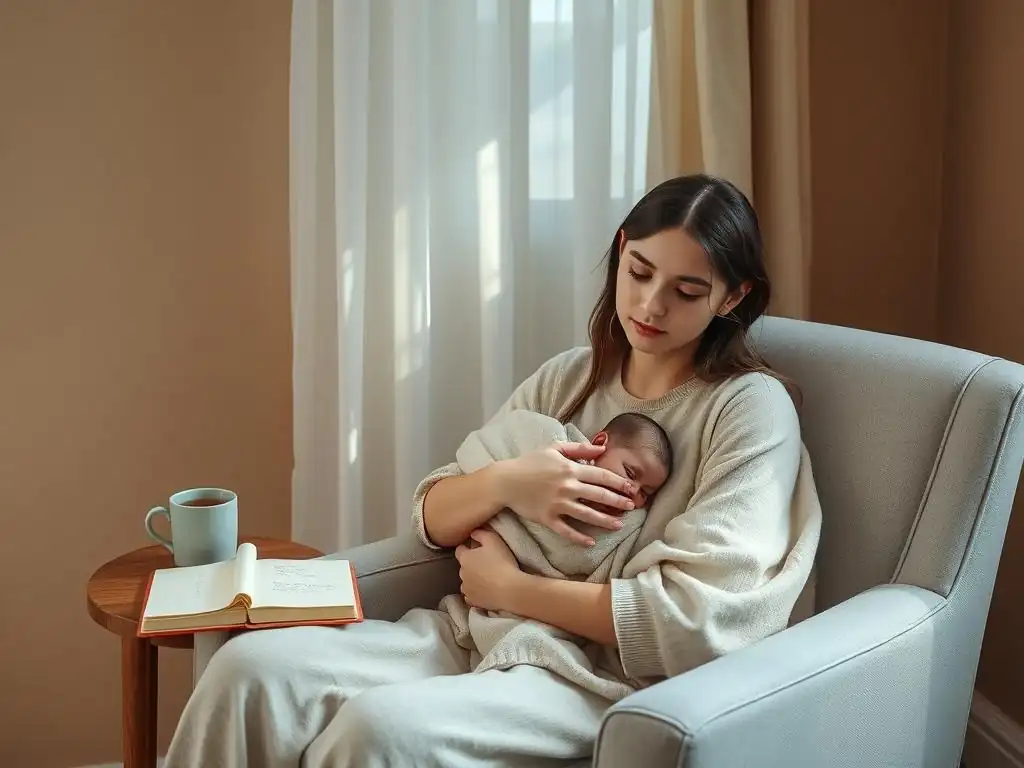
Recognizing the signs is the first step, but a formal diagnosis of PPD requires professional assessment. Seeking help from a healthcare provider is essential for confirming the diagnosis and accessing appropriate treatment.
The Importance of Early Diagnosis and Intervention
Early diagnosis and intervention are critical for effectively treating PPD and minimizing its impact on the mother, baby, and family. The longer PPD goes untreated, the more severe and entrenched the symptoms can become, making recovery potentially longer and more challenging. Untreated PPD can also have lasting negative effects on infant development and family dynamics.
Healthcare providers, including obstetricians, pediatricians, family doctors, and mental health professionals, play a key role in identifying PPD. Routine screening during postnatal check-ups is becoming more common, but mothers should also feel empowered to proactively discuss any concerning postpartum depression symptoms after birth they are experiencing with their doctor, even if they are not explicitly asked.
Screening Tools for Identifying Postpartum Depression Symptoms
Several standardized screening tools are available to help healthcare professionals identify potential cases of PPD. These questionnaires are simple, quick to administer, and designed to prompt conversations about a woman's emotional well-being.
Edinburgh Postnatal Depression Scale (EPDS)
The Edinburgh Postnatal Depression Scale (EPDS) is one of the most widely used screening tools for PPD globally. It is a 10-item questionnaire that asks about a woman's feelings over the past seven days, covering symptoms like sadness, anxiety, guilt, and difficulty sleeping. Each item is scored from 0 to 3, and a total score above a certain threshold (often 10 or 12) indicates a high probability of PPD and warrants further clinical assessment.
The EPDS is not a diagnostic tool itself but serves as an effective way to flag individuals who may be experiencing significant postpartum depression symptoms after birth and need a more thorough evaluation by a mental health professional. It can be administered in various settings, including doctor's offices, clinics, and even online.
Other Assessment Methods Used by Healthcare Professionals
In addition to the EPDS, healthcare professionals may use other screening tools or conduct clinical interviews to assess for postpartum depression symptoms after birth. These can include the Patient Health Questionnaire (PHQ-9), a general depression screening tool, or the Postpartum Depression Screening Scale (PDSS), which is another specific PPD screener.
A comprehensive assessment typically involves a detailed discussion about the woman's symptoms, their duration and severity, her history of mental health issues, current stressors, and her support system. The healthcare provider will also rule out other potential medical conditions that might be causing similar symptoms. This multi-faceted approach ensures a more accurate understanding of the woman's condition.
When to Seek Immediate Medical Attention
While PPD requires professional help, certain symptoms warrant immediate medical attention or a crisis evaluation. These are signs that the mother may be in danger or experiencing a more severe condition like postpartum psychosis.
- Thoughts of harming herself or the baby.
- Hallucinations (seeing or hearing things that aren't there).
- Delusions (believing things that aren't true, often bizarre or centered around the baby).
- Severe confusion or disorientation.
- Rapid mood swings.
- Feeling detached from reality.
If a new mother or someone supporting her notices any of these severe postpartum depression symptoms after birth, it is crucial to seek help immediately by contacting a doctor, going to an emergency room, or calling a crisis hotline. These are not symptoms to wait on; they require urgent professional intervention.
Postpartum Depression Treatment Options: Pathways to Recovery
The good news is that PPD is treatable, and recovery is possible. Treatment plans are often individualized based on the severity of symptoms, the woman's preferences, and her specific circumstances. Common approaches include psychotherapy, medication, and lifestyle adjustments.
Psychotherapy for Postpartum Depression
Talking therapies are a cornerstone of PPD treatment, providing a safe space for women to process their feelings, develop coping strategies, and address underlying issues contributing to their depression.
Cognitive Behavioral Therapy (CBT)
Cognitive Behavioral Therapy (CBT) is a highly effective form of psychotherapy for PPD. CBT helps individuals identify and challenge negative thought patterns and behaviors that contribute to their depression. The focus is on learning new ways of thinking and acting that promote healthier emotional responses.
In the context of PPD, CBT might help a mother challenge negative self-talk like "I'm a terrible mother" or "I should be able to handle this alone." It helps her identify realistic expectations, develop problem-solving skills for dealing with infant care challenges, and gradually re-engage in activities she once enjoyed. Several studies have shown CBT to be effective in reducing postpartum depression symptoms after birth.
Interpersonal Therapy (IPT)
Interpersonal Therapy (IPT) is another evidence-based psychotherapy approach for PPD. IPT focuses on how relationships and social roles contribute to depression. It helps individuals identify and address interpersonal problems, such as conflict with a partner, grief over the loss of their pre-baby identity, or difficulty adjusting to the new role of motherhood.
IPT for PPD helps women improve their communication skills, navigate relationship changes, and build stronger support networks. By addressing the social and relational stressors that often accompany new parenthood, IPT can significantly alleviate postpartum depression symptoms after birth and improve a woman's ability to connect with others and her baby.
Medication for Treating Postpartum Depression After Birth
In moderate to severe cases of PPD, antidepressant medication may be recommended in addition to or instead of therapy. These medications can help regulate brain chemistry and alleviate depressive symptoms.
Antidepressants and Their Role in Recovery
Selective Serotonin Reuptake Inhibitors (SSRIs) are the most commonly prescribed type of antidepressant for PPD. They work by increasing the level of serotonin, a neurotransmitter associated with mood, in the brain. Antidepressants can help reduce the intensity of postpartum depression symptoms after birth, such as persistent sadness, anxiety, and irritability, making it easier for a woman to engage in therapy and self-care.
It's important to understand that antidepressants do not work immediately; it typically takes several weeks (usually 2-4) to notice an improvement in symptoms. Treatment is usually continued for at least 6-12 months after symptoms have resolved to prevent relapse. Medication decisions are made in consultation with a healthcare provider, weighing the potential benefits against any risks.
Considerations for Breastfeeding Mothers
The decision to use antidepressant medication while breastfeeding is a personal one made in consultation with a healthcare provider. Many antidepressants are considered compatible with breastfeeding, as only small amounts pass into breast milk. The potential risks to the baby are generally considered low compared to the known risks of untreated moderate to severe PPD for both mother and child.
Healthcare providers will discuss the specific medication options, the amount that passes into milk, potential side effects for the infant (which are rare), and the importance of treating the mother's depression for the well-being of the entire family unit. Informed decision-making is key, ensuring the mother feels comfortable with her treatment plan while addressing her postpartum depression symptoms after birth.
Lifestyle Changes and Self-Care Strategies
Alongside professional treatment, incorporating healthy lifestyle changes and self-care strategies can significantly support recovery from PPD. These actions help build resilience and improve overall well-being.
The Importance of Sleep, Nutrition, and Exercise
Prioritizing basic physical needs like sleep, nutrition, and exercise is crucial, though often challenging with a newborn. While uninterrupted sleep may be difficult, maximizing rest by sleeping when the baby sleeps, even for short periods, can help. Eating regular, nutritious meals supports physical and mental health. Gentle exercise, like a walk outdoors, can boost mood and energy levels.
Even small steps, such as ensuring adequate hydration or taking a short walk around the block, can make a difference in managing postpartum depression symptoms after birth. These self-care actions are not luxuries but essential components of recovery that help restore physical and emotional balance.
Building a Support Network
Actively seeking and accepting support from partners, family, and friends is vital. This can involve asking for practical help with childcare or household tasks, sharing feelings with trusted individuals, or connecting with other new mothers. Joining a support group, either in person or online, can provide a sense of community and reduce feelings of isolation.
Sharing the burden and receiving help allows the mother more time to rest, focus on her recovery, and connect with her baby when she feels able. A strong support network acts as a buffer against stress and provides the emotional validation needed when grappling with postpartum depression symptoms after birth.
Supporting a Loved One Experiencing Postpartum Depression
PPD affects the entire family, and the support of loved ones is invaluable in a mother's recovery. Knowing how to recognize the signs and offer effective support can make a significant difference.
Recognizing the Signs and Symptoms in Others
Partners, family members, and close friends are often in a position to notice changes in a new mother's behavior and mood. They should be aware of the common postpartum depression symptoms after birth, such as persistent sadness, irritability, withdrawal, excessive worry, or lack of interest in the baby.
Observing changes that seem out of character for the person, or noticing that the "baby blues" haven't subsided after two weeks, should raise a flag. It's important to approach the situation with empathy and concern, rather than judgment, and express observations gently. For example, saying "I've noticed you seem very tired and sad lately, and I'm worried about you" is more helpful than "You need to snap out of it."
Offering Practical and Emotional Support
Support involves both practical help and emotional presence. Practical support can include helping with childcare (feeding, changing, soothing the baby), doing household chores (cooking, cleaning, laundry), running errands, or simply allowing the mother time to rest or be alone.
Emotional support means listening without judgment, validating her feelings, and reassuring her that she is not to blame for her symptoms. Spending time with her, offering encouragement, and reminding her of her strengths can help combat feelings of worthlessness. It's about being a consistent, understanding presence and helping her feel less alone in her struggle with postpartum depression symptoms after birth.
Encouraging Professional Help
Perhaps the most important way to support a loved one is to gently encourage her to seek professional help. This might involve helping her find a doctor or therapist, offering to make appointments, or even accompanying her to appointments. Overcoming the inertia and stigma associated with seeking help can be a major barrier for someone with PPD.
Reassure her that seeking help is a sign of strength and is the best path towards feeling better. Frame it as getting care for a medical condition, just like any other illness. Emphasize that effective treatments are available and that she doesn't have to suffer alone with postpartum depression symptoms after birth.
Long-Term Impact of Untreated Postpartum Depression
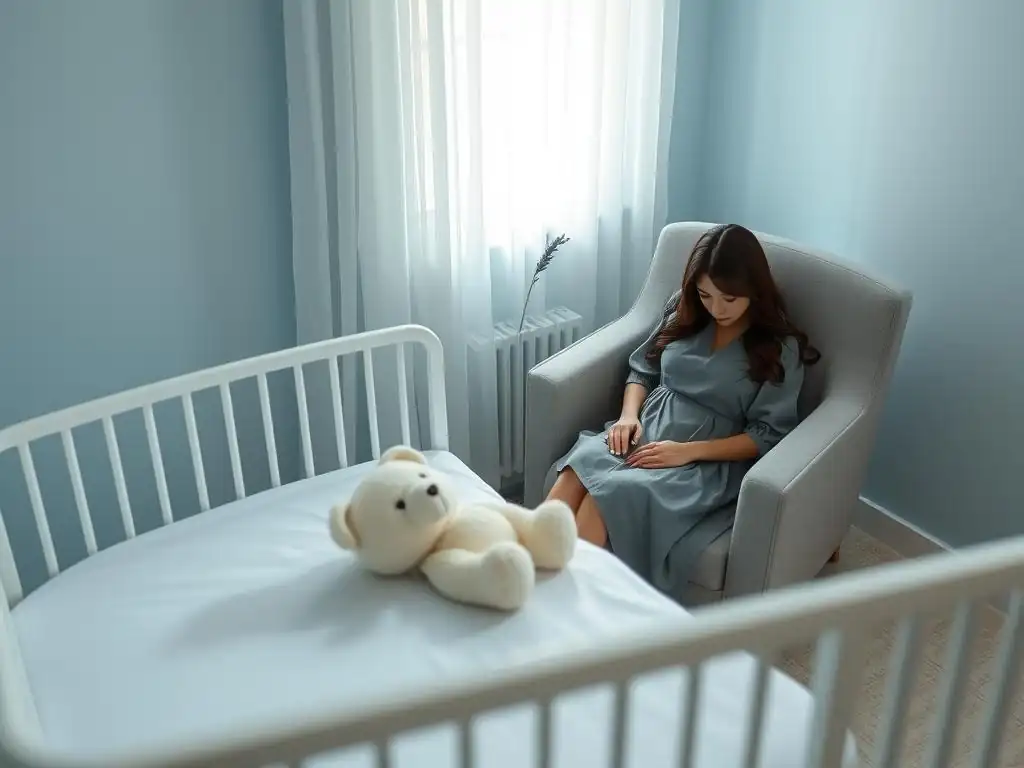
Untreated PPD can have significant and lasting negative consequences, not just for the mother but for her infant and the entire family system. This underscores the critical need for timely identification and treatment of postpartum depression symptoms after birth.
Effects on Maternal Well-being
For the mother, untreated PPD can lead to chronic depression or other mood disorders. It can impair her ability to function in daily life, affect her relationships, and diminish her overall quality of life for months or even years. The feelings of guilt and inadequacy can persist, impacting her self-esteem long after the acute symptoms might lessen.
Untreated PPD also increases the risk of substance abuse, anxiety disorders, and in rare, severe cases, suicidal thoughts or attempts. The chronic stress and emotional pain associated with prolonged, untreated postpartum depression symptoms after birth can have a devastating impact on a woman's long-term physical and mental health.
Impact on Infant Development
A mother's emotional state significantly impacts her interaction with her baby, which is crucial for the infant's development. Untreated PPD can affect mother-infant bonding and attachment. Depressed mothers may have less energy or emotional availability to respond to their infant's cues, engage in playful interaction, or provide consistent care.
Research suggests that infants of mothers with untreated PPD may be at higher risk for developmental delays, behavioral problems, and difficulties with emotional regulation later in life. While mothers with PPD still love their babies deeply, the illness can interfere with their ability to express that love and provide the necessary stimulating and nurturing environment. Addressing postpartum depression symptoms after birth is therefore vital for the child's healthy development.
Effects on Family Dynamics
PPD places significant strain on the family unit. Partners often experience increased stress, anxiety, and their own risk of depression (paternal postpartum depression is a real phenomenon). Relationship conflict can escalate, and the overall household environment may become tense or less stable.
Older siblings in the family may also be affected, experiencing changes in parental attention or increased exposure to parental distress. Untreated PPD disrupts the family's equilibrium and can create a cycle of stress and emotional difficulty that impacts everyone involved. Addressing the mother's postpartum depression symptoms after birth is an investment in the health and stability of the entire family.
Overcoming the Stigma Surrounding Postpartum Depression
Despite being relatively common, PPD is often surrounded by stigma, which can prevent women from seeking help. Shame, guilt, and fear of judgment can make it incredibly difficult for mothers to admit they are struggling with postpartum depression symptoms after birth.
Raising Awareness and Promoting Open Conversations
Raising awareness about PPD is essential to reducing stigma. Educating the public, healthcare providers, and new parents about what PPD is, its symptoms, and that it is a treatable medical condition can help normalize the experience. Openly discussing PPD in prenatal classes, parenting groups, and public health campaigns helps break down the silence surrounding it.
Encouraging open conversations where mothers feel safe to share their struggles without fear of being seen as inadequate or "bad mothers" is crucial. Sharing personal stories of recovery can also be powerful in showing others that they are not alone and that help is available for postpartum depression symptoms after birth.
Resources and Support Networks Available
Highlighting available resources and support networks is key to empowering women to seek help. These can include national and local helplines, online support forums, peer support groups specifically for new mothers, and mental health organizations specializing in perinatal mood disorders.
Providing clear, accessible information about where to find help – whether it's a therapist who specializes in PPD, a local support group meeting, or a crisis hotline number – is vital. Knowing that there are dedicated resources and communities of support can make the daunting task of seeking help feel more manageable for someone struggling with postpartum depression symptoms after birth.
Postpartum Depression vs. Postpartum Psychosis: Recognizing the Difference
It is important to distinguish between PPD and postpartum psychosis, a rare but severe psychiatric emergency that requires immediate medical intervention. While both occur after childbirth, their symptoms, severity, and treatment differ significantly.
Understanding the Severity and Unique Symptoms of Postpartum Psychosis
Postpartum psychosis is a distinct and severe condition that occurs in approximately 1 to 2 out of every 1,000 births, typically within the first few weeks after delivery. It is characterized by a sudden onset of symptoms that include:
- Hallucinations (seeing, hearing, smelling, or feeling things that are not real).
- Delusions (false, fixed beliefs that are not based in reality, often bizarre or centered around the baby).
- Disorganized thinking or speech.
- Severe confusion and disorientation.
- Rapid mood swings (from elation to despair).
- Extreme agitation or irritability.
- Loss of touch with reality.
Unlike the pervasive sadness or anxiety of PPD, postpartum psychosis involves a break from reality and can be accompanied by thoughts of harming oneself or the baby, often driven by delusions or commands from hallucinations. Recognizing these unique and severe symptoms is paramount. While postpartum depression symptoms after birth involve significant distress and impaired functioning, postpartum psychosis is a psychiatric emergency due to the risk of harm.
Seeking Immediate Intervention for Postpartum Psychosis
Postpartum psychosis is a medical emergency and requires immediate professional help. It cannot be managed with outpatient therapy or typical PPD treatments alone. Intervention typically involves hospitalization to ensure the safety of the mother and baby, evaluation by a psychiatrist, and treatment with antipsychotic medications, mood stabilizers, and sometimes antidepressants.
If you suspect that a new mother is experiencing symptoms of postpartum psychosis, do not wait to see if they improve. Seek immediate medical attention by calling emergency services, going to the nearest emergency room, or contacting a mental health crisis line. Prompt treatment of postpartum psychosis is essential for the safety and recovery of the mother and baby. It is a treatable condition, but swift action is critical.
Frequently Asked Questions
What are the most common early postpartum depression symptoms to look out for?
Common early symptoms include persistent sadness, excessive crying, and a significant loss of interest in activities you once enjoyed. Difficulty bonding with your baby is also a key indicator.
How long after childbirth can postpartum depression symptoms appear?
Symptoms typically emerge within the first few weeks after giving birth, but can appear up to a year later. It's crucial to be aware of any persistent changes in mood or behavior.
Are postpartum depression symptoms different from the "baby blues"?
Yes, while baby blues are common and usually resolve within a couple of weeks, postpartum depression symptoms are more intense, longer lasting, and significantly impact daily functioning.
What resources are available if I suspect I am experiencing postpartum depression symptoms?
You can reach out to your doctor, a mental health professional, or a support group specializing in postpartum mental health. Mind Care Guide also provides helpful information and resources.
Can postpartum depression symptoms affect my baby?
Yes, untreated postpartum depression can negatively impact the mother-infant bond and the baby's development. Seeking help is essential for both your well-being and your child's.
Final Reflection: Embracing the Light After the Peripartum Shadow
The pervasive struggle with postpartum depression (PPD) remains a significant public health concern, impacting countless families and demanding a more open and compassionate societal response. The silence surrounding this often-overlooked condition only exacerbates the suffering of those affected, hindering early intervention and delaying access to crucial support. We must move beyond whispered anxieties and into a space of honest conversation and proactive care.
The journey through the peripartum period, while often celebrated, can be fraught with unexpected challenges. The emotional rollercoaster experienced by many new parents is a testament to the profound physical and psychological transformations of childbirth. The societal pressure to portray an idealized image of motherhood often silences the very real struggles faced by those experiencing PPD. This pressure, coupled with a lack of understanding, can leave new mothers feeling isolated and ashamed. The most common way people give up their power is by thinking they don't have any.
– Alice Walker. This quote resonates deeply, as many women experiencing PPD feel powerless against their symptoms, believing their feelings are abnormal or their fault.
You, the reader, hold the power to change this narrative. Take the time to learn the signs and symptoms of PPD, not just for yourself but for the mothers in your life. Reach out to those you suspect may be struggling, offering a listening ear and unwavering support. Remember, seeking help is a sign of strength, not weakness. By fostering a culture of understanding and empathy, we can collectively illuminate the peripartum shadow and guide new parents towards the healing and joy they deserve. Let's break the silence and build a brighter future for mothers everywhere.
Here's a Call to Action (CTA) tailored for the article "The Peripartum Shadow: Identifying MDD Symptoms After Childbirth" on MindCareGuide.org:
Unveil Your Strength: Take Charge of Your Postpartum Wellbeing
Thank you for taking the time to learn about postpartum mental health. Understanding the signs of peripartum depression is the first step towards prioritizing your wellbeing. Now, let's take action!
- Prioritize self-care: Schedule a check-in with your doctor or midwife to discuss your feelings and explore potential next steps. This is crucial for early intervention and support.
- Connect with others: Share this article with a friend or family member who might be experiencing similar challenges. Knowing you're not alone can make a world of difference.
- Explore supportive resources: Discover local or online support groups dedicated to postpartum mental health. These communities offer valuable connection and understanding.
What small step will you take today to nurture your mental wellness?