
How Psychiatric Medications Work: The Science Behind Mood Regulation

Welcome to Mind Care Guide, a space designed to nurture your mental well-being.
Ever wondered exactly how psychiatric medications work to restore balance when mood feels utterly out of control? Dive into our article, " How Psychiatric Medications Work: The Science Behind Mood Regulation," and unlock the fascinating secrets of psychiatric medications mood regulation science. Understanding the mechanisms can be empowering. Let's explore this together and shed light on the path to mental wellness.
How Psychiatric Medications Work: The Science Behind Mood Regulation - Mind Care Guide
- Understanding Psychiatric Medications and Mood Disorders
- The Neuroscience of Mood: A Foundation for Medication Action
-
Types of Psychiatric Medications for Mood Regulation: A Scientific Overview
- Selective Serotonin Reuptake Inhibitors (SSRIs): Mechanism of Action and Use
- Serotonin-Norepinephrine Reuptake Inhibitors (SNRIs): Dual Action for Enhanced Mood
- Tricyclic Antidepressants (TCAs): A Closer Look at Their Neurochemical Effects
- Monoamine Oxidase Inhibitors (MAOIs): Inhibiting Enzyme Activity for Mood Enhancement
- Mood Stabilizers: Regulating Mood Swings in Bipolar Disorder
- Atypical Antidepressants: Targeting Specific Neurotransmitter Systems
- How Psychiatric Medications Work: A Deeper Dive into the Mechanisms
- Factors Influencing Medication Effectiveness in Mood Regulation
- Managing Side Effects of Psychiatric Medications
- The Future of Psychiatric Medications and Mood Regulation Science
- Important Considerations and Precautions Regarding Psychiatric Medications and Mood
-
Frequently Asked Questions
- What is the primary goal of psychiatric medications in mood regulation?
- How do psychiatric medications impact neurotransmitters like serotonin and dopamine?
- Are psychiatric medications a "cure" for mental health conditions, or do they serve a different purpose?
- How long does it typically take for psychiatric medications to start showing noticeable effects on mood?
- What are some potential side effects associated with psychiatric medications, and how are they typically managed?
- Final Reflection: Unlocking the Mind: The Ongoing Quest for Mood Regulation
- Unlock Your Understanding of Mental Wellness
Understanding Psychiatric Medications and Mood Disorders
What are Mood Disorders and How are they Treated?
Mood disorders represent a category of mental health conditions characterized by significant disturbances in a person's emotional state or mood. Unlike typical fluctuations in mood, these disorders involve persistent and intense feelings that can profoundly impact daily functioning, relationships, and overall quality of life. The most common mood disorders include Major Depressive Disorder (MDD), Bipolar Disorder (which includes Bipolar I, Bipolar II, and Cyclothymic Disorder), and Persistent Depressive Disorder (Dysthymia).
MDD, for instance, affects approximately 5% of adults globally in any given year, causing persistent sadness, loss of interest, and physical symptoms. Bipolar disorder, while less common, affecting around 1-2% of the population, involves dramatic shifts between periods of elevated mood (mania or hypomania) and depression.
Treatment for mood disorders is often multifaceted and tailored to the individual's specific diagnosis, symptom severity, and personal circumstances. It typically involves a combination of psychotherapy (talk therapy), such as Cognitive Behavioral Therapy (CBT) or Interpersonal Therapy (IPT), and psychiatric medications. Lifestyle adjustments, including regular exercise, a balanced diet, and sufficient sleep, also play a crucial supportive role.
In some cases, especially for severe or treatment-resistant depression, brain stimulation therapies like Electroconvulsive Therapy (ECT) or Transcranial Magnetic Stimulation (TMS) may be considered. The goal of treatment is not just symptom reduction but achieving remission and improving overall well-being and functioning.
The Role of Psychiatric Medications in Mood Regulation
Psychiatric medications are a cornerstone in the treatment of many mood disorders, working to alleviate symptoms and help individuals achieve a more stable and balanced emotional state. These medications do not "cure" mood disorders, but rather target specific chemical imbalances or dysfunctions in the brain believed to contribute to the symptoms.
For example, antidepressants are commonly used to treat depression by influencing neurotransmitters associated with mood, while mood stabilizers are primarily prescribed for bipolar disorder to mitigate the extreme highs and lows. The science behind psychiatric medications and mood regulation is complex, involving intricate interactions with brain circuits and chemical messengers.
The primary function of these psychiatric medications is to modulate the activity of certain brain chemicals to restore a more typical level of function in areas of the brain responsible for mood, thinking, sleep, appetite, and energy. While the exact mechanisms are still areas of active research, the prevailing understanding centers on their impact on neurotransmitter systems.
Finding the right medication or combination of medications and dosage often requires a period of trial and error, as individual responses can vary significantly based on genetic factors, metabolism, and the specific nature of their mood disorder. Adherence to the prescribed regimen and close collaboration with a healthcare provider are essential for optimizing the effectiveness of psychiatric medications in achieving stable mood regulation.
The Neuroscience of Mood: A Foundation for Medication Action
Neurotransmitters and Their Impact on Mood
Neurotransmitters are chemical messengers in the brain that transmit signals between nerve cells (neurons). They play a critical role in virtually every brain function, including regulating mood, emotions, sleep, appetite, and cognitive processes. Key neurotransmitters implicated in mood regulation include serotonin, norepinephrine, dopamine, and gamma-aminobutyric acid (GABA).
Serotonin, for instance, is often associated with feelings of well-being and happiness, and low levels or impaired signaling are frequently observed in individuals with depression. Norepinephrine is linked to alertness, energy, and stress response, while dopamine is central to the brain's reward and pleasure systems. GABA is the primary inhibitory neurotransmitter, helping to calm neural activity and reduce anxiety.
Dysregulation in the synthesis, release, receptor binding, or reuptake of these neurotransmitters is thought to contribute significantly to the development of mood disorders. For example, a deficit in serotonin or norepinephrine activity in certain brain regions might lead to depressive symptoms like sadness, fatigue, and loss of interest. Imbalances in dopamine and other systems are implicated in the manic phases of bipolar disorder.
Psychiatric medications designed for mood regulation often work by targeting these neurotransmitter systems, aiming to restore a healthier chemical balance and improve communication between neurons, thereby alleviating symptoms and promoting stable mood regulation. Understanding this neurochemical basis is fundamental to grasping how psychiatric medications exert their therapeutic effects.
The Brain's Reward System and Mood Regulation
The brain's reward system, primarily involving the mesolimbic pathway and structures like the nucleus accumbens, ventral tegmental area (VTA), and prefrontal cortex, is a network of neural structures responsible for processing pleasure, motivation, and reinforcement. Dopamine is the key neurotransmitter in this system. When we engage in activities that are rewarding (like eating, socializing, or achieving a goal), dopamine is released, creating feelings of pleasure and reinforcing the behavior, making us more likely to repeat it.
In the context of mood disorders, particularly depression, dysfunction in the reward system is common. Individuals with depression often experience anhedonia – a reduced ability to experience pleasure or interest in activities they once enjoyed. This can be linked to reduced dopamine activity or sensitivity in reward pathway areas.
This connection between the reward system and mood highlights another target for psychiatric medications aimed at mood regulation. While serotonin and norepinephrine are primary targets for many antidepressants, some medications also influence dopamine pathways, which can help restore motivation, pleasure, and energy levels. For example, certain atypical antidepressants have dopaminergic effects.
Furthermore, the interplay between the reward system and other mood-regulating circuits, such as those involving serotonin and norepinephrine, underscores the complexity of mood disorders and the need for medications that can modulate multiple neurotransmitter systems. Research continues to explore how precisely psychiatric medications influence these interconnected pathways to improve mood and restore a sense of reward and motivation.
How Psychiatric Medications Target Brain Chemistry
Psychiatric medications primarily function by altering the levels or activity of neurotransmitters in the brain. They achieve this through several key mechanisms. One common mechanism is blocking the reuptake of neurotransmitters.
Normally, after a neurotransmitter has sent a signal across the synapse (the gap between neurons), it is reabsorbed back into the transmitting neuron through a process called reuptake. Medications like SSRIs (Selective Serotonin Reuptake Inhibitors) and SNRIs (Serotonin-Norepinephrine Reuptake Inhibitors) block this reuptake process for serotonin and norepinephrine, respectively. This results in higher concentrations of these neurotransmitters remaining in the synaptic gap, increasing their availability to bind to receptors on the receiving neuron and enhancing signal transmission.
Another mechanism involves directly affecting neurotransmitter receptors. Some medications can bind to receptors and either mimic the action of a neurotransmitter (agonist) or block its action (antagonist). For example, certain antipsychotics, sometimes used adjunctively in mood disorder treatment, block dopamine receptors.
Other medications might inhibit enzymes that break down neurotransmitters in the synapse, such as Monoamine Oxidase Inhibitors (MAOIs), which prevent the breakdown of monoamine neurotransmitters like serotonin, norepinephrine, and dopamine, thus increasing their levels. By manipulating these intricate processes – synthesis, release, reuptake, metabolism, and receptor binding – psychiatric medications work to rebalance brain chemistry and facilitate more stable mood regulation.
Types of Psychiatric Medications for Mood Regulation: A Scientific Overview
Selective Serotonin Reuptake Inhibitors (SSRIs): Mechanism of Action and Use
The Science Behind SSRIs and Serotonin Levels
SSRIs are the most commonly prescribed type of antidepressant for mood disorders like Major Depressive Disorder and anxiety disorders. Their mechanism of action is centered on increasing the availability of serotonin in the brain. Serotonin is a neurotransmitter that plays a significant role in regulating mood, sleep, appetite, and social behavior.
In depression, there is often believed to be insufficient serotonin activity in certain neural circuits. Neurons communicate by releasing neurotransmitters into the synaptic cleft, where they bind to receptors on the receiving neuron. After signaling, serotonin is normally transported back into the presynaptic neuron via a protein called the serotonin transporter.
SSRIs work by selectively blocking this serotonin transporter. By inhibiting the reuptake of serotonin back into the presynaptic neuron, SSRIs cause serotonin to remain in the synaptic cleft for a longer duration and at higher concentrations. This increased presence of serotonin allows it to bind more effectively to postsynaptic receptors, enhancing serotonin signaling.
While the increase in synaptic serotonin is relatively rapid, the therapeutic effects of SSRIs on mood typically take several weeks to become apparent. This delay suggests that the benefits are not solely due to the immediate increase in serotonin but also involve downstream adaptations in neural circuits, such as changes in receptor sensitivity or neurogenesis (the growth of new neurons), contributing to long-term mood regulation.
Common SSRIs and Their Specific Applications for Mood Disorders
Several SSRIs are widely used in clinical practice, each with slightly different pharmacological profiles and side effect possibilities, though they share the core mechanism of blocking serotonin reuptake. Examples include fluoxetine (Prozac), sertraline (Zoloft), paroxetine (Paxil), citalopram (Celexa), escitalopram (Lexapro), and fluvoxamine (Luvox). Fluoxetine, one of the first SSRIs, has a long half-life, meaning it stays in the body longer, which can be beneficial for individuals who might occasionally miss a dose. Sertraline is often well-tolerated and frequently prescribed as a first-line treatment. Paroxetine is known for its relatively short half-life and can sometimes have more noticeable discontinuation effects.
While primarily prescribed for Major Depressive Disorder, SSRIs are also highly effective for other mood-related conditions and anxiety disorders that often co-occur with depression, such as Generalized Anxiety Disorder, Panic Disorder, Obsessive-Compulsive Disorder (OCD), and Post-Traumatic Stress Disorder (PTSD). For instance, sertraline and paroxetine are approved for the treatment of panic disorder, while fluvoxamine and sertraline are commonly used for OCD.
The choice of a specific SSRI depends on factors including the patient's specific symptoms, other medical conditions, potential drug interactions, and previous response to medications. Their broad applicability makes them a fundamental class of psychiatric medications for mood regulation and related conditions.
Serotonin-Norepinephrine Reuptake Inhibitors (SNRIs): Dual Action for Enhanced Mood
Understanding the Combined Effect of Serotonin and Norepinephrine
Serotonin-Norepinephrine Reuptake Inhibitors (SNRIs) represent another major class of antidepressants used in the treatment of mood disorders. As their name suggests, SNRIs work by inhibiting the reuptake of both serotonin and norepinephrine back into the presynaptic neuron. This dual mechanism results in increased concentrations of both neurotransmitters in the synaptic cleft, enhancing signaling in neural pathways where these chemicals are active. While SSRIs focus solely on serotonin, SNRIs offer a broader impact by also targeting norepinephrine, a neurotransmitter crucial for alertness, energy, motivation, and the body's stress response.
The combined effect of increasing both serotonin and norepinephrine can be particularly beneficial for individuals experiencing symptoms like low energy, fatigue, and difficulty concentrating, which are common in depression. By enhancing norepinephrine activity, SNRIs may help improve these specific symptoms more effectively than medications that only target serotonin. Furthermore, the interplay between these two neurotransmitter systems is complex; changes in one can influence the other.
SNRIs leverage this interaction to provide a more comprehensive modulation of mood-related brain circuits, potentially leading to greater efficacy for some individuals or specific symptom profiles compared to SSRIs. This dual action is a key aspect of how these psychiatric medications contribute to mood regulation.
SNRIs: When are They Prescribed and What are the Benefits?
SNRIs are commonly prescribed for Major Depressive Disorder, particularly when symptoms include significant fatigue, lack of motivation, or physical pain that is associated with depression. Examples of SNRIs include venlafaxine (Effexor), duloxetine (Cymbalta), desvenlafaxine (Pristiq), and levomilnacipran (Fetzima). Duloxetine, for instance, is also approved for the treatment of chronic musculoskeletal pain and fibromyalgia, conditions that frequently co-occur with depression, highlighting its unique benefit profile. Venlafaxine is often used for severe depression and certain anxiety disorders like Generalized Anxiety Disorder and Panic Disorder.
The potential benefits of SNRIs include a broader spectrum of symptom relief compared to SSRIs for some individuals, especially regarding energy levels and certain physical symptoms associated with depression. Studies suggest that SNRIs may be slightly more effective than SSRIs in some populations, although the difference is often modest, and individual response varies greatly.
Their dual mechanism targeting two key neurotransmitters involved in mood and stress response makes them a valuable tool in the arsenal of psychiatric medications for mood regulation, particularly when symptoms are severe or do not fully respond to SSRIs. However, like all psychiatric medications, they come with potential side effects and require careful monitoring.
Tricyclic Antidepressants (TCAs): A Closer Look at Their Neurochemical Effects
TCAs: How They Differ from SSRIs and SNRIs
Tricyclic Antidepressants (TCAs) are an older class of antidepressants that were widely used before the advent of SSRIs and SNRIs. Their neurochemical effects are broader and less selective than newer medications. Like SNRIs, TCAs inhibit the reuptake of both serotonin and norepinephrine, increasing their concentrations in the synaptic cleft. However, TCAs also block the reuptake of dopamine to some extent and, crucially, block receptors for other neurotransmitters, including acetylcholine, histamine, and alpha-adrenergic receptors. This promiscuous binding profile is the primary way they differ from the more targeted action of SSRIs and SNRIs.
While their effect on serotonin and norepinephrine reuptake contributes to their antidepressant properties and impact on mood regulation, their action on other receptors leads to a range of side effects that are generally more pronounced and varied than those of SSRIs and SNRIs. For example, blocking acetylcholine receptors can cause anticholinergic effects like dry mouth, blurred vision, constipation, and cognitive impairment. Blocking histamine receptors can lead to sedation and weight gain.
Blocking alpha-adrenergic receptors can cause dizziness and orthostatic hypotension (a drop in blood pressure upon standing). This broader impact on multiple neurotransmitter systems and receptors is the key distinction in the science behind how TCAs function compared to newer reuptake inhibitors.
Considerations and Potential Side Effects of TCAs
Despite being older and having a less favorable side effect profile than SSRIs and SNRIs, TCAs are still prescribed today, often for individuals with severe depression, chronic pain conditions, or when newer antidepressants have been ineffective. Examples include amitriptyline, imipramine (Tofranil), and nortriptyline (Pamelor). Amitriptyline, for instance, is frequently used for nerve pain and migraine prevention in addition to depression. Imipramine was one of the first effective antidepressants.
Given their multiple mechanisms of action, TCAs carry a higher risk of significant side effects compared to SSRIs and SNRIs. Common side effects include anticholinergic effects (dry mouth, constipation, blurred vision, urinary retention), sedation, dizziness, weight gain, and potential cardiovascular effects such as irregular heart rhythms (arrhythmias) and changes in blood pressure. TCAs are also more dangerous in overdose than SSRIs or SNRIs, posing a significant risk of cardiac toxicity.
Due to these side effect concerns and safety issues, TCAs are typically not the first choice for treating mood disorders unless there's a specific indication or history of successful treatment with them. Their use requires careful patient selection and monitoring.
Monoamine Oxidase Inhibitors (MAOIs): Inhibiting Enzyme Activity for Mood Enhancement
The Science Behind MAOIs and Monoamine Neurotransmitters
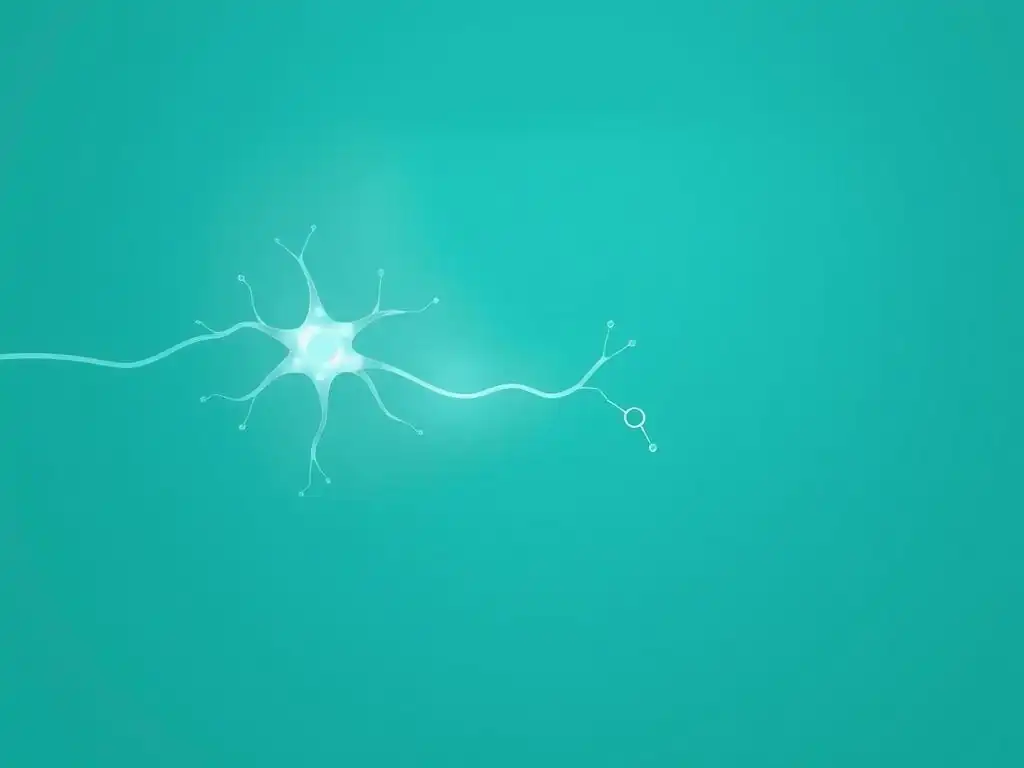
Monoamine Oxidase Inhibitors (MAOIs) are another older class of antidepressants that work through a different mechanism than reuptake inhibitors. Instead of blocking the reuptake of neurotransmitters, MAOIs inhibit the activity of enzymes called monoamine oxidases. Monoamine oxidases are responsible for breaking down monoamine neurotransmitters, which include serotonin, norepinephrine, and dopamine, within the neuron and in the synaptic cleft. There are two main types of monoamine oxidase enzymes: MAO-A and MAO-B. MAO-A primarily metabolizes serotonin, norepinephrine, and tyramine (a substance found in certain foods), while MAO-B primarily metabolizes dopamine and phenylethylamine.
By inhibiting these enzymes, MAOIs prevent the breakdown of serotonin, norepinephrine, and dopamine. This leads to an increase in the concentration of these neurotransmitters within the presynaptic neuron's vesicles and a greater release into the synaptic cleft. The increased availability of these monoamines in the synapse enhances their signaling and activity, which contributes to their antidepressant and mood-regulating effects.
Early MAOIs were non-selective, inhibiting both MAO-A and MAO-B. Newer, reversible MAO-A inhibitors exist but are less commonly used in some regions. The science behind how these psychiatric medications enhance mood regulation lies in their unique ability to prevent neurotransmitter degradation, thereby boosting their levels.
MAOIs: Dietary Restrictions and Potential Drug Interactions
While highly effective for some individuals, particularly those with atypical depression or who have not responded to other treatments, MAOIs are typically reserved as a last-line treatment due to significant dietary restrictions and potential for dangerous drug interactions. Examples of MAOIs include phenelzine (Nardil), tranylcypromine (Parnate), isocarboxazid (Marplan), and selegiline (Emsam), which is available as a skin patch, potentially reducing some risks.
The most critical consideration with MAOIs is the risk of a hypertensive crisis (a dangerous spike in blood pressure) when consuming foods high in tyramine. Tyramine is metabolized by MAO-A in the gut. When MAO-A is inhibited by MAOIs, tyramine levels can rise, leading to the release of large amounts of norepinephrine, causing severe hypertension.
Foods to avoid include aged cheeses, cured meats, fermented products (like sauerkraut, soy sauce), draft beer, and fava beans. Additionally, MAOIs can cause serious, potentially fatal interactions with many other medications, including other antidepressants (especially SSRIs and SNRIs, risking serotonin syndrome), cold and allergy medications containing decongestants, and certain pain relievers. Patients on MAOIs require strict adherence to dietary guidelines and careful management of all other medications to ensure safe mood regulation.
Mood Stabilizers: Regulating Mood Swings in Bipolar Disorder
The Neurobiology of Bipolar Disorder and the Role of Mood Stabilizers
Bipolar disorder is characterized by dramatic shifts in mood, energy, and activity levels, ranging from periods of elevated or irritable mood (mania or hypomania) to periods of severe depression. Unlike unipolar depression, which is primarily associated with deficits in monoamine neurotransmitters, the neurobiology of bipolar disorder is thought to involve dysregulation in multiple brain systems, including neurotransmitter systems (like dopamine, serotonin, and norepinephrine), ion channels (which control electrical signaling in neurons), and intracellular signaling pathways.
There is evidence suggesting altered activity in brain regions involved in emotional regulation, such as the amygdala and prefrontal cortex, and disruptions in circadian rhythms. Genetic factors also play a significant role, with a higher concordance rate in identical twins (estimated around 60-80%).
Mood stabilizers are the primary class of psychiatric medications used to treat bipolar disorder. Their role is to prevent or reduce the frequency and severity of both manic/hypomanic and depressive episodes, thereby stabilizing mood. They work through diverse mechanisms that are not fully understood but are thought to modulate neural excitability and signaling pathways that are dysregulated in bipolar disorder.
Unlike antidepressants used for unipolar depression, which can sometimes trigger manic episodes in individuals with bipolar disorder, mood stabilizers aim to dampen the extreme fluctuations, helping individuals maintain a more even keel. This stabilization is crucial for long-term functioning and quality of life for people living with bipolar disorder.
Common Mood Stabilizers and Their Mechanisms of Action
Several types of medications are used as mood stabilizers, each with distinct mechanisms. Lithium is the oldest and perhaps best-known mood stabilizer. Its exact mechanism is still being researched, but it is thought to affect multiple intracellular signaling pathways, including the inositol pathway and GSK-3 enzyme activity, which are involved in regulating neuronal function and plasticity. Lithium is effective in reducing the severity and frequency of both manic and depressive episodes and has demonstrated efficacy in reducing suicide risk in bipolar disorder. However, it requires regular blood monitoring to ensure therapeutic levels and check kidney and thyroid function.
Anticonvulsant medications, originally developed for epilepsy, are also widely used as mood stabilizers. Examples include valproate (Depakote), lamotrigine (Lamictal), and carbamazepine (Tegretol). Valproate is thought to work by increasing GABA levels and modulating sodium and calcium channels. Lamotrigine is particularly effective for preventing depressive episodes in bipolar disorder and is believed to work by inhibiting voltage-sensitive sodium channels and modulating glutamate release.
Carbamazepine also affects sodium channels. Atypical antipsychotics (like olanzapine, quetiapine, aripiprazole) are increasingly used, often in combination, to manage acute mania and bipolar depression, likely through their effects on dopamine and serotonin receptors. These diverse mechanisms underscore the complex science behind how these psychiatric medications regulate mood swings in bipolar disorder.
Atypical Antidepressants: Targeting Specific Neurotransmitter Systems
How Atypical Antidepressants Differ in Their Action
Atypical antidepressants are a diverse group of psychiatric medications that do not fit neatly into the categories of SSRIs, SNRIs, TCAs, or MAOIs. They are "atypical" because their primary mechanisms of action involve unique combinations of effects on different neurotransmitter systems or target different receptors compared to the more traditional classes. While many still influence serotonin, norepinephrine, and/or dopamine, they do so through different pathways or with different affinities for specific receptors. For example, some might block certain receptors (like specific serotonin or norepinephrine receptors) while also weakly inhibiting reuptake, or primarily affect dopamine alongside other systems.
This varied pharmacology allows atypical antidepressants to offer alternative options for individuals who do not respond well to or cannot tolerate SSRIs or SNRIs, or those with specific symptom profiles. Their distinct mechanisms mean they can have different side effect profiles and potentially be more effective for certain types of depression or co-occurring conditions. The science behind their use in mood regulation involves understanding their specific impact on neural circuits beyond the simple reuptake inhibition of major monoamines, sometimes influencing receptor sensitivity, release patterns, or other signaling pathways.
Examples and Applications of Atypical Antidepressants
Several atypical antidepressants are commonly prescribed. Bupropion (Wellbutrin) is a notable example; it primarily inhibits the reuptake of norepinephrine and dopamine, with minimal effects on serotonin. This mechanism makes it useful for symptoms like low energy, fatigue, and difficulty concentrating, and it is also prescribed for smoking cessation. Mirtazapine (Remeron) works by blocking alpha-2 adrenergic receptors, which increases the release of norepinephrine and serotonin, and also blocks certain serotonin and histamine receptors, often leading to sedation and increased appetite, making it suitable for depressed patients with insomnia and weight loss.
Trazodone (Desyrel) is another atypical antidepressant that primarily blocks serotonin 2A receptors and weakly inhibits serotonin reuptake; it is more often used at lower doses for insomnia than as a primary antidepressant due to its sedating effects. Vilazodone (Viibryd) is a partial agonist at the serotonin 1A receptor and a serotonin reuptake inhibitor. Vortioxetine (Trintellix) inhibits serotonin reuptake but also acts on several serotonin receptors (antagonist at 5-HT3 and 5-HT7, agonist at 5-HT1A). These examples illustrate the diverse ways atypical antidepressants modulate brain chemistry to achieve mood regulation, offering personalized treatment options based on their unique pharmacological profiles.
How Psychiatric Medications Work: A Deeper Dive into the Mechanisms
Receptor Binding and Neurotransmitter Modulation
A fundamental aspect of how psychiatric medications influence mood regulation is through their interaction with neurotransmitter receptors. Receptors are proteins located on the surface of neurons (postsynaptic receptors) or sometimes on the transmitting neuron itself (presynaptic autoreceptors). When a neurotransmitter is released into the synapse, it binds to specific receptors on the receiving neuron, triggering a signal.
Psychiatric medications can either mimic the action of a neurotransmitter by binding to its receptor and activating it (acting as an agonist) or block the neurotransmitter from binding and activating the receptor (acting as an antagonist). For instance, atypical antipsychotics used adjunctively in bipolar depression often block dopamine D2 receptors and serotonin 5-HT2A receptors.
Beyond simple agonism or antagonism, some medications act as partial agonists, weakly activating the receptor, or modulators, altering the receptor's response to the neurotransmitter. The long-term effects of psychiatric medications also involve changes in receptor sensitivity and density. Chronic exposure to increased neurotransmitter levels (e.g., from reuptake inhibitors) can lead to downregulation (decrease in number) or desensitization of postsynaptic receptors over time.
Conversely, blocking receptors can lead to upregulation. These adaptive changes in receptor populations are thought to contribute to the delayed onset of therapeutic effects seen with many psychiatric medications, as the brain adjusts to the altered chemical environment to achieve stable mood regulation.
The Role of Enzymes in Medication Metabolism and Efficacy
Enzymes play a crucial role in both the breakdown of neurotransmitters (as seen with MAOIs) and the metabolism of the psychiatric medications themselves within the body. The liver is the primary site for drug metabolism, where enzymes, particularly those belonging to the cytochrome P450 (CYP) family, chemically modify medications.
This metabolism process can transform a medication into inactive metabolites, active metabolites (which may also have therapeutic or side effects), or facilitate its excretion from the body. The rate at which these enzymes metabolize a psychiatric medication significantly impacts its concentration in the bloodstream and brain, and thus its efficacy and potential for side effects.
Genetic variations in CYP enzymes are common and can lead to individuals being "poor metabolizers," "intermediate metabolizers," "extensive metabolizers," or "ultrarapid metabolizers" of certain drugs. For example, a person who is an ultrarapid metabolizer of a specific SSRI might break it down very quickly, resulting in low blood levels and potentially inadequate therapeutic effect for mood regulation. Conversely, a poor metabolizer might break it down slowly, leading to high blood levels and an increased risk of side effects.
Furthermore, many psychiatric medications can inhibit or induce CYP enzymes, leading to drug-drug interactions where one medication alters the metabolism of another. Understanding these enzymatic processes is vital for optimizing dosing, predicting response, and managing polypharmacy when prescribing psychiatric medications for mood regulation.
Long-Term Effects of Psychiatric Medications on Brain Function
The long-term use of psychiatric medications for mood regulation can induce significant adaptive changes in brain structure and function, beyond the immediate impact on neurotransmitter levels. While research is ongoing, studies using neuroimaging techniques like fMRI have shown that successful treatment with antidepressants can normalize activity in brain regions implicated in mood disorders, such as the prefrontal cortex (involved in executive function and mood regulation), the amygdala (involved in processing emotions like fear), and the hippocampus (involved in memory and stress response).
For example, chronic antidepressant use has been associated with increased volume in the hippocampus and improved connectivity between brain regions.
These long-term effects are thought to involve neuroplasticity – the brain's ability to reorganize itself by forming new neural connections. Chronic treatment with some psychiatric medications, particularly antidepressants and mood stabilizers like lithium, has been shown to increase levels of neurotrophic factors, such as Brain-Derived Neurotrophic Factor (BDNF). BDNF supports the survival, growth, and differentiation of neurons and synapses.
By promoting neuroplasticity and potentially neurogenesis, these medications may help repair stress-induced damage in brain circuits and strengthen the neural networks responsible for stable mood regulation and cognitive function. This indicates that psychiatric medications do more than just adjust chemical levels; they can facilitate the brain's own capacity for recovery and adaptation over time.
Factors Influencing Medication Effectiveness in Mood Regulation
Genetic Predisposition and Medication Response
Individual responses to psychiatric medications for mood regulation can vary dramatically, and genetic factors are increasingly recognized as playing a significant role. Variations in genes that code for neurotransmitter transporters, receptors, and metabolizing enzymes (like the CYP enzymes discussed earlier) can influence how a person absorbs, distributes, metabolizes, and excretes a medication, as well as how their brain responds to it. For instance, genetic polymorphisms in the serotonin transporter gene (SLC6A4) have been studied for their potential association with response to SSRIs, although findings have been mixed and complex.
Pharmacogenomics, the study of how genes affect a person's response to drugs, is an emerging field aiming to use genetic testing to predict which psychiatric medications are most likely to be effective and well-tolerated for an individual. While still not a perfect predictor, some commercial genetic tests analyze variations in genes related to drug metabolism (CYP enzymes) and drug targets (like certain receptors or transporters) to provide guidance to clinicians. Understanding a patient's genetic profile offers the potential for more personalized prescribing, reducing the trial-and-error process often involved in finding the right psychiatric medications for effective mood regulation.
Lifestyle Factors: Diet, Exercise, and Sleep
Beyond genetics and medication choice, lifestyle factors significantly influence the effectiveness of psychiatric medications in mood regulation. Regular physical exercise has robust evidence supporting its role as an adjunct treatment for depression and anxiety; it can increase levels of neurotransmitters like serotonin and norepinephrine, boost endorphins, and promote neuroplasticity. Combining exercise with medication can lead to better outcomes than either treatment alone for many individuals with mood disorders. A balanced diet rich in omega-3 fatty acids, vitamins, and minerals is also important for overall brain health and function. Nutritional deficiencies can sometimes mimic or exacerbate symptoms of mood disorders.
Sleep is another critical factor. Sleep disturbances are common symptoms of mood disorders, and conversely, poor sleep can worsen mood symptoms and potentially impact medication effectiveness. Establishing a consistent sleep schedule and practicing good sleep hygiene can enhance the benefits of psychiatric medications and contribute to more stable mood regulation. While psychiatric medications target neurochemical imbalances, supporting overall brain health through diet, exercise, and sleep provides a foundational environment that can optimize the medication's ability to work and improve resilience. Healthcare providers often emphasize these lifestyle interventions as essential components of a comprehensive treatment plan.
Co-occurring Conditions and Medication Interactions
Individuals with mood disorders frequently have other medical or psychiatric conditions, which can complicate treatment and influence the effectiveness and safety of psychiatric medications. For example, anxiety disorders, substance use disorders, chronic pain conditions, or medical illnesses like thyroid dysfunction or cardiovascular disease often co-occur with depression or bipolar disorder. These co-occurring conditions can affect the presentation of mood symptoms, require additional medications, and potentially interact with psychiatric drugs.
Polymedication, or the use of multiple medications simultaneously for various conditions, increases the risk of drug-drug interactions. These interactions can alter the metabolism of psychiatric medications (as mentioned with CYP enzymes), affecting their blood levels and potentially leading to reduced efficacy or increased toxicity. For example, certain antibiotics or antifungals can inhibit CYP enzymes that break down SSRIs, leading to higher SSRI levels and increased side effect risk.
Conversely, some anticonvulsants used for seizures or mood stabilization can induce CYP enzymes, lowering the levels of other psychiatric medications. A thorough medical history and careful review of all medications, including over-the-counter drugs and supplements, are essential for safe and effective mood regulation when using psychiatric medications in the presence of co-occurring conditions.
Managing Side Effects of Psychiatric Medications
Common Side Effects and Strategies for Mitigation
Like all medications, psychiatric medications used for mood regulation can cause side effects. The type and severity of side effects vary depending on the specific medication, dosage, and individual patient factors. Common side effects of SSRIs and SNRIs include nausea, insomnia or drowsiness, weight changes, and sexual dysfunction (such as decreased libido or difficulty achieving orgasm).
TCAs have a broader range of side effects, including dry mouth, constipation, blurred vision, sedation, and dizziness. MAOIs carry risks like dizziness, insomnia, and the potential for hypertensive crisis with certain foods or drugs. Mood stabilizers like lithium can cause tremor, increased thirst and urination, weight gain, and potential kidney or thyroid issues.
Strategies for mitigating side effects often involve adjusting the dosage, changing the time of day the medication is taken, or switching to a different medication within the same class or a different class altogether. For instance, taking a sedating antidepressant at bedtime can help with insomnia. Nausea often improves over time or can be managed by taking the medication with food.
Sexual side effects are particularly challenging but can sometimes be addressed by lowering the dose, switching to a medication less likely to cause this side effect (like bupropion), or adding another medication to counteract it. Open communication with your doctor is crucial to discuss bothersome side effects and explore potential solutions to maintain effective mood regulation.
Working with Your Doctor to Adjust Medication and Dosage
Finding the optimal psychiatric medication and dosage for mood regulation is often a process that requires close collaboration between the patient and their healthcare provider. It is essential to be open and honest with your doctor about your symptoms, how you are feeling on the medication, and any side effects you are experiencing. Based on this information, your doctor may decide to adjust the dosage – either increasing it if symptoms are not adequately controlled or decreasing it if side effects are too severe. Dosage adjustments are typically done gradually to minimize withdrawal symptoms or side effect flares.
If a medication is not effective after an adequate trial period at a therapeutic dose, or if side effects are intolerable, your doctor may recommend switching to a different medication. This might involve tapering off the current medication while starting the new one, or a direct switch depending on the specific drugs involved.
In some cases, combining different psychiatric medications or adding an augmenting agent (like a mood stabilizer or atypical antipsychotic to an antidepressant) may be considered, particularly for severe or treatment-resistant mood disorders. This iterative process, guided by clinical assessment and patient feedback, is central to optimizing psychiatric medications for effective and tolerable mood regulation.
The Importance of Adherence to Medication Regimen
Adherence, or consistently taking psychiatric medications as prescribed by your doctor, is absolutely critical for achieving and maintaining stable mood regulation. Mood disorders are chronic conditions for many individuals, and psychiatric medications often need to be taken long-term, even after symptoms improve. Stopping medication abruptly or inconsistently taking doses can lead to a relapse of symptoms, withdrawal effects (which can be uncomfortable and mimic relapse), and make it harder to achieve remission in the future. For example, discontinuing SSRIs too quickly can cause a discontinuation syndrome with flu-like symptoms, dizziness, and sensory disturbances.
Reasons for non-adherence are varied and can include bothersome side effects, feeling better and thinking the medication is no longer needed, stigma associated with taking psychiatric drugs, difficulty affording medication, or simply forgetting doses. Developing strategies to promote adherence, such as using pill organizers, setting reminders, integrating medication into daily routines, and addressing concerns or side effects with a healthcare provider, are vital. Maintaining consistent treatment with psychiatric medications is a cornerstone of long-term mood regulation and overall well-being for many individuals managing mood disorders.
The Future of Psychiatric Medications and Mood Regulation Science
Emerging Research in Personalized Medicine and Pharmacogenomics
The future of psychiatric medications for mood regulation is increasingly moving towards personalized medicine, driven by advances in pharmacogenomics and other biomarkers. While current pharmacogenomic tests provide some guidance based on drug metabolism and targets, research is delving deeper into identifying genetic markers that predict treatment response and risk of specific side effects with greater accuracy.
This involves studying not just single genes but complex interactions between multiple genes and environmental factors. The goal is to use an individual's genetic profile, alongside clinical information, to select the most appropriate psychiatric medication from the outset, minimizing trial and error and improving outcomes.
Beyond genetics, researchers are exploring other biomarkers, such as neuroimaging data (e.g., fMRI patterns), electrophysiological measures (e.g., EEG), and even markers in blood or other biological fluids (e.g., inflammatory markers, neurotrophic factors). For instance, studies are investigating whether specific patterns of brain activity predict response to different types of antidepressants. Integrating these diverse data points could lead to a more comprehensive understanding of an individual's specific neurobiological underpinnings of their mood disorder, allowing for highly tailored treatment plans that optimize the use of psychiatric medications for precise and effective mood regulation.
Novel Targets for Medication Development
Current psychiatric medications primarily target monoamine neurotransmitters (serotonin, norepinephrine, dopamine) and their related receptors or enzymes. However, ongoing research is identifying and exploring novel targets within the brain that play a role in mood regulation. One exciting area is the glutamatergic system, which uses the excitatory neurotransmitter glutamate.
Dysregulation of glutamate signaling is implicated in mood disorders. Ketamine, an anesthetic that acts on NMDA receptors (a type of glutamate receptor), has shown rapid antidepressant effects in some individuals with treatment-resistant depression, leading to the development of esketamine nasal spray for this population. This represents a shift towards targeting different neurotransmitter systems.
Other novel targets include inflammatory pathways, the gut-brain axis, the opioid system (as seen with buprenorphine/samidorphan combination for major depressive disorder), and neuropeptides involved in stress response and social behavior. Research is also focused on developing compounds that promote neuroplasticity and neurogenesis more directly. The exploration of these novel targets reflects a deeper understanding of the complex neurobiological processes underlying mood disorders and holds promise for developing new psychiatric medications with different mechanisms of action, potentially offering greater efficacy or fewer side effects for mood regulation in the future.
The Integration of Psychotherapy and Medication for Optimal Mood Regulation
While this article focuses on the science of how psychiatric medications work, the future of mood disorder treatment emphasizes the integration of medication with psychotherapy. Research consistently shows that for many individuals, particularly those with moderate to severe depression or bipolar disorder, combining psychiatric medications with evidence-based therapies like CBT, IPT, or Dialectical Behavior Therapy (DBT) leads to better and more sustainable outcomes than either treatment alone. Psychotherapy provides coping skills, helps individuals address underlying psychological factors, improve relationships, and develop strategies for managing stress and preventing relapse.
The science behind this integration suggests that psychotherapy can also induce neurobiological changes in the brain that complement the effects of medication, further enhancing mood regulation and overall brain health. For example, both medication and therapy can influence activity in the prefrontal cortex and amygdala and promote neuroplasticity. Therefore, the most effective approach to mood regulation often involves a holistic treatment plan that leverages the neurochemical benefits of psychiatric medications alongside the psychological and behavioral benefits of psychotherapy, tailored to the individual's unique needs and preferences.
Important Considerations and Precautions Regarding Psychiatric Medications and Mood
The Importance of Professional Consultation
It is paramount to emphasize that psychiatric medications are powerful tools that should only be used under the guidance and supervision of a qualified healthcare professional, such as a psychiatrist, general practitioner, or psychiatric nurse practitioner. Self-treating mood disorders with prescription medications obtained without a prescription is dangerous and can lead to serious health risks. A thorough evaluation by a professional is necessary to accurately diagnose a mood disorder, rule out other medical conditions that may mimic symptoms, and determine if medication is an appropriate part of the treatment plan.
During consultation, the healthcare provider will discuss your medical history, symptoms, lifestyle, and preferences. They will explain the potential benefits and risks of different psychiatric medications for mood regulation, discuss alternative treatments, and help you make an informed decision. Once medication is started, regular follow-up appointments are essential to monitor your response, assess for side effects, adjust dosage as needed, and ensure the treatment remains safe and effective. Never start, stop, or change the dosage of psychiatric medication without consulting your doctor.
Potential Risks and Benefits of Psychiatric Medication
Like any medical treatment, psychiatric medications for mood regulation come with potential benefits and risks that must be carefully weighed. The primary benefits include alleviating the debilitating symptoms of mood disorders (such as persistent sadness, loss of interest, fatigue, mania), improving functioning, preventing relapse, and potentially reducing the risk of suicide in certain populations (though the relationship between antidepressants and suicidality, particularly in young adults, requires careful monitoring). For many, these medications can restore their ability to work, engage in relationships, and experience pleasure, significantly improving their quality of life.
However, psychiatric medications also carry risks. These include the potential for side effects (ranging from mild to severe), the possibility of drug interactions, risks associated with overdose (especially with older medications like TCAs and MAOIs), and the potential for discontinuation symptoms if stopped abruptly. Some medications may have specific risks for certain populations (e.g., lithium and kidney function, certain antidepressants and potential for manic switch in undiagnosed bipolar disorder).
For adolescents and young adults, there is a boxed warning on antidepressants regarding an increased risk of suicidal thoughts and behaviors, necessitating close monitoring during the initial treatment phase. A thorough discussion of these potential risks and benefits with your healthcare provider is crucial before starting treatment with psychiatric medications for mood regulation.
Specific Warnings and Contraindications
Psychiatric medications have specific warnings and contraindications that healthcare providers consider carefully before prescribing. A contraindication is a condition or factor that serves as a reason to withhold a particular medical treatment due to the harm that it would cause. For example, MAOIs are contraindicated in individuals who cannot adhere to the necessary dietary restrictions or who are taking certain other medications (like SSRIs, SNRIs, or certain pain medications) due to the risk of dangerous interactions like serotonin syndrome or hypertensive crisis.
Specific warnings might include precautions for use in individuals with certain medical conditions. For instance, TCAs should be used with extreme caution in individuals with heart conditions due to their potential for cardiovascular side effects. Lithium requires careful monitoring in individuals with kidney problems.
Antidepressants in general warrant close monitoring in individuals with bipolar disorder due to the risk of inducing mania. Pregnancy and breastfeeding also require careful consideration, as the risks and benefits of psychiatric medication use must be evaluated for both the mother and the child. Healthcare professionals are trained to assess these specific warnings and contraindications to ensure the safest possible approach to using psychiatric medications for mood regulation.
Frequently Asked Questions
What is the primary goal of psychiatric medications in mood regulation?
The primary goal is to stabilize and balance brain chemistry that affects mood, ultimately aiming to alleviate symptoms of mental health conditions. These medications work by influencing neurotransmitter activity.
How do psychiatric medications impact neurotransmitters like serotonin and dopamine?
Psychiatric medications often work by increasing or decreasing the availability of neurotransmitters like serotonin and dopamine in the brain. This modulation can help correct imbalances associated with mood disorders and improve communication between brain cells.
Are psychiatric medications a "cure" for mental health conditions, or do they serve a different purpose?
Psychiatric medications are generally not considered a "cure." Instead, they are used to manage symptoms and improve overall functioning. They are often most effective when used in conjunction with therapy and lifestyle changes.
How long does it typically take for psychiatric medications to start showing noticeable effects on mood?
The time it takes for psychiatric medications to show effects varies, but it can often take several weeks or even months to experience noticeable improvements. Consistent adherence to the prescribed regimen is crucial for effectiveness.
What are some potential side effects associated with psychiatric medications, and how are they typically managed?
Side effects vary depending on the medication, but common ones include weight changes, sleep disturbances, and sexual dysfunction. Management strategies involve adjusting dosage, switching medications, or adding other treatments, always under professional guidance.
Final Reflection: Unlocking the Mind: The Ongoing Quest for Mood Regulation
The science behind mood regulation, as explored in this article, is not merely an academic pursuit; it's a vital key to unlocking better mental health for millions. Understanding how psychiatric medications interact with the brain's intricate neurochemical pathways is crucial in the ongoing fight against debilitating mental illnesses. This knowledge empowers both patients and healthcare professionals to make informed decisions, leading to more effective treatment strategies and improved quality of life.
The impact of this research extends far beyond the clinical setting; it shapes our understanding of the human condition itself. The more we learn about the delicate balance of neurotransmitters and their influence on mood, the more we can appreciate the complexity and resilience of the human brain. This understanding fosters empathy and challenges the stigma surrounding mental illness. As Carl Sagan eloquently stated, The brain is the most complex thing we know of in the universe.
This complexity demands continued exploration and a commitment to compassionate understanding.
Now, consider your own relationship with mental well-being. This article has hopefully shed light on the scientific basis of mood regulation, but true progress requires a holistic approach. Take a moment to reflect on your own mental health journey, and consider how this knowledge can inform your choices.
Whether you are seeking treatment, supporting a loved one, or simply deepening your understanding of the human mind, remember that knowledge is power. Embrace the ongoing quest for better mental health, and be a part of the conversation that continues to unravel the mysteries of the brain and its remarkable capacity for healing.
Unlock Your Understanding of Mental Wellness
Thanks for taking the time to explore the fascinating world of psychiatric medications with us! We hope you gained a clearer understanding of how these treatments impact mood regulation. Now, let's put this knowledge into action:
- Dive deeper: Explore additional resources on MindCareGuide.org to learn more about specific medications and their effects. This is your chance to become a more informed advocate for your mental health.
- Share your insights: Discuss this article with a friend, family member, or your healthcare provider. Starting a conversation can be a powerful step towards better mental well-being for yourself and others.
- Challenge yourself: Reflect on how this new understanding might inform your approach to mental health discussions. What questions do you still have about these complex treatments?
What small step will you take today to enhance your understanding of mental health?