
Are You at Risk for Bipolar Disorder? Understanding Predisposing Factors


Welcome to Mind Care Guide, a safe space for understanding and nurturing your mental well-being.
Ever wonder if you might be predisposed to certain mental health challenges? This article delves into the crucial question: Are You at Risk for Bipolar Disorder? Discover the key bipolar disorder risk factors that can significantly influence your mental landscape. Knowing these predisposing factors is the first step towards proactive self-care and informed decisions. Let's explore the details together, empowering you with knowledge and support. What can you do to understand your own situation better? Read on to find out.
- Understanding Bipolar Disorder: Predisposing Factors and Risk Assessment
- Genetic Factors: Unraveling the Heritability of Bipolar Disorder
- Environmental Influences: Exploring External Triggers and Modifiers
- Neurobiological Underpinnings: Brain Structure, Function, and Chemistry
- Psychological Dimensions: Personality, Cognition, and Emotional Regulation
- Prodromal Symptoms: Recognizing Early Warning Signs
- Risk Assessment: Evaluating Personal Vulnerability
- Mitigation Strategies: Managing and Reducing Risk
- Living with Vulnerability: Promoting Wellness and Resilience
- Conclusion: Knowledge is Power - Empowering Individuals Through Understanding
-
Frequently Asked Questions
- What are the main risk factors associated with developing bipolar disorder?
- Can environmental factors increase the risk of bipolar disorder?
- Does a family history of depression also increase the risk of developing bipolar disorder?
- Is there a specific age or gender that is more susceptible to bipolar disorder?
- Are there any lifestyle choices that can reduce the risk or severity of bipolar disorder?
- Final Reflection: Unraveling the Threads of Bipolar Disorder Risk
- Unlock Your Understanding: Take Control of Your Mental Wellbeing
Understanding Bipolar Disorder: Predisposing Factors and Risk Assessment
Defining Bipolar Disorder: Types and Diagnostic Criteria
Bipolar disorder is a complex mental health condition characterized by significant shifts in mood, energy, activity levels, and the ability to carry out day-to-day tasks. These shifts involve distinct periods of elevated, expansive, or irritable mood (mania or hypomania) and periods of depressed mood. The Diagnostic and Statistical Manual of Mental Disorders (DSM-5) outlines specific criteria for different types, primarily Bipolar I and Bipolar II.
Bipolar I disorder involves at least one manic episode, which may be preceded or followed by hypomanic or major depressive episodes. Manic episodes are severe enough to cause marked impairment in social or occupational functioning or to necessitate hospitalization.
In contrast, Bipolar II disorder requires at least one hypomanic episode and at least one major depressive episode. Hypomanic episodes are less severe than manic episodes, typically lasting at least four consecutive days and involving a clear change in functioning that is noticeable to others but not severe enough to cause marked impairment or hospitalization. The presence of a manic episode rules out a diagnosis of Bipolar II.
Both types involve significant changes from a person's usual behavior and functioning. Understanding these diagnostic distinctions is crucial when considering bipolar disorder risk factors, as vulnerability might manifest differently depending on the subtype.
Early Identification of Risk Factors: Importance and Benefits
Recognizing potential bipolar disorder risk factors early is paramount for intervention and management. For individuals with a heightened vulnerability, being aware of these factors allows for proactive strategies to potentially mitigate risk, monitor symptoms, and seek help sooner if signs emerge. Early identification can lead to earlier diagnosis, which significantly improves long-term outcomes. Research suggests that delays in diagnosis are common, often averaging several years, during which individuals may experience multiple mood episodes that can negatively impact their lives.
The benefits of early identification extend beyond timely treatment. Understanding the risk factors can empower individuals and families to create supportive environments, develop coping mechanisms, and establish healthy lifestyle habits that promote stability. For example, someone with a strong family history might be more vigilant about sleep patterns or stress levels, known triggers for mood episodes. This proactive approach, informed by knowledge of predisposing factors, can potentially reduce the severity or frequency of future episodes and enhance overall well-being.
Genetic Factors: Unraveling the Heritability of Bipolar Disorder
Family History: A Key Indicator of Genetic Predisposition
One of the most significant bipolar disorder risk factors is having a family history of the condition. Bipolar disorder is known to have a strong genetic component, meaning it can run in families. While the exact inheritance pattern is complex and not simply Mendelian, the risk is substantially higher for individuals with affected relatives. For example, studies indicate that first-degree relatives (parents, siblings, children) of someone with bipolar disorder have a risk that is approximately 10 times higher than the general population.
Specifically, the lifetime risk for the general population is estimated to be around 1-2% for Bipolar I and II combined. However, for a child with one parent with bipolar disorder, the risk increases to about 10-15%. If both parents have the condition, the risk can rise to 20-30% or even higher in some estimates. While a family history doesn't guarantee that a person will develop bipolar disorder, it is a crucial piece of information when assessing an individual's potential vulnerability and should prompt increased awareness and monitoring.
Genetic Research: Candidate Genes and Genome-Wide Association Studies (GWAS)
Genetic research has made significant strides in identifying specific genes and chromosomal regions associated with an increased risk of developing bipolar disorder. Early studies focused on "candidate genes" believed to play a role in neurotransmitter systems or circadian rhythms, such as genes involved in dopamine or serotonin pathways. While some associations were found, these genes alone often had small effects and didn't fully explain the heritability.
More recently, Genome-Wide Association Studies (GWAS) have scanned the entire genome to identify common genetic variants (SNPs) that occur more frequently in individuals with bipolar disorder compared to controls. These studies have implicated various genes and pathways, including those involved in calcium signaling (e.g., CACNA1C), immune function, and neuronal development.
While no single gene is solely responsible, GWAS have shown that the risk is likely conferred by the cumulative effect of many common variants, each contributing a small amount to overall susceptibility. Large-scale GWAS consortia have identified dozens of these risk loci, highlighting the polygenic nature of bipolar disorder risk factors.
Penetrance and Expressivity: Understanding Variable Inheritance Patterns
Understanding the concepts of penetrance and expressivity is essential when discussing the genetic bipolar disorder risk factors. Penetrance refers to the likelihood that a person carrying a specific risk genotype will actually develop the associated phenotype (in this case, bipolar disorder). Bipolar disorder exhibits incomplete penetrance, meaning that not everyone who inherits the genetic predisposition will develop the condition. This is why even identical twins, who share 100% of their genes, have a concordance rate for bipolar disorder that is significantly less than 100% (estimates vary, but often cited around 40-70%).
Expressivity, on the other hand, refers to the variability in how a genetic trait is expressed. Among individuals who do develop bipolar disorder due to genetic vulnerability, the severity, type (Bipolar I vs. II), age of onset, and specific symptom profile can vary widely. This variable expressivity is likely influenced by a combination of genetic factors, environmental triggers, and other biological and psychological factors. Thus, inheriting a genetic risk doesn't just determine if someone develops the disorder, but also how it might manifest, highlighting the complex interplay of factors contributing to bipolar disorder risk factors.
Environmental Influences: Exploring External Triggers and Modifiers
Stressful Life Events: Impact on Vulnerable Individuals
Significant stressful life events are widely recognized as potent triggers that can precipitate the onset of bipolar disorder or exacerbate existing symptoms, particularly in individuals already predisposed to the condition. Events such as loss of a loved one, job loss, major financial difficulties, or significant interpersonal conflicts can disrupt mood stability. Research indicates that a substantial proportion of initial mood episodes, particularly depressive episodes, are preceded by major life stressors.
While stress affects everyone, individuals with an underlying vulnerability to bipolar disorder may have a dysregulated stress response system, making them more susceptible to the destabilizing effects of these events. A major stressful event can potentially tip the balance, leading to a manic or depressive episode. This highlights how environmental factors interact with intrinsic bipolar disorder risk factors to influence the timing and presentation of the illness.
Childhood Trauma: Correlation with Onset and Severity
Experiences of childhood trauma, including physical, emotional, or sexual abuse, neglect, or loss of a parent, are consistently associated with an increased risk for developing bipolar disorder later in life. Studies have shown a significant correlation between adverse childhood experiences (ACEs) and an earlier age of onset for bipolar disorder, as well as a more severe and complex illness course, including higher rates of rapid cycling, comorbidity with other conditions like anxiety or substance use disorders, and increased suicidality.
The mechanisms linking childhood trauma to bipolar vulnerability are complex but likely involve alterations in brain development, stress response systems (like the HPA axis), and psychological coping styles. Early life stress can potentially sensitize the brain to future stressors, making an individual more vulnerable to mood dysregulation. This underscores the importance of recognizing early life adversity as a significant environmental component contributing to bipolar disorder risk factors.
Substance Use: Exacerbation of Symptoms and Increased Risk
Substance use, particularly the use of stimulants (like cocaine or amphetamines), alcohol, and cannabis, can significantly impact the course of bipolar disorder and may even precipitate episodes in vulnerable individuals. While substance use disorder is often a comorbidity rather than a direct cause, it can exacerbate mood swings, interfere with treatment effectiveness, and increase the frequency and severity of episodes. For example, stimulant use can trigger manic or hypomanic episodes, while alcohol and depressants can worsen depressive symptoms.
Furthermore, heavy or prolonged substance use might lower the threshold for developing bipolar symptoms in someone with genetic or other predispositions. While substance use alone is not typically considered a primary cause, it acts as a powerful environmental modifier that significantly increases the practical risk and complexity for individuals already vulnerable due to other bipolar disorder risk factors.
Seasonal Patterns: Seasonal Affective Disorder (SAD) and Bipolar Disorder
Seasonal patterns in mood are common in bipolar disorder, with some individuals experiencing depressive episodes more frequently in the fall and winter and hypomanic or manic episodes more often in the spring and summer. This overlap with Seasonal Affective Disorder (SAD), a subtype of major depression characterized by seasonal patterns, suggests a link between circadian rhythms, light exposure, and mood regulation in bipolar disorder.
While SAD is primarily depressive, a significant minority of individuals with SAD may actually have Bipolar II disorder, experiencing hypomanic episodes in the opposite season. Sensitivity to light-dark cycles and disruptions in circadian rhythms can be significant environmental triggers for mood episodes in bipolar disorder. Recognizing these seasonal patterns is important for managing bipolar disorder risk factors and implementing timely interventions like light therapy or schedule adjustments.
Neurobiological Underpinnings: Brain Structure, Function, and Chemistry
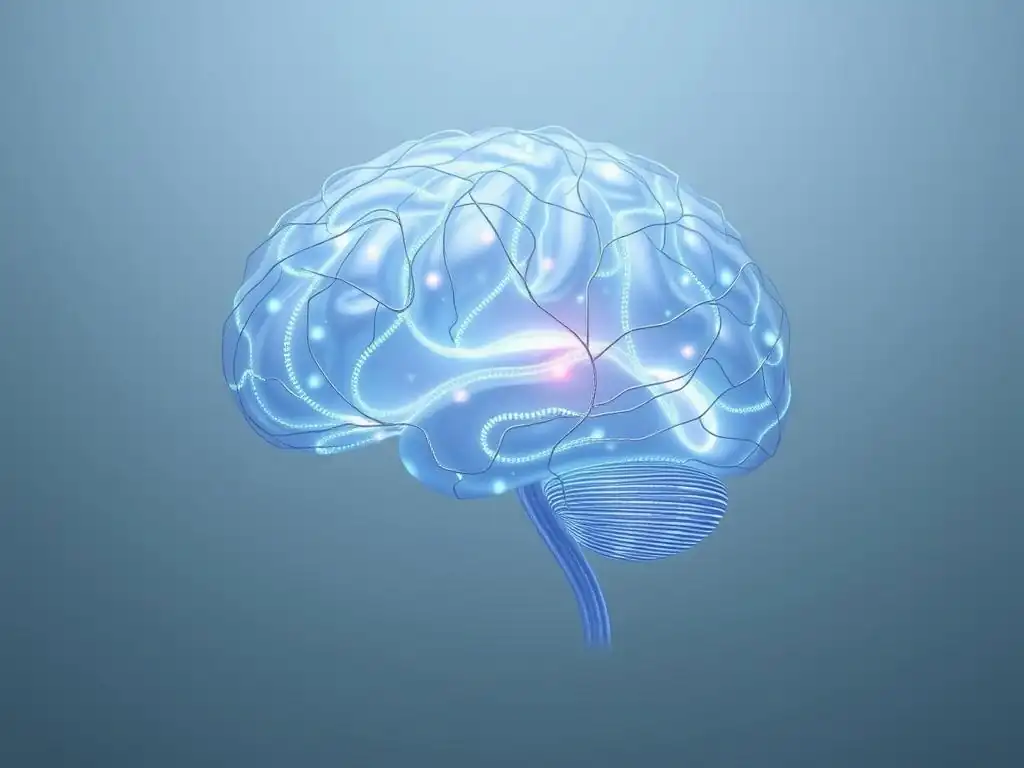
Brain Imaging Studies: Identifying Structural and Functional Differences
Neuroimaging techniques, such as Magnetic Resonance Imaging (MRI) and functional MRI (fMRI), have provided valuable insights into the neurobiological basis of bipolar disorder and potential structural and functional differences in the brains of affected individuals compared to controls. Studies have consistently identified abnormalities in brain regions involved in mood regulation, emotional processing, and executive function.
Specific findings often include differences in the volume or activity of the prefrontal cortex (involved in decision-making and emotional regulation), the amygdala (involved in processing emotions like fear), the hippocampus (involved in memory and stress response), and the anterior cingulate cortex (involved in conflict monitoring and emotion). While these findings are not universal to every individual with bipolar disorder and can be subtle, they point to underlying neurobiological differences that contribute to bipolar disorder risk factors and the manifestation of the illness.
Neurotransmitter Dysregulation: Role of Dopamine, Serotonin, and Glutamate
Dysregulation of key neurotransmitter systems is believed to play a central role in the pathophysiology of bipolar disorder. Neurotransmitters like dopamine, serotonin, norepinephrine, and glutamate are critical for regulating mood, energy, sleep, and cognitive function. Theories suggest that imbalances in these chemicals contribute to the extreme mood swings seen in the disorder.
For instance, elevated levels or increased sensitivity to dopamine are hypothesized to contribute to manic symptoms (increased energy, goal-directed behavior, reward-seeking), while deficits in serotonin and norepinephrine are often associated with depressive symptoms. Glutamate, the brain's primary excitatory neurotransmitter, is also implicated, with research suggesting abnormalities in glutamatergic signaling may contribute to both manic and depressive states. Understanding these neurochemical imbalances is key to developing pharmacological treatments and identifying biological bipolar disorder risk factors.
HPA Axis Dysfunction: Stress Response and Bipolar Vulnerability
The Hypothalamic-Pituitary-Adrenal (HPA) axis is the body's central stress response system. It regulates the release of cortisol, a stress hormone. Dysfunction of the HPA axis is frequently observed in individuals with mood disorders, including bipolar disorder. Chronic stress or early life trauma can lead to HPA axis hyperactivity or dysregulation, resulting in elevated or abnormal cortisol levels.
This dysregulation can impact brain regions involved in mood and stress processing, such as the hippocampus and prefrontal cortex, potentially contributing to mood instability and increased vulnerability to stressors. Evidence suggests that HPA axis abnormalities may be both a consequence of mood episodes and a predisposing factor, highlighting its complex role among the biological bipolar disorder risk factors.
Psychological Dimensions: Personality, Cognition, and Emotional Regulation
Temperament and Personality: Cyclothymic Traits and Emotional Reactivity
Certain temperamental traits and personality styles may represent psychological bipolar disorder risk factors or lie on a spectrum with bipolar disorder. Cyclothymic temperament, characterized by chronic, fluctuating moods with numerous periods of hypomanic and depressive symptoms that do not meet full criteria for Bipolar I or II, is considered a strong predictor for developing bipolar disorder. Individuals with cyclothymic traits are often described as moody, unpredictable, or intensely emotional.
Beyond cyclothymia, traits like high emotional reactivity, impulsivity, and novelty-seeking have been associated with an increased vulnerability to bipolar disorder. While these traits are not diagnostic on their own, they can reflect an underlying predisposition to mood dysregulation and may contribute to the development of the disorder, particularly when combined with other genetic or environmental bipolar disorder risk factors.
Cognitive Biases: Negative Thinking Patterns and Mood Instability
Cognitive theories suggest that certain thinking patterns and biases can contribute to the maintenance and exacerbation of mood symptoms in bipolar disorder. During depressive episodes, individuals often exhibit negative cognitive biases, such as focusing on negative information, making global and stable attributions for negative events, and having pessimistic expectations about the future.
Even during periods of remission or euthymia, individuals with bipolar disorder may retain some underlying cognitive vulnerabilities, such as altered reward sensitivity or difficulties with executive function, which could make them more susceptible to mood shifts. While cognitive biases are not primary bipolar disorder risk factors in the same way as genetics, they can influence the course of the illness and impact an individual's ability to cope with stressors, potentially contributing to the likelihood or severity of future episodes.
Emotional Regulation Deficits: Impact on Symptom Management
Difficulties with emotional regulation – the ability to manage and respond to emotional experiences – are commonly observed in individuals with bipolar disorder. This can manifest as challenges in identifying, understanding, accepting, or modifying emotional states. For someone with a predisposition to intense mood swings, deficits in emotional regulation can make it harder to navigate challenging feelings and can contribute to prolonged or more severe mood episodes.
Poor emotional regulation might also lead to maladaptive coping strategies, such as substance use or impulsive behaviors, which further increase bipolar disorder risk factors and negatively impact stability. Developing healthier emotional regulation skills through therapy, such as Dialectical Behavior Therapy (DBT), is a key component of managing the disorder and promoting resilience.
Prodromal Symptoms: Recognizing Early Warning Signs
Mood Instability: Fluctuations in Mood and Energy
For many individuals, bipolar disorder doesn't appear suddenly in its full-blown form. There may be a prodromal phase characterized by subtle, non-specific symptoms that precede the first full mood episode. Mood instability is a key early warning sign. This might involve more frequent or intense mood swings than typical, even if they don't meet the criteria for a full hypomanic or depressive episode. These fluctuations might be described as being "on a rollercoaster" or having moods that change rapidly without a clear trigger.
These early signs can be subtle and easily dismissed as normal teenage moodiness or stress reactions, especially when the onset occurs during adolescence or early adulthood. However, recognizing persistent or unusually intense mood fluctuations, particularly when combined with other bipolar disorder risk factors like family history, is crucial for potential early intervention.
Sleep Disturbances: Insomnia, Hypersomnia, and Circadian Rhythm Disruption
Sleep disturbances are highly prevalent in bipolar disorder and often serve as a critical early warning sign or trigger for mood episodes. During the prodromal phase, individuals may experience persistent difficulties with sleep, such as insomnia (difficulty falling or staying asleep), hypersomnia (excessive sleepiness), or irregular sleep-wake cycles. Disruptions in circadian rhythms, the body's internal clock, are particularly relevant.
Changes in sleep patterns, such as needing significantly less sleep without feeling tired (a sign of hypomania) or sleeping excessively (a sign of depression), can precede a full mood episode by days or weeks. Monitoring sleep patterns is a vital strategy for individuals with known bipolar disorder risk factors, as maintaining regular sleep hygiene is strongly linked to mood stability.
Cognitive Impairment: Attention, Memory, and Executive Function Deficits
Subtle cognitive changes can also be part of the prodromal phase of bipolar disorder. These might include difficulties with attention and concentration, problems with memory, or deficits in executive functions such as planning, decision-making, and problem-solving. These cognitive issues might be noticed as a decline in academic or work performance.
While significant cognitive impairment is more often associated with active mood episodes or the chronic course of the illness, mild but noticeable changes can occur before a full episode manifests. Recognizing these subtle shifts in cognitive function, especially in someone with other known bipolar disorder risk factors, can be an important indicator that needs further assessment.
Changes in behavior are common prodromal symptoms. These might include increased impulsivity (making rash decisions, engaging in risky behaviors), heightened irritability or agitation, increased talkativeness, or changes in activity levels. Conversely, withdrawal from social activities, loss of interest in hobbies, or a decrease in motivation can signal the onset of a depressive phase.
These behavioral changes can sometimes be difficult to distinguish from typical adolescent behavior or responses to stress. However, if they represent a significant change from an individual's usual behavior, are persistent, and occur in the context of other potential bipolar disorder risk factors, they warrant careful attention and potentially a professional evaluation.
Risk Assessment: Evaluating Personal Vulnerability

Self-Report Questionnaires: Screening Tools and Their Limitations
Self-report questionnaires can be initial screening tools used to assess potential bipolar disorder risk factors and symptoms. Questionnaires like the Mood Disorders Questionnaire (MDQ) or the Bipolar Spectrum Diagnostic Scale (BSDS) ask individuals about their mood history, energy levels, sleep patterns, and other symptoms associated with bipolar disorder. They can be helpful in identifying individuals who might benefit from further evaluation.
However, these questionnaires have limitations. They are screening tools, not diagnostic instruments, and can yield false positives or negatives. Their accuracy depends on the individual's self-awareness and ability to report symptoms accurately. They should never be used in isolation to determine risk or diagnose the condition but can serve as a useful starting point for discussion with a healthcare professional when evaluating bipolar disorder risk factors.
Clinical Evaluation: Comprehensive Assessment by Mental Health Professionals
A comprehensive clinical evaluation by a qualified mental health professional, such as a psychiatrist, psychologist, or licensed clinical social worker, is the gold standard for assessing bipolar disorder risk factors and determining a diagnosis. This process involves a detailed interview covering personal and family medical history, past and present symptoms, life stressors, substance use, and functional impairment.
The clinician will gather information about mood episodes, their duration, severity, and impact on daily life. They will also assess for other potential mental health conditions that might overlap or mimic bipolar symptoms. This thorough evaluation allows the professional to synthesize information about genetic, environmental, neurobiological, and psychological bipolar disorder risk factors to form a complete picture of an individual's vulnerability and current mental state.
Differential Diagnosis: Ruling Out Other Conditions
An essential part of the risk assessment and diagnostic process is differential diagnosis – ruling out other conditions that can present with similar symptoms. Mood swings can be associated with various conditions, including major depressive disorder with psychotic features, anxiety disorders, ADHD, personality disorders (especially Borderline Personality Disorder), substance-induced mood disorders, and medical conditions (like thyroid disorders or neurological conditions).
A skilled clinician will carefully evaluate the specific pattern and duration of symptoms, the presence of true manic or hypomanic episodes, and the overall clinical picture to differentiate bipolar disorder from these other conditions. This step is critical to ensure an accurate diagnosis and appropriate treatment plan, particularly when evaluating individuals with multiple potential bipolar disorder risk factors.
Mitigation Strategies: Managing and Reducing Risk
Lifestyle Interventions: Sleep Hygiene, Regular Exercise, and Balanced Diet
For individuals with known bipolar disorder risk factors or those in the early stages, implementing healthy lifestyle interventions can be crucial for managing vulnerability and promoting mood stability. Maintaining strict sleep hygiene is particularly important, aiming for consistent bedtimes and wake-up times, avoiding screens before bed, and ensuring a dark, quiet sleep environment. Regular physical exercise has also been shown to have significant mood-stabilizing effects.
A balanced diet, avoiding excessive caffeine and sugar, and maintaining a regular eating schedule can also contribute to overall physical and mental well-being. While these interventions don't eliminate bipolar disorder risk factors, they build a foundation of physical health that can help regulate mood and increase resilience to stressors.
Stress Reduction Techniques: Mindfulness, Meditation, and Yoga
Given the significant role of stress as a trigger, incorporating stress reduction techniques into daily life is a vital mitigation strategy for those at risk. Practices such as mindfulness meditation, deep breathing exercises, yoga, or tai chi can help individuals develop greater awareness of their emotional states and build skills to manage stress more effectively.
These techniques can help regulate the body's stress response (HPA axis) and improve emotional regulation, potentially reducing the likelihood or severity of stress-induced mood episodes. Learning to identify early signs of stress and having tools to cope is an active way to manage environmental bipolar disorder risk factors.
Having a strong social support network is a protective factor for mental health in general and can be particularly helpful for individuals navigating bipolar disorder risk factors. Connecting with supportive friends, family members, or partners provides emotional support, reduces feelings of isolation, and can offer practical help during challenging times.
Participating in support groups, either in-person or online, for individuals with mood disorders or those at risk can also be beneficial. Sharing experiences with others who understand can reduce stigma, provide valuable coping strategies, and offer a sense of community. Strong social connections act as a buffer against the impact of stressors and contribute to overall resilience.
Living with Vulnerability: Promoting Wellness and Resilience
Early Intervention: Benefits of Timely Treatment
For individuals who develop bipolar disorder, early intervention is associated with better long-term outcomes. Timely diagnosis and initiation of treatment can help prevent the escalation of symptoms, reduce the duration and severity of mood episodes, and potentially slow disease progression. Delays in treatment are linked to poorer prognosis, including increased episode frequency, greater functional impairment, and higher rates of comorbidity.
If bipolar disorder risk factors lead to the development of the illness, seeking professional help at the first sign of significant mood changes is critical. Early intervention often involves a combination of medication and psychotherapy, tailored to the individual's specific needs and symptoms.
Personalized Treatment Plans: Medication, Therapy, and Lifestyle Modifications
Living with vulnerability or a diagnosis of bipolar disorder requires a personalized approach to wellness and treatment. There is no one-size-fits-all treatment plan. Treatment typically involves mood-stabilizing medications (such as lithium, valproate, lamotrigine, or atypical antipsychotics) to regulate mood swings. The choice of medication depends on the individual's specific symptoms, medical history, and response.
Psychotherapy, such as Cognitive Behavioral Therapy (CBT), Dialectical Behavior Therapy (DBT), Family-Focused Therapy (FFT), and Interpersonal and Social Rhythm Therapy (IPSRT), is also essential. These therapies help individuals develop coping skills, improve emotional regulation, manage stress, maintain healthy routines, and improve interpersonal relationships. Lifestyle modifications, as discussed earlier (sleep, diet, exercise, stress reduction), are also integral components of a comprehensive wellness plan.
Coping Mechanisms: Developing Strategies for Symptom Management
Developing effective coping mechanisms is key to living well with bipolar disorder vulnerability or a diagnosis. This involves learning to recognize early warning signs of mood shifts and implementing strategies to intervene before a full episode develops. This might include reaching out to support systems, adjusting sleep schedules, increasing therapy sessions, or contacting a prescribing physician.
Learning to manage stress, practice self-care, adhere to treatment plans, and maintain healthy routines are ongoing processes. Building resilience means developing the ability to navigate challenges, learn from experiences, and actively participate in one's own well-being. For individuals with known bipolar disorder risk factors, proactive coping strategies are powerful tools for promoting stability and living a fulfilling life.
Conclusion: Knowledge is Power - Empowering Individuals Through Understanding
Frequently Asked Questions
What are the main risk factors associated with developing bipolar disorder?
The primary risk factors include having a family history of bipolar disorder, experiencing significant stress or trauma, and certain brain structure or function differences.
Can environmental factors increase the risk of bipolar disorder?
Yes, environmental factors such as chronic stress, traumatic experiences, and even seasonal changes can potentially contribute to the development or triggering of bipolar disorder.
Does a family history of depression also increase the risk of developing bipolar disorder?
While a family history of depression can increase the risk of mood disorders in general, a family history of bipolar disorder is a more significant and specific risk factor.
Is there a specific age or gender that is more susceptible to bipolar disorder?
Bipolar disorder can affect anyone, but it's typically diagnosed in late adolescence or early adulthood, and there is no significant difference in risk between genders.
Are there any lifestyle choices that can reduce the risk or severity of bipolar disorder?
Maintaining a regular sleep schedule, managing stress levels effectively, and avoiding substance abuse can help reduce the risk or severity of bipolar disorder symptoms.
Final Reflection: Unraveling the Threads of Bipolar Disorder Risk
Understanding the predisposing factors of bipolar disorder is not merely an academic exercise; it's a crucial step towards fostering empathy, promoting early intervention, and ultimately, saving lives. The information presented in this article highlights the complex interplay of genetics, environment, and lifestyle choices that contribute to the development of this challenging condition. Ignoring these risk factors leaves individuals vulnerable and perpetuates the stigma surrounding mental illness.
The pervasive impact of bipolar disorder extends far beyond the individual; it touches families, communities, and society as a whole. The stigma associated with mental illness continues to hinder open conversations and timely access to treatment. This silence only amplifies suffering. As the renowned psychiatrist, Dr. Kay Redfield Jamison, eloquently stated, The illness is a part of me, but it does not define me.
This sentiment underscores the importance of recognizing bipolar disorder as a treatable condition, not a life sentence. Understanding the risk factors allows us to approach the illness with compassion and a commitment to support those affected.
Now, consider your own life. Have you reflected on your family history, your personal stressors, or your lifestyle choices in relation to mental health? This article is not intended to cause alarm, but rather to empower you with knowledge. Take the time to learn more, to talk openly with loved ones, and to seek professional help if you have concerns. By fostering a culture of understanding and support, we can collectively create a brighter future for those living with bipolar disorder and those at risk.
Unlock Your Understanding: Take Control of Your Mental Wellbeing
Thanks for taking the time to learn about bipolar disorder and its predisposing factors. We hope this article provided valuable insights into understanding this complex condition. Now it's time to take proactive steps towards your mental wellbeing.
- Schedule a checkup with your doctor or therapist: This is the most crucial step. Discuss your concerns and explore potential next steps, whether it's further assessment or developing a personalized care plan.
- Share this article with someone who might benefit: Knowledge is power, and spreading awareness about bipolar disorder can help others find support and understanding.
- Explore Mind Care Guide's resources on mental health: Discover more articles and guides designed to empower you on your journey to better mental health.
Ready to prioritize your mental wellness? What initial step resonates most with you today?