
SAD in Different Climates: Understanding Seasonal Depression Anywhere

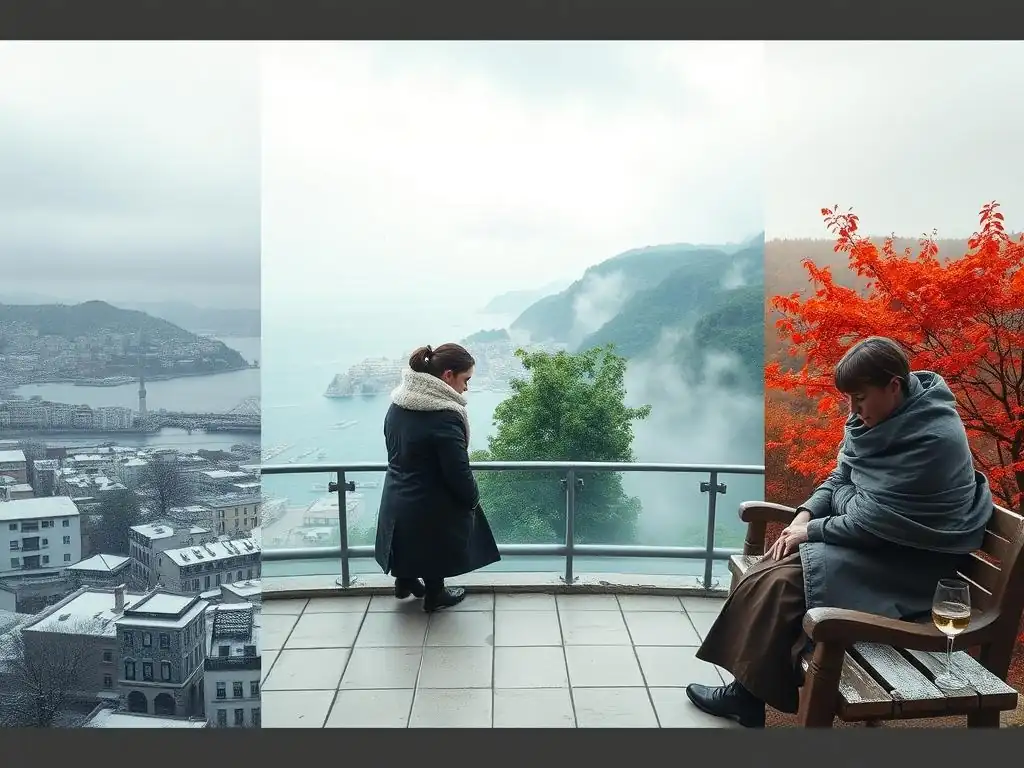
Welcome to Mind Care Guide, a safe space dedicated to nurturing your mental well-being. Feeling the weight of winter, even when winter isn't quite… winter? You're not alone. Seasonal depression climate variations can affect us all, regardless of location. Discover how different climates impact SAD and learn practical strategies to thrive, no matter the season. Let's unravel the mysteries of seasonal mood changes together and find your path to brighter days.
- SAD in Different Climates: Understanding Seasonal Depression Anywhere - Mind Care Guide
- Seasonal Depression Climate Variations: The Core Issue
- SAD Prevalence Across Different Climates
- Factors Contributing to SAD Beyond Latitude
- Adapting SAD Treatment Strategies for Different Climates
- Overcoming Seasonal Affective Disorder: Tips for Every Climate
- Mental Health Resources for SAD
- Conclusion: Managing Seasonal Depression Regardless of Location
-
Frequently Asked Questions
- What is Seasonal Affective Disorder (SAD) and how does climate play a role?
- Does SAD affect people living in warmer climates?
- How do climate variations impact the severity of SAD symptoms?
- What are some effective strategies for managing SAD, regardless of climate?
- Where can I find resources and support for SAD, considering my specific climate and location?
- Final Reflection: Embracing the Light, Wherever You Are
- Unlock Your Seasonal Brilliance: Actionable Steps for Well-being
SAD in Different Climates: Understanding Seasonal Depression Anywhere - Mind Care Guide
What is Seasonal Affective Disorder (SAD)?
Seasonal Affective Disorder (SAD), often referred to as seasonal depression, is a type of depression that is related to changes in seasons. It typically begins and ends at roughly the same times every year. For most individuals with SAD, symptoms start in the fall and continue into the winter months, often lifting in the spring and summer.
However, a less common pattern involves depression during the spring or summer and remission during the fall and winter. This condition is formally recognized in the Diagnostic and Statistical Manual of Mental Disorders (DSM-5) as a specifier for Major Depressive Disorder, indicating a seasonal pattern.
The precise cause of SAD is not fully understood, but several factors are believed to contribute. These include disruptions to the body's internal clock (circadian rhythm), which can be caused by reduced sunlight in fall and winter. This disruption can lead to feelings of depression. Additionally, changes in sunlight can affect serotonin levels, a brain chemical that helps regulate mood. A drop in serotonin may trigger depressive symptoms. Melatonin levels, which play a role in sleep patterns and mood, can also be affected by seasonal changes, potentially contributing to SAD.
Symptoms of SAD: Recognizing the Signs
Recognizing the signs of Seasonal Affective Disorder is crucial for seeking help. Symptoms often mirror those of major depression but occur cyclically with the seasons. Common signs for fall/winter onset SAD include feeling depressed most of the day, nearly every day, losing interest in activities you once enjoyed, having low energy, and experiencing problems with sleep. Many individuals with winter SAD tend to oversleep (hypersomnia) and crave foods high in carbohydrates, leading to weight gain.
Other prevalent symptoms include difficulty concentrating, feeling sluggish or agitated, and experiencing feelings of hopelessness or worthlessness. In some cases, individuals may also have thoughts of death or suicide. It's important to note that while these symptoms are typical for winter-onset SAD, summer-onset SAD can present differently, sometimes involving insomnia, poor appetite, weight loss, anxiety, and agitation. Persistent symptoms that interfere with daily life and follow a seasonal pattern warrant evaluation by a mental health professional.
SAD and Its Connection to Mood Disorders
Seasonal Affective Disorder is classified as a type of major depression that follows a seasonal pattern. This means it shares core characteristics with other mood disorders, specifically Major Depressive Disorder and Bipolar Disorder. Individuals diagnosed with SAD may meet the criteria for a major depressive episode during the affected season. The key differentiator is the consistent, temporal relationship between the onset and remission of depressive episodes and specific times of the year.
For individuals with Bipolar Disorder, seasonal patterns can also be observed. Some people with bipolar disorder may experience depressive episodes predominantly in the winter and manic or hypomanic episodes in the summer. Recognizing the seasonal pattern in these cases is vital for appropriate diagnosis and management, as treatment strategies may need to be adjusted seasonally. Understanding that SAD is part of the broader spectrum of mood disorders helps destigmatize the condition and emphasizes the importance of comprehensive mental health care.
Seasonal Depression Climate Variations: The Core Issue
How Climate Impacts SAD Severity
The severity of Seasonal Affective Disorder is significantly influenced by climate, particularly factors related to sunlight exposure and seasonal changes. Regions experiencing pronounced variations in daylight hours throughout the year often see higher rates and potentially greater severity of SAD. This is most evident in high-latitude areas where winter days are very short and dark, and summer days are very long. The dramatic shift in light availability directly impacts the body's circadian rhythm and neurochemical balance, which are central to SAD.
Climate also affects temperature and weather patterns like cloud cover, which can further influence the impact of seasonal depression climate variations. Colder climates might encourage more time spent indoors, reducing exposure to what little natural light is available. Persistent gray skies, common in certain climates during winter, can exacerbate symptoms even if the total change in daylight isn't as drastic as at extreme latitudes. The combination of reduced light, potentially harsh weather limiting outdoor activity, and social isolation can intensify the experience of SAD.
Light Exposure and Seasonal Depression: A Critical Link
The most critical link in understanding seasonal depression climate variations is light exposure. Natural sunlight plays a vital role in regulating the body's internal clock and the production of neurotransmitters like serotonin. In climates where daylight hours decrease significantly during certain seasons, the reduced exposure to bright light can disrupt these processes. This disruption is thought to be a primary driver of SAD symptoms. The timing and intensity of light exposure are key.
Studies have shown that the prevalence of SAD tends to be higher in regions farther from the equator, where seasonal changes in daylight are more dramatic. For example, research suggests that the prevalence of SAD may be around 1-2% in Florida but rises to 9-10% in Alaska. This stark contrast highlights how the extent of seasonal variation in light, dictated by latitude and climate, directly correlates with the likelihood and potential severity of seasonal depression. The quality of light also matters; bright, full-spectrum sunlight is more effective than artificial indoor light for regulating mood and circadian rhythms.
SAD Prevalence Across Different Climates
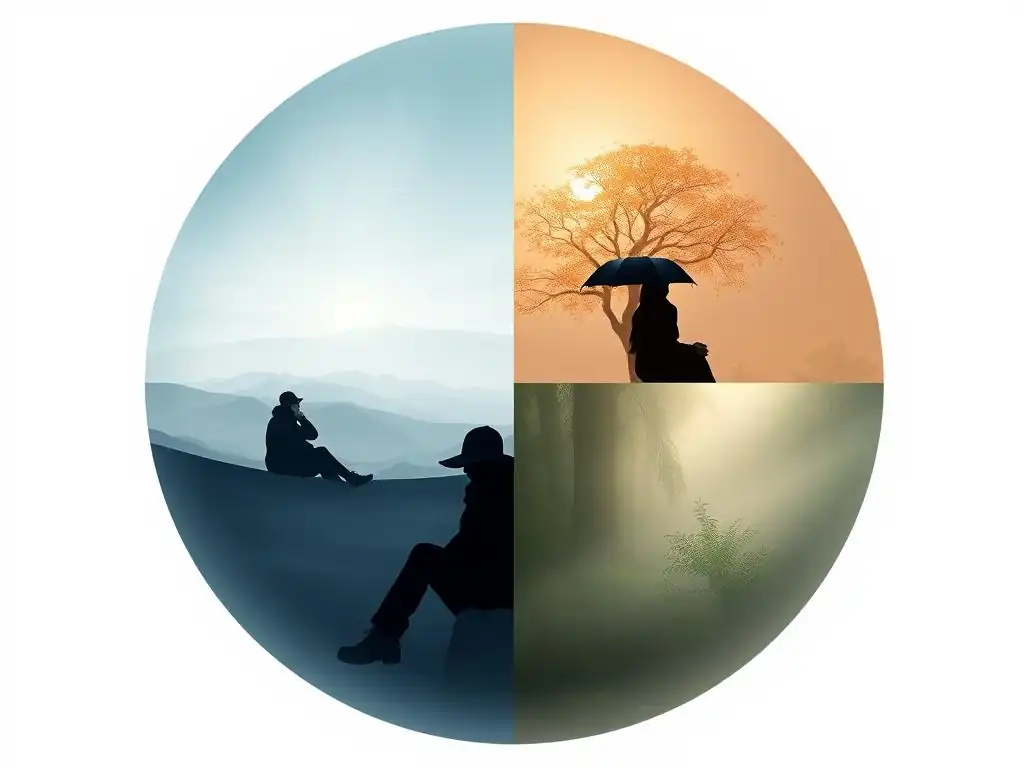
Seasonal Depression in Northern Climates: The Classic Case
Northern climates, particularly those at high latitudes (above approximately 40 degrees North), are the classic example where Seasonal Affective Disorder is most prevalent and often most severe. Countries like Canada, the United States (especially northern states like Alaska), and Scandinavian nations experience drastically shorter daylight hours during winter months, sometimes as little as 5-7 hours of weak sunlight per day in extreme northern regions. This significant reduction in light is strongly associated with higher rates of SAD.
Studies consistently show higher prevalence rates in these areas compared to regions closer to the equator. For instance, estimates for SAD prevalence in parts of Scandinavia can range from 10% to 20% of the population, depending on the specific study and diagnostic criteria used. The combination of limited daylight, cold temperatures, and often extensive snow cover can lead to reduced outdoor activity and increased social isolation, further contributing to the burden of seasonal depression climate variations in these regions.
SAD in Southern Climates: A Less Obvious Reality
While less common than in northern latitudes, Seasonal Affective Disorder does occur in southern climates. The perception that SAD is exclusively a "winter problem" in cold, dark places overlooks the reality that seasonal changes, though different, still occur in warmer regions. In southern climates, SAD can sometimes manifest as summer-onset depression, though this is less frequent overall. The factors contributing to summer SAD are less clear but may involve heat, humidity, longer daylight hours disrupting sleep, or seasonal allergens.
Even winter-onset SAD can occur in southern climates, albeit at lower rates than in the north. For example, states like Florida or California still experience some reduction in daylight hours during winter, along with changes in temperature and weather patterns. While the change might not be as dramatic as in Alaska, it can still be sufficient to trigger SAD in susceptible individuals. Prevalence estimates for winter SAD in southern US states are significantly lower, perhaps around 1-2%, but this still represents a considerable number of people affected by seasonal depression climate variations.
Seasonal Affective Disorder in Temperate Zones: Unique Challenges
Temperate zones, which lie between the tropics and the polar regions (roughly 23.5 to 66.5 degrees latitude), represent a large portion of the world's population and experience distinct seasonal changes. Here, the pattern of seasonal depression climate variations is typically winter-onset SAD, similar to northern climates, but often with moderate prevalence and severity compared to extreme latitudes. Cities like London, New York, Paris, or Tokyo fall within temperate zones and see noticeable differences in daylight between summer and winter.
Prevalence rates in temperate zones vary but are generally higher than in southern climates and lower than in far northern climates. Estimates for the general population in the US suggest SAD affects about 5% annually, with a higher percentage experiencing a milder form known as "winter blues." The challenge in temperate zones lies in the variability of climate within the zone itself. Some temperate regions experience significant cloud cover during winter, which can effectively reduce light exposure even if daylight hours aren't as short as in the Arctic, impacting the severity of seasonal depression.
SAD in Arid Climates: Exploring the Possibilities
Arid climates, characterized by very low precipitation and often extreme temperatures, present a different context for seasonal depression climate variations. While these regions, such as deserts, often experience abundant sunshine throughout the year, seasonal temperature shifts can be dramatic. The impact of these factors on SAD is less studied compared to latitude-based variations. It's hypothesized that while lack of light might not be the primary driver, other seasonal factors could play a role.
For example, extreme heat in summer might limit outdoor activity and social interaction, potentially contributing to depressive symptoms. Conversely, milder winter temperatures might be more conducive to outdoor activities. Research on SAD in arid climates is limited, but it's plausible that individuals in these regions might experience seasonal mood changes linked to temperature extremes, changes in routine dictated by climate, or even less common seasonal patterns. Further research is needed to understand the specific manifestations and prevalence of seasonal depression in these unique climates.
Factors Contributing to SAD Beyond Latitude
Cloud Cover and SAD: The Gray Skies Effect
Cloud cover is a significant factor contributing to Seasonal Affective Disorder, even beyond the impact of latitude. While daylight hours decrease in winter at higher latitudes, persistent cloudiness can drastically reduce the intensity of available natural light, regardless of the total duration of daylight. Bright sunlight is crucial for stimulating the neurochemical pathways involved in mood regulation. Dense cloud cover acts as a natural filter, significantly diminishing the amount of therapeutic light reaching the eyes.
Areas known for consistently overcast winters, such as the Pacific Northwest region of the United States or parts of Northern Europe, often report high rates of winter blues and SAD, even if they are not at the most extreme northern latitudes. The psychological impact of prolonged periods of gray, gloomy skies can also contribute to feelings of depression and low energy, compounding the biological effects of reduced light intensity. This highlights that understanding seasonal depression climate variations requires looking beyond just changes in daylight hours to include regional weather patterns.
Temperature Fluctuations and Their Impact on Mood
Temperature fluctuations can also play a role in seasonal depression climate variations, although their impact is often secondary to light exposure. Extreme cold in winter or extreme heat in summer can limit the ability or desire to spend time outdoors. Reduced outdoor activity means less exposure to natural light (even on sunny days) and can lead to decreased physical activity, which is known to be beneficial for mood.
Furthermore, significant or rapid changes in temperature might affect individuals' physiological and psychological states. Some studies suggest links between temperature variations and mood, potentially related to changes in sleep patterns, physical discomfort, or altered routines. While temperature itself isn't considered a direct cause of SAD in the same way light is, the behavioral and physiological responses to temperature extremes can exacerbate seasonal mood challenges.
Air Quality and Mental Well-being: An Often-Overlooked Factor
Air quality is an often-overlooked environmental factor that can potentially influence mental well-being and seasonal depression climate variations. Seasonal changes in air quality can occur due to various factors, including temperature inversions trapping pollutants in winter, increased particulate matter from heating, or higher ozone levels in summer heat waves. Exposure to air pollution has been linked in a growing body of research to negative mental health outcomes, including increased rates of depression and anxiety.
While the direct link between seasonal fluctuations in air quality and SAD is not as established as the link with light, it represents another layer of environmental influence on seasonal mood patterns. Individuals living in areas with significant seasonal variations in air pollution might find that periods of poor air quality coincide with or exacerbate their seasonal depressive symptoms. This suggests a need for a more holistic view of environmental factors contributing to seasonal mood changes.
Adapting SAD Treatment Strategies for Different Climates
Light Therapy for SAD: Optimizing for Your Location
Light therapy, using a specialized light box that emits bright, full-spectrum light, is a primary treatment for winter-onset SAD. Adapting this therapy based on your location and the specific seasonal depression climate variations you experience is key to optimizing its effectiveness. In far northern climates with very short, dark winters, individuals might need to use light therapy for longer durations or at higher intensity (measured in lux) compared to those in more temperate zones.
For instance, typical recommendations involve 30 minutes of exposure to a 10,000-lux light box daily. However, in regions with extremely limited natural light, consistent daily use throughout the entire dark season is crucial.
In climates with persistent cloud cover but less extreme changes in daylight duration, light therapy can still be highly beneficial to compensate for the lack of bright natural light. The timing of light therapy, usually in the morning, is also important for resetting the circadian rhythm, and this timing principle applies regardless of climate, but the need for it is higher where natural morning light is scarce.
Vitamin D Supplementation: Addressing Deficiency Risks
Vitamin D deficiency is common, especially during winter months in regions with reduced sunlight exposure, as the skin synthesizes Vitamin D from sunlight. Lower Vitamin D levels have been associated with depressive symptoms. Therefore, Vitamin D supplementation is often recommended as a complementary strategy for managing SAD, particularly in climates where sunlight is limited during winter.
The need for supplementation is generally greater in northern climates and temperate zones with less winter sun. While even southern climates experience some reduction in winter sunlight, the risk of severe deficiency might be lower. However, factors like lifestyle (spending less time outdoors), skin pigmentation, and diet also influence Vitamin D levels. It's important to note that Vitamin D supplementation is not a substitute for light therapy or other primary SAD treatments but can help address a potential contributing factor, especially in climates where deficiency risk is high.
Lifestyle Adjustments for Managing Seasonal Depression in Tropical Climates
Managing seasonal depression in tropical climates, where the variations in daylight are minimal, requires lifestyle adjustments that focus on factors other than light deficiency. While classic winter-onset SAD driven by lack of light is rare near the equator, individuals can still experience seasonal mood changes linked to other climate-related factors like humidity, temperature extremes, or rainy seasons that limit outdoor activity.
Lifestyle adjustments might include finding ways to stay active indoors during periods of intense heat or heavy rain, ensuring adequate hydration, and maintaining social connections despite weather-related limitations. For potential summer-onset SAD in warmer climates, strategies might involve finding ways to cool down, maintaining a consistent sleep schedule despite long daylight hours, and utilizing indoor activities during peak heat. Regardless of the specific seasonal depression climate variations, prioritizing sleep, exercise, and social engagement remains crucial.
Overcoming Seasonal Affective Disorder: Tips for Every Climate
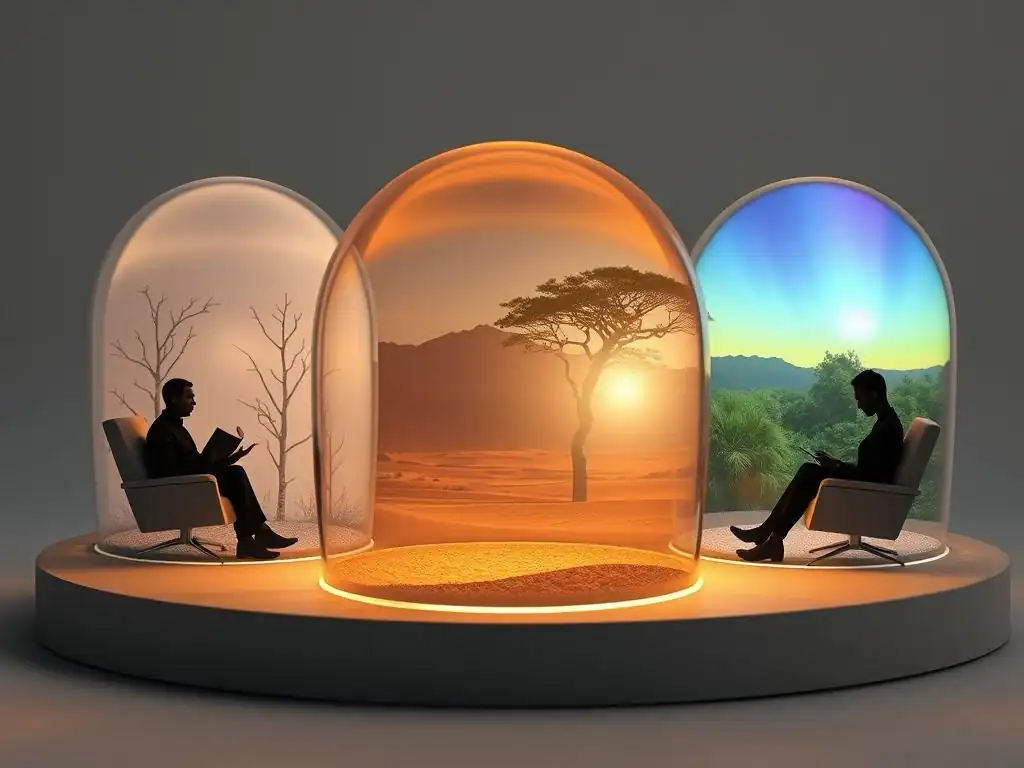
Maintaining a Consistent Sleep Schedule
Maintaining a consistent sleep schedule is a fundamental strategy for managing Seasonal Affective Disorder, regardless of your climate. SAD disrupts the body's internal clock, and irregular sleep patterns can exacerbate this disruption, worsening mood and energy levels. Aiming to go to bed and wake up at roughly the same time every day, even on weekends, helps regulate your circadian rhythm.
This consistency is particularly important in climates with significant seasonal changes in daylight, where the natural cues for sleep and wakefulness are altered. However, even in climates with less dramatic seasonal light shifts, a stable sleep schedule provides a crucial anchor for regulating mood and energy throughout the year. Avoiding excessive sleep (hypersomnia), common in winter SAD, or insufficient sleep (insomnia), sometimes seen in summer SAD, through a consistent routine supports overall mental well-being.
The Importance of Exercise and Outdoor Activities
Regular exercise is a powerful mood booster and an essential tool for managing SAD in any climate. Physical activity releases endorphins, which have natural mood-lifting effects. It also helps regulate sleep and reduce stress. Aiming for at least 30 minutes of moderate-intensity exercise most days of the week can make a significant difference in managing seasonal depression climate variations.
Spending time outdoors, even for short periods, is particularly beneficial, especially in climates where natural light is a factor. Exposure to natural light, even on cloudy days, is more beneficial than indoor light. In colder climates, bundle up and go for a walk. In warmer climates, seek shade or exercise during cooler parts of the day. Incorporating outdoor activity directly combats the reduced light exposure thought to cause SAD and provides the added benefits of exercise and fresh air.
Nutrition and SAD: Food Choices for Improved Mood
Nutrition plays a supportive role in managing Seasonal Affective Disorder. While no specific diet cures SAD, certain food choices can help support overall brain health and mood regulation. Focusing on a balanced diet rich in fruits, vegetables, whole grains, lean proteins, and healthy fats provides the necessary nutrients for optimal physical and mental function.
Foods rich in Omega-3 fatty acids (like fatty fish, flaxseeds, walnuts) are linked to better mood regulation. Complex carbohydrates can help regulate serotonin levels but choose whole grains over refined sugars to avoid energy crashes. Limiting processed foods, excessive sugar, and caffeine can also help stabilize mood and energy. While diet alone cannot overcome significant seasonal depression climate variations, it is a valuable component of a comprehensive management plan.
Building a Strong Support System
Building and maintaining a strong support system is vital for coping with Seasonal Affective Disorder in any location. Connecting with friends, family, or support groups provides emotional support, reduces feelings of isolation, and offers opportunities to share experiences and coping strategies. Social interaction can act as a buffer against the negative effects of seasonal depression climate variations.
Sharing your feelings with understanding individuals can alleviate some of the burden of SAD symptoms. Plan regular social activities, even when you feel withdrawn, as maintaining connections is crucial. Consider joining a support group specifically for SAD or depression, either locally or online, to connect with others who understand what you're going through. Having people to lean on makes navigating the challenging seasons more manageable.
Mental Health Resources for SAD
Finding a Therapist Specializing in SAD
Finding a therapist who specializes in Seasonal Affective Disorder or mood disorders can provide tailored support and effective treatment strategies. Cognitive Behavioral Therapy (CBT), specifically adapted for SAD (CBT-SAD), has shown significant effectiveness in helping individuals identify and change negative thought patterns and behaviors associated with seasonal depression climate variations.
A therapist can help you develop coping mechanisms, behavioral activation strategies (scheduling enjoyable activities), and relapse prevention plans. They can also assess whether SAD is your primary issue or if it's part of a broader mood disorder. To find a specialist, you can consult directories of mental health professionals, ask for referrals from your primary care doctor, or contact local mental health organizations.
Online Support Groups and Communities
Online support groups and communities offer accessible and convenient ways to connect with others experiencing Seasonal Affective Disorder, regardless of geographical location or specific seasonal depression climate variations. These platforms provide a space to share experiences, offer mutual support, and exchange practical tips for managing symptoms.
Being part of an online community can reduce feelings of isolation that often accompany SAD, especially during periods when weather or mood makes in-person interactions difficult. Many mental health organizations host forums or groups specifically for SAD, or broader depression support groups where seasonal challenges can be discussed. Participation allows you to learn from others' experiences and feel understood by a community facing similar seasonal struggles.
Local Mental Health Organizations
Local mental health organizations are valuable resources for individuals seeking help with Seasonal Affective Disorder. These organizations often provide information about SAD, offer low-cost or sliding-scale therapy services, facilitate support groups, and can connect you with local mental health professionals specializing in mood disorders.
They can also provide information specific to seasonal depression climate variations in your region, including potential local resources or support networks. Contacting a local organization can be a first step in accessing professional help and finding community support tailored to your specific needs and location.
Conclusion: Managing Seasonal Depression Regardless of Location
Seasonal Affective Disorder is a real and challenging condition influenced significantly by seasonal depression climate variations, primarily through changes in light exposure. While most recognized in high-latitude northern climates, SAD and other seasonal mood changes can affect individuals in temperate, southern, and potentially even arid zones, driven by a complex interplay of light, temperature, weather patterns, and lifestyle factors.
Understanding how your specific climate impacts seasonal mood is the first step towards effective management. Fortunately, proven strategies like light therapy, Vitamin D supplementation, psychotherapy, and lifestyle adjustments such as maintaining consistent sleep, exercising, focusing on nutrition, and building a support system offer hope and practical ways to mitigate the effects of SAD. Regardless of where you live or the specific nature of your seasonal challenges, help is available, and proactive steps can be taken to manage seasonal depression and support your mental well-being throughout the year.
Frequently Asked Questions
What is Seasonal Affective Disorder (SAD) and how does climate play a role?
SAD is a type of depression that occurs at a specific time of year, most often in the fall and winter. Climate variations, particularly reduced sunlight exposure, are a primary trigger.
Does SAD affect people living in warmer climates?
While SAD is more common in regions with long, dark winters, it can affect people in warmer climates. It's often linked to changes in daylight hours and weather patterns, not just cold temperatures.
How do climate variations impact the severity of SAD symptoms?
The intensity of SAD symptoms often correlates with the degree of seasonal change. Areas with drastic shifts in daylight and temperature may experience more severe cases.
What are some effective strategies for managing SAD, regardless of climate?
Light therapy is a common treatment, even in sunny areas, to regulate circadian rhythms. Other strategies include exercise, therapy, and antidepressant medication if prescribed by a doctor.
Where can I find resources and support for SAD, considering my specific climate and location?
Mind Care Guide offers comprehensive information and resources about SAD. Your local healthcare provider can also connect you with regional support networks and mental health professionals familiar with the challenges in your area.
Final Reflection: Embracing the Light, Wherever You Are
The impact of climate on mental health, specifically seasonal affective disorder (SAD), is undeniable and increasingly relevant in our rapidly changing world. As our climate continues to shift, understanding the nuances of how different weather patterns affect our mental well-being becomes not just an academic pursuit, but a crucial step towards proactive self-care and community support. The variations in sunlight, temperature, and even precipitation profoundly impact our internal clocks and neurochemistry, highlighting the interconnectedness of our physical and mental health.
This exploration into the diverse expressions of SAD across different climates has underscored the importance of personalized approaches to treatment and self-care. It's not simply a matter of "more sun equals less SAD"; the complex interplay of factors like cultural context, access to resources, and individual predispositions must be considered. The earth laughs in flowers.
This quote, while seemingly simple, speaks to the profound connection between our environment and our emotional state. Understanding this connection allows us to appreciate the subtle yet powerful influence our surroundings have on our mental health, fostering empathy and a deeper understanding of the struggles faced by individuals across diverse geographical locations.
Consider the implications of this research for your own life. Are you aware of how your environment might be impacting your mood? Do you actively seek ways to mitigate the negative effects of seasonal changes? Take this opportunity to reflect on your relationship with your environment and to explore strategies for cultivating well-being, regardless of your climate. By acknowledging the influence of our surroundings and actively seeking ways to nurture our mental health, we can all strive to live more fulfilling and resilient lives, embracing the light – in whatever form it may take – wherever we are.
Unlock Your Seasonal Brilliance: Actionable Steps for Well-being
Thanks for taking the time to learn about seasonal affective disorder (SAD) and how it can manifest differently across various climates. You've gained valuable insights into managing your well-being, no matter where you live. Now, let's put that knowledge into action!
- Prioritize your personal light plan: Based on what you’ve learned, design a daily light exposure plan tailored to your specific climate and needs. This might involve targeted sunlight sessions, using a light therapy lamp, or simply maximizing natural light in your home. This is your key step towards feeling better.
- Share your insights: Discuss your findings with friends, family, or your healthcare provider. Talking about SAD can help reduce stigma and improve understanding, and you might discover others facing similar challenges.
- Explore local resources: Investigate support groups or community initiatives in your area that address mental health and seasonal well-being. A local connection could make all the difference.
Ready to take charge of your well-being and make this season your brightest yet? What's the first step you'll take to optimize your light exposure today?