
SAD in Older Adults: Unique Challenges and Effective Strategies

Welcome to Mind Care Guide, a sanctuary for your mental well-being. Feeling the winter blues a little too intensely? You're not alone. Many older adults experience Seasonal Affective Disorder (SAD), and we understand the unique challenges it presents. Discover practical strategies and supportive resources in our comprehensive guide, "SAD in Older Adults: Unique Challenges and Effective Strategies," and let us help you navigate the seasons with greater ease and joy. What can you do today to brighten your mood?
- Seasonal Affective Disorder in Older Adults: Unique Challenges and Effective Strategies - Mind Care Guide
-
Unique Challenges of SAD in Older Adults
- Age-Related Physical Changes and Their Impact on SAD Symptoms
- Social Isolation and Loneliness: Exacerbating SAD in Seniors
- Cognitive Decline and the Difficulty in Recognizing SAD Symptoms
- Co-occurring Medical Conditions: Impact on SAD Treatment in Older Adults
- Medication Interactions: Considerations for Seniors with SAD
- Diagnosing Seasonal Affective Disorder in Elderly Patients
-
Effective Strategies for Managing SAD in Seniors
- Light Therapy for SAD in Older Adults: Optimizing Treatment
- Cognitive Behavioral Therapy (CBT) for SAD in Senior Citizens: Adapting Techniques
- The Role of Physical Activity and Exercise in Alleviating SAD Symptoms in Elderly Individuals
- Nutrition and Diet for Managing SAD in Older Adults
- Social Engagement and Support Groups: Combating Isolation in Seniors with SAD
- Medication Management for SAD in Elderly Patients
- Creating a Supportive Environment for Seniors with SAD
- Resources and Support for Older Adults with Seasonal Affective Disorder
- Conclusion: Empowering Seniors to Overcome Seasonal Affect Disorder
-
Frequently Asked Questions
- What is Seasonal Affective Disorder (SAD) and how does it specifically affect seniors?
- How is SAD in seniors different from typical age-related mood changes?
- What are some effective strategies for managing SAD in older adults?
- Where can seniors and their families find resources and support for dealing with SAD?
- Are there any unique challenges seniors face when seeking treatment for SAD?
- Final Reflection: Shining a Light on Winter Blues in Later Life
- Unlock Your Potential: Taking Charge of Your Mental Wellbeing
Seasonal Affective Disorder in Older Adults: Unique Challenges and Effective Strategies - Mind Care Guide
What is Seasonal Affective Disorder (SAD)? A Definition for Older Adults
Seasonal Affective Disorder (SAD) is a type of depression that's linked to changes in seasons. It typically begins and ends at about the same time each year. For most people with SAD, symptoms start in the fall and continue into the winter months, sapping their energy and making them feel moody. Less commonly, SAD can occur in the spring or early summer. Understanding SAD is particularly important when considering Seasonal Affective Disorder seniors, as the symptoms can sometimes be overlooked or mistaken for other age-related conditions.
While the core definition remains consistent across age groups, how SAD manifests and impacts daily life can differ significantly for older adults. Symptoms might include persistent low mood, loss of interest in activities once enjoyed, changes in appetite or weight, sleep disturbances (either sleeping too much or too little), fatigue, feeling hopeless or worthless, difficulty concentrating, and irritability. These symptoms often worsen as daylight hours decrease during the colder months, directly affecting the well-being of Seasonal Affective Disorder seniors.
Prevalence of SAD Among Senior Citizens: Statistics and Facts
Pinpointing the exact prevalence of Seasonal Affective Disorder specifically among older adults (typically defined as age 65 and above) can be challenging, as much of the research has focused on younger populations. However, studies on general depression in seniors offer some context.
While major depressive disorder might be less prevalent in older adults compared to younger adults, estimates suggest that between 1% and 5% of community-dwelling seniors experience major depression, and a higher percentage, possibly up to 15-20%, report significant depressive symptoms that don't meet full criteria. Given that SAD is a subtype of major depression, it is understood that Seasonal Affective Disorder seniors do exist, though potentially at a lower rate than in younger adults.
Some data suggests that SAD's prevalence might decrease with age, with peak incidence typically occurring between the ages of 18 and 30. However, this doesn't mean older adults are immune. Factors like geographic location (living further from the equator) and individual susceptibility still play a role. Anecdotal evidence and clinical observations confirm that Seasonal Affective Disorder seniors experience the condition, sometimes with unique presentations that require careful attention from healthcare providers. The impact, though potentially affecting a smaller percentage than in younger cohorts, can be significant due to co-occurring health issues and social factors common in later life.
Differentiating SAD from Other Mood Disorders in Elderly Individuals
Differentiating Seasonal Affective Disorder in older adults from other conditions is crucial because symptoms of SAD, general depression, and even early signs of cognitive decline or dementia can overlap. Fatigue, changes in sleep and appetite, and social withdrawal are common across these conditions. A key differentiator for SAD is its seasonal pattern. Do the symptoms reliably appear and disappear around the same time each year? This cyclical nature is a hallmark of SAD that helps distinguish it from persistent depressive disorder or major depressive disorder that isn't tied to the seasons.
Furthermore, it's vital to rule out medical conditions or medication side effects that can mimic depression symptoms. For Seasonal Affective Disorder seniors, this is particularly important as they often have multiple health issues and take several medications. A thorough medical evaluation, including blood tests to check for conditions like thyroid problems or vitamin deficiencies, is essential.
Unlike dementia, which involves progressive cognitive decline, SAD primarily affects mood and energy levels, with cognitive symptoms like difficulty concentrating often lifting when the seasonal depressive episode resolves. Careful observation of the timing and specific nature of symptoms is key to accurate diagnosis in older adults.
Unique Challenges of SAD in Older Adults
As individuals age, various physical changes occur that can intersect with and complicate the experience of Seasonal Affective Disorder seniors. For instance, changes in sleep patterns are common in older age, often involving more fragmented sleep or waking earlier. SAD can exacerbate these issues, leading to more pronounced fatigue and difficulty regulating sleep-wake cycles. Reduced mobility or chronic pain, prevalent in older adults, can limit their ability to get outside during daylight hours, a factor that is believed to help regulate mood and circadian rhythms, potentially worsening SAD symptoms.
Furthermore, age-related changes in the eyes, such as cataracts or macular degeneration, can affect the amount of light reaching the retina. Since light therapy is a primary treatment for SAD, compromised vision could potentially impact the effectiveness of standard light boxes. This necessitates careful consideration of the type of light therapy device used and ensuring adequate light exposure. Addressing these underlying physical health issues is an integral part of managing Seasonal Affective Disorder seniors.
Social isolation and loneliness are significant concerns for many older adults, and these factors can profoundly exacerbate the symptoms of Seasonal Affective Disorder seniors. The shorter, colder days of fall and winter naturally reduce opportunities for outdoor activities and social gatherings. For seniors who may already have limited social networks due to factors like bereavement, mobility issues, or adult children living far away, the seasonal reduction in daylight and pleasant weather can lead to increased time spent alone indoors.
This lack of social interaction can deepen feelings of sadness, isolation, and lack of purpose, which are core symptoms of depression and SAD. A study published in the Journal of Aging and Health found that loneliness is associated with a higher risk of depression in older adults. For Seasonal Affective Disorder seniors, the seasonal trigger combines with existing social vulnerabilities, creating a challenging cycle where low mood reduces the motivation to socialize, and reduced socialization worsens the low mood.
Cognitive Decline and the Difficulty in Recognizing SAD Symptoms
Cognitive changes, ranging from mild forgetfulness to more significant cognitive impairment or dementia, can present a unique challenge in identifying and managing Seasonal Affective Disorder seniors. An older adult experiencing cognitive decline may struggle to articulate how they are feeling or recognize that their symptoms follow a seasonal pattern. They might not connect their fatigue or sadness to the time of year, making it difficult for them or their caregivers to identify SAD as the underlying issue.
Caregivers or family members might also misinterpret SAD symptoms, attributing changes in mood, energy, or sleep solely to cognitive decline or the aging process itself. For example, increased withdrawal might be seen as part of dementia rather than a symptom of seasonal depression. This potential for misattribution underscores the importance of careful observation by caregivers and thorough assessment by healthcare professionals when evaluating mood changes in older adults with cognitive concerns. Recognizing subtle shifts in behavior and mood throughout the year is key to identifying Seasonal Affective Disorder seniors with cognitive challenges.
Co-occurring Medical Conditions: Impact on SAD Treatment in Older Adults

Seasonal Affective Disorder seniors often manage multiple chronic medical conditions, such as heart disease, diabetes, arthritis, or respiratory issues. These co-occurring conditions can complicate both the diagnosis and treatment of SAD. Symptoms of chronic illness, like fatigue, pain, or difficulty sleeping, can overlap with SAD symptoms, making it harder to determine which condition is causing which symptom. This complexity necessitates a holistic approach to assessment.
Moreover, the presence of other medical conditions can influence treatment choices for SAD. For example, certain medical conditions might preclude the use of specific antidepressant medications, or require careful monitoring when starting light therapy. The energy levels and physical limitations imposed by chronic illness can also affect a senior's ability to engage in activities recommended for SAD management, such as regular exercise or social outings. Integrating SAD treatment into the overall healthcare plan for Seasonal Affective Disorder seniors is therefore essential.
Medication Interactions: Considerations for Seniors with SAD
Older adults are more likely to be taking multiple prescription and over-the-counter medications (polypharmacy) for various health conditions. This increases the risk of drug interactions, which is a critical consideration when treating Seasonal Affective Disorder seniors. Medications prescribed for SAD, such as antidepressants, could potentially interact with drugs taken for heart conditions, blood pressure, diabetes, or other common age-related ailments.
For instance, some antidepressants can affect blood pressure or interact with blood thinners. Light therapy, while generally safe, needs to be used cautiously by individuals taking medications that increase sensitivity to light. A thorough review of all current medications is absolutely necessary before initiating any new treatment for SAD in an older adult. Healthcare providers must weigh the potential benefits of SAD treatments against the risks of interactions, ensuring the safety and well-being of Seasonal Affective Disorder seniors.
Diagnosing Seasonal Affective Disorder in Elderly Patients
Recognizing SAD Symptoms in Older Adults: A Checklist
Identifying Seasonal Affective Disorder seniors requires careful attention to specific symptoms, keeping in mind that they might present differently than in younger individuals. Caregivers, family members, and healthcare providers should look for a pattern of symptoms that appear and disappear with the changing seasons, most commonly starting in the fall or winter.
Consider the following checklist of potential SAD symptoms in an older adult:
- Persistent low mood, sadness, or feeling down, particularly during specific months of the year.
- Loss of interest or pleasure in activities they usually enjoy (anhedonia).
- Changes in sleep patterns:
- Sleeping significantly more than usual (hypersomnia).
- Difficulty falling asleep or staying asleep (insomnia), which can also occur.
- Changes in appetite:
- Increased appetite, often with specific cravings for carbohydrates.
- Weight gain.
- Low energy levels, fatigue, or feeling sluggish (sometimes described as "leaden paralysis").
- Increased social withdrawal or isolation.
- Difficulty concentrating or making decisions.
- Feelings of hopelessness, worthlessness, or excessive guilt.
- Increased irritability or agitation during the affected months.
It is the seasonal pattern of these symptoms that is the key indicator for Seasonal Affective Disorder seniors.
The Importance of Comprehensive Medical Evaluation for Seniors
Given the complex health profiles of many older adults, a comprehensive medical evaluation is a non-negotiable first step when SAD is suspected in a senior. As mentioned earlier, symptoms of SAD can mimic those of numerous other conditions common in this age group, including thyroid dysfunction, vitamin deficiencies (like B12 or Vitamin D), anemia, chronic fatigue syndrome, or even underlying infections. Certain medications can also cause depressive symptoms as a side effect.
A thorough evaluation by a physician will involve reviewing the senior's medical history, conducting a physical examination, and ordering relevant laboratory tests. This process helps rule out other potential medical causes for the symptoms before a diagnosis of SAD is considered. Ensuring that the physical health of Seasonal Affective Disorder seniors is addressed simultaneously is vital for effective treatment and overall well-being. Ignoring potential medical contributors could lead to misdiagnosis or ineffective treatment of SAD.
Mental Health Assessments for Diagnosing SAD in Older Individuals
Once medical causes have been sufficiently ruled out, a mental health assessment is crucial for formally diagnosing Seasonal Affective Disorder seniors. This assessment is typically conducted by a mental health professional, such as a psychiatrist, psychologist, or licensed clinical social worker. The assessment will involve a detailed interview to gather information about the senior's symptoms, their severity, duration, and importantly, their seasonal pattern.
Standardized depression screening tools or questionnaires, such as the Geriatric Depression Scale (GDS), may be used, although these tools might need careful interpretation in the context of potential cognitive changes. The mental health professional will look for evidence of a recurring pattern of depressive episodes that begin and end at specific times of the year for at least two consecutive years, with periods of full remission during the rest of the year.
They will also assess for other mental health conditions or co-occurring issues. A thorough assessment ensures an accurate diagnosis, paving the way for appropriate treatment for Seasonal Affective Disorder seniors.
Effective Strategies for Managing SAD in Seniors
Light Therapy for SAD in Older Adults: Optimizing Treatment
Light therapy, also known as phototherapy, is a frontline treatment for Seasonal Affective Disorder and can be highly effective for Seasonal Affective Disorder seniors. This involves daily exposure to a special light box that mimics natural outdoor light, typically for 20-60 minutes each morning. The recommended intensity is usually 10,000 lux. Light therapy is thought to affect brain chemicals linked to mood and sleep, helping to reset the body's internal clock.
When implementing light therapy for older adults, several factors need optimization. The timing of exposure is usually in the morning to help regulate the circadian rhythm. Placement of the light box is important – it should be positioned at the correct distance and angle, as specified by the manufacturer, to ensure sufficient light reaches the eyes indirectly.
Seniors with vision problems should discuss this with their healthcare provider, as certain eye conditions might require adjustments or make light therapy unsuitable. Starting with shorter sessions and gradually increasing duration may help tolerance. Consistency is key; daily use throughout the affected season is necessary for best results for Seasonal Affective Disorder seniors.
Cognitive Behavioral Therapy (CBT) for SAD in Senior Citizens: Adapting Techniques
Cognitive Behavioral Therapy (CBT) is a form of psychotherapy that has been shown to be effective for depression, including SAD. CBT helps individuals identify and change negative thought patterns and behaviors that contribute to their low mood. For Seasonal Affective Disorder seniors, CBT techniques can be adapted to address the unique challenges they face, such as social isolation, changes in routine due to retirement or health issues, and coping with chronic conditions.
Therapists working with older adults might focus on behavioral activation – encouraging engagement in enjoyable or meaningful activities, even when motivation is low. This is particularly important during the winter months when outdoor activities are limited. CBT can also help seniors challenge negative thoughts about aging, health, or the seasonal changes. Sessions might be shorter or more frequent to accommodate attention spans or fatigue. Adapting the pace and content of therapy ensures that CBT is accessible and effective for Seasonal Affective Disorder seniors.
The Role of Physical Activity and Exercise in Alleviating SAD Symptoms in Elderly Individuals
Regular physical activity is a powerful tool for managing symptoms of depression, including Seasonal Affective Disorder, and this holds true for Seasonal Affective Disorder seniors. Exercise releases endorphins, which have mood-boosting effects, and can also improve sleep quality and energy levels. Even moderate activity can make a difference.
For older adults, exercise plans should be tailored to their individual abilities and health conditions. Activities like walking, chair exercises, gentle yoga, swimming, or tai chi can be beneficial. Aiming for at least 150 minutes of moderate-intensity aerobic activity per week, as recommended for older adults, can significantly impact mood. Encouraging seniors to be active, perhaps by joining a walking group or participating in senior fitness classes, can also provide valuable social interaction, further combating the isolation often associated with Seasonal Affect Disorder seniors.
Nutrition and Diet for Managing SAD in Older Adults
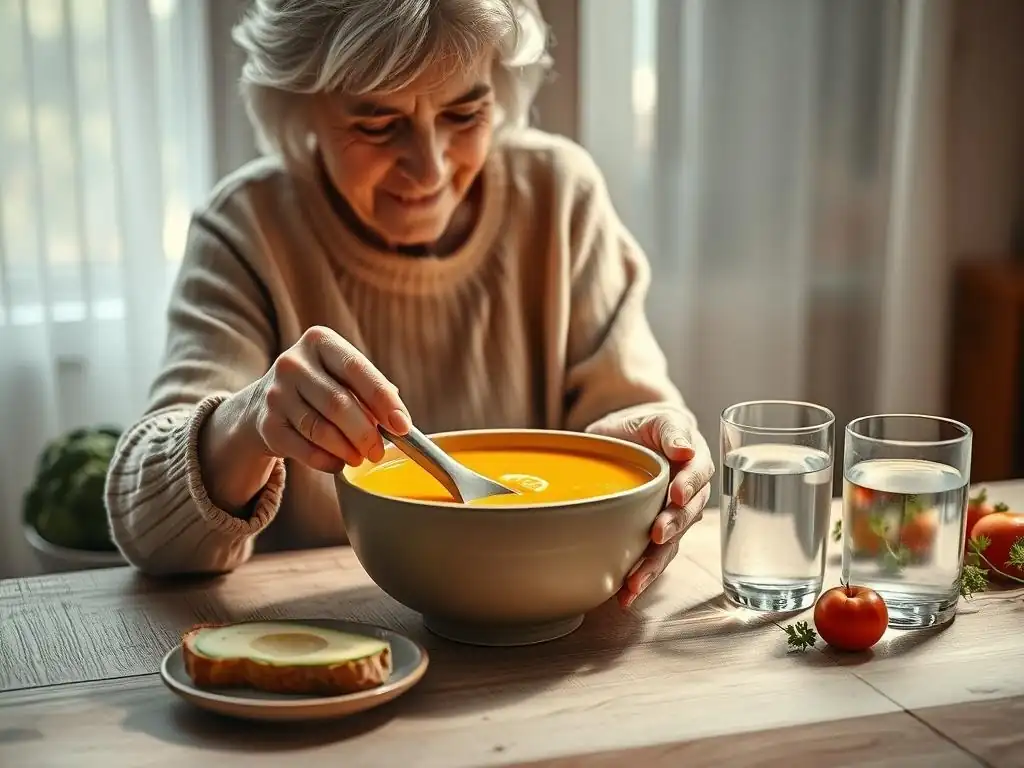
While diet alone cannot cure SAD, good nutrition plays a supportive role in overall mental and physical health, which is particularly important for Seasonal Affective Disorder seniors. Maintaining a balanced diet rich in fruits, vegetables, whole grains, lean proteins, and healthy fats can help regulate energy levels and mood.
Some research suggests a link between Vitamin D deficiency and depression, and older adults are at higher risk for low Vitamin D, especially during winter months when sun exposure is limited. Ensuring adequate Vitamin D intake through fortified foods, supplements (under medical guidance), or safe sun exposure can be beneficial. Omega-3 fatty acids, found in fatty fish, are also associated with mood regulation. Encouraging regular, balanced meals can help prevent energy crashes and mood swings often experienced by Seasonal Affective Disorder seniors.
Combating social isolation is critical for managing Seasonal Affective Disorder seniors. The winter months can naturally reduce opportunities for social interaction. Actively encouraging and facilitating social engagement can provide emotional support, reduce feelings of loneliness, and offer distractions from depressive symptoms.
Joining senior centers, participating in community events, volunteering, or simply scheduling regular visits or phone calls with friends and family can make a significant difference. Support groups specifically for depression or SAD can provide a safe space for seniors to share their experiences and learn coping strategies from others facing similar challenges. These connections provide a vital buffer against the isolating effects of both the season and the disorder for Seasonal Affect Disorder seniors.
Medication Management for SAD in Elderly Patients
For some Seasonal Affective Disorder seniors, antidepressant medication may be a necessary part of the treatment plan, particularly if symptoms are severe or other treatments haven't been effective. Selective Serotonin Reuptake Inhibitors (SSRIs) are often the first choice due to their generally favorable side effect profile, though dosage and monitoring require careful consideration in older adults.
Medication management for seniors requires a cautious approach. Starting with a low dose and gradually increasing it allows healthcare providers to monitor for side effects, which can be more pronounced or different in older individuals. Potential interactions with other medications the senior is taking must be thoroughly reviewed before prescribing any antidepressant. Regular follow-up appointments are crucial to assess the medication's effectiveness, manage any side effects, and adjust the dosage as needed, ensuring the safety and well-being of Seasonal Affective Disorder seniors on medication.
Creating a Supportive Environment for Seniors with SAD
Family and Caregiver Education: Understanding and Supporting Seniors
Educating family members and caregivers about Seasonal Affective Disorder is paramount in supporting Seasonal Affective Disorder seniors. Understanding that SAD is a real medical condition, not just "winter blues" or a sign of weakness, helps foster empathy and reduces stigma. Caregivers should learn to recognize the specific symptoms of SAD in the senior they support, paying attention to seasonal patterns in mood, energy, and behavior.
Education should also cover the recommended treatments, such as the proper use of light therapy, the importance of medication adherence if prescribed, and strategies for encouraging physical activity and social engagement. Knowing how to create a supportive environment, offer encouragement, and recognize signs that require professional intervention (like worsening symptoms or suicidal thoughts) empowers families and caregivers to provide effective support for Seasonal Affective Disorder seniors.
Modifying Living Spaces to Enhance Light Exposure
Optimizing the living environment to maximize natural light exposure can be a simple yet effective strategy for supporting Seasonal Affective Disorder seniors. Encourage keeping curtains and blinds open during the day, especially windows facing south or east. Trimming back trees or bushes that block sunlight outside windows can also help.
Arranging furniture so that the senior spends time near windows during daylight hours can increase their exposure to natural light. Even on cloudy days, the light levels outdoors are significantly higher than indoors. For seniors with limited mobility, ensuring their usual sitting area or activity space is near a window can make a difference. While not a substitute for light therapy, maximizing natural light complements other treatments and helps create a brighter, more uplifting environment for Seasonal Affective Disorder seniors.
Actively encouraging and facilitating social interaction is a cornerstone of support for Seasonal Affective Disorder seniors. During the winter months, this might require extra effort. Help the senior stay connected with friends and family through phone calls, video chats, or scheduled visits. If they are able, assist them in participating in activities outside the home, such as senior center programs, community events, religious services, or hobby groups.
For seniors with mobility issues or those who prefer staying home, arranging for visitors, joining online communities, or engaging in mentally stimulating activities together (like puzzles, games, or crafts) can help combat isolation. The goal is to keep Seasonal Affect Disorder seniors engaged and connected, providing emotional support and reducing the feelings of loneliness that can worsen their symptoms.
Resources and Support for Older Adults with Seasonal Affective Disorder
Relevant Organizations and Support Groups
Navigating Seasonal Affective Disorder as an older adult or caregiver can be challenging, but various organizations offer valuable resources and support. While specific groups for Seasonal Affective Disorder seniors may be limited, national and local mental health organizations often provide information on depression, aging, and support services.
Organizations focused on mental health can offer educational materials, helplines, and directories of mental health professionals specializing in geriatric care. Support groups for depression or specific age cohorts can provide peer support and shared coping strategies. While we cannot list specific organizations here, searching online for "senior mental health resources" or "depression support groups for older adults" in your local area can yield helpful results.
Helpful Articles and Websites
Numerous articles and websites provide information on Seasonal Affective Disorder and its impact on older adults. These resources can offer deeper insights into symptoms, treatment options, and coping strategies tailored for the Seasonal Affective Disorder seniors population.
Look for websites from reputable health organizations, government health agencies, and university-affiliated medical centers. These sources typically provide evidence-based information and practical advice. Searching for terms like "SAD in the elderly," "winter depression older adults," or "managing seasonal affective disorder seniors" on these reliable platforms can lead to valuable articles and guides that empower individuals and caregivers with knowledge.
Conclusion: Empowering Seniors to Overcome Seasonal Affect Disorder
Seasonal Affective Disorder presents unique challenges for older adults, influenced by age-related physical changes, social factors, co-occurring health conditions, and potential cognitive issues. However, with increased awareness, timely diagnosis, and tailored treatment strategies, Seasonal Affective Disorder seniors can effectively manage their symptoms and improve their quality of life during the darker months.
By understanding the specific ways SAD impacts this population, utilizing effective treatments like light therapy and adapted CBT, promoting physical activity and good nutrition, fostering social connections, and ensuring supportive environments, we can empower older adults to navigate the seasonal shifts with greater resilience. Recognizing the signs, seeking professional help, and leveraging available resources are crucial steps toward overcoming the effects of Seasonal Affective Disorder seniors face each year.
Frequently Asked Questions
What is Seasonal Affective Disorder (SAD) and how does it specifically affect seniors?
SAD is a type of depression related to changes in seasons, typically occurring during the winter months. For seniors, SAD can exacerbate existing health conditions and lead to social isolation and feelings of hopelessness.
While mood fluctuations can be normal with aging, SAD presents as a recurring pattern tied to the seasons. Seniors experiencing SAD may show a significant decline in energy levels and interest in activities during the fall and winter.
What are some effective strategies for managing SAD in older adults?
Effective strategies include light therapy, talk therapy, and, in some cases, medication. Lifestyle changes like regular exercise and maintaining a consistent sleep schedule are also beneficial.
Where can seniors and their families find resources and support for dealing with SAD?
Mind Care Guide offers comprehensive information and resources on SAD. Families can also seek support from local senior centers and mental health professionals specializing in geriatric care.
Are there any unique challenges seniors face when seeking treatment for SAD?
Seniors may face challenges such as limited mobility, medication interactions, and lack of awareness about SAD. Overcoming these barriers requires proactive support from family and healthcare providers.
Final Reflection: Shining a Light on Winter Blues in Later Life
The pervasive shadow of Seasonal Affective Disorder (SAD) extends its reach into the later years of life, impacting older adults in unique and often overlooked ways. This article has highlighted the specific challenges seniors face, from decreased sunlight exposure and social isolation to the complexities of medication interactions and the subtle presentation of symptoms. Understanding these nuances is crucial to effectively addressing this often-misunderstood condition.
The impact of SAD on older adults is far-reaching, affecting not only their mental well-being but also their physical health and overall quality of life. It's a silent struggle that can easily go unnoticed, leaving many seniors feeling isolated and misunderstood. This underscores the importance of increased awareness and proactive strategies within our communities and healthcare systems. Loneliness and isolation are as harmful as smoking 15 cigarettes a day,
a stark reminder of the interconnectedness of mental and physical health. We must actively combat this isolation, fostering supportive environments where seniors feel seen, heard, and valued.
Now, consider your own life and the seniors in your circle. Are you equipped to recognize the signs of SAD in an older adult? Do you know how to initiate a conversation, offer support, or direct them to appropriate resources? Take this opportunity to learn more, to become a beacon of hope in the lives of those who may be struggling silently with the winter blues. Let's work together to illuminate the darkness and ensure that every senior has access to the support they need to thrive, regardless of the season.
Unlock Your Potential: Taking Charge of Your Mental Wellbeing
Thanks for taking the time to learn about the unique challenges of SAD in older adults. We hope you found the information insightful and empowering. Now, let's put that knowledge into action!
Here are a few ways to continue your journey towards better mental health:
- Prioritize daily light exposure: Even 15-20 minutes of sunlight can make a difference. Try a short walk outdoors during the brightest part of the day, or sit by a sunlit window.
- Connect with a mental health professional: Schedule a consultation to discuss personalized strategies for managing SAD. This could be a therapist, doctor, or other qualified professional.
- Share this article with a loved one: Help spread awareness and support for older adults facing similar challenges.
What small step can you take today to boost your mood and embrace the light?