
What Not to Say: Avoiding Hurtful Comments to Moms with PPD

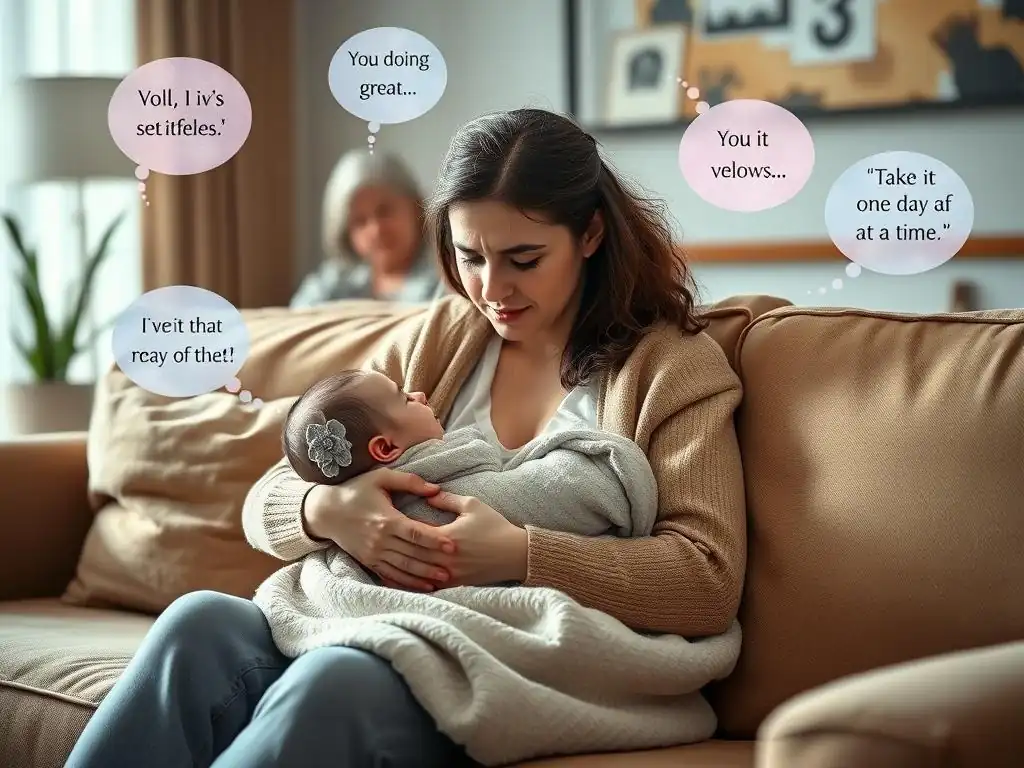
Welcome to Mind Care Guide, a space dedicated to nurturing your mental well-being. Navigating the complexities of mental health can feel overwhelming, and we're here to offer support and guidance. Feeling unsure about what not to say to a new mom struggling with postpartum depression? You're not alone. Let's gently explore how to offer genuine support and avoid unintentional hurt when discussing Mom’s postpartum depression comments. Uncover compassionate communication strategies and begin your journey to understanding today.
What Not to Say: Avoiding Hurtful Comments to Moms with PPD
- Understanding Postpartum Depression (PPD) and its Impact
- Common, Yet Hurtful, Comments to Avoid Saying to a Mom with Postpartum Depression
- Specific Phrases to Steer Clear Of When Talking to a Mom with PPD
- What To Say Instead: Supportive Alternatives for Moms Struggling with PPD
- The Importance of Sensitivity and Understanding in Supporting Moms with PPD
- Resources for Mothers Experiencing Postpartum Depression and Their Families
- Supporting a New Mother's Mental Health
-
Frequently Asked Questions
- What is postpartum depression (PPD) and why is it important to be mindful of our comments to new mothers?
- Why are certain comments, seemingly innocuous, potentially hurtful to mothers experiencing PPD?
- What are some examples of "Mom’s postpartum depression comments avoid" that should be avoided when interacting with a new mother?
- How can I offer support to a new mother struggling with PPD in a way that avoids making hurtful comments?
- Where can I find resources and support if I suspect a new mother I know is struggling with PPD?
- Final Reflection: The Unspoken Weight of Words in Postpartum
- Rediscover Connection: Support Moms Battling PPD
Understanding Postpartum Depression (PPD) and its Impact
Defining Postpartum Depression: More Than Just "Baby Blues"
Postpartum Depression (PPD) is a serious mood disorder that affects a significant number of women after childbirth. Unlike the common "baby blues," which typically involves brief periods of mood swings, crying, and anxiety that resolve within two weeks, PPD is more intense and lasts much longer. It can manifest weeks or even months after the baby's arrival and interfere with a mother's ability to care for herself and her baby. The symptoms can range from persistent sadness, anxiety, and irritability to more severe feelings of hopelessness, worthlessness, and even thoughts of harming oneself or the baby.
Estimates suggest that PPD affects about 1 in 7 women who give birth, though some studies indicate the rate could be higher, possibly closer to 1 in 5 in certain populations. This makes it a prevalent issue, not a rare occurrence. Understanding that PPD is a clinical condition, much like any other medical illness, is crucial. It's not a character flaw or something a mother can simply "shake off." Recognizing the difference between transient baby blues and persistent, debilitating PPD is the first step in offering appropriate support and avoiding hurtful comments that minimize her struggle.
The Emotional Toll of PPD on New Mothers
The emotional burden of PPD is immense and multifaceted. Mothers experiencing PPD often feel overwhelmed, guilty, and isolated. They may struggle to bond with their baby, leading to profound feelings of shame and inadequacy. Daily tasks that once seemed simple can become insurmountable challenges. The constant anxiety and sadness can disrupt sleep patterns, appetite, and energy levels, creating a vicious cycle that exacerbates symptoms. This emotional landscape is far removed from the idealized image of motherhood often portrayed in society.
Beyond the internal struggle, PPD can strain relationships with partners, family, and friends. A mother might withdraw from social interactions, feeling misunderstood or judged. The inability to experience joy or pleasure in activities, including caring for her baby, adds another layer of distress. This profound emotional distress requires compassion and understanding, not judgment or dismissive remarks. Avoiding hurtful Mom’s postpartum depression comments is paramount to her emotional recovery.
Why Thoughtless Comments Can Worsen PPD Symptoms
When a mother is already battling the internal turmoil of PPD, thoughtless comments can act like salt in a wound. Such remarks often invalidate her feelings, make her feel guilty for not conforming to societal expectations of motherhood, or imply that her struggle is somehow her fault or easily fixable. This can deepen feelings of shame, isolation, and hopelessness. A comment intended to be helpful might inadvertently make her feel more inadequate or misunderstood, pushing her further into withdrawal.
For a mother with PPD, every interaction can feel like a test or a judgment. A dismissive comment can reinforce her own negative self-talk, confirming her fears that she is a bad mother or failing. This can lead to increased anxiety, exacerbate depressive symptoms, and make her less likely to reach out for the help she desperately needs. Therefore, being mindful of the potential impact of our words is essential when interacting with someone experiencing postpartum depression. Avoiding hurtful Mom’s postpartum depression comments is an act of empathy and support.
Common, Yet Hurtful, Comments to Avoid Saying to a Mom with Postpartum Depression
Dismissing Their Feelings: "You're Just Tired"
While fatigue is a common symptom of PPD, reducing a complex mood disorder to mere tiredness is incredibly dismissive. A mother with PPD is experiencing a profound chemical and emotional imbalance, not just a lack of sleep. Telling her she's "just tired" invalidates the depth of her suffering – the persistent sadness, anxiety, intrusive thoughts, and difficulty functioning that go far beyond simple exhaustion. It implies that her problem is minor and easily fixed by rest, which is rarely the case with PPD.
This comment can make a mother feel unheard and misunderstood. It suggests that her significant emotional pain is trivial, leading her to believe that perhaps her feelings aren't valid or worthy of serious attention. This can discourage her from seeking professional help or opening up further about the true extent of her struggles, reinforcing her isolation. Avoiding this type of Mom’s postpartum depression comments is crucial for fostering trust and open communication.
Minimizing the Struggle: "Every Mother Feels That Way"
Comparing a mother's severe PPD symptoms to the common challenges of new motherhood ("Every mother feels overwhelmed sometimes") minimizes the intensity and clinical nature of her experience. While many new mothers experience stress and fatigue, PPD is a distinct and debilitating condition. Suggesting that her symptoms are just part of the normal maternal experience downplays the severity of her illness and can make her feel like she is complaining about something that is supposed to be normal, increasing her guilt and shame.
This comment can also make a mother feel like her unique pain is not being seen or acknowledged. It implies that she should just tough it out because "everyone goes through it," ignoring the fact that PPD is a medical condition requiring treatment, not just resilience. This minimization can prevent her from recognizing that she needs help and seeking appropriate care. Thoughtful Mom’s postpartum depression comments avoid generalizations and focus on the individual's experience.
Offering Unsolicited Advice: "Sleep When the Baby Sleeps!"
This seemingly simple piece of advice, while often well-intentioned, can be incredibly frustrating and unhelpful for a mother with PPD. Many mothers with PPD suffer from insomnia or anxiety that prevents them from sleeping even when they have the opportunity. Furthermore, the limited time the baby sleeps might be the only chance the mother has to shower, eat, or attend to other essential tasks, leaving no time for rest.
Offering unsolicited, impractical advice like this can make a mother feel like her problems are easily solvable if only she were smarter or more capable. It ignores the complex reality of caring for a newborn while battling a mental health condition. Instead of feeling helped, she might feel more inadequate for being unable to follow such "obvious" advice. Avoiding unhelpful Mom’s postpartum depression comments that offer simplistic solutions is key to supportive communication.
Comparing Their Experience: "When I Had a Baby, I Just…"

Comparing a mother's PPD experience to your own, potentially easier, postpartum journey can be deeply hurtful. Every individual's experience with childbirth and the postpartum period is unique. What one person found manageable, another might find overwhelmingly difficult, especially when dealing with a mood disorder. This type of comparison can invalidate the mother's current struggle and make her feel like she is somehow failing because her experience doesn't measure up.
Statements that begin with "When I had a baby..." often shift the focus away from the mother's current needs and onto the speaker's past. This can make the mother feel unheard and unsupported. It can also imply that her difficulties are a result of her own choices or lack of effort, rather than acknowledging that PPD is a complex condition influenced by various factors. Mindful Mom’s postpartum depression comments avoid comparisons and focus on the mother's present reality.
Blaming the Mother: "Are You Bonding With Your Baby?"
Directly questioning a mother's bond with her baby can be one of the most painful and guilt-inducing comments she can hear, especially if she is struggling with PPD. Difficulty bonding is a common symptom of PPD, often causing immense distress and shame for the mother. Asking this question implies that any perceived lack of bonding is her fault or a choice she is making, rather than a symptom of her illness.
This type of comment can reinforce a mother's deepest fears and insecurities about her ability to be a good mother. It puts immense pressure on her to perform motherhood in a certain way and can make her feel like she is being judged and failing at the most fundamental aspect of parenting. Instead of helping, it is likely to increase her anxiety, guilt, and potentially her withdrawal. Avoiding judgmental Mom’s postpartum depression comments is essential for protecting a mother's fragile emotional state.
Specific Phrases to Steer Clear Of When Talking to a Mom with PPD
"Snap Out Of It" or "Get Over It": The Insensitivity of Impatience
Telling someone with PPD to "snap out of it" or "get over it" is akin to telling someone with a broken leg to just walk it off. It demonstrates a complete lack of understanding of the nature of a mood disorder. PPD is not something a person can simply choose to stop feeling. These phrases are dismissive, unsympathetic, and place the blame squarely on the mother for her inability to control her symptoms. They imply that she is deliberately choosing to be depressed or struggling, which is incredibly far from the truth.
These impatient remarks can significantly damage the mother's self-esteem and make her feel further isolated. They communicate that her feelings are an inconvenience or a personal failing, rather than a genuine illness requiring compassion and treatment. Such comments can make her feel hopeless about ever getting better, as they suggest that the solution is simple and within her easy reach, yet she is unable to grasp it. Avoiding this kind of Mom’s postpartum depression comments is vital for showing empathy.
"You Should Be Happy": The Pressure of Societal Expectations
The cultural narrative often portrays new motherhood as a time of pure joy and bliss. Telling a mother with PPD that she "should be happy" confronts her with this societal expectation and highlights the painful disconnect between her reality and the idealized image. This comment can intensify her feelings of guilt and failure because she is not experiencing the expected emotions. It implies that her current state is abnormal or wrong, adding to her distress.
This phrase ignores the complex emotional landscape of the postpartum period and the biological and psychological factors contributing to PPD. It puts immense pressure on the mother to perform happiness, masking her true feelings and preventing her from being honest about her struggle. This pressure can exacerbate her symptoms and make it harder for her to seek help. Navigating Mom’s postpartum depression comments requires sensitivity to the gap between expectation and reality.
"Your Baby Needs You": The Burden of Guilt
While it is true that a baby needs their mother, saying this to a mother with PPD can pile on an unbearable burden of guilt. Mothers with PPD often already feel intensely guilty about their symptoms and their perceived inability to be the "perfect" mother. This comment can amplify that guilt, making her feel responsible for potentially harming her baby by not being emotionally or physically available in the way she feels she should be.
This phrase can make a mother feel trapped and even more anxious about her symptoms. It focuses solely on the baby's needs without acknowledging the mother's illness and her own need for support and treatment. It can make her fear that admitting her struggles means she is failing her child, potentially making her less likely to disclose the severity of her PPD. Compassionate Mom’s postpartum depression comments focus on support for both mother and baby.
"It Could Be Worse": The Invalidation of Their Pain
Comparing a mother's experience with PPD to potentially worse situations (e.g., "At least the baby is healthy," "Some mothers have it harder") is deeply invalidating. While perspective can be helpful in some contexts, when someone is struggling with a serious mental health condition, this type of comparison minimizes their current pain and implies that they don't have a right to feel as bad as they do. It suggests that because others might have greater challenges, her suffering is somehow less legitimate.
This comment can make a mother feel guilty for her feelings and hesitant to share her struggles. It creates a sense that she should just be grateful for what she has and suppress her pain. This invalidation can reinforce her feelings of isolation and make her feel like no one truly understands the depth of her suffering. Supportive Mom’s postpartum depression comments validate the mother's feelings without comparison.
What To Say Instead: Supportive Alternatives for Moms Struggling with PPD
Expressing Empathy: "I'm Here for You"
One of the most powerful things you can say to a mother with PPD is a simple expression of empathy and availability. Saying "I'm here for you," "I'm so sorry you're going through this," or "It sounds incredibly difficult" acknowledges her pain without trying to fix it or minimize it. It creates a sense of connection and lets her know she doesn't have to carry the burden alone. This validates her feelings and opens the door for her to share more if she feels ready.
These phrases communicate acceptance and understanding. They show that you see her struggle and are willing to stand by her side, whatever that looks like. This kind of unconditional support is invaluable for someone feeling isolated and overwhelmed by PPD. Empathetic Mom’s postpartum depression comments build trust and encourage open communication.
Offering Practical Help: "Can I Watch the Baby While You Rest?"
Instead of offering generic advice, offer concrete, practical help. Mothers with PPD are often exhausted and overwhelmed by the demands of childcare and household tasks. Offering specific assistance like "Can I bring over a meal? ", "Can I watch the baby while you take a nap or a shower? ", "Can I help with laundry? ", or "Let me run to the grocery store for you" can make a tangible difference in her daily life.
Practical help directly addresses some of the stressors that can exacerbate PPD symptoms, such as sleep deprivation and the feeling of being overwhelmed by chores. It shows genuine care and support in a way that words alone cannot. Specific offers are more likely to be accepted than a general "Let me know if you need anything," as it removes the burden from the mother of having to figure out what she needs and how to ask for it. Helpful Mom’s postpartum depression comments translate empathy into action.
Encouraging Professional Help: "Have You Considered Talking to a Therapist?"
Gently suggesting professional help is a supportive way to encourage a mother with PPD to get the treatment she needs. Frame it as a positive step towards feeling better, not a judgment. Phrases like "Many new moms find talking to a therapist really helpful during this time" or "There are professionals who specialize in helping women with postpartum challenges" can be effective. Avoid making it sound like a command or implying she is incapable of handling things herself.
It's important to normalize seeking help for mental health. You can share statistics (like the 1 in 7 prevalence) to show her she's not alone and that PPD is a common, treatable condition. Offering to help her find resources or even accompanying her to an appointment can be incredibly supportive. Encouraging professional support is one of the most crucial supportive Mom’s postpartum depression comments.
Validating Their Feelings: "It's Okay to Not Be Okay"
Giving a mother permission to feel exactly how she feels is profoundly validating. Phrases like "It's okay to feel sad," "It's okay to feel overwhelmed," or "It's okay to not love every minute of this" counteract the societal pressure to be constantly happy and perfectly adjusted. This validation can reduce her guilt and shame and make her feel less alone in her struggle.
Hearing that her difficult emotions are acceptable and understandable can be a huge relief. It creates a safe space for her to be honest about her experience without fear of judgment. This validation is a critical step in helping her accept her condition and seek the necessary support and treatment. Validating Mom’s postpartum depression comments foster acceptance and healing.
The Importance of Sensitivity and Understanding in Supporting Moms with PPD

Recognizing the Signs of PPD: Early Detection is Key
Being able to recognize the signs of PPD is crucial for early intervention, which significantly improves outcomes. While the "baby blues" typically fade within two weeks, PPD symptoms persist longer and are more severe.
Look for signs such as persistent sadness, anxiety, or emptiness; irritability or anger; difficulty bonding with the baby; changes in eating or sleeping habits (beyond normal new parent disruption); fatigue that isn't relieved by rest; feelings of worthlessness or guilt; loss of interest in activities; and in severe cases, thoughts of harming oneself or the baby. Approximately half of women diagnosed with PPD first experience symptoms during pregnancy, highlighting the importance of vigilance even before birth.
Family members, partners, and friends are often in the best position to notice these changes in a new mother. Healthcare providers also play a vital role through routine screening at postpartum appointments. Early recognition allows for prompt diagnosis and treatment, which can significantly reduce the duration and severity of PPD, improving the well-being of both mother and baby. Understanding and recognizing these signs is the first step in providing truly supportive Mom’s postpartum depression comments and actions.
Creating a Safe Space for Open Communication
Creating an environment where a mother feels safe to openly discuss her feelings without fear of judgment is paramount. This involves active listening, showing empathy, and withholding criticism or dismissive remarks. Let her share her experiences at her own pace, and validate her emotions even if you don't fully understand them. Avoid interrupting or immediately jumping in with advice. Sometimes, simply being heard is the most helpful thing.
Encourage honesty by sharing your own struggles (if appropriate and comfortable) or by talking generally about the challenges of new parenthood. Let her know that it's normal to feel overwhelmed and that seeking help is a sign of strength, not weakness. A safe space empowers the mother to be vulnerable and reach out for the support she needs, counteracting the isolation that PPD often brings. Sensitive communication is key to avoiding hurtful Mom’s postpartum depression comments.
Encouraging Self-Care and Seeking Professional Treatment
Supporting a mother with PPD involves encouraging both self-care and professional treatment. While self-care alone is rarely sufficient for PPD, small acts like getting fresh air, eating nutritious food, or taking a warm bath can help manage symptoms. Encourage her gently to prioritize these things and offer practical help to make them possible (e.g., watching the baby).
Crucially, strongly encourage and support her in seeking professional help from a therapist, counselor, or doctor. PPD is a treatable condition, often responding well to therapy (like cognitive behavioral therapy or interpersonal therapy), medication (such as antidepressants), or a combination of both. Offer to help her find a specialist, make appointments, or provide transportation. Emphasize that seeking professional help is the most effective way to manage PPD and regain her well-being. Encouraging treatment is the most impactful of supportive Mom’s postpartum depression comments.
Resources for Mothers Experiencing Postpartum Depression and Their Families
Finding Support Groups and Online Communities
Connecting with others who understand the unique challenges of PPD can be incredibly beneficial for new mothers and their families. Support groups, both in-person and online, offer a safe space to share experiences, gain coping strategies, and reduce feelings of isolation. Organizations like Postpartum Support International (PSI) host virtual support groups covering various topics, including general PPD/A (Anxiety), partner support, and specific demographics. These groups provide a sense of community and validation that is hard to find elsewhere.
Online forums and social media groups dedicated to postpartum mental health can also offer 24/7 support and a wealth of shared knowledge. While not a substitute for professional help, these communities can provide immediate connection and peer support. Finding these resources can be a vital step for a mother seeking to navigate her PPD journey and connect with others who truly understand. Exploring these avenues is a proactive way to address Mom’s postpartum depression comments and experiences.
Connecting with Mental Health Professionals Specializing in PPD
Professional treatment is often necessary for recovering from PPD. Connecting with mental health professionals who specialize in perinatal mood and anxiety disorders (PMADs), including PPD, is crucial. These professionals are trained to understand the specific challenges and nuances of mental health issues during pregnancy and the postpartum period. Types of professionals include licensed therapists, counselors, psychologists, psychiatrists (who can prescribe medication if needed), and social workers.
Finding the right professional might involve searching online directories, getting referrals from a healthcare provider, or contacting organizations like PSI, which have provider directories. Therapy techniques such as Cognitive Behavioral Therapy (CBT) and Interpersonal Therapy (IPT) have proven effective in treating PPD. Medication is another common and effective treatment option, particularly for moderate to severe PPD. Seeking this specialized help is a sign of strength and a key step towards recovery. Professional guidance is invaluable when dealing with Mom’s postpartum depression comments and feelings.
National Maternal Mental Health Hotline: 1-833-TLC-MAMA (1-833-852-6262)
For immediate support or guidance on finding resources, the National Maternal Mental Health Hotline is available. This free, confidential hotline provides support and information to pregnant and new parents experiencing mental health challenges. It is staffed by professional counselors who can offer support, provide referrals to local and national resources, and help callers navigate their options. The hotline is available 24/7 in English and Spanish.
Reaching out to a hotline can be a less intimidating first step for someone who is not yet ready for therapy or doesn't know where to start looking for help. It provides immediate access to a compassionate listener and practical information on support groups, treatment options, and other resources. Having a readily available number like 1-833-TLC-MAMA (1-833-852-6262) is a critical resource for any mother or family member concerned about postpartum mental health. Utilizing hotlines is a direct way to find support against negative Mom’s postpartum depression comments and feelings.
Supporting a New Mother's Mental Health
Helping with Household Chores and Errands
Practical support significantly impacts a new mother's mental well-being, especially if she is dealing with PPD. The physical and emotional demands of caring for a newborn are immense, and household tasks can quickly become overwhelming. Offering to help with chores like cleaning, laundry, meal preparation, or grocery shopping can reduce her stress and free up her limited energy for rest and bonding with the baby.
Don't wait for her to ask; proactively offer specific help. For example, instead of "Let me know if you need anything," say "I'm going to the store, what can I pick up?" or "Can I come over Thursday morning to do a load of laundry?"
This tangible assistance not only lightens her workload but also shows her that she is not alone and that her community is there to support her. Reducing the daily grind of chores can provide her with much-needed breathing room and energy, which are often depleted by PPD. Prioritizing this kind of hands-on help is far more effective than simply offering words of encouragement or advice. Practical support complements verbal communication and helps counteract the isolation sometimes caused by negative Mom’s postpartum depression comments.
Healthcare Provider's Role: Screening and Treatment Options
Healthcare providers play a critical role in identifying and treating PPD. Routine screening for maternal mental health issues during prenatal and postpartum appointments is becoming standard practice and is essential for early detection. Pediatricians also have an opportunity to screen mothers during infant wellness visits. These screenings can help identify potential problems early, even if the mother doesn't explicitly disclose her struggles.
Once PPD is suspected or diagnosed, healthcare providers can discuss treatment options, which typically include therapy, medication, or a combination. They can provide referrals to mental health specialists and coordinate care. Follow-up is crucial to monitor the mother's progress and adjust treatment as needed. Educating mothers and families about PPD and available resources is also a key part of their role. Ensuring healthcare providers are aware of her struggles is a vital step in getting appropriate help for Mom’s postpartum depression comments and experiences.
Frequently Asked Questions
What is postpartum depression (PPD) and why is it important to be mindful of our comments to new mothers?
PPD is a serious mental health condition affecting mothers after childbirth. Being mindful of our comments is crucial because insensitive remarks can exacerbate symptoms and hinder their recovery.
Why are certain comments, seemingly innocuous, potentially hurtful to mothers experiencing PPD?
Comments that downplay the severity of PPD or suggest a lack of effort can be deeply hurtful. They can invalidate a mother's struggles and feelings, making her feel ashamed and isolated.
What are some examples of "Mom’s postpartum depression comments avoid" that should be avoided when interacting with a new mother?
Avoid comments like "Just get over it," "You should be happy," or "Everyone feels tired after having a baby." These minimize the experience and are unhelpful.
How can I offer support to a new mother struggling with PPD in a way that avoids making hurtful comments?
Offer practical help, such as cooking meals or watching the baby. Listen without judgment and validate her feelings, assuring her that she is not alone and help is available.
Where can I find resources and support if I suspect a new mother I know is struggling with PPD?
Resources are available from organizations like Postpartum Support International and local mental health providers. Encourage her to seek professional help for diagnosis and treatment.
Final Reflection: The Unspoken Weight of Words in Postpartum
The casual cruelty of insensitive comments towards mothers struggling with postpartum depression (PPD) is a pervasive issue, impacting countless families and hindering recovery. These seemingly small remarks, often born of ignorance or unintentional thoughtlessness, can carry a devastating weight, exacerbating feelings of isolation, inadequacy, and guilt already present in this vulnerable period. We must recognize the profound impact of our words and actively choose empathy over apathy.
The ongoing struggle against the stigma surrounding PPD is a testament to the power of shared experience and open conversation. Yet, the insidious nature of unhelpful comments continues to perpetuate a culture of silence and shame. These words, whispered or shouted, create a barrier to healing and support. As the saying goes, Kind words can be short and easy to speak, but their echoes are truly endless.
This resonates deeply with the experience of mothers grappling with PPD, where even a single insensitive comment can reverberate for weeks, months, or even years. The need for understanding and compassionate communication remains paramount.
You, the reader, now hold the power to make a difference. Consider the impact of your words before speaking to a new mother. Educate yourself on PPD, listen actively, and offer support without judgment. Choose empathy, choose kindness, choose to be a part of the solution, not the problem. Let's collectively create a supportive environment where mothers struggling with PPD feel heard, understood, and empowered to seek help without fear of further judgment or pain. Your words can be a lifeline.
Rediscover Connection: Support Moms Battling PPD
Thanks for taking the time to learn about the power of compassionate communication with mothers experiencing postpartum depression (PPD). You've gained valuable insights into how your words can make a real difference. Now, let's turn that knowledge into action!
- Reach out to a mom you know who might be struggling. A simple text, call, or even a heartfelt card can make a world of difference. This is your primary action – even a small gesture can have a huge impact.
- Share this article with friends, family, or on social media – spread the word about supportive communication and help break the stigma surrounding PPD.
- Take a moment to reflect on your own communication style and identify areas where you can be more sensitive and understanding.
What small act of kindness will you share today to support a mom battling PPD?