
The Science of Shifts: Understanding the Biology Behind Rapid Cycling

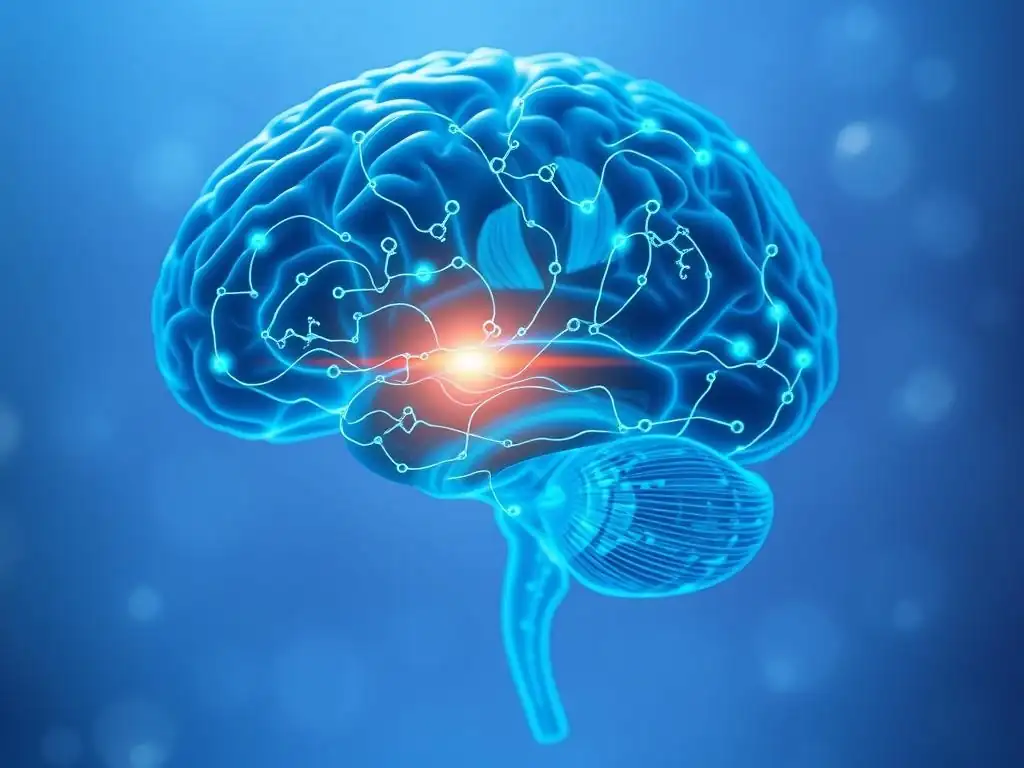
Welcome to Mind Care Guide.
Feeling lost in the unpredictable waves of rapid cycling bipolar disorder? You're not alone. We understand the unique challenges this presents, and we're here to offer a compassionate and informed guide. This article, " The Science of Shifts: Understanding the Biology Behind Rapid Cycling," delves into the complex mechanisms behind this condition, exploring potential avenues for rapid cycling bipolar disorder treatment. Curious about the biological factors at play and how they might influence your journey towards stability? Let's unravel the science together.
- The Science of Shifts: Understanding the Biology Behind Rapid Cycling
- What is Rapid Cycling Bipolar Disorder? Defining the Condition
- The Biological Basis of Rapid Cycling: Exploring the Science
- Factors Contributing to Rapid Cycling: Unveiling the Triggers
- Rapid Cycling Bipolar Disorder Treatment Options: A Biological Approach
- Managing Co-occurring Conditions in Rapid Cycling
- Emerging Research and Future Directions in Rapid Cycling Treatment
- Living Well with Rapid Cycling Bipolar Disorder: A Holistic Approach
- The Importance of Early Diagnosis and Intervention in Rapid Cycling
-
Frequently Asked Questions
- What exactly is rapid cycling bipolar disorder?
- Does rapid cycling bipolar disorder have a different biological basis than other forms of bipolar disorder?
- What are the main treatment approaches for rapid cycling bipolar disorder?
- How does Mind Care Guide support individuals seeking "Rapid cycling bipolar disorder treatment"?
- Are there any specific lifestyle changes that can help manage rapid cycling bipolar disorder alongside medical treatment?
- Final Reflection: Embracing the Fluidity of Recovery in Rapid Cycling Bipolar Disorder
- Unlock Your Inner Resilience: Take Control of Your Mood Swings
The Science of Shifts: Understanding the Biology Behind Rapid Cycling
Rapid cycling bipolar disorder is a particularly challenging presentation of bipolar disorder, characterized by frequent and distinct episodes of mood swings. Unlike typical bipolar disorder, which might see individuals experience a few episodes per year, rapid cycling involves four or more mood episodes (manic, hypomanic, depressive, or mixed) within a 12-month period. This high frequency of shifts can significantly impact a person's life, affecting relationships, work, and overall well-being. Understanding the biological underpinnings of this condition is crucial for effective rapid cycling bipolar disorder treatment.
For individuals navigating this complex landscape, feeling overwhelmed by the rapid changes in mood and energy is common. The unpredictability can make daily life feel like an emotional rollercoaster. However, advancements in research are shedding light on the specific biological mechanisms that may contribute to rapid cycling. By exploring the science behind these shifts, we can gain a deeper appreciation for the complexities involved and pave the way for more targeted and effective interventions as part of a comprehensive rapid cycling bipolar disorder treatment plan.
What is Rapid Cycling Bipolar Disorder? Defining the Condition
Understanding the Diagnostic Criteria for Rapid Cycling
The diagnostic criteria for rapid cycling bipolar disorder, as outlined in the Diagnostic and Statistical Manual of Mental Disorders (DSM), specifically require the occurrence of at least four mood episodes within the past 12 months. These episodes must be distinct periods of depression, mania, hypomania, or mixed states, with a period of full remission between episodes or a switch to an episode of the opposite polarity. For instance, a person might experience a major depressive episode followed by a manic or hypomanic episode, then another depressive episode, and finally a mixed episode, all within a single year.
Importantly, the definition of rapid cycling focuses on the frequency of episodes, not their severity or duration (beyond meeting the minimum duration for each episode type). The pattern can be variable, with episodes occurring in different orders or combinations. Approximately 10% to 20% of individuals with bipolar disorder experience rapid cycling at some point, though it may not be a permanent state for everyone. Identifying this pattern is a key step in tailoring appropriate rapid cycling bipolar disorder treatment.
Differentiating Rapid Cycling from Other Bipolar Presentations
Rapid cycling is a specifier applied to either Bipolar I or Bipolar II disorder, indicating a particular course of the illness rather than a separate diagnosis itself. The primary difference lies in the speed and number of mood shifts. In typical bipolar disorder, individuals might have one or two episodes per year or even less frequently.
Rapid cycling, with its four or more episodes annually, presents a much faster pace of change. This can sometimes be confused with other conditions or patterns, such as ultra-rapid cycling (episodes lasting days) or ultra-ultra-rapid cycling/mood lability (mood shifts within hours), which are not formally recognized in the DSM but are areas of ongoing research.
Distinguishing rapid cycling from other presentations is vital because it often requires different approaches to rapid cycling bipolar disorder treatment. For example, certain medications that are effective for less frequent episodes may be less helpful, or even potentially destabilizing, in rapid cycling. Furthermore, the constant fluctuation can make it harder for individuals to establish stable routines and treatment adherence compared to those with longer periods of mood stability between episodes.
The Biological Basis of Rapid Cycling: Exploring the Science
Neurotransmitter Imbalances in Rapid Cycling Bipolar Disorder
Research suggests that dysregulation in the brain's neurotransmitter systems plays a significant role in the mood instability characteristic of bipolar disorder, and potentially even more so in rapid cycling. Neurotransmitters are chemical messengers that transmit signals between nerve cells. Imbalances in the levels, synthesis, release, or reuptake of these chemicals can profoundly affect mood, energy levels, and thought processes, all of which are central to bipolar episodes.
Studies have explored the involvement of several key neurotransmitters. For instance, disruptions in the serotonin system, which influences mood, sleep, and appetite, are frequently implicated in depressive episodes. Changes in dopamine and norepinephrine, involved in motivation, reward, and energy regulation, are often associated with manic or hypomanic states.
While the exact pattern of neurotransmitter dysfunction in rapid cycling is still being elucidated, it's hypothesized that a heightened sensitivity or instability within these systems could contribute to the more frequent transitions between mood states seen in this presentation. Addressing these imbalances is a primary goal of rapid cycling bipolar disorder treatment.
The Role of Serotonin, Dopamine, and Norepinephrine
Serotonin is a neurotransmitter often linked to feelings of well-being and happiness. Lower levels or impaired function of serotonin signaling are strongly associated with depression. In bipolar disorder, fluctuations in serotonin activity might contribute to the depressive phases. Dopamine, on the other hand, is crucial for pleasure, motivation, and motor control; increased dopamine activity is hypothesized to play a role in the elevated mood and energy of manic episodes. Norepinephrine (also known as noradrenaline) is involved in the body's fight-or-flight response, alertness, and arousal; like dopamine, increased norepinephrine activity is often linked to manic states.
In rapid cycling, the shifts between these states are accelerated. It's speculated that the regulatory mechanisms that typically keep these neurotransmitter systems in balance may be less effective or more prone to rapid shifts. For example, a sudden decrease in dopamine or norepinephrine activity could precipitate a switch from mania to depression, while a rapid shift in the opposite direction could trigger a switch from depression to mania. Understanding these complex interactions is vital for developing effective pharmacological strategies as part of rapid cycling bipolar disorder treatment.
Genetic Predisposition and Rapid Cycling: Is it Inherited?
Evidence strongly suggests a genetic component to bipolar disorder, and this predisposition may also influence the likelihood of experiencing rapid cycling. While no single "bipolar gene" has been identified, studies indicate that multiple genes, each contributing a small effect, increase vulnerability to the disorder. Individuals with a family history of bipolar disorder are at a significantly higher risk of developing the condition compared to the general population. For example, first-degree relatives (parents, siblings, children) of someone with bipolar disorder have about a 10-fold increased risk.
Specific genetic variations are being investigated for their potential links to different aspects of bipolar disorder, including rapid cycling. Research has explored genes involved in neurotransmitter pathways, circadian rhythms, and stress response. While findings are not yet conclusive enough to predict who will develop rapid cycling based on genetics alone, the inherited vulnerability likely interacts with environmental factors to trigger or exacerbate the rapid cycling pattern. A family history of mood disorders is often considered when assessing an individual's risk profile and planning their rapid cycling bipolar disorder treatment.
Brain Structure and Function in Individuals with Rapid Cycling
Neuroimaging studies have revealed subtle differences in brain structure and function in individuals with bipolar disorder compared to those without the condition. These differences are often found in areas involved in mood regulation, decision-making, and emotional processing, such as the prefrontal cortex, amygdala, and hippocampus. While findings specifically focused on rapid cycling are less extensive than those on bipolar disorder in general, some studies suggest unique patterns associated with this presentation.
For instance, some research has pointed towards greater variability in activity or connectivity within certain brain networks in individuals with rapid cycling. Differences in white matter integrity, which affects communication between brain regions, have also been explored. These findings suggest that the physical architecture and functional connectivity of the brain may contribute to the instability seen in rapid cycling. Further research is needed to clarify whether these structural and functional differences are causes or consequences of frequent mood episodes, but they highlight potential targets for future rapid cycling bipolar disorder treatment approaches.
Factors Contributing to Rapid Cycling: Unveiling the Triggers
Hormonal Influences on Mood Instability in Rapid Cycling
Hormones act as chemical messengers in the body and can have a profound impact on brain function and mood. Fluctuations or imbalances in certain hormone levels are suspected to play a role in triggering or exacerbating rapid cycling. This is particularly evident in conditions affecting the thyroid gland, a small gland in the neck that produces hormones regulating metabolism.
Thyroid dysfunction, both hyperthyroidism (overactive thyroid) and hypothyroidism (underactive thyroid), has been linked to changes in mood and can sometimes mimic or worsen symptoms of bipolar disorder. Some studies suggest that subclinical hypothyroidism (mildly underactive thyroid) may be more prevalent in individuals with rapid cycling compared to those with non-rapid cycling bipolar disorder. Monitoring and managing thyroid function is therefore an important consideration in the comprehensive rapid cycling bipolar disorder treatment plan for some individuals.
The Impact of Thyroid Function on Bipolar Disorder
The thyroid gland produces hormones, primarily thyroxine (T4) and triiodothyronine (T3), which influence the activity of almost every cell in the body, including brain cells. These hormones affect neurotransmitter systems and the sensitivity of receptors in the brain. When thyroid hormone levels are too low (hypothyroidism), it can lead to symptoms like depression, fatigue, and difficulty concentrating. Conversely, when levels are too high (hyperthyroidism), it can cause anxiety, irritability, and rapid heart rate, sometimes resembling mania or hypomania.
In the context of bipolar disorder, especially rapid cycling, even mild thyroid dysfunction can potentially destabilize mood. Some research indicates that treating underlying thyroid issues can help improve mood stability in individuals with bipolar disorder, particularly in those who rapid cycle. This highlights the importance of routine thyroid function tests as part of the medical evaluation for bipolar disorder and its management. Integrating endocrinological care can be a valuable component of rapid cycling bipolar disorder treatment.
Sleep Disruption and Its Link to Rapid Cycling
Sleep plays a critical role in regulating mood and biological rhythms. Disruption of sleep patterns is a common symptom of bipolar disorder, with insomnia often occurring during depressive episodes and reduced need for sleep during manic or hypomanic episodes. However, sleep disruption can also act as a powerful trigger for mood episodes, and this link appears particularly strong in rapid cycling.
Studies have shown that inconsistent sleep schedules, sleep deprivation, or shifts in circadian rhythms (the body's internal clock) can precipitate switches from one mood state to another in vulnerable individuals. For example, staying up late or experiencing jet lag can sometimes trigger a hypomanic or manic episode, while prolonged sleep disturbances might worsen depression. The biological mechanisms linking sleep and mood involve the regulation of neurotransmitters, hormones (like cortisol), and the body's internal clock genes. Establishing and maintaining a consistent sleep schedule is often a cornerstone of rapid cycling bipolar disorder treatment and prevention strategies.
Substance Use and Rapid Cycling: A Dangerous Combination
Substance use disorders are highly prevalent among individuals with bipolar disorder. While substance use is a coping mechanism for some, it can also significantly worsen the course of the illness and is strongly associated with rapid cycling. Alcohol, recreational drugs, and even excessive caffeine or nicotine can destabilize mood, interfere with medication effectiveness, and disrupt sleep patterns, all of which contribute to more frequent and severe mood swings.
For instance, stimulants like cocaine or methamphetamine can induce manic or hypomanic episodes, while depressants like alcohol can exacerbate depression or trigger mixed states. Even cannabis, often perceived as calming, can sometimes trigger hypomania or psychosis in vulnerable individuals. The interaction between substances and the underlying biological vulnerabilities of bipolar disorder creates a cycle that can be difficult to break. Addressing co-occurring substance use is a critical and often challenging aspect of effective rapid cycling bipolar disorder treatment.
Environmental Stressors and Their Role in Triggering Rapid Cycling Episodes
While biological factors create the underlying vulnerability, environmental stressors often act as triggers for mood episodes in bipolar disorder, including rapid cycling. Stressful life events, such as relationship conflicts, job loss, financial difficulties, or trauma, can activate the body's stress response system, involving the release of hormones like cortisol. Chronic stress can disrupt the delicate balance of neurotransmitters and hormones, potentially precipitating mood shifts.
In individuals prone to rapid cycling, the threshold for triggering an episode might be lower, or their biological systems might be less resilient to stress. The cumulative effect of multiple stressors or even minor daily hassles can contribute to the frequency of episodes. Developing effective stress management techniques and building resilience are important non-pharmacological components of rapid cycling bipolar disorder treatment, helping individuals navigate challenging life events without triggering a mood swing.
Rapid Cycling Bipolar Disorder Treatment Options: A Biological Approach
Medication Management for Rapid Cycling: Stabilizing Mood
Medication is often the cornerstone of rapid cycling bipolar disorder treatment, aiming to stabilize mood swings and reduce the frequency and severity of episodes. Given the biological underpinnings of the condition, pharmacological interventions target the neurotransmitter systems and brain circuits believed to be dysregulated. However, treating rapid cycling can be more complex than treating non-rapid cycling bipolar disorder, as some medications can potentially worsen cycling.
The primary goal of medication management is to prevent both manic/hypomanic and depressive episodes. This often involves the careful use of mood stabilizers, and sometimes atypical antipsychotics. Antidepressants are generally used with caution due to the risk of precipitating manic or hypomanic episodes or accelerating cycling. Finding the right combination and dosage of medications is often a process of trial and error, requiring close collaboration between the individual and their prescribing clinician.
Mood Stabilizers: Lithium and Its Alternatives
Lithium is one of the oldest and most studied mood stabilizers and remains a first-line rapid cycling bipolar disorder treatment for many. It is effective in reducing the frequency and severity of both manic and depressive episodes. While its exact mechanism of action is not fully understood, it is known to influence various neurotransmitter systems (including serotonin and dopamine) and cellular processes in the brain. However, lithium may be less effective in preventing depressive episodes in some individuals, and its effectiveness in rapid cycling specifically can vary.
Several other medications are also used as mood stabilizers, particularly when lithium is not effective, not tolerated, or contraindicated. Anticonvulsant medications like valproate (Depakote) and lamotrigine (Lamictal) are frequently used. Valproate has demonstrated efficacy in treating acute mania and preventing both manic and depressive episodes, and some studies suggest it may be particularly useful for rapid cycling.
Lamotrigine is primarily effective in preventing depressive episodes but is generally less effective for acute mania. Other anticonvulsants like carbamazepine (Tegretol) are also used in some cases. The choice of mood stabilizer depends on the individual's specific symptom profile, past treatment response, and potential side effects.
Atypical Antipsychotics for Rapid Cycling
Atypical antipsychotic medications were originally developed to treat schizophrenia but have proven effective in managing bipolar disorder, particularly acute mania and bipolar depression, and in preventing future episodes. Medications like quetiapine (Seroquel), olanzapine (Zyprexa), aripiprazole (Abilify), lurasidone (Latuda), and cariprazine (Vraylar) are commonly used. They work by affecting dopamine and serotonin receptors in the brain.
Atypical antipsychotics are often used in combination with mood stabilizers, especially during acute episodes or when mood stabilizers alone are not sufficient to achieve stability in rapid cycling. Some, like quetiapine and lurasidone, have shown particular efficacy in treating bipolar depression, which can be a significant burden in rapid cycling. They can also help manage symptoms like psychosis, agitation, and sleep disturbances that may occur during episodes. However, they carry risks of metabolic side effects (weight gain, changes in cholesterol and blood sugar) and movement disorders, requiring careful monitoring as part of rapid cycling bipolar disorder treatment.
Antidepressants: Use with Caution in Rapid Cycling
While antidepressants are the primary treatment for unipolar depression, their use in bipolar disorder, especially rapid cycling, is controversial and requires caution. Antidepressants can effectively lift depressive symptoms in some individuals with bipolar disorder, but they carry a risk of triggering a switch into mania or hypomania or increasing the frequency of mood cycling. This risk appears to be higher in individuals with a history of rapid cycling.
For this reason, if antidepressants are used in rapid cycling bipolar disorder treatment, they are almost always prescribed in combination with a mood stabilizer or atypical antipsychotic to mitigate the risk of mood switching. The decision to use an antidepressant should be made carefully, weighing the potential benefits against the risks, and individuals should be closely monitored for signs of hypomania or mania. In many cases, optimizing mood stabilizer or atypical antipsychotic treatment is preferred over adding an antidepressant.
The Role of Therapy in Managing Rapid Cycling
While medication addresses the biological aspects of rapid cycling, psychotherapy plays a crucial role in helping individuals cope with the challenges of the condition, manage symptoms, and prevent relapse. Therapy provides individuals with strategies to understand their illness, identify triggers, develop coping skills, and improve interpersonal relationships, all of which are vital components of a holistic rapid cycling bipolar disorder treatment plan.
Various therapeutic modalities have been adapted for bipolar disorder. These therapies do not change the underlying biology but help individuals manage its effects on their lives. They can teach skills for recognizing early warning signs of an episode, regulating emotions, improving sleep hygiene, and managing stress. Therapy is often most effective when used in conjunction with medication, providing a comprehensive approach to managing rapid cycling.
Cognitive Behavioral Therapy (CBT) for Mood Regulation
Cognitive Behavioral Therapy (CBT) is a widely used therapy that focuses on identifying and changing negative thought patterns and behaviors that contribute to mood instability. In the context of rapid cycling bipolar disorder treatment, CBT helps individuals recognize how their thoughts influence their feelings and behaviors during different mood states. For example, during a depressive phase, CBT might address hopelessness and lack of motivation, while during hypomania, it might focus on impulsive thinking and risk-taking behavior.
CBT techniques can help individuals challenge distorted thinking, develop more balanced perspectives, and learn behavioral strategies to manage symptoms. This includes activity scheduling during depression, learning relaxation techniques for anxiety, and developing problem-solving skills. By teaching individuals to monitor their moods and thought patterns, CBT empowers them to take an active role in managing their rapid cycling.
Dialectical Behavior Therapy (DBT) for Emotional Control
Dialectical Behavior Therapy (DBT) was originally developed for individuals with borderline personality disorder but has been adapted and shown to be beneficial for individuals with other conditions characterized by intense emotional dysregulation, including rapid cycling bipolar disorder. DBT focuses on teaching skills in four key areas: mindfulness, distress tolerance, emotional regulation, and interpersonal effectiveness.
For individuals experiencing the rapid shifts of rapid cycling, the emotional regulation and distress tolerance modules of DBT can be particularly helpful. DBT teaches concrete skills for understanding and changing intense emotions, reducing vulnerability to emotional swings, and getting through difficult feelings without making things worse. Interpersonal effectiveness skills can help individuals navigate relationships, which are often strained by frequent mood changes. DBT skills training can be a valuable addition to rapid cycling bipolar disorder treatment, providing practical tools for managing the intense emotional fluctuations.
Lifestyle Modifications for Managing Rapid Cycling
Beyond medication and therapy, certain lifestyle modifications can significantly impact mood stability in individuals with rapid cycling bipolar disorder. These strategies focus on establishing healthy routines and minimizing factors known to trigger episodes. While they don't replace medical treatment, they are crucial supportive measures that can enhance the effectiveness of rapid cycling bipolar disorder treatment.
Making consistent choices about sleep, diet, and exercise can help regulate biological rhythms and improve overall well-being, making individuals less vulnerable to rapid shifts in mood. These lifestyle changes require discipline and consistency but can empower individuals to feel more in control of their condition.
The Importance of a Regular Sleep Schedule
As mentioned earlier, sleep disruption is a major trigger for mood episodes in bipolar disorder, especially rapid cycling. Maintaining a consistent sleep schedule – going to bed and waking up at roughly the same time each day, even on weekends – is one of the most effective lifestyle interventions for promoting mood stability. This helps regulate the body's circadian rhythms, which are often dysregulated in bipolar disorder.
Aiming for 7-9 hours of quality sleep per night is generally recommended. Establishing a relaxing bedtime routine, ensuring a dark, quiet, and cool sleep environment, and avoiding caffeine, alcohol, and heavy meals before bed can all contribute to better sleep hygiene. Prioritizing sleep is a fundamental, non-negotiable aspect of managing rapid cycling and supporting rapid cycling bipolar disorder treatment.
Nutrition and Diet for Mood Stability
While there is no specific "bipolar diet," nutrition plays a role in overall brain health and can influence mood. A balanced diet rich in fruits, vegetables, whole grains, lean proteins, and healthy fats (like omega-3 fatty acids found in fish) is generally recommended. Omega-3 fatty acids, in particular, have been studied for their potential mood-stabilizing effects, although research findings are mixed.
Avoiding excessive sugar, processed foods, and unhealthy fats is also advisable, as these can lead to energy crashes and potentially affect mood. Limiting caffeine and alcohol intake is crucial, especially given their potential to disrupt sleep and trigger episodes. Maintaining stable blood sugar levels through regular meals can also help prevent mood fluctuations. While diet alone cannot treat rapid cycling, it supports overall physical and mental health as part of rapid cycling bipolar disorder treatment.
Exercise and Its Impact on Bipolar Symptoms
Regular physical activity has numerous benefits for both physical and mental health. Exercise can help reduce stress, improve sleep, boost mood, and increase energy levels. For individuals with bipolar disorder, exercise can be a valuable tool for managing depressive symptoms and reducing anxiety.
Studies suggest that regular aerobic exercise can have antidepressant effects and may help regulate circadian rhythms. However, it's important to find a balance; excessive or intense exercise, especially close to bedtime, could potentially disrupt sleep or even trigger hypomania in some individuals. Aiming for moderate, consistent exercise, such as 30 minutes of brisk walking or cycling most days of the week, is often recommended. Incorporating exercise into a routine can be a powerful adjunct to rapid cycling bipolar disorder treatment.
Managing Co-occurring Conditions in Rapid Cycling
Individuals with bipolar disorder, particularly those with rapid cycling, often experience other mental health or substance use conditions simultaneously. These co-occurring conditions can complicate the diagnosis and rapid cycling bipolar disorder treatment, often worsening the severity and frequency of mood episodes. Addressing these conditions concurrently is essential for achieving stable remission.
Common co-occurring conditions include anxiety disorders, substance use disorders, attention-deficit/hyperactivity disorder (ADHD), and eating disorders. The presence of these conditions requires an integrated treatment approach that addresses both the bipolar disorder and the co-occurring condition simultaneously.
Addressing Anxiety Disorders Alongside Rapid Cycling
Anxiety disorders, such as generalized anxiety disorder, panic disorder, or social anxiety disorder, are highly prevalent in individuals with bipolar disorder. Approximately 50% to 60% of individuals with bipolar disorder also meet the criteria for an anxiety disorder at some point. In rapid cycling, high levels of anxiety can exacerbate mood instability and make it harder to distinguish between mixed states and anxiety episodes.
Treating co-occurring anxiety requires careful consideration within the rapid cycling bipolar disorder treatment plan. Some medications used for bipolar disorder, like certain mood stabilizers or atypical antipsychotics, can also help with anxiety. Additionally, specific anxiety treatments, such as CBT for anxiety or certain antidepressants (used cautiously with mood stabilizers), may be necessary. Learning anxiety management techniques through therapy is also crucial.
Treating Substance Use Disorders in Individuals with Bipolar Disorder
As noted earlier, substance use disorders are significantly more common in individuals with bipolar disorder (around 40-60%) than in the general population, and they are strongly associated with rapid cycling. Active substance use makes rapid cycling bipolar disorder treatment much more challenging, often leading to poorer outcomes, increased hospitalizations, and reduced medication adherence.
Effective treatment for individuals with both conditions requires an integrated approach that addresses both the substance use disorder and the bipolar disorder simultaneously. This often involves detoxification if needed, followed by a combination of medication (carefully chosen to avoid interactions and minimize craving) and therapy. Therapies like Integrated Dual Disorder Treatment (IDDT) are specifically designed for co-occurring mental health and substance use disorders and are crucial for improving outcomes in this population.
Emerging Research and Future Directions in Rapid Cycling Treatment

The field of bipolar disorder research is constantly evolving, seeking to better understand the complex biology and develop more effective treatments, particularly for challenging presentations like rapid cycling. Future directions involve exploring novel pharmacological targets and investigating the role of less-understood biological systems.
Advancements in genomics, neuroimaging, and molecular biology are providing new insights into the mechanisms underlying rapid cycling. This research holds promise for developing more personalized and targeted rapid cycling bipolar disorder treatment strategies in the future, moving beyond the current trial-and-error approach for some individuals.
Novel Pharmacological Approaches for Rapid Cycling
Research is actively exploring new medications and drug targets for bipolar disorder that might offer better efficacy or fewer side effects, especially for rapid cycling. This includes investigating compounds that modulate different neurotransmitter systems or intracellular signaling pathways. For example, research is looking into the potential of drugs that affect the glutamate system, another key neurotransmitter involved in brain signaling, which may play a role in mood dysregulation.
Other areas of investigation include medications that target inflammatory processes, as chronic inflammation is increasingly linked to mood disorders, or drugs that influence circadian rhythm genes. The development of new formulations or delivery methods for existing medications is also being explored to improve adherence or reduce side effects. While still in early stages, these novel pharmacological approaches represent hope for more effective rapid cycling bipolar disorder treatment in the future.
Understanding the Gut-Brain Axis and Its Potential Impact on Mood
The gut-brain axis is a complex bidirectional communication system between the gastrointestinal tract and the central nervous system. Emerging research suggests that the gut microbiome (the trillions of microorganisms living in the gut) can influence brain function, mood, and behavior. Dysbiosis, an imbalance in the gut microbiome, has been linked to various mental health conditions, including depression and anxiety.
Studies are beginning to explore the potential role of the gut-brain axis in bipolar disorder and rapid cycling. Changes in the composition or function of the gut microbiome could potentially influence neurotransmitter production, inflammation, and stress response, thereby affecting mood stability. While this research is still in its infancy, it opens up possibilities for novel rapid cycling bipolar disorder treatment strategies, such as probiotics, prebiotics, or dietary interventions aimed at modulating the gut microbiome to improve mood stability.
Living Well with Rapid Cycling Bipolar Disorder: A Holistic Approach
While rapid cycling presents significant challenges, it is possible to live a fulfilling and stable life with effective rapid cycling bipolar disorder treatment and proactive self-management. A holistic approach that combines medication, therapy, lifestyle modifications, and strong support systems is key to navigating the condition successfully.
Living well involves not only managing symptoms but also building resilience, developing coping strategies, and finding meaning and purpose despite the illness. It requires ongoing effort and adaptation, but recovery and stability are achievable goals for individuals with rapid cycling.
Building a Support System for Individuals with Rapid Cycling
A strong support system is invaluable for anyone managing a chronic illness, and this is particularly true for rapid cycling bipolar disorder. Family, friends, partners, and support groups can provide emotional support, practical assistance, and understanding during challenging times. Loved ones can also help recognize early warning signs of an impending episode, which can be crucial for timely intervention.
Educating family members and friends about rapid cycling can help them understand the nature of the illness and how best to offer support. Support groups, either in person or online, connect individuals with others who share similar experiences, reducing feelings of isolation and providing a space to share coping strategies and encouragement. Building and nurturing these connections is a vital part of living well with rapid cycling and complements medical rapid cycling bipolar disorder treatment.
Self-Care Strategies for Managing Mood Swings
Developing effective self-care strategies is essential for individuals managing rapid cycling. These are proactive steps individuals can take to help maintain stability and cope with symptoms when they arise. Self-care is not selfish; it is a necessary component of managing a chronic condition.
Examples of self-care include:
- Prioritizing sleep hygiene
- Eating regular, nutritious meals
- Engaging in regular physical activity
- Practicing stress-reduction techniques (e.g., mindfulness, meditation, deep breathing)
- Engaging in enjoyable hobbies and activities
- Setting realistic goals and expectations
- Taking breaks when needed
- Avoiding alcohol and recreational drugs
Implementing these strategies consistently can build resilience and help individuals navigate the unpredictable nature of rapid cycling, supporting their rapid cycling bipolar disorder treatment.
Tracking Mood Changes and Identifying Triggers
Regularly tracking mood changes is a powerful tool for individuals with rapid cycling. This can involve using a mood chart, journal, or mobile app to record daily moods, sleep patterns, activity levels, medications taken, and any potential triggers or significant life events.
Tracking helps individuals and their clinicians identify patterns in their mood swings, recognize early warning signs of an impending episode, and pinpoint specific triggers that may be contributing to their rapid cycling. For example, a mood chart might reveal that inconsistent sleep consistently precedes a hypomanic episode, or that increased stress at work often leads to a depressive phase. This information is invaluable for developing personalized strategies to prevent episodes and optimize rapid cycling bipolar disorder treatment.
The Importance of Early Diagnosis and Intervention in Rapid Cycling
Given the potential for significant impairment caused by frequent mood swings, early diagnosis and intervention are critical for individuals with rapid cycling bipolar disorder. The average delay between the onset of symptoms and accurate diagnosis of bipolar disorder is often several years, during which time individuals may experience multiple episodes, potentially leading to academic or professional difficulties, strained relationships, and increased risk of substance use or suicide attempts.
Recognizing the signs and symptoms of rapid cycling and seeking professional help promptly can significantly improve long-term outcomes. Early intervention allows for the initiation of appropriate rapid cycling bipolar disorder treatment before the illness becomes more entrenched or causes significant disruption to a person's life.
Recognizing the Signs and Symptoms of Rapid Cycling
Recognizing rapid cycling can be challenging because the frequent shifts can sometimes be misinterpreted as other conditions or simply as personality traits. Key signs include experiencing four or more distinct mood episodes (manic, hypomanic, depressive, or mixed) within a 12-month period. These episodes are characterized by significant changes in mood, energy, activity levels, sleep patterns, and thinking.
For example, a person might experience a week of elevated mood, decreased need for sleep, and increased activity (hypomania), followed by a week or two of profound sadness, fatigue, and loss of interest (depression), and then perhaps another period of hypomania or a mixed state within the same year. Pay attention to the frequency and distinctness of these mood shifts. If you or someone you know is experiencing such rapid and frequent changes in mood and behavior, it is important to seek professional evaluation.
Seeking Professional Help and Developing a Personalized Treatment Plan
If rapid cycling is suspected, the most important step is to seek evaluation from a qualified mental health professional, such as a psychiatrist or clinical psychologist experienced in treating bipolar disorder. A thorough assessment will involve discussing symptoms, personal and family history, and potentially using mood rating scales or diagnostic interviews.
Based on the diagnosis, a personalized rapid cycling bipolar disorder treatment plan can be developed. This plan typically involves a combination of medication management tailored to the rapid cycling pattern, psychotherapy (such as CBT or DBT), and recommendations for lifestyle modifications. The treatment plan should be collaborative, involving the individual in decision-making, and flexible, allowing for adjustments as needed. With the right support and treatment, individuals with rapid cycling can achieve greater mood stability and improve their quality of life.
Frequently Asked Questions
What exactly is rapid cycling bipolar disorder?
It's a subtype of bipolar disorder characterized by four or more distinct mood episodes (mania, hypomania, depression, or mixed states) within a 12-month period. It's considered a more severe and complex form of the illness.
Does rapid cycling bipolar disorder have a different biological basis than other forms of bipolar disorder?
While the exact biology is still being studied, research suggests that neurotransmitter imbalances, hormonal fluctuations, and genetic predispositions may play a significant role in the rapid mood shifts seen in rapid cycling. It's likely a combination of factors.
What are the main treatment approaches for rapid cycling bipolar disorder?
Treatment typically involves a combination of medication, such as mood stabilizers and sometimes antidepressants or antipsychotics, along with psychotherapy, like Cognitive Behavioral Therapy (CBT) or Dialectical Behavior Therapy (DBT), to manage symptoms and improve coping skills. Lifestyle adjustments are also important.
How does Mind Care Guide support individuals seeking "Rapid cycling bipolar disorder treatment"?
Mind Care Guide provides information, support, and resources related to rapid cycling bipolar disorder. We offer articles, links to relevant organizations, and potentially a directory of mental health professionals specializing in this condition.
Are there any specific lifestyle changes that can help manage rapid cycling bipolar disorder alongside medical treatment?
Yes, maintaining a regular sleep schedule, practicing stress-reduction techniques like mindfulness or yoga, and avoiding substance abuse can significantly contribute to mood stability and overall well-being. These are crucial components.
Final Reflection: Embracing the Fluidity of Recovery in Rapid Cycling Bipolar Disorder
The biological underpinnings of rapid cycling bipolar disorder, as explored in this article, are not merely abstract scientific concepts; they are the keys to unlocking more effective and compassionate treatment strategies. Understanding the intricate interplay of neurotransmitters, genetic predispositions, and environmental triggers allows us to move beyond simplistic approaches and embrace the dynamic nature of this complex condition. This knowledge empowers both patients and clinicians to navigate the unpredictable shifts with greater understanding and hope.
The journey of living with rapid cycling bipolar disorder is a testament to the resilience of the human spirit. It's a constant negotiation between the highs and lows, the periods of stability and the sudden, overwhelming shifts. The most beautiful people I've known are those who have known trials, have known struggles, have known loss, and have found their way out of the depths.
This quote speaks to the inherent strength found in navigating the challenges of this illness, a strength often overlooked in the face of its unpredictable nature. The ongoing research and evolving understanding of rapid cycling are vital to fostering a more supportive and informed environment for those affected.
You, the reader, are now equipped with a deeper understanding of the science behind rapid cycling. This knowledge is not merely for intellectual curiosity; it is a tool for empowerment. Take this understanding and use it to advocate for yourself or a loved one. Seek out informed healthcare professionals, explore different treatment options, and remember that recovery is a journey, not a destination. Embrace the fluidity of your experience, celebrate the moments of stability, and approach the challenges with the knowledge that you are not alone, and that progress is possible.
Unlock Your Inner Resilience: Take Control of Your Mood Swings
Thanks for diving deep into the science of rapid cycling! We hope you gained valuable insights into understanding and managing your mood. Now, let's put that knowledge into action.
Here's how you can take the next step:
- Prioritize your mental health self-care routine. This could be as simple as scheduling 15 minutes daily for mindfulness or journaling. Make it a non-negotiable part of your day.
- Connect with others. Share this article with a friend or family member who might benefit from understanding rapid cycling better. Starting a conversation can be surprisingly powerful.
- Explore resources in your community. Look into support groups or mental health services tailored to mood disorders. Knowing you're not alone can make all the difference.
What small step will you take today to nurture your mental well-being?