
Serotonin, Dopamine, Norepinephrine: Your Mood's Master Chemicals Explained

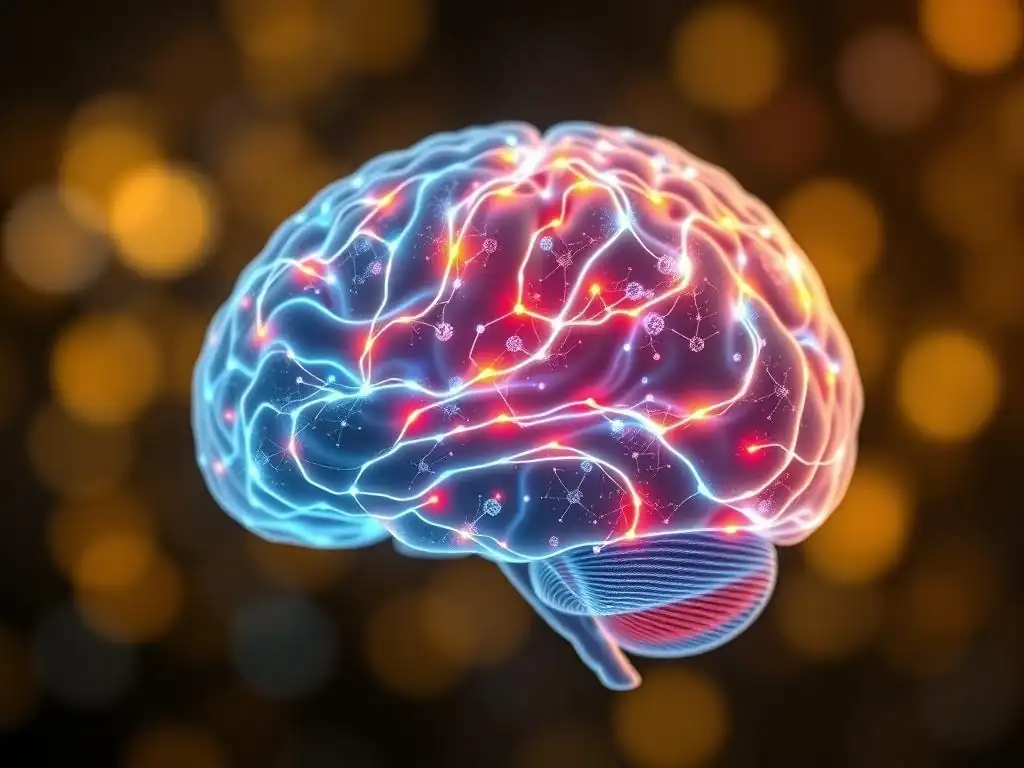
Welcome to Mind Care Guide, your compassionate companion on the journey to mental well-being.
Ever wondered why some days feel brighter than others? We delve into the fascinating world of brain chemistry mood regulation to unravel the mysteries behind your emotional landscape. Understanding the delicate dance of neurotransmitters like serotonin, dopamine, and norepinephrine is key to unlocking a more balanced and fulfilling life. Are you ready to discover how these powerful chemicals influence your mood and learn practical strategies to support their optimal function? Let's explore!
Serotonin, Dopamine, Norepinephrine: Key Neurotransmitters for Mood Regulation
- Understanding Brain Chemistry and Mood Regulation
- Serotonin: The "Happy Chemical" and Its Impact on Mood
- Dopamine: Motivation, Reward, and Its Link to Mood
- Norepinephrine: Alertness, Focus, and Its Influence on Mood
- The Interplay of Serotonin, Dopamine, and Norepinephrine in Mood Regulation
- Brain Chemistry, Mood Regulation, and Mental Health Treatment
- Maintaining a Healthy Brain Chemistry for Optimal Mood and Well-being
- Advanced Insights into Neurotransmitter Research and Mood Disorders
- Resources for Mental Well-being
-
Frequently Asked Questions
- What are serotonin, dopamine, and norepinephrine and why are they important?
- How do serotonin, dopamine, and norepinephrine relate to "Brain chemistry mood regulation"?
- What happens when there's an imbalance in these neurotransmitters?
- Can lifestyle changes affect serotonin, dopamine, and norepinephrine levels?
- Are there medications that target these neurotransmitters?
- Final Reflection: Unlocking the Secrets of Your Mood
- Unlock Your Mood's Potential: Take Control Now!
Understanding Brain Chemistry and Mood Regulation
The Crucial Role of Neurotransmitters in Mental Well-being
Neurotransmitters are often referred to as the brain's chemical messengers. These tiny molecules play a monumental role in nearly every function of our nervous system, including how we feel, think, and behave. They are released from one nerve cell (neuron) and travel across a small gap called a synapse to bind to receptors on another neuron, transmitting a signal. This intricate communication network is fundamental to processes like learning, memory, sleep, and crucially, brain chemistry mood regulation. When this delicate balance is disrupted, it can significantly impact mental health.
The impact of neurotransmitters on mental well-being is profound. For instance, imbalances in these chemicals are strongly associated with various mental health conditions, such as depression, anxiety disorders, bipolar disorder, and schizophrenia. Research has shown that understanding and targeting these chemical pathways is a key strategy in developing effective treatments for these conditions. For example, some studies suggest that individuals with major depressive disorder may exhibit altered levels or activity of certain neurotransmitters compared to those without the condition, highlighting their central role in mood regulation brain chemistry.
Serotonin, Dopamine, and Norepinephrine: The Key Players in Mood
While the brain utilizes dozens of different neurotransmitters, serotonin, dopamine, and norepinephrine are particularly significant when discussing brain chemistry mood regulation. Each of these chemicals has distinct functions but also interacts in complex ways to influence our emotional state, motivation, and overall sense of well-being. Think of them as a finely tuned orchestra where each instrument (neurotransmitter) needs to play its part correctly and in harmony with the others for a beautiful symphony (balanced mood).
Serotonin is often linked to feelings of well-being and happiness, playing a role in sleep, appetite, and digestion. Dopamine is central to the brain's reward system, motivation, and pleasure. Norepinephrine is involved in alertness, arousal, and the body's stress response. Disruptions in the levels or signaling of any one of these can cascade and affect the others, leading to significant challenges in maintaining stable brain chemistry mood regulation. Understanding their individual roles and collective interplay is vital for comprehending the biological basis of mood and mental health.
Serotonin: The "Happy Chemical" and Its Impact on Mood
Serotonin Pathways in the Brain: How They Affect Mood
Serotonin, chemically known as 5-hydroxytryptamine (5-HT), is produced primarily in the raphe nuclei, a cluster of neurons located in the brainstem. From here, these neurons project widely throughout the brain and spinal cord, influencing numerous functions. These pathways are extensive, reaching areas like the cerebral cortex (involved in thinking and perception), the limbic system (crucial for emotions), the hypothalamus (regulating appetite and sleep), and the cerebellum (coordination). This widespread distribution explains why serotonin impacts so many aspects of our physical and mental state, including brain chemistry mood regulation.
The way serotonin signaling affects mood is complex and involves different types of serotonin receptors (there are at least 14 identified). For example, activity in serotonin pathways projecting to the limbic system, particularly the amygdala and hippocampus, is critical for regulating emotions like fear and anxiety. Altered serotonin transmission in these areas is strongly implicated in mood and anxiety disorders. Research indicates that low activity in these pathways may contribute to symptoms of depression, such as persistent sadness and loss of interest, underscoring the importance of healthy serotonin levels for effective brain chemistry mood regulation.
Serotonin Deficiency: Symptoms and Potential Consequences
A relative deficiency or reduced activity of serotonin in the brain is often associated with a range of challenging symptoms. These can include persistent low mood or sadness, feelings of hopelessness, loss of interest or pleasure in activities (anhedonia), changes in appetite (often increased craving for carbohydrates), sleep disturbances (insomnia or oversleeping), fatigue, difficulty concentrating, and irritability. While "serotonin deficiency" is a simplified term, as it's more about complex signaling issues, these symptoms are commonly observed when serotonin pathways are not functioning optimally, impacting brain chemistry mood regulation.
Beyond mood disturbances, reduced serotonin activity has been linked to other conditions. For instance, it's associated with increased sensitivity to pain, certain types of headaches, and digestive issues like Irritable Bowel Syndrome (IBS), as a significant amount of the body's serotonin is actually found in the gut, regulating digestion. In severe cases, significant disruptions in serotonin signaling can contribute to major depressive disorder and certain anxiety disorders. It's important to note that low serotonin isn't the sole cause of these complex conditions, but it is a significant contributing factor in the intricate picture of brain chemistry mood regulation.
Boosting Serotonin Levels Naturally: Diet, Exercise, and Sunlight
While severe imbalances often require medical intervention, several lifestyle factors can support healthy serotonin levels and activity, contributing positively to brain chemistry mood regulation. Diet plays a role; consuming foods rich in tryptophan, an amino acid precursor to serotonin, is beneficial. Examples include poultry, eggs, dairy, nuts, seeds, and tofu. However, getting tryptophan into the brain is complex and also relies on consuming carbohydrates, which help clear competing amino acids. A balanced diet rich in fruits, vegetables, and whole grains supports overall brain health, including neurotransmitter production.
Regular physical exercise is another powerful natural mood booster. Studies have shown that aerobic exercise, such as brisk walking, jogging, or swimming, can increase tryptophan transport into the brain and potentially increase serotonin synthesis and release. Aiming for at least 30 minutes of moderate exercise most days of the week can be a valuable strategy. Exposure to sunlight also appears to influence serotonin levels. Spending time outdoors, especially during daylight hours, is linked to increased serotonin synthesis and can help regulate mood and sleep patterns, further supporting natural brain chemistry mood regulation.
Selective Serotonin Reuptake Inhibitors (SSRIs): How They Work
For individuals experiencing significant mood disorders linked to serotonin imbalances, medical treatments are often necessary. Selective Serotonin Reuptake Inhibitors (SSRIs) are a common class of antidepressant medications. As their name suggests, they work by selectively blocking the reuptake (reabsorption) of serotonin by the neuron that released it. Normally, after serotonin transmits its signal, it is quickly taken back up by the sending neuron or broken down.
By blocking this reuptake process, SSRIs increase the concentration of serotonin in the synaptic cleft – the space between neurons. This allows serotonin to remain available for longer periods and bind to receptors on the receiving neuron more effectively, enhancing serotonin signaling. While SSRIs don't create more serotonin, they optimize the use of the serotonin that is present. This increased signaling is thought to help restore balance in serotonin pathways over time, alleviating symptoms of depression and anxiety and improving brain chemistry mood regulation. It typically takes several weeks for the full therapeutic effects of SSRIs to become apparent.
Dopamine: Motivation, Reward, and Its Link to Mood
Dopamine's Role in the Brain's Reward System
Dopamine is a crucial neurotransmitter associated with pleasure, motivation, and the brain's reward system. It is synthesized in areas like the substantia nigra and the ventral tegmental area (VTA) in the midbrain. From the VTA, dopamine neurons project to areas like the nucleus accumbens, amygdala, and prefrontal cortex, forming the mesolimbic pathway, often called the "reward pathway." When we engage in activities that are pleasurable or rewarding, such as eating tasty food, achieving a goal, or social interaction, dopamine is released in this pathway.
This release of dopamine creates feelings of pleasure and satisfaction, which reinforces the behavior that led to the reward, making us more likely to repeat it in the future. This system is fundamental for learning and motivation. However, this same pathway is also implicated in addiction, as many drugs of abuse hijack the dopamine system, causing excessive release and leading to compulsive seeking behavior. A healthy dopamine system is essential not just for experiencing pleasure but also for motivation, drive, and maintaining positive brain chemistry mood regulation.
Dopamine Deficiency: Symptoms and Potential Consequences
A relative deficiency or impaired function of dopamine signaling can lead to a variety of symptoms, particularly affecting motivation, movement, and mood. Common signs include lack of motivation, difficulty experiencing pleasure (anhedonia), fatigue, difficulty concentrating, and procrastination. In more severe cases, significant dopamine loss in specific brain pathways leads to debilitating conditions.
The most well-known consequence of severe dopamine deficiency is Parkinson's disease, a neurodegenerative disorder characterized by the progressive loss of dopamine-producing neurons in the substantia nigra. This leads to motor symptoms like tremors, rigidity, slow movement (bradykinesia), and postural instability. While less severe, disruptions in dopamine signaling are also implicated in mood disorders, contributing to symptoms like lack of energy, loss of interest, and difficulty focusing, which can significantly impair brain chemistry mood regulation.
Increasing Dopamine Levels Naturally: Lifestyle and Dietary Strategies
Similar to serotonin, certain lifestyle and dietary choices can support healthy dopamine function. Consuming a diet rich in protein is important because amino acids like tyrosine and phenylalanine are precursors to dopamine. Foods like lean meats, poultry, fish, eggs, dairy, nuts, and seeds are good sources. However, as with tryptophan for serotonin, a balanced diet is key. Consuming saturated fats in excess has been linked to impaired dopamine signaling in some studies, suggesting the importance of healthy fat sources.
Regular physical activity is also known to boost dopamine levels and improve mood. Engaging in exercise that you find enjoyable can particularly activate the reward pathway. Getting adequate sleep is crucial; sleep deprivation can negatively impact dopamine receptor sensitivity. Engaging in goal-setting and achieving small milestones can also activate the reward system and promote dopamine release, fostering motivation and contributing positively to brain chemistry mood regulation. Mindfulness and meditation practices have also been suggested to influence dopamine levels.
Dopamine and Mood Disorders: Schizophrenia, Parkinson's Disease, and Addiction
Dopamine dysregulation is centrally involved in several serious mental health and neurological conditions. In schizophrenia, there is evidence of excessive dopamine activity in certain brain areas, particularly the mesolimbic pathway, which is thought to contribute to positive symptoms like hallucinations and delusions. Antipsychotic medications often work by blocking dopamine receptors.
As mentioned, Parkinson's disease is fundamentally a disorder of dopamine deficiency in the nigrostriatal pathway, leading to motor symptoms. However, individuals with Parkinson's can also experience mood disturbances, including depression and apathy, highlighting the broader impact of dopamine on brain chemistry mood regulation. Furthermore, nearly all drugs of abuse directly or indirectly target the dopamine reward pathway, leading to addiction characterized by compulsive drug seeking despite negative consequences. Understanding dopamine's complex roles is vital for treating these diverse conditions.
Norepinephrine: Alertness, Focus, and Its Influence on Mood
Norepinephrine's Role in the "Fight or Flight" Response
Norepinephrine (also known as noradrenaline) is both a neurotransmitter and a hormone. In the brain, it's primarily produced in the locus coeruleus, a small area in the brainstem, and its neurons project throughout the brain and body. Norepinephrine is a key player in the body's sympathetic nervous system, which controls the "fight or flight" response – our automatic reaction to perceived threats or stress.
When faced with a stressful situation, norepinephrine is released, causing physiological changes such as increased heart rate, elevated blood pressure, dilated pupils, and increased respiration. This prepares the body to either confront the threat or flee from it. In the brain, norepinephrine increases alertness, arousal, focus, and attention. While essential for survival and staying focused, chronic overactivity of the norepinephrine system due to prolonged stress can contribute to anxiety and other mood disturbances, impacting brain chemistry mood regulation.
Norepinephrine Deficiency: Symptoms and Potential Consequences
A relative deficiency or reduced activity of norepinephrine can manifest in symptoms related to low energy, difficulty concentrating, lack of motivation, and feelings of sluggishness. Individuals may experience fatigue, apathy, and reduced alertness. This can contribute to the "low energy" or "lack of motivation" aspects sometimes seen in depression, distinct from the low mood often associated with serotonin.
While not as directly linked to a single major disorder as dopamine is to Parkinson's, insufficient norepinephrine activity can contribute to conditions like Attention-Deficit/Hyperactivity Disorder (ADHD), where focus and attention are impaired. It can also play a role in certain types of depression, particularly those characterized by psychomotor retardation (slowed movement and thought) and lack of energy. Maintaining healthy norepinephrine levels is important for sustaining energy, focus, and contributing to balanced brain chemistry mood regulation.
Boosting Norepinephrine Levels Naturally: Stress Management and Lifestyle Changes
Managing stress is paramount for keeping norepinephrine levels in a healthy balance. While acute stress causes a surge in norepinephrine, chronic stress can potentially dysregulate the system. Techniques like mindfulness meditation, deep breathing exercises, yoga, and spending time in nature can help modulate the stress response and prevent chronic norepinephrine overproduction or depletion.
Regular physical exercise is also beneficial for norepinephrine, similar to serotonin and dopamine. Exercise can help regulate the release and metabolism of norepinephrine, contributing to improved mood and energy levels. Ensuring adequate sleep is also vital, as sleep deprivation can negatively impact norepinephrine signaling. Engaging in activities that require focus and attention can also help stimulate norepinephrine pathways in a healthy way, supporting cognitive function and positive brain chemistry mood regulation.
Norepinephrine and Anxiety Disorders: Post-Traumatic Stress Disorder (PTSD)
While norepinephrine deficiency can contribute to certain symptoms, overactivity of the norepinephrine system is strongly implicated in anxiety disorders, particularly those involving hyperarousal and heightened stress responses. Post-Traumatic Stress Disorder (PTSD) is a prime example. Individuals with PTSD often exhibit an exaggerated "fight or flight" response, even when not in danger.
This heightened state is linked to dysregulation of the norepinephrine system. Symptoms like hypervigilance, exaggerated startle response, difficulty sleeping, and irritability are all consistent with an overactive noradrenergic system. Medications that modulate norepinephrine activity, such as certain antidepressants (SNRIs) or alpha-blockers, are sometimes used in the treatment of PTSD and other anxiety disorders to help dampen this exaggerated response and restore more balanced brain chemistry mood regulation.
The Interplay of Serotonin, Dopamine, and Norepinephrine in Mood Regulation
How These Neurotransmitters Work Together for Emotional Balance
It's crucial to understand that serotonin, dopamine, and norepinephrine do not operate in isolation. They are part of a complex, interconnected network of neurotransmitters and brain circuits that collectively govern mood, motivation, cognition, and behavior. They influence each other's synthesis, release, and receptor sensitivity. For example, serotonin pathways can modulate the activity of dopamine neurons, and norepinephrine can influence both serotonin and dopamine release in certain brain regions.
Consider their roles in the context of a challenging task: Norepinephrine helps you focus and stay alert to the task (attention). Dopamine provides the motivation to start and the feeling of reward upon completion (drive and pleasure). Serotonin contributes to overall well-being and helps regulate impulsivity and anxiety that might arise during the task (emotional stability). A harmonious balance and effective communication between these systems are essential for resilient emotional health and optimal brain chemistry mood regulation. Disruptions in one system often ripple through and affect the others.
Imbalances and Their Impact on Mood Disorders
Given their interconnectedness, imbalances in one or more of these neurotransmitters can significantly impact mood and contribute to the development or maintenance of mood disorders. For instance, depression is not simply a "serotonin deficiency" but rather a complex disorder likely involving dysregulation across multiple neurotransmitter systems, including serotonin, norepinephrine, and dopamine. Some individuals with depression may experience low mood and anxiety (potentially linked to serotonin and norepinephrine), while others might struggle more with lack of energy and motivation (potentially linked to dopamine and norepinephrine).
Similarly, anxiety disorders often involve dysregulation of norepinephrine (hyperarousal) and serotonin (worry, rumination). Bipolar disorder, characterized by swings between depressive and manic episodes, is thought to involve complex shifts in the activity of these neurotransmitters. During manic phases, there might be increased activity in dopamine and norepinephrine pathways, while depressive phases may involve reduced activity. Understanding these complex interactions is key to developing targeted treatments that address the specific neurochemical profiles underlying different mood disorders and optimizing brain chemistry mood regulation.
The Gut-Brain Axis: How Gut Health Affects Neurotransmitter Production and Mood
An increasingly recognized factor influencing brain chemistry mood regulation is the gut-brain axis. This is a bidirectional communication system connecting the central nervous system (brain) and the enteric nervous system (gut). The gut is home to trillions of microorganisms, collectively known as the gut microbiota, which play a significant role in overall health, including influencing brain function and mood.
Remarkably, the gut is where about 90% of the body's serotonin is produced (though this gut-produced serotonin doesn't cross the blood-brain barrier, it significantly impacts gut function and communicates with the brain via the vagus nerve). Gut microbes can also produce other neuroactive compounds, including precursors to dopamine and norepinephrine, and can influence the production of short-chain fatty acids (SCFAs) that impact brain health. An unhealthy gut microbiome, often due to poor diet or stress, can disrupt this axis, potentially leading to inflammation and altered neurotransmitter signaling that negatively impacts brain chemistry mood regulation and contributes to mood symptoms.
Brain Chemistry, Mood Regulation, and Mental Health Treatment
Medications Targeting Serotonin, Dopamine, and Norepinephrine
Pharmacological treatments for mood disorders often target these key neurotransmitters to help restore balance in brain chemistry mood regulation. As discussed, SSRIs focus on increasing serotonin availability. Another class, Serotonin-Norepinephrine Reuptake Inhibitors (SNRIs), block the reuptake of both serotonin and norepinephrine, potentially addressing a broader range of symptoms, including those related to energy and focus, in addition to low mood and anxiety.
Other medications may target dopamine or norepinephrine specifically or affect multiple neurotransmitter systems in different ways. For example, some atypical antidepressants have complex mechanisms involving various receptors. Medications for conditions like ADHD often target dopamine and norepinephrine to improve focus and attention. It's important to remember that these medications don't "fix" a simple chemical imbalance but rather modulate complex signaling pathways to help the brain regain healthier function over time, supporting brain chemistry mood regulation. Finding the right medication and dosage often requires a careful evaluation by a healthcare professional.
The Role of Therapy in Addressing Neurotransmitter Imbalances
While medication can directly influence neurotransmitter levels and signaling, therapy plays a crucial, complementary role in addressing mood disorders and supporting brain chemistry mood regulation. Therapies like Cognitive Behavioral Therapy (CBT) and Interpersonal Therapy (IPT) help individuals identify and change negative thought patterns, behaviors, and relationship issues that contribute to distress.
Interestingly, research suggests that successful psychotherapy can also lead to changes in brain function and potentially influence neurotransmitter systems over time. By learning coping mechanisms, stress reduction techniques, and improving problem-solving skills, therapy can indirectly support healthier brain chemistry mood regulation. Therapy also provides essential support, psychoeducation, and strategies for lifestyle changes that directly impact brain health, such as improving sleep, diet, and exercise habits. A combined approach of medication and therapy is often considered the most effective strategy for many mood disorders.
Lifestyle Changes for Optimizing Brain Chemistry and Mood
Beyond medication and therapy, significant improvements in brain chemistry mood regulation can be achieved through deliberate lifestyle changes. These strategies work by supporting the natural production, release, and efficient use of neurotransmitters and promoting overall brain health.
- Consistent Sleep: Aim for 7-9 hours of quality sleep per night. Sleep is a critical period for neurotransmitter synthesis and regulation.
- Balanced Nutrition: Prioritize a diet rich in whole foods, including lean proteins (for amino acid precursors), complex carbohydrates (to aid transport), healthy fats (omega-3s are crucial for brain cell membranes), and plenty of fruits and vegetables (for vitamins, minerals, and antioxidants). Consider the impact of gut health by including probiotics and prebiotics.
- Regular Exercise: Engage in regular physical activity that you enjoy. This boosts endorphins (other mood-lifting chemicals) and positively influences serotonin, dopamine, and norepinephrine levels. Aim for a mix of aerobic and strength training.
- Stress Management: Implement daily stress-reducing practices like mindfulness, meditation, deep breathing, or yoga. Chronic stress is detrimental to neurotransmitter balance.
- Sunlight Exposure: Spend time outdoors in natural light, especially during the day, to help regulate circadian rhythms and support serotonin production.
- Social Connection: Nurturing positive social relationships can reduce stress and increase feelings of well-being, positively impacting brain chemistry mood regulation.
- Engaging in Enjoyable Activities: Pursuing hobbies and activities that provide a sense of pleasure and accomplishment can stimulate the dopamine reward system.
Maintaining a Healthy Brain Chemistry for Optimal Mood and Well-being
Diet and Nutrition for Supporting Neurotransmitter Production
A nutrient-dense diet provides the essential building blocks and cofactors required for synthesizing and regulating neurotransmitters, directly supporting brain chemistry mood regulation. As mentioned, tryptophan, tyrosine, and phenylalanine are crucial amino acid precursors for serotonin, dopamine, and norepinephrine. Ensuring adequate protein intake is therefore vital.
Beyond protein, vitamins and minerals play critical roles. B vitamins (B6, B12, folate) are essential cofactors in the synthesis of these neurotransmitters. Omega-3 fatty acids, found in fatty fish, flaxseeds, and walnuts, are integral components of brain cell membranes and are thought to influence neurotransmitter receptor function and reduce inflammation, which can impair brain health. Magnesium, zinc, and iron are also necessary for various enzymatic processes involved in neurotransmitter metabolism. Focusing on a varied diet rich in whole foods is the best approach to ensure you're getting the nutrients needed to support healthy brain chemistry mood regulation.
Exercise and Physical Activity for Mood Enhancement
The link between physical activity and improved mood is well-established, and it is significantly mediated by changes in brain chemistry mood regulation. Exercise increases blood flow to the brain, which is beneficial for overall brain health. It also promotes the release of various neurochemicals beyond just serotonin, dopamine, and norepinephrine, including endorphins, which have natural pain-relieving and mood-boosting effects.
Consistent exercise has been shown to increase the synthesis and release of serotonin, improve dopamine signaling (contributing to feelings of pleasure and motivation), and help regulate norepinephrine levels, preventing both excessive stress responses and lethargy. Regular physical activity can act as a powerful tool in managing symptoms of mild to moderate depression and anxiety, providing a natural way to support balanced brain chemistry mood regulation. Even moderate activity, like a brisk walk, can have immediate positive effects on mood.
Stress Management Techniques for Balancing Brain Chemistry
Chronic stress is one of the most significant disruptors of brain chemistry mood regulation. Prolonged exposure to stress hormones like cortisol can negatively impact the synthesis, release, and receptor sensitivity of serotonin, dopamine, and norepinephrine. This can lead to a state of imbalance that contributes to anxiety, depression, and other stress-related conditions.
Implementing effective stress management techniques is therefore crucial. Practices like mindfulness meditation train the mind to observe thoughts and feelings without judgment, reducing reactivity to stressors. Deep breathing exercises can activate the parasympathetic nervous system, counteracting the "fight or flight" response. Yoga and tai chi combine physical movement with mindful awareness and breathing. Simply setting aside time for hobbies, spending time in nature, or practicing relaxation techniques can help buffer the effects of stress and support healthier brain chemistry mood regulation over the long term.
The Importance of Sleep for Neurotransmitter Regulation
Sleep is not just a period of rest; it's a vital time for the brain to perform essential maintenance, including the synthesis, release, and regulation of neurotransmitters. Chronic sleep deprivation can significantly disrupt the balance of serotonin, dopamine, and norepinephrine, negatively impacting brain chemistry mood regulation.
Lack of sleep can impair the sensitivity of neurotransmitter receptors and alter the production cycles of these chemicals. For instance, insufficient sleep is linked to reduced dopamine receptor availability, potentially contributing to decreased motivation and increased impulsivity. It can also dysregulate the norepinephrine system, leading to heightened stress reactivity and difficulty managing anxiety. Prioritizing 7-9 hours of quality sleep per night is a fundamental pillar of supporting healthy brain chemistry mood regulation and overall mental well-being. Establishing a consistent sleep schedule and creating a relaxing bedtime routine can significantly improve sleep quality.
Advanced Insights into Neurotransmitter Research and Mood Disorders
Future Research Directions: Exploring Novel Therapeutic Targets
Research into brain chemistry mood regulation is constantly evolving, exploring more nuanced understandings of neurotransmitter systems and identifying novel therapeutic targets. While current medications primarily focus on reuptake inhibition, future treatments may involve targeting specific receptor subtypes with greater precision or influencing the enzymes involved in neurotransmitter synthesis or breakdown.
There is also growing interest in understanding the role of other neurotransmitters and neuromodulators, such as glutamate, GABA, acetylcholine, and neuropeptides, and how they interact with serotonin, dopamine, and norepinephrine. Research is exploring compounds that modulate these systems, potentially offering new avenues for treating mood disorders that don't respond to current medications. Additionally, investigating the genetic and environmental factors that influence individual differences in neurotransmitter systems is a key area for developing more personalized treatment approaches for brain chemistry mood regulation challenges.
Personalized Medicine Approaches: Tailoring Treatment Based on Neurotransmitter Profiles
Recognizing that mood disorders are complex and vary greatly from person to person, the field is moving towards more personalized medicine approaches. Instead of a one-size-fits-all strategy, the goal is to tailor treatments based on an individual's unique biological and psychological profile, which includes aspects of their brain chemistry mood regulation.
While directly measuring neurotransmitter levels in the living brain is challenging, researchers are exploring methods like neuroimaging (e.g., PET scans to visualize receptor binding) and genetic testing (to identify variations in genes related to neurotransmitter synthesis, transport, or receptors) to gain insights into an individual's specific neurochemical profile. This information, combined with clinical symptoms and personal history, could potentially inform treatment decisions, helping clinicians select the most effective medication or therapy for a particular individual, thereby optimizing their brain chemistry mood regulation.
The Role of Genetics in Neurotransmitter Function
Genetics plays a significant role in influencing how our neurotransmitter systems are built and function, impacting our baseline brain chemistry mood regulation and potentially our vulnerability to mood disorders. Genes provide the instructions for building neurotransmitters, the enzymes that synthesize and break them down, the transporters that move them back into neurons, and the receptors they bind to.
Variations (polymorphisms) in these genes can affect the efficiency of these processes. For example, variations in genes like the serotonin transporter gene (SLC6A4) or genes involved in dopamine receptor function have been studied for their potential association with the risk of developing depression or anxiety, particularly in response to stress. While genetics doesn't predetermine destiny, it can contribute to an individual's predisposition. Understanding these genetic influences, alongside environmental factors and life experiences, provides a more complete picture of the factors shaping brain chemistry mood regulation and mental health.
Resources for Mental Well-being
Understanding the biological underpinnings of mood, such as the role of brain chemistry mood regulation, is just one piece of the puzzle. For more comprehensive information on related topics, explore articles covering:
- Different types of mood disorders (Major Depressive Disorder, Bipolar Disorder, Persistent Depressive Disorder)
- Symptoms and diagnosis of anxiety disorders
- The impact of stress on mental health
- Therapeutic approaches like CBT, DBT, and ACT
- Holistic strategies for mental wellness
Information on Seeking Professional Help
If you or someone you know is struggling with persistent low mood, anxiety, or other symptoms impacting their daily life, it is crucial to seek professional help. Mental health professionals, such as psychiatrists, psychologists, therapists, and counselors, are trained to diagnose and treat mood disorders.
They can provide a comprehensive assessment, discuss treatment options including medication and therapy, and develop a personalized plan to support recovery and improve brain chemistry mood regulation. Reaching out is a sign of strength, and effective help is available. Do not hesitate to contact a healthcare provider or a mental health service in your area.
Frequently Asked Questions
What are serotonin, dopamine, and norepinephrine and why are they important?
These are key neurotransmitters in the brain. They play a crucial role in mood regulation, influencing feelings of happiness, motivation, and alertness. Imbalances can contribute to mental health challenges.
How do serotonin, dopamine, and norepinephrine relate to "Brain chemistry mood regulation"?
They are central to brain chemistry's influence on mood. Understanding their interactions is crucial for understanding how our brains regulate emotions and respond to different stimuli. They are all important for balance.
What happens when there's an imbalance in these neurotransmitters?
Imbalances can manifest as various mental health issues, like depression, anxiety, or ADHD. This is because they affect mood, focus, and overall cognitive function. Treatment may involve medication or lifestyle changes.
Can lifestyle changes affect serotonin, dopamine, and norepinephrine levels?
Yes! Diet, exercise, sleep, and stress management can all influence these neurotransmitters. For example, regular exercise can boost dopamine and serotonin, improving mood and reducing stress.
Are there medications that target these neurotransmitters?
Many antidepressants and other psychiatric medications work by affecting the levels or activity of these neurotransmitters. Selective Serotonin Reuptake Inhibitors (SSRIs) are a common example, primarily affecting serotonin.
Final Reflection: Unlocking the Secrets of Your Mood
Understanding the intricate dance of serotonin, dopamine, and norepinephrine is not just a scientific pursuit; it's a crucial step towards reclaiming control over your mental well-being. This knowledge, once confined to the realm of academic research, is now readily accessible, empowering individuals to take a proactive role in managing their emotional landscape. The implications for mental health are profound, offering a pathway towards a more nuanced understanding of conditions like depression, anxiety, and ADHD.
The exploration of these neurotransmitters has profoundly shifted my own perspective on mental health. It's no longer a simple matter of "feeling down" or "being stressed," but a complex interplay of biochemical processes that can be influenced, albeit subtly, by our lifestyle choices. The mind is its own place, and in itself can make a Heaven of Hell, a Hell of Heaven.
This quote from Milton's Paradise Lost resonates deeply, highlighting the power of our internal world, a world shaped in part by the delicate balance of our brain chemistry. Understanding this balance allows us to approach our mental health with a greater sense of agency and compassion.
Now, consider your own relationship with your mood. What steps can you take to nurture the delicate equilibrium of your brain chemistry? Perhaps it's incorporating regular exercise, prioritizing sleep, or exploring mindful practices. Maybe it's seeking professional guidance to address underlying imbalances. The journey towards better mental health is a personal one, but armed with the knowledge of your mood's master chemicals, you are better equipped to navigate its complexities and cultivate a life filled with greater emotional resilience and well-being. Take the first step today.
Unlock Your Mood's Potential: Take Control Now!
Thanks for diving deep into the fascinating world of mood-regulating neurotransmitters! You now have a better understanding of how serotonin, dopamine, and norepinephrine impact your daily well-being. Ready to put this knowledge into action?
- Prioritize your brain health: Identify one small, actionable step you can take today to boost your levels of these crucial chemicals – whether it's getting more sunlight, incorporating a mood-boosting activity, or simply making time for mindfulness.
- Share this article with someone you care about. Helping others understand their brain chemistry can make a big difference!
- Explore MindCareGuide.org for more resources on optimizing your mental health. Find more articles, tips, and tricks for a happier, healthier you.
What small change will you make today to nurture your mind's natural chemistry?