
Shine a Light on Winter Blues: How Light Therapy Helps SAD

Welcome to Mind Care Guide, your trusted companion on the journey to mental well-being.
Feeling the weight of winter closing in? You're not alone. Many struggle with the seasonal blues, but there's hope. Dive into our comprehensive guide to understand how seasonal affective disorder light therapy can help you reclaim your sunshine, even when the days are short. Curious to learn how a little light can make a big difference? Let's explore the possibilities together...
- Combatting Seasonal Affective Disorder: The Role of Light Therapy
- Understanding Seasonal Affective Disorder (SAD)
- Light Therapy for Seasonal Affective Disorder
- Combining Light Therapy with Other Treatments
- Potential Side Effects and Precautions
- Alternative Light-Based Therapies
- Evidence of Light Therapy Effectiveness
- Alternative Treatments for SAD
-
Frequently Asked Questions
- What is Seasonal Affective Disorder (SAD) and how does light therapy help?
- How effective is light therapy for treating Seasonal Affective Disorder?
- How long should I use a light therapy box each day to treat SAD?
- Are there any potential side effects associated with light therapy?
- Where can I find a reputable light therapy box, and what features should I look for?
- Final Reflection: Embracing the Light Within to Combat the Winter Blues
- Unleash Your Inner Sunshine: Boost Your Mood Today!
Combatting Seasonal Affective Disorder: The Role of Light Therapy
Seasonal Affective Disorder (SAD) is a type of depression that follows a seasonal pattern. While SAD can occur in the summer, it is far more common during the darker winter months. This condition can significantly impact an individual's mood, energy levels, and overall quality of life. Fortunately, effective treatments exist, and among the most widely recognized and utilized is light therapy, often referred to as phototherapy. Understanding SAD and how light therapy works is a crucial step towards managing its effects and improving well-being during the challenging seasons.
Understanding Seasonal Affective Disorder (SAD)
Seasonal Affective Disorder, or SAD, is a clinically recognized mood disorder characterized by depressive episodes that occur at the same time each year. For the vast majority of individuals affected, these episodes begin in the late fall or early winter and remit in the spring. This predictable pattern distinguishes SAD from other forms of depression. The impact of SAD can range from mild symptoms, sometimes called "winter blues," to more severe depressive states that interfere with daily functioning.
Defining Seasonal Affective Disorder (SAD)
Seasonal Affective Disorder is formally classified in diagnostic manuals as a major depressive disorder with a seasonal pattern. This means that a person meets the criteria for major depression, but the onset and remission of depressive episodes are linked to a particular time of year. The most prevalent pattern is fall-onset SAD, where symptoms begin as daylight hours decrease. A less common pattern is summer-onset SAD, though this is significantly rarer.
The defining feature is the regularity of the seasonal pattern. A diagnosis typically requires that these seasonal depressive episodes have occurred for at least two consecutive years, with non-seasonal depressive episodes being less frequent than the seasonal ones. While the exact cause remains under investigation, it is believed to be related to the changes in light exposure affecting the body's internal clock (circadian rhythm), melatonin and serotonin levels.
Recognizing Symptoms of Winter SAD
Symptoms of winter-pattern SAD often mirror those of major depression but with some specific characteristics. Common signs include feeling depressed or down most of the day, nearly every day, loss of interest in activities once enjoyed, low energy, and difficulty sleeping. Weight gain and an increased appetite, particularly for carbohydrates, are frequently reported, as is a tendency to oversleep.
Other symptoms can include feelings of hopelessness, difficulty concentrating, irritability, and social withdrawal. For instance, someone experiencing winter SAD might find themselves wanting to stay in bed for extended periods, craving sugary snacks, and feeling too exhausted to socialize or engage in hobbies that typically bring joy. Recognizing these specific symptoms as potentially linked to the change in seasons is vital for seeking appropriate help, such as exploring seasonal affective disorder light therapy options.
The Connection Between Sunlight and SAD
The primary theory linking sunlight and SAD revolves around the impact of reduced natural light exposure during fall and winter on the body's biological clock and neurochemical balance. Less sunlight can disrupt the circadian rhythm, leading to feelings of lethargy and disorientation. It can also affect the production of melatonin, a hormone that regulates sleep. In individuals with SAD, there might be an overproduction of melatonin during daylight hours, contributing to increased sleepiness and low energy.
Furthermore, sunlight plays a role in the production of serotonin, a neurotransmitter associated with mood. Reduced sunlight can lead to lower serotonin levels, which is a common factor in depression. The decrease in light during winter months appears to trigger a cascade of biological responses in susceptible individuals, leading to the onset of SAD symptoms. This strong link between light availability and mood is why seasonal affective disorder light therapy is such a cornerstone treatment.
Light Therapy for Seasonal Affective Disorder
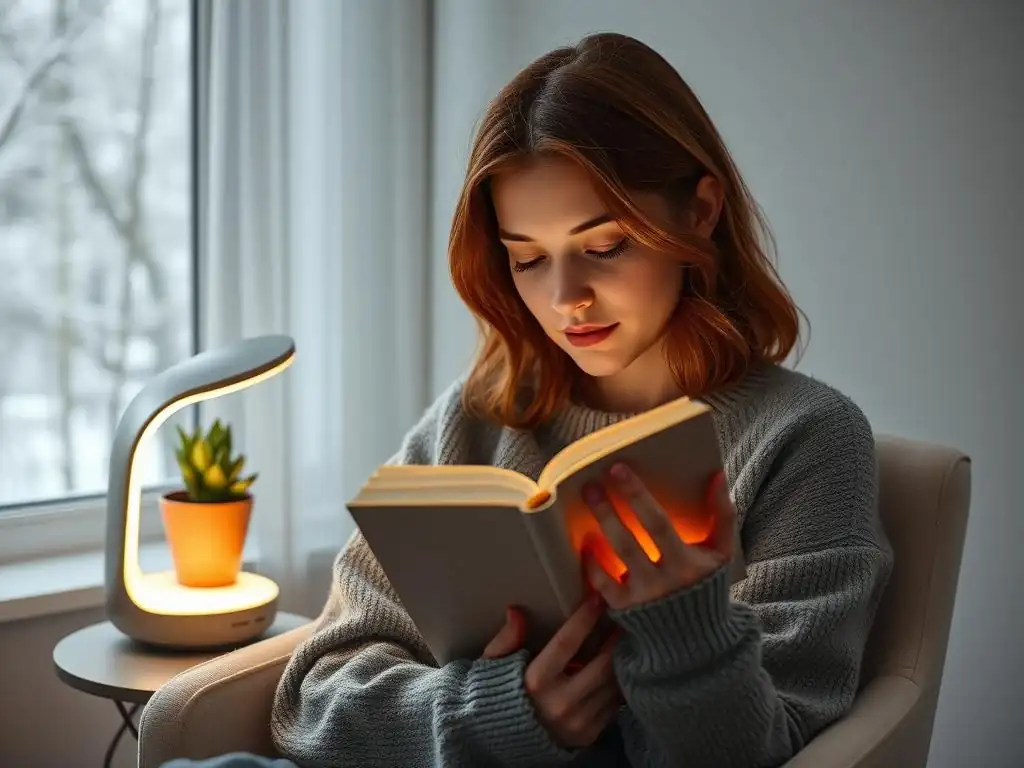
Light therapy, also known as phototherapy, is a standard and effective treatment for winter-pattern Seasonal Affective Disorder. It involves daily exposure to a special type of artificial light that mimics natural outdoor light, but without the harmful UV rays. The goal is to compensate for the lack of sunlight during the darker months, helping to regulate the body's internal clock and improve mood.
This non-invasive treatment is typically administered using a light box, a device that emits bright light at a specific intensity. Sessions usually last for a set period each day, often in the morning shortly after waking up. The effectiveness of seasonal affective disorder light therapy has been demonstrated in numerous studies, making it a first-line treatment recommendation for many healthcare providers.
How Light Therapy Works for SAD
The exact mechanisms by which light therapy works are still being researched, but the leading theories involve its effects on the brain's neurochemistry and circadian rhythm. By exposing the eyes to bright light, the therapy is thought to influence the suprachiasmatic nucleus (SCN), the brain region that controls the circadian clock. This helps reset the body's internal timing, which may be disrupted by the reduced light in winter.
The light is also believed to suppress the production of melatonin during the day, reducing daytime sleepiness. Furthermore, light therapy may increase serotonin levels in the brain, similar to the effect of antidepressant medications. Studies using neuroimaging techniques have shown changes in brain activity and neurotransmitter levels in individuals with SAD undergoing seasonal affective disorder light therapy, supporting these proposed mechanisms.
Benefits of Light Therapy
Light therapy offers several significant benefits for individuals with winter SAD. One of the primary advantages is its effectiveness; many people report a noticeable improvement in their mood and energy levels within just a few days or weeks of starting treatment. For example, research suggests that light therapy can be as effective as antidepressant medication for moderate SAD. A study published in the American Journal of Psychiatry in 1998 found that response rates to light therapy were comparable to or better than those for fluoxetine (Prozac) in patients with SAD.
Another benefit is its relatively low risk of side effects compared to medication. While some people may experience minor issues like eye strain or headaches, these are often temporary and manageable. Light therapy is also non-invasive and can be easily incorporated into a daily routine, such as while eating breakfast or reading. The ability to manage symptoms without systemic medication is a major appeal for many individuals seeking seasonal affective disorder light therapy.
Selecting a Light Therapy Device
Choosing the right light therapy device is crucial for effective treatment. Not all light boxes are created equal, and using the wrong type can result in minimal benefit or even discomfort. Key factors to consider include the intensity of the light, the wavelength emitted, and the overall design and type of device.
It's important to look for devices specifically marketed for SAD treatment and approved by relevant health authorities if available (though regulation varies by region). Reading reviews and consulting with a healthcare professional can also help in making an informed decision about which seasonal affective disorder light therapy device is best suited for individual needs.
Light Intensity and Wavelength
The most critical specification for a SAD light box is its intensity, measured in lux. Effective light therapy for SAD typically requires exposure to 10,000 lux. Lower intensity boxes, such as those used for general lighting, are usually not sufficient. While some studies have shown benefit with lower intensities (e.g., 2,500 lux) for longer durations, 10,000 lux is the standard recommendation for a 30-minute session.
Equally important is the wavelength of light emitted. Light boxes for SAD should provide broad-spectrum white light, filtering out harmful ultraviolet (UV) rays. Exposure to UV light can be damaging to the eyes and skin, so ensuring the device specifically states it filters UV is essential for safe seasonal affective disorder light therapy.
Types of Devices
The most common type of light therapy device is a light box, which is a panel that emits bright light. These come in various sizes and designs, from small, portable units to larger desk lamps. Some light boxes are designed to be placed on a table while you sit in front of them, while others might be floor-standing.
Other devices include dawn simulators, which gradually increase light in the morning to mimic sunrise (discussed later), and light visors, which are worn on the head. While light boxes are the most studied and widely recommended form of seasonal affective disorder light therapy, the choice of device may depend on personal preference, lifestyle, and specific symptoms.
Using a Light Therapy Device Effectively
Proper usage is key to maximizing the benefits of seasonal affective disorder light therapy. Simply owning a light box is not enough; consistent and correct application is necessary to influence circadian rhythms and mood effectively. This involves understanding the optimal time of day for sessions, the appropriate duration, and how to position yourself relative to the light source.
Consistency is paramount. Skipping sessions or using the device irregularly can diminish its effectiveness. Integrating light therapy into a fixed daily routine helps reinforce the body's internal clock and provides the best chance for symptom relief.
Session Duration and Timing
For a 10,000 lux light box, a typical session duration is 20 to 30 minutes per day. If using a lower intensity box (e.g., 2,500 lux), the session might need to be longer, perhaps 1 to 2 hours. It's crucial to follow the manufacturer's instructions or the guidance of a healthcare professional regarding duration.
The timing of the session is also very important for seasonal affective disorder light therapy. For winter SAD, light therapy is most effective when used in the morning, shortly after waking up. This helps reset the circadian clock earlier, counteracting the natural tendency to shift later in winter. Evening use is generally not recommended as it can interfere with sleep.
Positioning and Safety
When using a light box, you don't need to stare directly into the light, which can be uncomfortable. Instead, position the box at eye level or slightly above, approximately 16 to 24 inches (40-60 cm) away, depending on the device's intensity and manufacturer recommendations. You should be able to comfortably engage in other activities like reading, eating, or working while the light is in your peripheral vision.
Ensure the device is placed on a stable surface. While light therapy is generally safe, it's important to be aware of potential side effects like eye strain, headaches, or nausea, especially when starting out. If side effects occur, try reducing the session duration or distance from the light, or consult a healthcare professional before continuing seasonal affective disorder light therapy.
Combining Light Therapy with Other Treatments
While seasonal affective disorder light therapy is a powerful tool on its own, its effectiveness can often be enhanced when combined with other therapeutic approaches. A multi-faceted treatment plan that addresses various aspects of SAD can lead to more comprehensive and lasting symptom relief. Integrating light therapy with psychotherapy, medication, and lifestyle adjustments creates a robust strategy for managing the condition throughout the year.
This integrated approach acknowledges that SAD is a complex disorder influenced by biological, psychological, and environmental factors. Addressing these different facets simultaneously can provide synergistic benefits, improving overall well-being beyond what any single treatment might achieve in isolation.
Light Therapy and Psychotherapy
Combining seasonal affective disorder light therapy with psychotherapy, particularly Cognitive Behavioral Therapy (CBT) adapted for SAD (CBT-SAD), is a highly effective approach. CBT helps individuals identify and change negative thought patterns and behaviors associated with depression. For SAD, CBT-SAD specifically focuses on behavioral activation (encouraging engagement in enjoyable activities, especially outdoors) and cognitive restructuring related to winter and darkness.
Research has shown that CBT-SAD can have more durable effects than light therapy alone. For example, a study published in the American Journal of Psychiatry in 2015 found that while both light therapy and CBT-SAD were effective during the winter, CBT-SAD showed significantly lower rates of SAD recurrence in subsequent winters compared to light therapy. This suggests that psychotherapy can help build coping strategies that extend beyond the immediate treatment period.
Medication and Light Therapy
In cases of moderate to severe SAD, or when light therapy alone is insufficient, antidepressant medication may be prescribed, often in conjunction with seasonal affective disorder light therapy. Selective serotonin reuptake inhibitors (SSRIs) are commonly used and may be started proactively in the fall for individuals with a history of severe winter SAD.
Combining medication and light therapy can provide a more potent effect on mood and energy levels. A healthcare provider will determine if medication is appropriate based on the severity of symptoms and individual medical history. It is crucial to take medications exactly as prescribed and to discuss any potential interactions or side effects with the prescribing physician while undergoing seasonal affective disorder light therapy.
Lifestyle Adjustments to Support Light Therapy
Complementing seasonal affective disorder light therapy with positive lifestyle changes can significantly boost its effectiveness and overall mood. These adjustments focus on supporting the body's natural rhythms and improving general health, which can buffer against depressive symptoms.
Simple yet impactful changes in daily habits related to diet, exercise, and sleep can create a more supportive environment for recovery and maintenance of well-being during the winter months. These strategies are often low-cost and can be integrated into daily life quite easily.
Diet and Exercise
Maintaining a balanced diet and engaging in regular physical activity are beneficial for mental health in general and can specifically help manage SAD symptoms. While specific "SAD diets" are not scientifically proven, focusing on nutrient-dense foods, limiting excessive sugar and processed foods, and staying hydrated can support overall mood and energy. Some individuals with SAD crave carbohydrates, and while some complex carbs are fine, overindulging can lead to energy crashes.
Exercise is a powerful mood booster. Aerobic exercise, even moderate activity like brisk walking for 30 minutes several times a week, can release endorphins and improve sleep quality. Trying to exercise outdoors during daylight hours, even on cloudy days, can provide additional benefits by increasing exposure to natural light, further supporting the effects of seasonal affective disorder light therapy.
Sleep Schedule
Regulating your sleep schedule is particularly important when dealing with SAD and using light therapy. The goal is to establish a consistent sleep-wake cycle to help stabilize the body's circadian rhythm, which is often disrupted in SAD. This means going to bed and waking up around the same time each day, including weekends.
Avoid excessive napping, especially long or late-afternoon naps, as these can interfere with nighttime sleep. Ensure your bedroom is dark, quiet, and cool. Using seasonal affective disorder light therapy shortly after waking up reinforces the morning wake-up signal to your brain, making it easier to maintain a consistent schedule and improve sleep quality over time.
Potential Side Effects and Precautions
While seasonal affective disorder light therapy is generally safe and well-tolerated, it's important to be aware of potential side effects and necessary precautions. Most side effects are mild and temporary, but knowing what to expect and how to manage them can help ensure a positive treatment experience.
Certain medical conditions or medications can make light therapy unsuitable or require special consideration. Therefore, consulting with a healthcare professional before starting seasonal affective disorder light therapy is always recommended to assess individual risk factors and ensure safety.
Managing Common Side Effects
Some people may experience side effects when they first start using light therapy, such as eye strain, headache, nausea, or jitteriness/agitation. These symptoms are often mild and tend to decrease within a few days as the body adjusts to the light exposure.
If side effects occur, try reducing the duration of the session, increasing the distance from the light box, or taking short breaks during the session. Using the light box earlier in the day can also help prevent agitation or sleep disturbances. If side effects persist or are bothersome, consult your doctor. They may recommend adjusting your seasonal affective disorder light therapy protocol or suggest alternative strategies.
Contraindications
Light therapy is not suitable for everyone. Individuals with certain eye conditions, such as glaucoma, macular degeneration, or diabetic retinopathy, should use light therapy only under the strict supervision of an ophthalmologist, as intense light could potentially worsen these conditions.
Certain medications, including some antibiotics, antipsychotics, and photosensitizing drugs, can increase sensitivity to light and may interact negatively with seasonal affective disorder light therapy. Individuals taking any prescription or over-the-counter medications should discuss this with their doctor before starting treatment. People with bipolar disorder should also use light therapy cautiously and ideally under medical supervision, as it could potentially trigger a manic or hypomanic episode.
Consulting a Healthcare Professional
Before starting seasonal affective disorder light therapy, it is highly recommended to consult with a healthcare professional, such as a primary care physician, psychiatrist, or therapist. They can properly diagnose SAD, rule out other potential causes for your symptoms (like thyroid problems or anemia), and determine if light therapy is an appropriate treatment for you.
A doctor can also provide guidance on selecting the right type of light box, recommend the optimal intensity, duration, and timing for your sessions, and advise on any necessary precautions based on your medical history and current medications. They can also help integrate light therapy into a broader treatment plan, potentially including psychotherapy or medication, ensuring the safest and most effective approach to managing your seasonal affective disorder light therapy.
Alternative Light-Based Therapies
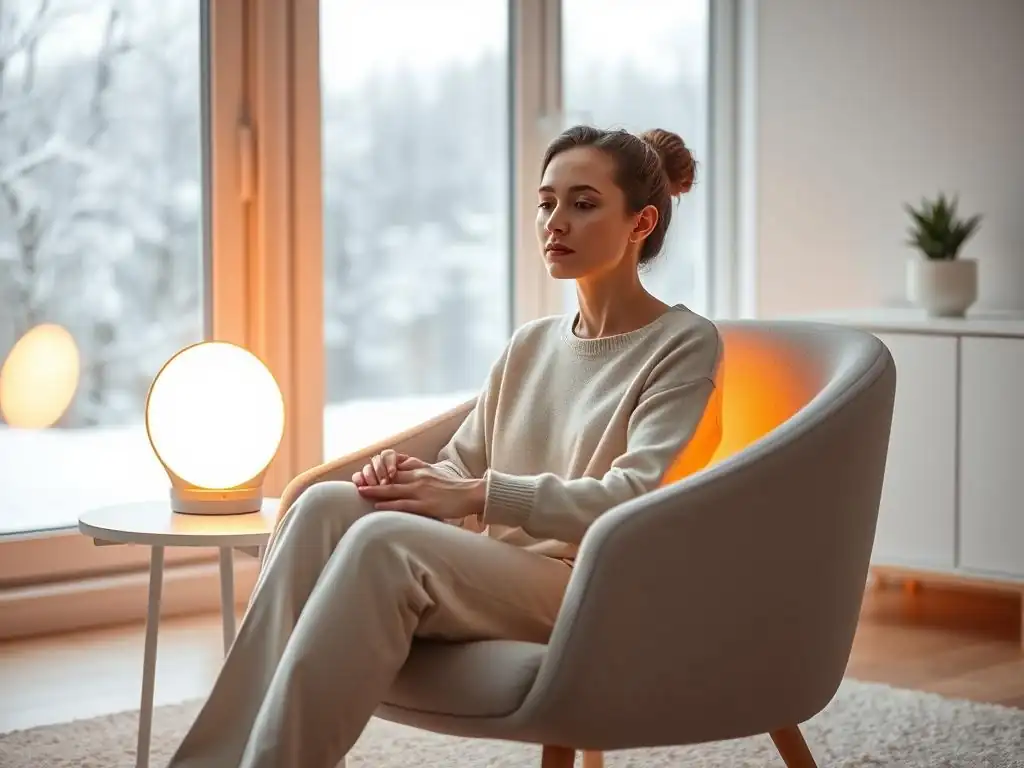
Beyond the standard light box, several other light-based devices and techniques are used or being explored for the treatment of Seasonal Affective Disorder. While a 10,000 lux light box remains the most well-researched and commonly recommended form of seasonal affective disorder light therapy, these alternatives may offer different approaches or suit specific preferences.
It's important to note that the evidence supporting these alternative methods might be less extensive than that for traditional light boxes. However, they represent ongoing efforts to find convenient and effective ways to deliver therapeutic light exposure.
Dawn Simulation
Dawn simulation is a type of light therapy that uses a special lamp that gradually increases in brightness over a set period, typically 30 to 60 minutes, before you wake up. This mimics the natural sunrise, even during dark winter mornings. The idea is to gently signal your body to wake up and reset its circadian rhythm before you are fully conscious.
Some individuals find dawn simulation a gentler way to start the day compared to being exposed to bright light abruptly. While research on dawn simulation is less extensive than on light boxes, some studies have shown it can be effective for mild to moderate SAD symptoms. It can be used alone or in conjunction with traditional seasonal affective disorder light therapy.
Light Visors
Light visors are portable devices that contain small light sources positioned above the eyes. They are worn like a cap or visor, allowing the user to move around while receiving light exposure. The light intensity delivered by visors is typically lower than that of a standard light box, often around 2,000 to 4,000 lux.
While their portability is an advantage, the effectiveness of light visors compared to 10,000 lux light boxes is debated, and research findings have been mixed. Some studies suggest they may be less effective due to the lower intensity and smaller field of light. If considering a light visor as your seasonal affective disorder light therapy device, it's especially important to discuss its suitability with a healthcare professional.
Evidence of Light Therapy Effectiveness
The efficacy of seasonal affective disorder light therapy is well-supported by numerous studies conducted over several decades. It is considered one of the most established and effective treatments for winter-pattern SAD, often showing rapid improvements in symptoms.
The body of evidence provides confidence in recommending light therapy as a primary intervention for many individuals struggling with the debilitating effects of winter blues and full-blown SAD. The research highlights not only its short-term benefits but also its potential for sustained positive impact.
Research Findings
Multiple randomized controlled trials have demonstrated the superiority of light therapy over placebo (using a dim or ineffective light source) in treating winter SAD. For example, a meta-analysis published in the Journal of Clinical Psychiatry in 2005 reviewed several studies and concluded that light therapy is an effective treatment for SAD, with response rates often ranging from 50% to 80%.
Studies comparing seasonal affective disorder light therapy to antidepressant medication have generally found comparable effectiveness, particularly for mild to moderate cases. Research also indicates that light therapy can lead to improvements in mood, energy levels, sleep patterns, and appetite, often within one to two weeks of consistent use.
Long-Term Benefits
Beyond the immediate relief of symptoms during the winter season, there is evidence suggesting that consistent use of seasonal affective disorder light therapy can offer long-term benefits. By using the light box each fall as the days shorten, individuals with a history of SAD can often prevent or significantly reduce the severity of depressive episodes.
While light therapy doesn't "cure" SAD, it provides a reliable tool for managing its seasonal recurrence. Studies have shown that proactive use of light therapy starting in the early fall can be a powerful preventive strategy. This long-term management aspect is a key advantage of seasonal affective disorder light therapy for individuals with predictable winter symptoms.
Alternative Treatments for SAD
While seasonal affective disorder light therapy is a cornerstone treatment, it's part of a broader landscape of therapeutic options for SAD. For individuals who do not respond to light therapy, cannot tolerate it, or prefer other approaches, several effective alternatives exist.
These treatments address SAD through different mechanisms, such as altering brain chemistry, changing thought patterns, or utilizing environmental factors. Often, the most effective approach involves a combination of treatments tailored to the individual's specific needs and preferences.
Medication Options
Antidepressant medications, particularly SSRIs, are a common treatment option for SAD, especially for more severe cases or when light therapy is insufficient. These medications work by affecting neurotransmitter levels in the brain, such as serotonin, which are often implicated in depression. Examples include fluoxetine (Prozac), sertraline (Zoloft), or bupropion (Wellbutrin).
Medication for SAD may be taken seasonally, starting in the fall before symptoms typically begin and continuing until spring. As mentioned, it can also be used in conjunction with seasonal affective disorder light therapy. It's crucial to discuss the potential benefits, risks, and side effects of medication with a healthcare provider.
Cognitive Behavioral Therapy (CBT)
Cognitive Behavioral Therapy (CBT), particularly CBT-SAD as discussed earlier, is an evidence-based psychotherapy that is highly effective for SAD. It teaches individuals skills to challenge negative thoughts about winter and darkness and encourages behavioral activation, which involves planning and engaging in enjoyable and rewarding activities, even when feeling low.
CBT-SAD can be delivered in individual or group settings and is often completed over a course of several weeks during the fall and winter. Research suggests that CBT-SAD may have longer-lasting effects than seasonal affective disorder light therapy, potentially reducing the likelihood of SAD returning in future winters. It provides coping strategies that empower individuals to manage their symptoms proactively.
Frequently Asked Questions
What is Seasonal Affective Disorder (SAD) and how does light therapy help?
SAD is a type of depression related to changes in the seasons, typically starting in the fall and continuing through the winter. Light therapy uses a special lamp to mimic outdoor light, which can help regulate your body's circadian rhythm and improve mood.
How effective is light therapy for treating Seasonal Affective Disorder?
Light therapy is considered a highly effective treatment for SAD, often showing improvement in symptoms within a few days or weeks. It is a first-line treatment recommended by many healthcare professionals.
How long should I use a light therapy box each day to treat SAD?
The recommended duration varies, but typically ranges from 20 to 30 minutes each morning. It's important to consult with a doctor to determine the appropriate duration and intensity for your specific needs.
Are there any potential side effects associated with light therapy?
Some people may experience mild side effects, such as headaches, eye strain, or nausea. These side effects are usually temporary and can often be managed by adjusting the intensity or duration of the light therapy.
Where can I find a reputable light therapy box, and what features should I look for?
Light therapy boxes can be purchased online or at medical supply stores. Look for a box that emits 10,000 lux of bright white light and filters out harmful UV rays.
Final Reflection: Embracing the Light Within to Combat the Winter Blues
The pervasive darkness of winter isn't just a meteorological phenomenon; for many, it's a significant contributor to the debilitating effects of Seasonal Affective Disorder (SAD). Understanding the power of light therapy to alleviate SAD symptoms is not just a scientific discovery, but a crucial tool for reclaiming well-being during the shorter days. This knowledge empowers individuals to actively combat the emotional and physical challenges associated with this often misunderstood condition.
The impact of SAD extends far beyond individual suffering; it subtly shapes our collective cultural landscape, influencing productivity, social interactions, and overall societal mood during the colder months. The increasing awareness and accessibility of light therapy represent a significant step towards destigmatizing mental health challenges and promoting proactive self-care. The sun does not shine for a few trees and flowers, but for the wide world's delight.
– Henry Ward Beecher. This quote speaks to the inherent restorative power of light, a power we can harness to nurture our own inner sunshine, even when the external world seems dim.
Now, consider your own relationship with light and the changing seasons. Are you noticing any subtle shifts in your mood or energy levels? This article isn't just about understanding SAD; it's a call to action. Take a moment to assess your well-being. If you suspect SAD might be affecting you, don't hesitate to seek professional guidance and explore the potential benefits of light therapy. Embrace the opportunity to shine a light on your own well-being, and discover the transformative power of embracing the light within.
Unleash Your Inner Sunshine: Boost Your Mood Today!
Thanks for taking the time to learn about Seasonal Affective Disorder (SAD) and the power of light therapy! We hope this article shed some light (pun intended!) on how you can combat those winter blues. Now, it's time to take action!
- Prioritize your light exposure: Schedule 20-30 minutes of light therapy each morning using a light box. This is the key step to making a positive change in your mood.
- Share your experience: Tell a friend or family member about what you've learned. Talking about it can help normalize SAD and encourage others to seek help.
- Explore additional resources: Consider exploring other coping mechanisms for SAD, such as exercise, mindfulness, or healthy dietary changes. You can find more info on MindCareGuide.org.
Ready to step into a brighter, more energized you? What's the first step you'll take towards embracing more light in your life?