
Sleep Architecture Changes in MDD: Insomnia and Hypersomnia Explained


Welcome to Mind Care Guide, a sanctuary for understanding and nurturing your mental well-being. Are you struggling to understand the intricate relationship between sleep and depression? In this crucial guide, we delve into the MDD sleep architecture changes often associated with insomnia, and even hypersomnia. Discover how these shifts impact your mood and what you can do to reclaim restful nights and brighter days. Explore further and unlock the secrets to a more balanced and peaceful state of mind.
Sleep Architecture Changes in MDD: Insomnia and Hypersomnia Explained
- Understanding MDD and Sleep Disturbances
- What is Sleep Architecture and Why Does it Matter in Depression?
-
Insomnia in MDD: Causes, Symptoms, and Management
- Characterizing Insomnia in Major Depressive Disorder
- Biological and Psychological Factors Contributing to Insomnia in MDD
- Cognitive Behavioral Therapy for Insomnia (CBT-I) as a Treatment Option for MDD Patients
- Medications for Insomnia in MDD: Benefits and Risks
- Defining Hypersomnia and its Presentation in MDD
- Neurobiological Mechanisms Underlying Hypersomnia in Depression
- Lifestyle Adjustments for Managing Hypersomnia Associated with MDD
- Pharmacological Approaches to Treat Hypersomnia in MDD
- MDD Sleep Architecture Changes and Treatment Strategies
- The Impact of Sleep Disturbances on MDD Recovery
- Living with MDD and Sleep Disorders: Practical Tips
- Seeking Professional Help for MDD and Sleep Problems
- Conclusion: Prioritizing Sleep for Mental Well-being in MDD
-
Frequently Asked Questions
- What are the typical sleep architecture changes observed in individuals with Major Depressive Disorder (MDD)?
- How does insomnia manifest in the context of sleep architecture changes associated with MDD?
- Can hypersomnia, or excessive daytime sleepiness, also be a symptom related to MDD and its impact on sleep architecture?
- How can understanding MDD sleep architecture changes help in diagnosing and treating depression?
- What are some effective strategies for improving sleep quality in individuals with MDD experiencing insomnia or hypersomnia?
- Final Reflection: Unraveling the Sleep-Depression Enigma
- Unlock Your Restful Potential: Take Control of Your Sleep
Understanding MDD and Sleep Disturbances
The Link Between Major Depressive Disorder and Sleep
Major Depressive Disorder (MDD) is a complex mood disorder that profoundly affects how a person feels, thinks, and behaves. While often characterized by persistent sadness or loss of interest, MDD symptoms extend far beyond mood, significantly impacting physical functions like sleep. The relationship between MDD and sleep is deeply intertwined; sleep disturbances are not merely consequences of depression but can also be contributing factors or even prodromal symptoms, appearing before the full onset of a depressive episode.
This bidirectional relationship means that addressing sleep issues is often crucial for effective MDD treatment and recovery. The changes in sleep patterns experienced by individuals with MDD can manifest as difficulty falling asleep, staying asleep, or excessive daytime sleepiness, collectively known as sleep disturbances.
These sleep disturbances, particularly insomnia and hypersomnia, are listed among the diagnostic criteria for MDD in the Diagnostic and Statistical Manual of Mental Disorders (DSM-5). This inclusion underscores their clinical significance and recognition as core features of the disorder. Research consistently shows that disruptions to the normal sleep-wake cycle and underlying MDD sleep architecture changes insomnia and hypersomnia are prevalent in depressed individuals.
Understanding these changes is vital for both clinicians and patients, as they can influence symptom severity, treatment response, and the likelihood of relapse. The specific ways MDD alters sleep architecture, which refers to the cyclical pattern and stages of sleep throughout the night, provide important insights into the neurobiological underpinnings of the disorder.
Prevalence of Sleep Problems in MDD Patients
Sleep problems are remarkably common in individuals diagnosed with Major Depressive Disorder, making them one of the most frequently reported symptoms. Estimates suggest that anywhere from 70% to 90% of people experiencing a depressive episode will report some form of sleep disturbance. The most common manifestation is insomnia, characterized by difficulty initiating or maintaining sleep, or waking up too early.
This type of sleep disturbance is reported by a large majority of depressed patients, often cited in the range of 75-85%. These MDD sleep architecture changes insomnia symptoms can be persistent and significantly impair daytime functioning, exacerbating feelings of fatigue, irritability, and difficulty concentrating.
While insomnia is more prevalent, hypersomnia, defined as excessive daytime sleepiness or prolonged nighttime sleep, is also a significant issue for a subset of MDD patients, particularly those with atypical features of depression. Approximately 15% to 25% of individuals with MDD experience hypersomnia. This group might sleep for 10 hours or more per night yet still feel unrefreshed and profoundly tired during the day.
The presence of either insomnia or hypersomnia can vary between individuals and even within the same individual across different depressive episodes. Recognizing the specific type and pattern of sleep disturbance is essential for tailoring effective treatment strategies, as the underlying mechanisms and optimal interventions may differ between individuals experiencing insomnia versus hypersomnia in the context of their MDD.
What is Sleep Architecture and Why Does it Matter in Depression?
Stages of Sleep: A Brief Overview
Normal human sleep is not a monolithic state but rather a complex, dynamic process that cycles through distinct stages. These stages are broadly categorized into Non-Rapid Eye Movement (NREM) sleep and Rapid Eye Movement (REM) sleep. NREM sleep is further divided into three stages: N1 (formerly Stage 1), N2 (formerly Stage 2), and N3 (formerly Stages 3 and 4, often referred to as slow-wave sleep or deep sleep).
A typical night's sleep begins with NREM sleep, progressing through N1, N2, and N3, before entering the first episode of REM sleep. This cycle repeats multiple times throughout the night, usually every 90-110 minutes, although the proportion of time spent in each stage changes as the night progresses.
N1 sleep is a brief transition stage from wakefulness to sleep, characterized by slow eye movements and relatively low-amplitude brain waves. N2 sleep is the most prominent stage of NREM sleep, identified by specific brain wave patterns like sleep spindles and K-complexes; muscle activity decreases, and heart rate and breathing slow down. N3 sleep, or deep sleep, is the most restorative stage, marked by high-amplitude, slow delta waves; it is difficult to awaken someone during this stage, and it is crucial for physical restoration and growth.
REM sleep, characterized by rapid eye movements, muscle paralysis (atonia), and vivid dreaming, is associated with brain activity similar to wakefulness; it is thought to be important for cognitive functions like memory consolidation and emotional processing. The specific pattern and duration of time spent in each of these stages across the night constitute an individual's sleep architecture.
How MDD Impacts Normal Sleep Architecture
Major Depressive Disorder significantly disrupts the typical progression and duration of sleep stages, leading to characteristic MDD sleep architecture changes insomnia and other issues. One of the most consistent findings in polysomnography studies of depressed individuals is a reduction in slow-wave sleep (N3).
This deep, restorative stage is often diminished or even absent, contributing to the feeling of not being refreshed despite spending time in bed. Another common alteration is an increase in the amount of time spent awake after initially falling asleep (known as Wake After Sleep Onset, or WASO), and frequent awakenings throughout the night, contributing significantly to insomnia symptoms.
Furthermore, MDD often leads to changes in REM sleep. Depressed individuals typically exhibit a shorter latency to the first REM period (meaning they enter REM sleep more quickly after falling asleep) compared to healthy individuals. They also tend to have longer total duration of REM sleep and increased density of eye movements within REM sleep, particularly later in the night.
The timing of the REM cycle is also often shifted earlier. These alterations in REM sleep timing and quantity are considered significant biomarkers in the study of depression and sleep architecture changes, potentially reflecting dysregulation in the brain circuits involved in both mood and sleep regulation. These architectural changes contribute directly to the subjective experience of poor sleep quality, whether it manifests as difficulty staying asleep (insomnia) or feeling unrefreshed despite adequate time in bed (hypersomnia).
Polysomnography (PSG) and the Diagnosis of Sleep Issues in MDD
Polysomnography (PSG), often referred to as a sleep study, is the gold standard tool for objectively measuring sleep architecture and diagnosing sleep disorders. While not always necessary for a clinical diagnosis of sleep problems in MDD, PSG can be invaluable for clarifying the nature and severity of the sleep disturbance, especially when symptoms are complex or treatment is not effective.
During a PSG, various physiological parameters are monitored simultaneously while the patient sleeps, typically overnight in a sleep lab. These parameters include brain waves (electroencephalogram or EEG), eye movements (electrooculogram or EOG), muscle activity (electromyogram or EMG), heart rate (electrocardiogram or ECG), breathing effort and airflow, and blood oxygen levels (oximetry).
By analyzing the data collected during a PSG, sleep specialists can identify specific MDD sleep architecture changes insomnia patterns and other abnormalities. For instance, PSG can quantify the total sleep time, sleep efficiency (percentage of time in bed actually spent asleep), sleep latency (time taken to fall asleep), WASO, and the amount of time spent in each sleep stage (NREM stages N1, N2, N3, and REM sleep).
It can also detect specific sleep disorders that may coexist with or contribute to MDD symptoms, such as sleep apnea (breathing pauses during sleep) or periodic limb movement disorder. While the characteristic MDD sleep architecture changes insomnia profile (reduced N3, shortened REM latency, increased REM density) is often observed on PSG, it's important to note that these findings are not universal in all depressed individuals and can vary.
However, PSG provides objective evidence of the sleep disturbance, which can inform treatment decisions and help differentiate between primary sleep disorders and those secondary to MDD.
Insomnia in MDD: Causes, Symptoms, and Management
Characterizing Insomnia in Major Depressive Disorder
Insomnia, in the context of Major Depressive Disorder, typically presents as one or a combination of difficulties: trouble falling asleep (sleep onset insomnia), difficulty staying asleep with frequent or prolonged awakenings during the night (sleep maintenance insomnia), and waking up much earlier than desired in the morning and being unable to return to sleep (early morning awakening). While anyone can experience temporary insomnia, in MDD, these problems are usually persistent, occurring on most nights for at least several weeks or months.
They are not merely inconvenient; they are often distressing and significantly impair daytime functioning, contributing to fatigue, poor concentration, irritability, and a general feeling of being unwell.
The MDD sleep architecture changes insomnia profile associated with depression is often evident in these subjective complaints. The difficulty staying asleep and early morning awakenings align with objective findings of increased wakefulness during the night and a shift towards earlier REM sleep.
Patients may report lying awake for hours, their minds racing with negative thoughts or worries, a phenomenon known as cognitive rumination, which is a hallmark of depression and significantly interferes with sleep initiation and maintenance. The impact of this chronic sleep deprivation on mood is substantial, often creating a vicious cycle where poor sleep worsens depressive symptoms, which in turn exacerbates sleep problems.
Biological and Psychological Factors Contributing to Insomnia in MDD
The development of insomnia in MDD is influenced by a complex interplay of biological and psychological factors. From a biological perspective, dysregulation of neurotransmitter systems implicated in both mood and sleep, such as serotonin, norepinephrine, and dopamine, plays a significant role. Alterations in the hypothalamic-pituitary-adrenal (HPA) axis, leading to increased cortisol levels, are also common in depression and can disrupt the sleep-wake cycle and contribute to hyperarousal, making sleep difficult.
Furthermore, disruptions in the body's internal biological clock, the circadian rhythm, can contribute to the timing difficulties seen in MDD sleep architecture changes insomnia, such as early morning awakening. Inflammation, which has been linked to depression, may also play a role in sleep disturbances.
Psychologically, the cognitive and emotional symptoms of MDD are major drivers of insomnia. Persistent negative thoughts, worry, rumination about past events, and anticipation of future difficulties create a state of mental hyperarousal that is antithetical to sleep. Feelings of hopelessness and helplessness can also manifest as passive avoidance of sleep, or conversely, increased anxiety about the inability to sleep.
Behavioral factors are also critical; spending excessive time in bed awake, irregular sleep schedules, and using the bedroom for activities other than sleep can condition the mind and body to associate the sleep environment with wakefulness and frustration, further solidifying the pattern of insomnia. Addressing these multiple layers is essential for effective management of MDD sleep architecture changes insomnia.
Cognitive Behavioral Therapy for Insomnia (CBT-I) as a Treatment Option for MDD Patients
Cognitive Behavioral Therapy for Insomnia (CBT-I) is widely considered the first-line non-pharmacological treatment for chronic insomnia, and it is particularly effective for individuals with comorbid conditions like MDD. CBT-I is a structured program that addresses the underlying thoughts, feelings, and behaviors that perpetuate insomnia. It typically involves several core components delivered over multiple sessions. Stimulus control therapy aims to re-associate the bedroom with sleep by setting strict rules, such as only going to bed when sleepy, getting out of bed if unable to sleep after about 20 minutes, and using the bedroom only for sleep and intimacy.
Sleep restriction therapy, another key component, involves temporarily reducing the time spent in bed to consolidate sleep and gradually increase sleep efficiency, slowly extending the time in bed as sleep improves. Cognitive therapy helps identify and challenge negative or unhelpful beliefs about sleep (e.g., "I must get 8 hours of sleep or my day will be ruined") that contribute to anxiety and hyperarousal. Relaxation techniques, such as progressive muscle relaxation or guided imagery, help reduce physical and mental tension.
Sleep hygiene education provides guidance on lifestyle habits that promote sleep, although it is typically not sufficient on its own to treat chronic insomnia. Research shows that CBT-I can not only improve sleep in individuals with MDD but may also have a positive impact on depressive symptoms, making it a valuable integrated treatment approach for MDD sleep architecture changes insomnia.
Medications for Insomnia in MDD: Benefits and Risks
Medications can be used to treat insomnia in MDD, either alone or in combination with therapy, particularly when insomnia is severe or CBT-I is not readily available or effective. Several classes of medications may be considered. Antidepressants themselves, especially those with sedating properties like mirtazapine or trazodone, are often used, as they treat the underlying depression while also helping with sleep. However, some antidepressants, particularly SSRIs and SNRIs, can sometimes worsen insomnia, especially initially. Hypnotic medications, such as benzodiazepine receptor agonists (e.g., zolpidem, eszopiclone) or benzodiazepines, can be effective for short-term use to help with sleep onset or maintenance.
However, hypnotic medications carry risks, including dependence, tolerance, rebound insomnia when stopped, and side effects like dizziness, cognitive impairment, and increased risk of falls, especially in older adults. They can also suppress slow-wave sleep and alter normal sleep architecture. Antihistamines (like diphenhydramine) are available over-the-counter but are generally not recommended for chronic insomnia due to limited effectiveness, daytime sedation, and anticholinergic side effects.
Newer medications targeting specific sleep-wake pathways, such as orexin receptor antagonists (e.g., suvorexant), may offer different profiles of efficacy and side effects. The choice of medication depends on the specific MDD sleep architecture changes insomnia pattern, the severity of both insomnia and depression, potential drug interactions with other medications, and the individual's overall health profile. It is crucial that medication for insomnia in MDD is prescribed and monitored by a healthcare professional, weighing the potential benefits against the risks.

Defining Hypersomnia and its Presentation in MDD
Hypersomnia, in contrast to insomnia, is characterized by excessive daytime sleepiness despite getting a seemingly adequate or even prolonged amount of sleep at night. In the context of Major Depressive Disorder, hypersomnia is considered an "atypical" feature, although it is not uncommon, affecting a significant minority of patients (around 15-25%). Individuals with hypersomnia in MDD may sleep for 9 or 10 hours or even more per night but still wake up feeling unrefreshed and profoundly tired. They may struggle to stay awake during the day, experiencing involuntary napping, difficulty concentrating, and a pervasive sense of lethargy.
This presentation differs from the more common insomnia-predominant MDD. Patients with hypersomnia in MDD often report feeling weighed down or having "leaden paralysis," a sensation of heavy limbs, which is another atypical feature. The excessive sleepiness is not relieved by naps, and individuals may find it extremely difficult to wake up in the morning, often hitting the snooze button repeatedly or struggling to get out of bed.
While the subjective experience is one of too much sleep, objective sleep studies (PSG) may still reveal fragmented sleep or reduced sleep efficiency, suggesting that the quality of the prolonged sleep is poor, contributing to the daytime symptoms. Understanding the MDD sleep architecture changes insomnia and hypersomnia profile is key to differentiating these presentations.
Neurobiological Mechanisms Underlying Hypersomnia in Depression
The neurobiological mechanisms underlying hypersomnia in MDD are less well-understood than those contributing to insomnia, but research points to potential dysregulation in the brain systems that regulate wakefulness and sleep. While insomnia is often linked to hyperarousal, hypersomnia might be related to a dysfunction in the arousal systems or an imbalance between sleep-promoting and wake-promoting signals. Neurotransmitters like histamine, orexin (also known as hypocretin), and dopamine, which are crucial for maintaining wakefulness and alertness, may be implicated. For instance, some studies suggest alterations in the orexin system in depressed individuals, which could contribute to difficulties maintaining wakefulness.
Furthermore, the same broader neurobiological dysregulations seen in MDD, such as alterations in monoamine neurotransmitters (serotonin, norepinephrine, dopamine) and HPA axis hyperactivity, could potentially contribute to hypersomnia in a subset of individuals, perhaps through different pathways or interactions than in those with insomnia. The specific MDD sleep architecture changes insomnia patterns observed in hypersomnia might include prolonged total sleep time, but potentially still with reduced slow-wave sleep or altered REM sleep timing, contributing to the feeling of unrefreshing sleep. Research into the distinct neurobiological profiles of insomnia-predominant versus hypersomnia-predominant MDD is ongoing to better understand these differences.
Lifestyle Adjustments for Managing Hypersomnia Associated with MDD
Managing hypersomnia associated with MDD often involves a combination of lifestyle adjustments and potentially pharmacological interventions. Establishing and maintaining a consistent sleep schedule is paramount, even though it can be challenging for individuals who feel compelled to sleep for long periods. This involves setting a regular bedtime and wake-up time, seven days a week, to help regulate the body's internal clock. While it might seem counterintuitive, avoiding excessively long sleep durations, even on weekends, can help improve sleep quality and reduce daytime sleepiness over time.
Strategic napping can sometimes be helpful, but long or late-afternoon naps should generally be avoided as they can interfere with nighttime sleep. Instead, short, planned naps (e.g., 20-30 minutes) in the early afternoon might provide some relief from daytime sleepiness without disrupting nighttime sleep too much. Regular physical activity can also improve alertness and energy levels, although vigorous exercise too close to bedtime should be avoided.
Ensuring exposure to bright light, especially in the morning, can help reinforce the circadian rhythm and promote wakefulness. It is also important to address underlying depressive symptoms, as effective treatment of MDD often leads to improvements in hypersomnia. These lifestyle strategies, while seemingly simple, require consistent effort but can significantly impact the MDD sleep architecture changes insomnia and hypersomnia symptoms.
Pharmacological Approaches to Treat Hypersomnia in MDD
Pharmacological treatment for hypersomnia in MDD primarily focuses on treating the underlying depression, as remission of depressive symptoms often resolves the associated hypersomnia. Antidepressants, particularly those that are less sedating or even slightly activating (like bupropion or certain SSRIs/SNRIs), may be preferred for patients with hypersomnia compared to those with insomnia. However, the choice of antidepressant is highly individualized and depends on the full spectrum of symptoms.
In some cases, if hypersomnia persists despite adequate treatment of depression, or if daytime sleepiness is severe and debilitating, adjunctive medications may be considered to promote wakefulness. Modafinil or armodafinil, wakefulness-promoting agents, can be prescribed to reduce excessive daytime sleepiness. However, these medications do not address the underlying sleep architecture issues and are typically used as a symptomatic treatment.
Stimulants like methylphenidate or amphetamines are less commonly used for hypersomnia in MDD due to potential side effects and risk of dependence, but may be considered in refractory cases under careful medical supervision. As with insomnia medications, any pharmacological intervention for hypersomnia in MDD should be carefully managed by a healthcare professional, considering potential benefits, risks, and interactions with antidepressant treatment, while also addressing the complex MDD sleep architecture changes insomnia and hypersomnia dynamics.
MDD Sleep Architecture Changes and Treatment Strategies
The Role of Antidepressants in Modifying Sleep Architecture
Antidepressant medications, the cornerstone of MDD treatment, can significantly impact sleep architecture, although their effects vary depending on the specific drug class and the individual's response. Some antidepressants, particularly those with strong serotonergic effects like SSRIs (Selective Serotonin Reuptake Inhibitors), often suppress REM sleep. This can manifest as reduced total REM time and delayed onset of the first REM period.
While this might seem counterintuitive given that depressed individuals often have shortened REM latency, the clinical significance of this REM suppression is not fully understood and its relationship to antidepressant efficacy is complex. Some theories suggest that normalizing REM sleep or altering its timing might contribute to mood improvement, but this is still an area of active research.
Other antidepressants, such as tricyclic antidepressants (TCAs) and some atypical antidepressants like mirtazapine or trazodone, often have sedating effects and can improve sleep continuity, reducing awakenings and increasing total sleep time. Mirtazapine, for example, can increase slow-wave sleep (N3), which is often deficient in depression. However, these medications can also cause daytime sedation or other side effects.
The effect of antidepressants on MDD sleep architecture changes insomnia and hypersomnia symptoms is often indirect, working primarily by lifting the underlying depression. As depression improves, sleep patterns tend to normalize, although residual sleep problems can persist even in remission, highlighting the need for targeted sleep interventions like CBT-I.
Combining Therapy and Medication for Optimal Sleep and Mood Improvement
For many individuals with MDD and significant sleep disturbances, the most effective approach involves combining pharmacological treatment for depression with behavioral and cognitive therapies specifically targeting sleep. While antidepressants address the neurobiological underpinnings of MDD and can influence sleep, therapies like Cognitive Behavioral Therapy for Insomnia (CBT-I) directly address the psychological and behavioral factors that perpetuate insomnia, which are often intertwined with depressive symptoms. Research consistently shows that combined treatment approaches often yield better and more sustainable outcomes than either treatment alone, particularly for complex presentations involving significant MDD sleep architecture changes insomnia or hypersomnia.
A typical combined approach might involve initiating antidepressant medication to alleviate core depressive symptoms, which can indirectly improve sleep. Simultaneously or sequentially, CBT-I can be implemented to target specific sleep-related thoughts and behaviors. This dual approach addresses both the "bottom-up" biological factors and the "top-down" psychological/behavioral factors contributing to the sleep disturbance.
For patients with hypersomnia, treating the underlying depression is usually the primary focus, often with antidepressants chosen for their activating properties or less sedating profiles, combined with lifestyle adjustments. Tailoring the combination of therapy and medication to the individual's specific MDD sleep architecture changes insomnia or hypersomnia profile and their overall symptom presentation is crucial for maximizing the chances of both sleep and mood improvement.
Light Therapy and Chronotherapy for Sleep-Wake Cycle Regulation in MDD
Light therapy and other chronotherapeutic interventions, which aim to reset or regulate the body's internal circadian clock, can be valuable tools in managing MDD sleep architecture changes insomnia and other sleep-wake disturbances, particularly those related to circadian rhythm disruption, which is common in depression. Bright light therapy involves daily exposure to a specific intensity of light (typically 10,000 lux) from a specialized light box, usually in the morning shortly after waking up. This exposure to bright light signals the brain to reduce melatonin production and increase alertness, helping to shift the circadian rhythm earlier.
Light therapy is particularly useful for individuals with delayed sleep phase syndrome, a common comorbidity with depression, where the natural tendency is to fall asleep and wake up later. It can also be helpful for non-seasonal depression, potentially by improving sleep quality and timing. Other chronotherapeutic approaches include sleep deprivation therapy (also known as wake therapy), where carefully controlled periods of wakefulness are used to rapidly improve mood, often with significant but temporary effects on sleep architecture and mood.
Combining wake therapy with subsequent sleep phase advancement (gradually shifting bedtime earlier) can help maintain the mood benefits. While these therapies require careful implementation, often under professional guidance, they offer non-pharmacological ways to target the circadian and MDD sleep architecture changes insomnia components of depression.
The Impact of Sleep Disturbances on MDD Recovery
How Poor Sleep Worsens Depression Symptoms
Chronic sleep disturbances, whether insomnia or hypersomnia, can significantly exacerbate the symptoms of Major Depressive Disorder and impede recovery. Lack of restorative sleep contributes directly to fatigue, low energy, and difficulty concentrating, which are core symptoms of depression. It can also worsen cognitive impairments often seen in MDD, such as problems with memory, decision-making, and executive function. The emotional regulation difficulties characteristic of depression are often amplified by sleep deprivation; individuals are more likely to experience increased irritability, anxiety, and emotional lability when sleep-deprived.
Furthermore, poor sleep can intensify feelings of hopelessness and helplessness, contributing to a more negative outlook and reduced motivation to engage in activities that could aid recovery. The physical toll of chronic poor sleep, including increased muscle tension and headaches, can add to the overall burden of suffering. The complex MDD sleep architecture changes insomnia and hypersomnia patterns are not just symptoms; they are active contributors to the severity and persistence of the depressive episode, creating a vicious cycle where sleep problems fuel depression, and depression fuels sleep problems. Breaking this cycle is essential for effective treatment.
The Importance of Addressing Sleep Problems for Effective MDD Treatment
Given the profound impact of sleep disturbances on MDD symptom severity and recovery, it is critically important to address sleep problems as an integral part of the overall treatment plan for depression. Treating depression without simultaneously addressing significant insomnia or hypersomnia is often less effective and can lead to slower recovery, increased risk of relapse, and poorer quality of life. Research indicates that persistent sleep problems in individuals with remitted depression are strong predictors of future relapse.
Clinicians should routinely screen for sleep disturbances in patients with MDD and tailor treatment strategies to address both the mood disorder and the specific sleep issues, whether they involve MDD sleep architecture changes insomnia or hypersomnia. This might involve using antidepressants that also have beneficial effects on sleep, incorporating CBT-I or other sleep therapies, recommending lifestyle adjustments, or, in some cases, using targeted sleep medications cautiously.
Effectively managing sleep problems not only alleviates distressing symptoms but also enhances the individual's ability to engage in other therapeutic activities, such as psychotherapy, and improves their overall functional capacity and well-being, paving the way for more complete and lasting recovery from MDD.
Living with MDD and Sleep Disorders: Practical Tips
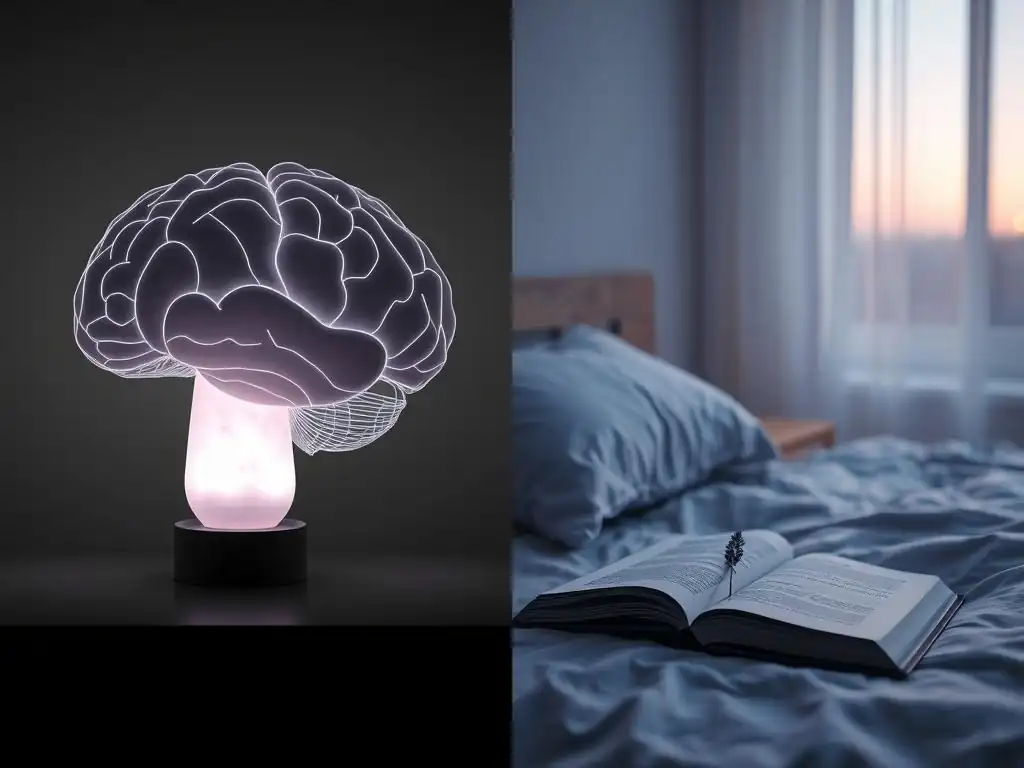
Establishing a Consistent Sleep Schedule
One of the most foundational and effective strategies for individuals living with MDD and sleep disorders, particularly insomnia, is establishing and strictly adhering to a consistent sleep schedule. This means going to bed at roughly the same time each night and waking up at the same time each morning, even on weekends. Consistency helps regulate the body's internal circadian rhythm, which plays a crucial role in signaling wakefulness and sleepiness. For someone experiencing MDD sleep architecture changes insomnia, a regular schedule helps consolidate sleep and can reduce the time spent lying awake in bed.
While it might be tempting to sleep in on days following a poor night's sleep, this can further disrupt the circadian clock. Instead, it's generally recommended to maintain the scheduled wake-up time regardless of how much sleep was obtained. If feeling excessively sleepy during the day, a short, planned nap (e.g., 20-30 minutes) in the early afternoon is preferable to a long or late-day nap, which can interfere with nighttime sleep. Gradually adjusting the schedule to align with natural sleep tendencies while maintaining consistency is a powerful tool in managing the sleep-wake cycle disruptions associated with MDD.
Creating a Relaxing Bedtime Routine
Developing a calming and consistent bedtime routine can signal to the body and mind that it's time to wind down and prepare for sleep, which is especially helpful for counteracting the hyperarousal often associated with MDD sleep architecture changes insomnia. This routine should ideally start about 30 to 60 minutes before the target bedtime and involve relaxing activities. Examples include taking a warm bath, reading a physical book (avoiding electronic screens which emit blue light that can interfere with melatonin production), listening to calming music or a podcast, or practicing gentle stretching or meditation.
It's important to avoid stimulating activities in the hour leading up to bed, such as working, engaging in emotionally charged conversations, or consuming caffeine or alcohol. The bedroom environment should also be optimized for sleep – dark, quiet, and cool. By consistently following a relaxing routine, individuals can create a positive association with bedtime and the sleep environment, helping to quiet the racing thoughts and anxiety that often accompany insomnia in MDD and facilitating a smoother transition into sleep.
Managing Daytime Fatigue and Sleepiness
Daytime fatigue and excessive sleepiness are common and debilitating symptoms for individuals with MDD, whether they experience insomnia or hypersomnia. While addressing the underlying sleep disorder and depression is the long-term solution, there are strategies to help manage daytime symptoms. Maintaining a consistent activity level during the day, even when feeling tired, can help regulate the sleep-wake drive and prevent excessive napping that disrupts nighttime sleep. Light to moderate exercise, particularly outdoors in natural light, can boost energy levels and improve alertness.
Breaking down tasks into smaller, manageable steps can make them feel less overwhelming and help conserve energy. Prioritizing activities and scheduling rest breaks can also be beneficial. For those with hypersomnia, short, strategic naps might offer temporary relief, but they should be carefully timed and limited in duration to avoid interfering with the nighttime sleep schedule.
Avoiding caffeine and nicotine, especially later in the day, is important as they can disrupt sleep architecture and worsen both insomnia and the quality of sleep in hypersomnia. Managing daytime symptoms effectively requires a proactive approach, integrating strategies that support both wakefulness during the day and restorative sleep at night, thereby mitigating the impact of MDD sleep architecture changes insomnia and hypersomnia on daily life.
Seeking Professional Help for MDD and Sleep Problems
When to Consult a Doctor or Sleep Specialist
If you are experiencing persistent sleep problems – whether it's difficulty falling or staying asleep (insomnia) or excessive daytime sleepiness (hypersomnia) – particularly in the context of low mood, loss of interest, or other symptoms suggestive of Major Depressive Disorder, it is crucial to seek professional help. Consult your primary care physician or a mental health professional if your sleep problems occur regularly (e.g., three or more nights per week) for an extended period (e.g., three months or longer) and significantly impact your daytime functioning or well-being.
Your doctor can help assess your symptoms, rule out other medical conditions that might be contributing to sleep problems, and determine if a mood disorder like MDD is present. They can also refer you to a sleep specialist if a primary sleep disorder (like sleep apnea or restless legs syndrome) is suspected or if the sleep disturbance is complex and requires specialized evaluation, potentially including a polysomnography (sleep study) to objectively assess your MDD sleep architecture changes insomnia or hypersomnia patterns.
Addressing both mood and sleep requires a comprehensive approach, and professional guidance is essential for accurate diagnosis and effective treatment planning.
Finding a Qualified Mental Health Professional
Finding a qualified mental health professional is a critical step in managing MDD and its associated sleep disturbances. A psychiatrist, psychologist, licensed clinical social worker, or licensed professional counselor can provide diagnosis, therapy, and potentially medication management for depression. When choosing a therapist, look for someone experienced in treating mood disorders and who understands the interplay between depression and sleep. Therapists specializing in Cognitive Behavioral Therapy (CBT), and specifically Cognitive Behavioral Therapy for Insomnia (CBT-I), can be particularly helpful in addressing the behavioral and cognitive factors contributing to sleep problems in MDD.
Your primary care physician can often provide referrals to mental health professionals in your area. You can also search online directories provided by professional organizations (like the American Psychological Association or the American Psychiatric Association) or through your health insurance provider's network. Don't hesitate to ask potential therapists about their experience treating MDD and sleep disorders and their approach to integrating sleep-focused interventions like CBT-I. Finding the right professional who can offer compassionate support and evidence-based treatment is vital for navigating the challenges of MDD sleep architecture changes insomnia or hypersomnia and working towards recovery.
Conclusion: Prioritizing Sleep for Mental Well-being in MDD
Key Takeaways on MDD Sleep Architecture Changes
Sleep disturbances are not just bothersome symptoms of Major Depressive Disorder; they are integral to the disorder's presentation and significantly impact its course and severity. The characteristic MDD sleep architecture changes insomnia and hypersomnia reflect underlying neurobiological dysregulations that affect both mood and sleep-wake cycles. These changes often include reduced slow-wave sleep, increased nighttime awakenings, shortened REM latency, and increased REM density. While insomnia is the more common sleep complaint, hypersomnia is also a significant issue for a subset of patients.
Understanding these specific alterations in sleep architecture, whether through subjective reports or objective measures like polysomnography, provides valuable insights into the nature of the depressive episode and can guide treatment. Addressing sleep problems directly, alongside the core depressive symptoms, is essential for effective management and improved outcomes. Ignoring sleep disturbances can perpetuate the cycle of depression, making recovery more challenging and increasing the risk of relapse.
The Path to Better Sleep and Improved Mental Health
The path to better sleep and improved mental health for individuals with MDD involves a comprehensive and integrated approach. This often includes a combination of antidepressant medication to address the underlying neurochemistry of depression and targeted sleep interventions like Cognitive Behavioral Therapy for Insomnia (CBT-I) to modify unhelpful sleep-related thoughts and behaviors. Lifestyle adjustments, such as maintaining a consistent sleep schedule, creating a relaxing bedtime routine, and managing daytime fatigue, play a crucial supporting role in regulating the sleep-wake cycle.
Prioritizing sleep is not a luxury but a necessity for individuals living with MDD. By actively addressing sleep disturbances, whether they manifest as MDD sleep architecture changes insomnia or hypersomnia, individuals can break the vicious cycle between poor sleep and low mood, alleviate depressive symptoms, enhance their quality of life, and build resilience against future episodes. Seeking professional help from healthcare providers and mental health professionals experienced in treating both mood disorders and sleep problems is the first and most important step towards achieving restorative sleep and fostering lasting mental well-being.
Frequently Asked Questions
What are the typical sleep architecture changes observed in individuals with Major Depressive Disorder (MDD)?
Individuals with MDD often experience a reduced latency to REM sleep, increased REM sleep density, and fragmented sleep patterns. These changes are a hallmark of disrupted sleep architecture.
How does insomnia manifest in the context of sleep architecture changes associated with MDD?
Insomnia in MDD is characterized by difficulty falling asleep, staying asleep, or experiencing non-restorative sleep, despite adequate opportunity for sleep. This can be linked to the previously mentioned disrupted sleep architecture, notably increased sleep latency.
Yes, while insomnia is more common, some individuals with MDD experience hypersomnia. This is possibly due to the body trying to compensate for the poor sleep quality and fragmented sleep cycles caused by MDD.
How can understanding MDD sleep architecture changes help in diagnosing and treating depression?
Recognizing specific sleep patterns, like increased REM density, can help clinicians differentiate MDD from other conditions. It also informs treatment strategies, such as using therapies that specifically address sleep disturbances.
What are some effective strategies for improving sleep quality in individuals with MDD experiencing insomnia or hypersomnia?
Strategies include cognitive behavioral therapy for insomnia (CBT-I), maintaining a consistent sleep schedule, and medication management under a doctor's supervision. Addressing the underlying depression is also crucial.
Final Reflection: Unraveling the Sleep-Depression Enigma
The intricate relationship between Major Depressive Disorder (MDD) and sleep architecture is not merely a symptom; it's a crucial piece of the puzzle in understanding and treating this debilitating illness. The disruption of normal sleep patterns, manifesting as either insomnia or hypersomnia, significantly impacts the severity and prognosis of MDD, highlighting the urgent need for further research and improved diagnostic tools. This complex interplay underscores the importance of considering sleep disturbances not just as a consequence, but as a potential driver of depressive episodes.
The exploration of sleep architecture changes in MDD has profoundly impacted my understanding of mental health, shifting my perspective from a purely cognitive model to one that integrates the crucial role of physiological processes. Sleep is that golden chain that binds health and our bodies together.
– Thomas Dekker. This quote resonates deeply, emphasizing the fundamental connection between restorative sleep and overall well-being, a connection profoundly disrupted in MDD. The ongoing research in this field is vital for developing more effective and personalized treatment strategies, moving beyond a one-size-fits-all approach to mental health care.
Consider the impact of sleep on your own life. Do you prioritize sleep hygiene? Are you aware of the subtle ways sleep deprivation might be affecting your mood and cognitive function? Take this opportunity to reflect on your sleep patterns and seek professional help if you suspect a connection between sleep disturbances and your mental health. Understanding the intricate dance between sleep and depression empowers you to take proactive steps towards better mental and physical well-being. Let this knowledge be your starting point on a journey towards a healthier, more balanced life.
Here's a Call to Action (CTA) based on the provided article title and website information:
Unlock Your Restful Potential: Take Control of Your Sleep
Thank you for taking the time to learn about the intricate connection between sleep architecture and mood disorders. Understanding these patterns is the first step towards better sleep and mental well-being. Now it's time to put this knowledge into practice!
- Prioritize sleep hygiene: Start by implementing one small sleep hygiene improvement this week—whether it's establishing a consistent bedtime routine or optimizing your sleep environment. This small change can make a big difference.
- Share your experience: Discuss your sleep challenges and successes with others in our online community. Let’s build a supportive network together.
- Explore further resources: Deepen your understanding by researching additional resources on mood disorders and sleep.
Ready to make a positive impact on your sleep quality? What small step will you take tonight to prioritize your rest?