
The Slowness or SpeedUp: Psychomotor Changes as Diagnostic Clues


Welcome to Mind Care Guide, a space dedicated to nurturing your mental well-being.
Are you noticing subtle shifts in your movements or speech? These psychomotor changes can be significant indicators of underlying emotional states, particularly anxiety. This guide delves into understanding these often-overlooked clues, offering insights that may be crucial in the diagnosis of anxiety. Curious to learn how these subtle signals connect to your inner world? Let's explore the connection between psychomotor changes and anxiety together...
Psychomotor Changes: Diagnostic Clues in Mental Health
- Understanding Psychomotor Changes in Mental Health
- Psychomotor Changes in Major Depressive Disorder (MDD)
- Diagnostic Value in Anxiety and Mood Disorders
- Types of Psychomotor Changes
- Assessing Psychomotor Changes
- Psychomotor Changes and Severity of Anxiety and Depression
- Neurological Basis of Psychomotor Disturbances
- Treatment Strategies
- Case Studies
- Psychomotor Changes: A Key Diagnostic Clue
-
Frequently Asked Questions
- What are psychomotor changes and why are they relevant to anxiety diagnosis?
- How do psychomotor changes manifest in someone experiencing anxiety?
- Can psychomotor changes alone definitively diagnose anxiety?
- What is the difference between psychomotor retardation and psychomotor agitation in anxiety?
- What should I do if I notice significant psychomotor changes in myself or someone I know?
- Final Reflection: Unraveling the Enigma of Psychomotor Changes in Anxiety
- Unlock Your Understanding: Next Steps in Recognizing Psychomotor Changes
Understanding Psychomotor Changes in Mental Health
Defining Psychomotor Activity and Its Significance
Psychomotor activity refers to the range of physical movements that are consciously controlled and mediated by mental processes. This encompasses everything from walking and talking to subtle facial expressions and gestures. In the context of mental health, psychomotor activity is a critical observable sign because it reflects the interplay between a person's emotional state, cognitive function, and motor behavior. Changes in this activity, whether a slowing down or a speeding up, can be outward manifestations of internal psychological states and neurological processes, offering valuable insights into a person's mental well-being.
The significance of observing and assessing psychomotor activity lies in its objectivity compared to subjective self-reporting. While patients may struggle to articulate their internal feelings or thoughts accurately, changes in their movement, speech rate, and overall physical activity are often readily apparent to a trained observer. These observable shifts can provide crucial diagnostic clues, particularly in conditions like mood disorders and anxiety disorders, where altered energy levels and motor control are common symptoms. Understanding these changes is fundamental to a comprehensive mental health evaluation.
Psychomotor Function in Neurological and Psychiatric Conditions
Psychomotor function is intricately linked to complex neural circuits involving areas like the basal ganglia, cerebellum, and prefrontal cortex, all modulated by neurotransmitters such as dopamine, serotonin, and norepinephrine. Disruptions in these pathways, whether due to neurological conditions like Parkinson's disease or psychiatric disorders like depression and anxiety, can manifest as significant alterations in psychomotor speed and control. For example, Parkinson's disease is characterized by bradykinesia (slowness of movement), a clear psychomotor change resulting from dopamine depletion in the basal ganglia.
In psychiatric conditions, psychomotor changes are often non-specific to a single disorder but present with varying patterns and intensities. In Major Depressive Disorder (MDD), psychomotor retardation (slowness) or agitation (restlessness) are core diagnostic criteria. Similarly, anxiety disorders can also present with psychomotor agitation, though often with a different quality (e.g., fidgeting driven by worry vs. purposeless pacing in depression). Recognizing these patterns and differentiating them is essential for accurate diagnosis and effective treatment planning across both neurological and psychiatric domains.
Psychomotor Changes in Major Depressive Disorder (MDD)
Depression and Altered Psychomotor Function
Altered psychomotor function is a hallmark feature of Major Depressive Disorder (MDD) and is included as one of the nine diagnostic criteria in the DSM-5. It represents a significant change from a person's usual level of activity and is observable by others, not merely a subjective feeling of being slowed down or restless. This alteration can manifest as either a marked decrease in physical activity (psychomotor retardation) or a noticeable increase in restless, often purposeless activity (psychomotor agitation). These changes are not just secondary effects but are considered integral components of the depressive syndrome itself.
Studies indicate that psychomotor changes, particularly retardation, are highly prevalent in moderate to severe depression, affecting a significant majority of patients, potentially up to 80% in inpatient settings. Their presence is often associated with greater severity of the depressive episode, longer duration, and poorer prognosis if left untreated. The nature and severity of psychomotor changes can also influence treatment response, making their accurate identification crucial for clinical management.
Psychomotor Retardation in Depressed Patients
Psychomotor retardation in depression involves a noticeable slowing down of thought processes and physical movements. Clinically, this can present as slowed speech (sometimes to the point of mutism), decreased volume or inflection, long pauses before responding, and a general reduction in spontaneous movements. Individuals may walk slowly, have a slumped posture, exhibit reduced facial expressiveness (flat affect), and show decreased engagement in activities. Even simple tasks like dressing or eating can become effortful and time-consuming.
This slowness is distinct from mere fatigue; it's a pervasive dampening of motor drive and mental processing speed. It affects not just gross motor movements but also fine motor skills and cognitive processing speed. Patients might report feeling "stuck" or "heavy," finding it difficult to initiate or complete actions. This profound lack of energy and slowed pace significantly impacts daily functioning and is a strong indicator of the severity of the depressive episode.
While less common than retardation, psychomotor agitation is also a significant manifestation of depression, particularly in certain subtypes like agitated depression. It involves an increase in restless, often non-productive physical activity. This can include pacing, fidgeting, wringing hands, pulling at clothes or hair, or an inability to sit still. Unlike the focused, goal-directed activity sometimes seen in mania, the agitation in depression often feels driven by an inner tension or distress rather than excess energy.
This agitation is typically accompanied by subjective feelings of restlessness, anxiety, or inner turmoil. It's observable and disruptive, often noticeable to family members or clinicians. The energy expended in this restless activity does not alleviate the underlying distress and can be exhausting for the patient. Psychomotor agitation in depression is also associated with increased severity and, tragically, a higher risk of suicide attempts, potentially because the increased energy facilitates acting on suicidal thoughts.
Diagnostic Value in Anxiety and Mood Disorders
Psychomotor Symptoms in Differential Diagnosis
Psychomotor symptoms hold considerable value in the differential diagnosis of various mental health conditions, especially within the spectrum of mood and anxiety disorders. While psychomotor changes are core features of MDD, they can also appear in bipolar disorder (both depressive and manic phases) and anxiety disorders. The quality and context of the psychomotor change are key to differentiation. For instance, the slowed, heavy quality of psychomotor retardation is highly characteristic of depression, whereas the restless, tense agitation seen in some anxiety states might differ in its underlying drive and associated features from agitated depression.
Clinicians carefully observe these symptoms alongside other criteria, including mood state, thought content, presence of delusions or hallucinations, and vegetative symptoms (sleep, appetite changes). Differentiating psychomotor changes diagnosis anxiety from those indicative of depression requires attention to whether the restlessness is driven by worry and fear (anxiety) versus inner tension and despair (depression), or whether the slowness is accompanied by pervasive sadness and loss of interest (depression) versus extreme fatigue secondary to chronic worry (anxiety).
Distinguishing psychomotor changes diagnosis anxiety from those in depression is a crucial clinical task. In generalized anxiety disorder (GAD), for example, psychomotor agitation often manifests as restlessness, feeling keyed up or on edge, and difficulty controlling worry. This restlessness is typically linked to anxious thoughts and the need to alleviate tension through movement or activity. It might include fidgeting, tapping, or pacing driven by an inability to relax due to excessive worry about future events.
In contrast, agitated depression features restless activity that feels more internally driven by a sense of despair, guilt, or worthlessness, often without a specific external stressor driving the movement. The patient might pace aimlessly, wring their hands, or pick at their skin out of profound inner anguish. The mood state accompanying the agitation is primarily depressed, whereas in GAD, the primary mood state is anxious. Understanding these nuances in psychomotor changes diagnosis anxiety versus depression is vital for accurate treatment.
Psychomotor Assessment Scales for Diagnosis
Standardized rating scales are invaluable tools for objectively assessing and quantifying psychomotor changes, aiding in both diagnosis and monitoring treatment response. Scales like the Hamilton Rating Scale for Depression (HAM-D) and the Montgomery-Åsberg Depression Rating Scale (MADRS) include specific items that rate psychomotor retardation and agitation on a severity scale. For instance, the HAM-D has items for "Retardation (psychic and motor)" and "Agitation."
These scales provide a structured way to capture observable behaviors such as speech speed, reaction time, motor activity level, and restless movements. While not diagnostic on their own, scores on these items contribute significantly to the overall assessment of symptom severity and can help track changes over time. For example, a high score on the retardation items of the MADRS (which ranges from 0-60) might indicate severe psychomotor slowing characteristic of profound depression, whereas a moderate score on agitation items in conjunction with anxiety symptoms might point towards psychomotor changes diagnosis anxiety or agitated depression, requiring further differentiation.
Types of Psychomotor Changes

Psychomotor Retardation: Slowness
Characteristics in Depression
Psychomotor retardation in depression is characterized by a marked and observable decrease in the speed and frequency of voluntary movements and speech. This manifests as slowed gait, reduced overall physical activity, and difficulty initiating or completing tasks. Speech may be slow, monotonous, quiet, or hesitant, with significant pauses. Facial expressions are often reduced, leading to a flat or mask-like appearance. The patient might seem lethargic, spending most of their time in bed or sitting passively.
Beyond motor slowness, psychomotor retardation also affects cognitive processing. Individuals may report slowed thinking, difficulty concentrating, and impaired memory. Reaction time is often prolonged. This pervasive slowing impacts nearly every aspect of behavior and is a core feature distinguishing clinical depression from temporary sadness or fatigue. It is observable by others and represents a significant change from the individual's baseline functioning.
Clinical Examples
A common clinical example of psychomotor retardation is a patient who walks into the clinic with a noticeably slow, shuffling gait, taking long pauses before answering questions, speaking in a low, flat tone, and maintaining minimal eye contact. They might report that simple tasks like getting out of bed, showering, or preparing a meal feel overwhelmingly difficult and take hours to complete.
Another example is a student who suddenly takes twice as long to complete assignments, stares blankly for extended periods, and stops participating in activities they previously enjoyed, all due to a profound lack of energy and slowed mental and physical processing speed.
In a more severe presentation, a patient might exhibit near-catatonic stupor, remaining immobile and unresponsive for long periods. For example, a patient might sit in a chair for hours without moving, require assistance with basic self-care like eating or hygiene, and respond only with minimal, delayed movements or monosyllabic answers, illustrating the extreme end of psychomotor retardation in severe MDD.
Psychomotor Agitation: Restlessness
Characteristics in Anxiety and Depression
Psychomotor agitation involves excessive, often non-productive physical activity driven by internal distress. In anxiety disorders, particularly GAD or panic disorder, agitation often manifests as restlessness, feeling keyed up or on edge, fidgeting (e.g., foot tapping, hand wringing), pacing, and difficulty relaxing. This activity is often accompanied by subjective feelings of tension, worry, or impending doom and may serve as an attempt to discharge nervous energy. Psychomotor changes diagnosis anxiety are often linked to specific triggers or persistent worry.
In agitated depression, the restlessness is typically accompanied by a pervasive sense of despair, guilt, or inner turmoil. The movements may be more purposeless and repetitive, such as pacing back and forth, pulling at skin or hair, or wringing hands incessantly. The patient feels an unbearable inner tension that drives them to move, but the movement provides no relief. While both anxiety and depression can cause agitation, the underlying emotional state and the quality of the movement often differ.
Clinical Examples
An example of psychomotor agitation in generalized anxiety disorder is a person sitting in a waiting room, constantly tapping their foot, fidgeting with their hands, and frequently shifting position, unable to sit still for more than a few minutes. They might pace while talking on the phone about a stressful situation and report feeling constantly "on edge" and unable to relax. This illustrates psychomotor changes diagnosis anxiety driven by worry.
In contrast, a patient with agitated depression might pace back and forth in a room, wringing their hands and murmuring self-deprecating phrases, seemingly driven by profound inner anguish rather than specific worries. They might pick at their skin or pull their hair until it causes injury. Another example could be a patient who cannot sleep and spends the night restlessly tossing and turning, getting in and out of bed repeatedly, fueled by a sense of despair and hopelessness.
Other Psychomotor Abnormalities
Catatonic Symptoms and Mood Disorders
Catatonic symptoms, while often associated with schizophrenia, can also occur in severe mood disorders, including MDD and bipolar disorder. Catatonia represents a severe disturbance in psychomotor behavior and includes a range of symptoms such as stupor (no psychomotor activity), catalepsy (passive induction of a posture held against gravity), waxy flexibility (slight, even resistance to positioning by examiner), mutism, negativism (opposition or no response to instructions), posturing, mannerisms, stereotypies (repetitive, abnormally frequent movements), agitation (not influenced by external stimuli), grimacing, echolalia (mimicking speech), and echopraxia (mimicking movements).
When catatonia occurs in the context of a mood disorder, it significantly complicates the clinical picture and often indicates a more severe episode requiring urgent intervention. For instance, a patient with severe depression might present with catatonic stupor, remaining immobile and unresponsive, while another with bipolar mania might exhibit catatonic excitement with seemingly purposeless, agitated movements. Recognizing catatonic features within a mood disorder context is critical for appropriate diagnosis and treatment, which often involves benzodiazepines or electroconvulsive therapy (ECT).
Tics and Involuntary Movements
While not core psychomotor changes in the sense of altered volitional activity speed, tics and other involuntary movements can sometimes co-occur with or be exacerbated by mood and anxiety disorders, though they are primarily associated with neurological conditions or Tourette's disorder. Tics are sudden, rapid, recurrent, nonrhythmic motor movements or vocalizations. Stress and anxiety are known to worsen tic severity in susceptible individuals.
Other involuntary movements, such as tremors or myoclonus (sudden, brief muscle jerks), can also be observed. While a fine tremor can be associated with anxiety or be a side effect of certain medications used to treat mood disorders, more complex involuntary movements are less directly linked to the psychopathology of depression or anxiety itself and often point towards underlying neurological issues or medication effects. Differentiating psychomotor changes diagnosis anxiety from unrelated involuntary movements requires careful clinical assessment.
Assessing Psychomotor Changes
Clinical Observation
Clinical observation is the foundational method for assessing psychomotor changes. During a clinical interview, the clinician pays close attention to the patient's overall presentation, including gait upon entering the room, posture, facial expressions, eye contact, speech rate and volume, latency of response, and presence of any restless or repetitive movements (e.g., fidgeting, pacing, hand wringing). These observations are compared to what is considered typical for the patient (if known) and general norms.
Detailed notes on the specific nature, frequency, and intensity of observed psychomotor behaviors are crucial. For example, noting "speech slow, low volume, significant pauses (5-10 seconds) before responding" is more informative than simply "psychomotor retardation present." Observation should occur throughout the interview and potentially in other settings if possible (e.g., in a waiting area or during group therapy), as psychomotor presentation can vary depending on the environment. This direct observation is key to identifying psychomotor changes diagnosis anxiety or depression.
Standardized Rating Scales
Standardized rating scales provide a more structured and quantifiable way to assess psychomotor changes compared to subjective clinical observation alone. As mentioned, scales like the HAM-D and MADRS have specific items dedicated to rating psychomotor retardation and agitation on a severity scale (e.g., 0=absent, 1=slight, 2=mild, 3=moderate, 4=severe). These scales guide the clinician to specifically look for and rate key observable behaviors.
Using standardized scales helps reduce inter-rater variability and allows for consistent measurement over time, which is essential for monitoring treatment response. While they rely on clinician judgment based on observation, they provide a framework for that judgment. For example, a MADRS score change specifically on the psychomotor retardation item from a 4 (severe) to a 1 (slight) after treatment provides objective evidence of improvement in this specific symptom domain.
Examples of Assessment Tools
Beyond multi-symptom depression scales, some tools specifically focus on psychomotor function. The CORE Assessment of Psychomotor Retardation is one example, designed to provide a more detailed and objective assessment of different facets of psychomotor slowness. It might assess items like gait, posture, facial expression, speech, and fine motor skills on a detailed scale.
Other tools, though perhaps less commonly used in routine clinical practice, include timed motor tasks (e.g., pegboard tests, finger tapping tests) which can objectively measure motor speed and dexterity. While these overlap with neurological assessments, they can provide quantifiable data points on psychomotor speed that might be impaired in depression. The choice of tool often depends on the clinical setting, the need for specificity, and research interests.
Technology-Based Assessment
Advancements in technology offer promising new avenues for objective, continuous assessment of psychomotor activity outside the clinical setting. Wearable devices like actigraphs or smartwatches with accelerometers can continuously monitor physical activity levels, sleep patterns, and even subtle movements throughout the day and night. This provides a wealth of data that is not subject to recall bias or limited by the brief period of a clinical interview.
Actigraphy and Motion Sensors
Actigraphy devices, typically worn on the wrist or ankle, use accelerometers to measure motor activity. They record the intensity and frequency of movements over extended periods, often weeks. This data can reveal patterns such as reduced overall activity levels, decreased variability in movement, or increased nocturnal restlessness, all of which can be indicators of psychomotor changes. For example, actigraphy might objectively quantify reduced daily step counts or increased time spent immobile in a patient with psychomotor retardation.
Motion sensors and more sophisticated wearable or ambient sensors can potentially capture more nuanced data, such as gait parameters (speed, stride length) or tremor characteristics. While still largely research tools, these technologies offer the potential for objective, longitudinal assessment of psychomotor changes in a patient's natural environment, providing valuable insights into the real-world impact of conditions like depression and anxiety and potentially improving the accuracy of psychomotor changes diagnosis anxiety and other conditions.
Psychomotor Changes and Severity of Anxiety and Depression
Correlation Between Symptoms and Severity
There is a well-established correlation between the presence and severity of psychomotor changes and the overall severity of both depression and, to some extent, anxiety. In Major Depressive Disorder, psychomotor retardation is often considered a marker of more severe illness. Patients with marked retardation tend to have higher scores on overall depression severity scales, experience greater functional impairment, and may require more intensive treatment. Similarly, severe psychomotor agitation in depression is associated with a higher risk of suicide.
While psychomotor changes diagnosis anxiety might involve less pronounced motor slowing, the level of restlessness and agitation in anxiety disorders often correlates with the intensity of worry and panic symptoms. Severe, uncontrollable agitation in a panic attack, for instance, reflects the peak severity of that episode. Persistent restlessness in GAD is indicative of the chronic, pervasive nature of the anxiety. Thus, assessing the degree of psychomotor disturbance provides a valuable index of the overall symptom burden and severity in both mood and anxiety disorders.
Psychomotor Assessment to Monitor Treatment Response
Monitoring psychomotor changes is a practical way to assess a patient's response to treatment for depression or anxiety. As antidepressant or anxiolytic medications take effect, clinicians often observe a normalization of psychomotor activity. For example, a patient who initially presented with severe psychomotor retardation might begin speaking and moving more quickly, initiating activities, and showing increased facial expressiveness as their depression improves.
Similarly, a patient with anxiety-related agitation might exhibit less fidgeting, pacing, and restlessness as their anxiety symptoms subside with treatment. Tracking scores on psychomotor items of rating scales or observing changes in activity levels (potentially with technology) provides objective evidence of therapeutic progress, complementing the patient's subjective report of feeling better. Lack of improvement in psychomotor symptoms might indicate the need to adjust treatment strategy.
Prognostic Value in Mood Disorders
Psychomotor changes can also have prognostic value, particularly in mood disorders. Severe psychomotor retardation at the onset of a depressive episode is sometimes associated with a longer time to remission and a higher likelihood of needing more intensive interventions like ECT. It can also predict a greater risk of relapse.
Conversely, the resolution of psychomotor symptoms is often considered a good sign of recovery and a potential predictor of sustained remission. Patients whose psychomotor activity normalizes fully are often considered to have achieved a more complete recovery than those who continue to exhibit residual slowness or restlessness. While not the sole prognostic factor, psychomotor status provides important information about the likely course and outcome of a mood disorder episode.
Neurological Basis of Psychomotor Disturbances
Role of Neurotransmitters
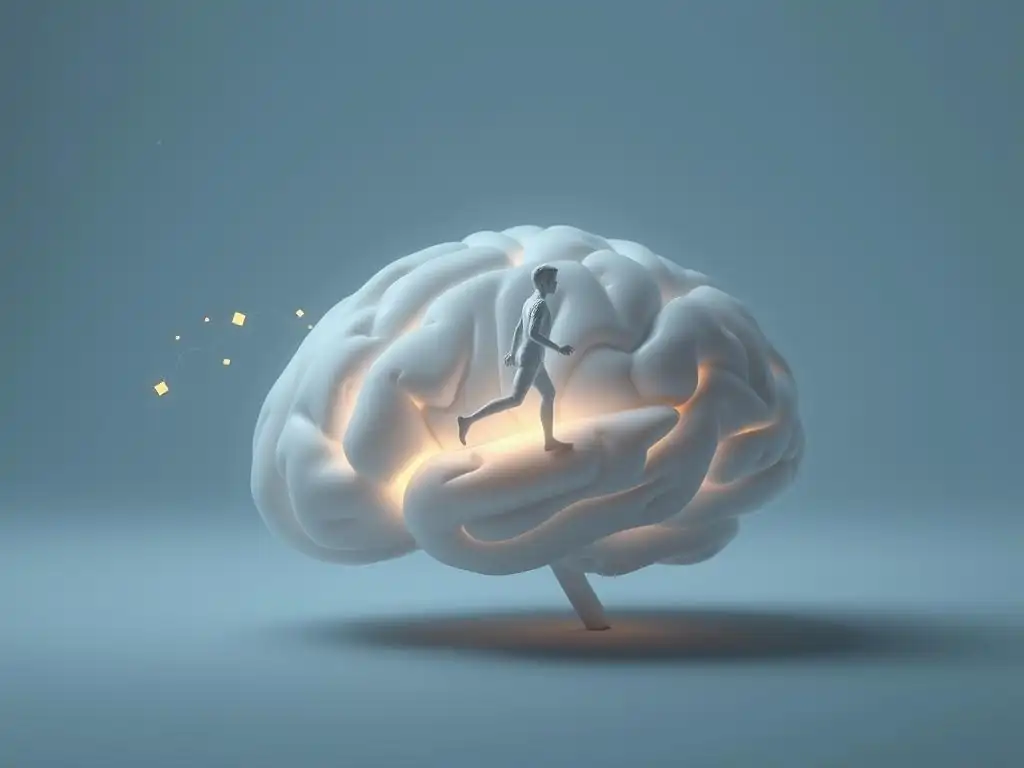
The neurological basis of psychomotor disturbances in mental health involves complex interactions between various neurotransmitter systems. Dopamine, largely associated with motivation, reward, and motor control, plays a significant role. Reduced dopaminergic activity in brain regions like the basal ganglia is implicated in the psychomotor retardation seen in depression and Parkinson's disease. Antidepressants that enhance dopamine signaling may help alleviate this symptom.
Norepinephrine and serotonin, key neurotransmitters targeted by many antidepressants, also influence motor activity and energy levels. Dysregulation in these systems can contribute to both the slowing (retardation) and the increased tension and restlessness (agitation) observed in mood and anxiety disorders. For example, norepinephrine is involved in arousal and the 'fight or flight' response, and its dysregulation can contribute to the hyperarousal and psychomotor changes diagnosis anxiety. Serotonin influences mood, anxiety, and motor pathways, and imbalances can affect both speed and control of movement.
Brain Regions Involved
Several brain regions are critically involved in regulating psychomotor activity and are often implicated in the pathology of mood and anxiety disorders. The basal ganglia, a group of subcortical nuclei including the striatum and globus pallidus, are central to motor control, planning, and execution. Dysfunction here is strongly linked to psychomotor retardation. The prefrontal cortex (PFC), particularly areas involved in executive function and motivation, is also crucial; reduced activity in certain PFC areas can contribute to inertia and lack of goal-directed movement.
The cerebellum, traditionally associated with motor coordination, also plays a role in cognitive and emotional processing and may contribute to the fine-tuning of psychomotor responses. Furthermore, circuits connecting the limbic system (involved in emotion) with motor areas help explain how emotional states directly influence physical activity levels. Disruptions in these interconnected brain networks, often observed in neuroimaging studies of depression and anxiety, underlie the observed psychomotor changes.
Impact of Stress and Trauma
Chronic stress and trauma can significantly impact the neural circuits and neurotransmitter systems that regulate psychomotor function, potentially contributing to the development of psychomotor disturbances. The chronic activation of the stress response system (HPA axis) can affect neuroplasticity and neurotransmitter release in areas like the prefrontal cortex and basal ganglia.
Prolonged exposure to stress hormones like cortisol can lead to structural and functional changes in these brain regions, potentially contributing to symptoms like psychomotor retardation or increased motor tension. Trauma, particularly early life trauma, can wire the brain for a hyper-responsive stress response, potentially increasing vulnerability to anxiety disorders characterized by psychomotor agitation or contributing to the profound psychomotor changes seen in severe depression or PTSD. This highlights the complex interplay between psychological experience, neurobiology, and psychomotor presentation.
Treatment Strategies
Pharmacological Interventions
Pharmacological interventions are a cornerstone in treating mood and anxiety disorders and often lead to improvement in associated psychomotor changes. Antidepressants, particularly those targeting norepinephrine and dopamine (e.g., SNRIs, NDRIs), may be more effective for psychomotor retardation by increasing energy and drive. SSRIs, while effective for core depressive and anxiety symptoms, may have a less pronounced effect on psychomotor speed or can initially cause some restlessness.
For psychomotor agitation, especially in anxiety disorders or agitated depression, medications that reduce overall arousal and tension are used. This can include benzodiazepines for short-term relief of severe agitation (though caution is needed due to dependence risk) or certain antidepressants (e.g., sedating tricyclics or some SSRIs) and atypical antipsychotics in severe agitated depression or catatonia. The choice of medication is guided by the specific diagnosis (including psychomotor changes diagnosis anxiety vs. depression), symptom profile, severity, and patient history.
Psychotherapy
Psychotherapy, while not directly targeting the biological mechanisms of psychomotor changes, can indirectly lead to improvements by addressing the underlying emotional and cognitive factors contributing to depression and anxiety. Therapies like Cognitive Behavioral Therapy (CBT) or Interpersonal Therapy (IPT) can help patients challenge negative thought patterns, develop coping strategies, and improve social functioning, which can increase motivation and engagement in activities, thereby counteracting psychomotor retardation.
For anxiety-related agitation, techniques like relaxation training, mindfulness, and exposure therapy can help patients manage anxious arousal and reduce the subjective feeling of tension that drives restless behavior. Behavioral activation, a technique used in depression treatment, specifically encourages increased engagement in pleasurable and goal-directed activities, directly counteracting the inertia of psychomotor retardation.
Lifestyle Modifications
Lifestyle modifications can play a supportive role in managing psychomotor changes. Regular physical activity, even moderate exercise, can improve mood, energy levels, and potentially motor speed, helping to alleviate psychomotor retardation. Exercise can also help reduce tension and restlessness associated with anxiety.
Establishing a consistent sleep schedule is crucial, as sleep disturbances are common in both depression and anxiety and can exacerbate psychomotor symptoms. Ensuring adequate nutrition and hydration also supports overall physical and mental well-being, which can positively impact energy levels and motor function. While not primary treatments, these modifications can complement pharmacological and psychotherapeutic interventions.
Case Studies
Case Study 1: Psychomotor Retardation in Severe Depression
Ms. E, a 48-year-old woman, presented with a two-month history of profound sadness, loss of interest in all activities, significant weight loss (15 lbs), and severe fatigue. Clinically, she exhibited marked psychomotor retardation: her speech was very slow and quiet, she took long pauses before answering questions, her movements were noticeably slowed, and she spent most of the day sitting or lying down, reporting feeling "like I'm moving through thick mud." Her score on the HAM-D psychomotor retardation item was 4 (severe).
Treatment was initiated with an antidepressant (SNRI). Over the next 6 weeks, her mood gradually improved, and importantly, her psychomotor slowness began to lift. At her 8-week follow-up, her speech was faster and louder, she engaged in more spontaneous movement, and reported being able to complete basic self-care tasks more easily. Her HAM-D psychomotor retardation score decreased to 1 (slight). This case illustrates how severe psychomotor retardation can be a core symptom of severe depression and how its improvement tracks with overall recovery.
Case Study 2: Psychomotor Agitation in Generalized Anxiety Disorder
Mr. J, a 32-year-old man, sought help for chronic, excessive worry about his job and family, present for over six months. He reported feeling constantly "on edge" and had difficulty relaxing. During the assessment, he exhibited clear psychomotor agitation: he constantly tapped his foot, shifted in his seat, and frequently adjusted his clothing. He reported feeling an inner restlessness that made it impossible to sit still for long periods. These psychomotor changes diagnosis anxiety were directly linked to his pervasive worry.
Treatment included psychotherapy (CBT focusing on worry management) and a non-benzodiazepine anxiolytic. Over several months, Mr. J learned techniques to manage his anxious thoughts, and his subjective feelings of tension decreased. Objectively, the clinical team observed a significant reduction in his restless behaviors. He reported being able to sit through meetings without constantly fidgeting and felt less driven to pace. This case demonstrates how psychomotor agitation can be a prominent feature of anxiety disorders and improve with targeted treatment.
Case Study 3: Assessment to Guide Treatment
Mr. K, a 60-year-old man with a history of recurrent depression, presented with a new episode. Initially, it was unclear whether his primary psychomotor symptom was retardation or agitation, as he reported feeling restless but appeared somewhat slowed. Detailed clinical observation and the use of the MADRS scale clarified the picture. His MADRS score showed a moderate level on the psychomotor agitation item (3) and a mild level on the retardation item (2), alongside high scores on anxiety (5) and inner tension (6). This suggested a presentation of agitated depression with significant anxiety components.
Based on this assessment, the treatment plan focused on managing the agitation and anxiety alongside the core depression. An antidepressant with properties known to help with anxiety and agitation was chosen, and behavioral strategies to manage restlessness were introduced. Monitoring his MADRS scores over time, particularly the psychomotor items, allowed the clinical team to track whether the chosen treatment was effectively addressing these specific symptoms and adjust the approach if needed.
Psychomotor Changes: A Key Diagnostic Clue
Integrating Assessment into Clinical Practice
Integrating systematic assessment of psychomotor changes into routine clinical practice is essential for improving the diagnosis and management of mental health conditions, particularly mood and anxiety disorders. Clinicians should be trained to observe specific psychomotor behaviors carefully during interviews and consider using standardized rating scales to quantify these observations.
Beyond initial diagnosis, ongoing assessment of psychomotor status provides valuable information about symptom severity, treatment response, and potential prognosis. For example, regularly assessing psychomotor changes diagnosis anxiety can help track the effectiveness of interventions aimed at reducing anxious arousal and restlessness. This systematic approach helps move beyond subjective impressions to a more objective understanding of a patient's physical presentation as a reflection of their mental state.
Future Directions in Research and Diagnosis
Future research directions include further exploring the specific neural circuits and neurotransmitter systems underlying different types of psychomotor changes in various disorders. Advanced neuroimaging techniques and genetic studies may provide deeper insights into the biological basis of these symptoms.
There is also significant potential in leveraging technology for more objective and continuous psychomotor assessment. Developing user-friendly, reliable wearable devices and analytical algorithms that can accurately detect and differentiate psychomotor patterns associated with different conditions (e.g., distinguishing agitated depression from anxiety-related restlessness) could revolutionize how these symptoms are monitored and how psychomotor changes diagnosis anxiety and other conditions are refined outside of clinical visits.
Resources for Learning
For clinicians and students interested in learning more about psychomotor changes in mental health, resources include textbooks on psychopathology and clinical assessment, such as the DSM-5-TR and comprehensive psychiatry texts. Training workshops on clinical interviewing skills often cover the observation and assessment of psychomotor behavior.
Information on specific rating scales, such as the HAM-D or MADRS, including administration guidelines and scoring, is available in clinical manuals and academic literature. Research articles published in psychiatric journals provide the latest findings on the neurobiology, assessment techniques, and clinical significance of psychomotor changes in conditions like depression and anxiety. Organizations focused on mood and anxiety disorders also often provide educational materials on symptoms and diagnosis.
Frequently Asked Questions
What are psychomotor changes and why are they relevant to anxiety diagnosis?
Psychomotor changes refer to alterations in physical movement associated with mental states. They're relevant because observing these changes, like slowed movements or restlessness, can provide crucial diagnostic clues when assessing anxiety.
How do psychomotor changes manifest in someone experiencing anxiety?
Anxiety can cause a range of psychomotor changes including agitation, pacing, fidgeting, or conversely, slowed speech and movements. These observable behaviors are linked to the body's stress response.
Can psychomotor changes alone definitively diagnose anxiety?
No, psychomotor changes alone are not enough for a definitive diagnosis. They are indicators that warrant further assessment by a mental health professional. A comprehensive evaluation is always necessary.
What is the difference between psychomotor retardation and psychomotor agitation in anxiety?
Psychomotor retardation involves slowing down of physical and mental processes, while psychomotor agitation involves excessive restlessness and movement. Both can be present in anxiety, reflecting different aspects of the disorder.
What should I do if I notice significant psychomotor changes in myself or someone I know?
If you or someone you know experiences significant psychomotor changes, seek professional help. A mental health professional can conduct a thorough assessment and provide appropriate treatment and support based on the individual's needs.
Final Reflection: Unraveling the Enigma of Psychomotor Changes in Anxiety
The subtle shifts in our physical movements—the restless pacing, the slowed speech, the tremor in our hands—are not mere quirks; they are often crucial diagnostic clues in understanding and managing anxiety. These seemingly insignificant changes, often overlooked, can be powerful indicators of underlying mental health conditions, highlighting the urgent need for a more nuanced approach to diagnosis and treatment.
The impact of recognizing psychomotor changes extends far beyond the clinical setting. Understanding how these shifts manifest in daily life allows us to better support ourselves and others struggling with anxiety. The pervasive nature of anxiety in modern society demands a heightened awareness of these subtle signals. The body keeps the score,
as Bessel van der Kolk so eloquently puts it, and recognizing the body's language is paramount in navigating the complexities of mental health. Ignoring these physical manifestations only serves to prolong suffering and delay effective intervention.
Now, consider your own experiences. Have you noticed subtle shifts in your own movement or speech during periods of stress or anxiety? Perhaps a friend or family member has exhibited similar changes.
This article serves as a call to action—to pay closer attention to the intricate dance between mind and body. By recognizing the significance of psychomotor changes, we can foster a more compassionate and informed approach to mental health, empowering ourselves and others to seek help and find healing. Let us move forward, not just with a deeper understanding of anxiety, but with a renewed commitment to recognizing and addressing its subtle, yet powerful, physical manifestations.
Unlock Your Understanding: Next Steps in Recognizing Psychomotor Changes
Thanks for taking the time to explore the fascinating world of psychomotor changes with us! We hope you gained valuable insights into their significance as diagnostic clues. Now, let's put that knowledge into action.
- Deepen your understanding: Research specific psychomotor symptoms related to conditions you're interested in. This focused approach will strengthen your diagnostic skills significantly.
- Share this article with others: Spread the word and help others understand the importance of recognizing these subtle yet crucial indicators. Consider starting a discussion with colleagues or in relevant online forums.
- Start observing: Pay close attention to your own psychomotor behaviors and those of others around you. Notice small changes and consider their potential significance. This mindful observation is a powerful first step.
What subtle psychomotor changes have you observed, and what further questions do they raise for you?