
Therapy for Seniors: Addressing Mood Challenges in Later Life

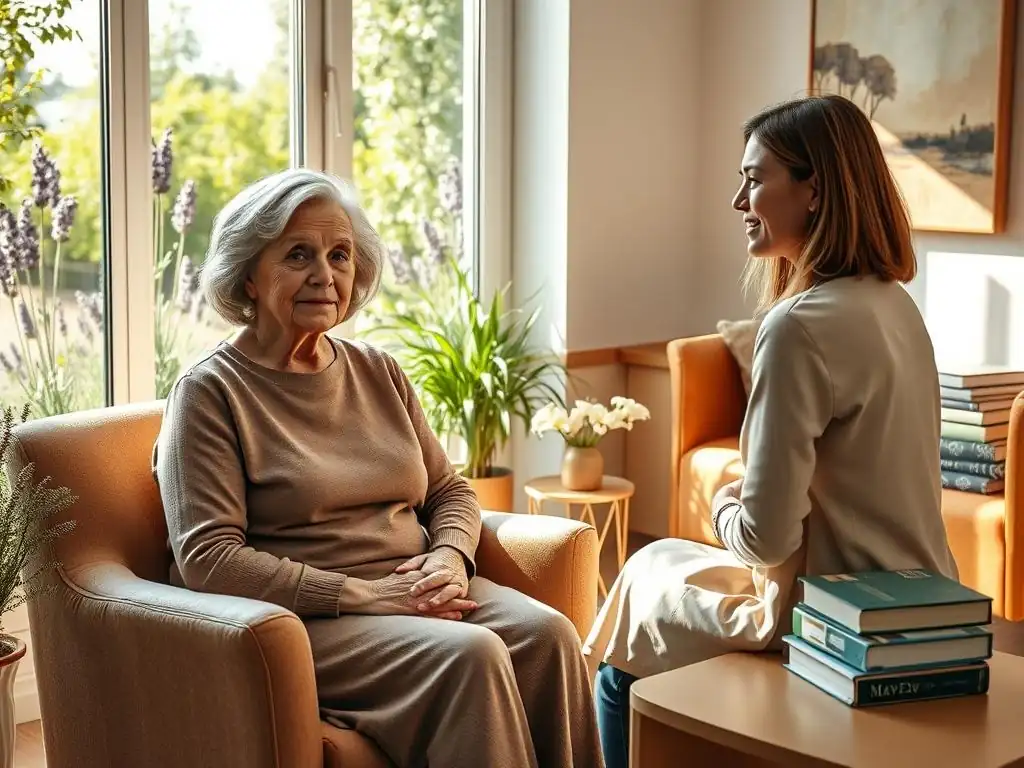
Welcome to Mind Care Guide, your trusted companion on the journey to mental well-being.
Feeling lost navigating the emotional landscape of later life? You're not alone. Many seniors face unique mood challenges that can significantly impact their quality of life. This article delves into the world of senior therapy mood challenges, offering insights and practical guidance to help you or your loved ones find solace and support. Curious to learn how therapy can make a real difference? Let's explore together.
Therapy for Seniors: Addressing Mood Challenges in Later Life
- Understanding Mood Challenges in Seniors: An Introduction
- Identifying Common Mood Disorders Affecting Seniors
- Benefits of Therapy for Senior Mood Challenges
- Types of Therapy Effective for Seniors Facing Mood Challenges
- Finding the Right Therapist for Senior Mental Health
- Overcoming Barriers to Therapy for Seniors
- Supporting a Senior Loved One Through Mood Challenges and Therapy
- The Future of Senior Mental Health and Therapy
- Senior Mood Management: Resources and Support Networks
-
Frequently Asked Questions
- How does therapy specifically help seniors with mood challenges?
- What are some common mood challenges faced by seniors?
- What types of therapy are most effective for seniors dealing with mood challenges?
- Is online therapy a viable option for seniors facing mood challenges?
- How can family members support a senior who is experiencing mood challenges and considering therapy?
- Final Reflection: Embracing Resilience: The Ongoing Journey of Mental Well-being in Later Life
- Unlock Your Joy: Next Steps for a Happier You
Understanding Mood Challenges in Seniors: An Introduction
Later life often brings significant transitions – retirement, loss of loved ones, health changes, and shifts in social roles. These changes, while a natural part of aging, can sometimes contribute to the development or exacerbation of mood challenges. Understanding these challenges is the first step toward effective support and intervention. While aging itself is not a disease, the cumulative effects of life events and physical health issues can uniquely impact a senior's emotional well-being, making Senior therapy mood challenges a critical area of focus in geriatric mental health.
It is vital to recognize that persistent sadness, anxiety, or irritability are not normal or inevitable consequences of aging. These symptoms often indicate underlying mood disorders that are treatable. By addressing these issues proactively, seniors can maintain a higher quality of life, greater independence, and stronger connections with their communities and families. Effective strategies for addressing Senior therapy mood challenges involve a combination of understanding the unique context of later life and applying appropriate therapeutic interventions.
The Prevalence of Mood Disorders in Older Adults
Mood disorders, while sometimes overlooked, are surprisingly prevalent among the senior population. While major depression rates might be lower in community-dwelling older adults compared to younger cohorts, estimates suggest that significant depressive symptoms affect between 15% and 20% of seniors living in the community. For those in long-term care settings, this figure can be considerably higher, potentially impacting up to 40% of residents.
Anxiety disorders also represent a significant concern for older adults. Generalized Anxiety Disorder (GAD), panic disorder, phobias, and obsessive-compulsive disorder (OCD) can affect seniors, sometimes manifesting differently than in younger individuals. Research indicates that anxiety disorders might be even more common in older adults than depression, with prevalence rates potentially reaching up to 10-15% in community samples and higher in clinical settings. These figures underscore the widespread nature of Senior therapy mood challenges and the pressing need for accessible mental health support.
Why Mood Challenges Often Go Unaddressed in Seniors
Several factors contribute to mood challenges in seniors often remaining unrecognized or untreated. One major barrier is the misconception that feeling down or anxious is a normal part of getting older. Both seniors themselves and sometimes their families or healthcare providers may mistakenly attribute symptoms like fatigue, irritability, or withdrawal to the aging process or physical health issues, rather than recognizing them as signs of a treatable mood disorder. This can lead to delayed diagnosis and intervention.
Furthermore, seniors may be less likely to report emotional distress due to stigma surrounding mental health, a desire not to burden others, or difficulty articulating their feelings. Healthcare providers, particularly those not specializing in geriatrics, may focus more on physical ailments, potentially missing subtle signs of depression or anxiety. Polypharmacy (taking multiple medications) can also complicate diagnosis, as side effects from one drug might mimic symptoms of a mood disorder or interact with psychotropic medications, adding another layer of complexity to addressing Senior therapy mood challenges.
The Importance of Senior Mental Health
Prioritizing senior mental health is crucial not only for emotional well-being but also for physical health and overall independence. Untreated mood disorders in older adults are associated with poorer physical health outcomes, including delayed recovery from illness or surgery, increased risk of cardiac events, and a weakened immune system. Depression, for example, can worsen the management of chronic conditions like diabetes, heart disease, and arthritis, leading to increased pain and disability.
Beyond physical health, mental well-being significantly impacts a senior's ability to maintain social connections, engage in meaningful activities, and live independently. Addressing Senior therapy mood challenges can reduce isolation, improve cognitive function (as depression can sometimes mimic dementia), and enhance motivation to participate in life. Investing in senior mental health is an investment in their continued ability to thrive and contribute to their families and communities.
Identifying Common Mood Disorders Affecting Seniors
Recognizing the specific manifestations of mood disorders in older adults is key to providing appropriate support and treatment. While the core diagnostic criteria are the same as for younger populations, the symptoms can present differently, often intertwined with physical health issues and the unique context of later life. Effective Senior therapy mood challenges interventions depend on accurate identification of the underlying condition.
Understanding the nuances of how depression, anxiety, and bipolar disorder appear in seniors helps families, caregivers, and healthcare professionals identify potential issues early. This knowledge empowers individuals to seek help and ensures that the support provided is tailored to the specific needs and experiences of older adults.
Depression in Older Adults: Symptoms and Diagnosis
Depression in seniors often presents less as overwhelming sadness and more as physical complaints, fatigue, irritability, or a lack of interest in activities they once enjoyed. Instead of reporting feeling "depressed," a senior might complain of persistent aches and pains, difficulty sleeping, loss of appetite leading to weight loss, or a general lack of energy. They might withdraw from social engagements, neglect personal care, or express feelings of worthlessness or hopelessness.
Diagnosing depression in older adults requires careful consideration of their medical history, current medications, and life circumstances. A thorough assessment often involves ruling out medical conditions that can mimic depression, such as thyroid problems, vitamin deficiencies, or neurological issues. Standard diagnostic criteria from the DSM-5 are used, but clinicians specializing in geriatrics are attuned to the subtle presentations common in this age group, which is vital for effectively addressing Senior therapy mood challenges. Screening tools like the Geriatric Depression Scale (GDS) are often used as initial indicators.
Anxiety Disorders in Seniors: Types and Manifestations
Anxiety disorders in seniors encompass conditions like Generalized Anxiety Disorder (GAD), panic disorder, specific phobias, and social anxiety. GAD is particularly common, characterized by excessive worry about everyday things like health, finances, or family, often accompanied by physical symptoms such as restlessness, fatigue, difficulty concentrating, muscle tension, and sleep disturbances. These physical symptoms can sometimes be mistaken for signs of other medical conditions.
Panic attacks, though less common in older adults than younger ones, can still occur, presenting with intense fear, heart palpitations, shortness of breath, and dizziness. Phobias might develop or worsen, such as a fear of falling leading to agoraphobia (fear of leaving the house). Social anxiety can also impact seniors, leading to avoidance of social situations, further contributing to isolation. Recognizing these varied manifestations is crucial for tailoring Senior therapy mood challenges strategies.
Bipolar Disorder in Later Life: Unique Considerations
Bipolar disorder, characterized by dramatic shifts in mood between manic or hypomanic episodes and depressive episodes, can also affect seniors. While onset is most common in early adulthood, new onset bipolar disorder can occur later in life, often linked to underlying medical conditions or neurological changes. More commonly, individuals with bipolar disorder age into later life, facing unique challenges.
In older adults, manic episodes might be less euphoric and more characterized by irritability, agitation, confusion, and psychotic features. Cognitive impairment can also be more pronounced during mood episodes. Managing bipolar disorder in seniors requires careful attention to medication interactions, age-related changes in metabolism, and co-occurring medical conditions. Therapy plays a crucial role in managing mood swings, improving coping strategies, and addressing the impact of the illness on daily life, forming a key part of addressing complex Senior therapy mood challenges.
Benefits of Therapy for Senior Mood Challenges
Therapy offers a powerful and effective pathway for seniors to navigate and alleviate mood challenges. It provides a structured, supportive environment to explore difficult emotions, develop coping skills, and address the root causes of distress. Unlike medication, which primarily targets biological symptoms, therapy addresses the psychological, emotional, and social factors contributing to mood disorders in later life.
Engaging in therapy can lead to profound improvements in a senior's overall quality of life, fostering resilience and promoting positive aging. The benefits extend beyond symptom reduction, empowering seniors to regain control, find meaning, and strengthen their connections with others. It's a proactive approach to managing Senior therapy mood challenges that values their life experience and wisdom.
Improving Overall Well-being and Quality of Life
One of the most significant benefits of therapy for seniors is the improvement in overall well-being and quality of life. By providing tools to manage symptoms of depression, anxiety, or bipolar disorder, therapy helps seniors experience more stable moods, increased energy, and renewed interest in activities. This can lead to greater engagement with hobbies, social events, and daily routines that bring joy and purpose.
Therapy helps seniors process difficult emotions related to loss, grief, or life transitions, fostering emotional resilience. For example, a senior processing the loss of a spouse through therapy might find healthy ways to grieve, reconnect with social support, and rediscover personal interests, moving from a state of profound sadness to one of acceptance and continued living. This comprehensive approach to addressing Senior therapy mood challenges enhances their capacity for happiness and contentment.
Reducing Feelings of Isolation and Loneliness
Isolation and loneliness are significant risk factors for mood disorders in seniors. Therapy, particularly group therapy or therapies focusing on relationships like Interpersonal Therapy (IPT), can directly address these issues. Individual therapy also provides a consistent, reliable human connection, which can be invaluable for someone experiencing loneliness.
By working through social anxieties or difficulties in maintaining relationships, seniors can feel more confident in engaging with others. Therapy helps them identify opportunities for social connection, whether through community centers, clubs, or family interactions. Reducing isolation is a critical component in managing Senior therapy mood challenges and promoting mental wellness.
Enhancing Coping Mechanisms for Life Transitions
Later life is marked by numerous transitions, from retirement and changes in physical health to the loss of friends and family. These shifts can be challenging to navigate and can trigger or worsen mood symptoms. Therapy provides seniors with effective coping mechanisms to manage the stress and emotional impact of these transitions.
Cognitive Behavioral Therapy (CBT), for instance, can help seniors identify and challenge negative thought patterns related to aging or loss, replacing them with more balanced perspectives. Problem-solving skills learned in therapy can empower them to address practical challenges arising from life changes. Developing a robust set of coping skills through therapy is essential for long-term management of Senior therapy mood challenges.
Managing Chronic Pain and Medical Conditions
Seniors often live with one or more chronic medical conditions, which can significantly impact their mood. Chronic pain, limited mobility, and the stress of managing complex health issues can contribute to depression and anxiety. Therapy can play a crucial role in helping seniors cope with the emotional burden of physical illness.
Techniques such as pain management strategies adapted for therapy, mindfulness, and learning to accept limitations while focusing on achievable goals can improve both mood and the experience of physical symptoms. Therapists can work with seniors to process the grief associated with loss of function and find ways to maintain quality of life despite health challenges. This integrated approach is vital when addressing Senior therapy mood challenges intertwined with physical health.
Types of Therapy Effective for Seniors Facing Mood Challenges

Several therapeutic modalities have proven effective in addressing the unique needs and experiences of older adults facing mood challenges. The choice of therapy often depends on the specific diagnosis, the senior's cognitive abilities, their preferences, and the issues they wish to address. A skilled therapist specializing in geriatrics can tailor the approach to fit the individual.
These evidence-based therapies provide structured methods for seniors to understand their emotions, change unhelpful patterns, and build resilience. Exploring these options is a key step for anyone seeking help with Senior therapy mood challenges.
Cognitive Behavioral Therapy (CBT) for Senior Depression and Anxiety
CBT is a highly effective, goal-oriented therapy that helps individuals identify and change negative thought patterns and behaviors contributing to their mood problems. It is widely supported by research for treating depression and anxiety in older adults. CBT is often delivered over a limited number of sessions, making it accessible and manageable.
CBT focuses on the present, teaching seniors practical skills they can use immediately to manage their symptoms. It is based on the principle that our thoughts, feelings, and behaviors are interconnected, and by changing one, we can influence the others. This practical approach makes it a valuable tool for addressing Senior therapy mood challenges.
How CBT helps seniors manage negative thoughts and behaviors
CBT helps seniors by teaching them to recognize automatic negative thoughts (ANTs) – those immediate, often distorted thoughts that pop into our heads and influence our mood. For example, a senior might think, "I'm too old to learn anything new," which leads to feelings of hopelessness and avoiding new activities. CBT helps them evaluate the evidence for and against this thought and replace it with a more balanced perspective, like "Learning new things might take time, but it's possible and can be rewarding."
Behavioral techniques in CBT for seniors might include scheduling pleasant activities to combat withdrawal and apathy, gradually confronting feared situations (for anxiety), or developing problem-solving skills for specific challenges like managing finances or health appointments. By actively working on changing both thoughts and behaviors, seniors can break cycles of negative thinking and inaction that fuel depression and anxiety, significantly improving Senior therapy mood challenges.
Interpersonal Therapy (IPT) for Older Adults
Interpersonal Therapy (IPT) is another evidence-based treatment that focuses on the role of relationships and social interactions in contributing to mood disorders, particularly depression. IPT typically focuses on one or two specific problem areas related to interpersonal functioning. For seniors, these often include grief over loss, role transitions (like retirement or becoming a caregiver), interpersonal disputes, or interpersonal deficits (difficulty forming or maintaining relationships).
IPT helps seniors understand how their current mood is connected to their relationships and social environment. By improving their interpersonal skills and addressing specific relational problems, they can often see a significant improvement in their mood symptoms. This focus on connection makes it particularly relevant for addressing Senior therapy mood challenges related to isolation and loss.
Focusing on relationships and social support in IPT
IPT for older adults helps them identify and understand the impact of key relationships on their emotional state. For a senior grieving a spouse, IPT provides a framework for processing grief and finding ways to adapt to life without their partner, including forming new social connections. For someone struggling with a role transition like retirement, IPT helps them explore the loss of identity associated with work and find new roles and sources of fulfillment.
The therapy works by helping seniors improve communication skills, resolve conflicts in existing relationships, and build stronger social support networks. By enhancing their ability to navigate interpersonal challenges and bolster their connections, IPT directly addresses a core component of many Senior therapy mood challenges.
Psychodynamic Therapy for Seniors
Psychodynamic therapy explores how past experiences, unconscious patterns, and early relationships influence current feelings and behaviors. While often associated with long-term treatment, psychodynamic principles can be applied to shorter-term therapy with seniors to address the roots of their mood challenges. This approach can be particularly helpful for seniors who are reflecting on their life experiences.
This therapy provides a space for seniors to explore unresolved conflicts, understand recurring patterns in their relationships or responses to stress, and gain insight into how their personal history shapes their present emotional state. It values the senior's life narrative and uses it as a source of understanding and potential change.
Exploring past experiences and their impact on current mood
Psychodynamic therapy helps seniors connect current mood challenges to significant life events or relationship dynamics from their past. For example, a senior struggling with anxiety about independence might explore early experiences with control or dependency in their family of origin. By understanding these historical patterns, they can gain insight into why they react to current situations in certain ways and find new, healthier responses.
This process can lead to a deeper understanding of oneself and a greater sense of peace regarding life choices and experiences. While it delves into the past, the goal is to relieve present suffering and improve current functioning, making it a valuable option for some Senior therapy mood challenges.
Reminiscence Therapy for Senior Mood Enhancement
Reminiscence therapy is a therapeutic approach that involves discussing past events and life experiences using tangible prompts like photos, music, or objects. It is often used with older adults, particularly those experiencing depression, loneliness, or mild cognitive impairment. It can be conducted individually or in a group setting.
This therapy capitalizes on the natural human tendency to reflect on one's life. By recalling positive memories and significant life events, seniors can reinforce their sense of identity, feel a sense of accomplishment, and connect with their personal history in a meaningful way.
Utilizing memories to improve mood and self-esteem
Reminiscence therapy helps improve mood by evoking positive emotions associated with happy memories and achievements. Sharing these memories, especially in a group setting, can reduce feelings of isolation and foster connection through shared experiences across generations or within the peer group. It validates the senior's life story and contributions.
For seniors struggling with low self-esteem or a sense of purposelessness, revisiting positive memories can remind them of their strengths, resilience, and the impact they have had on others. This process can significantly boost self-worth and provide a sense of continuity and meaning in later life, effectively addressing certain Senior therapy mood challenges related to identity and purpose.
Group Therapy for Seniors
Group therapy involves one or more therapists working with several clients together in a group setting. For seniors, group therapy offers unique benefits, including peer support, reduced feelings of isolation, and the opportunity to learn from others who are facing similar challenges. Groups can be structured around specific themes, such as grief support, managing chronic illness, or coping with depression.
Participating in a group can provide a sense of belonging and community, which is particularly valuable for seniors who may have experienced social losses. It allows them to share their experiences in a safe environment and receive validation and encouragement from others who understand.
Benefits of peer support and shared experiences
The peer support offered in group therapy is a powerful antidote to the isolation that often accompanies mood disorders in seniors. Hearing from others who have successfully navigated similar challenges can instill hope and provide practical strategies. Group members can offer different perspectives, encouragement, and accountability.
Sharing experiences in a group setting normalizes feelings and reduces the stigma associated with mental health issues. Seniors can learn new coping skills from the therapist and from their peers, practice social skills, and build a support network outside of the therapy room. This communal aspect of therapy is highly effective in addressing the social dimensions of Senior therapy mood challenges.
Finding the Right Therapist for Senior Mental Health
Finding a therapist who is a good fit is crucial for effective treatment of Senior therapy mood challenges. Not all therapists have specific training or experience working with older adults, who may have unique needs related to health, cognitive function, life stage, and family dynamics. Taking the time to find the right professional can significantly impact the success of therapy.
This process involves considering various factors, understanding the role of specialists, and being prepared to ask questions to ensure the therapist can meet the senior's specific needs. It's an investment in their well-being.
Considerations When Choosing a Therapist for Older Adults
When selecting a therapist for a senior, several factors should be considered. Experience working with older adults is paramount; a therapist familiar with the aging process, common health conditions in seniors, and the psychological challenges of later life will be better equipped to provide appropriate care. Their understanding of potential medication interactions and the impact of physical health on mental health is vital.
Location and accessibility are also practical considerations. Is the therapist's office easily reachable? Is it accessible for someone with mobility issues? Telehealth options have expanded access significantly, offering therapy sessions via video call, which can be a convenient alternative for seniors with transportation difficulties or health concerns. Finally, consider the therapist's therapeutic approach and whether it aligns with the senior's preferences and needs, ensuring they are comfortable and engaged in addressing their Senior therapy mood challenges.
The Role of Geriatric Mental Health Specialists
Geriatric mental health specialists, such as geriatric psychiatrists, psychologists, social workers, or counselors with specialized training in aging, possess specific expertise in diagnosing and treating mental health conditions in older adults. They are knowledgeable about age-related changes, common medical conditions in seniors, and the complex interplay between physical and mental health in later life.
These specialists are often better equipped to conduct comprehensive assessments that consider the senior's full medical history, cognitive status, social support, and life circumstances. They can navigate the complexities of polypharmacy and potential drug interactions when coordinating care with medical doctors. Consulting a geriatric mental health specialist is often the most effective way to ensure that Senior therapy mood challenges are addressed with the highest level of expertise.
Questions to Ask a Potential Therapist
Before starting therapy, it's helpful to have a brief consultation with a potential therapist to ask questions and determine if they are a good match. Consider asking:
- Do you have experience working with older adults, specifically with mood disorders like depression or anxiety?
- What is your approach to therapy with seniors? (e.g., CBT, IPT, psychodynamic, etc.)
- How do you incorporate a senior's physical health and medical conditions into therapy?
- Are you familiar with common medications taken by seniors and their potential impact on mood or interaction with therapy?
- What is your fee structure, and do you accept their insurance or have sliding scale options?
- How often are sessions typically scheduled, and what is the usual duration of therapy for this type of challenge?
- Do you offer telehealth sessions?
- How do you involve family or caregivers in the therapy process, if appropriate and desired?
Asking these questions helps ensure the therapist has the necessary experience and approach to effectively address the senior's specific Senior therapy mood challenges.
Overcoming Barriers to Therapy for Seniors

Despite the clear benefits, seniors and their families often face significant barriers when seeking mental health treatment. These obstacles can prevent seniors from accessing the help they need, leading to prolonged suffering and worsening symptoms. Addressing these barriers is essential to improving access to effective Senior therapy mood challenges interventions.
Understanding these common hurdles is the first step toward dismantling them. By proactively addressing issues like stigma, cost, and accessibility, we can make it easier for seniors to receive the therapeutic support that can transform their lives.
Addressing Stigma Associated with Mental Health Treatment
Stigma surrounding mental health is a major barrier for many, particularly older generations who may have grown up in times when mental illness was highly stigmatized and rarely discussed openly. Seniors may internalize this stigma, feeling shame or embarrassment about experiencing depression or anxiety, leading them to hide their symptoms or resist seeking help. They might fear being judged, seen as weak, or having their independence questioned if they admit to struggling emotionally.
Combating this stigma requires open conversations about mental health as a legitimate health concern, no different from physical health. Educating seniors, families, and the community that mood disorders are treatable conditions, not character flaws, is crucial. Highlighting success stories and emphasizing that seeking therapy is a sign of strength and self-care can help break down these deeply ingrained beliefs, paving the way for seniors to feel more comfortable addressing their Senior therapy mood challenges.
The cost of therapy can be a significant barrier for seniors, many of whom live on fixed incomes. While Medicare Part B covers outpatient mental health services, including therapy, there may still be deductibles, co-pays, or limits on the number of sessions covered. Supplemental insurance plans can help, but navigating the complexities of insurance coverage can be challenging for seniors and their families.
Strategies to manage financial concerns include seeking therapists who accept Medicare assignment, inquiring about sliding scale fees based on income, or exploring community mental health centers, which often offer services at reduced costs. Non-profit organizations and university training clinics may also provide lower-cost therapy options. Financial planning and understanding available benefits are key steps in making Senior therapy mood challenges treatment affordable.
Transportation and Accessibility Issues
Physical limitations and lack of transportation can make it difficult for seniors to get to therapy appointments. Mobility issues, vision problems, or not being able to drive independently can turn a simple trip into a major logistical challenge. For seniors living in rural areas, access to mental health professionals may be limited even further.
Telehealth has emerged as a vital solution to this barrier, allowing seniors to receive therapy from the comfort of their homes via video conferencing. For those who prefer in-person sessions but lack transportation, exploring local senior centers, religious organizations, or community services that offer transportation assistance can be helpful. Ensuring therapy is physically accessible is crucial for consistent engagement in addressing Senior therapy mood challenges.
Encouraging Seniors to Seek Help
Encouraging a senior loved one to seek help requires sensitivity, patience, and a supportive approach. Avoid judgmental language or minimizing their feelings. Instead, express concern for their well-being and gently suggest that talking to a professional could provide support and strategies for feeling better. Frame therapy as a way to regain energy, manage stress, or cope with difficult changes.
Offer concrete assistance, such as helping them find a therapist, making the initial call, or arranging transportation. Involve their primary care physician, who can often provide a referral and endorse the idea of therapy, which many seniors trust. Emphasize that seeking help for Senior therapy mood challenges is a sign of courage and a step towards improving their quality of life.
Supporting a Senior Loved One Through Mood Challenges and Therapy
Supporting a senior loved one who is experiencing mood challenges or undergoing therapy is an act of care and commitment. Family members and friends can play a vital role in recognizing symptoms, encouraging treatment, and providing practical and emotional support throughout the therapy process.
Your understanding and involvement can make a significant difference in their journey toward recovery and improved mental well-being. Being informed and present is key to helping them navigate Senior therapy mood challenges.
Recognizing Signs of Mood Disorders in Seniors
Recognizing the signs of mood disorders in seniors can be challenging because symptoms can be subtle or overlap with other health issues. Be observant of changes in behavior or mood that persist for more than a couple of weeks. Look for signs such as:
- Persistent sadness, anxiety, or feelings of emptiness
- Loss of interest or pleasure in activities they once enjoyed
- Fatigue, decreased energy, or feeling "slowed down"
- Changes in appetite or weight (gain or loss)
- Changes in sleep patterns (difficulty sleeping, oversleeping)
- Irritability, restlessness, or agitation
- Difficulty concentrating, remembering, or making decisions
- Physical symptoms like headaches or digestive problems that don't have a clear physical cause
- Increased isolation or withdrawal from social contact
- Expressions of hopelessness, worthlessness, or excessive guilt
- Thoughts of death or suicide
If you notice several of these signs, it's important to gently raise your concerns and encourage them to see a doctor or mental health professional to assess their Senior therapy mood challenges.
Communicating with a Senior About Their Mental Health
Approaching a conversation about mental health with a senior requires empathy, respect, and patience. Choose a quiet time and place where you won't be rushed or interrupted. Start by expressing your love and concern for their well-being. You might say something like, "I've noticed you seem less energetic lately, and I'm concerned about you. How have you been feeling?"
Listen actively without interrupting or minimizing their feelings. Validate their experiences and let them know they are not alone. Avoid diagnosing them or telling them what they "should" do. Instead, focus on offering support and suggesting that professional help is available and effective. You can share that therapy is a way to talk things through confidentially with someone trained to help with Senior therapy mood challenges.
Providing Practical Support and Encouragement
Once a senior agrees to therapy, practical support can be invaluable. Offer to help them find a therapist, schedule appointments, or navigate insurance. If they have difficulty with transportation, offer rides or help arrange accessible transport. For telehealth appointments, assist with setting up the technology if needed.
Beyond logistics, provide consistent emotional encouragement. Remind them that therapy takes time and that progress may not always be linear. Celebrate small victories and acknowledge their effort in attending sessions and working on challenging issues. Maintain open communication and let them know you are there to listen without judgment. Your ongoing support is a significant factor in their success in addressing Senior therapy mood challenges.
The Future of Senior Mental Health and Therapy
The field of geriatric mental health is continuously evolving, driven by increasing awareness of the unique needs of older adults and advancements in therapeutic approaches and technology. The future holds promise for improved access, more tailored treatments, and greater emphasis on preventing mood disorders in later life.
These developments are crucial for ensuring that future generations of seniors have the support they need to maintain their mental well-being and effectively address Senior therapy mood challenges.
Emerging Trends in Geriatric Mental Health Care
Several trends are shaping the future of mental health care for seniors. There is a growing recognition of the need for integrated care models, where mental health services are co-located or closely coordinated with primary medical care settings. This makes it easier for seniors to access mental health support within trusted healthcare environments, potentially reducing stigma and logistical barriers.
Increased training for healthcare professionals across disciplines in recognizing and addressing mental health issues in older adults is another key trend. Furthermore, research continues to refine evidence-based therapies specifically for the senior population, developing interventions that are sensitive to age-related changes and the complexities of later life. There is also a greater focus on early intervention and prevention strategies to promote mental wellness proactively and mitigate future Senior therapy mood challenges.
The Role of Technology in Expanding Access to Therapy for Seniors
Technology is playing an increasingly vital role in expanding access to therapy for seniors, particularly for those facing mobility issues, living in rural areas, or who prefer the convenience of home-based services. Telehealth, including video conferencing therapy sessions, has become widely available and accepted, allowing seniors to connect with therapists regardless of geographical distance.
Digital platforms are also being developed to offer mental health support, such as online CBT programs adapted for older adults, mobile apps for mood tracking or mindfulness, and virtual support groups. While digital literacy varies among seniors, efforts are being made to design user-friendly interfaces and provide technical support to ensure these tools are accessible. Technology holds immense potential to bridge gaps in care and make addressing Senior therapy mood challenges more feasible for many.
Promoting Mental Wellness and Preventing Mood Disorders in Older Adults
Moving beyond simply treating mood disorders, there is a growing emphasis on promoting mental wellness and preventing these issues in the first place. This involves encouraging healthy lifestyle choices that support brain health and emotional resilience.
Key preventive strategies include promoting regular physical activity, encouraging social engagement to combat isolation, recommending balanced nutrition, ensuring adequate sleep, and managing chronic stress. Educational programs that teach coping skills, mindfulness, and strategies for navigating life transitions are also important preventative measures. By fostering environments and habits that support mental well-being, we can help seniors build resilience and potentially prevent or reduce the severity of Senior therapy mood challenges.
Senior Mood Management: Resources and Support Networks
Accessing the right resources and building strong support networks are essential components of managing mood challenges in later life. Beyond formal therapy, seniors can benefit from a variety of services and connections that offer information, practical assistance, and emotional support.
Being aware of available resources empowers seniors and their families to proactively address mental health needs and build a robust system of support for navigating Senior therapy mood challenges.
- Local Senior Centers: Often provide social activities, educational programs, health and wellness classes, and sometimes access to social workers or counselors.
- Area Agencies on Aging (AAA): These organizations offer a wide range of services and information for older adults and caregivers, including referrals to mental health services, transportation assistance, and support programs.
- National and Local Mental Health Organizations: Organizations focused on specific conditions (e.g., Depression and Bipolar Support Alliance, Anxiety & Depression Association of America) or general mental health (e.g., National Alliance on Mental Illness - NAMI) provide information, support groups, and advocacy.
- Support Groups: Groups for grief, specific illnesses, or general mental health can provide peer support and shared coping strategies. These may be found through community centers, hospitals, or mental health organizations.
- Primary Care Physician: Often the first point of contact and can provide referrals to mental health specialists and discuss the interplay between physical and mental health.
- Caregiver Support Resources: For family members supporting a senior, resources for caregivers can provide much-needed support and guidance on how to help their loved one navigate Senior therapy mood challenges.
- Religious or Spiritual Communities: Can offer significant social support, a sense of community, and pastoral counseling for some seniors.
Building a network that includes professional help, peer support, and community resources creates a strong foundation for seniors managing their mood and enhancing their overall well-being. Addressing Senior therapy mood challenges is a collaborative effort involving the individual, their support system, and healthcare professionals.
Frequently Asked Questions
How does therapy specifically help seniors with mood challenges?
Therapy provides a safe space for seniors to explore feelings, develop coping mechanisms for age-related stressors, and address underlying issues contributing to mood disorders. It can improve emotional regulation and overall well-being.
What are some common mood challenges faced by seniors?
Seniors often experience mood challenges such as depression, anxiety, and grief due to factors like social isolation, loss of loved ones, chronic illness, and declining physical abilities. These challenges can significantly impact their quality of life.
What types of therapy are most effective for seniors dealing with mood challenges?
Cognitive Behavioral Therapy (CBT) and Interpersonal Therapy (IPT) are frequently used and effective. Other options include group therapy for social support and reminiscence therapy to explore past experiences.
Is online therapy a viable option for seniors facing mood challenges?
Yes, online therapy offers convenience and accessibility, especially for seniors with mobility issues or those in remote areas. It allows them to connect with therapists from the comfort of their own homes, promoting consistent care.
How can family members support a senior who is experiencing mood challenges and considering therapy?
Family members can encourage seniors to seek professional help, offer emotional support, and assist with practical matters like scheduling appointments and transportation. Active listening and patience are crucial.
Final Reflection: Embracing Resilience: The Ongoing Journey of Mental Well-being in Later Life
The mental health of our senior population is not a niche concern; it's a critical societal issue demanding our immediate attention. Ignoring the unique mood challenges faced by older adults is not only unethical but also detrimental to their quality of life and the well-being of their families and communities. The stigma surrounding mental health in later life must be actively challenged, paving the way for open conversations and accessible support.
The journey of aging is a complex tapestry woven with joy, loss, and adaptation. Understanding the specific emotional landscapes of seniors, marked by potential grief, social isolation, and physical decline, is crucial to providing effective support. Growing old is not a matter of years, it's a matter of feeling.
This quote highlights the subjective nature of aging and the importance of focusing on emotional well-being, not just chronological age. The insights shared in this article are not just statistics; they represent the lived experiences of countless individuals navigating the emotional complexities of later life, experiences that deserve our empathy and understanding.
Consider the impact of this information on your own life. Are you a caregiver for a senior? Do you have elderly family members or friends? Perhaps you are a senior yourself.
Take a moment to reflect on the importance of open communication and proactive mental health care. Reach out to your loved ones, offer support, and encourage them to seek professional help if needed. Remember, seeking therapy is a sign of strength, not weakness, and it's never too late to prioritize your mental well-being, regardless of age. Let's collectively build a society that values and supports the mental health of all its members, especially our cherished seniors.
Unlock Your Joy: Next Steps for a Happier You
Thanks for taking the time to explore the unique challenges and opportunities related to mental well-being in later life. We hope this article provided valuable insights and empowered you to prioritize your emotional health. Now, let's take the next step!
- Schedule a consultation with a therapist specializing in geriatric care: This is the most impactful step you can take toward improving your mood and overall well-being. Don't hesitate—your mental health is a priority.
- Share this article with a loved one: Open a conversation about mental health and encourage them to prioritize their well-being too. Even a simple act of sharing can make a big difference.
- Explore local senior centers or support groups: Find a community that understands your unique needs and provides a sense of belonging. Connection is key to a happy and fulfilling life.
What small step will you take today to invest in your emotional well-being?