
Thriving Through the Dark Months: Practical Coping Strategies for SAD


Welcome to Mind Care Guide, a space dedicated to nurturing your mental well-being.
Feeling the weight of winter's darkness? You're not alone. Many experience a shift in mood with the changing seasons, a phenomenon known as Seasonal Affective Disorder (SAD). Discover practical and empathetic seasonal affective disorder coping strategies within this guide, designed to help you navigate the challenges and reclaim your inner light. Let's explore ways to thrive, even through the darkest months...
Thriving Through the Dark Months: Practical Coping Strategies for SAD
- Understanding Seasonal Affective Disorder (SAD)
- Seasonal Affective Disorder Coping Strategies: A Comprehensive Guide
- Creating a Winter Wellness Plan for SAD
- Beyond the Basics: Advanced Strategies for SAD Management
- Maintaining Momentum: Long-Term Strategies for Managing SAD
- Conclusion: Empowering Yourself to Thrive Through SAD
-
Frequently Asked Questions
- ### What is Seasonal Affective Disorder (SAD) and how is it different from regular depression?
- ### What are some effective lifestyle changes I can implement to cope with SAD?
- ### How does light therapy work as a coping strategy for Seasonal Affective Disorder?
- ### When should I consider seeking professional help for Seasonal Affective Disorder?
- ### Are there any specific types of therapy that are particularly effective for SAD?
- Final Reflection: Embracing the Light Within, Even in Winter's Embrace
- Unleash Your Inner Sunshine: Take Charge of Your Well-being Now!
Understanding Seasonal Affective Disorder (SAD)
What is Seasonal Affective Disorder? Defining SAD
Seasonal Affective Disorder (SAD) is a type of depression that's related to changes in seasons. It typically begins and ends at about the same times every year. For most people with SAD, symptoms start in the fall and continue through the winter months, affecting their energy levels, mood, and overall well-being. Less commonly, SAD can cause depression during the spring or early summer, but winter-pattern SAD is the most frequent manifestation. This condition is recognized as a specific diagnostic subtype of major depressive disorder in the Diagnostic and Statistical Manual of Mental Disorders (DSM-5).
The exact cause of SAD isn't fully understood, but it's believed to be linked to a disruption in the body's internal clock (circadian rhythm), a decrease in serotonin levels (a brain chemical that affects mood), and an imbalance in melatonin levels (a hormone that plays a role in sleep patterns and mood). Reduced sunlight in fall and winter is thought to trigger these chemical changes.
Studies suggest that SAD affects approximately 1-10% of the population, varying geographically with higher prevalence in areas further from the equator where winter daylight hours are significantly shorter. For instance, prevalence rates are generally higher in northern regions like Canada (around 2-3%) and Scandinavian countries compared to southern regions like Florida (around 1%).
SAD Symptoms: Recognizing the Signs of Seasonal Depression
Recognizing the signs of seasonal depression is the first step towards effective seasonal affective disorder coping strategies. Symptoms can vary in severity and duration, but common indicators of winter-pattern SAD often mirror those of major depression. These include feeling depressed most of the day, nearly every day, losing interest in activities you once enjoyed, and experiencing low energy or sluggishness. Many individuals also report difficulty concentrating and feeling hopeless, worthless, or guilty.
Specific symptoms more prominent in winter SAD often involve changes in appetite and sleep patterns. Individuals may experience increased appetite, particularly a craving for carbohydrates, leading to weight gain. Hypersomnia, or excessive sleeping, is also common, with people feeling the need to sleep much more than usual but still waking up feeling tired. Other signs can include social withdrawal, irritability, and a heavy, leaden feeling in the arms or legs. These symptoms typically appear as the days get shorter and improve significantly, often disappearing entirely, as spring arrives.
SAD vs. Winter Blues: Differentiating Between the Two
It's important to distinguish between Seasonal Affective Disorder and the milder "winter blues." While many people experience a slight dip in mood or energy during the colder, darker months, this is not necessarily SAD. Winter blues involve feelings of lethargy or sadness that are relatively short-lived and don't significantly impair daily functioning or quality of life. You might feel a bit less cheerful or energetic, but you can still carry out your responsibilities, enjoy social activities, and maintain your usual interests.
SAD, on the other hand, is a clinical form of depression. The symptoms are more severe, persistent, and significantly interfere with a person's ability to function at work, school, or in relationships. A diagnosis of SAD requires a pattern of depressive episodes that meet the criteria for major depression and occur specifically during a particular season for at least two consecutive years, with periods of full remission during other seasons.
While winter blues might make you feel a bit "down," SAD can be debilitating, making it difficult to get out of bed, concentrate, or find joy in anything. Understanding this difference is crucial for identifying when professional seasonal affective disorder coping strategies might be necessary.
Seasonal Affective Disorder Coping Strategies: A Comprehensive Guide
Light Therapy for SAD: Illuminating Your Mood
Light therapy, also known as phototherapy, is one of the most widely recommended and effective seasonal affective disorder coping strategies, particularly for winter-pattern SAD. It involves daily exposure to a special light box that mimics natural outdoor light. The theory is that this exposure helps regulate the body's circadian rhythm and neurotransmitter levels, counteracting the effects of reduced sunlight during the darker months. Many people experience significant symptom relief within a few weeks of starting regular light therapy sessions.
A typical light therapy session involves sitting a specific distance from the light box for a set amount of time, usually 20 to 60 minutes, often in the morning. The light box should emit a bright light, generally 10,000 lux, and filter out harmful ultraviolet (UV) rays. Consistency is key; daily use, typically started in early fall before symptoms begin and continued until spring, yields the best results. For example, sitting about 16-24 inches away from a 10,000-lux box for 30 minutes each morning while reading or eating breakfast is a common practice.
Choosing the Right Light Therapy Box
Selecting the appropriate light therapy box is crucial for effective treatment. The most important specification is the intensity, measured in lux. For SAD treatment, a light box that provides 10,000 lux is generally recommended. Lower-intensity boxes (e.g., 2,500 lux) are available but require much longer exposure times, sometimes up to two hours daily, which can be less practical for busy individuals. Ensure the box is designed specifically for SAD treatment, not just a regular lamp, and that it filters out UV light, which can be harmful to the eyes and skin.
Beyond intensity, consider the size and style of the box. Some are small and portable, suitable for a desk, while others are larger panels. Look for features like adjustable stands or angles, as you shouldn't stare directly into the light but position it so the light enters your eyes indirectly. The quality and reputation of the manufacturer are also important; certifications or endorsements from health organizations may indicate a reliable product. While costs can range from roughly $50 to $400 or more, a good quality 10,000-lux box often falls in the $100-$200 range.
Optimizing Light Therapy Sessions
To get the most benefit from light therapy as one of your seasonal affective disorder coping strategies, optimize your sessions. Timing is critical; for most people with winter SAD, morning sessions are most effective, ideally within the first hour or two of waking up. This helps reset your circadian rhythm to the proper cycle for the day. Using the light too late in the day can interfere with sleep.
Consistency is paramount – aim for daily sessions. During the session, position the light box at the recommended distance (usually specified by the manufacturer, often around 16-24 inches for a 10,000-lux box) and angle it so the light reaches your eyes indirectly. You should be able to do other activities like reading, eating, or working on a computer. Avoid staring directly into the light, which can cause eye strain or damage. If you experience side effects like eye strain, headaches, or nausea, try decreasing the duration or distance from the light, or consult your doctor.
Lifestyle Adjustments for Managing SAD Symptoms
Beyond specific therapies, several lifestyle adjustments can significantly improve SAD symptoms and serve as vital seasonal affective disorder coping strategies. These changes focus on supporting your physical and mental health through the challenging months. Simple shifts in daily habits can build resilience and help mitigate the impact of reduced sunlight and colder weather.
Incorporating regular physical activity, paying attention to nutrition, ensuring adequate sleep, and practicing mindfulness are foundational elements. These strategies work together to regulate mood, boost energy, and improve overall well-being. Even small, consistent efforts in these areas can make a noticeable difference in managing the cyclical nature of seasonal depression.
The Importance of Regular Exercise
Regular physical activity is a powerful tool among seasonal affective disorder coping strategies. Exercise releases endorphins, natural mood boosters that can help alleviate depressive symptoms. It also helps regulate sleep patterns and reduce stress and anxiety, common companions to SAD. Aim for at least 30 minutes of moderate-intensity aerobic exercise most days of the week.
Studies have shown that regular exercise can be as effective as antidepressants for some people with mild to moderate depression. For SAD, exercising outdoors, even on cloudy days, can provide the added benefit of exposure to natural light, which is beneficial. If outdoor exercise isn't feasible due to weather, indoor options like a gym, home workout, or even dancing can still provide significant mood benefits. Consistency is key – try to make exercise a regular part of your daily or weekly routine throughout the fall and winter.
Nutrition and Diet: Fueling Your Body
Paying attention to your diet is another important aspect of seasonal affective disorder coping strategies. While no specific diet cures SAD, consuming a balanced diet rich in whole foods can support overall mental and physical health. Focus on fruits, vegetables, lean proteins, and complex carbohydrates. These foods provide essential nutrients and stable energy levels, which can help combat the fatigue and sluggishness often associated with SAD.
Limit your intake of processed foods, sugary snacks, and excessive caffeine and alcohol. While these might offer a temporary lift, they can lead to energy crashes and worsen mood swings in the long run. Some research suggests a link between deficiencies in certain nutrients, like Vitamin D and Omega-3 fatty acids, and depression, although more studies are needed specifically for SAD. Incorporating foods rich in these nutrients (like fatty fish, fortified dairy, nuts, and seeds) or considering supplements under medical guidance might be beneficial.
Prioritizing Sleep Hygiene: Establishing a Healthy Sleep Schedule
Maintaining a consistent and healthy sleep schedule is vital for managing SAD symptoms. Seasonal changes can disrupt the body's natural sleep-wake cycle, and SAD itself often involves changes in sleep patterns, particularly hypersomnia. Prioritizing sleep hygiene helps regulate this cycle and improve overall mood and energy levels.
Aim for 7-9 hours of quality sleep per night. Go to bed and wake up at roughly the same time each day, even on weekends, to help regulate your circadian rhythm. Create a relaxing bedtime routine, ensure your bedroom is dark, quiet, and cool, and avoid screens, caffeine, and alcohol close to bedtime. If you struggle with hypersomnia, resisting the urge to oversleep and maintaining a consistent wake-up time is particularly important, potentially aided by morning light exposure.
Mindfulness and Meditation Techniques
Incorporating mindfulness and meditation into your routine can be effective seasonal affective disorder coping strategies by helping to manage stress, anxiety, and negative thought patterns associated with seasonal depression. Mindfulness involves focusing on the present moment without judgment, which can help interrupt rumination and worrying about the past or future.
Simple practices like mindful breathing, body scans, or guided meditations for even 5-10 minutes daily can make a difference. These techniques can increase self-awareness regarding your mood and energy levels, allowing you to respond more effectively to symptoms. For example, noticing feelings of sluggishness without judgment can help you choose a supportive action, like going for a short walk, rather than giving in to inertia. Numerous apps and online resources offer guided sessions suitable for beginners.
Mental Health Strategies for Seasonal Depression
Addressing the psychological aspects of SAD is crucial, and specific mental health strategies can be highly effective seasonal affective disorder coping strategies. These approaches help individuals understand their thought patterns, develop healthier coping mechanisms, and build resilience against the recurring nature of seasonal depression.
Therapeutic interventions and building strong support systems are key components. Engaging with a mental health professional can provide personalized strategies and support, while connecting with others helps combat the isolation that can accompany depressive episodes. These strategies empower individuals to navigate the emotional challenges of the darker months.
Cognitive Behavioral Therapy (CBT): Changing Negative Thought Patterns
Cognitive Behavioral Therapy (CBT) is a well-established and effective form of psychotherapy that can be particularly helpful for SAD. CBT helps individuals identify and challenge negative or unhelpful thought patterns that contribute to their low mood and behaviors. For someone with SAD, this might involve addressing thoughts like "Winter is miserable," "I can't do anything when it's dark," or "I'll never feel better until spring."
A specific type of CBT adapted for SAD, sometimes called CBT-SAD, focuses on behavioral activation and cognitive restructuring related to the season. It encourages individuals to engage in enjoyable or meaningful activities even when they don't feel like it (behavioral activation) and helps them reframe negative thoughts about winter. Studies have shown that CBT-SAD can be as effective as light therapy in treating SAD and may have longer-lasting benefits, potentially reducing the severity of symptoms in subsequent winters.
Seeking Professional Support: When to Consult a Therapist
Knowing when to seek professional support is a critical part of developing effective seasonal affective disorder coping strategies. If your symptoms are severe, significantly impacting your daily life, work, relationships, or overall functioning, it's time to consult a mental health professional or your primary care physician. This is especially true if you experience thoughts of hopelessness, worthlessness, or self-harm.
A doctor or therapist can provide a proper diagnosis, rule out other potential medical conditions, and recommend appropriate treatment plans tailored to your needs. This might include light therapy, psychotherapy like CBT, or in some cases, antidepressant medication. A professional can help you develop a comprehensive plan combining various strategies and provide ongoing support throughout the challenging months. Don't hesitate to reach out; seeking help is a sign of strength.
Building a Support Network: Connecting with Others
Building and utilizing a strong support network is a vital seasonal affective disorder coping strategy. SAD can lead to social withdrawal, which can exacerbate feelings of isolation and depression. Staying connected with friends, family, or support groups can provide emotional support, understanding, and encouragement during difficult periods.
Share your experiences with trusted individuals. Plan regular social activities, even if you don't feel like it initially. Simple acts like having coffee with a friend, joining a club, or participating in online support forums can make a significant difference. Knowing you're not alone and having people to talk to or engage with can help combat the feelings of isolation often associated with seasonal depression.
Creating a Winter Wellness Plan for SAD

Developing a proactive winter wellness plan is one of the most empowering seasonal affective disorder coping strategies. Instead of reacting to symptoms as they arise, a plan allows you to implement preventative measures and have a roadmap for managing your well-being throughout the darker months. This involves understanding your personal patterns, setting achievable goals, and establishing helpful routines.
A structured plan helps you stay consistent with your coping strategies, making them more effective. It shifts your focus from dreading winter to actively managing your health and even finding ways to appreciate the season. This proactive approach can significantly reduce the severity and impact of SAD symptoms.
Identifying Your SAD Triggers: Understanding Your Individual Pattern
Identifying your specific SAD triggers is the first step in creating a personalized winter wellness plan. While reduced sunlight is the primary driver for most, understanding when your symptoms typically start, what activities or situations make them worse, and which specific symptoms are most challenging for you allows for targeted coping strategies. Do your symptoms consistently begin in late October? Does spending too much time indoors exacerbate your low mood? Do you crave specific comfort foods when feeling down?
Keep a journal or use a mood-tracking app during the fall and winter to note changes in your mood, energy levels, sleep patterns, appetite, and social activity. Record the date, the amount of daylight, and any specific events or activities. Over time, this data can reveal patterns specific to your experience with SAD, helping you anticipate when symptoms might emerge and which strategies are most effective for you. For example, tracking might show your energy consistently drops two weeks after the clocks change, prompting you to start light therapy earlier.
Setting Realistic Goals for Winter Wellbeing
Setting realistic and achievable goals for your winter wellness plan is crucial for maintaining motivation and avoiding feelings of failure. Instead of aiming for complete symptom eradication (which may not be possible), focus on managing symptoms and maintaining a certain level of functioning and well-being. Goals should be specific, measurable, achievable, relevant, and time-bound (SMART).
Examples of realistic goals might include: "Use light therapy for 30 minutes every morning," "Go for a 20-minute walk three times a week," "Connect with a friend or family member weekly," or "Prepare one healthy meal daily." Break down larger goals into smaller, manageable steps. For instance, if exercising is difficult, start with a 10-minute walk and gradually increase the duration. Celebrate small victories to stay motivated throughout the season.
Establishing a Daily Routine
Establishing a consistent daily routine is a cornerstone of effective seasonal affective disorder coping strategies. The structure and predictability of a routine can help regulate your body clock, improve sleep, and provide a sense of control during a time when external factors (like daylight hours) are unpredictable. A routine helps ensure you consistently implement your chosen coping strategies.
Include key elements in your routine, such as a consistent wake-up time (even on weekends), scheduling your light therapy session, allocating time for exercise, planning meals, and setting aside time for relaxation or enjoyable activities. Try to maintain a regular work or activity schedule as much as possible. For example, waking up at 7 AM, using your light box from 7:15-7:45 AM, having breakfast, then going for a walk before starting work establishes a positive morning pattern. Consistency helps reinforce healthy habits and provides stability during the winter months.
Beyond the Basics: Advanced Strategies for SAD Management
While light therapy, lifestyle adjustments, and mental health support are primary seasonal affective disorder coping strategies, exploring additional or advanced approaches can further enhance your ability to manage SAD. These strategies often involve considering nutritional supplements or complementary therapies that may play a role in mood regulation during the darker seasons.
It's important to approach these options with informed caution and ideally in consultation with a healthcare provider, as individual responses can vary, and research on some areas is still evolving. However, for some individuals, these additional strategies can provide valuable support alongside core treatments.
Vitamin D and SAD: Exploring the Connection
The connection between Vitamin D and SAD is an area of ongoing research. Vitamin D is often called the "sunshine vitamin" because our bodies produce it when exposed to sunlight. During winter, especially in regions with limited sunlight, Vitamin D levels often drop. Low levels of Vitamin D have been associated with depression in some studies, leading to the hypothesis that Vitamin D deficiency might contribute to SAD symptoms.
While some studies have shown a benefit of Vitamin D supplementation for SAD symptoms, others have not found a significant effect compared to placebo. Current evidence is mixed, and Vitamin D is not typically recommended as a standalone treatment for SAD.
However, given that many people are deficient in Vitamin D during winter, and deficiency can impact overall health, checking your Vitamin D levels and supplementing if necessary (under the guidance of a healthcare provider) might be a reasonable part of a broader wellness plan, even if its direct impact on SAD symptoms isn't definitively proven for everyone. A common recommendation for those with deficiency might be 1000-2000 IU per day, but this should be based on blood tests and professional advice.
Melatonin and its Role in Sleep and Mood
Melatonin is a hormone produced by the brain in response to darkness, helping to regulate sleep. In individuals with SAD, changes in daylight can disrupt melatonin production, potentially contributing to sleep pattern disturbances and mood changes. Some research suggests that the timing of melatonin release might be altered in people with SAD.
While melatonin supplements are sometimes used to help with sleep issues, their role in treating SAD itself is less clear and requires careful consideration. Taking melatonin at the wrong time could potentially worsen SAD symptoms by further disrupting the body clock. For example, taking melatonin in the morning could counteract the benefits of light therapy.
However, in some cases, a healthcare provider might recommend a low dose of melatonin taken at a specific time in the evening to help reset the sleep-wake cycle. This should only be done under medical supervision due to the potential for unintended effects on circadian rhythms.
Exploring Alternative Therapies: Yoga and Acupuncture
Exploring alternative therapies like yoga and acupuncture can complement traditional seasonal affective disorder coping strategies for some individuals. These practices focus on the mind-body connection and can help reduce stress, improve mood, and increase overall well-being. While research specifically on these therapies for SAD is limited, they are often used to manage symptoms of general depression and anxiety.
Yoga combines physical postures, breathing exercises, and meditation, promoting relaxation and reducing stress. Regular practice can improve mood, increase energy levels, and help manage the physical symptoms of stress. Acupuncture, a traditional Chinese medicine technique involving inserting thin needles into specific points on the body, is thought to stimulate the release of endorphins and influence neurotransmitter levels. Some studies suggest acupuncture may help alleviate depressive symptoms. As with any complementary therapy, discuss these options with your healthcare provider to ensure they are appropriate for your situation and to understand how they might fit into your overall SAD management plan.
Maintaining Momentum: Long-Term Strategies for Managing SAD
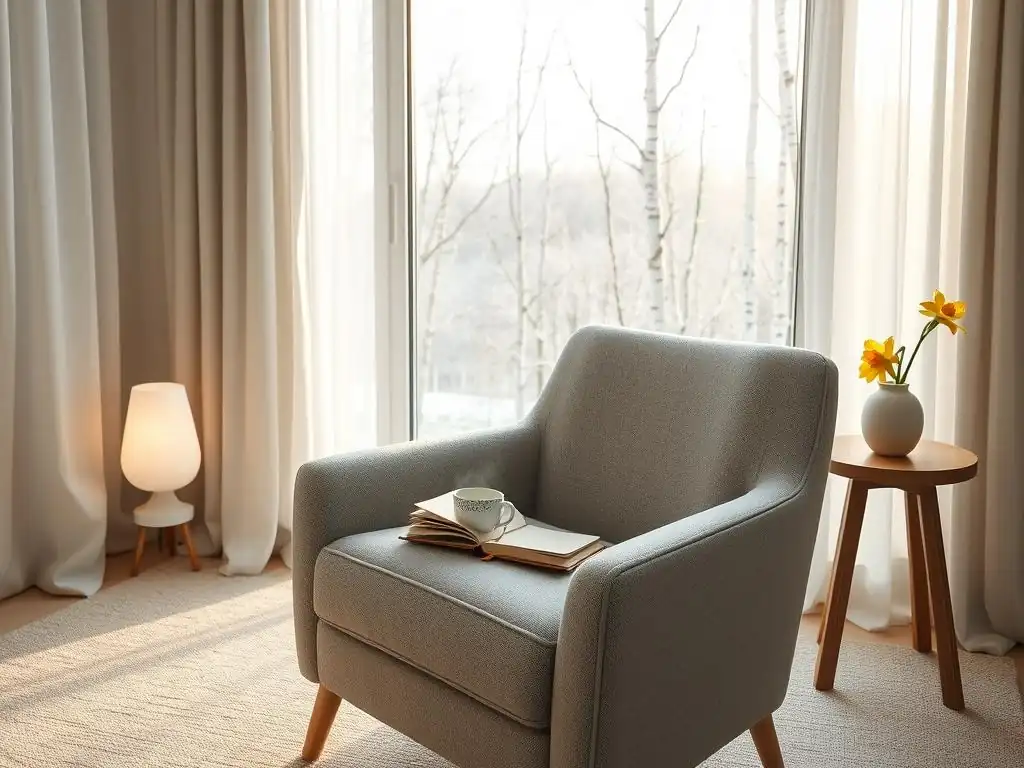
Managing SAD is often a recurring challenge, requiring long-term strategies to maintain well-being year after year. Effective seasonal affective disorder coping strategies aren't just about getting through one winter; they involve building resilience and developing a sustainable approach to managing seasonal changes. This includes consistently applying what you've learned, preparing for future seasons, and finding ways to embrace the winter months.
A long-term perspective helps you stay proactive and empowered. By tracking your progress, learning from past experiences, and incorporating preventative measures, you can significantly reduce the impact of SAD over time and even find unexpected joy in the season.
Tracking Progress and Adjusting Strategies
Maintaining momentum with seasonal affective disorder coping strategies requires ongoing evaluation and flexibility. What worked well one year might need adjustment the next. Regularly tracking your progress allows you to see which strategies are most effective for you and identify when you might need to make changes.
Continue using a mood journal or app to monitor your symptoms, energy levels, and the effectiveness of your interventions (e.g., "Did light therapy help today?" "How did exercise impact my mood?"). Note any changes in your circumstances or symptoms. If a strategy isn't providing the expected relief, or if your symptoms worsen, be prepared to adjust your plan. This might involve increasing the duration of light therapy, trying a different type of exercise, revisiting your therapist, or discussing medication options with your doctor. This iterative process ensures your coping strategies remain relevant and effective.
Preparing for Future Winter Seasons
Proactive preparation is a cornerstone of long-term seasonal affective disorder coping strategies. Instead of waiting for symptoms to hit, start implementing your plan before the days get noticeably shorter, typically in early fall. This might involve getting your light box out, scheduling your first therapy appointment, or starting to adjust your sleep schedule.
Review your experiences from the previous winter. What worked? What didn't? What did you wish you had done differently? Use this reflection to refine your winter wellness plan for the upcoming season. Ensure you have your light therapy equipment ready and in working order, stock up on healthy foods, plan enjoyable indoor or outdoor activities, and confirm your support network is in place. Being prepared mentally and logistically can significantly reduce anxiety about the approaching winter and empower you to face it with confidence.
Finding Joy in Winter: Embracing the Season
While SAD focuses on the challenges of winter, a long-term strategy involves actively working to find joy and embrace the unique aspects of the season. Shifting your perspective from dreading winter to finding ways to appreciate it can be a powerful coping mechanism. This doesn't mean ignoring your symptoms, but rather actively seeking out positive experiences that are only available during this time of year.
Plan activities that you can genuinely look forward to during winter. This might include cozy evenings by the fire, enjoying winter sports like skiing or ice skating (benefiting from exercise and natural light), visiting festive markets, trying new indoor hobbies like cooking or crafting, or simply appreciating the quiet beauty of a snowy landscape. By actively seeking out and engaging in enjoyable winter-specific activities, you can build positive associations with the season, making it less about enduring darkness and more about experiencing its unique pleasures.
Conclusion: Empowering Yourself to Thrive Through SAD
Living with Seasonal Affective Disorder presents unique challenges, but with effective seasonal affective disorder coping strategies, it is absolutely possible to not just survive, but truly thrive through the darker months. Understanding the nature of SAD, recognizing its symptoms, and implementing a comprehensive plan are key steps in reclaiming your well-being during fall and winter.
By incorporating evidence-based strategies like light therapy, making conscious lifestyle adjustments such as prioritizing exercise and sleep, utilizing mental health techniques like CBT, and building a strong support system, you equip yourself with powerful tools. Furthermore, taking a proactive approach by creating a personalized winter wellness plan, identifying your triggers, and setting realistic goals empowers you to manage the season rather than letting it manage you.
Remember that managing SAD is an ongoing journey; tracking your progress, preparing for future seasons, and actively seeking joy in winter are long-term strategies that build resilience. You have the ability to navigate the seasonal shifts and maintain your vitality and emotional balance throughout the year.
Frequently Asked Questions
### What is Seasonal Affective Disorder (SAD) and how is it different from regular depression?
SAD is a type of depression that follows a seasonal pattern, typically occurring during the fall and winter months. It's linked to reduced sunlight and affects mood, energy levels, and sleep. While regular depression can occur at any time, SAD is specifically tied to the seasons.
### What are some effective lifestyle changes I can implement to cope with SAD?
Prioritizing regular exercise is crucial, even a short walk outdoors can help. Maintaining a consistent sleep schedule and creating a relaxing bedtime routine are also beneficial. Don't forget to nourish your body with a healthy diet rich in vitamins and minerals.
### How does light therapy work as a coping strategy for Seasonal Affective Disorder?
Light therapy involves using a special light box that mimics natural sunlight. This helps to regulate your body's circadian rhythm, which can be disrupted during the darker months. Regular use, especially in the morning, can significantly improve mood and energy levels.
### When should I consider seeking professional help for Seasonal Affective Disorder?
If your SAD symptoms are severe, interfere with your daily life, or don't improve with self-help strategies, it's time to consult a healthcare professional. They can offer evidence-based treatments, such as therapy or medication. Remember, reaching out is a sign of strength.
### Are there any specific types of therapy that are particularly effective for SAD?
Cognitive Behavioral Therapy (CBT) is often recommended to help identify and change negative thought patterns associated with SAD. Interpersonal therapy (IPT) can also be helpful in addressing relationship issues that may be contributing to your symptoms. Both can lead to significant improvement.
Final Reflection: Embracing the Light Within, Even in Winter's Embrace
The struggle with Seasonal Affective Disorder (SAD) is far from uncommon, affecting millions and highlighting the profound impact our environment can have on our mental well-being. This article has explored practical coping strategies, from light therapy and mindful movement to dietary adjustments and social connection, emphasizing the importance of proactive self-care during the darker months. These aren't just suggestions; they are tools to reclaim your well-being and navigate the challenges of SAD with strength and resilience.
The pervasive nature of SAD underscores the urgent need for open conversations about mental health and the acknowledgment that seasonal changes can significantly impact our emotional landscape. It's a reminder that we are not alone in our experiences, and that seeking support is a sign of strength, not weakness. The greatest glory in living lies not in never falling, but in rising every time we fall.
– Nelson Mandela. This quote resonates deeply with the journey of managing SAD, emphasizing the cyclical nature of the condition and the importance of perseverance in finding what works best for you.
Now, consider your own relationship with the changing seasons. What strategies resonate most with you from those discussed? Perhaps it's time to invest in a light therapy lamp, prioritize regular exercise, or reach out to a loved one for support. Don't wait until the darkness overwhelms you; take proactive steps today to cultivate inner light and build resilience against the challenges of winter. Your well-being is worth the effort, and the journey towards thriving, even during the darkest months, begins with a single, conscious step.
Unleash Your Inner Sunshine: Take Charge of Your Well-being Now!
Thanks for taking the time to explore practical strategies for managing Seasonal Affective Disorder (SAD). We hope you found valuable insights to navigate the darker months ahead. Now it's time to put that knowledge into action!
- Prioritize your light exposure: Schedule 15-20 minutes of sunlight exposure each day, even on cloudy days. This is your primary step towards feeling brighter and more energized.
- Share your journey: Connect with others experiencing SAD. Share this article or your own experiences on social media – you might inspire someone else to seek help!
- Explore a new wellness practice: Try incorporating a new activity like yoga, meditation, or a creative hobby into your routine. These can provide an additional boost to your mental and emotional well-being.
Ready to embrace the sunnier side of winter? What small step will you take today to prioritize your mental health?