
The Weight of Isolation: Combating Loneliness in Postpartum Depression


Welcome to Mind Care Guide.
We understand. The journey into parenthood, while beautiful, can sometimes feel incredibly isolating. Are you navigating the complexities of postpartum and finding yourself feeling profoundly alone? You're not the only one. This space is dedicated to helping you find connection and support. In our article, " The Weight of Isolation: Combating Loneliness in Postpartum Depression," we delve into the often-unspoken challenges of postpartum loneliness and, most importantly, offer a comprehensive overview of postpartum loneliness support resources available to help you reclaim your well-being. Ready to discover a path towards connection and healing? Let's explore together.
The Weight of Isolation: Combating Loneliness in Postpartum Depression
- Understanding Postpartum Loneliness and its Impact
- Recognizing the Signs of Postpartum Loneliness
- The Negative Consequences of Untreated Postpartum Loneliness
- Strategies for Overcoming Postpartum Loneliness: A Comprehensive Guide
- Postpartum Loneliness Support Resources
- Creating a Supportive Environment for New Mothers
-
Frequently Asked Questions
- How does postpartum loneliness differ from general loneliness?
- What are some common contributing factors to postpartum loneliness?
- What types of support resources are available for postpartum loneliness?
- How can I identify if I'm experiencing postpartum loneliness versus just feeling tired?
- What are some practical strategies for overcoming postpartum loneliness?
- Final Reflection: Finding Light in the Shadow of Postpartum Loneliness
- Unleash Your Support Network: Reclaim Your Postpartum Journey
Understanding Postpartum Loneliness and its Impact
Defining Postpartum Loneliness: More Than Just "Baby Blues"
Postpartum loneliness is a profound and often debilitating feeling of isolation experienced by new mothers. While many new parents encounter the temporary "baby blues," characterized by mood swings and weepiness in the first couple of weeks after birth, postpartum loneliness, particularly when linked to postpartum depression (PPD), is more persistent and severe. It goes beyond simply being alone; it's a feeling of being disconnected, misunderstood, and cut off from others, even when surrounded by family. This feeling of isolation can be incredibly heavy, making the transition into motherhood feel overwhelming and solitary.
Unlike the transient nature of the baby blues, which typically subsides within two weeks, postpartum loneliness associated with PPD can linger for months or even a year or more if left unaddressed. It's estimated that while up to 80% of new mothers experience some form of baby blues, a significant portion, approximately 10-20% in many populations studied, may develop PPD, where loneliness is a common and distressing symptom. This persistent feeling of being alone in the struggle can amplify other PPD symptoms like sadness, anxiety, and fatigue, creating a vicious cycle that is difficult to break without support.
The Link Between Postpartum Depression and Feelings of Isolation
There is a strong, bidirectional relationship between postpartum depression and feelings of isolation. PPD can cause a new mother to withdraw from social interactions, leading to increased loneliness. Conversely, feeling isolated and lacking a robust support system can be a significant risk factor for developing PPD or worsening existing symptoms. The emotional numbness, lack of energy, and irritability often associated with PPD make it difficult for mothers to reach out or engage with others, inadvertently creating distance.
This connection is well-documented in mental health research. For instance, studies tracking maternal well-being often find that social support is one of the most protective factors against PPD, while perceived isolation is a strong predictor of its onset and severity. A mother struggling with PPD might feel too exhausted or ashamed to accept help or attend social gatherings, reinforcing her sense of being alone with her struggles. This isolation then feeds the depression, making it harder to seek the very Postpartum loneliness support resources that could help her heal.
Factors Contributing to Postpartum Isolation
Several factors converge in the postpartum period that can contribute to a new mother's feelings of isolation. The dramatic shift in lifestyle is primary; pre-baby routines involving work, social outings, and personal hobbies are often replaced by the demanding, round-the-clock care of an infant. This can lead to a loss of previous social connections and identity, leaving a mother feeling adrift. Sleep deprivation, a near-universal experience for new parents, also severely impacts mood and energy levels, making it harder to maintain social relationships.
Beyond lifestyle changes, hormonal shifts after birth can affect mood and emotional regulation. Societal pressures and idealized images of motherhood on social media can make mothers feel inadequate and reluctant to share their real struggles, leading them to hide their difficulties and feel more isolated. Furthermore, geographical distance from family or friends, lack of a supportive partner, or difficulty connecting with other new parents can all exacerbate feelings of being alone. The intensity of caring for a newborn can also make leaving the house feel like an insurmountable challenge, physically limiting opportunities for social interaction.
Recognizing the Signs of Postpartum Loneliness
Recognizing postpartum loneliness is crucial because it is often a hidden struggle, masked by the demands of new motherhood. The signs can manifest emotionally, behaviorally, and sometimes even physically, often intertwined with symptoms of PPD.
Emotional Indicators of Postpartum Isolation
Emotionally, postpartum isolation can present as a pervasive feeling of emptiness or sadness, even when ostensibly surrounded by loved ones. A new mother might describe feeling disconnected from her former self, her partner, her friends, and even her baby. She might feel misunderstood, believing that no one truly grasps the depth of her exhaustion or despair. This can lead to feelings of resentment towards others who seem to be navigating motherhood with ease.
Other emotional signs include heightened irritability or anxiety, feeling overwhelmed by simple tasks, and a general lack of joy or interest in activities that she once enjoyed. She might feel a profound sense of guilt or shame about feeling this way, which further prevents her from reaching out for help, trapping her in a cycle of silent suffering. This emotional burden makes accessing Postpartum loneliness support resources seem like an impossible hurdle.
Behavioral Signs of Loneliness in New Mothers
Behaviorally, a mother experiencing postpartum loneliness might withdraw from social situations. She might cancel plans with friends or family at the last minute, avoid answering calls or texts, or find excuses to stay home. She may spend excessive amounts of time alone with the baby, even when opportunities for interaction arise. This withdrawal is often not intentional but stems from a lack of energy, motivation, or the belief that she is a burden to others.
She might also struggle to engage fully with her partner or older children, seeming distant or preoccupied. Neglecting self-care routines, such as showering or getting dressed, can also be a sign, reflecting a loss of motivation and a feeling that her own needs are insignificant. These behavioral changes can strain relationships and deepen the sense of isolation.
Physical Symptoms Potentially Linked to Postpartum Isolation
While not direct symptoms of loneliness itself, various physical symptoms can be exacerbated by the stress and emotional burden of isolation and PPD. Chronic fatigue that doesn't improve with rest is very common. Changes in appetite, either eating much more or much less than usual, can occur. Sleep disturbances, beyond the normal newborn-related interruptions, such as difficulty falling asleep or staying asleep even when the baby is sleeping, are also frequently reported.
Other physical manifestations can include headaches, muscle tension, digestive issues, or a general feeling of being unwell. These physical symptoms can further limit a mother's ability to connect with others and engage in activities, reinforcing the cycle of isolation and making the need for Postpartum loneliness support resources even more critical. While these symptoms require medical evaluation, they are often intertwined with the psychological distress of PPD and loneliness.
The Negative Consequences of Untreated Postpartum Loneliness
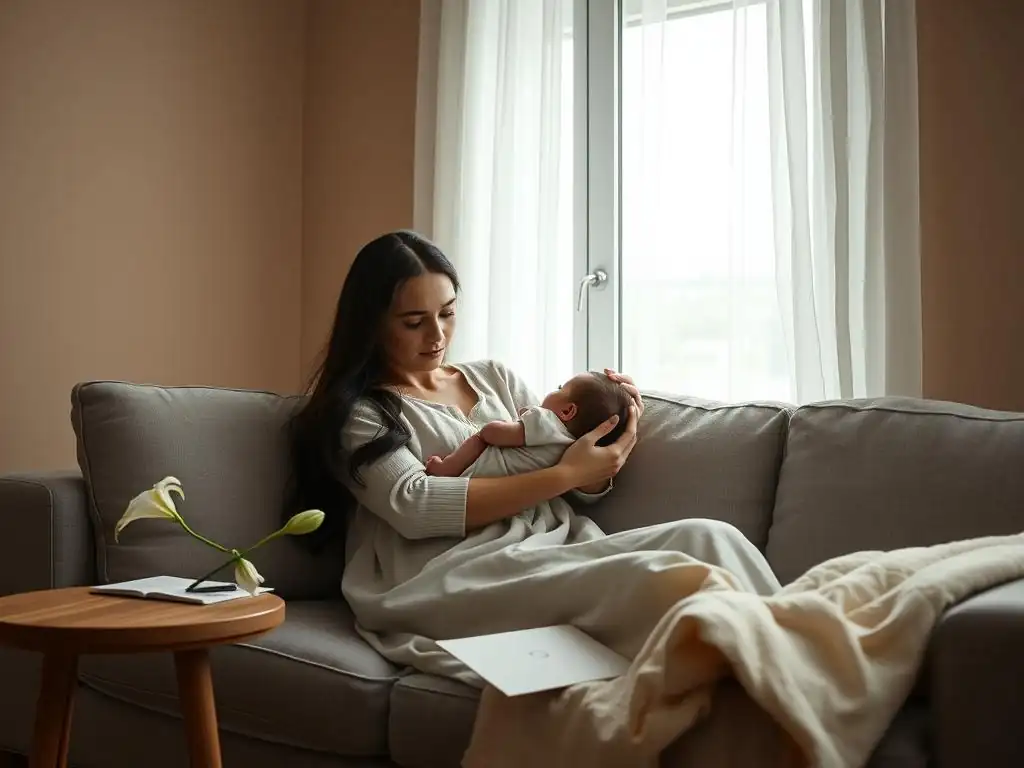
Left unaddressed, postpartum loneliness can have significant and far-reaching negative consequences, impacting not only the mother but also her baby and the entire family unit.
Impact on Maternal Mental Health
Untreated postpartum loneliness significantly worsens maternal mental health outcomes. It is a major factor contributing to the persistence and severity of Postpartum Depression and anxiety disorders. Chronic isolation can lead to a decline in overall well-being, increasing the risk of developing more severe or long-lasting mood disorders. A mother trapped in loneliness may experience heightened levels of stress hormones like cortisol, which can have long-term effects on her physical and mental health.
Studies have shown that mothers reporting high levels of loneliness in the postpartum period are more likely to experience prolonged episodes of depression compared to those with strong social support. This can lead to a decreased quality of life, difficulty functioning in daily roles, and potentially impact her ability to return to work or engage in community life when the time comes. Accessing Postpartum loneliness support resources is crucial for mitigating these negative mental health impacts.
Effects on the Mother-Infant Bond
The mother-infant bond is a crucial developmental relationship, and postpartum loneliness can interfere with its healthy formation. A mother who feels isolated or depressed may struggle to feel emotionally available to her baby. She might find it difficult to interpret the baby's cues, feel less responsive to their needs, or experience a lack of positive feelings towards the infant. This is not a reflection of her love for her child but a symptom of her illness and isolation.
Research indicates that maternal depression and isolation can affect infant development, potentially leading to delays in cognitive, emotional, and social milestones. For example, an infant whose mother is struggling with severe isolation and depression might receive less verbal stimulation or fewer opportunities for positive interaction. While the bond can often be repaired with treatment and support, the initial period is critical, highlighting the importance of addressing loneliness early through Postpartum loneliness support resources.
The Ripple Effect: How Loneliness Affects Family Dynamics
Postpartum loneliness doesn't exist in a vacuum; it sends ripples through the entire family. The partner may feel helpless, confused, or resentful as they witness the mother's withdrawal and struggle to connect with her. Communication can break down, and intimacy may suffer. This strain on the parental relationship can create a tense home environment.
Older siblings may also be affected, potentially receiving less attention or witnessing the mother's emotional distress, which can manifest in their own behavioral changes or anxiety. The overall family atmosphere can become less joyful and more stressful. Addressing the mother's loneliness through Postpartum loneliness support resources is therefore not just about supporting her, but about fostering a healthier environment for the entire family.
Strategies for Overcoming Postpartum Loneliness: A Comprehensive Guide
Overcoming postpartum loneliness requires a multi-faceted approach involving building connections, seeking professional help, and prioritizing self-care. It's a process that takes time and effort, but the benefits for maternal and family well-being are immense.
Building a Support Network
Creating or strengthening a support network is fundamental in combating postpartum isolation. This involves actively seeking out connections with others who understand or can offer practical and emotional assistance. It doesn't mean needing dozens of friends, but rather a few reliable contacts who can provide empathy and help.
Finding Local Mother's Groups and Support Circles
Joining local mother's groups or support circles provides opportunities to connect with other women navigating similar experiences. These groups, often found through community centers, libraries, hospitals, or local parenting organizations, offer a safe space to share challenges, exchange advice, and realize you are not alone. Even attending just one meeting a week can significantly reduce feelings of isolation by providing regular social interaction and validation. Many communities have free or low-cost options available.
Online Communities for New Moms
For mothers who find it difficult to leave the house or prefer connecting from home, online communities can be a vital Postpartum loneliness support resource. Numerous forums, social media groups, and dedicated apps exist where new mothers can connect 24/7. These platforms allow for sharing experiences, asking questions, and receiving encouragement from peers who understand the unique challenges of the postpartum period. While not a replacement for in-person contact, they offer accessibility and a sense of belonging, especially during late-night feedings or isolated moments.
Reaching Out to Friends and Family
Reconnecting with pre-baby friends and family members is essential, though it may require vulnerability. Letting trusted individuals know you are struggling and need support is a brave step. This might involve asking for specific help, such as bringing over a meal, watching the baby while you rest, or simply coming over for a chat. Even short, regular phone calls or video chats can help maintain connections and combat feelings of being forgotten. It's important to communicate your needs clearly, as loved ones may want to help but not know how.
Seeking Professional Help
When loneliness is intertwined with symptoms of PPD, professional help is often necessary. Mental health professionals can provide diagnosis, treatment, and coping strategies tailored to your specific situation. Seeking help is a sign of strength, not failure.
Therapy and Counseling Options
Therapy, particularly cognitive-behavioral therapy (CBT) or interpersonal therapy (IPT), has proven effective in treating PPD and the associated feelings of isolation. A therapist can help you identify negative thought patterns contributing to loneliness, develop coping mechanisms, and work on improving communication skills. Counseling provides a confidential space to process the complex emotions of the postpartum period and develop strategies for building connections and managing stress. Many therapists specialize in perinatal mental health.
Medication for Postpartum Depression
In some cases, antidepressant medication may be recommended to treat the underlying PPD, which in turn can alleviate symptoms like low mood, fatigue, and lack of motivation that contribute to isolation. Medications like SSRIs are often prescribed and can be safe for breastfeeding mothers under medical supervision. Medication can help stabilize mood and increase energy levels, making it easier for a mother to engage in social activities and utilize other Postpartum loneliness support resources. This is a decision made in consultation with a healthcare provider.
Postpartum Depression Support Groups
Beyond peer-led groups, professionally-facilitated PPD support groups offer therapeutic benefits. These groups combine peer support with guidance from a mental health professional. They provide education about PPD, teach coping skills, and offer a structured environment for sharing experiences with others who are also receiving professional treatment. This combination of peer connection and expert guidance can be a powerful tool in overcoming both depression and isolation.
Self-Care Strategies
While it might seem impossible with a newborn, prioritizing self-care is crucial for emotional well-being and combating loneliness. Even small acts can make a difference.
Prioritizing Rest and Relaxation
Sleep deprivation significantly worsens mood and resilience. While getting a full night's sleep may be unrealistic initially, prioritizing rest means taking naps when the baby sleeps, accepting help with night feedings if possible, and adjusting expectations about household chores. Relaxation techniques like deep breathing or listening to calming music for a few minutes a day can also help manage stress and improve your capacity to engage with others.
Engaging in Enjoyable Activities
Making time for activities you once enjoyed, even for brief periods, can help reconnect you with your sense of self and provide a much-needed break from the demands of caregiving. This could be reading a book, listening to a podcast, taking a short walk outside, or engaging in a hobby. Reintroducing enjoyable activities, even simple ones, can boost mood and reduce the feeling that your identity has been completely subsumed by motherhood.
Practicing Mindfulness and Self-Compassion
Mindfulness involves paying attention to the present moment without judgment, which can help anchor you when feeling overwhelmed or isolated. Simple mindfulness exercises, like focusing on your breath for a few minutes, can be done anywhere. Equally important is practicing self-compassion – treating yourself with the same kindness and understanding you would offer a friend. Acknowledge that the postpartum period is challenging, that you are doing your best, and that it's okay to struggle and to seek Postpartum loneliness support resources.
Postpartum Loneliness Support Resources

Accessing dedicated Postpartum loneliness support resources is a critical step for new mothers who are struggling. These resources provide information, connection, and professional help specifically geared towards the unique challenges of the postpartum period.
National Organizations Offering Postpartum Support
Several national organizations are dedicated to supporting mothers experiencing PPD and loneliness. These organizations often provide helplines or crisis text lines staffed by trained volunteers or professionals, offering immediate support and a listening ear. They can also serve as valuable hubs of information, directing mothers to local support groups, mental health professionals specializing in perinatal mood disorders, and educational materials.
While specific program availability varies by region, reaching out to a national organization can be a first step towards finding localized Postpartum loneliness support resources and connecting with a wider network of support. They play a vital role in raising awareness and providing access to care.
Creating a Supportive Environment for New Mothers
Combating postpartum loneliness is not solely the responsibility of the new mother. Partners, family, friends, and the wider community all play a crucial role in creating an environment where mothers feel seen, supported, and connected.
How Partners Can Help
Partners are on the front lines of supporting a new mother. Their role extends beyond practical help with the baby and household chores, though these are also vital. Partners can actively combat loneliness by encouraging the mother to talk about her feelings without judgment, validating her struggles, and reminding her that she is not alone.
They can facilitate connections by helping her attend group meetings, arranging visits with friends or family, or simply taking the baby for a walk so she can have a few moments to herself or connect with someone else. Understanding the signs of PPD and loneliness and being proactive in seeking Postpartum loneliness support resources together is also key.
The Role of Family and Friends
Family and friends can provide invaluable support by offering practical help without waiting to be asked – bringing meals, helping with laundry, or running errands. Equally important is offering emotional support: listening without trying to fix everything, expressing empathy, and checking in regularly with genuine concern. Avoid judgmental comments or comparing her experience to others. Simply being present, offering a non-judgmental ear, and encouraging her to connect with other Postpartum loneliness support resources can make a significant difference in breaking through the isolation.
Community Initiatives
Communities can foster supportive environments through various initiatives. This might include establishing local drop-in centers for new mothers, organizing free or low-cost parenting classes that include social time, or creating neighborhood walking groups. Healthcare providers, pediatricians, and obstetricians can play a crucial role by screening for PPD and loneliness and providing referrals to appropriate Postpartum loneliness support resources. Creating a culture where it is acceptable and encouraged for new mothers to ask for and receive help helps dismantle the stigma that often keeps loneliness hidden.
Frequently Asked Questions
How does postpartum loneliness differ from general loneliness?
Postpartum loneliness is specifically tied to the unique challenges and social isolation experienced after childbirth. It's often exacerbated by hormonal changes, sleep deprivation, and the demands of caring for a newborn.
What are some common contributing factors to postpartum loneliness?
Contributing factors include a lack of social support, difficulty connecting with other mothers, feeling overwhelmed by motherhood, and changes in relationships with partners or family members.
What types of support resources are available for postpartum loneliness?
Available resources include online support groups, local parenting groups, counseling services specializing in postpartum mental health, and home visiting programs that provide social and emotional support.
How can I identify if I'm experiencing postpartum loneliness versus just feeling tired?
While fatigue is normal, postpartum loneliness involves a persistent feeling of isolation, sadness, and a lack of connection with others, even when surrounded by people. Intense feelings of emptiness are also indicative.
What are some practical strategies for overcoming postpartum loneliness?
Practical strategies include actively seeking out social connections, joining a new parent group, scheduling regular outings, and communicating openly with your partner or support system about your feelings.
Final Reflection: Finding Light in the Shadow of Postpartum Loneliness
The pervasive silence of postpartum loneliness is not merely a feeling; it's a public health crisis demanding immediate attention. The isolation experienced by so many new mothers, often shrouded in societal expectations of joy and effortless motherhood, is a stark reality that requires a radical shift in understanding and support. This article has explored the multifaceted nature of postpartum loneliness, highlighting its connection to postpartum depression and the crucial need for accessible and effective support resources.
The impact of postpartum loneliness extends far beyond the individual experience; it ripples through families, communities, and ultimately, the societal fabric. It shapes the narratives we tell ourselves about motherhood, influencing how we support (or fail to support) new parents. The silence surrounding this struggle perpetuates a cycle of isolation, making it harder for mothers to seek help. The most common way people give up their power is by thinking they don't have any.
– Alice Walker. This quote rings true for many mothers struggling in silence, believing their feelings are abnormal or insignificant. We must actively challenge this perception and create spaces where vulnerability is met with empathy and action.
Now, consider your own circle. Do you know a new mother? A friend, a family member, a colleague? Reach out. A simple phone call, a listening ear, or even a meal delivered can make a world of difference.
Don't underestimate the power of human connection. Explore the resources mentioned in this article – find a support group, connect with a therapist, or simply offer a helping hand. Let's collectively dismantle the stigma surrounding postpartum loneliness and build a more supportive and compassionate world for new mothers everywhere. Your action, no matter how small, can be a beacon of hope in the darkness.
Unleash Your Support Network: Reclaim Your Postpartum Journey
Thanks for taking the time to explore the often-overlooked challenges of postpartum loneliness. We hope this article shed light on the importance of connection during this transformative period. Now, let's take the next step towards a brighter, more supported future.
- Prioritize one connection: Reach out to just one person today – a friend, family member, or support group – and share how you're feeling. Even a short conversation can make a world of difference.
- Explore local resources: Search online for postpartum support groups or maternal mental health organizations in your area. Many offer invaluable resources and community.
- Share this article: Help others facing similar challenges by sharing this article on your social media or with someone you know who might benefit.
What small step can you take today to foster a stronger sense of connection and well-being?