
Biofeedback for Mental Wellness: Training Your Brain with RealTime Data


Welcome to Mind Care Guide, your sanctuary for nurturing mental well-being.
Feeling overwhelmed by anxiety? Imagine being able to directly influence your body's response to stress, gaining control over those racing thoughts and physical symptoms. This is the promise of biofeedback, and in this article, we delve into how biofeedback can reduce anxiety symptoms, offering a powerful, science-backed tool for a calmer, more centered you. Ready to explore how you can train your brain with real-time data? Let's begin.
Biofeedback for Mental Wellness: Training Your Brain with RealTime Data
- Understanding Biofeedback and Mental Health
- Biofeedback to Reduce Anxiety Symptoms: A Practical Approach
- Benefits of Biofeedback for Mental Wellness
- Types of Biofeedback Techniques for Mental Well-being
- Getting Started with Biofeedback Therapy
- Biofeedback vs. Other Mental Wellness Practices
- Biofeedback for Specific Mental Health Conditions
- Optimizing Your Biofeedback Treatment
- The Future of Biofeedback in Mental Health Care
-
Frequently Asked Questions
- What exactly is biofeedback, and how does it work in relation to mental wellness?
- How can biofeedback specifically help reduce anxiety symptoms?
- What are some different types of biofeedback, and which one is most suitable for anxiety?
- Is biofeedback a replacement for traditional mental health treatments like therapy or medication?
- How long does it typically take to see results from biofeedback training for anxiety relief?
- Final Reflection: Harnessing the Power Within: Biofeedback and Anxiety
- Unlock Your Inner Calm: Start Your Biofeedback Journey Today!
Understanding Biofeedback and Mental Health
What is Biofeedback and How Does it Work?
Biofeedback is a mind-body technique that involves using sensors to monitor physiological signals from the body, such as heart rate, breathing, muscle tension, and brainwave activity. This real-time data is then displayed to the individual, often on a computer screen, allowing them to observe bodily functions they are typically unaware of. The core principle is to gain conscious control over these involuntary processes.
For example, someone might see their heart rate spike when thinking about a stressful event and then learn techniques, guided by a therapist, to consciously lower it by altering their breathing pattern. This immediate feedback loop empowers individuals to understand the connection between their thoughts, emotions, and physical responses.
The process generally involves attaching sensors to the body, which are connected to monitoring equipment. This equipment translates the physiological signals into visual or auditory cues that the person can easily interpret. A common setup might show a graph of heart rate or a visual display that changes color or size based on muscle tension levels.
Through guided practice and various relaxation or cognitive techniques, individuals learn to influence these physiological responses. The therapist provides instructions and encouragement, helping the person identify which strategies are effective in changing their body's signals in a desired direction, ultimately aiming to gain voluntary control over what was previously an automatic response.
The Neuroscience Behind Biofeedback: Brain Plasticity and Self-Regulation
The effectiveness of biofeedback is deeply rooted in the concept of brain plasticity, the brain's remarkable ability to change and adapt throughout life. When a person receives real-time feedback on their physiological state – for instance, seeing their brainwave activity or skin conductance – they are, in effect, observing the output of their nervous system. By consciously attempting to alter these signals through specific techniques, they are engaging neural pathways.
Repeated practice strengthens the connections associated with these new, desired responses, literally rewiring the brain to favor calmer or more regulated states. This process is a form of operative conditioning applied to internal states, where the feedback acts as a reward signal for successful self-regulation attempts.
Self-regulation, the ability to manage one's emotions, thoughts, and behaviors, is a key area where biofeedback makes a significant impact. Conditions like anxiety often involve dysregulation of the autonomic nervous system, leading to symptoms like rapid heart rate, shallow breathing, and muscle tension. Biofeedback provides a tangible way to train the brain and body to return to a more balanced state.
For example, neurofeedback, a type of biofeedback focusing on brainwaves, can help individuals learn to increase alpha waves (associated with relaxation) or decrease high-beta waves (associated with anxiety and overthinking). Studies, such as those published in journals like Applied Psychophysiology and Biofeedback, have shown that training with biofeedback can lead to measurable changes in brain activity and physiological responses, supporting the idea that deliberate practice can enhance self-regulatory capacity via neuroplastic changes.
Biofeedback's Role in Mind Care and Mental Well-being
Biofeedback serves as a valuable tool within a comprehensive approach to mind care and mental well-being. It offers a unique, data-driven method for individuals to become more aware of their body's reactions to stress, emotions, and thoughts. This increased somatic awareness is a foundational step in managing many mental health challenges.
Unlike therapies that rely solely on cognitive or emotional processing, biofeedback directly addresses the physiological manifestations of distress, providing a concrete pathway to influence them. It empowers individuals by giving them a sense of agency over their own bodily responses, which can be particularly helpful for those who feel overwhelmed by their symptoms.
Integrating biofeedback into mental wellness practices can enhance the effectiveness of other therapeutic modalities. For instance, combining biofeedback with talk therapy can help individuals not only understand the roots of their anxiety but also learn practical, physiological techniques to manage it in the moment. It provides a bridge between the mental and physical aspects of well-being.
For many, the visual or auditory feedback makes the abstract concept of "relaxing" concrete and achievable. While not a standalone cure for all conditions, biofeedback is increasingly recognized by organizations like the Association for Applied Psychophysiology and Biofeedback (AAPB) as an evidence-based practice for conditions including chronic pain, headaches, and crucially, helping Biofeedback reduce anxiety symptoms and improve overall emotional regulation.
Biofeedback to Reduce Anxiety Symptoms: A Practical Approach
How Biofeedback Helps Manage Anxiety Disorders
Anxiety disorders are characterized by excessive worry, fear, and a range of physical symptoms like increased heart rate, rapid breathing, muscle tension, and sweating. Biofeedback directly targets these physiological manifestations. By providing real-time data on these bodily signals, biofeedback helps individuals recognize the physical onset of anxiety and learn techniques to counteract it.
For example, someone prone to panic attacks might use heart rate variability (HRV) biofeedback to see how their heart rate pattern becomes erratic under stress and then practice slow, diaphragmatic breathing to smooth it out. This learned ability to regulate physiological responses can interrupt the feedback loop where physical symptoms exacerbate anxious thoughts, and vice versa.
Through consistent practice, individuals learn to voluntarily lower their heart rate, relax tense muscles, or slow their breathing, even without the biofeedback equipment. This acquired skill provides a sense of control over physical symptoms that previously felt overwhelming and automatic.
For someone with generalized anxiety disorder (GAD), who experiences chronic worry and tension, practicing biofeedback can help them become more aware of their baseline tension levels and learn to lower them throughout the day. Research, including meta-analyses, suggests that biofeedback can be an effective adjunct or standalone treatment for reducing the frequency and intensity of anxiety symptoms, sometimes showing effect sizes comparable to other established therapies for specific physiological targets like muscle tension or heart rate.
Real-Time Data and Anxiety Reduction: The Biofeedback Process
The core of using biofeedback to reduce anxiety symptoms lies in the real-time data provided by the sensors. Imagine someone with social anxiety practicing relaxation techniques while attached to sensors measuring their skin conductance (a proxy for sweating and sympathetic nervous system arousal). As they visualize a challenging social situation, they might see their skin conductance level rise on the screen.
The therapist then guides them through breathing exercises or progressive muscle relaxation. When these techniques start to work, the individual sees the skin conductance level decrease in real-time. This immediate, visual confirmation reinforces the effectiveness of the relaxation strategy.
This process is repeated over multiple sessions, gradually increasing the individual's ability to achieve a relaxed state and maintain it under increasing levels of simulated or real-life stress. The data isn't just for the therapist; it's a learning tool for the client. It demystifies the anxiety response by showing it as a physiological process that can be influenced.
For instance, someone using EMG biofeedback for anxiety-related jaw tension might see their muscle activity drop from 50 microvolts to 10 microvolts as they consciously relax their jaw. This concrete data provides tangible proof of their ability to exert control, building confidence in their capacity to manage their anxiety symptoms outside of the therapy room.
Measuring Physiological Responses for Anxiety Management
Several key physiological responses are measured using biofeedback equipment to help manage anxiety. These include:
- Heart Rate and Heart Rate Variability (HRV): Measuring the speed and pattern of heartbeats. Low HRV is often associated with stress and anxiety; training to increase HRV through paced breathing is a common biofeedback goal to improve resilience and reduce anxiety.
- Electromyography (EMG): Measures muscle tension. Anxiety often manifests as chronic muscle tightness (e.g., neck, shoulders, jaw), contributing to pain and discomfort. EMG biofeedback helps individuals identify tense areas and learn to relax them.
- Skin Conductance (GSR/EDR): Measures the electrical conductivity of the skin, which changes with sweating. Sweat gland activity is controlled by the sympathetic nervous system, which is highly active during anxiety. Monitoring this helps individuals see their arousal levels and learn to lower them.
- Respiration Rate and Pattern: Measuring breathing speed and depth. Rapid, shallow chest breathing is typical of anxiety; biofeedback helps train slow, deep, diaphragmatic breathing.
- Peripheral Skin Temperature: Measures blood flow to the extremities. Stress often causes vasoconstriction and colder hands/feet. Learning to increase peripheral temperature indicates successful relaxation.
By monitoring these specific metrics, biofeedback provides objective evidence of the body's state and the effectiveness of self-regulation techniques. A typical biofeedback session for anxiety might involve tracking 2-3 of these modalities simultaneously. For example, a study might show that after 10 sessions of HRV biofeedback, participants with GAD demonstrated an average increase in HRV of 15% and reported a significant reduction in subjective anxiety scores, like a drop from a mean of 20 on a standard anxiety scale to 12. This data-driven approach makes the process of learning to Biofeedback reduce anxiety symptoms concrete and measurable.
Benefits of Biofeedback for Mental Wellness
Reducing Stress and Promoting Relaxation with Biofeedback
One of the most widely recognized benefits of biofeedback is its effectiveness in reducing stress and promoting deep relaxation. Stress often triggers a cascade of physiological responses – the "fight or flight" response – which, when chronic, can negatively impact both physical and mental health.
Biofeedback provides individuals with the tools and immediate feedback needed to consciously activate the body's relaxation response, often referred to as the "rest and digest" state. By seeing their heart rate slow down, their breathing deepen, or their muscle tension decrease in real-time, people learn what it feels like to be truly relaxed and, crucially, how to get there on command.
This learned ability to enter a state of relaxation is invaluable for managing daily stressors and preventing the accumulation of tension that contributes to mental health issues. Techniques like paced breathing using HRV biofeedback or progressive muscle relaxation guided by EMG feedback become powerful self-management skills. For instance, someone might use a portable biofeedback device for a few minutes during a stressful workday to quickly bring their physiological state back into balance.
This proactive approach to stress management, informed by objective data, can significantly improve overall resilience and contribute to a greater sense of calm and well-being. Studies have shown that regular biofeedback practice can lead to sustained reductions in stress hormone levels, such as cortisol, further highlighting its physiological impact.
Improving Focus and Concentration Through Neurofeedback
Neurofeedback, a specialized type of biofeedback focusing on brainwave activity (measured via electroencephalography, EEG), has shown significant promise in improving focus and concentration, particularly for conditions like Attention-Deficit/Hyperactivity Disorder (ADHD) but also for general cognitive enhancement. The brain produces different types of electrical waves depending on its state: delta (deep sleep), theta (drowsiness, creativity), alpha (relaxed alertness), beta (active thinking, concentration), and gamma (high-level processing). Neurofeedback involves training individuals to regulate specific brainwave patterns associated with desired cognitive states.
For example, individuals struggling with focus might have an excess of slow-wave activity (theta) and insufficient fast-wave activity (beta) in certain brain regions when trying to concentrate. Neurofeedback training involves providing feedback (e.g., a video game that only plays when the desired brainwave pattern is produced) to help them increase beta waves and decrease theta waves in relevant areas.
Over multiple sessions, this training helps the brain learn to maintain a brainwave profile more conducive to sustained attention and reduced distractibility. Research indicates that individuals undergoing neurofeedback for attention issues often report improved academic or work performance and demonstrate measurable improvements on objective attention tests, with some studies showing effects that are durable over time.
Enhancing Emotional Regulation Skills Using Biofeedback Techniques
Emotional regulation, the ability to manage and respond to emotional experiences effectively, is crucial for mental wellness. Difficulty with emotional regulation is a core feature of many mental health conditions, including anxiety disorders, depression, and PTSD. Biofeedback techniques, particularly HRV and skin conductance biofeedback, provide a direct pathway to enhance this skill by linking subjective emotional states to objective physiological data. When someone feels overwhelmed by an emotion like anger or fear, their body responds with physiological changes. Biofeedback helps them become acutely aware of these physical signals as they happen.
By practicing relaxation and self-regulation techniques while observing these physiological markers, individuals learn to prevent the physical escalation that often accompanies intense emotions. For example, using skin conductance feedback, a person can see how their arousal levels spike when discussing a sensitive topic and then practice breathing or grounding techniques to bring those levels down. This process teaches them to intervene early in the emotional response cycle before it becomes overwhelming. Learning to consciously influence physiological states provides individuals with concrete strategies to manage the intensity and duration of difficult emotions, fostering greater emotional resilience and stability.
Types of Biofeedback Techniques for Mental Well-being
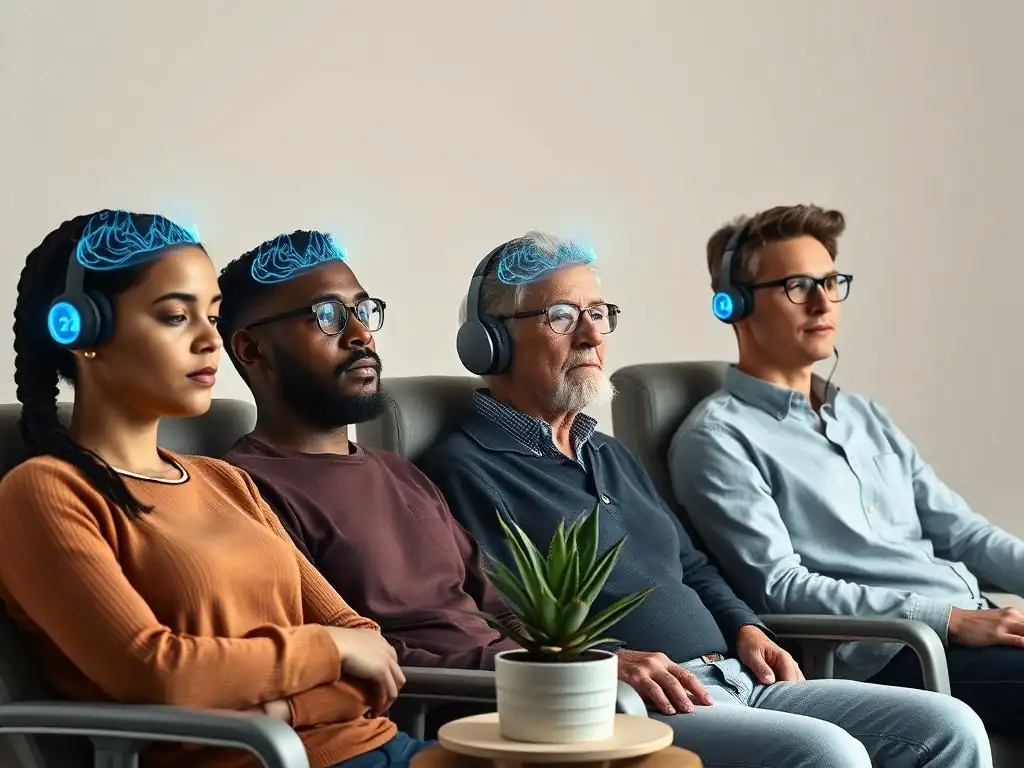
Heart Rate Variability (HRV) Biofeedback for Anxiety and Stress
Heart Rate Variability (HRV) biofeedback is a popular and effective technique for managing anxiety and stress. It focuses on the natural variations in the time interval between successive heartbeats. Contrary to what might seem intuitive, a healthy, well-regulated nervous system exhibits significant variability in heart rate, especially in response to breathing.
High HRV is associated with better emotional regulation, resilience, and a more balanced autonomic nervous system, while low HRV is often linked to stress, anxiety, and various health problems. HRV biofeedback teaches individuals to increase their HRV by practicing slow, deep, and rhythmic breathing, typically at a rate of 5-7 breaths per minute, which synchronizes heart rate with respiration.
During an HRV biofeedback session, a sensor (often clipped to a finger or earlobe) measures heartbeats, and software displays the heart rate pattern and variability in real-time. The visual display might show a wave that becomes smoother and larger as HRV increases, indicating improved coherence between the heart and lungs.
By consciously adjusting their breathing pace and depth to match a guided rhythm, individuals learn to achieve a state of high HRV, often referred to as "coherence." This practice not only promotes immediate relaxation but, with consistent training (e.g., 20 minutes daily over several weeks), can lead to a sustained improvement in baseline HRV and a reduced physiological reactivity to stress, helping Biofeedback reduce anxiety symptoms more effectively in daily life.
Electromyography (EMG) Biofeedback for Muscle Tension Reduction
Electromyography (EMG) biofeedback measures the electrical activity produced by skeletal muscles. It is particularly useful for conditions where muscle tension is a primary symptom, such as tension headaches, chronic pain, teeth grinding (bruxism), and anxiety-related muscle tightness in the neck, shoulders, or back. Sensors (small electrodes) are placed on the skin over the target muscle group. The equipment then translates the electrical signals from the muscles into visual or auditory feedback, such as a bar graph that goes down as tension decreases or a tone that lowers in pitch.
EMG biofeedback helps individuals become aware of muscle tension they might not even realize they are holding. For instance, someone with anxiety might habitually clench their jaw or hunch their shoulders without conscious awareness. By seeing the high EMG readings associated with this tension, they can actively experiment with relaxation techniques, such as progressive muscle relaxation or guided imagery, and receive immediate feedback on their success.
The goal is to learn to voluntarily reduce muscle tension in specific areas and generalize this skill to everyday situations, thereby alleviating physical discomfort and reducing a common physical manifestation of anxiety. Many individuals report a significant decrease in headache frequency or intensity after several sessions of EMG biofeedback focused on head and neck muscles, for example, seeing average EMG readings drop from 30 microvolts to below 10 microvolts in target areas.
Neurofeedback (EEG Biofeedback) for Brainwave Optimization
Neurofeedback, also known as EEG biofeedback, is a technique used to train individuals to alter their brainwave activity. It's based on the principle that specific brainwave patterns (delta, theta, alpha, beta, gamma) are associated with different states of consciousness and cognitive function. Sensors are placed on the scalp to measure electrical activity in specific brain regions. This activity is then translated into feedback, often presented in the form of a video game, movie, or sound, which only progresses or plays smoothly when the desired brainwave pattern is produced.
For example, someone working on focus might be trained to increase beta waves (associated with concentration) and decrease theta waves (associated with daydreaming) in the frontal lobes. If their brain produces too many theta waves, the video might pause or dim. If they produce more beta waves, it might brighten or the game progresses.
This provides the brain with immediate feedback on its activity, allowing it to learn to regulate its own patterns. Neurofeedback is used for a variety of conditions, including ADHD, anxiety, depression, sleep disorders, and peak performance training. While the number of sessions required can vary significantly (often ranging from 20 to 60 sessions), studies have shown that neurofeedback can lead to lasting changes in brain activity patterns, helping individuals achieve more optimal states for focus, calm, or sleep.
Skin Conductance (GSR) Biofeedback for Emotional Awareness
Skin Conductance, or Galvanic Skin Response (GSR), biofeedback measures changes in the electrical conductivity of the skin. This is directly related to the activity of sweat glands, which are controlled by the sympathetic nervous system – the part of the nervous system responsible for the "fight or flight" response.
Even slight changes in emotional state or arousal can trigger changes in sweat gland activity, making skin conductance a sensitive indicator of stress, anxiety, and emotional reactivity. A sensor is typically attached to a finger or wrist, and the feedback displays fluctuations in conductivity, often shown as a rising or falling line or numerical value.
GSR biofeedback is particularly useful for increasing awareness of one's physiological arousal levels in response to different thoughts, feelings, or situations. By seeing their skin conductance spike when discussing a stressful topic or engaging in an anxiety-provoking visualization, individuals gain insight into their body's automatic stress response.
They can then practice relaxation techniques, such as deep breathing or mindfulness, and observe in real-time how these strategies help bring their arousal levels down. This technique helps individuals learn to recognize the early signs of stress or anxiety in their body and develop the ability to regulate their physiological arousal, promoting greater emotional stability and helping Biofeedback reduce anxiety symptoms by preventing escalation.
Getting Started with Biofeedback Therapy
Finding a Qualified Biofeedback Therapist
Finding a qualified biofeedback therapist is a crucial first step to ensure effective and safe treatment. Biofeedback requires specialized training to correctly interpret physiological data, select appropriate protocols for specific conditions, and guide clients in learning self-regulation techniques. Look for practitioners who are certified by recognized bodies, such as the Biofeedback Certification International Alliance (BCIA). BCIA certification indicates that a therapist has met rigorous education, experience, and ethical standards in biofeedback or neurofeedback.
When searching for a therapist, consider their background and experience with your specific concerns, such as anxiety, stress, or attention issues. Many qualified practitioners are licensed mental health professionals (psychologists, counselors, social workers), physical therapists, or medical doctors who have pursued additional certification in biofeedback. You can often find directories of certified practitioners on the websites of organizations like BCIA or the AAPB.
Don't hesitate to ask about their training, experience with your condition, the types of biofeedback equipment they use, and what a typical treatment plan might involve. A good therapist will be able to explain the process clearly and answer your questions.
What to Expect During a Biofeedback Session
A typical biofeedback session usually lasts between 30 to 60 minutes. During the initial session, the therapist will conduct an assessment, discussing your symptoms, medical history, and goals for therapy. They will explain the biofeedback process and attach sensors to different parts of your body depending on the type of biofeedback being used (e.g., electrodes on the scalp for neurofeedback, sensors on fingers for HRV or skin conductance, electrodes on muscles for EMG). These sensors are non-invasive and painless.
Once the sensors are attached, you will be asked to sit or lie comfortably while your physiological data is displayed on a screen. The therapist will guide you through various techniques, such as breathing exercises, progressive muscle relaxation, or guided imagery, while you observe how these techniques influence your physiological signals in real-time. For example, you might see your heart rate pattern become smoother as you breathe slowly, or your muscle tension level decrease as you relax a specific muscle group.
The therapist provides feedback and coaching, helping you identify which strategies are most effective for you. Sessions are interactive and focused on teaching you the skills to eventually achieve these changes independently. The number of sessions needed varies widely depending on the condition and individual, often ranging from 8 to 20 or more for conditions like chronic anxiety or ADHD.
Biofeedback at Home: Tools and Resources
While biofeedback therapy is typically conducted in a clinic setting with a trained therapist, there are increasingly available tools and resources that allow individuals to practice biofeedback techniques at home. These range from simple, portable devices that measure a single physiological signal like HRV or skin conductance to more complex systems that connect to a computer or smartphone app. Home practice is often recommended as an adjunct to in-clinic sessions to reinforce learned skills and accelerate progress.
Consumer-grade biofeedback devices vary in sophistication and accuracy. Some focus solely on providing feedback for breathing or heart rate coherence, while others offer basic EMG or skin conductance monitoring. Many are paired with apps that provide guided exercises, track progress over time, and offer visual or auditory feedback similar to clinical systems.
While these home tools can be valuable for practice and self-management, they are generally not a substitute for initial assessment, protocol development, and training with a qualified biofeedback therapist, especially for complex conditions. However, consistent home practice, even with simpler devices, can significantly enhance the ability of Biofeedback reduce anxiety symptoms and stress responses learned in therapy. It's important to research device reliability and consider starting with guidance from a therapist on suitable home practice tools.
Biofeedback vs. Other Mental Wellness Practices
Biofeedback Compared to Cognitive Behavioral Therapy (CBT)
Cognitive Behavioral Therapy (CBT) is a widely used psychotherapy that focuses on identifying and changing negative thought patterns and behaviors that contribute to mental health issues like anxiety and depression. CBT is highly effective and evidence-based, and it primarily operates at the cognitive and behavioral levels. It teaches skills like cognitive restructuring (challenging unhelpful thoughts) and behavioral activation (engaging in positive activities). Biofeedback, on the other hand, directly targets the physiological manifestations of stress and anxiety, operating at the mind-body interface.
While different, CBT and biofeedback can be highly complementary. CBT helps individuals understand the psychological triggers and thought patterns associated with their anxiety, while biofeedback provides a concrete method to manage the physical symptoms that often accompany those thoughts and situations. For instance, someone might learn in CBT that public speaking triggers their fear of judgment, leading to anxious thoughts.
Biofeedback can then teach them how to manage the rapid heart rate and shallow breathing that arise in that situation. Some therapists integrate both approaches, using biofeedback to enhance the body awareness needed for certain CBT techniques or using CBT principles to help clients understand the connection between their thoughts and the physiological data they see in biofeedback. Studies have explored the combined effectiveness, suggesting that for some individuals, the synergy can lead to more comprehensive symptom reduction than either therapy alone.
Biofeedback and Mindfulness: Complementary Approaches to Mental Health
Mindfulness is the practice of paying attention to the present moment without judgment. It involves cultivating awareness of one's thoughts, feelings, bodily sensations, and external environment. Mindfulness practices, such as meditation and mindful breathing, are also effective tools for stress reduction and emotional regulation. Both biofeedback and mindfulness emphasize increased self-awareness, particularly awareness of bodily states. However, they approach this awareness from different angles.
Mindfulness cultivates a non-judgmental acceptance of present experience, including uncomfortable physical sensations associated with anxiety. It teaches individuals to observe these sensations without reacting to them. Biofeedback, conversely, provides objective data on these sensations and teaches individuals to actively change them using specific techniques. For example, mindfulness might involve observing a racing heart with acceptance, while HRV biofeedback would teach techniques to slow the heart rate down.
Many find that combining mindfulness with biofeedback enhances both practices. Mindfulness can improve the body awareness needed to effectively use biofeedback, while biofeedback can provide tangible proof of the physiological shifts that mindfulness practices can induce, reinforcing the benefits and encouraging continued practice. Both are valuable tools in a holistic mental wellness plan.
Integrating Biofeedback into a Holistic Mental Wellness Plan
Integrating biofeedback into a broader, holistic mental wellness plan involves viewing it as one component among several strategies aimed at improving overall well-being. A holistic plan might include regular therapy (like CBT or other talk therapies), mindfulness or meditation, exercise, proper nutrition, adequate sleep, and social support. Biofeedback fits into this framework by providing a unique, data-driven method for enhancing self-regulation skills at the physiological level.
For someone managing chronic anxiety, a holistic plan might involve:
- Weekly therapy sessions to process emotional triggers.
- Daily mindfulness meditation to cultivate present-moment awareness.
- Regular exercise to release tension and improve mood.
- Nutritional adjustments to support brain health.
- Biofeedback sessions (in-clinic and/or home practice) to specifically target and reduce physiological anxiety responses like rapid heart rate or muscle tension.
By combining these approaches, individuals address their mental health challenges from multiple angles – psychological, behavioral, physiological, and lifestyle. Biofeedback provides a concrete, measurable way to track progress in managing the body's stress response, complementing the insights gained from therapy and the overall health benefits from lifestyle changes. This integrated approach offers a robust foundation for long-term mental wellness and resilience.
Biofeedback for Specific Mental Health Conditions
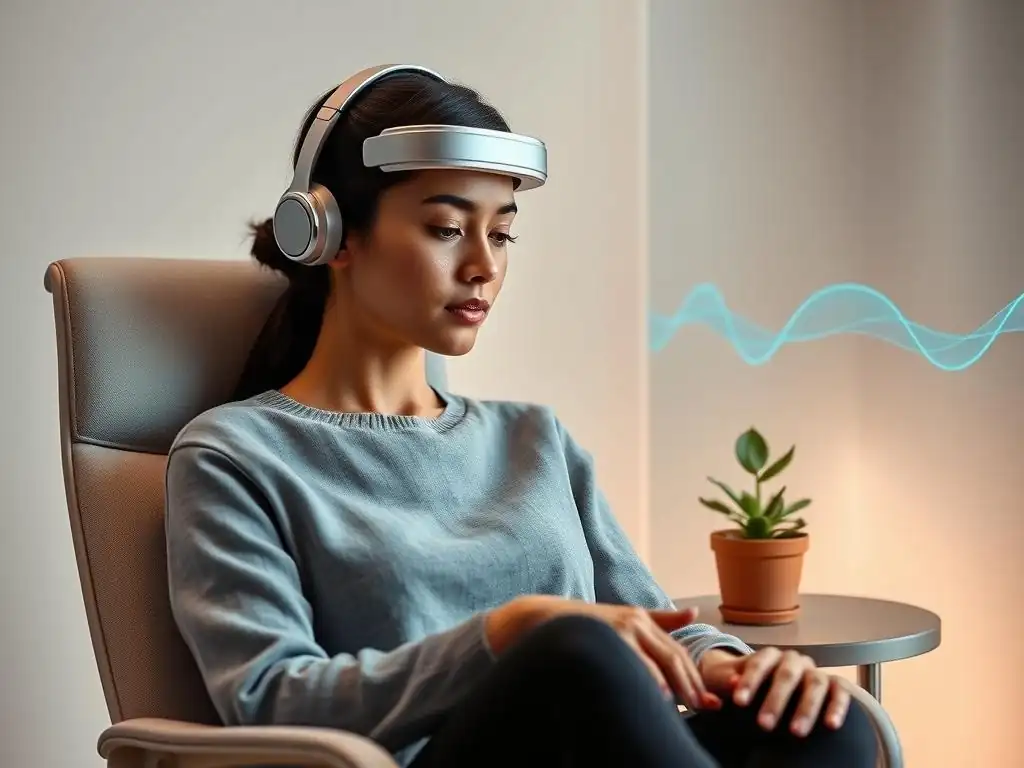
Biofeedback for Panic Disorder: Managing Panic Attacks
Panic disorder is characterized by recurrent, unexpected panic attacks, which are sudden episodes of intense fear accompanied by severe physical symptoms like chest pain, palpitations, shortness of breath, dizziness, and a fear of losing control or dying. These physical symptoms are largely driven by the activation of the sympathetic nervous system. Biofeedback is highly relevant for panic disorder because it directly addresses these physiological symptoms.
Specifically, HRV biofeedback and respiration biofeedback are often used. Individuals learn to recognize the early physiological signs of an impending panic attack (e.g., subtle changes in breathing or heart rate) and use learned techniques like paced breathing to prevent the escalation of symptoms. By practicing in a controlled environment, they gain confidence in their ability to influence these bodily responses.
For instance, a study might show that individuals with panic disorder who completed 12 sessions of respiration biofeedback reported a 50% reduction in panic attack frequency and a significant decrease in the intensity of physical symptoms during attacks, compared to a control group. Biofeedback empowers individuals by giving them a sense of control over the terrifying physical sensations that define panic attacks, making it a valuable tool in their management.
Biofeedback for Generalized Anxiety Disorder (GAD)
Generalized Anxiety Disorder (GAD) involves chronic, excessive worry about a variety of issues, often accompanied by physical symptoms such as restlessness, fatigue, difficulty concentrating, irritability, muscle tension, and sleep disturbances. Unlike panic disorder, which focuses on acute episodes, GAD involves a persistent state of heightened arousal and tension. Biofeedback techniques, particularly EMG and HRV biofeedback, can be very helpful in managing the chronic physical symptoms associated with GAD.
EMG biofeedback helps individuals with GAD become aware of and reduce their habitual muscle tension, alleviating related discomfort like headaches or back pain. HRV biofeedback helps train a more balanced autonomic nervous system state, reducing the underlying physiological reactivity that contributes to chronic worry and restlessness. By practicing techniques to increase HRV and lower muscle tension daily, individuals can lower their overall baseline level of physiological arousal.
This can make it easier to manage anxious thoughts and reduce the intensity of physical symptoms. Research indicates that biofeedback, often used in conjunction with CBT or medication, can lead to significant reductions in GAD symptom severity, with individuals reporting improved relaxation and decreased subjective feelings of worry and tension after a course of treatment.
Biofeedback for PTSD: Regulating Trauma Responses
Post-Traumatic Stress Disorder (PTSD) can result from experiencing or witnessing a traumatic event. Symptoms include re-experiencing the trauma (e.g., flashbacks, nightmares), avoidance, negative changes in thoughts and mood, and hyperarousal. The hyperarousal symptoms, such as being easily startled, feeling on edge, difficulty sleeping, and irritability, are closely linked to dysregulation of the autonomic nervous system. Biofeedback techniques offer a way to help individuals with PTSD regain a sense of control over their physiological responses and reduce hyperarousal.
HRV biofeedback is particularly useful for PTSD, as trauma often leads to a reduced ability to regulate the fight-or-flight response and lower HRV. Training to increase HRV helps build resilience and promotes a more balanced nervous system state. Neurofeedback can also be used to address specific brainwave patterns associated with hypervigilance or emotional dysregulation in PTSD.
By learning to manage their physiological reactivity, individuals with PTSD can experience a reduction in hyperarousal symptoms, feel safer in their bodies, and become better able to engage in trauma-focused therapies without being overwhelmed by physical sensations. While biofeedback is typically used as an adjunct therapy for PTSD, studies have shown that it can significantly reduce symptoms like hyperarousal and intrusive thoughts in some individuals.
Biofeedback for Depression: Promoting Mood Regulation
While biofeedback is perhaps most commonly associated with anxiety and stress, certain techniques can also be beneficial for individuals experiencing depression, particularly when physical symptoms like low energy, fatigue, and difficulty concentrating are present, or when depression co-occurs with anxiety. Depression is often associated with altered physiological states, including changes in brainwave activity and autonomic nervous system function.
Neurofeedback, targeting specific brainwave patterns (e.g., increasing alpha waves in certain areas), has been explored as a way to improve mood and increase energy levels in individuals with depression. HRV biofeedback can also be helpful, as low HRV is sometimes observed in depression and training to increase it can improve overall physiological balance and resilience, which may indirectly support mood regulation.
Furthermore, by helping individuals gain a sense of control over their bodily states, biofeedback can combat feelings of helplessness that are common in depression. While less extensively researched for depression compared to anxiety, preliminary studies and clinical observations suggest that biofeedback can be a valuable adjunctive tool, particularly for addressing the physiological components and improving self-efficacy in managing symptoms.
Optimizing Your Biofeedback Treatment
Setting Realistic Goals for Biofeedback Therapy
Setting realistic and measurable goals is essential for a successful biofeedback experience. Biofeedback is a learning process, and like learning any new skill, it requires time, practice, and patience. Goals should be specific, achievable, relevant, and time-bound. Instead of a vague goal like "feel less anxious," a more realistic goal might be "learn to consistently lower my heart rate by 10 beats per minute during a stressful visualization within 8 sessions" or "reduce daily average muscle tension in my neck by 5 microvolts over 12 weeks of home practice."
Working with your biofeedback therapist to define these goals is crucial. They can help you understand what physiological changes are realistically achievable based on your condition and baseline measurements. Goals should also focus on process and skill acquisition (e.g., mastering a breathing technique) as much as outcome (e.g., reducing symptom frequency). Recognizing that progress may be gradual and vary from session to session helps manage expectations and prevents discouragement. Celebrating small victories, such as successfully achieving a target heart rate zone for a few minutes, reinforces motivation and builds confidence in the learning process.
Tracking Your Progress and Measuring Success with Biofeedback
Tracking progress is an inherent part of biofeedback, as the technology itself provides objective data on physiological changes. During sessions, therapists typically record data on the targeted metrics (e.g., average heart rate, peak HRV, muscle tension levels) and track trends over time. This allows both the therapist and the client to see quantitative evidence of improvement. For example, a chart might show a steady decrease in average EMG readings in the shoulder muscles across 10 sessions or a consistent increase in the percentage of time spent in an optimal HRV coherence zone.
Beyond the physiological data, success is also measured by the reduction in subjective symptoms and improved functioning in daily life. Therapists often use standardized questionnaires (like the Beck Anxiety Inventory or the GAD-7) administered periodically to track changes in reported symptom severity.
Keeping a personal journal to note experiences outside of sessions – such as how often you felt anxious, the intensity of physical symptoms, and how effectively you were able to use learned techniques – can provide valuable qualitative data. Combining objective physiological data with subjective reports offers a comprehensive picture of progress and helps demonstrate how learning to Biofeedback reduce anxiety symptoms physiologically translates into real-world improvements in well-being.
Maintaining Long-Term Mental Wellness with Biofeedback
The ultimate goal of biofeedback therapy is not just to achieve physiological changes during sessions but to empower individuals to apply these learned self-regulation skills in their daily lives for long-term mental wellness. Biofeedback is a skill, and like any skill, it requires practice to maintain proficiency. After completing a course of in-clinic sessions, many individuals benefit from continuing home practice using personal biofeedback devices or simply by consciously applying the learned techniques (e.g., paced breathing, muscle relaxation) without the equipment.
Integrating biofeedback techniques into daily routines – perhaps practicing paced breathing during a commute or using a quick muscle scan before a stressful meeting – helps reinforce the neural pathways associated with these calming responses. Regular check-ins with a therapist, even on a less frequent basis, can also be helpful for troubleshooting challenges or refining techniques. By incorporating biofeedback skills into their ongoing self-care routine, individuals maintain and enhance their ability to manage stress, regulate emotions, and reduce the physiological impact of anxiety, contributing to sustained mental well-being long after formal therapy has ended.
The Future of Biofeedback in Mental Health Care
Emerging Technologies in Biofeedback
The field of biofeedback is continuously evolving, driven by advancements in technology. Emerging technologies are making biofeedback more accessible, user-friendly, and integrated into daily life. Wearable sensors, such as smartwatches and rings, are starting to incorporate basic biofeedback capabilities, like continuous HRV monitoring and guided breathing exercises based on real-time data. While these consumer devices may not offer the clinical precision of professional equipment, they provide convenient tools for daily practice and self-monitoring.
Advances in software are also creating more engaging and sophisticated feedback mechanisms, including immersive virtual reality (VR) environments. Imagine practicing stress reduction in a calming virtual world that responds directly to your physiological state – a serene garden might bloom as your HRV increases or a stormy sea calms as your muscle tension decreases. Mobile apps are making it easier to track progress, access guided sessions, and integrate biofeedback data with other health metrics.
Furthermore, research is exploring the use of machine learning and artificial intelligence to analyze biofeedback data, potentially offering more personalized insights and training protocols in the future. These technological developments promise to expand the reach and effectiveness of biofeedback for mental wellness.
The Growing Role of Biofeedback in Personalized Mental Healthcare
Personalized medicine is a significant trend in healthcare, and biofeedback is well-positioned to play a growing role in personalized mental healthcare. Every individual's physiological response to stress and anxiety is unique, and biofeedback provides objective data that can be used to tailor treatment protocols precisely to a person's specific needs and responses. Instead of a one-size-fits-all approach, biofeedback allows therapists to identify which physiological systems are most dysregulated (e.g., primarily muscle tension vs. primarily heart rate) and design training protocols targeting those specific areas.
For example, someone whose anxiety manifests primarily as muscle tension might benefit most from intensive EMG biofeedback, while someone else experiencing panic attacks might focus heavily on HRV and respiration biofeedback. Neurofeedback protocols can also be personalized based on individual brain mapping (QEEG) results. As technology improves, the ability to collect and analyze more nuanced physiological data will enhance the capacity for highly individualized biofeedback interventions. This personalized approach, guided by objective data, is likely to increase the efficacy of biofeedback and make it a more integral part of tailored mental health treatment plans.
Biofeedback and the Future of Brain Plasticity Research
Biofeedback, particularly neurofeedback, is not only a therapeutic tool but also a valuable method for studying brain plasticity. By providing individuals with the means to consciously influence their brainwave activity and other physiological processes, researchers can gain deeper insights into how the brain changes in response to targeted training. Studies using neurofeedback are helping to map the neural circuits involved in self-regulation, attention, emotional control, and other cognitive functions.
Future research in biofeedback, potentially integrated with advanced neuroimaging techniques like fMRI or fNIRS, could further illuminate the specific brain changes that occur as individuals learn to modulate their physiological states. This could lead to a better understanding of the mechanisms underlying conditions like anxiety, depression, and ADHD, and inform the development of even more effective biofeedback protocols and other neuro-therapies. As our understanding of brain plasticity grows, biofeedback will likely remain a key tool for both therapeutic intervention and scientific exploration into the brain's remarkable capacity for change and self-optimization.
Frequently Asked Questions
What exactly is biofeedback, and how does it work in relation to mental wellness?
Biofeedback is a technique that helps you gain voluntary control over bodily functions, such as heart rate and muscle tension. It uses real-time monitoring to provide feedback, allowing you to learn to regulate these functions, which can significantly impact mental well-being.
How can biofeedback specifically help reduce anxiety symptoms?
Biofeedback helps reduce anxiety symptoms by teaching you to become aware of and control physiological responses associated with anxiety, like rapid breathing or increased heart rate. By learning to regulate these responses, you can reduce the intensity and frequency of anxiety episodes.
What are some different types of biofeedback, and which one is most suitable for anxiety?
Common types include heart rate variability (HRV), electroencephalography (EEG), and electromyography (EMG). HRV biofeedback is often considered particularly suitable for anxiety as it focuses on regulating the heart's rhythm and promoting relaxation.
Is biofeedback a replacement for traditional mental health treatments like therapy or medication?
No, biofeedback is generally considered a complementary therapy, not a replacement. It can be used alongside traditional treatments like therapy or medication to enhance their effectiveness in managing mental health challenges.
How long does it typically take to see results from biofeedback training for anxiety relief?
The time it takes to see results varies, but many people experience noticeable improvements in anxiety symptoms within a few weeks of consistent biofeedback training. Regular practice and commitment are key to achieving optimal outcomes.
Final Reflection: Harnessing the Power Within: Biofeedback and Anxiety
The ability to self-regulate our physiological responses, once considered a mystical pursuit, is now a tangible reality thanks to biofeedback. This technology offers a powerful, accessible pathway to alleviate anxiety symptoms, empowering individuals to take control of their mental wellbeing in a way that was previously unimaginable. The increasing prevalence of anxiety disorders in our modern world makes this accessible self-help tool more crucial than ever.
Biofeedback's impact extends far beyond simply reducing anxiety symptoms; it represents a paradigm shift in how we understand and interact with our minds and bodies. It challenges the passive role often assigned to individuals struggling with mental health issues, instead promoting active participation in the healing process. This resonates deeply with my own experience witnessing the transformative power of this technology. The mind is its own place, and in itself can make a Heaven of Hell, a Hell of Heaven.
- John Milton. This quote highlights the inherent power we possess to shape our internal experience, a power biofeedback helps us to consciously harness.
Consider the potential within your reach. You are not merely a passive recipient of anxiety's effects; you are an active participant in shaping your response. By learning to recognize and modulate your physiological signals, you can cultivate a deeper understanding of your own body and mind, building resilience and fostering a sense of agency over your mental wellbeing. Explore the possibilities of biofeedback; it's a journey of self-discovery and empowerment waiting to begin.
Unlock Your Inner Calm: Start Your Biofeedback Journey Today!
Thanks for taking the time to explore the world of biofeedback and its incredible potential for mental wellness! We hope you found the information insightful and empowering. Now it's time to put that knowledge into action.
Here's how you can begin your transformative journey:
- Begin your personalized biofeedback practice: Identify a local practitioner or explore online resources to discover the right biofeedback method for you. This is your first, crucial step to gaining control over your mental state.
- Share your newfound knowledge: Discuss the benefits of biofeedback with friends or family who might benefit from this incredible self-help technique. Let’s spread awareness!
- Explore different biofeedback techniques: Experiment with various methods to find what resonates best with you and fits seamlessly into your lifestyle. There are many ways to harness the power of your mind!
Ready to embark on a path to greater mental clarity and resilience? What specific biofeedback technique are you most excited to try?