
Brain Training for Adults: How Neurofeedback Benefits Mental Aging

Welcome to Mind Care Guide, your trusted companion on the journey to mental well-being.
Feeling the subtle shift as time marches on? Delve into the fascinating world of neurofeedback and its potential to reshape your mental aging process. Our latest article, "Brain Training for Adults: How Neurofeedback Benefits Mental Aging," explores groundbreaking research and practical applications. Curious to know if neurofeedback can help you sharpen your mind and maintain cognitive vitality? Let's explore the possibilities together...
What is Neurofeedback? A Simple Explanation
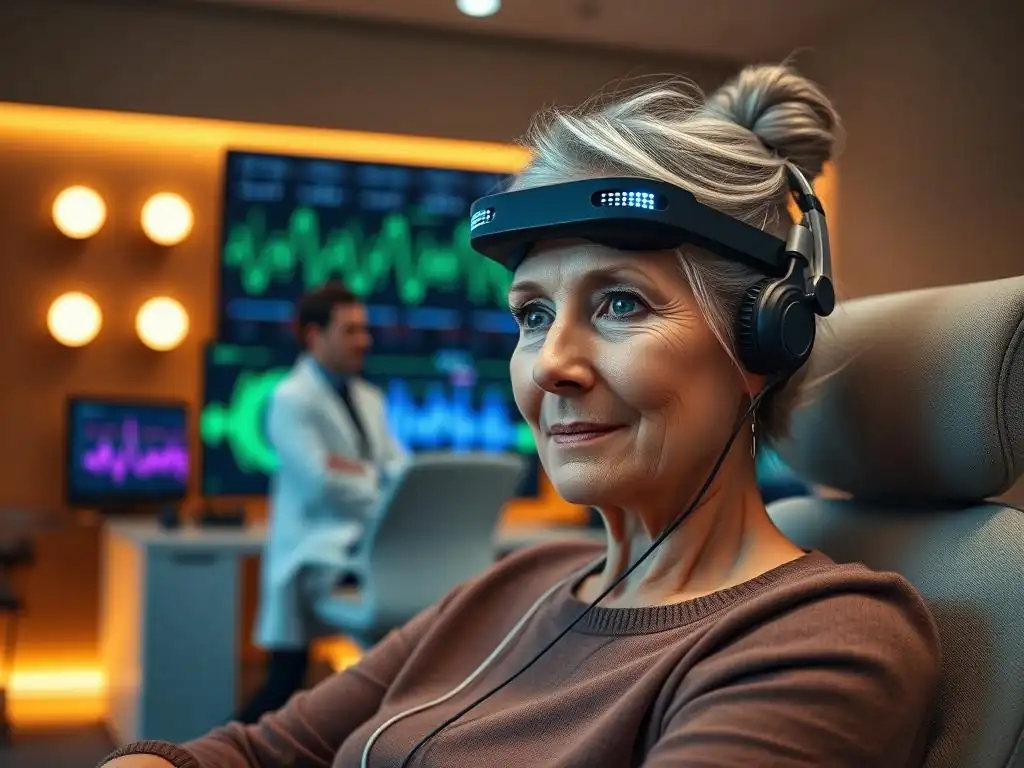
Neurofeedback, also known as EEG biofeedback, is a non-invasive type of brain training that helps individuals learn to self-regulate their brain activity. It works by using sensors placed on the scalp to measure electrical activity in the brain – specifically, brainwaves. This real-time information is then "fed back" to the individual, typically through visual or auditory cues presented on a screen or through headphones. For instance, you might see a video play smoothly when your brain is producing desired brainwave patterns and pause or dim when it's not.
The core principle is operant conditioning: the brain is rewarded for shifting its activity towards more functional patterns. Over multiple sessions, this feedback loop helps the brain learn to maintain these beneficial states on its own. It's essentially like teaching your brain to exercise in a specific way, guided by immediate feedback on its performance. This method is increasingly being explored for its potential benefits in supporting mental health and cognitive function across the lifespan, including addressing concerns related to neurofeedback aging mental health.
The Neuroscience Behind Neurofeedback: How it Works
Neurofeedback leverages the brain's remarkable capacity for neuroplasticity – its ability to change and reorganize itself by forming new neural connections throughout life. Different mental states and activities are associated with distinct brainwave frequencies: Delta (slowest, deep sleep), Theta (slow, creative, meditative, sometimes drowsy), Alpha (relaxed, calm, focused internally), Beta (alert, focused externally, active thinking), SMR (Sensorimotor Rhythm, calm focus, still body), and Gamma (fastest, high-level processing).
During a neurofeedback session, specific brainwave frequencies in particular brain regions are targeted based on an individual's goals and assessment. For example, if someone struggles with focus, training might aim to increase Beta activity in relevant areas while decreasing excess Theta. The continuous feedback reinforces these desired patterns, gradually strengthening the neural pathways associated with those states. This process helps the central nervous system become more flexible and efficient, which is particularly relevant when considering neurofeedback aging mental health challenges.
Neurofeedback vs. Traditional Cognitive Training
Traditional cognitive training often involves engaging in specific mental exercises, such as puzzles, memory games, or brain-training apps, designed to challenge and improve particular cognitive skills like memory, attention, or problem-solving. These methods rely on practicing tasks to build proficiency in those tasks or related skills. While beneficial for stimulating mental activity and improving performance on the trained tasks, their direct impact on underlying brainwave patterns and the brain's self-regulatory capacity is less direct compared to neurofeedback.
In contrast, neurofeedback directly targets the brain's electrical activity. Instead of just practicing a memory task, neurofeedback helps the brain learn to produce brainwave patterns associated with states conducive to better memory encoding or retrieval. It works at a more fundamental level of brain function, aiming to improve the brain's foundational regulation. Think of cognitive training as practicing specific sports skills, while neurofeedback is like training the core muscles and nervous system to improve overall athletic capability, offering a distinct approach to enhancing neurofeedback aging mental health.
- What is Neurofeedback? A Simple Explanation
- The Neuroscience Behind Neurofeedback: How it Works
- Neurofeedback vs. Traditional Cognitive Training
- What is neurofeedback and how does it relate to mental aging?
- How can neurofeedback specifically address mental health challenges related to aging?
- What are the potential benefits of neurofeedback for older adults, beyond just cognitive enhancement?
- Is neurofeedback a safe and non-invasive treatment option for age-related mental health concerns?
- How does neurofeedback compare to other methods for supporting mental well-being in older adults?
The Impact of Aging on Brain Function and Mental Health
As individuals age, it's common to experience certain shifts in cognitive function. These changes are often gradual and can include a slight slowing of processing speed, taking a bit longer to recall names or information, or finding it harder to multitask. While these are often considered part of normal aging, they can still be frustrating and impact daily life. For example, retrieving specific words might become more challenging, or maintaining focus in distracting environments could require more effort.
More significant cognitive changes can occur for some, impacting memory, executive functions like planning and decision-making, and attention. While the prevalence of mild cognitive impairment (MCI) varies, estimates suggest it affects around 15-20% of individuals over age 65. These changes, even if mild, can contribute to feelings of anxiety or frustration and highlight the importance of strategies like neurofeedback aging mental health support.
The Link Between Brain Health and Mental Well-being in Older Adults
The health of the brain is intrinsically linked to mental and emotional well-being, especially in later life. Changes in brain structure and function associated with aging can influence mood, stress levels, and emotional resilience. For example, alterations in areas like the prefrontal cortex or hippocampus, involved in mood regulation and memory, can contribute to increased vulnerability to conditions like depression and anxiety, which are prevalent among older adults.
Furthermore, cognitive decline, whether mild or more pronounced, can lead to social isolation, loss of independence, and reduced quality of life, all of which negatively impact mental health. Conversely, maintaining robust cognitive function and brain health can act as a protective factor against mental health challenges. Exploring interventions that support brain function, such as neurofeedback aging mental health protocols, is therefore crucial for promoting holistic well-being in older adults.
Why Proactive Strategies are Important for Maintaining Cognitive Function
Adopting proactive strategies for brain health is essential because the brain is a dynamic organ that responds to lifestyle and intervention throughout life. Waiting until significant cognitive decline occurs limits the potential for improvement and maintenance. Early intervention and consistent effort can help preserve neural pathways, enhance cognitive reserve, and potentially slow the progression of age-related changes.
Strategies like regular physical exercise, a balanced diet rich in omega-3 fatty acids and antioxidants, consistent social engagement, lifelong learning, stress management, and adequate sleep all contribute positively to brain health. Integrating approaches like neurofeedback aging mental health training can be a valuable addition to this proactive toolkit, offering a direct method to help the brain maintain optimal function and resilience against the challenges of aging.
Neurofeedback for Mental Aging: Benefits and Applications
Cognitive Enhancement with Neurofeedback: Boosting Memory and Focus
Neurofeedback training holds promise for enhancing specific cognitive functions that may decline with age, such as memory and focus. By targeting brainwave frequencies associated with alert, attentive states (like Beta or SMR) or states conducive to memory consolidation (like Alpha-Theta during relaxed focus), individuals can train their brains to spend more time in these beneficial patterns. For example, studies exploring neurofeedback aging mental health benefits have shown improvements in attention scores on standardized tests.
Specific protocols can aim to increase Beta activity in frontal brain regions to support sustained attention and executive function, or train SMR to improve calm focus and reduce distractibility. While results vary, some individuals report subjective improvements in their ability to concentrate on tasks, follow conversations, and recall information after a course of neurofeedback sessions. Research continues to explore the extent and consistency of these cognitive gains.
Anxiety and depression are common mental health challenges in older adults, often linked to life changes, health issues, and sometimes, changes in brain function. Neurofeedback can be a valuable tool for addressing these conditions by helping individuals regulate the brainwave patterns associated with states of distress and dysregulation. For instance, excessive high Beta activity can be linked to anxiety, while imbalances in Alpha or Theta activity might be seen in depression.
Training can focus on decreasing excessive fast-wave activity (like high Beta) associated with rumination and worry, or increasing Alpha/Theta activity to promote relaxation and emotional processing. Many individuals undergoing neurofeedback for mood regulation report feeling calmer, experiencing reduced intrusive thoughts, and showing improved emotional resilience. While not a standalone cure, neurofeedback aging mental health protocols can complement other therapies in managing these conditions.
Improving Sleep Quality Through Neurofeedback Therapy
Sleep disturbances, such as insomnia and fragmented sleep, are prevalent among older adults and significantly impact cognitive function and mental health. Neurofeedback offers a drug-free approach to improving sleep by training the brain to produce brainwave patterns associated with relaxation and sleep onset, such as SMR and Alpha. SMR training, in particular, is well-researched for its role in promoting calm focus and improving sleep efficiency.
By training the brain to increase SMR activity and decrease disruptive high Beta activity, individuals can find it easier to fall asleep and stay asleep. Many people pursuing neurofeedback aging mental health goals report improvements in sleep latency (time taken to fall asleep), reduced nighttime awakenings, and feeling more rested. Studies have shown that SMR training can lead to measurable improvements in sleep parameters recorded during sleep studies in some individuals.
Neurofeedback Protocols for Mental Aging: A Detailed Look
Alpha-Theta Training for Relaxation and Cognitive Function
Alpha-Theta neurofeedback is a deeply relaxing protocol that typically involves training with eyes closed, focusing on increasing the ratio of Alpha (8-12 Hz) to Theta (4-7 Hz) brainwaves, often encouraging brief excursions into pure Theta states. This training usually targets areas like the posterior cingulate cortex. The state achieved during Alpha-Theta training is similar to that experienced during deep meditation or the transition between wakefulness and sleep, promoting access to subconscious processing.
This protocol is often used to address trauma, enhance creativity, and promote emotional regulation. For older adults, the deep relaxation achieved can help reduce stress and anxiety, which in turn supports cognitive function. While not a primary protocol for direct cognitive enhancement in the way Beta or SMR might be, improving relaxation and emotional state through Alpha-Theta training can indirectly benefit memory and focus by reducing interference from stress and worry, contributing positively to neurofeedback aging mental health.
Beta Training for Improved Focus and Attention
Beta brainwaves (typically 13-21 Hz) are associated with active concentration, alertness, and external focus. Beta training protocols aim to increase this frequency band, often in frontal or central brain regions, to enhance the ability to focus and sustain attention on tasks. This can be particularly helpful for older adults who experience difficulties with concentration, distractibility, or executive functions like planning and task initiation.
A common Beta training approach involves rewarding increases in mid-range Beta while sometimes inhibiting slower Theta activity and faster high Beta (which can be associated with anxiety or racing thoughts). By training the brain to produce more optimal Beta activity, individuals may experience improved task performance, better sustained attention during activities like reading or driving, and enhanced mental clarity. This makes Beta training a relevant protocol when considering neurofeedback aging mental health aimed at cognitive vitality.
SMR (Sensorimotor Rhythm) Training for Reducing Anxiety and Improving Sleep
SMR (typically 12-15 Hz, falling within the low Beta range) is a brainwave frequency associated with a state of calm, focused alertness and a still body. Training to increase SMR activity, often over the sensorimotor cortex, is a widely used protocol for addressing conditions like anxiety, ADHD, and sleep disorders. Increasing SMR helps the brain enter a state where it is attentive but not agitated, promoting a sense of calm focus.
For older adults, SMR training can be particularly beneficial for two key reasons: reducing anxiety and improving sleep quality. By increasing SMR, the nervous system becomes less reactive and more regulated, which can significantly lower anxiety levels. Simultaneously, higher SMR is correlated with improved sleep spindles and deeper, more restorative sleep. This dual benefit makes SMR training a cornerstone protocol in neurofeedback aging mental health interventions aimed at improving both emotional state and sleep patterns.
Scientific Evidence: Studies Supporting Neurofeedback for Mental Aging

Research on Neurofeedback and Cognitive Performance
Research into neurofeedback's impact on cognitive performance in older adults is an evolving field, but existing studies provide encouraging insights. Some studies have investigated the effects of specific protocols, like Beta or SMR training, on measures of attention, memory, and executive function in aging populations. For example, a study might compare a group receiving neurofeedback to a control group engaging in other activities, assessing cognitive changes over time using standardized neuropsychological tests.
While findings can vary depending on study design, participant characteristics, and protocols used, some research has reported improvements in areas such as processing speed, working memory capacity, and sustained attention following neurofeedback training. For instance, a small study might show an average increase of perhaps 10-15% on certain attention test scores in the neurofeedback group compared to baseline or a control group. More large-scale, controlled trials are needed to solidify these findings, but the initial data supports the potential for neurofeedback aging mental health benefits related to cognitive function.
Clinical Trials Examining Neurofeedback for Mental Health Issues
Clinical trials have also explored the effectiveness of neurofeedback for common mental health issues experienced by older adults, such as anxiety and depression. These trials often use symptom rating scales and clinical interviews to measure changes in mood and anxiety levels before and after a course of neurofeedback training. Some studies have compared neurofeedback to standard treatments or sham neurofeedback to determine its specific impact.
While the evidence base is stronger for conditions like ADHD, research on anxiety and depression in older adults is promising. Some clinical trials have reported statistically significant reductions in scores on anxiety and depression scales among participants receiving neurofeedback. For example, a trial might show an average decrease of 30% or more in anxiety symptom severity for the neurofeedback group. These results suggest that neurofeedback aging mental health interventions can play a supportive role in managing emotional well-being.
Meta-Analyses and Systematic Reviews: A Summary of the Evidence
Meta-analyses and systematic reviews synthesize findings from multiple studies to provide a broader perspective on the efficacy of neurofeedback for various conditions. While comprehensive reviews specifically focused only on neurofeedback for age-related cognitive decline or mental health in older adults are still emerging, broader reviews on neurofeedback for conditions like anxiety, depression, and ADHD (where cognitive and regulatory issues overlap with age-related concerns) offer relevant insights.
These reviews often indicate moderate to large effect sizes for specific conditions, suggesting that neurofeedback is an effective intervention for many individuals, with effects comparable to or sometimes exceeding those of certain medications or therapies for particular issues. For instance, a review might conclude that neurofeedback has a moderate effect size for reducing anxiety symptoms. Applying these findings to the context of neurofeedback aging mental health suggests a strong rationale for further targeted research and clinical exploration in this population.
Getting Started with Neurofeedback: What to Expect
Finding a Qualified Neurofeedback Practitioner
The first step in exploring neurofeedback aging mental health benefits is finding a qualified practitioner. Look for professionals who are certified by recognized bodies, such as the Biofeedback Certification International Alliance (BCIA). Certification ensures that the practitioner has met specific educational requirements, passed a certification exam, and adheres to ethical standards. Practitioners come from various backgrounds, including psychology, counseling, social work, or medicine.
It's also advisable to inquire about their experience specifically with older adults or with the particular concerns you wish to address (e.g., cognitive challenges, anxiety, sleep). A qualified practitioner will conduct a thorough initial consultation to understand your history, goals, and challenges. Don't hesitate to ask about their training, experience, and approach to ensure you feel comfortable and confident in their expertise.
The Neurofeedback Assessment Process: Evaluating Your Brainwaves
Before beginning neurofeedback training, a comprehensive assessment is typically conducted. A key part of this is often a Quantitative Electroencephalogram (QEEG), also known as brain mapping. This involves placing a cap fitted with multiple sensors on your scalp to record your brainwave activity across different areas of the brain while you are resting with eyes open and eyes closed, and sometimes during simple cognitive tasks.
The QEEG data is then processed by specialized software and compared to a normative database of healthy brains of similar age. This comparison helps identify areas where your brainwave patterns deviate significantly from the norm. The results of the QEEG, combined with your clinical history and symptoms, guide the practitioner in developing a personalized training plan or protocol. This assessment is crucial for tailoring neurofeedback aging mental health interventions to your specific needs.
The Neurofeedback Training Sessions: What Happens During a Session?
Neurofeedback training sessions are non-invasive and generally relaxing. You will typically sit comfortably in a chair while sensors are placed on specific locations on your scalp using a conductive paste. These sensors measure your brainwave activity and send the data to a computer. The computer software analyzes your brainwaves in real-time, comparing them to the target patterns set by your practitioner.
The feedback is delivered through visual and/or auditory cues. You might watch a video that only plays when your brain is producing the desired brainwaves, listen to tones, or see a game on screen that you "control" with your brain activity. The practitioner monitors your progress and adjusts the protocol as needed. Sessions typically last between 30 to 60 minutes, and you are usually awake and alert throughout.
Number of Neurofeedback Sessions Needed to See Results
The number of neurofeedback sessions required to see noticeable and lasting results varies significantly from person to person and depends on several factors, including the nature and severity of the concerns being addressed, individual learning speed, consistency of sessions, and overall health. While some individuals might report subtle changes after just a few sessions (e.g., 5-10), more significant and durable improvements typically require a longer course of training.
Many common neurofeedback protocols involve a minimum of 20 sessions, and it's not uncommon for a full course of treatment to range from 30 to 40 sessions, or even more for complex or chronic issues. The practitioner will typically monitor your progress through session-by-session feedback, periodic re-assessments (like repeat QEEGs), and subjective reports of symptom changes. Consistency is key; attending sessions regularly, often 1-3 times per week, helps facilitate the brain's learning process when pursuing neurofeedback aging mental health goals.
Neurofeedback and Lifestyle: Maximizing the Benefits for Mental Aging
Combining Neurofeedback with a Healthy Diet for Optimal Brain Health
Integrating neurofeedback aging mental health training with a nutrient-rich diet can significantly enhance overall brain health and potentially amplify the benefits of training. The brain requires specific nutrients to function optimally. Diets rich in omega-3 fatty acids, found in fatty fish like salmon, support brain structure and function. Antioxidants from fruits and vegetables help protect brain cells from damage.
Avoiding processed foods, excessive sugar, and unhealthy fats can reduce inflammation, which is detrimental to brain health. For example, adopting a Mediterranean-style diet, which emphasizes vegetables, fruits, nuts, seeds, fish, and olive oil, has been linked to better cognitive function in older adults. Providing the brain with the right fuel through diet creates a more supportive environment for the changes encouraged by neurofeedback.
Regular physical exercise is one of the most powerful interventions for maintaining cognitive function and mental well-being in later life. Aerobic exercise increases blood flow to the brain, supporting the growth of new neurons and connections, particularly in areas crucial for memory and learning like the hippocampus. Strength training also has cognitive benefits. Aiming for at least 150 minutes of moderate-intensity aerobic activity per week, as recommended by health guidelines, can make a significant difference.
Equally important is social engagement. Maintaining strong social connections helps keep the brain active, reduces stress, and provides emotional support, all of which are protective factors against cognitive decline and mental health issues. Participating in social activities, joining clubs, volunteering, or simply spending time with friends and family stimulates different parts of the brain and contributes to overall resilience, complementing the targeted brain training provided by neurofeedback aging mental health interventions.
Managing Stress and Promoting Relaxation for Enhanced Neurofeedback Outcomes
Chronic stress can have detrimental effects on brain structure and function, impairing memory, attention, and emotional regulation. For older adults, managing stress is vital for maintaining cognitive vitality and supporting mental health. Techniques such as mindfulness meditation, deep breathing exercises, yoga, or simply engaging in enjoyable hobbies can help lower stress hormone levels like cortisol.
Incorporating stress management and relaxation practices alongside neurofeedback can enhance its effectiveness. A calmer nervous system is often more receptive to the brain training offered by neurofeedback. For example, practicing mindfulness daily can help individuals become more aware of their internal states, which can potentially make them more attuned to the subtle feedback signals during neurofeedback sessions and better integrate the learned self-regulation skills into daily life, improving neurofeedback aging mental health results.
Neurofeedback for Mental Health: Addressing Specific Conditions
Neurofeedback for Mild Cognitive Impairment (MCI): Exploring Potential Benefits
Mild Cognitive Impairment (MCI) involves a noticeable but not disabling decline in cognitive abilities, such as memory or thinking skills, and is sometimes a precursor to dementia. Research is exploring whether neurofeedback could help individuals with MCI maintain or improve cognitive function. The rationale is that by training brainwave patterns associated with healthier cognitive states, it might be possible to strengthen neural circuits and potentially slow progression.
Studies investigating neurofeedback for MCI are ongoing, but some preliminary findings suggest potential benefits in specific cognitive domains. For instance, training Alpha or Beta frequencies in relevant areas might aim to improve attention or processing speed, areas sometimes affected in MCI. While neurofeedback is not a cure for MCI, it represents a promising avenue for non-pharmacological intervention to support cognitive health and explore neurofeedback aging mental health strategies in this population.
Age-related sleep disorders, such as difficulty falling asleep (insomnia) or staying asleep, are prevalent and significantly impact quality of life and cognitive function. Neurofeedback, particularly SMR training, has shown efficacy in improving sleep parameters. By training the brain to increase SMR activity, which is associated with calm focus and the ability to remain still, individuals can improve their ability to relax and transition into sleep.
Clinical studies on neurofeedback for insomnia, including in older adults, have reported improvements in sleep onset latency, total sleep time, and sleep efficiency. For example, a study might show participants falling asleep 20 minutes faster after a course of SMR training. Neurofeedback offers a non-pharmacological alternative or complement to traditional sleep interventions, providing a targeted approach to regulating the brain activity underlying sleep difficulties as part of neurofeedback aging mental health support.
Neurofeedback for Enhancing Cognitive Recovery After Stroke
Stroke can cause significant cognitive impairments depending on the affected brain area, including difficulties with attention, memory, language, and executive functions. Neurofeedback is being explored as a potential tool to support cognitive rehabilitation and enhance recovery post-stroke. The principle is to leverage neuroplasticity to help the brain reorganize and optimize function in affected or compensatory areas.
By training specific brainwave patterns in targeted regions, neurofeedback aims to improve neural connectivity and function. For instance, training Alpha or Beta waves might be used to improve attention or processing speed in individuals with post-stroke cognitive deficits. While research is still developing, early studies and clinical applications suggest that neurofeedback, as part of a comprehensive rehabilitation program, may contribute to measurable improvements in cognitive performance and functional recovery, offering a complementary approach to neurofeedback aging mental health post-stroke.
Neurofeedback: A Proactive Approach to Mental Well-being in Later Life
Empowering Individuals to Take Control of Their Brain Health
Neurofeedback offers a unique opportunity for older adults to take an active role in managing their brain health and mental well-being. Unlike treatments that are passively received, neurofeedback requires active participation – the individual is learning to regulate their own brain activity. This process can be incredibly empowering, providing a sense of agency and control over aspects of cognitive and emotional function that might otherwise feel outside of one's influence.
By learning to recognize and shift brainwave patterns associated with desired states (like calm focus or relaxation), individuals gain a tangible skill for self-regulation. This can build confidence and resilience in facing the challenges of aging, fostering a proactive mindset towards maintaining vitality. This empowerment is a significant benefit of incorporating neurofeedback aging mental health strategies into one's wellness routine.
Neurofeedback as a Complementary Therapy
It is important to view neurofeedback not as a replacement for all other forms of treatment but often as a valuable complementary therapy. It can work alongside traditional medical care, psychotherapy (like CBT), lifestyle interventions (diet, exercise), and other rehabilitative services. For older adults managing multiple health conditions or complex mental health needs, neurofeedback can be integrated into a broader treatment plan.
Discussing neurofeedback with your doctors and other healthcare providers is crucial to ensure a coordinated and effective approach. A qualified neurofeedback practitioner will typically collaborate with other members of your care team. This integrated approach leverages the unique benefits of neurofeedback aging mental health training while ensuring all aspects of an individual's health are addressed comprehensively.
The Future of Neurofeedback in Promoting Cognitive Longevity
The field of neurofeedback is continuously advancing, with ongoing research exploring new protocols, technologies, and applications. As our understanding of the aging brain and neuroplasticity grows, the potential for neurofeedback to play a significant role in promoting cognitive longevity and mental well-being in older adults becomes increasingly clear. Future research is likely to refine protocols, identify optimal training parameters, and perhaps integrate neurofeedback with other technologies like virtual reality.
As evidence accumulates and technology becomes more accessible, neurofeedback could become a more widely recognized and utilized tool for proactive brain health maintenance, helping older adults not just live longer, but live better, with greater cognitive vitality and emotional resilience. The continued exploration of neurofeedback aging mental health benefits holds promise for enhancing the quality of life for future generations of older adults.
Neurofeedback for Mental Aging: Cost and Accessibility
Average Cost of Neurofeedback Sessions
The cost of neurofeedback therapy can be a significant factor for many individuals. The price per session varies widely based on location, the practitioner's qualifications and experience, and the clinic's overhead. On average, individual neurofeedback sessions can range from approximately $100 to $200. Initial assessments, such as a QEEG brain map, are typically separate and can cost anywhere from $300 to $1000 or more.
Considering that a full course of neurofeedback often requires 20 to 40 sessions, the total cost can range from $2,000 to $8,000 or potentially higher, depending on the number of sessions needed and the per-session rate. This upfront investment can be a barrier for some individuals seeking neurofeedback aging mental health support. It's important to get a clear understanding of the total estimated cost during the initial consultation.
Insurance Coverage for Neurofeedback Treatments
Insurance coverage for neurofeedback therapy is inconsistent and often limited. While neurofeedback is recognized by some insurance companies for specific diagnoses, such as ADHD or sometimes anxiety or depression, coverage for age-related cognitive concerns or proactive brain health is less common. Coverage often depends on the specific insurance plan, the diagnosis provided, and the practitioner's credentials.
Many neurofeedback practitioners do not accept insurance directly, operating on a fee-for-service basis, although they may provide superbills that patients can submit for potential reimbursement. It is crucial to contact your insurance provider directly before starting treatment to understand what, if anything, is covered under your plan for neurofeedback or biofeedback services. Advocacy efforts are ongoing to increase insurance coverage for neurofeedback aging mental health and other applications.
Alternatives to Neurofeedback: Cognitive Behavioral Therapy (CBT) and Mindfulness Training
For individuals seeking ways to support their mental health and cognitive function in aging, especially if neurofeedback is not financially or geographically accessible, several effective alternatives exist. Cognitive Behavioral Therapy (CBT) is a widely supported psychotherapy that helps individuals identify and change negative thought patterns and behaviors contributing to anxiety, depression, and even some cognitive difficulties by teaching coping strategies.
Mindfulness training, which involves focusing on the present moment without judgment, has also demonstrated benefits for reducing stress, improving emotional regulation, and potentially enhancing attention and working memory. These therapies are often more widely covered by insurance and delivered by a larger pool of practitioners. While they don't directly target brainwave activity like neurofeedback aging mental health training, they offer valuable, evidence-based approaches to supporting mental well-being and cognitive function in older adults.
Frequently Asked Questions
What is neurofeedback and how does it relate to mental aging?
Neurofeedback is a type of brain training that helps individuals learn to self-regulate their brain activity. This can be beneficial for mental aging by improving cognitive function and memory.
Neurofeedback can target specific brainwave patterns associated with cognitive decline, anxiety, and depression, common challenges as people age. By optimizing these patterns, it promotes improved focus, mood, and overall mental well-being.
What are the potential benefits of neurofeedback for older adults, beyond just cognitive enhancement?
Beyond cognitive improvements, neurofeedback may also help older adults with sleep regulation, stress reduction, and improved emotional stability, all critical aspects of healthy aging.
Yes, neurofeedback is generally considered a safe and non-invasive technique. It involves monitoring brain activity and providing feedback, without any electrical stimulation or medication.
How does neurofeedback compare to other methods for supporting mental well-being in older adults?
Neurofeedback offers a personalized and targeted approach compared to generic methods. While other therapies like medication and talk therapy are valuable, neurofeedback directly addresses brain function and can be used in conjunction with other treatments.
Final Reflection: Unlocking the Ageless Mind Through Neurofeedback
The pursuit of cognitive vitality in later life is no longer a utopian dream; it's a tangible goal within reach. Neurofeedback offers a powerful, personalized pathway to enhance brain function and mitigate the effects of age-related cognitive decline, empowering individuals to actively shape their mental well-being. This isn't simply about slowing down the aging process; it's about optimizing brain health and unlocking untapped potential at every stage of life.
The impact of neurofeedback extends far beyond individual benefit; it's reshaping our understanding of healthy aging within society. By offering a non-pharmacological approach to cognitive enhancement, neurofeedback challenges the often-pessimistic narratives surrounding mental decline in older adults. It empowers individuals to take control of their cognitive destiny, fostering a sense of agency and self-efficacy that is crucial for overall well-being. The best time to plant a tree was 20 years ago. The second best time is today.
This proverb perfectly encapsulates the empowering potential of neurofeedback – regardless of age, we can begin cultivating a healthier, more resilient brain.
Consider the implications of this for yourself. What steps can you take today to prioritize your brain health? Are you ready to explore the potential of neurofeedback to enhance your cognitive abilities and live a more fulfilling life, regardless of age? The journey to an ageless mind begins with a single step – a step towards understanding, embracing, and actively nurturing the incredible power of your brain. Take that step. Your future self will thank you.
Unlock Your Brain's Potential: Start Your Neurofeedback Journey Today!
Thanks for taking the time to explore the fascinating world of neurofeedback and its benefits for adult brain health! You've learned how this powerful technique can help sharpen focus, improve memory, and even combat age-related cognitive decline. Now, it's time to put that knowledge into action.
Here's how you can take the next step:
- Schedule a consultation with a certified neurofeedback practitioner. This is the most important step to determine if neurofeedback is right for you and to create a personalized plan.
- Explore online resources and communities dedicated to brain health and neurofeedback. Learn from others' experiences and discover further insights into this transformative approach.
- Share this article with someone who could benefit from learning about neurofeedback. Help spread awareness about this groundbreaking method for enhancing brain function.
Ready to unlock your brain's full potential and embrace a sharper, more focused future? What's the first step you'll take to prioritize your cognitive well-being?