
Your Brain's Lifelong Potential: Plasticity from Childhood to Aging

Welcome to Mind Care Guide!
Are you ready to unlock the untapped potential of your mind? We understand that navigating the complexities of mental well-being can feel overwhelming. That's why we're here to guide you on a journey of discovery and empowerment. In this article, we delve into the fascinating world of brain plasticity and its profound impact on mental health across the lifespan, from childhood to aging. But what if you could reshape your brain for a brighter, healthier future? Keep reading to find out how.
Brain Plasticity: A Lifelong Journey of Adaptation and Mental Well-being
- Understanding Brain Plasticity and its Impact on Mental Health Across the Lifespan
- Brain Plasticity in Childhood: Shaping the Developing Mind
- Brain Plasticity in Adulthood: Maintaining Mental Agility and Resilience
- Brain Plasticity and Aging: Combating Cognitive Decline and Promoting Mental Wellness
- The Science Behind Brain Rewiring: Mechanisms of Plasticity
- Practical Applications: Enhancing Brain Plasticity for Improved Mental Health
- Brain Plasticity, Mental Health, and Neurodegenerative Diseases
- Optimizing Your Brain's Plasticity: A Lifelong Journey
- Conclusion: Embracing Brain Plasticity for a Healthier, More Resilient Mind
-
Frequently Asked Questions
- How does brain plasticity relate to mental health, particularly as we age?
- What role does brain plasticity play in overcoming mental health challenges?
- Can brain plasticity be improved or maintained throughout the aging process?
- What are some practical strategies to leverage brain plasticity for better mental health?
- How does understanding brain plasticity help reduce the stigma surrounding mental health, especially in the context of aging?
- Final Reflection: Unlocking the Ever-Evolving Brain
- Unlock Your Brain's Untapped Potential!
Understanding Brain Plasticity and its Impact on Mental Health Across the Lifespan
Defining Brain Plasticity: The Brain's Ability to Change
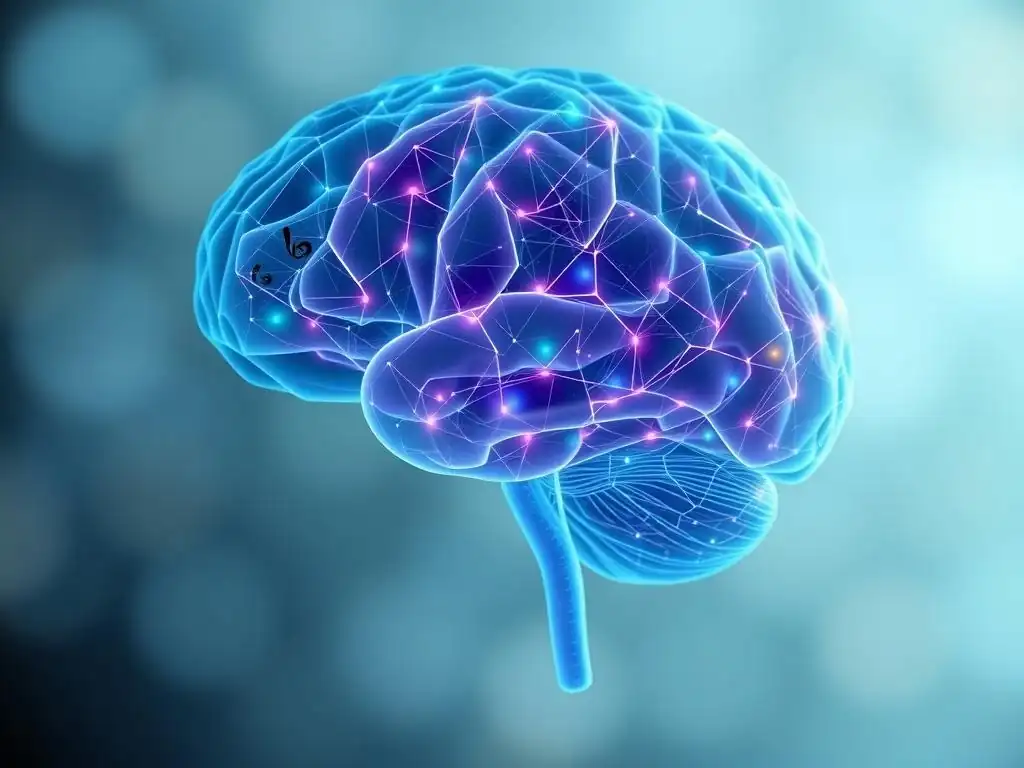
Brain plasticity, also known as neuroplasticity, is the remarkable capacity of the brain to reorganize itself by forming new neural connections throughout life. This dynamic ability allows neurons (nerve cells) to compensate for injury and disease and to adjust their activities in response to new situations or changes in their environment. Far from being a rigid structure fixed after childhood, the brain is constantly adapting, reshaping its pathways based on experiences, learning, and even thoughts. This fundamental property underpins everything from learning a new language to recovering from a stroke, demonstrating that the potential for change is ever-present.
This concept revolutionized neuroscience, moving away from the long-held belief that the adult brain was largely static. Modern research shows that the brain can alter its structure and function at any age. For instance, learning a new complex skill, like juggling, has been shown in studies to increase grey matter density in specific brain regions associated with visual-motor coordination within just a few weeks. This constant state of flux is essential for memory formation, learning, and overall cognitive function, highlighting the brain's incredible adaptability.
The Neuroscience of Brain Rewiring: How Experience Shapes the Brain
The mechanisms underlying brain plasticity are complex but primarily involve changes at the level of synapses – the junctions between neurons where information is transmitted. When neurons are repeatedly activated together through experience (like practicing a skill or recalling a memory), the connections between them can strengthen (Long-Term Potentiation, or LTP). Conversely, connections that are less used can weaken (Long-Term Depression, or LTD). This principle, often summarized as "neurons that fire together, wire together," is a cornerstone of how the brain learns and adapts.
Beyond synaptic changes, the brain can also undergo structural plasticity. This includes the growth of new neurons (neurogenesis), particularly in areas like the hippocampus, which is vital for learning and memory. It also involves the formation of new synapses (synaptogenesis), the pruning away of unused connections, and changes in the physical structure of neurons themselves, such as the growth of dendrites. These structural alterations are directly influenced by sensory input, motor activity, cognitive challenges, and even social interactions, demonstrating how our daily lives literally reshape our neural architecture.
Brain Plasticity, Mental Health, and Aging: An Interconnected Relationship
The profound relationship between brain plasticity and mental health is increasingly understood. Many mental health conditions, such as depression, anxiety disorders, and PTSD, are associated with disrupted or maladaptive neural circuits. The good news is that because the brain is plastic, these circuits are not permanently fixed. Therapeutic interventions, like cognitive behavioral therapy (CBT) or exposure therapy, work by leveraging the brain's ability to form new, healthier pathways and weaken problematic ones, offering a biological basis for recovery and resilience.
As we consider brain plasticity mental health aging, this relationship becomes even more critical. While some aspects of plasticity may subtly change with age, the capacity for adaptation remains. Maintaining robust brain plasticity throughout life, particularly into older age, is crucial for building cognitive reserve – the brain's ability to withstand damage or disease without showing symptoms. A brain that has been actively engaged and challenged over the years develops more complex and efficient networks, which can provide a buffer against age-related cognitive decline and support continued mental wellness, even in the face of potential neurological changes.
Brain Plasticity in Childhood: Shaping the Developing Mind
Critical Periods of Brain Development and Plasticity
Childhood represents a period of explosive brain development and heightened plasticity. During specific critical or sensitive periods, the brain is particularly receptive to environmental input for shaping certain functions. For instance, the visual cortex has a critical period in early life where proper visual experience is essential for developing normal sight. Similarly, language acquisition is significantly easier during sensitive periods in early childhood. This intense plasticity is characterized by rapid synapse formation, peaking at around age 2-3, when a child's brain can have approximately twice as many synapses as an adult brain.
This period of overproduction is followed by a process called synaptic pruning, where unused connections are eliminated, making the brain more efficient. The experiences a child has during these critical and sensitive windows heavily influence which connections are strengthened and kept, and which are pruned away. This makes early childhood environments profoundly impactful on the developing brain's structure and function, laying the foundation for cognitive abilities, emotional regulation, and social skills that will last a lifetime.
The Role of Experiences in Sculpting a Child's Brain
A child's environment and experiences are powerful architects of their developing brain. Nurturing, stimulating environments rich in positive interactions, diverse learning opportunities, and emotional support promote the formation of robust neural networks essential for healthy cognitive and emotional development. For example, engaging in interactive play and conversation strengthens language pathways, while consistent, responsive caregiving builds secure attachment circuits that influence stress response and emotional regulation.
Conversely, adverse childhood experiences (ACEs), such as chronic stress, neglect, or trauma, can negatively impact brain development. Studies using neuroimaging have shown that children exposed to significant adversity may develop altered structures in areas like the hippocampus (memory) and amygdala (fear/stress response), potentially wiring the brain for heightened reactivity to threat and increasing vulnerability to mental health challenges later in life. This underscores the critical importance of providing supportive and enriching environments during these formative years to foster healthy brain plasticity.
Nurturing Brain Plasticity for Optimal Childhood Mental Health
Promoting healthy brain plasticity in childhood is fundamental to supporting optimal mental health. Providing children with opportunities for varied sensory experiences, physical activity, and engaging learning stimulates neural growth and connectivity. Encouraging exploration, creativity, and problem-solving helps build flexible and resilient cognitive networks. Furthermore, fostering secure emotional attachments and teaching healthy coping mechanisms helps shape the brain's stress response system in a positive way.
Creating predictable, safe environments where children feel loved and supported reduces chronic stress, which can impair plasticity. Access to quality early education, engaging in imaginative play, learning music or a second language – all these activities provide rich inputs that strengthen neural pathways and build cognitive reserve. Investing in supportive environments and enriching experiences during childhood is a powerful strategy for cultivating adaptive brain plasticity, setting the stage for lifelong mental well-being and resilience.
Brain Plasticity in Adulthood: Maintaining Mental Agility and Resilience
Adult Neurogenesis: New Brain Cells and Their Significance
For a long time, it was believed that the adult brain did not produce new neurons. However, research over the past few decades has definitively shown that neurogenesis, the birth of new neurons, occurs in specific areas of the adult brain, primarily in the hippocampus and the olfactory bulb. While the rate is significantly lower than during development, estimates suggest thousands of new neurons are born in the adult hippocampus each day. These new neurons are integrated into existing circuits and are thought to play crucial roles in certain types of learning, memory formation, and mood regulation.
The discovery of adult neurogenesis further reinforced the concept of lifelong plasticity. The survival and integration of these new neurons are highly influenced by lifestyle factors. For instance, aerobic exercise and learning new tasks have been shown to increase the rate of neurogenesis, while chronic stress and sleep deprivation can suppress it. This highlights that even in adulthood, our actions can directly influence the generation of new brain cells that contribute to cognitive function and mental health.
Learning New Skills and Enhancing Cognitive Function through Plasticity
Adulthood is a prime time for leveraging brain plasticity to enhance cognitive function and maintain mental agility. Learning new skills, whether it's mastering a musical instrument, learning a new language, acquiring a complex professional skill, or even navigating a new city, actively engages the brain and promotes structural and functional changes. These activities require the formation of new neural pathways, the strengthening of existing ones, and improvements in communication efficiency between different brain regions.
Classic studies, such as those on London taxi drivers who develop significantly larger hippocampi due to navigating the complex city layout, provide compelling evidence of how intense learning can alter brain structure in adulthood. Engaging in mentally challenging activities creates cognitive reserve, making the brain more efficient and potentially more resistant to age-related decline. This continuous learning process is not just about acquiring knowledge; it's a powerful way to actively shape and optimize the adult brain.
Overcoming Mental Health Challenges with Adult Brain Plasticity
The brain's plasticity in adulthood offers significant hope and pathways for overcoming mental health challenges. Therapies like Cognitive Behavioral Therapy (CBT) and Dialectical Behavior Therapy (DBT) are fundamentally based on the principle of brain rewiring. These therapies help individuals identify and change maladaptive thought patterns and behaviors, effectively creating new neural pathways that support healthier emotional responses and coping mechanisms. For example, someone with anxiety might learn through exposure therapy to gradually confront feared situations, rewiring the brain's fear response circuits.
Recovery from conditions like addiction or trauma also involves significant brain plasticity. The brain adapts in response to substance use or traumatic events, but it can also adapt during the recovery process, forming new habits and reducing the strength of pathways associated with craving or fear. Even conditions like depression, which are linked to altered brain function, can be managed and improved through interventions that promote positive plasticity, such as psychotherapy, medication, and lifestyle changes, demonstrating the adult brain's remarkable capacity for adaptation and healing.
Brain Plasticity and Aging: Combating Cognitive Decline and Promoting Mental Wellness

As the brain ages, some aspects of plasticity may become less robust or efficient compared to younger years. There can be a modest reduction in the rate of neurogenesis, changes in synaptic strength and stability, and a decrease in the overall volume of certain brain regions. These changes can contribute to typical age-related cognitive shifts, such as slower processing speed or some difficulties with memory retrieval. However, it is crucial to understand that aging does not mean the end of brain plasticity. The capacity for change persists, albeit sometimes requiring more deliberate effort or stimulation.
The focus shifts from rapid, widespread development to maintaining connectivity, efficiency, and resilience. While some decline is typical, significant cognitive impairment is not an inevitable part of aging for everyone. The degree to which age-related changes impact cognitive function and mental health appears to be heavily influenced by individual differences, particularly lifestyle factors and the amount of cognitive reserve built over a lifetime. Understanding brain plasticity mental health aging is key to promoting successful cognitive aging.
Strategies to Enhance Brain Plasticity in Older Adults
Fortunately, there are numerous evidence-based strategies older adults can employ to enhance brain plasticity and support mental wellness. Regular physical activity is one of the most powerful interventions. Aerobic exercise, for instance, increases blood flow to the brain, promotes neurogenesis, and boosts levels of neurotrophic factors like BDNF, which support the health and growth of neurons. Aiming for at least 150 minutes of moderate-intensity exercise per week, as recommended by health guidelines, can have a significant positive impact on brain health.
Mental stimulation is equally vital. Learning new things, engaging in complex hobbies, reading challenging books, or taking educational courses all help to maintain and build neural networks. Social engagement also plays a crucial role; interacting with others provides cognitive and emotional stimulation and can reduce stress and isolation, both of which negatively impact brain health. Maintaining social connections, participating in community activities, or volunteering can contribute meaningfully to brain plasticity mental health aging.
The Impact of Lifestyle on Brain Plasticity and Healthy Aging
Lifestyle choices have a profound impact on brain plasticity and the trajectory of cognitive aging. A brain-healthy lifestyle involves a combination of factors that work synergistically to support neuronal function and connectivity. This includes a balanced diet rich in fruits, vegetables, whole grains, and healthy fats (like the Mediterranean diet), which provides essential nutrients and antioxidants that protect brain cells. Adequate, quality sleep (typically 7-9 hours per night) is critical for memory consolidation and allowing the brain to perform essential maintenance tasks, including clearing waste products.
Managing stress effectively is also paramount, as chronic stress can impair plasticity and damage neurons. Techniques like mindfulness, meditation, or yoga can help. By consistently adopting these healthy habits, older adults can actively promote brain plasticity, enhance cognitive reserve, and improve their overall mental health and resilience, demonstrating that proactive steps towards brain plasticity mental health aging can significantly influence the quality of later life.
The Science Behind Brain Rewiring: Mechanisms of Plasticity
Synaptic Plasticity: Strengthening and Weakening Connections
At the core of brain plasticity lies synaptic plasticity, the ability of the connections between neurons to change in strength and efficiency. The most well-studied forms are Long-Term Potentiation (LTP) and Long-Term Depression (LTD). LTP involves a persistent strengthening of synapses based on recent patterns of activity. When one neuron repeatedly stimulates another, the connection between them becomes more efficient, requiring less stimulation to fire the postsynaptic neuron. This is largely mediated by changes in receptors at the synapse, making it more responsive to incoming signals.
Conversely, LTD is a persistent weakening of synapses. This occurs when synaptic activity is low or when neurons fire out of sync. LTD is just as important as LTP; it allows the brain to prune away less useful connections and refine existing circuits. Both LTP and LTD are essential for learning, memory, and adapting neural circuits in response to experience. They are dynamic processes that continuously reshape the flow of information within the brain.
Structural Plasticity: Growing New Neurons and Connections
Beyond changes in synaptic strength, the brain can also undergo structural changes, a process known as structural plasticity. This includes neurogenesis, the birth of new neurons from neural stem cells, primarily occurring in the hippocampus and olfactory bulb in adults. These new neurons migrate to specific brain regions and integrate into existing neural networks, contributing to functions like learning and memory. While limited in scope compared to development, adult neurogenesis highlights the brain's continued capacity for growth.
Structural plasticity also encompasses changes in the physical connections between neurons. This involves synaptogenesis (the formation of new synapses), dendritic branching (the growth of tree-like extensions on neurons that receive signals), and axonal sprouting (the growth of new projections from neurons that transmit signals). These structural alterations allow the brain to create entirely new pathways or significantly modify the architecture of existing ones in response to learning, environment, or injury, providing a physical basis for brain rewiring.
Molecular Mechanisms Driving Brain Plasticity
Underlying both synaptic and structural plasticity is a complex interplay of molecular mechanisms. Neurotransmitters, the chemical messengers of the brain (such as glutamate, which is crucial for LTP), play a key role in initiating plastic changes. The activation of specific receptors by neurotransmitters triggers intracellular signaling cascades that can lead to immediate changes in synaptic efficiency or longer-lasting changes involving gene expression and protein synthesis.
Neurotrophic factors, such as Brain-Derived Neurotrophic Factor (BDNF), are proteins that support the survival, growth, and differentiation of neurons and synapses. BDNF levels are influenced by activity and experience (e.g., exercise increases BDNF) and are critical for promoting both synaptic and structural plasticity. Ultimately, these molecular processes, regulated by our experiences and environment, drive the physical and functional changes that constitute brain plasticity, enabling the brain to adapt and reshape itself throughout life.
Practical Applications: Enhancing Brain Plasticity for Improved Mental Health
Neuroplasticity-Based Therapies for Mental Health Conditions
Leveraging the brain's capacity for plasticity has led to the development of therapies specifically aimed at rewiring neural circuits to improve mental health outcomes. Cognitive Behavioral Therapy (CBT), for instance, helps individuals recognize and challenge negative thought patterns, replacing them with more realistic and positive ones. This repeated practice of new thinking habits effectively strengthens new neural pathways associated with healthier responses and weakens those linked to distress. Exposure therapy for anxiety disorders works similarly by gradually exposing individuals to feared stimuli in a safe environment, helping the brain to extinguish the fear response.
More direct interventions like Transcranial Magnetic Stimulation (TMS) or Deep Brain Stimulation (DBS) also utilize principles of plasticity. TMS uses magnetic pulses to stimulate specific brain regions, aiming to modulate their activity and connectivity in conditions like depression or OCD. Neurofeedback is another approach where individuals learn to control their own brainwave activity, promoting desired patterns associated with improved focus or reduced anxiety. These therapies demonstrate the power of intentionally guiding the brain's natural ability to change for therapeutic benefit.
Lifestyle Interventions: Diet, Exercise, and Sleep
Our daily lifestyle choices are powerful, accessible tools for enhancing brain plasticity and supporting mental health. A nutrient-rich diet, particularly one high in omega-3 fatty acids, antioxidants, and vitamins (like B vitamins), provides the building blocks and protection necessary for healthy brain function and plasticity. Foods like fatty fish, berries, nuts, and leafy greens are particularly beneficial.
Regular physical exercise is perhaps the most potent lifestyle intervention. It increases blood flow to the brain, promotes neurogenesis, boosts neurotrophic factors like BDNF, and reduces inflammation and stress hormones, all of which support plasticity. Aiming for a mix of aerobic and strength training activities is recommended. Furthermore, prioritizing 7-9 hours of quality sleep per night is non-negotiable for plasticity; sleep is when the brain consolidates memories, prunes synapses, and clears metabolic waste, processes vital for maintaining adaptive capacity.
Cognitive Training and Brain Games to Boost Plasticity
Engaging in activities that challenge the brain cognitively can also promote plasticity. This includes structured cognitive training programs designed to improve specific skills like memory or attention, as well as engaging in mentally stimulating hobbies often referred to as "brain games." While the effectiveness of simple commercial brain game apps is debated and often limited to improving the specific task practiced, activities that involve genuine novelty, complexity, and require learning new strategies are more likely to induce meaningful plastic changes.
Learning a new language, mastering a musical instrument, playing complex strategy games (like chess), or engaging in creative pursuits all require significant cognitive effort and engage multiple brain systems, fostering widespread connectivity changes. The key is to consistently challenge yourself with tasks that are slightly outside your comfort zone, as this is where the most robust learning and plastic adaptation occur.
Brain Plasticity, Mental Health, and Neurodegenerative Diseases
The Role of Plasticity in Recovering from Brain Injury
Brain plasticity is fundamental to recovery following brain injuries such as stroke or traumatic brain injury (TBI). Although damaged neurons cannot typically regenerate in large numbers, the surrounding healthy brain tissue can often reorganize and take over some of the functions previously performed by the injured area. This occurs through mechanisms like axonal sprouting, synaptogenesis, and strengthening of alternative pathways.
Rehabilitation therapies – including physical therapy, occupational therapy, and speech therapy – are designed to harness this plasticity. By repeatedly practicing specific movements, tasks, or language skills, individuals can encourage the brain to rewire itself, creating new circuits to bypass damaged areas and regain lost function. While recovery is often incomplete, the brain's plastic capacity offers significant potential for improvement and adaptation after injury.
Understanding Brain Plasticity in Alzheimer's and Parkinson's Disease
Neurodegenerative diseases like Alzheimer's and Parkinson's involve the progressive loss of specific types of neurons and the disruption of neural circuits. While these diseases represent a failure of certain brain maintenance and repair mechanisms, understanding how plasticity is affected is crucial. In Alzheimer's, the accumulation of amyloid plaques and tau tangles disrupts synaptic function and ultimately leads to neuronal death, impairing the very substrates of plasticity.
In Parkinson's disease, the loss of dopamine-producing neurons in the substantia nigra affects circuits involved in movement and cognition. While these diseases involve neurodegeneration, research suggests that maintaining plasticity through lifestyle factors and cognitive stimulation might help build cognitive reserve, allowing the brain to compensate for some neuronal loss for a longer period, potentially delaying the onset or slowing the progression of symptoms. The interaction between brain plasticity mental health aging and neurodegenerative processes is a key area of research.
Harnessing Plasticity to Slow Down Cognitive Decline
A major goal in research on aging and neurodegenerative disease is to find ways to harness brain plasticity to slow down cognitive decline and improve quality of life. This involves both preventing neuronal loss and promoting the brain's ability to compensate for damage. Lifestyle interventions known to boost plasticity, such as exercise, mental stimulation, and a healthy diet, are considered crucial strategies for building resilience and potentially delaying the onset of symptoms in individuals at risk for cognitive decline.
Future therapeutic approaches may also directly target plasticity mechanisms, perhaps by enhancing neurotrophic factor levels, promoting neurogenesis, or using targeted brain stimulation techniques. While these diseases present significant challenges, the brain's inherent capacity for plasticity offers avenues for intervention and the possibility of maintaining cognitive function and mental wellness for longer, even in the presence of age-related changes or pathology, reinforcing the importance of brain plasticity mental health aging.
Optimizing Your Brain's Plasticity: A Lifelong Journey
The Importance of Continuous Learning and Mental Stimulation
To truly optimize your brain's plasticity throughout life, continuous learning and mental stimulation are paramount. The brain thrives on novelty and challenge. Engaging in activities that require effort, attention, and the formation of new connections helps maintain neural flexibility and build cognitive reserve. This isn't just about formal education; it includes picking up new hobbies, learning a new skill, reading diverse and challenging material, or even taking a different route to work.
Think of your brain like a muscle: it needs to be exercised to stay strong and adaptable. Consistently exposing your brain to new information and complex tasks encourages the growth of new synapses and strengthens existing neural pathways. This lifelong commitment to learning is a powerful investment in your cognitive health and resilience, supporting brain plasticity mental health aging.
Creating a Brain-Healthy Environment for Optimal Plasticity
Beyond direct mental stimulation, creating a supportive and brain-healthy environment is crucial for fostering optimal plasticity. Reducing chronic stress is vital, as high levels of stress hormones like cortisol can impair neurogenesis and damage neurons. Practicing stress-reduction techniques such as meditation, deep breathing, or yoga can be highly beneficial. Ensuring adequate, restorative sleep is non-negotiable; it's during sleep that the brain consolidates learning and performs essential maintenance.
Maintaining strong social connections is also a key environmental factor. Social interaction provides cognitive stimulation, emotional support, and reduces feelings of isolation, which is linked to cognitive decline. Furthermore, protecting your brain from injury (e.g., wearing helmets) and managing cardiovascular risk factors (like high blood pressure and diabetes) are essential, as vascular health is closely tied to brain health and plasticity.
Engaging in Mindfulness Meditation, Learning a New Language, and Playing Musical Instruments
Specific activities are particularly effective at promoting widespread brain plasticity. Engaging in mindfulness meditation, for example, has been shown in neuroimaging studies to alter brain structure in areas related to attention, emotional regulation (like the prefrontal cortex and amygdala), and self-awareness. Consistent meditation practice can increase grey matter density in these regions, enhancing emotional resilience and focus.
Learning a new language is a highly demanding cognitive task that engages multiple brain areas simultaneously, including those involved in auditory processing, memory, executive function, and language production (like Broca's and Wernicke's areas). Studies show that bilingualism can increase grey matter density and white matter integrity, potentially delaying the onset of cognitive decline. Similarly, playing a musical instrument is a complex activity that integrates motor skills, auditory processing, memory, and emotional expression, leading to significant changes in brain structure and connectivity across various cortical and subcortical regions.
Conclusion: Embracing Brain Plasticity for a Healthier, More Resilient Mind
The Future of Brain Plasticity Research and Mental Health
The field of brain plasticity research is rapidly advancing, holding immense promise for the future of mental health and cognitive wellness. Ongoing studies are delving deeper into the molecular and cellular mechanisms underlying plasticity, seeking to identify specific targets for therapeutic intervention. Researchers are exploring ways to enhance neurogenesis, protect synapses from degradation, and stimulate specific neural circuits through targeted therapies like advanced brain stimulation techniques or even personalized drug treatments that modulate plasticity-related pathways.
Understanding the complex interplay between genetics, environment, and lifestyle in shaping individual plasticity profiles is also a key area of focus. This research aims to pave the way for more personalized approaches to preventing and treating mental health conditions and mitigating age-related cognitive decline, offering hope for more effective interventions that leverage the brain's natural capacity for change.
Key Takeaways: Maximizing Your Brain's Lifelong Potential
The most significant takeaway regarding brain plasticity is that the brain's capacity for change is a lifelong asset. It is not fixed after childhood but remains adaptable well into old age. This plasticity is fundamental to learning, memory, recovery from injury, and crucially, to maintaining mental health and cognitive function throughout the lifespan.
To maximize your brain's potential, embrace a lifestyle that actively promotes plasticity. This includes regular physical exercise, continuous mental stimulation through learning and challenging activities, a nutrient-rich diet, adequate sleep, stress management, and strong social connections. By proactively engaging in these brain-healthy habits, you can enhance your brain's resilience, build cognitive reserve, and support robust brain plasticity mental health aging, leading to a healthier, more adaptable, and more resilient mind at every stage of life.
Frequently Asked Questions
How does brain plasticity relate to mental health, particularly as we age?
Brain plasticity, the brain's ability to reorganize itself, is crucial for mental well-being throughout life. As we age, maintaining plasticity helps us adapt to changes and recover from mental health challenges, promoting cognitive resilience.
What role does brain plasticity play in overcoming mental health challenges?
Brain plasticity allows the brain to form new neural connections and pathways. This adaptability enables individuals to learn coping mechanisms and develop healthier thought patterns, aiding in recovery from conditions like anxiety and depression.
Can brain plasticity be improved or maintained throughout the aging process?
Yes, brain plasticity can be enhanced through various activities. Engaging in mentally stimulating activities, like learning new skills or practicing mindfulness, can help maintain and even improve plasticity as we age.
What are some practical strategies to leverage brain plasticity for better mental health?
Practical strategies include regular exercise, mindfulness meditation, and engaging in social activities. These actions promote neurogenesis and strengthen existing neural pathways, contributing to improved mental well-being.
How does understanding brain plasticity help reduce the stigma surrounding mental health, especially in the context of aging?
Understanding that the brain can change and adapt reduces the misconception that mental health conditions are fixed or irreversible. This knowledge empowers individuals and challenges ageist stereotypes, promoting hope and acceptance around mental health.
Final Reflection: Unlocking the Ever-Evolving Brain
The remarkable capacity of the brain to adapt and change throughout life, known as neuroplasticity, is not merely a scientific curiosity; it's the key to unlocking a healthier, happier, and more fulfilling existence at every age. Understanding this potential empowers us to actively shape our cognitive destiny, combating the often-misunderstood limitations associated with aging and mental health challenges.
The implications of brain plasticity extend far beyond the laboratory; they resonate deeply within our personal narratives and the broader social landscape. We are witnessing a shift in how we perceive aging, moving away from a deterministic view towards one of empowerment and continuous growth. This understanding challenges ageist stereotypes and fosters a more inclusive and supportive environment for individuals of all ages. The brain is like a muscle; the more you use it, the stronger it gets.
This simple analogy encapsulates the power of neuroplasticity and the importance of lifelong learning and engagement.
Now, consider your own brain. What new skills are you eager to learn? What challenges are you ready to overcome through the power of adaptation? This isn't just about preventing cognitive decline; it's about actively cultivating a vibrant, resilient mind that thrives throughout life's journey. Embrace the ongoing potential of your brain; nurture its plasticity through learning, social connection, and mindful engagement. The future of your mental wellbeing is not predetermined; it's a future you actively shape.
Unlock Your Brain's Untapped Potential!
Thanks for taking the time to explore the amazing world of brain plasticity! You've just uncovered the secrets to lifelong learning and growth. Now it's time to put this knowledge into action. Ready to reshape your mind?
- Start a new learning challenge today! Whether it's learning a language, taking up a new hobby, or tackling a complex puzzle, commit to stimulating your brain in a new way. This is the core takeaway from our exploration of neuroplasticity.
- Share your "brain-boosting" activities with our community in the comments below – let's inspire each other!
- Consider tracking your progress over the next few weeks to see how your brain responds to these new challenges. What differences do you notice?
What new skill or challenge will you embrace to unlock your brain's full potential?