
Can You Undo Mood Disorder Patterns? Neuroplasticity Says Yes

Welcome to Mind Care Guide, a space dedicated to nurturing your mental well-being.
Feeling trapped by persistent mood disorder patterns? You're not alone. Discover how the remarkable science of neuroplasticity offers a pathway to reshape your brain and reclaim control over your emotional landscape. Uncover the potential to undo limiting patterns and build a brighter future – let's explore how together.
Can You Undo Mood Disorder Patterns? Neuroplasticity Says Yes
- Understanding Mood Disorders and the Brain
- Neuroplasticity: The Key to Mood Disorder Recovery
- Neuroplasticity and Mood Disorders: Evidence and Research
- Harnessing Neuroplasticity for Mood Disorder Treatment
- Practical Steps to Promote Neuroplasticity and Improve Mood
- The Future of Neuroplasticity Research in Mood Disorder Treatment
- Neuroplasticity and Hope for Lasting Change in Mood Disorders
-
Frequently Asked Questions
- What is neuroplasticity and how does it relate to mood disorders?
- Can neuroplasticity really "undo" deeply ingrained mood disorder patterns?
- What types of activities or therapies can promote neuroplasticity and help with mood disorders?
- How long does it typically take to see noticeable changes in mood using neuroplasticity-based interventions?
- Is neuroplasticity a "cure" for mood disorders, or is it more about managing symptoms?
- Final Reflection: Rewiring Your Way to Well-being
- Unleash Your Brain's Rewiring Power!
Understanding Mood Disorders and the Brain
What are Mood Disorders? An Overview
Mood disorders represent a category of mental health conditions characterized by significant disturbances in a person's emotional state. These are not simply fleeting bad moods, but persistent and often debilitating shifts that impact thoughts, behavior, physical health, and daily functioning. Major depressive disorder, bipolar disorder (including Bipolar I and Bipolar II), and persistent depressive disorder (dysthymia) are among the most common types, affecting millions of people globally. While the exact causes are complex and multifaceted, involving genetic, environmental, and psychological factors, a significant component lies within the intricate workings of the brain.
These conditions can manifest in various ways. Major depression, for instance, often involves persistent sadness, loss of interest or pleasure (anhedonia), fatigue, changes in sleep and appetite, and difficulty concentrating. Bipolar disorder involves dramatic shifts between periods of elevated mood (mania or hypomania) and periods of depression. The severity and presentation vary greatly from person to person, making accurate diagnosis and personalized treatment crucial. Understanding the biological underpinnings, particularly the brain's structure and function, provides vital insights into how these disorders develop and, more importantly, how they might be effectively treated.
The Brain's Role in Mood Regulation
The brain acts as the central command center for regulating our emotions, thoughts, and behaviors. Several key regions and chemical messengers are intimately involved in maintaining a stable mood. The limbic system, which includes structures like the amygdala (processing emotions, especially fear), the hippocampus (memory and emotional learning), and the cingulate cortex, plays a critical role in generating and processing emotional responses.
Furthermore, the prefrontal cortex, located behind the forehead, is essential for executive functions such as decision-making, planning, and regulating emotions. It acts as a sort of "control center" that can modulate the activity of the more primitive limbic system. Neurotransmitters, chemical messengers like serotonin, dopamine, norepinephrine, and GABA, facilitate communication between neurons in these brain regions. Imbalances or dysregulation in these neurotransmitter systems and altered connectivity between different brain areas are strongly implicated in the development and persistence of mood disorders.
How Mood Disorders Affect Brain Structure and Function
Mood disorders are associated with observable changes in the brain. Research using neuroimaging techniques like fMRI and structural MRI has provided valuable insights into these alterations. In individuals with chronic depression, for example, studies have often shown a reduction in the volume of the hippocampus, a brain area vital for memory and stress response. The amygdala, responsible for processing threats and fear, may show increased activity in depressive states, leading to heightened emotional reactivity to negative stimuli.
Connectivity between different brain networks also appears altered. The network involved in processing internal thoughts and emotions (the default mode network) can become overactive in depression, contributing to rumination, while connectivity between the prefrontal cortex and the amygdala might be weakened, impairing the brain's ability to regulate negative emotions. These structural and functional changes are not necessarily permanent deficits but represent the brain's current state shaped by genetic predisposition, life experiences, and the disorder itself. This is where the concept of neuroplasticity offers significant hope.
Neuroplasticity: The Key to Mood Disorder Recovery
What is Neuroplasticity and How Does it Work?
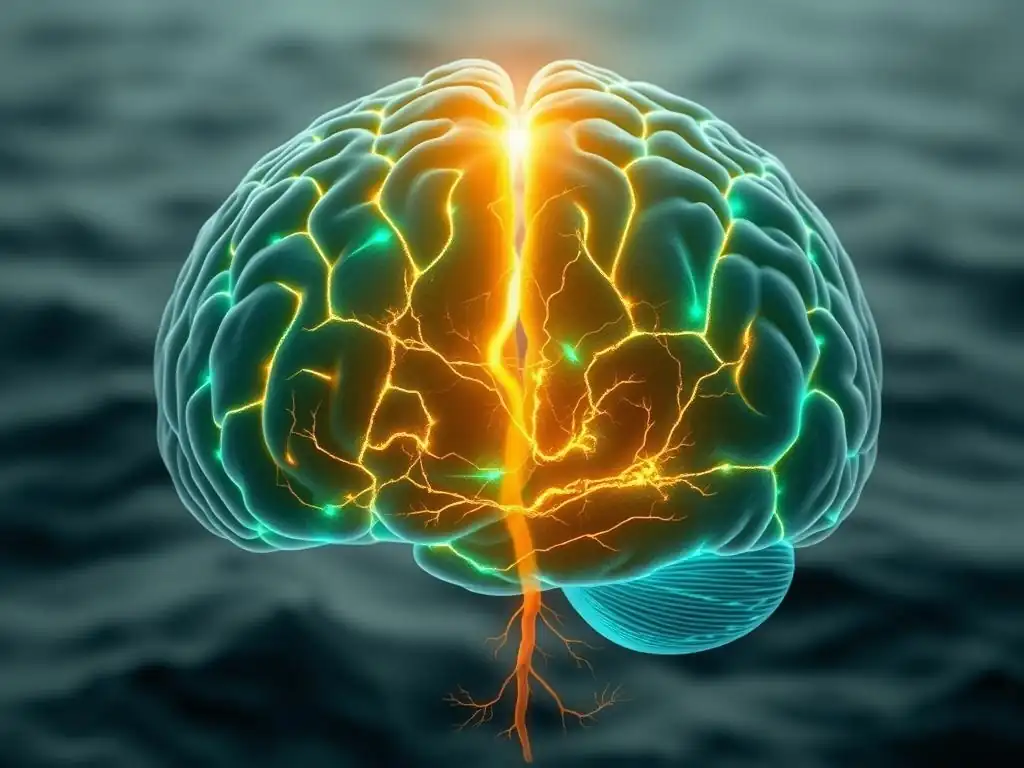
Neuroplasticity is the brain's remarkable ability to reorganize itself throughout life by forming new neural connections. It allows neurons to compensate for injury and disease and to adjust their activities in response to new situations or changes in their environment. This isn't just about learning new skills; it's the fundamental mechanism by which our experiences, thoughts, and behaviors literally reshape our brain's physical structure and functional organization. The saying "neurons that fire together, wire together," coined by Donald Hebb, elegantly describes one core principle: when two neurons are repeatedly active at the same time, the connection between them strengthens.
This process involves several mechanisms, including synaptic plasticity (changes in the strength of connections between neurons), dendritic branching (neurons growing new extensions to connect with more neurons), and even the formation of new neurons in certain areas (neurogenesis). Essentially, the brain is not a static organ but a dynamic system constantly being molded by input and activity. This inherent flexibility means that the altered brain patterns associated with mood disorders are not fixed; they can be modified and rewired. The potential for Neuroplasticity change mood disorder patterns is profound, offering a biological basis for recovery and therapeutic interventions.
The Brain's Capacity for Change: Rewiring for Better Mood
Given that mood disorders involve maladaptive neural circuits and patterns of activity (e.g., excessive rumination, heightened threat response), neuroplasticity provides the biological pathway to modify these circuits. By engaging in new experiences, learning new coping strategies, or changing thought patterns, individuals can actively participate in rewiring their brains. For example, repeatedly practicing positive self-talk or engaging in enjoyable activities can strengthen neural pathways associated with positive emotions and reward, while weakening pathways associated with negative rumination or anhedonia.
This rewiring process is not instantaneous but occurs gradually through consistent effort and targeted interventions. It involves strengthening beneficial connections and weakening those that contribute to disordered mood states. Think of it like forging new paths through a forest; the more you use a new path, the clearer and easier it becomes, while the old, overgrown path fades away. Similarly, consciously directing attention, practicing new behaviors, or learning new ways of thinking can create and reinforce healthier neural pathways, enabling Neuroplasticity change mood disorder symptoms over time.
Neuroplasticity vs. Neurogenesis: Understanding the Differences
While often discussed together, neuroplasticity and neurogenesis are distinct but related concepts. Neuroplasticity is the broader term referring to the brain's ability to change and adapt, primarily through altering the strength of existing synaptic connections or forming new ones between existing neurons. It's about remodeling the neural network.
Neurogenesis, on the other hand, is the process of creating new neurons. In the adult mammalian brain, this process is primarily known to occur in specific regions, most notably the hippocampus. While neurogenesis is a fascinating form of brain change and is influenced by factors like exercise and learning, it is just one component of the larger picture of neuroplasticity.
The ability to Neuroplasticity change mood disorder patterns relies heavily on the widespread remodeling of existing neural circuits throughout various brain regions, not solely on the birth of new neurons. Both processes contribute to the brain's dynamic nature and its capacity for recovery.
Neuroplasticity and Mood Disorders: Evidence and Research

Scientific Studies on Neuroplasticity and Mood Disorders
Numerous scientific studies have demonstrated the role of neuroplasticity in both the development and potential recovery from mood disorders. Research using fMRI has shown that successful treatment, whether through psychotherapy or medication, can lead to measurable changes in brain activity and connectivity. For instance, studies on individuals with depression who undergo effective antidepressant treatment or cognitive behavioral therapy (CBT) often reveal increased activity in the prefrontal cortex and altered connectivity with the amygdala, suggesting improved emotional regulation.
Meta-analyses of neuroimaging studies in depression have consistently highlighted structural differences, such as reduced gray matter volume in areas like the hippocampus and prefrontal cortex. Crucially, longitudinal studies tracking individuals through treatment have shown that these structural and functional abnormalities can at least partially reverse or improve as symptoms remit, providing strong evidence that Neuroplasticity change mood disorder-related brain patterns is possible. This body of research underscores that the brain changes associated with mood disorders are dynamic, not fixed, and can be influenced by targeted interventions.
How Neuroplasticity Can Help Overcome Anhedonia and Negative Thought Patterns
Anhedonia, the inability to experience pleasure, is a core symptom of depression and a significant barrier to recovery. It is thought to involve dysfunction in the brain's reward pathways, particularly those involving dopamine. Neuroplasticity offers a mechanism to potentially rebuild and strengthen these impaired reward circuits. Engaging in activities that were once pleasurable, even if initially without feeling, can, over time, help reactivate and reinforce the neural pathways associated with reward and motivation. This is a prime example of how actively pursuing positive experiences can facilitate Neuroplasticity change mood disorder symptoms like anhedonia.
Similarly, mood disorders often involve deeply ingrained negative thought patterns – rumination, self-criticism, catastrophic thinking. These thoughts are essentially manifestations of strengthened, maladaptive neural pathways. Therapies like CBT specifically target these patterns by teaching individuals to identify, challenge, and restructure negative thoughts. Repeatedly practicing these new, more balanced thought patterns helps to weaken the old neural circuits associated with negative thinking and build new, healthier ones. This cognitive restructuring is a direct application of neuroplastic principles to facilitate Neuroplasticity change mood disorder-related cognitive biases.
The Impact of Neuroplasticity on Long-Term Mood Stability
Achieving remission from a mood disorder is a significant step, but maintaining long-term stability is equally important. Neuroplasticity plays a crucial role in building resilience against future episodes. By strengthening healthy neural circuits involved in emotional regulation, stress management, and positive affect, the brain becomes better equipped to handle life's challenges without reverting to maladaptive patterns.
Sustained engagement in practices known to promote neuroplasticity, such as regular exercise, mindfulness, continued therapy, and maintaining healthy social connections, helps to consolidate the gains made during acute treatment. These activities reinforce the newly established healthy neural pathways, making them more robust and less susceptible to disruption. The ongoing capacity for Neuroplasticity change mood disorder patterns means that recovery is not a static endpoint but a dynamic process of building and maintaining a more resilient brain state.
Harnessing Neuroplasticity for Mood Disorder Treatment
Lifestyle Changes that Promote Neuroplasticity for Mood
Lifestyle factors have a profound impact on brain health and neuroplasticity, offering accessible ways to support recovery from mood disorders.
Diet and Nutrition for Brain Health and Mood Enhancement
Nutrition is fundamental to brain function. A diet rich in omega-3 fatty acids (found in fish, flaxseeds), antioxidants (berries, dark leafy greens), vitamins (especially B vitamins), and minerals is crucial for supporting neuronal health and synaptic plasticity. Omega-3s, for example, are building blocks for brain cell membranes and have anti-inflammatory properties, which can benefit brain health.
Studies have linked diets high in processed foods, sugar, and unhealthy fats to increased inflammation and a higher risk of depression, while Mediterranean-style diets are associated with better mental well-being. Providing the brain with the right nutrients supports its ability to repair itself and form new connections, facilitating Neuroplasticity change mood disorder symptoms.
Specific nutrients like B vitamins and magnesium are essential for neurotransmitter synthesis and function. For instance, adequate B12 and folate are necessary for the production of serotonin, dopamine, and norepinephrine. Ensuring nutritional needs are met through a balanced diet or targeted supplementation (under medical guidance) provides the necessary foundation for the brain's neuroplastic capabilities to function optimally.
Exercise and its Positive Impact on Neuroplasticity and Mood
Regular physical activity is one of the most powerful promoters of neuroplasticity and has significant antidepressant and anxiolytic effects. Aerobic exercise, in particular, increases blood flow to the brain, delivering oxygen and nutrients vital for neuronal health. It also stimulates the production of Brain-Derived Neurotrophic Factor (BDNF), often called "Miracle-Gro" for the brain, which supports the growth, survival, and function of neurons and synapses.
Studies in both animals and humans have shown that regular exercise can increase the volume of the hippocampus, a brain region often reduced in size in individuals with depression. Engaging in activities like brisk walking, jogging, swimming, or cycling for even 30 minutes several times a week can trigger these beneficial changes, helping to rewire brain circuits involved in mood regulation and stress response. This makes exercise a cornerstone strategy to actively promote Neuroplasticity change mood disorder patterns.
Sleep's Crucial Role in Brain Rewiring and Mood Regulation
Sleep is not just a period of rest; it is a critical time for brain repair, consolidation of memories, and synaptic remodeling. During sleep, particularly REM sleep, the brain processes emotional experiences and strengthens or weakens synaptic connections based on recent activity. Chronic sleep deprivation impairs neuroplasticity, reduces BDNF levels, and disrupts neurotransmitter systems, all of which can exacerbate mood disorder symptoms.
Aiming for 7-9 hours of quality sleep per night is essential for supporting the brain's ability to reorganize and adapt. Establishing a consistent sleep schedule, creating a relaxing bedtime routine, and optimizing the sleep environment can significantly improve sleep quality. Prioritizing sufficient and restorative sleep provides the necessary conditions for the brain to effectively utilize its neuroplastic capacity to repair and rebalance, aiding in the effort to Neuroplasticity change mood disorder symptoms.
Therapeutic Interventions that Leverage Neuroplasticity
Various psychotherapies and somatic treatments are effective in treating mood disorders precisely because they harness the principles of neuroplasticity.
Cognitive Behavioral Therapy (CBT) and Neuroplasticity
Cognitive Behavioral Therapy (CBT) is a highly effective psychotherapy for mood disorders that directly leverages neuroplasticity. CBT helps individuals identify and challenge unhelpful thought patterns and behaviors associated with depression and anxiety. By learning to recognize cognitive distortions (e.g., "all-or-nothing" thinking, catastrophizing) and practicing more balanced and realistic ways of thinking, individuals are actively creating and strengthening new neural pathways.
The behavioral component of CBT encourages engaging in activities that may have been avoided due to low mood or anxiety. This behavioral activation helps to rebuild connections in reward pathways and break cycles of avoidance. Repeatedly applying CBT techniques in daily life trains the brain to respond differently to challenging situations, effectively rewiring circuits involved in emotional and cognitive processing. Research has shown that effective CBT is associated with measurable changes in brain activity patterns, consistent with the brain's capacity for Neuroplasticity change mood disorder-related thinking and behavior.
Mindfulness and Meditation for Mood Regulation Through Brain Change
Mindfulness and meditation practices involve training attention and awareness, focusing on the present moment without judgment. Regular practice has been shown to induce significant neuroplastic changes in the brain, particularly in areas related to attention, emotional regulation, and self-awareness. Studies using MRI have found that long-term meditators often have increased gray matter density in the prefrontal cortex and hippocampus, areas crucial for emotional control and resilience, and decreased gray matter density in the amygdala, suggesting reduced reactivity to stress.
Mindfulness helps individuals observe their thoughts and feelings without getting overwhelmed or caught in negative rumination. This practice weakens the habitual neural pathways associated with automatic negative reactions and strengthens pathways associated with non-reactivity and acceptance. By fostering a more present and less reactive state, mindfulness supports the brain's ability to regulate mood and shift away from maladaptive emotional patterns, actively promoting Neuroplasticity change mood disorder symptoms related to reactivity and rumination.
Transcranial Magnetic Stimulation (TMS) and Its Neuroplastic Effects
Transcranial Magnetic Stimulation (TMS) is a non-invasive medical procedure used to treat depression, particularly when other treatments have not been effective. TMS involves using magnetic pulses to stimulate specific areas of the brain, typically the prefrontal cortex, which is often underactive in depression. These repetitive magnetic pulses are believed to induce changes in neuronal activity and connectivity in the targeted area and connected brain regions.
The therapeutic effects of TMS are thought to be mediated by its ability to promote neuroplasticity. By stimulating specific neural circuits, TMS can strengthen connections that have become weakened and potentially normalize activity in dysregulated areas. This targeted approach provides a direct means of influencing the brain's plasticity to alleviate depressive symptoms. While the exact mechanisms are still being researched, the evidence suggests that TMS facilitates beneficial neuroplastic changes that contribute to improved mood and function, demonstrating a technological approach to Neuroplasticity change mood disorder-related brain states.
Practical Steps to Promote Neuroplasticity and Improve Mood

Creating a Brain-Healthy Environment
Your environment significantly influences your brain. Creating a supportive and stimulating environment can actively promote neuroplasticity and support mood improvement.
- Reduce Chronic Stress: Prolonged stress releases cortisol, which can damage neurons and impair neuroplasticity, particularly in the hippocampus. Identify stressors and implement stress-reduction techniques like deep breathing, yoga, or spending time in nature.
- Prioritize Social Connection: Positive social interactions are vital for brain health. They stimulate the release of oxytocin and other neurochemicals that support well-being and can buffer the effects of stress. Make time for friends and family, or join groups that align with your interests. Loneliness and isolation are detrimental to brain health.
- Ensure Adequate Sunlight Exposure: Sunlight helps regulate circadian rhythms, which are crucial for sleep and mood. It also promotes Vitamin D synthesis, which is linked to brain health. Aim for safe sun exposure daily, especially in the morning.
A nurturing environment reduces factors that hinder neuroplasticity (like chronic stress) and increases factors that support it (like social connection and healthy rhythms), creating optimal conditions for the brain to heal and adapt.
Engaging in Novel and Challenging Activities
Learning new things and engaging in activities that challenge your brain are powerful ways to stimulate neuroplasticity. When you learn a new skill, whether it's playing an instrument, learning a language, or even taking a different route to work, your brain forms new connections and strengthens existing ones.
- Try a New Hobby: Pick up painting, learn to knit, or start gardening. Activities that require focus and coordination are particularly beneficial.
- Learn a Language or Instrument: These activities engage multiple brain areas and demand significant neural effort, promoting widespread neuroplastic changes. Even using language learning apps for 15-20 minutes a day can be beneficial.
- Solve Puzzles or Brain Games: Crosswords, sudoku, jigsaw puzzles, and strategic video games can challenge cognitive functions like memory, problem-solving, and attention, keeping your brain agile. Aim for variety to challenge different cognitive domains.
Continuously challenging your brain helps maintain its flexibility and capacity for change. This ongoing stimulation reinforces the brain's natural ability to adapt and form new pathways, supporting the effort to Neuroplasticity change mood disorder patterns by fostering mental flexibility and resilience.
Setting Realistic Goals and Celebrating Progress
Setting and achieving realistic goals, no matter how small, can have a positive impact on mood and reinforce beneficial neural pathways. When you accomplish a goal, the brain's reward system (involving dopamine) is activated, reinforcing the behaviors that led to the success. In mood disorders, the reward system is often blunted (anhedonia). By setting achievable goals and acknowledging progress, you are actively working to reactivate and strengthen these pathways.
- Break Down Large Goals: If a goal feels overwhelming, break it into smaller, manageable steps. For example, if the goal is to exercise more, start with a 10-minute walk daily.
- Use a Task List: Writing down tasks and checking them off provides a visual representation of progress and reinforces the sense of accomplishment.
- [ ] Walk for 15 minutes today
- [ ] Prepare one healthy meal
- [ ] Spend 10 minutes on a hobby
- Celebrate Small Wins: Acknowledge and appreciate your efforts and achievements, even if they seem minor. This positive reinforcement helps strengthen the neural connections associated with motivation and reward.
This process of setting, pursuing, and achieving goals, combined with positive reinforcement, helps to rebuild and strengthen the brain's reward circuitry and foster a sense of agency and accomplishment. This is a practical application of how behavioral activation and positive feedback can support Neuroplasticity change mood disorder-related motivational deficits.
The Future of Neuroplasticity Research in Mood Disorder Treatment
Emerging Therapies and Technologies
The understanding of neuroplasticity is driving the development of exciting new treatments for mood disorders. Beyond traditional TMS, researchers are exploring other forms of brain stimulation, such as transcranial direct current stimulation (tDCS) and deep brain stimulation (DBS), which aim to modulate specific neural circuits implicated in mood regulation. While DBS is currently reserved for severe, treatment-resistant cases, ongoing research seeks to refine these techniques for broader application.
Psychedelic-assisted therapy is another area gaining significant attention. Compounds like psilocybin and ketamine, administered in a controlled therapeutic setting, appear to rapidly induce neuroplastic changes, increasing synaptic connectivity, particularly in the prefrontal cortex. Early research suggests these changes may help break individuals out of rigid, negative thought patterns characteristic of depression. These emerging therapies represent cutting-edge approaches focused on directly enhancing the brain's capacity for Neuroplasticity change mood disorder states at a fundamental level.
Personalized Approaches to Neuroplasticity-Based Interventions
As our understanding of the brain's complexity grows, so does the potential for personalized treatment approaches based on neuroplasticity. Future interventions may involve tailoring specific therapies or stimulation techniques based on an individual's unique brain structure, connectivity patterns, and genetic profile. Neuroimaging could potentially be used to identify specific neural circuits that are most dysfunctional and target interventions precisely to those areas.
Genetic research is also exploring how individual genetic variations might influence neuroplasticity and response to different treatments. This could lead to predicting which individuals are more likely to benefit from certain therapies or lifestyle changes. Personalized medicine, informed by the principles of neuroplasticity, holds the promise of more effective and efficient treatment strategies that are specifically designed to facilitate Neuroplasticity change mood disorder patterns in a way that is optimal for each individual's brain.
Overcoming Challenges and Maximizing the Potential of Neuroplasticity
Despite the immense promise, challenges remain in fully harnessing neuroplasticity for mood disorder treatment. These include identifying the most effective ways to stimulate and direct beneficial plasticity, determining optimal dosage and duration for interventions, and ensuring accessibility to advanced therapies. Further research is needed to understand the interplay between different neuroplastic mechanisms and how they contribute to long-term recovery.
Maximizing the potential of neuroplasticity requires a holistic approach that often combines therapeutic interventions with lifestyle changes. Educating individuals about the brain's capacity for change empowers them to become active participants in their own recovery journey. Continued research, technological advancements, and a focus on integrating various evidence-based strategies will be key to unlocking the full potential of neuroplasticity to treat and prevent mood disorders, making Neuroplasticity change mood disorder a more widely accessible reality.
Neuroplasticity and Hope for Lasting Change in Mood Disorders
Reframing Mood Disorders as Adaptable Conditions
The traditional view of mood disorders sometimes implied fixed biological deficits. However, the science of neuroplasticity offers a powerful counter-narrative: the brain is inherently adaptable. This means that while genetic predispositions and adverse experiences can shape the brain in ways that increase vulnerability to mood disorders, the brain retains the capacity to change and heal. Reframing mood disorders through the lens of neuroplasticity shifts the focus from a static condition to a dynamic process where recovery and significant improvement are biologically possible.
This perspective instills hope, emphasizing that individuals are not passively subject to their brain's current state but can actively influence its structure and function. It highlights that symptoms like persistent sadness, anhedonia, or excessive worry are not necessarily permanent fixtures but manifestations of neural patterns that can be modified. Understanding that Neuroplasticity change mood disorder patterns is achievable provides a foundation for motivation and engagement in treatment and recovery efforts.
Empowering Individuals to Take Control of Their Mental Well-being
Recognizing the brain's neuroplasticity empowers individuals by demonstrating that they have agency in their recovery. While professional support from therapists and doctors is crucial, daily choices and practices play a significant role in shaping the brain. Engaging in activities known to promote neuroplasticity – exercise, healthy diet, mindfulness, learning, positive social interaction – becomes not just coping mechanisms but active strategies to rewire the brain for better mood and resilience.
This understanding shifts the focus from simply managing symptoms to actively building a healthier, more resilient brain. It encourages individuals to view their efforts in therapy or lifestyle changes as investments in their brain's long-term health and capacity for well-being. The concept of Neuroplasticity change mood disorder empowers individuals by showing them that their actions have a tangible biological impact on their mental health.
The Importance of Ongoing Support and Maintenance
While neuroplasticity offers immense hope, the journey of recovery from a mood disorder is often non-linear and requires ongoing effort and support. The brain's capacity for change means it can also revert to old patterns if not consistently reinforced with healthy practices. Therefore, maintaining gains requires continued attention to lifestyle factors, potentially ongoing therapeutic support, and proactive strategies for managing stress and early warning signs of relapse.
Think of it like physical fitness; achieving a healthy state requires consistent effort to maintain it. Similarly, maintaining a healthier brain state achieved through neuroplasticity requires ongoing engagement with practices that support mental well-being. Support from healthcare professionals, friends, family, and support groups provides encouragement and resources necessary for sustained recovery. Embracing the potential for Neuroplasticity change mood disorder patterns is a lifelong journey of learning, adapting, and nurturing brain health.
Frequently Asked Questions
What is neuroplasticity and how does it relate to mood disorders?
Neuroplasticity is the brain's ability to reorganize itself by forming new neural connections throughout life. This means we can potentially rewire our brains to change mood disorder patterns.
Can neuroplasticity really "undo" deeply ingrained mood disorder patterns?
While not a complete "undo," neuroplasticity offers hope for significant improvement and management of mood disorder symptoms. It allows for building new, healthier neural pathways.
What types of activities or therapies can promote neuroplasticity and help with mood disorders?
Activities like mindfulness meditation, cognitive behavioral therapy (CBT), and exercise can stimulate neuroplasticity. These practices help create positive changes in brain function.
How long does it typically take to see noticeable changes in mood using neuroplasticity-based interventions?
The timeline varies greatly depending on the individual and the severity of the mood disorder. However, consistent effort over several weeks or months is usually required to observe meaningful progress.
Is neuroplasticity a "cure" for mood disorders, or is it more about managing symptoms?
Neuroplasticity isn't necessarily a "cure," but rather a powerful tool for managing and mitigating mood disorder symptoms. It focuses on building resilience and creating lasting positive changes.
Final Reflection: Rewiring Your Way to Well-being
The power of neuroplasticity offers a revolutionary perspective on mood disorders, shifting the narrative from a life sentence to a journey of healing and transformation. No longer are we bound by the limitations of our past experiences; instead, we hold the key to reshaping our brain's pathways and reclaiming our mental well-being. This understanding empowers individuals to actively participate in their recovery, fostering hope and agency where previously there might have been only despair.
The implications of neuroplasticity extend far beyond individual healing; it's a societal shift in how we understand and approach mental health. This knowledge challenges the stigma surrounding mood disorders, offering a message of hope and possibility. It encourages a move away from solely medication-based approaches towards a more holistic and empowering model of care that incorporates lifestyle changes, therapy, and mindfulness practices. The brain is not static; it is constantly changing and adapting in response to our experiences.
This simple truth holds immense power, offering a path towards lasting change and resilience.
Consider the profound implications of this discovery. You are not defined by your diagnosis. You are capable of influencing the very structure of your brain, fostering new neural pathways that support emotional regulation and resilience. Embrace the potential within you. Explore the therapeutic techniques discussed in this article, commit to self-care practices, and actively cultivate positive experiences. Your journey towards a healthier, happier you begins with the understanding that your brain is malleable, and your well-being is within your reach.
Unleash Your Brain's Rewiring Power!
Thanks for diving into the fascinating world of neuroplasticity and mood disorders! You've just learned how powerful your brain's ability to change truly is. Now it's time to put that knowledge into action.
Here's how to start rewiring your pathways toward a brighter mood:
- Prioritize one small, manageable change: This could be anything from starting a daily gratitude practice to incorporating a short walk into your routine. Small steps lead to big transformations!
- Explore mindfulness techniques: Meditation or even just deep breathing exercises can significantly impact your mood regulation. Give it a try!
- Share your journey: Connecting with others who understand can be incredibly supportive. Consider sharing your experience (anonymously, if preferred) in the comments below to inspire others.
Ready to begin your journey towards a more balanced and joyful you? What’s one small step you can take today to harness the power of neuroplasticity?