
Diet and Your Mind: Epigenetic Effects of Nutrition on Mental Health


Welcome to Mind Care Guide, a safe space dedicated to your mental well-being.
Are you curious about the hidden link between what you eat and how you feel? It's more profound than you might think. Discover how nutrition impacts mental health genes, influencing your mood and cognitive function. Dive into our exploration of the epigenetic effects of diet and unlock the potential to nourish not just your body, but your mind. Keep reading to understand the incredible power of food as medicine for your mental health!
Diet and Your Mind: Epigenetic Effects of Nutrition on Mental Health
- Introduction: The Powerful Link Between Nutrition and Mental Well-being
- Epigenetics and Mental Health: How Diet Shapes Your Genes
- Key Nutrients and Their Epigenetic Effects on Mental Health
- The Gut-Brain Axis: The Second Brain and Nutrition
- Specific Dietary Patterns and their Epigenetic Influence
- The Epigenetic Impact of Nutritional Deficiencies on Mental Health
- Personalized Nutrition: Tailoring Your Diet for Mental Health
- Future Directions: Epigenetics, Nutrition, and Mental Health Research
- Conclusion: Empowering Mental Health Through Nutrition and Epigenetics
-
Frequently Asked Questions
- How does nutrition impact mental health genes?
- What are epigenetic effects in the context of nutrition and mental health?
- Can a poor diet negatively impact my mental health genes?
- What specific nutrients are important for supporting mental health genes?
- How can I use nutrition to positively influence my mental health genes?
- Final Reflection: Nourishing the Mind, Shaping the Future
- Unlock Your Mind's Potential: Nourish Your Way to Well-being
Introduction: The Powerful Link Between Nutrition and Mental Well-being
Understanding the Mind-Body Connection
The intricate relationship between our physical body and mental state is increasingly recognized as fundamental to overall well-being. For centuries, philosophical and medical traditions have acknowledged this connection, but modern science, particularly neuroscience and epigenetics, is now providing tangible evidence of how deeply intertwined they are.
Our physical health, influenced by factors like diet, sleep, and exercise, doesn't just affect our mental state; it is an inseparable part of it. This holistic view is crucial because it empowers us to understand that interventions targeting the body, especially nutrition, can have profound effects on the mind, influencing everything from mood stability to cognitive function.
This mind-body connection is not merely theoretical; it's grounded in complex biological systems. For instance, chronic inflammation in the body, often linked to poor dietary habits, has been associated with an increased risk of depression and anxiety. Similarly, deficiencies in certain nutrients essential for brain function can manifest as cognitive impairment or mood swings. Recognizing this powerful link means understanding that nourishing our bodies appropriately is a direct pathway to supporting our mental health, highlighting just one way nutrition impacts mental health genes and overall brain function.
Nutrition's Impact on Mental Health
Nutrition plays a pivotal role in fueling the brain, which is a highly metabolically active organ comprising only about 2% of body weight but consuming roughly 20% of the body's energy resources. The quality and composition of the food we eat directly influence the availability of essential building blocks for neurotransmitters, the production of energy, the maintenance of brain structure, and the regulation of inflammation.
A diet rich in whole foods, healthy fats, and micronutrients provides the necessary components for optimal brain function, while a diet high in processed foods, sugar, and unhealthy fats can disrupt these processes, potentially leading to negative mental health outcomes.
Emerging research is demonstrating that the impact of nutrition goes beyond simply providing fuel; it actively modulates brain chemistry and structure. For example, studies have linked diets high in fruits, vegetables, whole grains, and lean proteins to a reduced risk of depression and anxiety compared to diets high in saturated fats, refined sugars, and processed foods. This suggests that dietary patterns don't just support mental health; they actively influence the biological pathways involved, including those where nutrition impacts mental health genes, thereby affecting long-term brain resilience and vulnerability to disorders.
Epigenetics and Mental Health: How Diet Shapes Your Genes
What is Epigenetics? Unlocking Gene Expression
Epigenetics refers to heritable changes in gene expression that occur without alterations to the underlying DNA sequence. Think of your DNA as the computer hardware – it's fixed. Epigenetic modifications are like the software that tells the hardware how and when to run programs.
These modifications, such as DNA methylation (adding a methyl group to DNA) and histone modification (altering proteins around which DNA is wrapped), can turn genes "on" or "off," or influence how strongly they are expressed. Unlike genetic mutations, which are permanent changes to the DNA sequence, epigenetic marks are dynamic and can be influenced by environmental factors throughout life.
These epigenetic mechanisms are crucial for normal development, allowing different cells to specialize despite having the same DNA. However, they also act as a bridge between our environment and our genes. Factors like stress, exposure to toxins, lifestyle choices, and, importantly, nutrition, can leave epigenetic marks on our DNA.
These marks can persist, affecting gene expression and cellular function, and in some cases, can even be passed down to future generations. Understanding epigenetics provides a powerful lens through which to view how external factors like diet can directly interact with our genetic makeup, illustrating precisely how nutrition impacts mental health genes without changing the genes themselves.
The Role of Epigenetics in Mental Health Disorders
Epigenetic dysregulation is increasingly implicated in the development and progression of various mental health conditions, including depression, anxiety disorders, schizophrenia, and neurodevelopmental disorders. Research has identified specific epigenetic changes in brain regions associated with mood, cognition, and stress response in individuals with these conditions. For example, altered DNA methylation patterns have been observed in genes involved in neurotransmitter signaling (like serotonin and dopamine pathways) and stress hormone regulation (like the NR3C1 gene, which codes for the glucocorticoid receptor) in individuals experiencing depression or chronic stress.
These epigenetic modifications can alter the expression levels of critical genes, disrupting neuronal circuits and contributing to pathological states. For instance, changes in histone modifications can affect the accessibility of DNA to transcription factors, thereby influencing the production of proteins necessary for synaptic plasticity and neuronal survival.
Studies on post-mortem brain tissue from individuals with schizophrenia have shown altered epigenetic marks in genes critical for brain development and function. This growing body of evidence underscores that mental health disorders are not solely determined by inherited genes but are also influenced by the dynamic interplay between our genetic code and environmental factors, highlighting the significant role epigenetics plays and how nutrition impacts mental health genes involved in these complex disorders.
Nutrition Impacts Mental Health Genes: An Epigenetic Overview
Nutrition stands out as a particularly powerful environmental factor capable of influencing epigenetic marks. The foods we eat provide the substrates and cofactors necessary for the enzymes that apply, remove, or interpret epigenetic modifications. For example, the process of DNA methylation relies on the availability of methyl groups, which are derived from dietary nutrients like folate, vitamin B12, and methionine. Deficiencies or excesses of these "methyl donors" can directly impact methylation patterns across the genome, including genes relevant to brain function and mental health.
Beyond providing methyl groups, other nutrients can influence epigenetic processes. Omega-3 fatty acids, for instance, can affect histone modifications and the expression of genes involved in inflammation and neuroprotection. Micronutrients like zinc, magnesium, and B vitamins act as cofactors for various enzymes involved in both DNA and histone modifications.
Furthermore, dietary components can influence the production of metabolites by gut bacteria, some of which can also act as epigenetic modifiers. This intricate network illustrates the profound ways nutrition impacts mental health genes by modulating the epigenetic machinery that controls their expression, offering a biological basis for the observed link between diet and mental well-being.
Key Nutrients and Their Epigenetic Effects on Mental Health
Folate and Mental Health: Epigenetic Mechanisms
Folate (Vitamin B9) is a critical nutrient involved in the one-carbon metabolism pathway, which is essential for the synthesis of DNA, RNA, and methionine, the precursor to S-adenosylmethionine (SAMe). SAMe is the primary methyl group donor for DNA methylation reactions. Therefore, adequate folate intake is crucial for maintaining proper DNA methylation patterns throughout the body, including the brain. Low levels of folate have been consistently linked to an increased risk of depression and cognitive impairment. It is estimated that approximately 15-38% of individuals with depression have folate deficiency.
From an epigenetic perspective, folate deficiency can lead to global DNA hypomethylation (reduced methylation across the genome) or site-specific hypermethylation or hypomethylation in certain genes. For example, studies have shown that folate deficiency can alter methylation patterns in genes involved in neurotransmitter synthesis and metabolism, such as those in the dopamine and serotonin pathways. These changes in methylation can lead to altered gene expression, potentially disrupting normal brain function and contributing to mood disorders. This mechanism underscores how nutrition impacts mental health genes by directly influencing the availability of essential cofactors for epigenetic processes.
Vitamin B12: Methylation and Mood Regulation
Vitamin B12 (cobalamin), like folate, is another essential component of the one-carbon metabolism pathway and is necessary for the synthesis of SAMe. B12 deficiency can impair the regeneration of methionine from homocysteine, leading to reduced SAMe levels. This reduction in the primary methyl donor can disrupt DNA methylation patterns, similar to folate deficiency. Vitamin B12 deficiency is relatively common, especially among older adults, vegetarians, and individuals with certain medical conditions, and it has been associated with a range of neurological and psychiatric symptoms, including depression, cognitive decline, and fatigue.
The epigenetic effects of B12 deficiency are closely intertwined with those of folate. Both nutrients work together in the methylation cycle. Insufficient B12 can lead to a "folate trap," where folate is unavailable for SAMe synthesis, further disrupting methylation.
Research has shown that B12 deficiency can lead to changes in the methylation status of genes involved in myelin synthesis (essential for nerve insulation) and neurotransmitter metabolism. These epigenetic alterations can impair neuronal communication and contribute to neurological and psychiatric symptoms. Understanding the role of B12 in this cycle highlights another way nutrition impacts mental health genes through essential metabolic pathways.
Omega-3 Fatty Acids: Gene Expression for Brain Health
Omega-3 polyunsaturated fatty acids (PUFAs), particularly EPA (eicosapentaenoic acid) and DHA (docosahexaenoic acid), are vital structural components of brain cell membranes and play crucial roles in neuronal signaling, neuroinflammation, and neurogenesis. Low levels of omega-3s have been associated with an increased risk of depression, anxiety, and other mental health disorders. While their structural and anti-inflammatory roles are well-established, emerging evidence points to their ability to influence gene expression through epigenetic mechanisms.
Omega-3 fatty acids can influence the activity of enzymes involved in histone modification, such as histone acetyltransferases (HATs) and deacetylases (HDACs). By altering histone acetylation, omega-3s can affect chromatin structure and the accessibility of genes for transcription. For instance, studies suggest that omega-3s can promote the expression of genes involved in neuroprotection and reduce the expression of pro-inflammatory genes by modulating epigenetic marks. This influence on gene expression provides a mechanism by which these dietary fats contribute to brain health and resilience, demonstrating yet another pathway through which nutrition impacts mental health genes.
Balanced Diet for Optimal Mental Function
While specific nutrients like folate, B12, and omega-3s have direct epigenetic roles, the overall dietary pattern is arguably more important for long-term mental well-being and epigenetic health. A balanced diet provides a synergistic array of nutrients that work together to support brain function and maintain healthy epigenetic profiles. This includes a wide variety of vitamins, minerals, antioxidants, fiber, and healthy fats found in whole foods. For example, antioxidants from fruits and vegetables can protect DNA from oxidative damage, which can influence epigenetic marks. Fiber supports a healthy gut microbiome, which in turn produces metabolites that can have epigenetic effects.
Conversely, a diet high in processed foods, refined sugars, and unhealthy fats can lead to chronic inflammation, oxidative stress, and nutrient deficiencies, all of which can negatively impact epigenetic regulation. Such diets may contribute to unfavorable epigenetic changes that increase vulnerability to mental health issues.
A balanced diet provides the necessary building blocks and regulatory molecules to support the dynamic nature of epigenetic processes, ensuring that genes related to brain health and resilience are appropriately expressed. This holistic approach emphasizes that how nutrition impacts mental health genes is not just about individual nutrients but the complex interplay of dietary components.
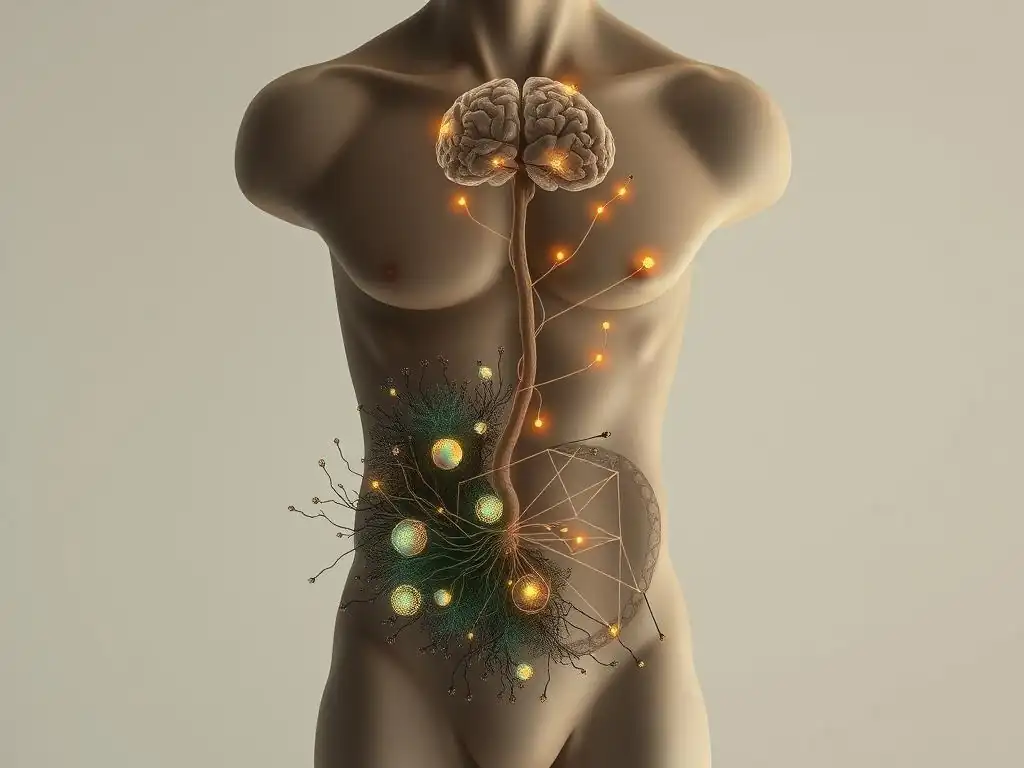
The Gut-Brain Axis: The Second Brain and Nutrition
The Gut Microbiome: Mental Health Epigenetics
The human gut is home to trillions of microorganisms, collectively known as the gut microbiome. This vast community of bacteria, viruses, fungi, and other microbes plays a critical role in digestion, nutrient absorption, immune function, and even brain health. The gut and brain are in constant bidirectional communication through the gut-brain axis, involving neural, hormonal, and immunological pathways. The composition and activity of the gut microbiome are profoundly influenced by diet, and in turn, the microbiome can impact mental health through various mechanisms, including the modulation of epigenetic processes.
Gut bacteria produce a wide range of metabolites from the digestion of dietary fibers and other compounds. These metabolites, such as short-chain fatty acids (SCFAs) like butyrate, propionate, and acetate, can enter the bloodstream and reach the brain. SCFAs, particularly butyrate, are known to act as potent epigenetic modifiers.
Butyrate, for instance, is a histone deacetylase (HDAC) inhibitor, meaning it can prevent the removal of acetyl groups from histones. This leads to increased histone acetylation, which generally opens up chromatin structure and promotes gene transcription. By influencing histone modifications in both gut cells and potentially brain cells, the gut microbiome, shaped by diet, can influence the expression of genes related to mood, stress response, and neuroinflammation, demonstrating a complex way nutrition impacts mental health genes via microbial intermediaries.
Gut Bacteria Influence Brain Function and Mental State
Beyond epigenetic effects, the gut microbiome influences brain function and mental state through several other pathways. Gut microbes produce and consume neurotransmitters like serotonin, dopamine, and GABA, which are crucial for mood regulation. While most microbial neurotransmitters may not directly cross the blood-brain barrier, they can influence the production and release of these substances by gut cells or communicate with the nervous system through the vagus nerve. The microbiome also influences immune system activation; chronic low-grade inflammation originating in the gut has been linked to depressive symptoms and cognitive dysfunction.
Furthermore, the gut microbiome is involved in the production of essential vitamins (like some B vitamins and vitamin K) and the metabolism of dietary compounds that can affect brain function. Dysbiosis, an imbalance in the gut microbial community, has been associated with various mental health conditions, including irritable bowel syndrome (IBS) with comorbid anxiety/depression, major depressive disorder, and autism spectrum disorders. This highlights how the health of our gut, heavily influenced by what we eat, directly impacts the biological environment in which our brain operates, affecting both brain function and influencing how nutrition impacts mental health genes.
Dietary Interventions to Optimize Gut Health and Mental Well-being
Given the strong link between diet, the gut microbiome, and mental health, targeted dietary interventions offer a promising avenue for supporting mental well-being. Diets rich in diverse fiber sources (from fruits, vegetables, legumes, and whole grains) and fermented foods (like yogurt, kefir, sauerkraut, and kimchi) can promote a diverse and healthy gut microbial community. Prebiotic fibers selectively feed beneficial gut bacteria, while probiotics introduce beneficial microbes directly.
Studies exploring the impact of dietary changes on the gut-brain axis and mental health have shown promising results. For example, interventions focusing on increasing fiber intake and incorporating fermented foods have been associated with improvements in mood and reductions in stress levels in some individuals. While the research is still evolving, optimizing gut health through dietary choices is a tangible way to positively influence the gut-brain axis, support healthy epigenetic patterns, and potentially mitigate the impact of unfavorable nutrition on mental health genes, contributing to improved mental resilience.
Specific Dietary Patterns and their Epigenetic Influence
The Mediterranean Diet: A Brain-Boosting Epigenetic Powerhouse
The Mediterranean diet, characterized by a high intake of fruits, vegetables, whole grains, legumes, nuts, seeds, olive oil, moderate consumption of fish and poultry, and low intake of red meat and processed foods, is consistently associated with numerous health benefits, including better mental health outcomes. Large epidemiological studies have shown that adherence to a Mediterranean dietary pattern is linked to a significantly lower risk of depression, anxiety, and cognitive decline.
For example, a meta-analysis of observational studies involving over 150,000 participants found that individuals following a Mediterranean diet had a 33% reduced risk of depression compared to those with the lowest adherence.
The positive impact of the Mediterranean diet is likely due to its multifaceted influence on biological pathways relevant to brain health, including its effects on epigenetics. This dietary pattern provides abundant antioxidants and anti-inflammatory compounds that can protect against oxidative stress and chronic inflammation, both of which can negatively influence epigenetic marks. The high fiber content supports a healthy gut microbiome, producing beneficial SCFAs that act as epigenetic modifiers.
Furthermore, the emphasis on sources of folate, B12, and omega-3 fatty acids directly supports the methylation cycle and influences gene expression. Thus, the Mediterranean diet exemplifies how a synergistic dietary pattern can positively influence how nutrition impacts mental health genes through various epigenetic mechanisms, contributing to overall brain resilience.
Impact of Processed Foods and Sugar on Mental Health Genes
In contrast to the Mediterranean diet, dietary patterns high in processed foods, refined sugars, unhealthy fats (trans and saturated fats), and low in essential nutrients are consistently linked to increased risk of mental health issues. These diets promote chronic low-grade inflammation and oxidative stress, which are detrimental to brain health and can induce unfavorable epigenetic changes.
High sugar intake, for example, can lead to fluctuations in blood glucose levels and insulin resistance, which have been associated with mood instability and increased risk of depression. Studies suggest that diets high in sugar can also impair the production of brain-derived neurotrophic factor (BDNF), a protein crucial for neuronal growth and survival, potentially via epigenetic modifications of the BDNF gene.
Processed foods often lack the micronutrients necessary for proper epigenetic function while containing additives and compounds that may interfere with metabolic pathways. The high content of unhealthy fats can disrupt cell membrane function and contribute to neuroinflammation.
Research is beginning to explore how these dietary components directly influence epigenetic marks on genes related to stress response, inflammation (like the NF-κB pathway genes), and neuroplasticity. This growing body of evidence suggests that a diet dominated by processed foods and sugar not only lacks beneficial components but actively promotes biological changes, including those where nutrition impacts mental health genes negatively, increasing vulnerability to mental health challenges.
Epigenetic Benefits of Plant-Based Diets
Plant-based diets, ranging from veganism to flexitarianism, emphasize foods derived from plants, including fruits, vegetables, legumes, whole grains, nuts, and seeds. These diets are typically rich in fiber, vitamins, minerals, antioxidants, and phytochemicals, while being lower in saturated fat and cholesterol compared to diets high in animal products. Studies have shown that plant-based diets are associated with lower rates of obesity, type 2 diabetes, cardiovascular disease, and also show promise for improving mental health outcomes, including reduced symptoms of depression and anxiety.
The epigenetic benefits of plant-based diets stem from their nutrient density and the presence of bioactive compounds. The high fiber content supports a diverse and healthy gut microbiome, leading to the production of SCFAs with epigenetic activity. The abundance of antioxidants and anti-inflammatory compounds helps counteract oxidative stress and inflammation, protecting against detrimental epigenetic changes.
Furthermore, plant foods are rich sources of folate and other B vitamins essential for the methylation cycle. While ensuring adequate intake of nutrients like B12 (which is primarily found in animal products) is important for strict vegans, a well-planned plant-based diet provides a wealth of components that positively influence how nutrition impacts mental health genes by supporting healthy epigenetic landscapes and reducing pro-inflammatory signals.
The Epigenetic Impact of Nutritional Deficiencies on Mental Health
Iron Deficiency and Cognitive Function
Iron is an essential mineral required for oxygen transport, energy metabolism, and neurotransmitter synthesis. Iron deficiency, the most common nutritional deficiency worldwide, can lead to iron deficiency anemia, characterized by fatigue, weakness, and impaired cognitive function. Iron is particularly critical for brain development and function, playing a role in myelination, neurotransmitter production (especially dopamine), and synaptic plasticity. Studies have shown that iron deficiency, even without anemia, can negatively impact cognitive performance, attention, and mood, particularly in children and women of childbearing age.
The epigenetic consequences of iron deficiency are being explored. Iron is a cofactor for several enzymes involved in epigenetic regulation, including some histone demethylases. Therefore, iron deficiency could potentially alter histone modification patterns, affecting the expression of genes critical for neuronal function.
For example, research suggests that iron deficiency during early development can lead to long-lasting changes in brain structure and function, possibly mediated by persistent epigenetic marks on genes involved in neurodevelopment. This highlights how the absence of a single essential nutrient can have profound and potentially lasting effects by influencing how nutrition impacts mental health genes through epigenetic pathways.
Vitamin D Deficiency: Mood Disorders and Gene Expression
Vitamin D is a fat-soluble vitamin synthesized in the skin upon exposure to sunlight, and also obtained from certain foods and supplements. It is increasingly recognized for its roles beyond bone health, including its influence on immune function and brain health. Vitamin D receptors are present in various brain regions involved in mood and behavior, and vitamin D is thought to influence neurotransmitter synthesis and neuroprotection. Vitamin D deficiency is widespread globally and has been associated with an increased risk of depression, seasonal affective disorder, and other mood disturbances.
Vitamin D is known to influence gene expression by binding to its receptor, which then acts as a transcription factor or interacts with other transcription factors. This interaction can alter the expression of numerous genes. From an epigenetic standpoint, the vitamin D receptor complex can also interact with enzymes that modify histones or DNA methylation.
For example, vitamin D has been shown to influence the methylation status of certain genes involved in immune response and cell growth, which are indirectly relevant to brain health and inflammation. While direct epigenetic effects on mental health genes are still an active area of research, the known mechanisms of vitamin D action suggest it plays a role in modulating gene expression that could influence vulnerability to mood disorders, illustrating another way nutrition impacts mental health genes.
Long-Term Effects of Malnutrition on Mental Development
Malnutrition, particularly during critical periods of development like pregnancy and early childhood, can have severe and long-lasting consequences for brain structure, function, and mental health. Deficiencies in essential nutrients such as protein, iron, iodine, zinc, folate, and omega-3 fatty acids during these periods can impair neurodevelopment, leading to cognitive deficits, behavioral problems, and increased susceptibility to mental health disorders later in life. Studies have shown that exposure to famine during gestation, for example, is associated with an increased risk of schizophrenia and affective disorders in adulthood.
The long-term effects of early malnutrition are strongly linked to persistent epigenetic alterations. Nutrient availability during development profoundly influences the establishment of epigenetic marks that regulate gene expression in the developing brain. For instance, maternal malnutrition can alter methylation patterns in genes related to stress response and neurotrophic factor production in the offspring, potentially programming a heightened stress reactivity and impaired neuronal plasticity that persists into adulthood. These findings underscore how early life nutrition impacts mental health genes through epigenetic programming, highlighting the critical importance of adequate nutrient intake for healthy brain development and lifelong mental well-being.
Personalized Nutrition: Tailoring Your Diet for Mental Health

Understanding Genetic Predisposition to Mental Health Conditions
While environmental factors like nutrition significantly influence mental health, our individual genetic makeup also plays a role in determining our susceptibility or resilience to certain conditions. Genetic variations (polymorphisms) in genes involved in neurotransmitter metabolism, stress response, inflammation, and nutrient transport can influence how our bodies process nutrients and how our brains function. For example, variations in genes like MTHFR (involved in folate metabolism) or BDNF (involved in neuronal growth) have been linked to increased risk for depression or anxiety in some studies.
Understanding these genetic predispositions doesn't mean that mental health outcomes are predetermined. Instead, it highlights that individuals may have different baseline vulnerabilities or strengths. For example, someone with a genetic variation that impairs folate metabolism might be more susceptible to the effects of low folate intake on mood compared to someone without that variation.
This is where the concept of gene-environment interaction becomes crucial: genetic predispositions can be amplified or mitigated by environmental factors, including diet. This understanding provides a rationale for personalized approaches, recognizing that while nutrition impacts mental health genes, the specific impact can vary based on individual genetic background.
The Role of Genetic Testing in Personalized Nutrition
Genetic testing, specifically nutrigenomics, offers insights into how individual genetic variations might influence nutrient metabolism, absorption, and utilization, as well as potential sensitivities to certain foods or compounds. While still a developing field, this information could potentially be used to tailor dietary recommendations for optimizing mental health. For instance, identifying a variation in the MTHFR gene might suggest a higher need for dietary folate or specific forms of folate supplementation to support proper methylation and reduce homocysteine levels, which have been linked to mood disorders.
However, it's important to approach genetic testing for personalized nutrition with caution. Many genetic variations have small effects, and the interaction between multiple genes and environmental factors is complex. A single gene variant does not dictate dietary needs or mental health outcomes.
Genetic testing results should be interpreted by qualified healthcare professionals who understand the limitations and nuances of nutrigenomics. The value lies not in providing a strict blueprint but in offering potential insights that, combined with dietary assessment, lifestyle factors, and clinical history, can inform more personalized dietary strategies. While genetic testing can offer clues, the fundamental principle remains that nutrition impacts mental health genes, and optimizing diet is beneficial for most individuals regardless of specific genetic variants.
Working with a Nutritionist for an Epigenetically Informed Diet
Translating the complex science of epigenetics and personalized nutrition into practical dietary advice requires expertise. Working with a registered dietitian or nutritionist who is knowledgeable about mental health and the potential influence of nutrition on gene expression can be highly beneficial. They can conduct a thorough assessment of your current dietary habits, lifestyle, medical history, and potentially consider relevant genetic information (if available and properly interpreted).
Based on this comprehensive assessment, a nutritionist can help you develop a personalized dietary plan that addresses potential nutrient deficiencies, balances macronutrient intake, incorporates foods rich in key epigenetic nutrients (like methyl donors, omega-3s, and fiber), and considers individual preferences and challenges. They can provide guidance on food choices, meal timing, and supplementation if necessary, helping you make sustainable changes to optimize your diet for both physical and mental well-being. This personalized approach acknowledges that while general principles about how nutrition impacts mental health genes apply, the most effective strategy is one tailored to your unique needs and circumstances.
Future Directions: Epigenetics, Nutrition, and Mental Health Research
Research on Nutri-Epigenomics and Mental Disorders
The field of nutri-epigenomics, which studies how dietary components influence the epigenome, is rapidly advancing and holds significant promise for understanding and treating mental health disorders. Current research is focused on identifying specific dietary compounds and patterns that induce particular epigenetic changes in brain cells and how these changes relate to the risk or severity of conditions like depression, anxiety, and neurodegenerative diseases. Scientists are using sophisticated techniques to map epigenetic modifications (like DNA methylation and histone marks) in response to dietary interventions in animal models and human studies.
One key area of research is exploring the epigenetic mechanisms by which early life nutrition, including maternal diet during pregnancy, programs long-term brain function and mental health outcomes in offspring. Another focus is on understanding how the gut microbiome mediates the epigenetic effects of diet on the brain. As technology improves, researchers are gaining a more detailed picture of how nutrition impacts mental health genes at a molecular level, paving the way for identifying specific dietary biomarkers related to mental health risk and response to interventions.
Dietary Interventions as Therapeutic Strategies
Building on the understanding of how nutrition influences brain health and epigenetics, researchers are exploring the potential of dietary interventions as therapeutic strategies for mental health conditions. This includes studying the efficacy of specific dietary patterns (like the Mediterranean diet) or the supplementation of key nutrients (like omega-3s, B vitamins, or probiotics) in improving symptoms of depression, anxiety, and other disorders, often considering their potential epigenetic mechanisms of action.
Clinical trials are being conducted to assess the impact of nutritional psychiatry approaches, integrating dietary counseling and interventions into standard mental healthcare. While results are promising, more large-scale, randomized controlled trials are needed to establish clear guidelines for dietary interventions in different mental health conditions. The goal is to move beyond simply recommending a "healthy diet" to providing evidence-based, potentially epigenetically informed, dietary strategies that can be used alongside or as alternatives to conventional treatments, recognizing that nutrition impacts mental health genes and can therefore be a powerful therapeutic tool.
Bridging Nutrition Science and Mental Healthcare
A critical future direction is the integration of nutrition science into mainstream mental healthcare. Currently, there is often a disconnect between these fields, with mental health professionals sometimes lacking comprehensive training in nutrition and dietitians potentially having limited exposure to the nuances of mental health conditions. Bridging this gap requires increased education and collaboration among researchers, clinicians, and practitioners in both fields.
Developing interdisciplinary training programs, creating evidence-based nutritional guidelines specifically for mental health, and fostering collaborative care models where nutritionists work alongside therapists and psychiatrists are essential steps. Public health initiatives are also needed to educate the general population about the powerful link between diet, brain health, and mental well-being. By recognizing and acting upon the knowledge that nutrition impacts mental health genes and overall brain function, we can empower individuals and healthcare systems to adopt more holistic and effective approaches to mental health prevention and treatment.
Conclusion: Empowering Mental Health Through Nutrition and Epigenetics
Taking Control of Mental Well-being with Dietary Choices
Understanding that nutrition impacts mental health genes through dynamic epigenetic processes offers a powerful perspective: our dietary choices are not just about physical health; they are fundamental to our mental well-being. While genetics provide a foundation, the food we eat acts as a crucial environmental signal that can influence how our genes are expressed, affecting everything from neurotransmitter production to inflammation levels in the brain. This knowledge empowers individuals by highlighting that making informed dietary choices is a tangible way to positively influence their mental health trajectory.
Adopting a diet rich in whole, unprocessed foods – abundant in fruits, vegetables, whole grains, lean proteins, and healthy fats – provides the necessary nutrients and bioactive compounds to support healthy brain function and maintain beneficial epigenetic patterns. Conversely, reducing the intake of processed foods, excessive sugar, and unhealthy fats can mitigate inflammatory processes and avoid detrimental epigenetic changes. Taking control of your diet is taking an active step towards nurturing your brain and supporting its resilience.
A Holistic Approach to Mental Health
Recognizing the epigenetic link between nutrition and mental health reinforces the importance of a holistic approach to well-being. Mental health is not solely about psychological factors or chemical imbalances; it is deeply intertwined with our physical health, lifestyle, and environment. Addressing mental health challenges effectively often requires looking beyond traditional treatments and considering the foundational role of nutrition, sleep, physical activity, stress management, and social connections.
Integrating nutritional strategies into mental health care is a vital component of this holistic approach. For individuals struggling with mental health conditions, optimizing diet can provide essential support for brain recovery and resilience, potentially enhancing the effectiveness of other therapies. For everyone, prioritizing nutrition is a proactive strategy for maintaining cognitive function, stabilizing mood, and reducing the risk of developing mental health issues. Embracing this holistic view acknowledges the complex interplay of factors, including how nutrition impacts mental health genes, that contribute to our overall state of mind.
Resources for Further Learning about Nutrition and Mental Health Genes.
For those interested in delving deeper into the fascinating connection between diet, epigenetics, and mental health, numerous resources are available. Academic databases provide access to scientific studies on nutri-epigenomics and nutritional psychiatry. Reputable health organizations and universities often publish accessible summaries of current research findings. Books by experts in nutritional psychiatry and functional medicine can offer practical guidance.
- Explore research articles on PubMed focusing on "nutritional epigenetics mental health" or "dietary patterns depression epigenetics."
- Look for information from organizations dedicated to mental health research or nutritional science.
- Consider reputable books that explain the science of the gut-brain axis and nutritional influences on brain health.
Staying informed about the latest research can help you make educated decisions about your diet and advocate for a more integrated approach to mental healthcare. Understanding how nutrition impacts mental health genes is a rapidly evolving area, and continuous learning is key to harnessing the power of diet for optimal mental well-being.
Frequently Asked Questions
How does nutrition impact mental health genes?
Nutrition can influence mental health genes through epigenetic mechanisms, affecting how genes are expressed without changing the DNA sequence itself. This means diet can alter gene activity, influencing mental well-being.
What are epigenetic effects in the context of nutrition and mental health?
Epigenetic effects refer to changes in gene expression that are heritable but don't involve alterations to the DNA sequence. Nutrition can cause these changes, impacting mental health outcomes by switching genes on or off.
Can a poor diet negatively impact my mental health genes?
Yes, a poor diet lacking essential nutrients can lead to negative epigenetic modifications, potentially increasing the risk of mental health challenges. This can involve altering gene expression patterns in the brain.
What specific nutrients are important for supporting mental health genes?
Nutrients like folate, vitamin B12, omega-3 fatty acids, and antioxidants are crucial for supporting healthy epigenetic processes. These nutrients can help ensure optimal gene expression related to mental well-being.
How can I use nutrition to positively influence my mental health genes?
Adopting a balanced diet rich in nutrient-dense foods, while limiting processed foods and added sugars, can promote positive epigenetic changes. This supports healthier gene expression and improved mental well-being.
Final Reflection: Nourishing the Mind, Shaping the Future
The intricate dance between diet and mental well-being is no longer a fringe theory; it's a fundamental truth shaping our understanding of mental health. The evidence presented clearly demonstrates that what we consume directly impacts gene expression, influencing our susceptibility to mental illnesses and our overall cognitive function. This isn't just about feeling better; it's about fundamentally altering the trajectory of our mental health landscape.
The implications of this research are profound and far-reaching, impacting not only individual lives but also the very fabric of our healthcare systems. We are only beginning to scratch the surface of understanding the epigenetic mechanisms involved, but the potential for preventative and therapeutic interventions based on nutritional strategies is immense. As we move forward, a holistic approach that integrates nutritional guidance with traditional mental health treatments becomes increasingly crucial. The doctor of the future will give no medicine, but will interest his patients in the care of the human frame, in diet and in the cause and prevention of disease.
- Thomas Edison. This quote, while from a different era, rings truer than ever in the context of our growing understanding of the mind-body connection.
Consider your own diet. What nutrients are you prioritizing? Are you consciously making choices that support your mental well-being? This isn't about restrictive dieting; it's about mindful eating – a conscious effort to fuel your mind and body with the building blocks it needs to thrive. Take the time to reflect on your relationship with food and its impact on your mental state. Make informed choices, seek professional guidance if needed, and become an active participant in your own mental health journey. The power to shape your mental landscape, one nutritious meal at a time, is within your reach.
Unlock Your Mind's Potential: Nourish Your Way to Well-being
Thanks for taking the time to explore the fascinating connection between diet and mental health! You've now uncovered how powerful nutrition can be in shaping your brain's potential. Ready to put this knowledge into action?
- Prioritize one new brain-boosting food: Choose a single nutrient-rich food mentioned in the article (like blueberries or fatty fish) and make a conscious effort to incorporate it into your diet this week. Start small, and see how it feels!
- Experiment with a mindful eating practice: Try taking a few minutes to savor your next meal, paying attention to the flavors, textures, and even the aroma. This simple act can improve your relationship with food and boost your mental clarity.
- Share your experience: Tell us about your journey! What brain-boosting food are you trying this week? Share your thoughts and experiences in the comments section below. Let’s learn from each other.
What small step will you take today to nourish your mind and unlock its full potential?