
Mindfulness Meditation: Rewiring Your Brain for Greater Presence and Calm


Welcome to Mind Care Guide, a space dedicated to nurturing your mental well-being.
Are you feeling overwhelmed by the relentless demands of daily life? Discover how mindfulness meditation can be a powerful tool to reduce anxiety and stress, effectively rewiring your brain for greater presence and calm. Dive in to explore the neuroscience behind its transformative effects and begin your journey to a more peaceful and balanced you. Curious to learn how this ancient practice impacts your brain? Let's explore.
Mindfulness Meditation: Cultivating Presence and Well-being
Mindfulness meditation has emerged as a powerful tool for navigating the complexities of modern life, offering a path towards greater presence, calm, and overall mental well-being. This practice, rooted in ancient traditions, has gained significant traction in recent decades due to growing scientific evidence supporting its numerous benefits, particularly its ability to help individuals manage stress and reduce anxiety. By consciously directing attention to the present moment without judgment, mindfulness meditation provides a sanctuary amidst the mental chatter and external pressures that often contribute to distress.
- Understanding Mindfulness Meditation and its Impact
- Mental Well-being Benefits of Mindfulness Meditation
- Practical Mindfulness Meditation Techniques
- Integrating Mindfulness into Daily Life
- Mindfulness Meditation and Brain Rewiring: Advanced Concepts
- Addressing Common Challenges in Mindfulness Meditation
- Exploring Advanced Mindfulness Practices
- Scientific Evidence Supporting Mindfulness Meditation
- Mindfulness Meditation and Mental Health: Cautions and Considerations
- Conclusion: Embracing Mindfulness for Enhanced Well-being
-
Frequently Asked Questions
- What is mindfulness meditation, and how does it work?
- How can mindfulness meditation reduce anxiety and stress?
- How often should I practice mindfulness meditation to see noticeable benefits?
- Are there any specific mindfulness meditation techniques recommended for beginners?
- Where can I find resources and support for learning and practicing mindfulness meditation?
- Final Reflection: Cultivating Inner Peace in a Frantic World
- Unlock Your Inner Calm: Start Your Mindfulness Journey Today!
Understanding Mindfulness Meditation and its Impact
At its core, mindfulness meditation is a practice of intentional awareness. It involves paying attention to one's thoughts, feelings, bodily sensations, and surrounding environment in the present moment, with an attitude of openness, curiosity, and non-judgment. This simple yet profound act of observation forms the foundation for cultivating a deeper connection with oneself and the world.
Defining Mindfulness Meditation: Core Principles
Mindfulness meditation is not about emptying the mind or achieving a state of perpetual bliss. Instead, it is a practice of paying attention to whatever arises in the present moment, whether pleasant, unpleasant, or neutral. Key principles include non-judgment, patience, beginner's mind, trust, non-striving, acceptance, and letting go. It's about observing thoughts and feelings as transient events rather than identifying with them or getting swept away by them.
The practice often begins with focusing on a single anchor, such as the breath. When the mind inevitably wanders, as it is prone to do, the practitioner gently guides their attention back to the anchor, without self-criticism. This repeated process of noticing mind wandering and returning to the present moment is the fundamental exercise that strengthens the "muscle" of attention and presence. This mindful awareness helps in observing patterns of thinking, especially those related to anxiety and stress, without getting caught in their loop.
The Neuroscience of Mindfulness: Brain Regions Activated
Research using neuroimaging techniques like fMRI has shown that mindfulness meditation activates specific brain regions associated with attention, self-awareness, and emotional regulation. Studies have indicated increased activity in the prefrontal cortex, particularly the medial prefrontal cortex (mPFC), which is involved in self-referential processing and introspection. The anterior cingulate cortex (ACC), crucial for attention and conflict monitoring, also shows heightened activity during mindfulness practice.
Furthermore, mindfulness meditation has been linked to changes in the amygdala, the brain region responsible for processing fear and emotional responses. Studies have observed a decrease in amygdala reactivity to negative stimuli among experienced meditators. This suggests that the practice helps to dampen the brain's fight-or-flight response, contributing to a calmer state and potentially explaining how mindfulness meditation reduce anxiety stress by altering the brain's threat perception system.
Neuroplasticity and Mindfulness: Remodeling Neural Pathways
One of the most exciting findings in neuroscience is the concept of neuroplasticity – the brain's ability to reorganize itself by forming new neural connections throughout life. Mindfulness meditation appears to actively promote this process. Long-term meditators have shown structural changes in the brain, including increased gray matter density in areas associated with learning, memory, self-awareness, and compassion, such as the hippocampus and specific areas of the cerebral cortex.
Conversely, studies have indicated decreased gray matter density in the amygdala, consistent with reduced stress reactivity. This structural remodeling underscores how consistent mindfulness practice can literally reshape the brain over time, building resilience and enhancing the capacity for emotional regulation. This neuroplastic effect is a key mechanism by which mindfulness meditation reduce anxiety stress, creating more adaptive neural pathways for processing challenging experiences.
Mental Well-being Benefits of Mindfulness Meditation
The practice of mindfulness meditation extends far beyond the cushion, offering a cascade of benefits for mental well-being. By fostering a non-reactive relationship with internal experiences, individuals can navigate difficult emotions and challenging situations with greater ease and clarity. The positive impacts span across various aspects of psychological health, from managing anxiety and stress to improving focus and emotional intelligence.
Mindfulness for Anxiety Reduction: Research Findings
Numerous studies have demonstrated the effectiveness of mindfulness-based interventions, such as Mindfulness-Based Stress Reduction (MBSR) and Mindfulness-Based Cognitive Therapy (MBCT), in reducing symptoms of anxiety. A meta-analysis published in JAMA Internal Medicine in 2014, reviewing 47 trials with 3,515 participants, found moderate evidence that mindfulness programs improved anxiety, depression, and pain symptoms. The effect size for anxiety was statistically significant, suggesting a tangible benefit.
Another study published in Health Psychology in 2016 found that an 8-week MBSR program led to significant reductions in anxiety symptoms among participants with generalized anxiety disorder, comparable to the effects of some pharmacological treatments. Participants reported less worry and an increased ability to tolerate uncertainty. These findings highlight the potential of mindfulness meditation reduce anxiety stress significantly for individuals struggling with chronic worry and fear.
Stress Reduction and Present Moment Awareness: A Synergistic Relationship
Stress is often rooted in worrying about the future or ruminating on the past. Mindfulness meditation anchors awareness in the present moment, effectively interrupting these cycles of thought that fuel stress. By focusing on current sensations, sounds, or the breath, the mind is less available to engage in stressful predictions or regrets. This deliberate shift in attention provides immediate relief from the mental burden of stress.
Furthermore, mindfulness cultivates a non-reactive stance towards stressors. Instead of automatically triggering a stress response, mindful awareness allows for a pause, creating space to observe the stressor and one's reaction without immediate judgment. This capacity for mindful response rather than automatic reaction is crucial for long-term stress management. Learning to simply witness stressful thoughts or feelings without getting entangled in them is a powerful skill developed through consistent mindfulness meditation practice.
Enhancing Focus and Concentration Through Mindfulness
In a world of constant distractions, the ability to focus is increasingly valuable. Mindfulness meditation is essentially a workout for the attention system. The core practice of repeatedly bringing the wandering mind back to the anchor strengthens the neural circuits responsible for sustained attention and concentration. This improved focus is not limited to meditation practice but translates into daily tasks, enhancing productivity and cognitive performance.
Research using attention tasks has shown that individuals who regularly practice mindfulness perform better on measures of sustained attention and working memory. A study published in Psychological Science in 2012 found that even brief mindfulness training improved participants' ability to stay focused and ignore distractions. This enhanced capacity for attention is a significant benefit, helping individuals feel less scattered and more present in their activities.
Emotional Regulation: Managing Difficult Emotions Mindfully
Mindfulness provides a framework for understanding and relating to emotions in a healthier way. Instead of suppressing or being overwhelmed by difficult feelings like anger, sadness, or fear, mindfulness encourages acknowledging their presence with curiosity and acceptance. By observing emotions as temporary states rather than identifying with them as defining aspects of oneself, individuals can navigate intense feelings without being consumed by them.
This non-reactive observation allows for a more skillful response to emotions. For example, instead of immediately reacting to anger, a mindful person might notice the physical sensations associated with anger, label the emotion internally, and choose a considered response rather than an impulsive one. This practice builds emotional intelligence and resilience, enabling individuals to manage challenging emotional landscapes with greater equanimity.
Mindfulness for Depression: Adjunctive Treatment
While not a standalone cure, mindfulness-based therapies have shown promise as adjunctive treatments for depression, particularly in preventing relapse. MBCT was specifically developed to help individuals who have experienced recurrent episodes of depression learn to recognize and disengage from the negative thought patterns that can trigger a depressive episode. It combines elements of cognitive behavioral therapy with mindfulness practices.
Studies have indicated that MBCT can be as effective as maintenance antidepressant medication in preventing relapse in individuals with three or more previous episodes of depression. By teaching individuals to observe negative thoughts and feelings without getting caught in rumination, MBCT helps break the cycle of negative self-talk and low mood. This provides a valuable tool for individuals seeking to maintain their mental health after experiencing depression.
Practical Mindfulness Meditation Techniques
Embarking on a mindfulness journey can begin with simple, accessible techniques. These practices offer different entry points into cultivating present moment awareness, catering to various preferences and situations. Starting with short, guided sessions can be particularly helpful for beginners.
Guided Meditation: A Starting Point
Guided meditations are audio or video recordings led by an instructor who guides the listener through the process of focusing attention. These can be invaluable for beginners as they provide structure and gentle reminders when the mind wanders. Guided sessions often focus on the breath, bodily sensations, or visualizations, making it easier to stay anchored in the present.
Many meditation apps, websites, and platforms offer a wide variety of guided meditations, ranging from a few minutes to longer sessions. This accessibility makes it easy for anyone to start practicing mindfulness meditation reduce anxiety stress by simply following along with an experienced guide. The guidance helps in understanding the rhythm of the practice and cultivating a sense of presence with less effort initially.
Body Scan: Cultivating Somatic Awareness
The body scan meditation involves systematically bringing attention to different parts of the body, noticing sensations without judgment. Starting from the toes and slowly moving up to the head, this practice helps cultivate a deep awareness of physical sensations. It can reveal areas of tension or discomfort that might otherwise go unnoticed, offering an opportunity to release them.
This technique is particularly useful for grounding oneself and connecting with the physical reality of the present moment. By focusing on tangible sensations, it provides a concrete anchor for attention and helps reduce the tendency to get lost in thoughts. Regular body scans can improve interoceptive awareness – the ability to perceive internal bodily states – which is linked to emotional regulation.
Breath Awareness: Anchoring to the Present
Focusing on the breath is one of the most fundamental mindfulness practices. The breath is always in the present moment, making it a reliable anchor for attention. The practice involves simply noticing the natural rhythm of breathing – the sensation of air entering and leaving the nostrils, the rise and fall of the abdomen or chest.
When the mind wanders, which it inevitably will, the practice is simply to notice the wandering without judgment and gently bring attention back to the breath. This gentle, non-striving return to the breath is the core exercise that builds the capacity for sustained attention and presence. Practicing breath awareness regularly is a foundational way to cultivate mindfulness meditation reduce anxiety stress by providing a constant, calming anchor.
Walking Meditation: Integrating Movement

Mindfulness doesn't have to be practiced only while sitting still. Walking meditation involves bringing mindful awareness to the physical sensations of walking – lifting the foot, moving it forward, placing it down. It can be practiced indoors or outdoors, walking slowly and deliberately or at a more natural pace.
This technique integrates mindfulness into physical activity, demonstrating that present moment awareness can be cultivated in any situation. It helps break the habit of being lost in thought while moving, bringing a sense of presence and groundedness to everyday activities. Walking meditation is an excellent way to incorporate mindfulness into a busy schedule.
Loving-Kindness Meditation: Fostering Compassion
Loving-kindness meditation (Metta) is a practice aimed at cultivating feelings of warmth, compassion, and friendliness towards oneself and others. It typically involves silently repeating phrases wishing well-being, happiness, and freedom from suffering, first towards oneself, then towards loved ones, neutral individuals, difficult individuals, and finally towards all beings.
While different from core mindfulness which focuses on non-judgmental awareness, Metta complements mindfulness by cultivating a positive emotional state. Research suggests that loving-kindness meditation can increase positive emotions, reduce negative emotions, and even reduce symptoms of depression and anxiety. It fosters a sense of connection and empathy, which can be particularly helpful for individuals struggling with self-criticism or social anxiety.
Integrating Mindfulness into Daily Life
Mindfulness is not just something you do on a cushion; it's a way of being that can be integrated into every aspect of daily life. By bringing mindful awareness to everyday activities, even mundane tasks can become opportunities for presence and connection. This continuous practice helps solidify the benefits gained during formal meditation sessions.
Mindful Eating: Savoring Sensory Experiences
Mindful eating involves paying full attention to the experience of eating – noticing the colors, textures, smells, and tastes of the food, as well as the physical sensations of hunger and fullness. It encourages slowing down, chewing thoroughly, and truly savoring each bite. This practice helps individuals become more aware of their relationship with food and can prevent overeating or mindless consumption.
By engaging all the senses and paying attention to bodily cues, mindful eating transforms a routine activity into a sensory exploration. It reduces the tendency to eat while distracted by screens or thoughts, fostering a healthier and more appreciative relationship with nourishment.
Mindful Communication: Deepening Connection
Bringing mindfulness to communication involves listening attentively without interrupting, speaking consciously and kindly, and being aware of one's own emotional state and reactions during interactions. It's about being fully present with the other person, rather than formulating responses or getting lost in internal judgments.
Mindful communication fosters deeper connection and understanding. By truly listening and responding thoughtfully, conflicts can be navigated with greater ease and empathy. This practice enhances relationships by promoting genuine presence and authentic expression.
Mindful Movement: Yoga for Physical and Mental Health
Practices like yoga, Tai Chi, or Qigong combine physical movement with mindful awareness. They encourage paying attention to bodily sensations, breath, and posture while moving. This integration of mind and body cultivates strength, flexibility, and balance, while also promoting mental calm and presence.
Mindful movement can be a powerful way to release tension stored in the body and connect with physical sensations in a non-judgmental way. It provides an active form of mindfulness that can be particularly appealing to those who find sitting still challenging. Regular mindful movement contributes to both physical fitness and mental well-being.
Establishing a Daily Mindfulness Routine: Practical Tips
Consistency is key to reaping the benefits of mindfulness meditation. Even short, regular practice is more effective than infrequent long sessions. Starting with 5-10 minutes per day can be manageable. Choose a specific time each day, perhaps first thing in the morning or before bed, to establish a routine.
Find a quiet space where you won't be interrupted. Turn off notifications on your phone. Be patient with yourself; the mind will wander, and that's okay. The practice is simply noticing and returning. Consider using guided meditations initially. Over time, you can gradually increase the duration of your practice. Remember that the goal is not to have a completely empty mind, but to cultivate a non-judgmental awareness of whatever arises. This consistent practice of mindfulness meditation reduce anxiety stress over time by building resilience.
Mindfulness Meditation and Brain Rewiring: Advanced Concepts
Beyond the initial observations of brain region activation, deeper research explores how mindfulness meditation influences the brain's structure and functional connectivity, revealing the intricate ways it facilitates rewiring and cognitive enhancement.
Structural Brain Changes: Gray Matter Density
Long-term studies on experienced meditators have provided compelling evidence of structural changes in the brain. A seminal study published in Psychiatry Research: Neuroimaging in 2011 by researchers at Harvard and Massachusetts General Hospital found increases in gray matter density in brain regions associated with learning and memory (hippocampus), self-awareness, introspection, and perspective-taking (temporo-parietal junction, posterior cingulate cortex), and emotion regulation (cerebellum) after just eight weeks of MBSR training.
This research also confirmed a decrease in gray matter density in the amygdala, correlating with reduced stress levels reported by participants. These findings suggest that mindfulness practice isn't just a temporary state; it can lead to lasting physical changes in the brain, strengthening areas associated with positive psychological function and reducing the size of areas linked to fear and stress response. This structural adaptation is a key component in how mindfulness meditation reduce anxiety stress in the long term.
Functional Connectivity: Enhanced Network Efficiency
Neuroimaging studies also examine how different brain regions communicate with each other, known as functional connectivity. Research indicates that mindfulness meditation alters the connectivity between key brain networks. For example, studies have shown increased connectivity between the default mode network (DMN), which is active during mind-wandering and self-referential thought, and the executive control network (ECN), which is involved in attention and goal-directed behavior.
This enhanced coupling suggests that meditators gain greater ability to monitor and disengage from mind-wandering, directing attention more effectively. Furthermore, some studies indicate decreased connectivity between the amygdala and the mPFC, suggesting a reduced top-down regulation of emotional responses, allowing for a more direct, less fear-driven processing of stimuli. These changes in functional connectivity represent a more efficient and adaptive brain state cultivated through mindfulness.
Mindfulness for Cognitive Performance: Memory and Attention
Beyond emotional benefits, mindfulness meditation has been linked to improvements in various aspects of cognitive function. Studies have shown enhanced working memory capacity, improved sustained attention, and reduced cognitive rigidity among meditators. The practice of repeatedly focusing and refocusing attention strengthens the neural pathways involved in executive functions.
For instance, research using tasks like the Stroop test, which measures selective attention and cognitive flexibility, has shown that meditators exhibit better performance, indicating an improved ability to inhibit distracting information and focus on relevant stimuli. This cognitive enhancement is a valuable byproduct of mindfulness practice, supporting overall brain health and mental agility.
Addressing Common Challenges in Mindfulness Meditation
While mindfulness meditation offers significant benefits, the practice is not without its challenges. It's important to approach these difficulties with patience and understanding, viewing them as part of the learning process rather than obstacles to success.
Managing Mind Wandering: Techniques and Strategies
Mind wandering is perhaps the most common challenge in meditation. It's the natural state of the human mind to think, plan, and remember. Instead of viewing mind wandering as a failure, mindfulness teaches us to see it as an opportunity to practice returning to the present moment. The technique is simple: notice that your mind has wandered, acknowledge where it went without judgment, and gently guide your attention back to your chosen anchor (like the breath).
Strategies for managing mind wandering include shortening practice sessions initially, using guided meditations, and being consistent. Remember that the act of noticing mind wandering and returning is the practice itself – it's like doing a bicep curl for your attention muscle. The more you practice returning, the stronger your focus becomes.
Overcoming Resistance: Cultivating Patience
Resistance to meditation can manifest as boredom, restlessness, frustration, or the feeling that "nothing is happening." This resistance is a normal part of the process. It often arises when we confront uncomfortable thoughts or feelings that we usually avoid, or when our expectations about meditation (e.g., instantly feeling calm) don't match the reality.
Cultivating patience is crucial. Mindfulness is a practice, not a quick fix. Progress is often subtle and non-linear. Approach your practice with a sense of curiosity rather than expectation. Acknowledge the feelings of resistance without judgment, perhaps even bringing mindful awareness to the sensations associated with restlessness or boredom. Trust the process and know that showing up consistently is the most important step.
Creating a Suitable Practice Environment: Minimizing Distractions
While mindfulness can be practiced anywhere, creating a dedicated space free from major distractions can be helpful, especially when starting out. Choose a quiet time and place where you are unlikely to be interrupted. Inform others in your household that you need some undisturbed time.
Turn off notifications on your phone and other devices. While complete silence isn't necessary (mindfulness also involves being aware of sounds), minimizing jarring or persistent distractions allows you to focus more easily on your chosen anchor. A comfortable seat or cushion can also help make the physical experience of sitting meditation more pleasant.
Exploring Advanced Mindfulness Practices
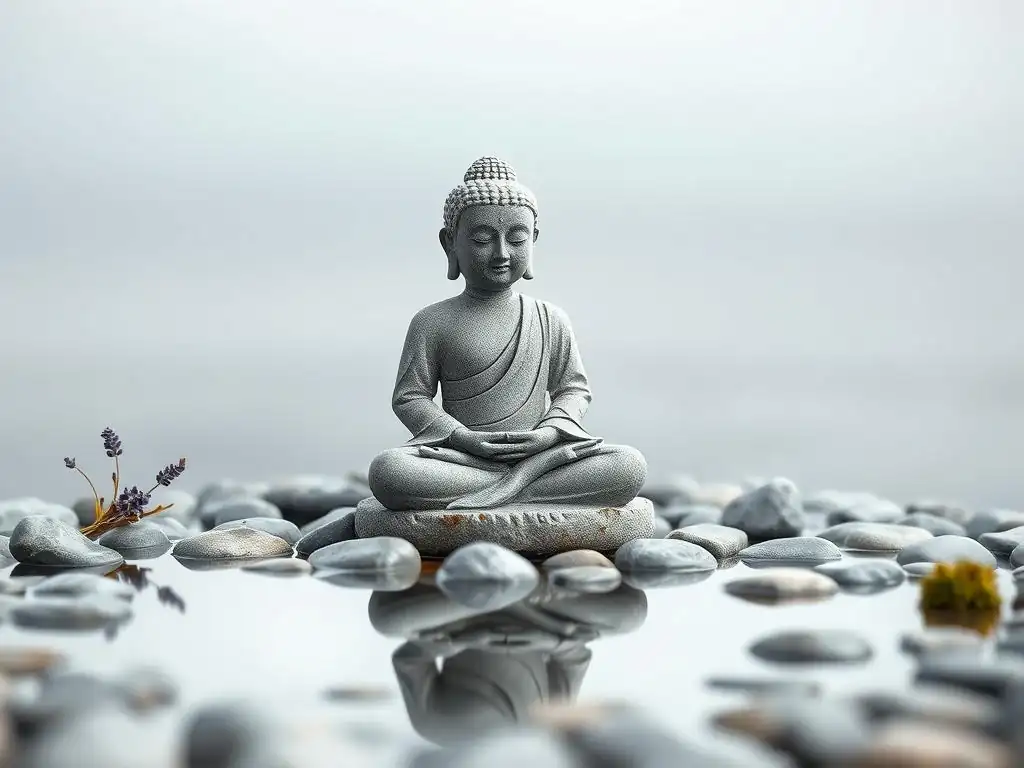
As one develops a foundational mindfulness practice, there are various paths to explore that delve deeper into specific aspects of awareness, insight, or therapeutic application.
Vipassana Meditation: Insight and Awareness
Vipassana, meaning "to see things as they really are," is an ancient Indian meditation technique that focuses on developing deep insight into the nature of reality, particularly the impermanence of all phenomena. It involves cultivating sustained attention to the ever-changing stream of physical sensations, thoughts, and feelings, observing them without reaction or judgment.
This practice aims to dissolve mental conditioning and attachments by directly experiencing the impermanent nature of experience. It often involves longer retreats and rigorous daily practice. Vipassana can lead to profound insights into the workings of the mind and a greater sense of liberation from suffering.
Zen Meditation: Zazen and Koans
Zen meditation, or Zazen, is a core practice in Zen Buddhism that emphasizes seated meditation with a focus on simple, effortless awareness. Practitioners typically sit with an upright posture and either focus on the breath or simply rest in a state of "just sitting" (shikantaza), allowing thoughts to come and go without engaging with them.
Zen practice also sometimes incorporates the use of koans, paradoxical riddles or questions designed to break through conventional, conceptual thinking and lead to direct, intuitive insight. Zen emphasizes the integration of mindfulness into all daily activities, viewing everything as an opportunity for practice.
Mindfulness-Based Cognitive Therapy (MBCT): Preventing Relapse
As mentioned earlier, MBCT is an evidence-based therapy program designed specifically to prevent relapse in individuals who have experienced recurrent depression. It teaches mindfulness skills alongside elements of cognitive therapy. The key mechanism is helping individuals become aware of negative thought patterns associated with low mood and learn to relate to them mindfully, rather than getting drawn into rumination.
MBCT typically involves an 8-week group course with daily home practice. Participants learn techniques like the body scan, sitting meditation, and mindful movement, combined with cognitive exercises that challenge negative thinking habits. Research strongly supports its effectiveness in reducing the likelihood of depressive relapse.
Scientific Evidence Supporting Mindfulness Meditation
The growing interest in mindfulness is heavily supported by a substantial and expanding body of scientific research. Studies across various disciplines are investigating its effects on the brain, mental health, and physical well-being, providing empirical validation for its benefits.
Meta-Analyses on Mindfulness and Anxiety
Meta-analyses, which combine data from multiple studies, provide strong evidence for the effectiveness of mindfulness-based interventions. The 2014 JAMA Internal Medicine meta-analysis, already referenced, found that mindfulness programs had a moderate effect size for reducing anxiety, comparable to the effect sizes seen in some psychological treatments. It concluded that mindfulness meditation reduce anxiety stress symptoms across various populations.
More recent meta-analyses have further refined these findings, suggesting that mindfulness interventions are particularly effective for clinical levels of anxiety and for individuals with specific anxiety disorders. For example, a 2018 meta-analysis in the Journal of Consulting and Clinical Psychology found that MBSR and MBCT were effective in reducing anxiety symptoms in individuals with a range of mental health conditions.
Research on Mindfulness and Chronic Pain Management
Mindfulness meditation has also shown significant promise in helping individuals manage chronic pain. By cultivating non-judgmental awareness of bodily sensations, including pain, individuals can change their relationship with the pain experience. Instead of reacting with fear and resistance, mindfulness helps them observe the sensations with acceptance, which can reduce the suffering associated with pain.
Studies have shown that mindfulness-based interventions can reduce pain intensity and improve functional capacity and quality of life in individuals with conditions like fibromyalgia, chronic low back pain, and arthritis. Research published in Health Psychology in 2015 found that MBSR led to clinically significant reductions in pain and improvements in physical function in adults with chronic low back pain.
Longitudinal Studies on Long-Term Mindfulness Effects
Longitudinal studies track participants over extended periods, providing insights into the lasting effects of mindfulness practice. While more long-term research is needed, initial longitudinal studies suggest that regular mindfulness practice can lead to sustained improvements in mental well-being and resilience.
Studies following participants of MBSR programs have found that the benefits in terms of reduced stress and anxiety are maintained months or even years after the program completion, particularly for those who continue a regular practice. This indicates that the skills learned in mindfulness are enduring and can contribute to long-term psychological health.
Mindfulness Meditation and Mental Health: Cautions and Considerations
While generally safe and beneficial, it's important to approach mindfulness meditation with awareness and consider certain factors, especially for individuals with specific mental health conditions. Mindfulness is often best used as a complementary practice alongside professional care.
Mindfulness as an Adjunct to Therapy: Collaborative Approach
For individuals with significant mental health challenges, such as severe depression, anxiety disorders, or trauma, mindfulness meditation is often most effective when used as an adjunct to traditional therapy (like CBT or psychotherapy) and potentially medication, rather than as a replacement. A therapist can help guide the individual in integrating mindfulness practices safely and effectively, particularly if difficult emotions or memories arise during meditation.
A collaborative approach between a mental health professional and a mindfulness instructor ensures that the practice is tailored to the individual's needs and that any challenging experiences are processed in a supportive environment. This integration enhances the overall treatment plan.
Contraindications for Mindfulness Practice: When to Exercise Caution
While rare, mindfulness practices can sometimes be challenging or potentially destabilizing for individuals with certain conditions. For instance, individuals experiencing acute psychosis, severe dissociation, or recent, unaddressed trauma might find that focusing inward intensely can exacerbate their symptoms.
It is crucial for individuals with severe mental health conditions or a history of trauma to consult with their mental health provider before starting a mindfulness practice. They can advise on whether mindfulness is appropriate and, if so, recommend modifications or specific types of practice that might be safer or more beneficial.
Finding Qualified Mindfulness Instructors: Certification and Experience
The quality of instruction can significantly impact the mindfulness experience. While many resources are available online, learning from a qualified and experienced instructor, especially for longer programs like MBSR or MBCT, is highly recommended. Qualified instructors have undergone rigorous training, often involving personal practice, retreats, and supervised teaching.
Look for instructors certified by reputable organizations or those with extensive experience teaching specific mindfulness programs. A good instructor can provide guidance, support, and help navigate challenges that may arise during practice, ensuring a safer and more effective learning experience.
Conclusion: Embracing Mindfulness for Enhanced Well-being
Mindfulness meditation is a powerful and scientifically supported practice with the capacity to significantly enhance mental well-being. By cultivating present moment awareness, individuals can develop a healthier relationship with their thoughts and emotions, build resilience to stress, and learn how mindfulness meditation reduce anxiety stress through conscious practice. The evidence points to tangible changes in the brain, improved cognitive function, and greater emotional regulation.
The Continuous Path of Mindfulness
Embracing mindfulness is not about reaching a final destination but embarking on a continuous path of learning and discovery. It requires patience, consistency, and a willingness to meet each moment with openness and curiosity. The benefits unfold gradually, woven into the fabric of daily life through dedicated practice. It's a journey of cultivating greater presence, compassion, and wisdom, offering a sustainable foundation for navigating life's challenges with grace and resilience.
Resources for Further Exploration and Support
For those interested in exploring mindfulness further, numerous resources are available. Many reputable organizations offer workshops, courses, and retreats. Online platforms provide guided meditations and instructional content. Consulting with a mental health professional or a certified mindfulness instructor can provide personalized guidance and support as you integrate mindfulness into your life.
Frequently Asked Questions
What is mindfulness meditation, and how does it work?
Mindfulness meditation is a mental training practice that involves focusing your attention on the present moment. It works by helping you become more aware of your thoughts, feelings, and sensations without judgment, effectively rewiring the brain for greater self-awareness.
How can mindfulness meditation reduce anxiety and stress?
Mindfulness meditation helps reduce anxiety and stress by training your brain to focus on the present, rather than dwelling on worries about the future or regrets about the past. This shift in focus can calm the nervous system and promote relaxation.
How often should I practice mindfulness meditation to see noticeable benefits?
Consistency is key! Aim for at least 10-20 minutes daily. While benefits can be felt sooner, regular practice helps build long-term resilience to stress and anxiety.
Are there any specific mindfulness meditation techniques recommended for beginners?
Yes, try breath awareness. Simply focus on the sensation of your breath entering and leaving your body. Another is body scan meditation, which involves bringing awareness to different parts of your body. Both are great starting points for beginners.
Where can I find resources and support for learning and practicing mindfulness meditation?
Mind Care Guide offers a variety of articles, guided meditations, and links to external resources to help you learn and practice mindfulness. You can also find apps and local meditation centers to support your journey.
Final Reflection: Cultivating Inner Peace in a Frantic World
The relentless pace of modern life leaves many feeling overwhelmed, anxious, and disconnected. Mindfulness meditation, however, offers a powerful antidote, a proven method for rewiring our brains to experience greater presence and calm. This article explored the science behind this practice, detailing its impact on stress hormones, emotional regulation, and overall well-being. The techniques discussed are not merely fleeting trends; they are tools for lasting transformation, readily accessible to anyone seeking a more peaceful existence.
The pervasive nature of stress and anxiety in our society is undeniable, and its impact resonates deeply in our personal lives and collective consciousness. The subtle shift in perspective that mindfulness cultivates – a move from reactive to responsive – is profoundly impactful. It's a journey of self-discovery, a process of learning to inhabit the present moment fully, rather than being swept away by the anxieties of the past or the uncertainties of the future. As Thich Nhat Hanh wisely said, Peace is every step. Every breath you take, every step you take, can be a step of peace.
This simple yet profound statement encapsulates the essence of mindfulness meditation's transformative power.
Now, consider your own life. Where do you feel the weight of stress most acutely? What small steps can you take today to incorporate mindfulness into your daily routine? Perhaps it's a few minutes of focused breathing before your workday begins, or a mindful walk in nature during your lunch break.
Start small, be consistent, and allow yourself the grace to embrace the process. The journey to inner peace is not a destination, but a continuous unfolding, a practice of cultivating presence and compassion, one breath, one moment, at a time. Embrace the opportunity to rewrite your relationship with stress and anxiety, and discover the profound calm that awaits within.
Unlock Your Inner Calm: Start Your Mindfulness Journey Today!
Thanks for taking the time to explore the power of mindfulness meditation with Mind Care Guide! We hope you gained valuable insights into how this practice can transform your daily life. Now it's time to put your newfound knowledge into action.
Here are a few ways you can continue your journey toward greater presence and calm:
- Begin your daily mindfulness practice: Even 5 minutes a day can make a significant difference. Start small, be consistent, and notice the positive changes. This is your primary step towards cultivating inner peace.
- Share this article with someone you think would benefit: Spread the word about the life-changing power of mindfulness! Helping others is a great way to deepen your own practice.
- Try a guided meditation: Search for free guided meditations online; there are many amazing resources available to support your journey. Experiment with different styles to find what resonates most with you.
What specific aspect of mindfulness meditation resonates most with you and how will you integrate it into your daily routine?