
The Power of Habits: Training Your Brain for Better Mood via Neuroplasticity

Welcome to Mind Care Guide, your trusted companion on the journey to mental well-being.
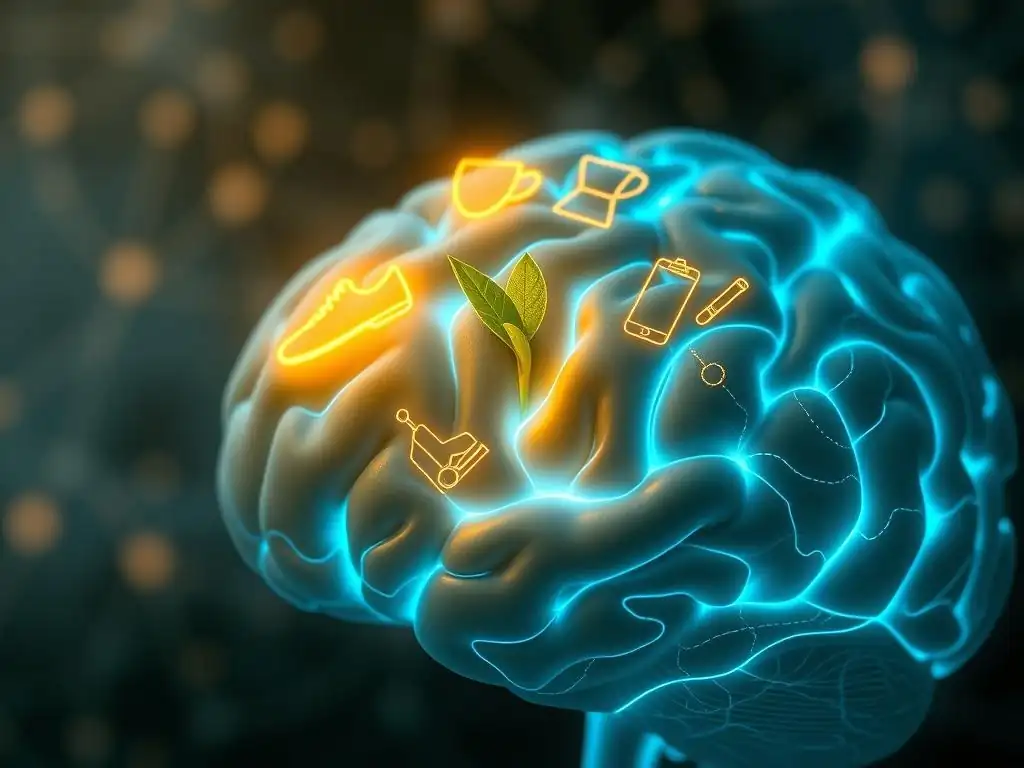
Ever feel like you're stuck in a loop of negative thoughts and emotions? What if we told you that your brain has the incredible ability to change, adapt, and even rewire itself for the better? In this guide, we'll explore the fascinating science of neuroplasticity and how you can harness its power to improve mood habits and cultivate a more positive and resilient mindset. Discover practical strategies and actionable steps to unlock your brain's potential and create lasting, positive change. Intrigued? Let's dive in.
The Power of Habits: Training Your Brain for Better Mood via Neuroplasticity
- Understanding Neuroplasticity and its Impact on Mood
- The Science of Habits: How They Shape Your Emotional State
- Using Neuroplasticity to Improve Mood Through Habit Formation
-
Practical Strategies for Training Your Brain for a Better Mood
- Mindfulness and Meditation: Cultivating Emotional Awareness and Regulation
- Exercise and Physical Activity: Boosting Neurotransmitters for Mood Enhancement
- Cognitive Behavioral Therapy (CBT) and Neuroplasticity: Changing Thought Patterns
- The Importance of Sleep for Brain Health and Mood Stability
- Nutrition and Brain Function: Fueling Your Brain for Optimal Mood
- Techniques for Building and Maintaining Positive Mood Habits
- The Long-Term Benefits of Neuroplasticity-Based Habit Change for Mood
- Neuroplasticity and Mood Disorders: Hope for Recovery and Change
- Conclusion: Empowering Yourself Through Neuroplasticity and Habit Formation for a Better Mood
-
Frequently Asked Questions
- What is neuroplasticity and how does it relate to improving my mood?
- How can changing my habits impact my mental well-being?
- What are some practical examples of habits I can adopt to improve my mood through neuroplasticity?
- How long does it typically take to see noticeable improvements in mood after implementing new habits?
- Where can I find more resources and support for improving my mental well-being through neuroplasticity and habit formation?
- Final Reflection: Rewiring Happiness: The Enduring Power of Habit
- Unleash Your Brain's Potential: Start Building Better Habits Today!
Understanding Neuroplasticity and its Impact on Mood
What is Neuroplasticity? The Brain's Remarkable Adaptability
Neuroplasticity refers to the brain's incredible ability to reorganize itself throughout life. It's the biological foundation for learning, memory, and recovery from brain injury. Far from being a fixed organ after childhood, the brain is constantly changing its structure and function in response to experiences, thoughts, and behaviors. This means that the neural pathways that connect different parts of your brain are not set in stone; they can be strengthened, weakened, or even rerouted.
This inherent adaptability allows the brain to form new connections and prune away old, less-used ones. When you learn a new skill, practice a new behavior, or even change your thought patterns, you are actively engaging neuroplasticity. This process involves changes at the synaptic level, where neurons communicate, as well as structural changes like the growth of new neurons or alterations in the size of specific brain regions. Understanding this fundamental capacity is key to appreciating how we can actively train our brains.
How Neuroplasticity Influences Mood Regulation
The neural circuits responsible for processing emotions and regulating mood are just as subject to neuroplastic change as those involved in motor skills or language. Brain areas like the prefrontal cortex (involved in decision-making and emotional regulation), the amygdala (processing fear and threat), and the hippocampus (memory and learning, also linked to stress response) are interconnected in complex ways that dictate our emotional state. The strength and efficiency of these connections significantly influence how we perceive situations, react emotionally, and recover from distress.
When these circuits become maladaptive, perhaps due to chronic stress or negative experiences, they can contribute to persistent low mood, anxiety, or other mental health challenges. However, because of neuroplasticity, these circuits are not permanently fixed. New experiences, targeted therapies, and intentional practices can help reshape these pathways, strengthening connections that support positive emotional states and weakening those that perpetuate negative ones. This is the core principle behind many effective interventions for mood disorders, leveraging the brain's natural ability to change.
The Connection Between Neuroplasticity, Habits, and Mood
Habits are deeply ingrained patterns of behavior that are largely automatic, and they are fundamentally built through neuroplasticity. When we repeat a behavior, whether it's brushing our teeth or ruminating on worries, we strengthen the neural pathways associated with that action. The more we repeat it, the more efficient and automatic that pathway becomes, requiring less conscious effort. This efficiency is beneficial for simple tasks but can be detrimental when the habits are linked to negative emotional outcomes.
Crucially, habits don't just involve physical actions; they include cognitive and emotional patterns too. Habitual ways of thinking, reacting to stress, or managing emotions also rely on established neural circuits. By understanding how neuroplasticity underlies habit formation, we gain insight into how negative emotional habits (like catastrophizing or withdrawal) become entrenched. More importantly, it reveals the potential to consciously build new, positive habits that can reshape these neural circuits, actively using Neuroplasticity improve mood habits and fostering better emotional regulation and overall well-being.
The Science of Habits: How They Shape Your Emotional State
The Habit Loop: Cue, Routine, Reward and Mood
Habits operate through a three-step loop: Cue, Routine, and Reward. A cue is a trigger that signals the brain to initiate a specific behavior. The routine is the behavior itself, which can be physical, mental, or emotional. The reward is the positive outcome that reinforces the routine, making the brain more likely to repeat the behavior when the cue appears again. This loop is the fundamental mechanism by which behaviors become automatic, requiring minimal conscious thought.
This loop has a profound impact on mood because the "reward" often involves a release of neurotransmitters that influence how we feel. If the routine provides a temporary feeling of relief, pleasure, or comfort (even if ultimately detrimental), the brain registers this as a reward, strengthening the habit loop. For example, feeling stressed (cue) might lead to stress eating (routine), which provides temporary comfort (reward).
Over time, this loop becomes automatic, and the stress cue triggers the eating routine, potentially leading to negative mood outcomes like guilt or physical discomfort. Understanding this loop is vital for anyone looking to change behaviors that negatively affect their emotional state.
The Role of Dopamine in Habit Formation and Mood Enhancement
Dopamine, often called the "feel-good" neurotransmitter, plays a central role in the reward phase of the habit loop and is intimately linked to motivation and pleasure. When a behavior is followed by a reward, dopamine is released, signalling to the brain that the action was worthwhile and should be repeated. This dopamine signal helps to encode the connection between the cue and the routine, solidifying the habit pathway through neuroplastic changes.
Beyond just reinforcing habits, dopamine pathways are also crucial for mood regulation. Dysregulation in these pathways is implicated in conditions like depression and addiction. By engaging in positive, rewarding activities, we can stimulate healthy dopamine release, which not only helps reinforce those beneficial habits but also directly contributes to improved mood. Activities like exercise, achieving small goals, or engaging in enjoyable hobbies all activate these pathways, demonstrating how intentionally building positive habits can leverage the brain's reward system for mood enhancement.
Negative Habit Loops and Their Impact on Mental Well-being
Negative habit loops are those where the routine, despite providing a temporary or perceived reward, ultimately leads to detrimental outcomes for mental well-being. These can be behavioral, such as constantly checking social media when feeling lonely (cue), which provides a fleeting distraction (reward) but reinforces isolation. They can also be cognitive, such as engaging in excessive worry (routine) when faced with uncertainty (cue), which might feel like "being prepared" (perceived reward) but fuels anxiety.
These loops become deeply ingrained through repetition, strengthening the neural pathways associated with negative thoughts, emotions, and behaviors via neuroplasticity. The brain becomes highly efficient at running these programs, making it difficult to simply stop. This can lead to a vicious cycle where the negative habit reinforces the negative mood, which in turn makes it harder to break the habit. Identifying these loops is the first critical step in using strategies informed by Neuroplasticity improve mood habits to break free from these patterns and cultivate more positive emotional states.
Using Neuroplasticity to Improve Mood Through Habit Formation
Identifying Negative Habits That Affect Your Mood
The journey to using Neuroplasticity improve mood habits begins with a conscious awareness of the habits that are currently undermining your emotional state. This involves paying close attention to your daily routines, thoughts, and reactions, particularly during times of stress or low mood. Ask yourself: What do I do when I feel anxious? What thoughts run through my mind when I'm sad? What behaviors do I engage in automatically that leave me feeling worse afterward?
Common negative habits might include excessive rumination, social withdrawal, emotional eating, procrastination, or negative self-talk. Keeping a simple journal for a few days can be incredibly revealing, helping you identify the cues that trigger these habits and the often fleeting "rewards" they provide. Recognizing these patterns without judgment is crucial; it's about understanding the loop so you can begin to consciously interrupt and change it.
Rewiring Your Brain: Creating Positive Mood-Boosting Habits
Once negative habits are identified, the focus shifts to creating new, positive habits that support better mood. This is where the power of neuroplasticity comes into play. Every time you choose a different, more beneficial routine in response to a cue, you start to build a new neural pathway. For example, if your cue is feeling stressed, instead of habitually reaching for comfort food, you might try a short walk, a breathing exercise, or calling a friend.
Consistency is key in this rewiring process. The more frequently you practice the new, positive routine, the stronger the new neural pathway becomes, and the weaker the old one gets. This is the essence of using Neuroplasticity improve mood habits: intentionally directing your brain's natural ability to change towards patterns that enhance your emotional well-being. It takes effort and repetition, but the brain is designed to adapt to new input.
The Power of Small Changes: Starting with Manageable Habits
Attempting to overhaul all negative habits at once can be overwhelming and counterproductive. Neuroplastic change, while powerful, happens gradually. A more effective approach is to start with small, manageable habit changes. This could be incorporating a 5-minute mindfulness practice daily, taking a 10-minute walk during your lunch break, or replacing one negative self-talk phrase with a more compassionate one.
Small wins build momentum and confidence. Successfully implementing a small positive habit reinforces your belief in your ability to change and provides positive reinforcement, strengthening the new neural circuit. For instance, aiming for just 10 minutes of light exercise daily is far more sustainable than committing to an hour at the gym every day, and even that small amount can begin to trigger beneficial neurochemical changes and start the process of using Neuroplasticity improve mood habits effectively. Focus on consistency with small steps, and the larger changes will become more achievable over time.
Practical Strategies for Training Your Brain for a Better Mood
Mindfulness and Meditation: Cultivating Emotional Awareness and Regulation
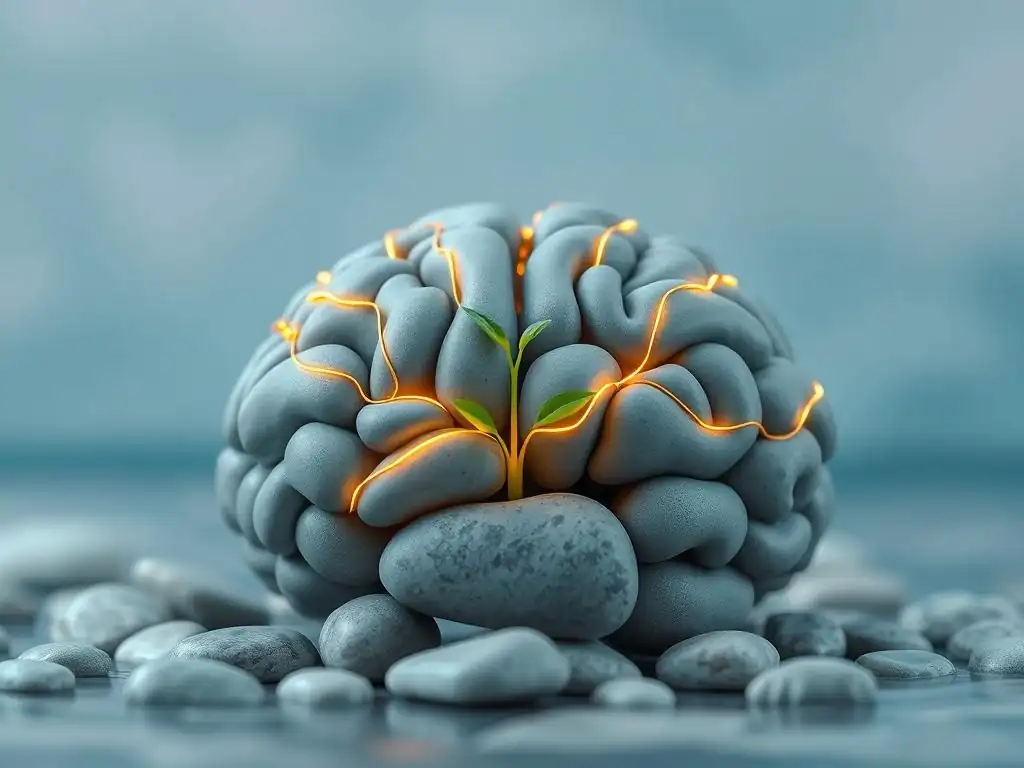
Mindfulness and meditation are powerful tools for leveraging neuroplasticity to improve mood. Regular practice has been shown in numerous studies to induce structural and functional changes in the brain. For instance, research suggests that consistent meditation can lead to increased grey matter density in areas associated with self-awareness, compassion, and emotional regulation, such as the prefrontal cortex and hippocampus, while potentially decreasing activity in the amygdala, which is involved in fear and stress responses.
By practicing mindfulness, you train your attention to observe thoughts and feelings without judgment. This helps to interrupt automatic negative thought patterns – a key aspect of negative habit loops. Over time, this practice strengthens the neural pathways involved in conscious emotional processing and weakens those associated with automatic, reactive emotional responses. Even just 5-10 minutes of daily mindfulness meditation can begin to reshape your brain and improve your capacity to manage challenging emotions, demonstrating a direct way that Neuroplasticity improve mood habits through focused mental training.
Exercise and Physical Activity: Boosting Neurotransmitters for Mood Enhancement
Physical exercise is one of the most potent activities for promoting brain health and improving mood via neuroplasticity. When you exercise, your brain releases a cascade of neurochemicals, including endorphins, serotonin, and dopamine, all of which play a role in mood regulation. Crucially, exercise also stimulates the production of neurotrophic factors, such as Brain-Derived Neurotrophic Factor (BDNF). BDNF is often referred to as "Miracle-Gro" for the brain because it supports the growth, survival, and function of neurons and synapses.
Studies have shown that regular aerobic exercise, like brisk walking or jogging for around 30 minutes most days of the week, can lead to increased volume in the hippocampus, a brain area vital for mood and memory, and improve connectivity in mood-regulating circuits. This isn't just a temporary mood boost; it represents a fundamental change in brain structure and function. Integrating consistent physical activity into your routine is a concrete way to use Neuroplasticity improve mood habits and build resilience against low mood and anxiety.
Cognitive Behavioral Therapy (CBT) and Neuroplasticity: Changing Thought Patterns
Cognitive Behavioral Therapy (CBT) is a therapeutic approach explicitly designed to identify and change negative thought patterns and behaviors that contribute to distress. While not always framed in terms of neuroplasticity, its effectiveness stems from its ability to create new neural pathways. By learning to challenge irrational thoughts, reframe negative situations, and practice new coping behaviors, individuals are actively rewiring their brains.
CBT techniques involve consciously interrupting automatic negative thinking (a cognitive habit loop) and replacing it with more balanced and realistic perspectives. For example, if the thought "I always fail" arises (cue), instead of accepting it (old routine), CBT teaches you to examine the evidence for and against it (new routine), leading to a more balanced conclusion like "I have faced challenges, but I have also succeeded at many things" (reward of reduced distress).
Consistent practice of these techniques strengthens the neural pathways associated with adaptive thinking, illustrating how therapeutic interventions can leverage Neuroplasticity improve mood habits by targeting cognitive processes.
The Importance of Sleep for Brain Health and Mood Stability
Adequate and restorative sleep is absolutely fundamental for brain health and emotional regulation. During sleep, particularly deep sleep and REM sleep, the brain is busy consolidating memories, clearing out metabolic waste products, and strengthening or weakening synaptic connections – processes directly related to neuroplasticity. Chronic sleep deprivation impairs cognitive function, increases stress reactivity, and significantly worsens mood.
Aiming for 7-9 hours of quality sleep per night supports the brain's ability to function optimally and maintain healthy neural circuits involved in mood regulation. Poor sleep can disrupt neurotransmitter balance and impair the prefrontal cortex's ability to regulate the amygdala, leading to heightened emotional reactivity. Prioritizing sleep is not a passive act but an active strategy to support the neuroplastic processes necessary for emotional resilience and using Neuroplasticity improve mood habits effectively. Establishing a consistent sleep schedule is a powerful habit change in itself.
Nutrition and Brain Function: Fueling Your Brain for Optimal Mood
What you eat directly impacts the structure and function of your brain, influencing neuroplasticity and mood. The brain requires a steady supply of nutrients to build and maintain neural tissue, synthesize neurotransmitters, and support synaptic plasticity. A diet rich in omega-3 fatty acids, antioxidants, vitamins, and minerals provides the essential building blocks for a healthy brain.
Conversely, a diet high in processed foods, sugar, and unhealthy fats can contribute to inflammation and oxidative stress, which can impair brain function and negatively affect mood. For example, omega-3 fatty acids are crucial components of cell membranes, including brain cells, and are involved in regulating neurotransmitter pathways. Ensuring your diet supports optimal brain function is a vital, often overlooked, habit that underpins the brain's capacity for positive change and is essential for using Neuroplasticity improve mood habits effectively.
Techniques for Building and Maintaining Positive Mood Habits
Setting Realistic Goals and Expectations for Habit Change
When embarking on the journey to use Neuroplasticity improve mood habits, it's crucial to set realistic goals. Aiming for drastic, overnight transformations is often a recipe for discouragement. Neuroplastic change takes time and consistent effort. Instead of trying to become a completely different person instantly, focus on incorporating one or two small, achievable positive habits into your routine.
For example, if you want to exercise more, don't aim for daily hour-long gym sessions if you're currently sedentary. Start with a goal of a 15-minute walk three times a week. Successfully meeting a small goal builds confidence and reinforces the new behavior, making it easier to gradually increase the challenge over time. Managing expectations about the pace of change helps maintain motivation and prevents burnout.
The Importance of Consistency and Patience in Habit Formation
Consistency is the single most important factor in leveraging neuroplasticity for habit change and mood improvement. Repeated practice of a new behavior strengthens the associated neural pathway. Missing a day or two won't erase progress, but frequent inconsistency prevents the new pathway from becoming robust enough to replace the old habit loop. Aim for consistency over perfection.
Patience is equally vital. You won't feel the full effects of new habits on your mood overnight. It takes weeks, sometimes months, of consistent effort for significant neuroplastic changes to consolidate and for the new habits to feel automatic. Understand that setbacks are a normal part of the process. View them as temporary detours, not failures, and simply get back on track with your consistent practice as soon as possible.
Using Habit Trackers and Rewards to Stay Motivated
Tracking your habits can provide valuable visual reinforcement and motivation. Simple methods like marking a calendar with an "X" each day you complete a habit, using a dedicated habit-tracking app, or keeping a journal can help you see your progress and maintain consistency. Seeing a chain of completed days can be a powerful motivator to keep going.
Incorporating small, positive rewards for sticking to your new habits can also help reinforce the behavior, tapping into the brain's dopamine system. The reward doesn't have to be elaborate; it could be enjoying a cup of tea after your morning meditation, listening to your favorite podcast during your walk, or allowing yourself a few minutes of guilt-free relaxation after completing a challenging task. These small rewards help solidify the new habit loop and make the process of using Neuroplasticity improve mood habits more enjoyable and sustainable.
Overcoming Challenges and Setbacks in Habit Change
Changing deeply ingrained habits is challenging, and setbacks are inevitable. There will be days when motivation is low, stress is high, or old patterns resurface. It's crucial to anticipate these challenges and develop strategies to navigate them. This might involve identifying common triggers for falling back into old habits and planning alternative responses in advance.
When a setback occurs, avoid self-criticism. Instead, practice self-compassion. Analyze what happened without judgment: What was the cue? What made it difficult to stick to the new routine? What can you learn from this? Then, recommit to your practice. View setbacks as learning opportunities, not failures, and remember that the brain's capacity for neuroplasticity means you can always pick up where you left off and continue strengthening those positive pathways.
The Long-Term Benefits of Neuroplasticity-Based Habit Change for Mood

Enhanced Resilience and Emotional Regulation
Consistently practicing mood-boosting habits fundamentally changes the brain over time, leading to enhanced emotional resilience. By strengthening the neural circuits involved in managing stress, processing emotions constructively, and recovering from negative experiences, you become better equipped to navigate life's challenges without being overwhelmed by negative emotions. This isn't about eliminating negative feelings but about improving your capacity to experience them without getting stuck.
This improved emotional regulation is a direct result of the neuroplastic changes fostered by positive habits like mindfulness, exercise, and healthy coping strategies. The brain becomes more efficient at activating calming responses and less reactive to triggers, demonstrating how using Neuroplasticity improve mood habits builds a stronger, more adaptable emotional system capable of bouncing back more effectively from adversity.
Increased Self-Esteem and Confidence
Successfully building and maintaining positive habits has a significant impact on self-esteem and confidence. Each time you choose a beneficial behavior over a detrimental one, you reinforce a positive self-image. You prove to yourself that you are capable of change, that you have agency over your actions, and that you can actively improve your well-being.
This sense of accomplishment and mastery, even from small consistent efforts, builds confidence not only in your ability to manage your mood but in your overall capacity to achieve goals. This positive feedback loop further reinforces the new, beneficial habits, creating a virtuous cycle where using Neuroplasticity improve mood habits not only improves your emotional state but also strengthens your belief in yourself.
Improved Overall Mental Well-being
Ultimately, the long-term benefit of leveraging neuroplasticity through positive habit formation is a profound improvement in overall mental well-being. As positive habits become more automatic and deeply ingrained, they create a foundation of stability and resilience. The brain becomes wired to favor states of calm, presence, and constructive engagement rather than anxiety, reactivity, or withdrawal.
This holistic improvement extends beyond just mood; it can positively impact cognitive function, relationships, and physical health. By consistently choosing behaviors that nurture your brain and emotional health, you are actively shaping your internal landscape for a more fulfilling and emotionally stable life. This is the transformative potential unlocked by understanding how Neuroplasticity improve mood habits can reshape your future.
Neuroplasticity and Mood Disorders: Hope for Recovery and Change
Neuroplasticity and Depression: Rebuilding Neural Pathways
Depression is associated with changes in brain structure and function, including reduced volume in areas like the hippocampus and altered activity in circuits involving mood, motivation, and reward. The good news is that neuroplasticity offers significant hope for recovery. Interventions known to be effective for depression, such as therapy (like CBT and interpersonal therapy), exercise, and antidepressant medications, all work, in part, by promoting neuroplastic changes.
These interventions help to rebuild and strengthen neural pathways that are underactive in depression, such as those connecting the prefrontal cortex (involved in executive function and mood regulation) with other brain regions. They can also help to stimulate the growth of new neurons (neurogenesis) and improve synaptic function. By engaging in consistent, therapeutic habits, individuals with depression can actively participate in the process of rewiring their brains towards healthier functioning, demonstrating how Neuroplasticity improve mood habits is a cornerstone of recovery.
Neuroplasticity and Anxiety: Calming the Anxious Brain
Anxiety disorders are often characterized by hyperactive fear circuits, particularly involving the amygdala, and reduced connectivity or activity in areas that regulate fear, like the prefrontal cortex. Neuroplasticity provides a mechanism for calming this anxious brain. Techniques like mindfulness, exposure therapy, and relaxation practices work by gradually weakening the connections that trigger the automatic fear response and strengthening the pathways associated with calm and reasoned evaluation.
For example, consistent practice of deep breathing or meditation helps to activate the parasympathetic nervous system and strengthen the prefrontal cortex's ability to inhibit the amygdala's alarm signals. Exposure therapy, by repeatedly and safely confronting feared situations, helps the brain learn that the perceived threat is not dangerous, rewiring the fear response through a process called extinction. These approaches leverage the brain's ability to change, illustrating how using Neuroplasticity improve mood habits through specific practices can reduce the intensity and frequency of anxiety.
Neuroplasticity and Trauma: Healing and Recovery Through Brain Training
Trauma can profoundly impact the brain, leading to changes in areas like the amygdala, hippocampus, and prefrontal cortex, contributing to symptoms like hypervigilance, flashbacks, and difficulty with emotional regulation. Healing from trauma involves leveraging neuroplasticity to process traumatic memories safely and rebuild a sense of safety and control. Therapies like Eye Movement Desensitization and Reprocessing (EMDR) and Trauma-Focused CBT work by helping the brain reprocess traumatic memories, integrating them into the broader memory network in a less distressing way.
Building new, positive habits is also crucial in trauma recovery. Practices such as establishing safe routines, engaging in grounding techniques, practicing self-compassion, and gradually re-engaging in positive social activities help to build new, positive neural pathways that counteract the effects of trauma. This process strengthens areas associated with safety, connection, and resilience, offering a pathway to recovery by actively training the brain for a better future state, highlighting the power of Neuroplasticity improve mood habits in healing from deep emotional wounds.
Conclusion: Empowering Yourself Through Neuroplasticity and Habit Formation for a Better Mood
The Future of Neuroplasticity Research and Mood Enhancement
Research into neuroplasticity is a rapidly evolving field, continually uncovering new insights into how the brain changes and how these changes relate to mood and mental health. Future advancements may lead to more targeted interventions, perhaps involving personalized brain training programs, novel therapeutic techniques that more directly stimulate beneficial neuroplastic changes, or even pharmacological agents that enhance the brain's natural capacity for rewiring.
Understanding the intricate mechanisms of neuroplasticity will likely pave the way for more precise and effective treatments for mood disorders. However, the fundamental principle remains: the brain is adaptable, and our experiences, thoughts, and behaviors play a critical role in shaping its structure and function. This ongoing research reinforces the powerful potential we have to influence our own brain health and emotional well-being through intentional action.
Taking Control of Your Mental Well-being Through Brain Training
The science of neuroplasticity offers a profoundly empowering perspective on mental well-being. It moves away from the idea of a fixed brain and towards one of dynamic change and potential. By understanding that your brain is capable of rewiring itself throughout life, you gain the agency to actively participate in improving your mood and resilience. This isn't about wishing for change; it's about actively training your brain through consistent, positive habits.
Incorporating strategies like mindfulness, exercise, healthy sleep, nourishing nutrition, and intentional habit formation are not just lifestyle recommendations; they are direct methods for leveraging Neuroplasticity improve mood habits. Every small, positive choice you make helps to build and strengthen the neural pathways that support a better mood. By committing to these practices, you are taking tangible steps to reshape your brain, cultivate emotional resilience, and take control of your mental well-being. The power to influence your brain and improve your mood lies in your hands, one habit at a time.
Frequently Asked Questions
What is neuroplasticity and how does it relate to improving my mood?
Neuroplasticity is the brain's ability to reorganize itself by forming new neural connections throughout life. This means you can actively train your brain to develop healthier habits and improve your mood by changing your brain's structure and function.
How can changing my habits impact my mental well-being?
Your habits directly influence your thoughts, feelings, and behaviors. By consciously cultivating positive habits, you can reinforce pathways in your brain associated with better mood and reduced stress.
What are some practical examples of habits I can adopt to improve my mood through neuroplasticity?
Simple habits like regular exercise, mindfulness meditation, and consistent sleep schedules can significantly impact your mood. These activities stimulate neuroplasticity and promote the growth of neural pathways associated with well-being.
How long does it typically take to see noticeable improvements in mood after implementing new habits?
The timeframe varies, but generally, you can expect to see some improvements within a few weeks of consistently practicing new habits. Patience and persistence are key, as neuroplasticity takes time.
Where can I find more resources and support for improving my mental well-being through neuroplasticity and habit formation?
Mind Care Guide offers a comprehensive range of information, support, and resources. Look for articles and tools specifically related to neuroplasticity and building positive habits for mental health.
Final Reflection: Rewiring Happiness: The Enduring Power of Habit
The ability to reshape our brains through neuroplasticity isn't just a scientific marvel; it's a revolutionary tool for cultivating lasting happiness. Understanding how our habits directly influence our brain's structure and function offers a powerful pathway to improve our mental well-being, a pathway increasingly crucial in today's demanding world. This knowledge empowers us to actively design a happier, healthier future, one conscious choice at a time.
The exploration of neuroplasticity and its impact on mood has profoundly shifted my understanding of personal growth. It's no longer a passive acceptance of our emotional states, but an active engagement in shaping them. We are not prisoners of fate, but rather architects of our own destiny.
This quote resonates deeply because it encapsulates the core message of this article: our brains are malleable, and our habits are the building blocks of our mental landscape. We have the power to consciously construct a more positive and resilient inner world.
Now, consider your own habits. Which ones are serving you well, and which ones are hindering your journey towards a better mood? I invite you to take a moment to reflect on this, to identify those patterns that need reshaping. Start small, choose one habit to cultivate or replace, and witness the transformative power of neuroplasticity in action. Embrace the journey of rewiring your brain for happiness – it's a journey well worth undertaking.
Unleash Your Brain's Potential: Start Building Better Habits Today!
Thanks for taking the time to explore the fascinating world of neuroplasticity and its impact on your mood! You've now learned how powerful habit-building can be in shaping a more positive mindset. Ready to put this knowledge into action?
- Prioritize one small, positive habit: Choose just one area—like daily meditation, a short walk, or journaling—and commit to it for the next week. Even small changes accumulate over time!
- Share your journey: Tell a friend or family member about your new habit. Accountability is a powerful motivator, and sharing your progress can inspire others.
- Explore our community: (While we can't provide a direct link here, consider engaging with our social media channels or forums (if applicable) to connect with other Mind Care Guide readers who are also working on building positive habits. You might be surprised by the support and inspiration you find!)
So, what's one small step you can take today to cultivate a better mood through the power of habit?