
Serotonin vs. Dopamine: Different Paths to Happiness and Motivation


Welcome to Mind Care Guide, a space dedicated to nurturing your mental well-being. Ever wondered how the subtle dance of neurotransmitters influences your mood and motivation? This week, we delve deep into the fascinating world of brain chemistry with our Serotonin Dopamine Mental Health Guide. Discover how these powerful chemicals shape your everyday experiences, and explore practical strategies to harness their potential for a happier, healthier you. Intrigued? Let's unlock the secrets within...
Serotonin vs. Dopamine: Different Paths to Happiness and Motivation
- Understanding Serotonin and Dopamine: A Mental Health Guide
- Serotonin: The Neurotransmitter of Mood Regulation and Well-being
- Dopamine: The Neurotransmitter of Motivation, Reward, and Pleasure
-
Serotonin vs. Dopamine: A Detailed Comparison for Mental Health
- Impact on Mood: Serotonin for Stability, Dopamine for Enthusiasm
- Effects on Motivation: Serotonin for Contentment, Dopamine for Drive
- Influence on Appetite: Serotonin and Satiety, Dopamine and Craving
- Sleep Regulation: Serotonin for Sleep Quality, Dopamine for Wakefulness
- Mental Health Conditions: Serotonin and Depression, Dopamine and ADHD
- Optimizing Serotonin and Dopamine for Mental Wellness: A Holistic Approach
- The Future of Serotonin and Dopamine Research in Mental Health
-
Frequently Asked Questions
- What are serotonin and dopamine, and how do they relate to mental health?
- How do serotonin and dopamine differ in their effects on mood and behavior?
- How can I naturally boost my serotonin levels for improved mental well-being?
- What are some strategies for increasing dopamine levels and enhancing motivation?
- Where can I find a comprehensive "Serotonin Dopamine Mental Health Guide" that offers further information and support?
- Final Reflection: Weaving the Threads of Serotonin and Dopamine for a Healthier You
- Unlock Your Happiness Potential: Master Serotonin & Dopamine
Understanding Serotonin and Dopamine: A Mental Health Guide
The Role of Neurotransmitters in Mental Well-being
Neurotransmitters are chemical messengers in the brain and nervous system, playing a crucial role in regulating virtually every aspect of our mental and physical health. They transmit signals between nerve cells, or neurons, influencing mood, sleep, appetite, learning, motivation, and countless other functions. When neurotransmitter levels are balanced, the brain can function optimally, contributing to a sense of well-being and stability. Understanding the function of key neurotransmitters is a fundamental step in any comprehensive serotonin dopamine mental health guide.
Disruptions in neurotransmitter balance or signaling pathways are strongly implicated in various mental health conditions. For instance, insufficient levels or impaired signaling of certain neurotransmitters are linked to mood disorders like depression and anxiety, as well as conditions affecting focus and motivation, such as ADHD. Research continues to uncover the complex interactions between these chemicals and their profound impact on our emotional states and cognitive abilities, highlighting why maintaining healthy neurotransmitter function is vital for mental wellness.
Serotonin and Dopamine: Key Differences in Function
While both serotonin and dopamine are neurotransmitters critical to mental health, they operate through distinct pathways and influence different sets of functions. Serotonin is often associated with mood regulation, sleep, appetite, and social behavior, acting as a key player in promoting feelings of calm and well-being. It helps stabilize mood and regulate the body's internal clock.
Dopamine, on the other hand, is primarily linked to the brain's reward and pleasure system, motivation, and motor control. It drives goal-directed behavior and is released in response to pleasurable experiences, reinforcing actions that led to the reward. This fundamental difference in primary roles means that while both contribute to overall mental health, they do so in unique ways, influencing everything from our desire to pursue a goal to our ability to feel content. A comprehensive serotonin dopamine mental health guide must explore these differences to fully grasp their impact.
Serotonin: The Neurotransmitter of Mood Regulation and Well-being
Serotonin's Impact on Mood Stability and Anxiety
Serotonin is widely recognized for its significant role in regulating mood. Adequate levels of serotonin are associated with feelings of well-being, calmness, and emotional stability. It helps temper the effects of excitatory neurotransmitters, preventing overstimulation and contributing to a more balanced emotional state. Research consistently shows a link between low serotonin levels or impaired serotonin signaling and mood disorders, particularly depression and anxiety.
Studies on individuals with major depressive disorder often reveal abnormalities in the serotonin system. While the exact cause-and-effect relationship is complex, many antidepressant medications, such as Selective Serotonin Reuptake Inhibitors (SSRIs), work by increasing the availability of serotonin in the brain synapses. This therapeutic approach aims to enhance serotonin signaling, helping to alleviate symptoms like persistent sadness, hopelessness, and excessive worry often seen in anxiety disorders.
Serotonin and Sleep: Regulating the Sleep-Wake Cycle
Serotonin plays a dual role in regulating the sleep-wake cycle. It is involved in promoting wakefulness and alertness during the day, but it also serves as a precursor to melatonin, the hormone primarily responsible for regulating sleep. In the pineal gland, serotonin is converted into melatonin, which signals the body that it is time to sleep as light levels decrease.
Maintaining healthy serotonin levels is therefore important for both feeling alert when needed and being able to transition smoothly into sleep. Imbalances in serotonin can disrupt this delicate cycle, contributing to insomnia or other sleep disturbances. For example, low serotonin might impact melatonin production, making it harder to fall asleep, while dysregulation could also affect daytime alertness.
The Gut-Brain Connection: Serotonin Production and Mental Health
Perhaps surprisingly, a vast majority of the body's serotonin – estimated at around 90% – is produced not in the brain, but in the gut. Specifically, enterochromaffin cells in the lining of the gastrointestinal tract synthesize serotonin. This gut-derived serotonin plays a crucial role in regulating digestion, bowel movements, and appetite, but it also has systemic effects and contributes to the complex communication between the gut and the brain, known as the gut-brain axis.
This significant production site underscores the profound connection between gut health and mental well-being. The gut microbiome, the trillions of bacteria residing in our intestines, heavily influences gut function and can impact serotonin production and signaling. Emerging research suggests that dysbiosis, an imbalance in the gut bacteria, might affect serotonin levels and contribute to mood disorders, further highlighting the importance of a healthy gut for optimal serotonin function and overall mental health.
Boosting Serotonin Levels Naturally for Improved Mental Wellness
While severe imbalances may require medical intervention, several lifestyle factors can naturally support healthy serotonin levels. Integrating these practices into daily life can be a valuable part of a personal serotonin dopamine mental health guide.
Diet and Serotonin: Foods that Support Serotonin Production
While you can't directly eat serotonin, consuming foods rich in tryptophan, an amino acid that is a precursor to serotonin, can be beneficial. Tryptophan is converted into serotonin in the brain. Foods high in tryptophan include turkey, chicken, eggs, cheese, salmon, nuts, seeds, and soy products.
Combining tryptophan-rich foods with complex carbohydrates can help facilitate the transport of tryptophan across the blood-brain barrier. For example, having a small portion of brown rice with a protein source like chicken or beans can potentially enhance tryptophan uptake, supporting the body's ability to synthesize serotonin.
Exercise and Serotonin: Physical Activity's Effect on Mood
Regular physical activity has been consistently shown to boost mood and reduce symptoms of depression and anxiety, partly due to its effect on neurotransmitters, including serotonin. Aerobic exercise, in particular, appears to increase the synthesis and release of serotonin.
Aiming for moderate-intensity exercise, such as brisk walking, jogging, swimming, or cycling, for at least 30 minutes most days of the week can contribute to improved serotonin activity. This physical boost can lead to enhanced feelings of well-being and resilience to stress, making exercise a cornerstone of a natural approach to supporting serotonin.
Sunlight and Serotonin: The Importance of Light Exposure
Exposure to bright light, particularly sunlight, is known to influence serotonin levels. Serotonin production tends to be higher during periods of increased light exposure and lower during darker months, which is one reason seasonal affective disorder (SAD) is linked to changes in daylight.
Spending time outdoors, especially during daylight hours, can help regulate circadian rhythms and support healthy serotonin synthesis. Even on cloudy days, outdoor light is significantly brighter than indoor lighting. Aiming for at least 10-15 minutes of sun exposure daily, while taking necessary precautions against UV radiation, can be a simple yet effective strategy.
Dopamine: The Neurotransmitter of Motivation, Reward, and Pleasure
Dopamine's Role in Motivation and Goal-Directed Behavior
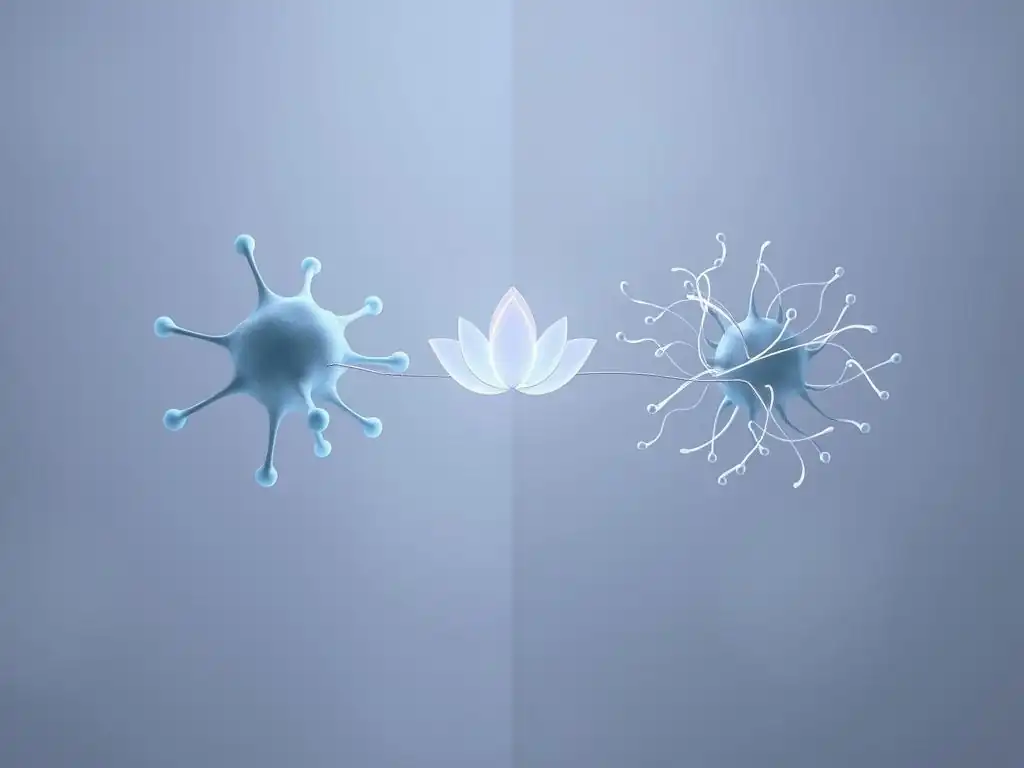
Dopamine is a central player in the brain's motivation system. It is released when we anticipate or experience something rewarding, creating feelings of pleasure and reinforcing the behaviors that led to that reward. This reinforcement mechanism is crucial for learning and drives us to repeat actions that are beneficial for survival or well-being, such as eating when hungry or achieving a goal.
Low levels of dopamine or impaired dopamine signaling can lead to a lack of motivation, anhedonia (the inability to feel pleasure), and difficulty initiating or completing tasks. Conditions like depression and ADHD are sometimes associated with dysregulation in dopamine pathways, manifesting as symptoms like apathy, fatigue, and difficulty focusing on goal-directed activities.
The Dopamine Reward System: How it Works
The dopamine reward system is a complex network of brain structures, primarily involving the ventral tegmental area (VTA), the nucleus accumbens, and the prefrontal cortex. When a rewarding stimulus is encountered or anticipated, neurons in the VTA release dopamine into the nucleus accumbens. This surge of dopamine creates pleasurable sensations and signals to the brain that the experience was positive.
The prefrontal cortex, involved in planning and decision-making, receives signals from this pathway, helping to associate the rewarding experience with the actions that preceded it. This process strengthens the neural connections related to the rewarding behavior, making us more likely to repeat it in the future. This powerful system is fundamental to learning and motivation, but it is also the pathway involved in the development of addiction.
Dopamine and Addiction: Understanding the Reward Pathway
The same powerful reward pathway that motivates healthy behaviors can be hijacked by addictive substances or behaviors. Drugs like cocaine and methamphetamine, for example, cause a massive and rapid surge in dopamine release, far exceeding the levels produced by natural rewards like food or social interaction. This intense dopamine signal creates an exaggerated sense of pleasure and reward.
Repeated exposure to these substances can alter the dopamine system, making the brain less responsive to natural rewards and creating a strong craving for the addictive substance. The pursuit of the drug becomes the primary motivation, overriding other needs and desires. Understanding this mechanism is crucial for comprehending the neurobiological basis of addiction and is a key component of any serotonin dopamine mental health guide discussing reward pathways.
Increasing Dopamine Levels for Enhanced Motivation and Focus
Supporting healthy dopamine function through lifestyle choices can help enhance motivation, focus, and the ability to experience pleasure.
Lifestyle Changes to Improve Dopamine Levels
Several lifestyle factors can influence dopamine levels and sensitivity. Engaging in regular exercise has been shown to boost dopamine, similar to its effect on serotonin. Setting and achieving small goals provides regular dopamine boosts through the reward system, reinforcing productive behaviors.
Getting adequate sleep is also vital, as sleep deprivation can negatively impact dopamine receptor sensitivity. Listening to music you enjoy, meditating, and even getting enough sunlight exposure can also positively influence dopamine activity. These simple habits can contribute to a more balanced dopamine system.
Dopamine and Cognitive Function: Focus and Concentration
Beyond motivation and pleasure, dopamine also plays a significant role in cognitive functions, particularly those related to executive functions like attention, focus, working memory, and decision-making. Dopamine pathways in the prefrontal cortex are crucial for maintaining concentration and filtering out distractions.
Conditions like Attention-Deficit/Hyperactivity Disorder (ADHD) are often associated with dysregulation in dopamine signaling, leading to core symptoms like difficulty focusing, impulsivity, and hyperactivity. Medications used to treat ADHD often target dopamine (and sometimes norepinephrine) pathways to improve attention and executive function.
Serotonin vs. Dopamine: A Detailed Comparison for Mental Health
Impact on Mood: Serotonin for Stability, Dopamine for Enthusiasm
When comparing serotonin vs. dopamine for mental health, their distinct impacts on mood are evident. Serotonin primarily contributes to mood stability, promoting feelings of contentment, calmness, and overall emotional well-being. It acts like a buffer against excessive mood swings and helps regulate anxiety.
Dopamine, conversely, is more associated with feelings of pleasure, excitement, and enthusiasm. It provides the motivational drive that can lead to positive mood states associated with achieving goals or experiencing rewards. While serotonin helps us feel okay and stable, dopamine helps us feel good and driven.
Effects on Motivation: Serotonin for Contentment, Dopamine for Drive
The difference between serotonin and dopamine is particularly clear in their influence on motivation. Serotonin's role is more about feeling content with what you have and regulating impulses, contributing to a sense of satisfaction that doesn't necessarily drive constant pursuit.
Dopamine, however, is the primary driver of motivation and goal-directed behavior. It fuels the desire to seek out rewards and encourages effort towards achieving objectives. While serotonin might help you feel calm resting on the couch, dopamine is what gets you off the couch to pursue something you want.
Influence on Appetite: Serotonin and Satiety, Dopamine and Craving
Both neurotransmitters influence appetite but in different ways. Serotonin is involved in signaling satiety, the feeling of being full and satisfied after eating. It helps regulate food intake and can contribute to stopping eating when enough food has been consumed.
Dopamine, on the other hand, is more linked to the pleasure derived from eating, particularly palatable foods high in sugar or fat. It is involved in the craving aspect and the motivation to seek out food, especially rewarding types. This interplay is part of the complex system regulating eating behavior.
Sleep Regulation: Serotonin for Sleep Quality, Dopamine for Wakefulness
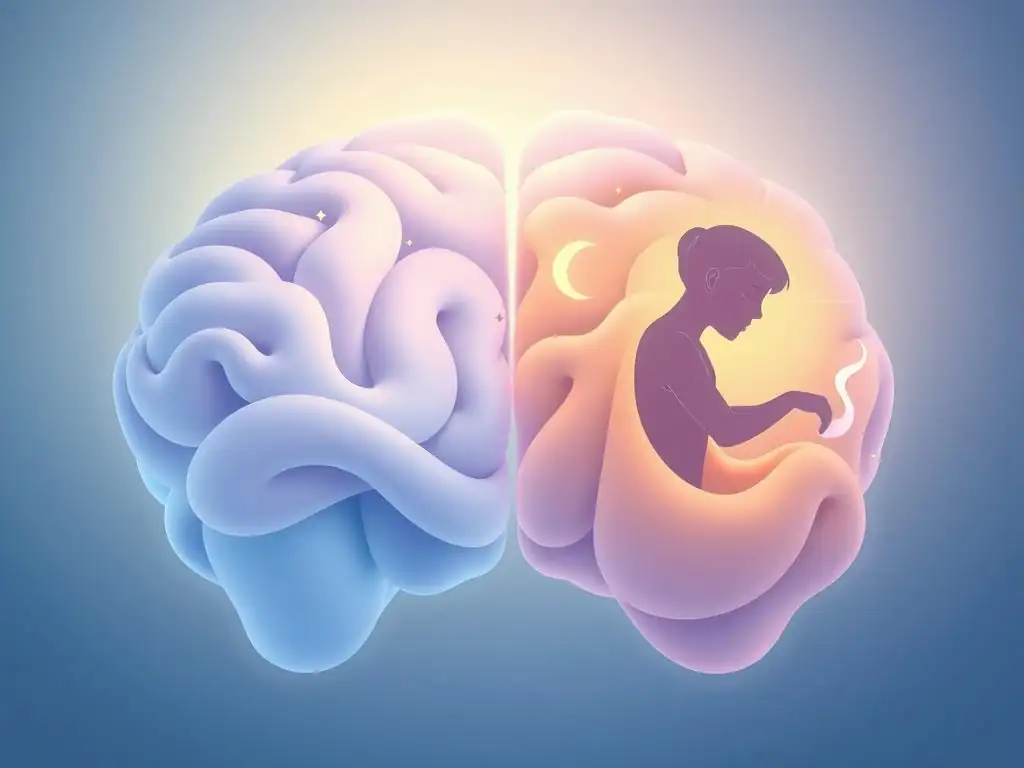
Their roles in sleep also differ. As mentioned, serotonin is a precursor to melatonin, making it essential for the production of the sleep-inducing hormone and contributing to the ability to fall and stay asleep. It influences the quality and depth of sleep stages.
Dopamine, while lower during sleep, is associated with wakefulness and alertness. Its activity increases upon waking and remains higher during periods of activity and focus. Imbalances can disrupt sleep patterns, with low serotonin potentially affecting sleep onset and duration, and high dopamine potentially contributing to insomnia or restless sleep.
Mental Health Conditions: Serotonin and Depression, Dopamine and ADHD
Different mental health conditions are more strongly associated with dysregulation in one neurotransmitter over the other, although there is significant overlap. Serotonin imbalances are particularly linked to mood disorders like Major Depressive Disorder and Generalized Anxiety Disorder.
Dopamine dysregulation is more prominently associated with conditions affecting motivation, reward processing, and executive function, such as ADHD and addiction. While depression can involve dopamine issues (contributing to anhedonia), and anxiety can involve serotonin (contributing to worry), their primary associations highlight their distinct core functions. A comprehensive serotonin dopamine mental health guide acknowledges these specific links.
Optimizing Serotonin and Dopamine for Mental Wellness: A Holistic Approach
Balancing Serotonin and Dopamine: Finding the Right Equilibrium
Achieving optimal mental wellness often involves supporting the healthy function and balance of multiple neurotransmitters, including serotonin and dopamine. It's not simply about maximizing one or the other, but ensuring they function effectively and in harmony within the brain's complex networks. An imbalance in one can sometimes impact the other.
For example, chronic stress can deplete both serotonin and dopamine reserves. Lifestyle interventions that support one neurotransmitter often have positive ripple effects on others. Focusing on overall brain health through diet, exercise, sleep, and stress management provides a holistic foundation for supporting this delicate balance.
Lifestyle Strategies for Supporting Both Serotonin and Dopamine
Many of the same healthy habits that support serotonin also benefit dopamine, illustrating the interconnectedness of the brain's systems. Regular exercise, for instance, boosts both. A balanced diet rich in protein, healthy fats, and complex carbohydrates provides the necessary building blocks for all neurotransmitters.
Getting sufficient, quality sleep (around 7-9 hours for most adults) is crucial for regulating the synthesis and receptor sensitivity of both. Managing stress through techniques like mindfulness, meditation, or yoga can prevent the depletion of these vital chemicals. Engaging in enjoyable activities, pursuing goals, and maintaining social connections also contribute to healthy neurotransmitter function.
When to Seek Professional Help: Addressing Serotonin or Dopamine Imbalances
While lifestyle changes can be supportive, persistent or severe symptoms that suggest a neurotransmitter imbalance require professional evaluation. If you experience prolonged periods of low mood, lack of motivation, intense anxiety, difficulty focusing that impacts daily life, or significant changes in sleep or appetite, consulting a healthcare provider or mental health professional is essential.
A doctor can help assess your symptoms, medical history, and potentially recommend appropriate diagnostic steps. Treatment options may include therapy, lifestyle adjustments, or medication specifically designed to target serotonin or dopamine pathways, such as antidepressants or stimulants, depending on the condition. Seeking help is a sign of strength and a critical step in managing mental health challenges.
The Future of Serotonin and Dopamine Research in Mental Health
New Discoveries in Neurotransmitter Function and Mental Illness
Research into serotonin and dopamine continues to evolve rapidly, revealing increasingly complex roles beyond their traditional associations. Scientists are discovering new receptor subtypes, signaling pathways, and interactions with other neurotransmitter systems and brain regions. For example, recent studies explore the role of serotonin in social behavior and decision-making, and dopamine's involvement in creativity and flexibility.
Understanding the intricate mechanisms by which these neurotransmitters contribute to mental health conditions is leading to more nuanced models of illness. It's becoming clear that disorders like depression or ADHD are not simply due to "low serotonin" or "low dopamine" but involve complex dysregulation across multiple pathways and brain circuits.
Potential Therapeutic Interventions Targeting Serotonin and Dopamine
Armed with a deeper understanding of these systems, researchers are developing more targeted and effective therapeutic interventions. This includes novel medications that act on specific receptor subtypes or influence neurotransmitter release and reuptake in more precise ways than older drugs.
Beyond pharmaceuticals, research is exploring non-pharmacological approaches, such as specific types of brain stimulation, targeted nutritional interventions, and personalized exercise regimens designed to optimize neurotransmitter function. These advancements hold promise for providing more tailored and effective treatments for individuals struggling with mental health challenges.
The Importance of Personalized Approaches to Mental Health Treatment
The growing complexity of neuroscience research underscores the need for personalized approaches to mental health treatment. What works for one person's serotonin or dopamine imbalance may not work for another, even with similar symptoms, due to genetic factors, individual brain chemistry, and unique life experiences.
Future mental health care is likely to involve more precise diagnostics, potentially including genetic testing or advanced brain imaging, to identify specific neurotransmitter dysregulations. This will allow clinicians to develop highly individualized treatment plans that target the root causes of a person's symptoms, leading to more effective and sustainable outcomes in the journey towards mental wellness. This personalized approach is the ultimate goal of a detailed serotonin dopamine mental health guide.
Frequently Asked Questions
What are serotonin and dopamine, and how do they relate to mental health?
Serotonin and dopamine are neurotransmitters in the brain. They play a crucial role in regulating mood, motivation, and overall mental well-being. Understanding their functions is essential for a comprehensive mental health guide.
How do serotonin and dopamine differ in their effects on mood and behavior?
Serotonin primarily influences mood regulation, sleep, and appetite. Dopamine is more associated with pleasure, reward, and motivation. The balance between them is vital for emotional stability.
How can I naturally boost my serotonin levels for improved mental well-being?
Natural ways to boost serotonin include exercise, sunlight exposure, and a diet rich in tryptophan. These lifestyle changes can positively impact mood and reduce symptoms of depression.
What are some strategies for increasing dopamine levels and enhancing motivation?
To increase dopamine, focus on achieving goals, engaging in enjoyable activities, and practicing mindfulness. Setting realistic targets and rewarding yourself can also boost dopamine production.
Where can I find a comprehensive "Serotonin Dopamine Mental Health Guide" that offers further information and support?
Mind Care Guide offers a "Serotonin Dopamine Mental Health Guide" with detailed information and resources. It provides practical tips and support for addressing mental health challenges.
Final Reflection: Weaving the Threads of Serotonin and Dopamine for a Healthier You
Understanding the intricate dance between serotonin and dopamine is not merely an academic exercise; it's a crucial step towards achieving genuine well-being in our increasingly demanding world. The imbalances and interactions between these neurotransmitters profoundly impact our mental health, influencing everything from our mood and motivation to our ability to cope with stress and build meaningful relationships. This knowledge empowers us to take proactive steps towards a more balanced and fulfilling life.
The exploration of serotonin and dopamine's roles has profoundly shaped my own understanding of mental well-being, highlighting the importance of a holistic approach. It's not simply about chasing the fleeting high of dopamine; it's about cultivating a stable foundation of serotonin to create a sense of contentment and resilience. As the philosopher Seneca once wisely noted, Every new beginning comes from some other beginning's end.
This applies beautifully to our mental health journeys; understanding the interplay of these neurochemicals allows us to recognize when we need to shift our focus, to nurture the foundations of contentment before pursuing external rewards.
Now, consider your own life. Reflect on the activities that bring you a sense of calm and accomplishment – those that likely boost your serotonin levels. Then, identify the goals and pursuits that ignite your passion and drive – the dopamine-releasing activities.
The key lies in finding a balance, in nurturing both the quiet contentment of a stable serotonin system and the invigorating pursuit of dopamine-fueled goals. Don't just strive for happiness; cultivate the internal landscape that allows it to flourish. This understanding of serotonin and dopamine is your guide; use it wisely to build a more balanced and fulfilling life.
Unlock Your Happiness Potential: Master Serotonin & Dopamine
Thanks for diving deep into the fascinating world of serotonin and dopamine! You've now got a powerful understanding of two key players in your well-being. Ready to put this knowledge into action?
- Prioritize activities that boost both: Identify 3 things you can do daily to increase serotonin (like sunlight exposure, exercise, or mindful moments) and 3 to boost dopamine (like completing tasks, learning new skills, or celebrating small wins). This balanced approach is key to lasting happiness and motivation.
- Share your insights: Discuss your new understanding of serotonin and dopamine with a friend or family member – you might inspire them to prioritize their own mental well-being!
- Experiment and track your progress: Try a new strategy from the article this week, then take note of how you feel. What changes did you notice?
What small step will you take today to cultivate a more balanced and fulfilling life?