
Chat, Video, or Phone? Choosing the Right Online Therapy Format for Your Anxiety Needs

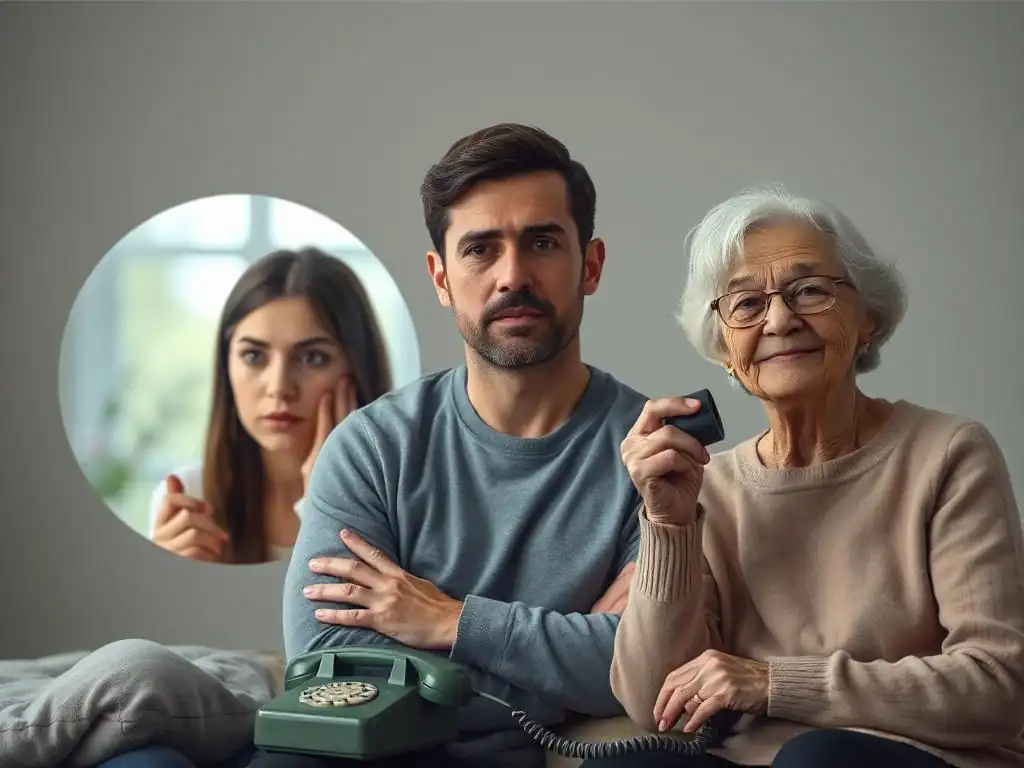
Welcome to Mind Care Guide, a safe space to explore and nurture your mental well-being. Feeling overwhelmed by anxiety and unsure where to start? You're not alone. Let's unravel the world of online therapy together. This week, we're diving into the nuances of choosing the right online therapy format anxiety solution for your unique needs. Curious about whether chat, video, or phone therapy is the best fit? Keep reading to discover the answers and take a proactive step towards a calmer, more centered you.
Choosing the Right Online Therapy Format for Anxiety: Chat, Video, or Phone | Mind Care Guide
- Understanding Online Therapy Formats for Anxiety Relief
- Online Chat Therapy for Anxiety: Is Text-Based Support Right for You?
- Video Therapy for Anxiety: Face-to-Face Connection Online
- Phone Therapy for Anxiety: Accessible and Convenient Support
- Comparing Therapy Formats: Which is Best for Your Anxiety?
- Success Stories: Real People, Real Results with Different Therapy Formats
- Maximizing Your Online Therapy Experience for Anxiety
- Choosing the Best Online Therapy Format for Anxiety: A Summary
-
Frequently Asked Questions
- What are the main online therapy formats available for anxiety?
- How can I determine which online therapy format is best suited for my anxiety?
- Is online therapy as effective as in-person therapy for anxiety?
- What are the potential benefits of choosing chat-based online therapy for anxiety?
- Are there any drawbacks to using phone-based online therapy for anxiety?
- Final Reflection: Navigating the Digital Landscape of Anxiety Relief
- Unlock Your Anxiety Relief: Find Your Perfect Therapy Format
Understanding Online Therapy Formats for Anxiety Relief
Why Choose Online Therapy for Anxiety?
Online therapy has emerged as a highly accessible and effective alternative to traditional in-person therapy for managing anxiety. For many individuals struggling with various forms of anxiety, such as generalized anxiety disorder (GAD), social anxiety, panic disorder, or specific phobias, the convenience of connecting with a licensed therapist from the comfort of their own home is a significant advantage.
This eliminates barriers like commuting time, geographical distance, and the potential discomfort some might feel entering a physical office, which can be particularly challenging for those with severe social anxiety or agoraphobia. Data suggests that the adoption of telehealth services, including mental health, has surged dramatically, with some reports indicating an increase of over 30 times pre-pandemic levels, highlighting its growing acceptance and availability.
Beyond just convenience, the flexibility offered by online therapy platforms allows individuals to schedule sessions around busy work or life commitments. This increased flexibility can lead to greater consistency in attending therapy, which is crucial for making progress in managing anxiety symptoms.
Furthermore, online therapy can sometimes be more affordable than traditional therapy, offering a potentially lower-cost entry point for individuals seeking support. While costs vary widely by platform and therapist, the elimination of overhead for therapists and the competitive nature of the online market can translate to savings, making professional help more accessible to a broader population seeking an effective online therapy format for anxiety relief.
Exploring Different Online Therapy Modalities: Chat, Video, and Phone
Online therapy platforms typically offer several distinct modalities through which clients can interact with their therapists. The three primary formats are chat-based therapy, video sessions, and phone calls. Each of these methods provides a unique way to engage in therapeutic dialogue and exercises, catering to different preferences, technological capabilities, and anxiety symptoms. Understanding the characteristics of each format is the first step in determining the most suitable online therapy format for anxiety management tailored to individual needs.
Chat therapy, often asynchronous or live text-based, allows for communication through written messages. Video therapy mimics traditional in-person sessions by using webcam technology for face-to-face interaction. Phone therapy involves standard voice calls, offering a direct auditory connection without visual cues. The choice among these formats can significantly impact the therapeutic experience, influencing factors like perceived connection with the therapist, the ability to process information, and overall comfort level during sessions focused on managing anxiety.
Online Chat Therapy for Anxiety: Is Text-Based Support Right for You?
Benefits of Chat Therapy for Anxiety Management
Chat therapy offers unique advantages for individuals dealing with anxiety, particularly those who find verbal communication challenging or overwhelming. For someone with social anxiety or selective mutism, typing can feel less intimidating than speaking directly to a therapist, allowing them to express their thoughts and feelings more freely and comprehensively. The text-based format also provides a written record of the conversation, which clients can review later. This ability to revisit therapeutic insights and coping strategies discussed during sessions can be incredibly beneficial for reinforcing learning and practicing techniques between appointments, offering continuous support for managing anxiety.
Another significant benefit is the flexibility of asynchronous chat therapy. This allows clients to send messages to their therapist whenever anxiety symptoms arise or when they have time to process their thoughts, without needing to wait for a scheduled live session. While responses aren't immediate, this ongoing access can provide a sense of consistent support. For some, the perceived anonymity of text-based communication, even when using a secure platform, can reduce self-consciousness and encourage deeper self-disclosure, facilitating progress in understanding and addressing the root causes of their anxiety.
Limitations of Chat Therapy
Despite its benefits, chat therapy has limitations that might make it less suitable for everyone seeking an online therapy format for anxiety. The absence of non-verbal cues, such as facial expressions, tone of voice, and body language, can sometimes hinder the therapist's ability to fully gauge a client's emotional state or nuances in their communication.
This lack of visual and auditory information can occasionally lead to misinterpretations or make it harder for the therapist to build rapport and empathy as effectively as in face-to-face or video interactions, potentially impacting the depth of the therapeutic relationship necessary for complex anxiety issues.
Furthermore, chat therapy may not be ideal for individuals who prefer immediate feedback or find typing out complex emotions difficult. Crisis situations or severe anxiety attacks often require real-time verbal intervention, which asynchronous chat cannot provide. While live chat sessions exist, they still lack the richness of verbal and visual communication. The pace of text-based communication can also feel slow for some, and the effort required to articulate thoughts in writing might be a barrier, making other online therapy formats potentially more effective for certain individuals or specific types of anxiety.
Best Online Therapy Platforms Offering Chat-Based Anxiety Treatment: Talkspace vs. Calmerry
Talkspace is one of the most widely recognized platforms offering robust chat-based therapy options for anxiety. Their core service involves unlimited text, audio, and video messaging with a dedicated therapist, typically receiving responses once or twice a day on weekdays. This model provides ongoing support and allows clients to reach out whenever they need to, making it particularly appealing for those who benefit from consistent check-ins and have anxiety that fluctuates throughout the week. Talkspace reports having a network of thousands of licensed therapists, allowing clients to find a match based on their specific anxiety needs and preferences.
Calmerry also provides text-based therapy, often emphasizing emotional support and guidance. While similar in offering asynchronous messaging, platforms like Calmerry might structure their plans slightly differently, sometimes offering live chat sessions as an add-on or part of specific tiers. They aim to provide a supportive environment for discussing daily stressors and anxiety symptoms. When considering an online therapy format for anxiety, comparing the specific features, therapist availability, and pricing structure for text-based plans between platforms like Talkspace and Calmerry is essential to find the best fit for individual communication styles and therapeutic goals.
Video Therapy for Anxiety: Face-to-Face Connection Online

Advantages of Video Sessions for Anxiety Treatment
Video therapy is often considered the closest online equivalent to traditional in-person sessions, offering significant advantages for anxiety treatment. The ability to see and hear your therapist in real-time allows for the natural exchange of verbal and non-verbal cues, fostering a stronger sense of connection and rapport. Therapists can observe body language, facial expressions, and vocal tone, providing them with a more comprehensive understanding of a client's emotional state during discussions about their anxiety. This richer interaction can facilitate deeper therapeutic work, including practicing specific anxiety-reducing techniques like mindfulness or exposure exercises under guided observation.
For many, the visual presence of the therapist provides reassurance and a sense of accountability, which can be motivating for staying engaged in the therapeutic process. Video sessions allow for dynamic conversation and immediate feedback, which is particularly helpful for discussing complex issues or processing intense emotions related to anxiety. Platforms offering video therapy for anxiety typically provide a secure, HIPAA-compliant environment, ensuring privacy and confidentiality during sessions, which is a crucial consideration for anyone seeking mental health support online.
Potential Drawbacks of Video Therapy
Despite its many benefits, video therapy for anxiety can present certain challenges. Technical issues, such as poor internet connection, low video quality, or audio problems, can disrupt the flow of a session and be frustrating for both the client and the therapist. These interruptions can sometimes heighten anxiety, especially for individuals already feeling stressed about the session itself. Ensuring a stable internet connection and a quiet, private space free from distractions is necessary for a successful video therapy experience, which may not always be feasible depending on living or work situations.
Another potential drawback is that video therapy might feel too intense or intimidating for individuals with severe social anxiety or body image issues. The pressure of being on camera can be a source of stress, potentially making it harder to relax and open up compared to phone or chat formats. While providing valuable visual cues, the "always-on" nature of video might also feel less flexible than asynchronous chat. Carefully considering one's comfort level with technology and being on camera is important when selecting this online therapy format for anxiety.
Top Video Therapy Services for Anxiety: A Comparison of Amwell and Doctor On Demand
Amwell is a comprehensive telehealth platform that includes extensive mental health services, with video therapy being a core offering. They provide access to licensed therapists, psychologists, and psychiatrists who can treat a wide range of mental health conditions, including various anxiety disorders. Amwell often allows users to browse provider profiles and select a therapist based on their expertise, location (for licensing purposes), and availability, scheduling live video sessions typically ranging from 45 to 60 minutes. Their integrated platform can also facilitate medication management if needed, offering a holistic approach for some individuals dealing with anxiety.
Doctor On Demand is another prominent telehealth provider offering video therapy with licensed mental health professionals. Similar to Amwell, they connect users with therapists for live video sessions and cater to various mental health needs, including anxiety.
Doctor On Demand emphasizes ease of use and quick access to providers, often allowing same-day or next-day appointments, which can be beneficial for those seeking timely support for acute anxiety symptoms. When evaluating these platforms for video-based online therapy for anxiety, potential users should compare therapist availability, session costs, insurance coverage options, and the specific therapeutic approaches offered to find the best fit for their individual requirements.
Phone Therapy for Anxiety: Accessible and Convenient Support
Pros of Phone Therapy for Managing Anxiety
Phone therapy offers a unique blend of real-time interaction and relative anonymity, making it a comfortable option for many dealing with anxiety. Unlike video therapy, there's no need to worry about being on camera, which can significantly reduce self-consciousness for individuals with social anxiety or those who feel pressure about their appearance. This lack of visual contact allows clients to focus solely on the conversation and their internal experience, potentially making it easier to open up about sensitive topics related to their anxiety without the added stress of visual judgment.
Accessibility is another major advantage of phone therapy. It requires only a phone line and does not rely on a stable internet connection or a device with a camera, making it available to individuals in areas with limited broadband access or those who are less tech-savvy.
Sessions can be taken almost anywhere private, offering flexibility for people with busy schedules or those who travel frequently. For individuals who process information best through auditory means, or who find listening and speaking less draining than reading/writing or being on camera, phone therapy can be a highly effective online therapy format for anxiety management.
Cons of Phone Therapy
While accessible and convenient, phone therapy does have its limitations. The primary drawback is the complete absence of visual cues. Therapists cannot observe body language, facial expressions, or other non-verbal signals that provide crucial information about a client's emotional state and reactions during the session. This can sometimes make it harder for the therapist to fully understand the client's experience or to employ techniques that rely on visual interaction, potentially limiting the scope of therapeutic interventions for certain types of anxiety or complex cases.
Furthermore, some individuals may find it difficult to build a strong rapport or feel a deep connection with their therapist without the visual element. While effective therapeutic relationships can certainly be formed over the phone, the lack of face-to-face interaction might feel less personal for some. There's also the potential for more distractions during phone sessions if the client is not in a completely private and quiet environment, as the therapist cannot visually monitor the surroundings. These factors should be considered when deciding if phone therapy is the most suitable online therapy format for anxiety needs.
Recommended Phone Therapy Services for Anxiety: Teladoc vs. MDLIVE
Teladoc is a well-established telehealth provider offering mental health services that include therapy sessions conducted primarily over the phone or via video. They connect users with licensed therapists, psychologists, and psychiatrists who can provide support for anxiety and other conditions. Teladoc is often integrated with employer health plans, making it a convenient and potentially cost-effective option for many individuals seeking phone-based online therapy for anxiety. Their platform focuses on accessibility and ease of scheduling appointments with available providers.
MDLIVE is another leading telehealth service that provides mental health treatment, including therapy sessions available by phone or video. They offer access to a network of board-certified therapists and psychiatrists who can address a wide range of anxiety-related issues.
MDLIVE emphasizes providing care when and where it's needed, facilitating appointments via phone for those who prefer this modality or lack consistent internet access. When comparing Teladoc and MDLIVE for phone therapy for anxiety, potential users should look into their specific therapist networks, appointment availability, pricing structures, and whether their insurance plan is accepted, as coverage details can significantly impact the overall cost of care.
Comparing Therapy Formats: Which is Best for Your Anxiety?
Matching Your Anxiety Type to the Right Therapy Format
Selecting the optimal online therapy format for anxiety often depends heavily on the specific type and severity of your anxiety symptoms. For instance, individuals with severe social anxiety or agoraphobia might find chat or phone therapy less intimidating initially, allowing them to ease into the therapeutic process without the pressure of face-to-face interaction. Some evidence suggests that text-based therapy can be effective for mild to moderate anxiety and depression, providing a low-barrier entry point.
Conversely, for anxiety disorders that involve panic attacks or phobias requiring exposure therapy techniques, video therapy might be more beneficial. The visual presence of the therapist can provide crucial support and guidance during exposure exercises conducted online. Similarly, for generalized anxiety disorder (GAD) where processing complex thoughts and emotions is key, the richer interaction of video or phone therapy might be more conducive to deep discussion and therapeutic exploration compared to the potentially slower pace of chat. It's important to consider how your specific anxiety symptoms might be best addressed through different communication methods.
Considering Your Budget: Affordability of Different Online Therapy Formats
The cost of online therapy can vary significantly depending on the platform, the therapist's qualifications, and the chosen format. Generally, asynchronous chat-based therapy is often the least expensive option, as it requires less synchronous time from the therapist. Subscription plans offering unlimited messaging, like some chat-focused platforms, can provide continuous support for a fixed monthly fee, which might be cost-effective for those who benefit from frequent, brief interactions.
Video and phone therapy sessions, which are typically scheduled for a specific duration (e.g., 45-60 minutes), tend to be priced similarly to each other and are often more expensive than chat therapy on a per-session or weekly basis. However, many online therapy platforms accept insurance, which can significantly reduce out-of-pocket costs for video or phone sessions.
Some platforms also offer sliding scale fees or financial assistance programs. When choosing an online therapy format for anxiety, it's crucial to research the pricing models of potential platforms and check your insurance coverage to determine the most affordable option that meets your therapeutic needs.
Evaluating Your Technology Access and Comfort Level
Your personal access to technology and your comfort using it are practical considerations when choosing an online therapy format for anxiety. Video therapy requires a reliable internet connection and a device with a camera and microphone (like a smartphone, tablet, or computer). If you have limited data, unstable internet, or prefer not to use video technology, this format might not be suitable. Phone therapy is the most accessible from a technology standpoint, requiring only a functional phone.
Chat therapy requires a device capable of text input (computer, smartphone, tablet) and internet access, but often uses less bandwidth than video. Beyond technical access, consider your comfort level with each method of communication. Do you feel more at ease expressing yourself in writing, speaking on the phone without visual cues, or interacting face-to-face via screen? Your preference and comfort can impact your ability to fully engage in therapy and build a strong connection with your therapist, directly influencing the effectiveness of the chosen online therapy format for anxiety.
Success Stories: Real People, Real Results with Different Therapy Formats
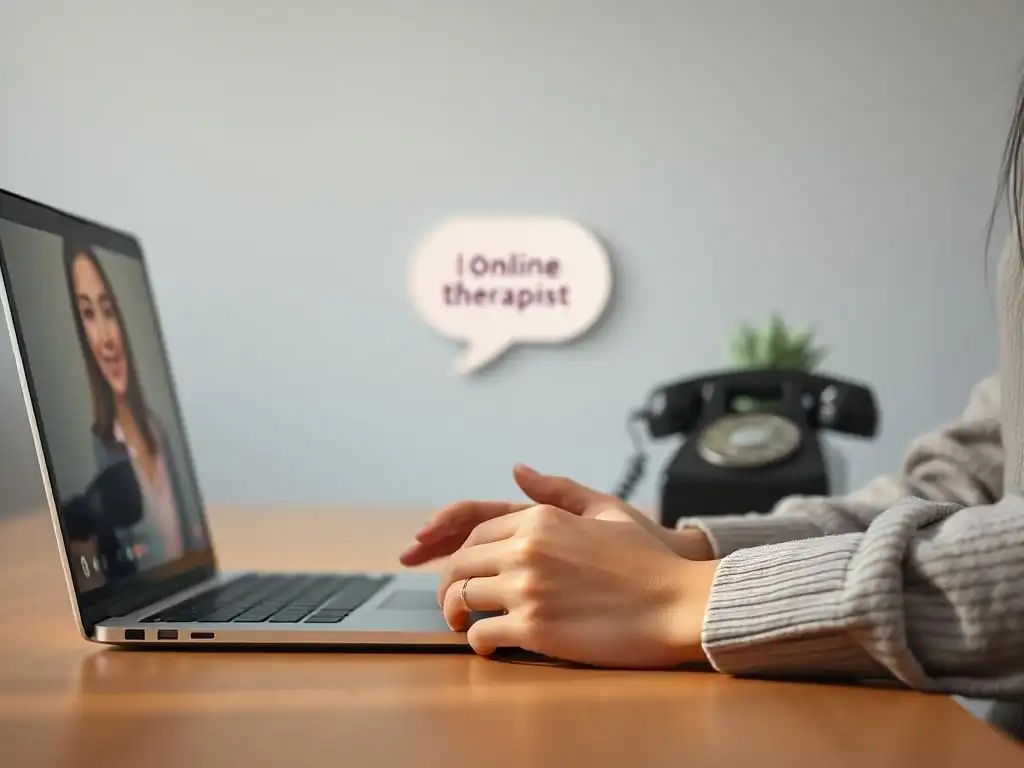
Many individuals have found video therapy to be profoundly helpful in overcoming social anxiety. For someone like "Sarah," who struggled with face-to-face interactions and public speaking, starting therapy online via video on a platform like Amwell provided a safe space to practice being seen and heard. Initially, the idea of a video call was daunting, but the empathetic presence of her therapist on screen gradually helped her become more comfortable.
Through video sessions, Sarah's therapist could observe her anxiety cues (like avoiding eye contact or fidgeting) in a way that wouldn't be possible over the phone or chat. They worked on cognitive behavioral techniques (CBT), practicing mock social interactions and gradually increasing her comfort level with virtual face-to-face communication. Over several months, this consistent visual interaction in a controlled environment helped Sarah build confidence, eventually enabling her to participate more actively in online meetings for work and even consider joining local social groups, demonstrating the power of this online therapy format for anxiety related to social fears.
Managing Panic Attacks Through Chat Therapy on Talkspace
For individuals experiencing frequent panic attacks, the ability to reach out for support in the moment can be critical. "David," who suffered from unpredictable panic attacks, found the asynchronous chat format on Talkspace to be incredibly supportive. During periods of heightened anxiety or immediately after an attack, he could message his therapist, articulating his feelings and symptoms in writing without the pressure of a live session.
His therapist provided grounding techniques, reassurance, and strategies via text messages throughout the day, helping him manage his symptoms between scheduled appointments. This ongoing text-based support, coupled with more in-depth discussions during live chat or occasional video sessions, provided a continuous safety net. David reported that simply knowing he could message his therapist when anxiety peaked significantly reduced his fear of future attacks, illustrating how a flexible chat-based online therapy format for anxiety can provide crucial just-in-time support.
Reducing Generalized Anxiety Disorder Symptoms with Phone Therapy on Teladoc
Generalized anxiety disorder (GAD) often involves persistent worry and rumination. "Emily," who found it easier to talk through her worries aloud rather than writing them down, chose phone therapy via a service like Teladoc. She felt less pressure than being on video and could easily take her calls from various private locations as needed.
Over the phone, Emily and her therapist explored the thought patterns contributing to her excessive worry, using techniques like cognitive restructuring and mindfulness. The therapist's calm and steady voice provided a soothing presence, helping Emily feel safe enough to delve into difficult topics.
Emily found that articulating her worries verbally helped her process them more effectively, and the immediate verbal feedback from her therapist facilitated deeper insight. After several months of consistent phone sessions, Emily reported a significant reduction in her daily worry levels and an improved ability to manage anxious thoughts, highlighting the effectiveness of the phone-based online therapy format for anxiety characterized by persistent worry.
Maximizing Your Online Therapy Experience for Anxiety
Setting Realistic Expectations and Goals
Before starting online therapy for anxiety, it's important to set realistic expectations about the process. Therapy is not a quick fix; it's a journey that requires time, effort, and commitment. Progress in managing anxiety symptoms typically happens gradually. Understand that while your therapist will provide guidance and tools, you are an active participant in your own healing. Your willingness to engage, complete any suggested exercises between sessions, and be open and honest about your experiences is crucial for success, regardless of the online therapy format chosen for your anxiety.
Discuss your specific goals with your therapist early on. Do you want to reduce panic attack frequency? Manage social fears? Stop excessive worrying? Clearly defined goals can help you and your therapist track progress and tailor the treatment plan. Be patient with yourself and the process. There may be weeks where you feel significant improvement and others where you feel stuck or experience setbacks. This is normal. Maintaining consistent attendance and open communication with your therapist about your progress and challenges is key to maximizing the benefits of online therapy for anxiety.
Finding the Right Therapist for Your Needs
The effectiveness of online therapy for anxiety is heavily influenced by the relationship you build with your therapist. Finding a therapist who is a good fit in terms of personality, therapeutic approach, and expertise in treating your specific type of anxiety is paramount. Most online platforms allow you to read therapist profiles, which detail their specializations, years of experience, and therapeutic modalities (like CBT, DBT, ACT, etc. ).
Don't hesitate to utilize initial consultations, if offered, or schedule a few sessions to see if you feel a connection and trust with the therapist. It's okay to switch therapists if the first match doesn't feel right. Look for someone experienced in treating anxiety disorders and who is comfortable utilizing the specific online therapy format you have chosen. A strong therapeutic alliance, built on trust and mutual respect, is a powerful predictor of positive outcomes in therapy for anxiety.
Utilizing Additional Resources and Support Tools
Online therapy platforms often provide resources beyond live or chat sessions that can enhance your anxiety management journey. Many platforms offer digital tools such as mood trackers, journaling features, guided meditations, educational articles about anxiety, and exercises based on therapeutic techniques. Actively utilizing these resources between sessions can reinforce what you discuss with your therapist and help you practice coping skills in real-time situations.
Additionally, consider supplementing your online therapy with other forms of support if needed. This could include self-help books, reputable mental health websites (like Mind Care Guide! ), support groups (online or in-person), or mindfulness apps. Discussing these supplementary resources with your therapist can help ensure they align with your treatment plan. Taking a comprehensive approach that combines your chosen online therapy format for anxiety with self-care and additional tools can significantly enhance your overall well-being and progress.
Choosing the Best Online Therapy Format for Anxiety: A Summary
Key Considerations for Selecting the Right Approach
Choosing the best online therapy format for anxiety involves weighing several personal factors. Consider your comfort level with different communication methods: are you more at ease typing, speaking on the phone, or being on video? Reflect on your specific anxiety symptoms and how each format might help address them – for example, video for exposure, chat for accessibility during panic, or phone for ease of verbal processing. Your technological access and reliability of internet connection are practical points.
Budget is also a significant factor, with chat often being the most cost-effective, though insurance coverage can make video or phone sessions more affordable. Finally, consider the potential for building rapport with the therapist in each format. While strong therapeutic relationships are possible across all modalities, some individuals may find it easier to connect via video or phone. Carefully evaluating these points will guide you towards the online therapy format best suited for your individual anxiety needs and preferences.
Taking the Next Step: Starting Your Journey Towards Anxiety Relief
Once you have considered the different online therapy formats for anxiety – chat, video, and phone – and evaluated which seems like the best fit for your personal circumstances, the next step is to explore specific platforms that offer that modality. Research providers like Talkspace, Calmerry, Amwell, Doctor On Demand, Teladoc, or MDLIVE, paying close attention to therapist availability, pricing, insurance acceptance, and user reviews.
Don't feel pressured to commit to the first option you explore. Many platforms allow you to switch therapists or even formats if your initial choice doesn't feel right after a few sessions. The most important thing is to take that first step towards seeking professional support. Online therapy offers flexible and accessible ways to address anxiety, and finding the right online therapy format for anxiety is a positive and empowering move towards managing your symptoms and improving your mental well-being.
Frequently Asked Questions
What are the main online therapy formats available for anxiety?
The primary formats include chat-based therapy, video sessions, and phone calls. Each offers a different level of interaction and suits varying preferences.
How can I determine which online therapy format is best suited for my anxiety?
Consider your comfort level with technology and communication preferences. If you're shy, chat may be best. If you need visual cues, video is ideal.
Is online therapy as effective as in-person therapy for anxiety?
Studies show that online therapy can be very effective for managing anxiety. The efficacy often depends on the individual and the specific treatment approach.
What are the potential benefits of choosing chat-based online therapy for anxiety?
Chat therapy offers anonymity and convenience, allowing you to communicate at your own pace. It can be less intimidating than face-to-face interactions.
Are there any drawbacks to using phone-based online therapy for anxiety?
Phone therapy lacks visual cues, which can be important for some individuals. It also requires a private and quiet space for effective sessions.
The quest for effective anxiety management in today's fast-paced world has led many to explore the convenience and accessibility of online therapy, but choosing the right format is crucial for successful treatment. The sheer variety of options—from text-based chats to video sessions and even phone calls—can feel overwhelming. This article has explored the nuances of each format, highlighting their unique strengths and weaknesses in addressing the specific challenges of anxiety. Ultimately, the most effective approach depends on individual needs and preferences.
The impact of technology on mental healthcare is undeniable, reshaping how we access and experience support. This shift has democratized access to therapy, making it more readily available to those who might otherwise face geographical or financial barriers. However, it also presents new challenges, requiring careful consideration of personal comfort levels with technology and the potential limitations of each format. As we increasingly rely on digital tools for connection and support, it's vital to remember the human element at the heart of therapeutic relationships. The greatest gift you can give someone is your time, because when you give your time, you are giving a portion of your life that you will never get back.
This quote underscores the importance of choosing a format that fosters a genuine and effective therapeutic connection.
Consider your own anxiety triggers and communication style. Do you find comfort in the anonymity of text, the visual connection of video, or the intimacy of a phone call? Take the time to reflect on your preferences and explore the options presented in this article. Don't hesitate to experiment with different formats to find the one that best suits your needs and empowers you on your journey towards managing anxiety. The path to mental well-being is personal, and finding the right digital tool can be a significant step towards a healthier, more fulfilling life.
Unlock Your Anxiety Relief: Find Your Perfect Therapy Format
Thanks for taking the time to explore the world of online therapy for anxiety! You've now armed yourself with valuable knowledge to navigate the different options available. Ready to take the next step towards feeling better?
- Schedule a free consultation: Many therapists offer brief introductory calls to discuss your needs and see if they're the right fit. This is your first crucial step to finding the perfect match.
- Explore different platforms: Consider trying out a few different video conferencing platforms to see which one feels most comfortable and efficient for you. Think of it as a test drive before committing to a longer-term approach.
- Share your learnings: Help others find the right path by sharing your experiences and insights on social media. Your journey could inspire someone else to seek help.
Ready to start your journey toward calmer days and reduced anxiety? What specific feature in an online therapy format is most important to you moving forward?