
Couples Therapy Online for Anxiety: Comparing Services that Support Relationships


Welcome to Mind Care Guide, a supportive space dedicated to navigating the complexities of mental well-being. Feeling overwhelmed by anxiety's impact on your relationship? You're not alone. This guide explores how online couples therapy anxiety support can help you and your partner build a stronger, healthier connection. Curious to discover the best platforms offering specialized support? Let's delve into the world of online couples therapy and find the resources that resonate with your unique needs.
Online Couples Therapy for Anxiety: Comparing Services that Support Relationships
- Understanding Anxiety's Impact on Relationships and the Role of Online Therapy
- Top Online Couples Therapy Platforms Offering Anxiety Support: A Comparative Analysis
-
Key Features to Consider When Choosing Online Couples Therapy for Anxiety
- Therapist Specialization: Finding a Therapist Experienced in Anxiety and Relationships
- Therapy Modalities: Exploring CBT, EFT, and Other Effective Approaches
- Communication Tools and Features: Ensuring Effective Online Interaction
- Pricing and Affordability: Selecting a Plan that Fits Your Budget
- Privacy and Security: Protecting Your Confidential Information
-
Real-Life Scenarios: How Online Couples Therapy Can Help with Anxiety-Related Issues
- Scenario 1: Overcoming Anxiety-Driven Communication Barriers using Cognitive Restructuring
- Scenario 2: Managing Conflict Related to Anxiety Symptoms with Emotionally Focused Therapy (EFT)
- Scenario 3: Building a Stronger, More Supportive Relationship in the Face of Anxiety Through Mindfulness Practices
- Maximizing the Benefits of Online Couples Therapy for Anxiety: Tips and Strategies
- Conclusion: Finding the Right Online Couples Therapy for Anxiety Support
-
Frequently Asked Questions
- What are the main benefits of online couples therapy for anxiety?
- How can online couples therapy specifically address anxiety within a relationship?
- Which online platforms are best for couples seeking anxiety support through therapy?
- Is online couples therapy effective for severe anxiety disorders affecting a relationship?
- What resources are available to help couples find affordable online therapy options for anxiety?
- Final Reflection: Navigating Anxiety Together, Online
- Unlock Your Relationship's Potential: Take the Next Step
Understanding Anxiety's Impact on Relationships and the Role of Online Therapy
How Anxiety Affects Couple Dynamics: Recognizing the Signs
Anxiety can cast a long shadow over romantic relationships, often manifesting in ways that partners may not immediately recognize as related to a mental health condition. One common impact is increased conflict or emotional distance. For instance, someone struggling with social anxiety might avoid social gatherings, leading a partner who enjoys socializing to feel isolated or resentful.
Conversely, a partner with generalized anxiety might exhibit excessive worry about finances, health, or the future, potentially leading to constant reassurance-seeking or controlling behaviors that strain the relationship dynamic. These patterns can create a cycle of misunderstanding and frustration, eroding trust and intimacy.
Furthermore, anxiety can affect communication patterns significantly. A person experiencing high anxiety might become withdrawn, finding it difficult to express their feelings or needs, or they might become overly critical and irritable due due to heightened stress levels. This can make open and honest dialogue challenging.
Partners of individuals with anxiety may feel overwhelmed, unsure how to help, or even start to internalize the anxiety, leading to their own stress or burnout. Recognizing these signs – such as increased arguments, avoidance of intimacy, difficulty making decisions together, or a pervasive sense of unease – is the first step toward seeking effective online couples therapy anxiety support.
Benefits of Online Couples Therapy for Anxiety Management
Online couples therapy offers numerous advantages for partners navigating the complexities of anxiety together. Accessibility is a major benefit; couples can attend sessions from the comfort and privacy of their home, eliminating commutes, parking hassles, and the need to coordinate schedules around travel time. This is particularly helpful for individuals whose anxiety makes leaving the house difficult, or for couples with demanding work schedules or childcare responsibilities. The convenience of online platforms makes consistent therapy attendance more feasible, which is crucial for making progress in managing anxiety's impact on the relationship.
Beyond convenience, online therapy platforms often provide access to a wider pool of licensed therapists than might be available locally. This means couples can find a therapist with specific expertise in treating anxiety within a relationship context, regardless of geographical location. Many platforms also offer flexible scheduling options, including evening and weekend appointments. This ease of access and flexibility allows couples to prioritize their relationship health and get timely online couples therapy anxiety support, fostering a more resilient partnership.
Is Online Couples Therapy Effective for Anxiety? Exploring the Research
Research into the effectiveness of online therapy, including online couples therapy anxiety support, has grown significantly. Studies indicate that online therapy modalities, such as Cognitive Behavioral Therapy (CBT) and Emotionally Focused Therapy (EFT), which are commonly used in both individual and couples counseling, can be just as effective as in-person sessions for treating anxiety disorders.
For instance, a 2018 meta-analysis published in the Journal of Affective Disorders found that online CBT was effective in reducing anxiety symptoms. While specific data on couples therapy online for anxiety is still emerging, the principles of therapeutic change and the established efficacy of the modalities used translate well to the online environment.
Effectiveness in couples therapy is often measured by improvements in communication, conflict resolution, emotional connection, and overall relationship satisfaction, in addition to a reduction in anxiety symptoms for the affected partner. Online platforms facilitate these improvements by providing a structured space for couples to learn new skills, understand each other better, and work through challenges with the guidance of a trained professional.
For example, a couple might learn techniques to manage panic attacks together or develop strategies to prevent anxiety from leading to arguments. The ability to practice these skills in their home environment, where the issues often arise, can enhance the practical application and long-term effectiveness of online couples therapy anxiety support.
Top Online Couples Therapy Platforms Offering Anxiety Support: A Comparative Analysis
Talkspace Couples Therapy: Addressing Anxiety in Relationships
Talkspace is one of the most well-known online therapy platforms, offering comprehensive support including online couples therapy anxiety support. Their approach typically involves matching couples with a licensed therapist who specializes in relationship dynamics and can address underlying issues like anxiety. The platform emphasizes asynchronous messaging alongside live video sessions, providing multiple ways for couples to connect with their therapist and work through challenges related to anxiety symptoms and their impact on the relationship.
The platform's user-friendly interface and mobile app make it easy for couples to engage with therapy on their own schedule. Therapists on Talkspace use various evidence-based modalities, including CBT and EFT, to help couples understand how anxiety affects their interactions and develop healthier coping mechanisms. The goal is not only to manage anxiety symptoms but also to strengthen the couple's bond and improve their ability to support each other.
Talkspace Features for Anxiety Management in Couples
Talkspace provides unlimited text, audio, and video messaging with the therapist, allowing couples to share updates, ask questions, and process thoughts between live sessions. This continuous support can be particularly helpful for managing acute anxiety episodes or discussing triggers as they happen. They also offer live video sessions, typically 30-45 minutes long, which are crucial for deeper therapeutic work and practicing communication skills.
The platform allows both partners to access the shared therapy room, ensuring transparency and joint participation. Therapists can assign exercises or homework through the platform to reinforce learning between sessions. While not all therapists specialize in anxiety within a relationship context, couples can specify their needs during the matching process to find a suitable professional offering online couples therapy anxiety support.
Talkspace Pricing and Plans for Couples Therapy
Talkspace's pricing for couples therapy is typically structured as a monthly subscription. As of a general estimate, plans might start around $400-$500 per month, although this can vary based on location, therapist availability, and specific plan features (like the number of live sessions included). Some plans might include a limited number of live video sessions per month, while others might offer more.
It's important for couples to check the current pricing directly on the Talkspace website as rates and plan structures can change. They occasionally offer promotions or discounts. While it represents a significant investment, the monthly fee covers ongoing support via messaging and scheduled live sessions, providing consistent online couples therapy anxiety support.
Talkspace: Pros and Cons for Couples Dealing with Anxiety
- Pros:
- Convenient messaging therapy allows for continuous support between sessions.
- Large network of licensed therapists.
- User-friendly web and mobile interface.
- Offers flexibility in communication methods (text, audio, video).
- Cons:
- Can be more expensive than some other options.
- Live session duration might be shorter than traditional therapy (typically 30-45 mins).
- Finding a therapist with specific expertise in both couples dynamics and anxiety might require some effort during the matching process.
ReGain Couples Therapy: Specialized Anxiety Treatment Options
ReGain is a platform specifically designed for couples and individuals focusing on relationship issues. While its primary focus is relationships, many therapists on the platform have experience helping partners navigate challenges like anxiety's impact on their connection. ReGain provides online couples therapy anxiety support by offering access to licensed therapists, including psychologists, marriage and family therapists, clinical social workers, and professional counselors.
The platform's structure is similar to Talkspace, utilizing a shared online therapy room accessible to both partners and the therapist. This allows for ongoing communication and scheduling of live video, phone, or chat sessions. ReGain emphasizes convenience and accessibility, enabling couples to work on their relationship from anywhere with an internet connection, which is beneficial when anxiety might make leaving home difficult.
ReGain's Focus on Relationship Issues Related to Anxiety
ReGain therapists are experienced in addressing a wide range of relationship challenges, including those exacerbated by mental health conditions like anxiety. They help couples identify how anxiety manifests in their interactions, such as avoidance, conflict, or codependency. Therapists guide partners in developing healthier communication patterns, building mutual support systems, and implementing strategies to manage anxiety symptoms together.
For instance, a therapist might use techniques from EFT to help a couple understand the underlying emotional needs driving anxiety-fueled behaviors and how these impact their connection. They might also incorporate elements of CBT to challenge negative thought patterns related to anxiety that affect the relationship. The focus is always on the couple unit and how they can collaboratively navigate the presence of anxiety. This specialized focus makes ReGain a strong contender for online couples therapy anxiety support.
ReGain Pricing and Subscription Model
ReGain operates on a subscription model, with pricing typically billed every four weeks. The exact cost can vary based on location and therapist availability, but it often falls in a range similar to or slightly lower than Talkspace, perhaps between $260 and $360 per four weeks (this is an estimated range, actual prices may vary). This subscription usually includes unlimited messaging with the therapist and one live session per week (either video, phone, or chat), typically 30-45 minutes long.
The weekly live session provides dedicated time for deeper therapeutic work, while the messaging feature allows for ongoing support and check-ins. Couples should verify the current pricing and what is included in the subscription directly on the ReGain website before signing up. The cost structure is designed to provide consistent access to online couples therapy anxiety support.
ReGain: Advantages and Disadvantages for Anxiety-Related Relationship Problems
- Advantages:
- Specifically designed for couples counseling.
- Offers multiple communication options (messaging, live video, phone, chat).
- Subscription model provides ongoing access to support.
- Generally considered slightly more affordable than some competitors.
- Disadvantages:
- Live sessions are typically 30-45 minutes, which might feel short for some couples.
- Finding a therapist with extensive anxiety-specific expertise within couples counseling might require communication during the matching process.
- The platform is relationship-focused, which is great, but ensures the therapist can also adequately address the individual anxiety component.
Growing Self Couples Therapy: A Focus on Attachment and Emotional Connection
Growing Self is a unique online counseling service that offers a range of coaching and therapy options, including couples therapy. Their approach often integrates evidence-based practices with a strong focus on personal growth and building healthy, secure relationships. They emphasize understanding attachment styles and improving emotional connection, which is particularly relevant for couples where anxiety might stem from or exacerbate insecure attachment patterns.
Unlike some subscription models, Growing Self often operates on a pay-per-session or package basis, though they may offer subscription-like coaching packages. Their therapists are licensed professionals who work with couples to improve communication, resolve conflict, and deepen intimacy, all while addressing individual issues like anxiety that impact the relationship dynamic. They aim to help couples build a strong foundation for lasting happiness.
Growing Self's Approach to Strengthening Couple Bonds
Growing Self therapists often use modalities like Emotionally Focused Therapy (EFT), which is highly effective in helping couples understand and change negative interaction cycles fueled by underlying emotions and needs, including those related to anxiety. They help partners identify their emotional triggers, express vulnerabilities safely, and respond to each other in more empathetic and supportive ways. This focus on emotional connection and attachment can be profoundly healing for relationships strained by anxiety.
The platform facilitates video sessions where couples can meet with their therapist. The sessions are typically longer than those on subscription platforms, often 50 minutes, allowing for more in-depth therapeutic work. They also offer resources and "homework" assignments to help couples practice new skills between sessions. Their emphasis on growth and skill-building provides robust online couples therapy anxiety support.
Growing Self Pricing and Session Packages
Growing Self's pricing is typically structured per session or through packages of sessions, rather than a fixed monthly subscription for unlimited messaging. Session fees can vary depending on the therapist's level of experience and qualifications, often ranging from approximately $100 to $185+ per 50-minute session. They may offer package deals for multiple sessions, which can sometimes reduce the per-session cost.
This pay-per-session model gives couples more control over the frequency and intensity of their therapy, though it requires actively scheduling each appointment. It's important to consult the Growing Self website for their current pricing structure and available packages. This model can be beneficial for couples who prefer longer, less frequent sessions or want to budget therapy on a session-by-session basis for their online couples therapy anxiety support.
Growing Self: Suitability for Couples Seeking Deeper Connection
- Suitability:
- Excellent for couples who value a focus on emotional connection, attachment, and deeper therapeutic work.
- Suitable for those who prefer longer, standard therapy sessions (50 minutes).
- Good option if you prefer paying per session or in packages rather than a monthly subscription with messaging.
- Considerations:
- Does not offer the continuous messaging support found on subscription platforms like Talkspace or ReGain.
- Pricing can add up quickly depending on session frequency.
- Requires proactive scheduling of each appointment.
Lasting: Personalized Relationship Health Programs
Lasting, a subsidiary of Talkspace, takes a different approach to relationship support. It is primarily an app-based program rather than traditional live therapy sessions, though it can sometimes integrate with Talkspace therapy. Lasting offers personalized relationship health programs based on decades of research, focusing on foundational principles of healthy relationships. It's less about crisis intervention and more about building and maintaining a strong connection through guided exercises and insights.
While not a direct replacement for one-on-one or couples therapy with a live therapist, Lasting can be a valuable tool for couples dealing with anxiety by providing structured ways to discuss sensitive topics, understand each other's needs, and build supportive habits. It can be used as a standalone resource or as a supplement to traditional online couples therapy anxiety support.
Lasting's App-Based Approach to Relationship Improvement
The Lasting app guides couples through a series of audio sessions and exercises covering various topics crucial for relationship health, such as communication, conflict, sex, money, and parenting. It helps couples identify their strengths and growth areas and provides tools to work on them together. For couples dealing with anxiety, the app can offer modules on stress management, building secure connection, or improving communication around difficult feelings.
The app encourages partners to engage with the content individually and then discuss their insights together. It provides prompts and structured conversations to facilitate these discussions. This format allows couples to work on their relationship skills at their own pace and on their own schedule, making it a flexible option for online couples therapy anxiety support, especially for those who might not be ready for or need intensive live therapy.
Lasting Pricing and Subscription Options
Lasting operates on a subscription model, typically billed annually or monthly. An annual subscription might cost around $80-$100 per year, while a monthly subscription could be around $12-$15 per month (these are estimated prices and subject to change). This provides both partners with access to the app's full library of sessions and exercises.
Compared to live online therapy, Lasting is significantly more affordable, making it an accessible option for many couples. It's important to check the current subscription options and pricing on the Lasting app or website. This low-cost model makes it a great supplementary tool or starting point for online couples therapy anxiety support.
Lasting: Strengths and Weaknesses for Proactive Relationship Care
- Strengths:
- Highly affordable subscription model.
- Convenient, self-paced, app-based learning.
- Provides structured exercises and discussion prompts.
- Excellent for proactive relationship health and skill-building.
- Can be a good supplement to live therapy.
- Weaknesses:
- Not a substitute for live therapy with a licensed professional, especially for severe anxiety or complex relationship issues.
- Does not offer direct interaction with a therapist for personalized guidance or crisis support.
- Relies on self-motivation and engagement from both partners.
Key Features to Consider When Choosing Online Couples Therapy for Anxiety

Therapist Specialization: Finding a Therapist Experienced in Anxiety and Relationships
When seeking online couples therapy anxiety support, the therapist's specialization is paramount. It's not enough for a therapist to be skilled in couples counseling; they should also have experience and training in treating anxiety disorders and understanding how they manifest within relationship dynamics. Look for therapists who list anxiety, panic disorder, OCD, or other specific anxiety-related conditions as areas of expertise, in addition to couples or marriage counseling.
Platforms often allow you to read therapist profiles or match you based on your stated needs. Don't hesitate to ask during an initial consultation or through the platform's messaging system about the therapist's specific experience helping couples where one or both partners struggle with anxiety. A therapist who understands the interplay between individual anxiety and relationship patterns can provide more targeted and effective interventions, helping both partners feel understood and equipped to handle challenges together.
Therapy Modalities: Exploring CBT, EFT, and Other Effective Approaches
Different therapeutic approaches can be effective in online couples therapy anxiety support. Cognitive Behavioral Therapy (CBT) is widely used for anxiety and can help couples identify and challenge negative thought patterns and behaviors related to anxiety that impact their relationship. For example, CBT techniques can help a partner with anxiety manage catastrophic thinking that leads to conflict or withdrawal.
Emotionally Focused Therapy (EFT) is highly effective for couples, focusing on identifying and changing negative interaction cycles driven by underlying emotions and attachment needs. EFT can help couples where anxiety creates distance or conflict by fostering a deeper understanding of each other's emotional vulnerabilities and needs, building a more secure emotional bond. Other modalities like Acceptance and Commitment Therapy (ACT) or mindfulness-based approaches can also be integrated to help couples manage anxiety symptoms and relate to each struggles with more compassion and acceptance. Discuss with your therapist which modalities they use and how they apply to your specific situation.
Communication Tools and Features: Ensuring Effective Online Interaction
The communication tools offered by an online therapy platform are crucial for a positive experience. Most platforms offer live video sessions, which are essential for face-to-face interaction and picking up on non-verbal cues. Ensure the video quality is reliable and the interface is easy to use for both partners, potentially joining from different locations if needed.
Beyond video, consider platforms that offer additional communication methods like secure messaging, audio calls, or live chat. Messaging can be invaluable for asking quick questions, sharing insights between sessions, or getting support during a difficult moment. Some platforms also offer shared journals or homework features, which can help couples work on skills learned in therapy outside of sessions. The ease and variety of communication options contribute significantly to the effectiveness and convenience of online couples therapy anxiety support.
Pricing and Affordability: Selecting a Plan that Fits Your Budget
Online couples therapy for anxiety comes with varying price points and payment structures. Subscription models, like those offered by Talkspace and ReGain, provide ongoing access for a fixed monthly or bi-weekly fee, often including messaging and a set number of live sessions. Pay-per-session models, like Growing Self, offer more flexibility in scheduling and session length but require budgeting for each appointment. App-based options like Lasting are significantly more affordable but offer a different type of support.
Assess your budget and how frequently you anticipate needing live sessions versus ongoing support. Consider whether your health insurance might offer any reimbursement for online therapy services, though coverage for couples therapy can be inconsistent. Many platforms do not accept insurance directly, but some may provide superbills you can submit for potential out-of-network reimbursement. Compare the total cost per month or per session across platforms to find online couples therapy anxiety support that is financially sustainable for your relationship.
Privacy and Security: Protecting Your Confidential Information
When engaging in online couples therapy anxiety support, ensuring the privacy and security of your personal and health information is non-negotiable. Reputable platforms are required to be HIPAA-compliant in the United States, meaning they must adhere to strict standards for protecting patient data. Look for platforms that clearly state their commitment to privacy and describe their security measures, such as data encryption and secure servers.
Before signing up, review the platform's privacy policy and terms of service. Understand how your data is stored, who has access to it, and how communication with your therapist is secured. Ensure the platform uses secure video conferencing tools designed for healthcare. Choosing a platform with robust privacy and security features allows you to engage in therapy with confidence, knowing your sensitive conversations and information are protected.
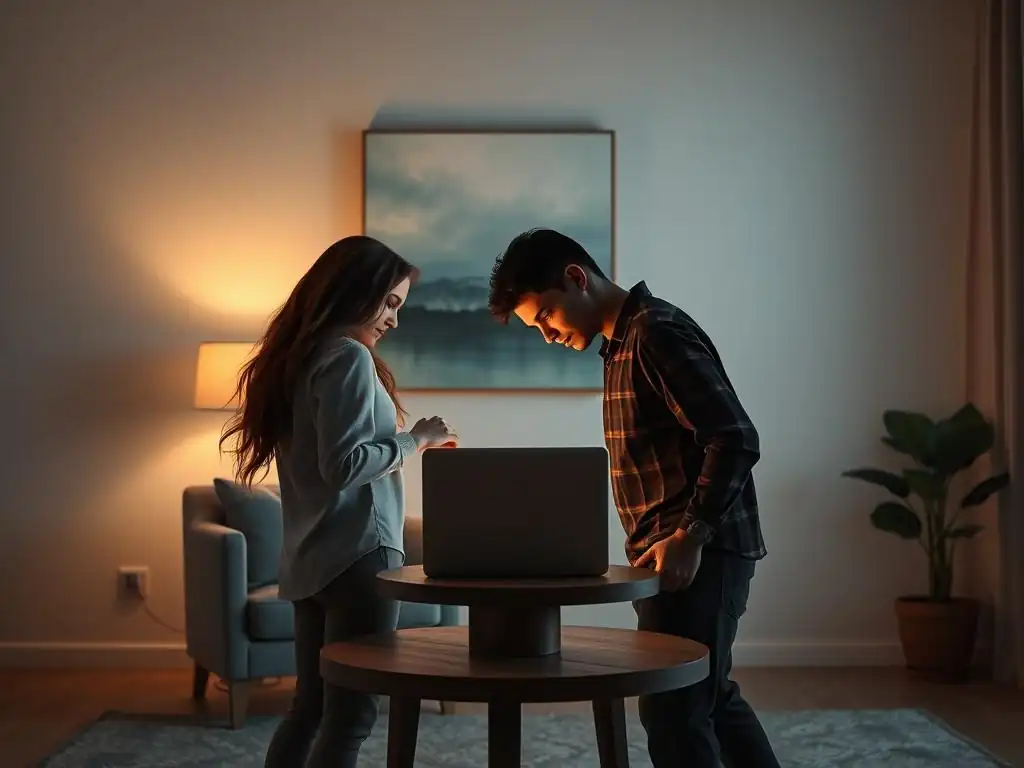
Scenario 1: Overcoming Anxiety-Driven Communication Barriers using Cognitive Restructuring
Consider a couple, Sarah and Tom. Sarah experiences significant social anxiety, which makes her reluctant to attend social events with Tom and withdraws emotionally when feeling overwhelmed. This leads Tom to feel lonely and rejected, resulting in arguments where Tom accuses Sarah of not caring about his needs, and Sarah feels attacked and misunderstood, exacerbating her anxiety. Their communication has become a minefield of unspoken resentments and defensive reactions.
In online couples therapy anxiety support using CBT, their therapist helps them identify the negative thought patterns driving this cycle. Sarah learns to recognize her catastrophic thoughts about social situations ("Everyone is judging me," "I'll embarrass Tom") and her tendency to withdraw as a coping mechanism. Tom learns to recognize his interpretation of Sarah's withdrawal as personal rejection. The therapist guides them in challenging these thoughts and practicing alternative communication strategies.
For instance, instead of withdrawing, Sarah learns phrases to express her anxiety vulnerability to Tom ("I'm feeling overwhelmed and anxious right now, I need a moment") and Tom learns to respond with empathy rather than accusation ("Okay, I understand. How can I support you?"). This cognitive restructuring helps them break their negative communication pattern and build mutual understanding.
Take Mark and David. Mark struggles with generalized anxiety, which manifests as constant worrying and a need for reassurance, often asking David repetitive questions about finances or future plans. David, feeling exhausted by the constant need to reassure and unable to alleviate Mark's worry, becomes frustrated and emotionally distant, sometimes snapping at Mark. This creates a familiar conflict cycle: Mark's anxiety increases, leading to more reassurance-seeking, which leads to David's withdrawal and frustration, further increasing Mark's anxiety.
Using EFT in online couples therapy anxiety support, their therapist helps Mark and David understand the underlying emotional needs driving this cycle. Mark's anxiety is often rooted in a fear of uncertainty and a need for security, which he expresses through reassurance-seeking. David's frustration stems from feeling inadequate to meet Mark's seemingly endless need and a longing for a partner who feels more secure.
The therapist helps them identify this "pursuer-withdrawer" cycle and access the softer emotions beneath the anxiety and frustration – Mark's fear and loneliness, and David's feeling of helplessness and desire to be effective for his partner. By creating a safe space for them to express these deeper feelings and respond to each other with empathy, they can break the cycle, allowing Mark to feel more secure and David to feel more connected and capable of offering genuine comfort.
Scenario 3: Building a Stronger, More Supportive Relationship in the Face of Anxiety Through Mindfulness Practices
Consider Ana and Ben. Ana experiences panic attacks and chronic worry, which sometimes make it difficult for her to be fully present in their relationship, leading to Ben feeling neglected or secondary to her anxiety. Ana feels guilty and frustrated by her inability to control her symptoms and worries about being a burden to Ben. While they don't necessarily have overt conflict, there's a growing emotional distance and a sense of helplessness for both.
In online couples therapy anxiety support incorporating mindfulness, their therapist guides Ana and Ben in practicing mindfulness techniques together. They learn how to observe anxious thoughts and physical sensations without judgment, both individually and as a couple. The therapist teaches Ben how to be a mindful and supportive presence during Ana's anxiety, focusing on non-judgmental observation and validation rather than trying to "fix" the anxiety.
They practice guided meditations together focused on building connection and acceptance. This helps Ana develop greater self-compassion and feel less alone in her struggle, while empowering Ben to feel more capable of supporting her effectively. The shared practice builds a stronger foundation of empathy, patience, and mutual support, allowing them to face anxiety as a team and deepen their emotional connection.
Maximizing the Benefits of Online Couples Therapy for Anxiety: Tips and Strategies
Preparing for Your Online Therapy Sessions
Effective preparation can significantly enhance your online couples therapy anxiety support sessions. Before each session, take a few minutes with your partner to discuss what you hope to achieve or the specific issues you want to address. This could involve reflecting on the past week's challenges related to anxiety or discussing progress on goals set in previous sessions. Having a shared agenda can help ensure you make the most of your limited session time.
Also, ensure you have a quiet, private space with a stable internet connection where you won't be interrupted. Minimize distractions like phones or notifications. Have water or tea available, and make sure you are both comfortable. Treating the online session with the same respect and focus as an in-person appointment helps create a therapeutic environment conducive to open communication and emotional work.
Communicating Effectively with Your Therapist
Open and honest communication with your online couples therapy anxiety support therapist is vital for progress. Don't hesitate to share your experiences, challenges, and feelings related to anxiety's impact on your relationship, even if they feel difficult or embarrassing. Your therapist is there to help, not to judge. Be specific about the situations that are causing distress or conflict.
Provide feedback to your therapist about what feels helpful and what doesn't. If a particular approach isn't resonating or you feel misunderstood, communicate that constructively. This allows the therapist to adjust their approach to better meet your needs. Remember that both partners should actively participate in communicating with the therapist, sharing their perspectives and engaging in the therapeutic process.
Practicing Mindfulness and Relaxation Techniques Together
Incorporating mindfulness and relaxation techniques into your daily routine as a couple can be a powerful way to supplement online couples therapy anxiety support. Your therapist might teach you specific exercises, such as deep breathing, progressive muscle relaxation, or guided imagery, that you can practice together. Setting aside even 10-15 minutes daily to do a relaxation exercise can help both partners manage individual stress and anxiety levels.
Mindfulness practices, like mindful listening or a mindful walk together, can also enhance your connection and presence with each other. Learning to stay grounded in the present moment can reduce the tendency to get swept away by anxious thoughts or past resentments. Practicing these techniques together reinforces teamwork, provides shared coping strategies, and creates moments of calm and connection amidst the challenges of dealing with anxiety in the relationship.
Conclusion: Finding the Right Online Couples Therapy for Anxiety Support
Choosing the Best Platform for Your Relationship Needs
Selecting the most suitable online couples therapy anxiety support platform requires careful consideration of your specific needs, preferences, and budget. Reflect on the severity of the anxiety, how it impacts your relationship dynamics, and what kind of support structure you feel would be most beneficial – continuous messaging, longer live sessions, or a more structured, app-based approach.
Compare the features, pricing models, and therapist specializations offered by platforms like Talkspace, ReGain, Growing Self, and Lasting. Consider factors like therapist availability, communication options, and the platform's approach to addressing both individual anxiety and relationship issues. Many platforms offer free consultations or assessments to help match you with a therapist, which can be a good opportunity to gauge fit. Ultimately, the best online couples therapy anxiety support is one that provides accessible, effective, and compassionate guidance to help you and your partner navigate anxiety together and build a stronger, more resilient connection.
Frequently Asked Questions
What are the main benefits of online couples therapy for anxiety?
Online couples therapy offers convenience and accessibility, allowing couples to attend sessions from the comfort of their own homes. This can be particularly beneficial for those with anxiety related to travel or social situations, and it often provides a wider selection of therapists.
How can online couples therapy specifically address anxiety within a relationship?
It helps couples develop communication skills to better understand and support each other's anxiety triggers. It also provides tools for managing conflict related to anxiety and fostering a more empathetic relationship.
Which online platforms are best for couples seeking anxiety support through therapy?
Several platforms offer specialized couples therapy, including options that focus on managing anxiety and improving communication. Researching platforms and reading reviews is crucial to finding a therapist and approach that fits your needs.
Is online couples therapy effective for severe anxiety disorders affecting a relationship?
While helpful, it's essential to assess the severity of the anxiety. In some cases, individual therapy or a combination of individual and couples therapy may be recommended for more intensive support.
What resources are available to help couples find affordable online therapy options for anxiety?
Many platforms offer sliding scale fees or payment plans to make therapy more accessible. Exploring insurance coverage for online mental health services is also a valuable step in finding affordable options.
The rise of online couples therapy offers a vital lifeline for couples struggling with anxiety, democratizing access to crucial support and reshaping how we approach relationship health in the digital age. This accessibility is particularly crucial given the increasing prevalence of anxiety disorders and the unique challenges couples face in navigating these complexities together. The sheer volume of available services, however, highlights the need for careful consideration and informed choices.
The impact of anxiety on relationships is profound, often manifesting as communication breakdowns, emotional distance, and escalating conflict. It's a silent storm that can erode the foundation of even the strongest partnerships. Anxiety doesn't have to be the end of your relationship; it can be the beginning of a deeper understanding.
This quote underscores the transformative potential of seeking professional help, and the online platforms reviewed in this article offer a path towards that transformation, regardless of geographical limitations or scheduling constraints. The shift towards online therapy represents a significant cultural shift, acknowledging the importance of mental health and offering a more convenient, accessible route to healing.
Consider the couples who might have previously felt isolated, unable to access in-person therapy due to cost, location, or stigma. Now, with a few clicks, they can connect with licensed professionals, participate in sessions from the comfort of their homes, and begin the journey towards a healthier, more resilient relationship. You, the reader, hold the power to take the first step. Explore the options presented, weigh the pros and cons, and prioritize your relationship's well-being. Don't let anxiety dictate the narrative of your partnership; instead, empower yourselves to build a stronger, more connected future, together.
Unlock Your Relationship's Potential: Take the Next Step
Thanks for taking the time to explore the world of online couples therapy for anxiety! We hope you gained valuable insights into finding the right service for your needs. Now it's time to put that knowledge into action.
- Schedule a free consultation: Many online therapy platforms offer free introductory calls. This is your chance to ask questions and see if a therapist is the right fit for you as a couple. This is the most important step to take today.
- Explore different therapeutic approaches: Research the various methods discussed – CBT, ACT, or others – to see which aligns best with your relationship's dynamics and goals.
- Share this article with your partner: Starting this journey together is crucial; open communication is key to a successful outcome.
Ready to create a stronger, more resilient relationship? What's one small step you can take today to prioritize your mental and relational well-being?