
Decoding Online Therapy Pricing: How to Understand and Reduce Costs


Welcome to Mind Care Guide, your trusted companion on the path to mental well-being.
Feeling overwhelmed by the options and costs associated with online therapy? You're not alone. Many struggle to navigate the pricing structures of these services. Dive into our essential Online Therapy Cost Breakdown Guide to unravel the complexities, understand what factors influence pricing, and discover actionable strategies to make online therapy more accessible. Ready to demystify the costs and take control of your mental health journey? Let's begin...
- Online Therapy Cost Breakdown Guide: Navigating Affordable Mental Healthcare
- Unpacking the Average Cost of Online Therapy: A Detailed Breakdown
- Deciphering Online Therapy Pricing Models: Finding the Best Fit for Your Budget
- Hidden Costs of Online Therapy: Avoiding Unexpected Expenses
- Strategies for Reducing the Cost of Online Therapy: Maximizing Affordability
- Choosing the Right Affordable Online Therapy Platform: A Practical Guide
- Real-Life Examples: How People Found Affordable Online Therapy Solutions
- Maximizing Your Investment in Online Therapy: Getting the Most for Your Money
- Conclusion: Taking Control of Your Mental Health Affordably with Online Therapy
-
Frequently Asked Questions
- What factors influence the cost of online therapy?
- How does online therapy pricing compare to traditional in-person therapy?
- What are the common pricing models for online therapy platforms?
- Can I use my insurance to cover the cost of online therapy?
- What are some ways to potentially reduce the cost of online therapy?
- Final Reflection: Navigating the Landscape of Affordable Mental Healthcare
- Unlock Your Path to Affordable Mental Wellness
Understanding the Need for Affordable Online Therapy
Access to mental health support is a fundamental need, yet for many, it remains out of reach due to significant financial barriers. The traditional therapy model often involves high hourly rates that can quickly accumulate, making long-term care unsustainable for individuals and families operating on a tight budget. This financial strain can force people to delay seeking help, cut therapy short, or forgo it entirely, exacerbating mental health challenges and reducing overall well-being.
Affordable online therapy emerges as a crucial alternative, aiming to democratize access by reducing overhead costs associated with brick-and-mortar practices. By removing the need for physical office space, administrative staff, and geographical limitations, online platforms can potentially offer therapy at a lower price point. This accessibility is vital for students, low-income individuals, people in rural areas, or those with mobility issues, who might otherwise struggle to connect with a therapist. Understanding the online therapy cost breakdown is the first step towards finding a budget-friendly solution.
The Problem: High Costs and Limited Access to Mental Health Services
The conventional mental healthcare system in many regions faces challenges related to both cost and availability. A single therapy session can range from $100 to $250 or even more, depending on location, therapist credentials, and session length. For someone needing weekly sessions, this can amount to thousands of dollars per year, a sum that is simply prohibitive for a large segment of the population, particularly those without robust insurance coverage or with high deductibles.
Furthermore, geographical disparities contribute significantly to limited access. In underserved areas, there may be a severe shortage of licensed mental health professionals, leading to long waiting lists and limited options. This forces individuals to travel long distances for appointments, adding costs and logistical hurdles. The high cost of online therapy and traditional services, coupled with these access issues, creates a significant gap between the need for mental health support and the ability to receive it, highlighting the urgent need for more affordable online therapy options.
Unpacking the Average Cost of Online Therapy: A Detailed Breakdown
The average cost of online therapy can vary widely, but it is often presented as a more budget-friendly alternative to traditional in-person sessions. While a single in-person therapy hour might cost between $100 and $250, online therapy sessions can sometimes be found starting as low as $60 or $70, though prices commonly range from $80 to $150 per session or equivalent. The structure of payments also differs, with many online platforms utilizing subscription models rather than strict pay-per-session fees, which can impact the overall online therapy cost breakdown for users.
Subscription plans typically offer access to a certain number of live sessions per month, unlimited messaging with a therapist, or a combination of both. These plans might range from $200 to $400 per month, depending on the level of service and the frequency of live sessions included. While this monthly fee might seem high upfront compared to a single session cost, it can be more economical for individuals who require frequent interaction with their therapist, offering a potentially lower per-contact cost than traditional models.
Factors Influencing Online Therapy Prices
Several key factors contribute to the variation in online therapy pricing across different platforms and providers. Understanding these elements is crucial for anyone seeking to navigate the online therapy cost breakdown and find the most affordable option that meets their needs. These factors include the specific type of therapy required, the qualifications and experience of the therapist, the features offered by the online platform, and the frequency and length of the therapy sessions themselves.
Each of these components plays a significant role in determining the final price a user pays. For example, specialized therapy types often command higher rates, while platforms offering advanced features like journaling tools or group webinars might have higher subscription fees. Similarly, choosing a highly experienced licensed psychologist might cost more than working with a licensed professional counselor. Evaluating how each of these factors impacts the online therapy cost breakdown is essential for making an informed decision.
Type of Therapy: Individual, Couples, or Group Sessions
The nature of the therapy session itself is a major determinant of cost. Individual therapy, focusing on one-on-one interaction between a client and a therapist, is the most common format and serves as a baseline for online therapy pricing comparisons. These sessions typically last 45-60 minutes and their cost forms a significant part of the online therapy cost breakdown for individuals.
Couples therapy sessions, involving two partners and a therapist, are often longer (sometimes 60-90 minutes) and require specialized expertise, leading to a higher per-session cost than individual therapy. Group therapy sessions, on the other hand, involve one therapist working with multiple clients simultaneously. Because the therapist's time is divided among several participants, the cost per individual participant in a group session is significantly lower, often ranging from $30 to $80 per session, making it a more affordable online therapy option.
Provider Credentials: Licensed Therapists vs. Counselors
The qualifications and licensing of the mental health professional providing the service directly influence their hourly rate and, consequently, the online therapy cost breakdown. Licensed psychologists (Ph.D. or Psy.D.) and psychiatrists (M.D.) typically have the highest rates due to their extensive education, training, and ability to diagnose and prescribe medication (in the case of psychiatrists).
Licensed Professional Counselors (LPC), Licensed Marriage and Family Therapists (LMFT), and Licensed Clinical Social Workers (LCSW) also provide valuable therapy services and are licensed at the Master's level. Their rates are generally lower than psychologists, often falling within the mid-range of online therapy pricing. While all licensed professionals adhere to ethical standards and state regulations, the difference in credentials is a key factor in determining the cost of online therapy.
Platform Features: Live Sessions, Messaging, and Additional Resources
The specific features offered by an online therapy platform significantly impact its pricing structure. Most platforms offer live video sessions, which are the closest equivalent to traditional in-person therapy and are typically the most expensive component of a subscription or pay-per-session model. Some platforms also offer live phone sessions or live chat sessions as alternatives.
Many popular platforms include unlimited text-based messaging with the therapist as part of their subscription plans. While messaging isn't a substitute for live sessions, it allows for ongoing support and check-ins, adding value and influencing the overall online therapy cost breakdown. Platforms that offer supplementary resources like digital journaling tools, educational content libraries, group webinars, or progress tracking features may have higher subscription fees to cover the development and maintenance of these additional services.
Session Length and Frequency: How They Affect Your Budget
The duration and frequency of therapy sessions are fundamental variables in calculating the total online therapy cost breakdown for a user over time. Standard individual therapy sessions typically last between 45 and 60 minutes. Some platforms or therapists may offer shorter 30-minute sessions at a reduced rate, or longer 90-minute sessions for specific needs like initial assessments or couples therapy, naturally increasing the cost.
The frequency of sessions is perhaps the most significant factor impacting the total budget. Weekly sessions are common for many clients, but some may require twice-weekly sessions during a crisis, while others might transition to bi-weekly or monthly sessions for maintenance. A client attending weekly 50-minute sessions at $100 each will spend approximately $400 per month, whereas attending bi-weekly sessions at the same rate reduces the monthly cost to around $200. Understanding your needs and the flexibility of the platform's scheduling and payment models is key to managing the online therapy cost breakdown effectively.
Online Therapy vs. Traditional Therapy Costs: A Comparative Analysis
When comparing the cost of online therapy to traditional in-person therapy, the potential for savings with online platforms is often highlighted. As mentioned, a single in-person session can range from $100 to $250+, while online sessions or subscription equivalents can sometimes start lower and offer bundled services. However, the comparison isn't always straightforward and depends heavily on individual circumstances, insurance coverage, and the specific platform chosen.
For someone living in a high-cost-of-living area where traditional therapy rates are exceptionally high, online therapy might offer significant savings, potentially cutting costs by 20-50% per session or per month for comparable services. Additionally, online therapy eliminates costs associated with commuting to appointments, such as gas, public transport fares, or parking fees, and saves valuable travel time. While some high-end online platforms may have costs comparable to or even exceeding lower-end traditional practices, the general trend suggests that online options tend to be more budget-friendly on average, especially when considering the convenience and potential for subscription value.
Deciphering Online Therapy Pricing Models: Finding the Best Fit for Your Budget
Online therapy platforms employ various pricing models to cater to different user needs and preferences. Understanding these models is essential for anyone trying to navigate the online therapy cost breakdown and identify the most suitable and affordable online therapy option. The three primary models are subscription-based, pay-per-session, and tiered pricing structures, each offering distinct advantages and affecting how costs are incurred and managed.
Choosing the right model depends on factors like how frequently you anticipate needing support, whether messaging or live sessions are more important to you, and your overall budget flexibility. Some platforms offer a mix of these models, allowing users to select the plan that best aligns with their therapeutic goals and financial capacity. Carefully evaluating each model is a critical step in controlling the online therapy cost breakdown.
Subscription-Based Models: Unlimited Messaging
A popular pricing model among major online therapy platforms is the subscription model, which typically involves a recurring monthly fee. These subscriptions often bundle various services, with a common feature being "unlimited" text-based messaging with a therapist. While messaging isn't instant and response times can vary (often within 24-48 business hours), it provides a continuous line of communication and support between scheduled live sessions.
Subscription plans vary widely in price, often ranging from approximately $200 to $400 per month. The cost usually depends on whether live video/phone sessions are included, and if so, how many per month (e.g., one 45-minute session per week). This model is often cost-effective for individuals who benefit from frequent, asynchronous communication with their therapist and need a predictable monthly online therapy cost breakdown.
Pay-Per-Session Models: Flexible Scheduling
The pay-per-session model is more akin to traditional therapy pricing, where clients pay a set fee for each individual session they attend. This model offers greater flexibility, as clients are only charged for the services they actually use. It is particularly suitable for individuals who may not need regular weekly sessions, prefer to schedule appointments intermittently as needed, or are trying therapy for the first time without committing to a monthly fee.
Session costs under this model can vary significantly based on the therapist's credentials and session length, typically ranging from $80 to $150 or more per session. While this offers flexibility, the total online therapy cost breakdown can become higher than a subscription if frequent sessions are required. However, for those who need less consistent support or have fluctuating schedules, paying per session provides control over spending.
Tiered Pricing Structures: Different Levels of Support
Many online therapy platforms utilize tiered pricing structures, offering different subscription plans at various price points. These tiers are designed to provide different levels of support and access, allowing clients to choose a plan that best fits their needs and budget. Higher tiers typically include more live sessions per month, access to more experienced or specialized therapists, or additional features like group webinars or workshops.
For example, a basic tier might offer unlimited messaging plus one live session per month for $250, while a mid-tier plan might include unlimited messaging and four live sessions per month for $350, and a premium tier could offer the same plus access to specialized therapists or couples therapy for $450+. This model allows users to scale their investment based on their required level of support, providing a clearer online therapy cost breakdown for different service levels.

While online therapy often presents a more affordable alternative, it's crucial to be aware of potential hidden costs that might not be immediately apparent. Understanding these potential expenses is vital for accurately calculating the overall online therapy cost breakdown and avoiding unwelcome surprises that could strain your budget. Being proactive in asking questions about these areas before committing to a platform or therapist can save you money and frustration.
These hidden costs can range from fees associated with managing appointments to the necessary equipment you might need to participate effectively. Platforms should ideally be transparent about all potential charges, but users should still exercise due diligence. Factoring in these possibilities is part of creating a realistic online therapy cost breakdown.
Cancellation Policies and Late Fees: Understanding the Fine Print
One of the most common hidden costs involves fees related to canceling or rescheduling sessions without sufficient notice. Online therapy platforms, like traditional practices, have cancellation policies to protect their therapists' time. A typical policy might require 24 to 48 hours' notice to cancel or reschedule a session without penalty.
If you cancel outside this window, you may be charged a late cancellation fee, which can be a significant portion or even the full cost of the session (e.g., $50 to $150). Similarly, if you miss a scheduled live session without canceling, you will likely be charged the full session fee. It is imperative to read and understand the platform's specific cancellation policy before signing up to avoid these unexpected additions to your online therapy cost breakdown.
Additional Services: Assessments and Workshops
While the core online therapy cost breakdown usually focuses on live sessions and messaging, some platforms or therapists offer additional services that come with separate fees. These might include initial comprehensive psychological assessments required before starting therapy, which can add $100 to $300+ to the initial cost.
Some platforms also offer group workshops, webinars, or specialized programs focused on specific issues like anxiety management, mindfulness, or relationship skills. While these can be valuable resources, they may not be included in the standard subscription or pay-per-session rate and could incur extra charges. Always clarify what is included in your chosen plan and the cost of any supplementary services you might be interested in.
Software or Equipment Requirements: Headsets and Stable Internet
Participating in online therapy requires access to specific technology, and the cost of this equipment can sometimes be an overlooked expense in the online therapy cost breakdown. At a minimum, you need a reliable device (computer, tablet, or smartphone) with a camera and microphone.
Furthermore, a stable internet connection is crucial for smooth video sessions; unreliable internet can lead to dropped calls or poor audio/video quality, disrupting the therapeutic process. While most people have these basics, investing in a quality headset might improve audio clarity and privacy, and ensuring you have a sufficiently fast and reliable internet plan might be necessary, adding a small but potentially recurring cost. These are minor but necessary considerations for effective online therapy.
Strategies for Reducing the Cost of Online Therapy: Maximizing Affordability
Finding affordable online therapy is a primary goal for many seeking mental health support. Fortunately, several strategies can help reduce the overall online therapy cost breakdown and make care more accessible. These methods involve leveraging existing resources like insurance, exploring financial aid options offered by platforms, and utilizing free or low-cost supplementary resources.
By proactively investigating these avenues, individuals can significantly lower their out-of-pocket expenses for online therapy. Combining different strategies can further maximize affordability, ensuring that financial constraints do not become a barrier to receiving necessary mental healthcare. Implementing these tips is key to achieving a more manageable online therapy cost breakdown.
Utilizing Insurance Coverage for Online Therapy: Is it Possible?
One of the most effective ways to reduce the online therapy cost breakdown is by using health insurance benefits. Coverage for mental health services, including online therapy, has expanded significantly in recent years due to parity laws in many countries, requiring insurers to cover mental health conditions similarly to physical health conditions. However, coverage for online therapy specifically can still vary depending on the insurance plan and the state or country you reside in.
Many major insurance providers now cover online therapy sessions, especially when provided by licensed therapists through reputable platforms. The level of coverage, including deductibles, copays, and coinsurance, will depend on your specific plan details. It is crucial to verify your benefits before starting therapy to understand what your insurer will cover and what your out-of-pocket responsibility will be.
Checking Your Insurance Plan for Mental Health Benefits
The first step in utilizing insurance is to contact your insurance provider directly or review your plan documents to understand your mental health coverage. You'll need to ask specific questions:
- Does my plan cover mental health services?
- Does my plan cover telehealth or online therapy specifically?
- Is there a separate deductible for mental health or telehealth services?
- What is my copay or coinsurance percentage for in-network and out-of-network mental health providers?
- Do I need a referral from my primary care physician?
- Are there limitations on the number of sessions covered per year?
Understanding these details will give you a clear picture of how your insurance impacts the online therapy cost breakdown. Many online platforms also offer tools or assistance to help you verify your benefits.
Understanding Out-of-Network Coverage
Even if a specific online therapy platform or therapist is not directly in-network with your insurance plan, you might still be able to get partial reimbursement through out-of-network benefits. If your plan includes out-of-network mental health coverage, you typically pay the provider's full fee upfront and then submit a claim to your insurance company for reimbursement.
Reimbursement rates for out-of-network providers are usually lower than for in-network providers (e.g., 50-80% of the allowed amount after meeting your deductible). While this requires more upfront payment and paperwork, it can still significantly reduce the overall online therapy cost breakdown compared to paying the full rate without any insurance benefit. Confirm with your insurer if online therapy is eligible for out-of-network reimbursement.
Exploring Financial Aid and Discounts: Programs Offered by Online Platforms
Many online therapy platforms recognize the financial barriers to mental healthcare and offer various forms of financial assistance or discounts to make their services more accessible. These programs are designed to help individuals who may not have insurance coverage or who still find the standard costs prohibitive. Investigating these options can significantly lower the online therapy cost breakdown.
Availability and eligibility criteria for these programs vary widely between platforms. Some platforms may offer sliding scale fees based on income, while others have specific discount programs for certain populations. It's always worth inquiring about financial aid options when considering a platform.
Financial Assistance Programs
Some larger online therapy providers have dedicated financial assistance programs. These programs might involve applying and providing proof of income to receive a reduced rate on subscription plans or session fees. For example, a platform might offer a monthly subscription for $200 instead of the standard $350 based on demonstrated financial need.
These programs often have limited funding or specific eligibility requirements, so it's important to apply promptly and provide all necessary documentation. While not guaranteed, securing financial assistance can dramatically improve the affordability of online therapy for those facing financial hardship.
Discounts for Students or Veterans
Recognizing the unique circumstances and often limited budgets of certain groups, some online therapy platforms offer specific discounts for students, veterans, or first responders. These discounts can range from a percentage off the standard rate (e.g., 10-20%) to a fixed lower price for a subscription.
For instance, a platform might offer a student rate of $300 per month instead of the regular $380. If you belong to one of these groups, always check if the platform offers a specific discount program. Providing proof of status (e.g., student ID, military ID) is typically required to access these reduced rates, further optimizing your online therapy cost breakdown.
Leveraging Free or Low-Cost Mental Health Resources: Complementing Therapy
While not a direct replacement for therapy with a licensed professional, free or low-cost mental health resources can be valuable tools to complement your therapeutic journey and potentially reduce the overall online therapy cost breakdown by supporting progress between sessions or providing initial support. These resources can help with skill-building, emotional regulation, and connecting with others facing similar challenges.
Integrating these resources into your routine can enhance the effectiveness of your paid therapy sessions and provide support during periods when you might not be able to afford frequent appointments. They offer accessible ways to practice techniques learned in therapy or gain insights into your mental health.
Free Mental Health Apps: Mood Tracking
Numerous free mental health apps are available that offer features like mood tracking, journaling prompts, guided meditations, breathing exercises, and cognitive behavioral therapy (CBT) techniques. Apps like Calm, Headspace (often with free basic features), Moodpath, or Wysa provide accessible tools for managing stress, anxiety, and low mood.
While these apps do not provide interaction with a licensed therapist, they can help you monitor your emotional state, identify patterns, practice coping skills, and provide data that you can discuss with your therapist during paid sessions. This can make your therapy time more focused and potentially reduce the overall need for constant therapist contact, impacting the online therapy cost breakdown positively.
Community Support Groups: Finding Local Resources
Connecting with others who share similar experiences can be incredibly therapeutic and is often available at no cost. Community support groups, such as those for anxiety, depression, grief, or specific conditions, provide a space for shared understanding, mutual support, and practical advice. Organizations like NAMI (National Alliance on Mental Illness) or DBSA (Depression and Bipolar Support Alliance) often host free local and online support groups.
Participating in a support group is not a substitute for professional therapy but can offer valuable emotional support and reduce feelings of isolation. It's a free resource that complements formal treatment and can be a significant part of your mental wellness plan, helping to manage the online therapy cost breakdown by providing supplementary support.
Choosing the Right Affordable Online Therapy Platform: A Practical Guide
Selecting an online therapy platform involves more than just looking at the lowest price tag. To find the right affordable online therapy option, you need to consider value, the quality of care, and how well the platform's structure aligns with your specific needs and budget. A comprehensive approach ensures you get effective support without overspending.
This process requires research, comparison, and potentially trying out different options. Focusing solely on the online therapy cost breakdown without considering other factors like therapist availability, specialization, and platform usability might lead to choosing a service that isn't the best fit for your therapeutic goals.
Researching and Comparing Platforms: Focusing on Pricing and Value
Start by researching multiple reputable online therapy platforms. While comparing the headline costs or subscription prices is important, look beyond just the numbers. Create a spreadsheet or list comparing:
- Monthly subscription costs vs. pay-per-session rates
- What is included in each plan (number of live sessions, messaging, group options)
- Session length
- Therapist credentials available (LPC, LCSW, Psychologist, etc.)
- Availability of financial aid or discounts
- Insurance acceptance
Focus on the overall value proposition – what you get for the price. A slightly more expensive platform might offer more live sessions or better therapist matching, providing greater value for your online therapy cost breakdown in the long run if it leads to more effective treatment.
Reading Reviews and Testimonials: Getting Real-World Insights
Once you've narrowed down platforms based on pricing and features, seek out reviews and testimonials from current and past users. Look for feedback specifically related to the platform's pricing transparency, the effectiveness of the therapy received, the ease of using the platform, and experiences with customer service regarding billing or technical issues.
Websites that aggregate reviews, forums, and social media can provide valuable insights into real-world user experiences. Pay attention to comments about unexpected charges, difficulties canceling subscriptions, or challenges in scheduling sessions, as these can highlight potential hidden costs or frustrations not apparent in the listed online therapy cost breakdown.
Taking Advantage of Free Trials and Introductory Offers: Testing the Waters
Many online therapy platforms offer free trials, initial consultations, or discounted introductory offers for new users. These promotions provide an excellent opportunity to experience the platform, test the technology, and potentially interact with a therapist before committing to a full subscription or session fee.
A free trial might give you limited access to features, while an introductory offer might be a discounted first session (e.g., $50 instead of $100) or a reduced rate for the first month. Utilizing these offers allows you to assess the platform's usability, therapist availability, and overall fit with your needs without significant financial risk, helping you make a more informed decision about the long-term online therapy cost breakdown.
Free Trial Offers
Some platforms offer a short free trial period, perhaps a week or two, which might include access to messaging services or limited content. This allows you to explore the interface and understand how the platform operates. While a free trial might not include a live therapy session, it helps you gauge the platform's user-friendliness and assess if its features align with your preferences before you incur any online therapy costs.
Introductory Offers
More commonly, platforms offer a discounted first session or a reduced rate for the first month of a subscription. For example, instead of paying the full monthly fee of $350, your first month might be $299. This gives you enough time and interaction (potentially several sessions and messaging) to determine if the therapist match is good and if the service meets your expectations before committing to the standard online therapy cost breakdown.
Considering Therapist Specialization and Expertise: Matching Your Needs
While focusing on the online therapy cost breakdown is important, the effectiveness of therapy ultimately depends on finding a therapist who is a good match for your specific needs and challenges. Different therapists have different specializations (e.g., anxiety, depression, trauma, relationship issues) and use various therapeutic approaches (e.g., CBT, DBT, psychodynamic).
Prioritize finding a platform that offers access to licensed therapists with expertise relevant to your situation, even if it means a slightly higher cost. A good therapeutic match is crucial for progress, and paying a little more for the right expertise can be a better investment than choosing a cheaper option that doesn't address your core issues effectively. Many platforms allow you to browse therapist profiles and their specializations.
Real-Life Examples: How People Found Affordable Online Therapy Solutions
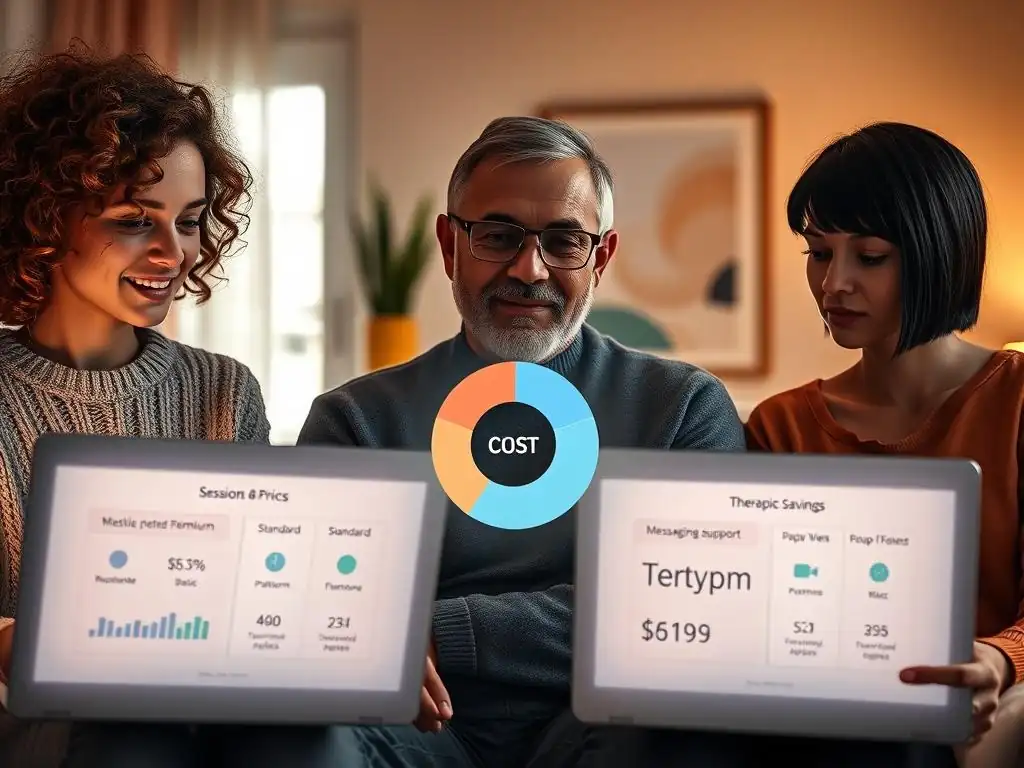
Hearing about how others have successfully navigated the online therapy cost breakdown can provide practical inspiration and demonstrate that affordable mental healthcare is achievable. These illustrative examples, while generalized, reflect common scenarios where individuals leveraged available resources and strategies to access necessary support within their budget constraints.
These cases highlight the flexibility and potential savings offered by online therapy compared to traditional models, particularly when combined with smart financial planning and utilization of available benefits. They show that even with limited resources, taking control of one's mental health is possible.
Case Study 1: Overcoming Anxiety at a Reduced Rate
Sarah, a college student working part-time, struggled with increasing anxiety that was impacting her studies and social life. Traditional therapy quotes in her city were $120-$180 per session, far beyond her budget. She researched online therapy platforms and found one that offered a student discount, bringing the monthly subscription cost down from $320 to $260.
Her plan included unlimited messaging and four live 45-minute sessions per month. Sarah utilized the messaging feature for daily check-ins and used her weekly video sessions to work through CBT techniques with her therapist. By combining the student discount with the value offered by the subscription model (which effectively brought the per-session cost closer to $65 when accounting for messaging), Sarah was able to access consistent support and significantly reduce her anxiety symptoms over several months, managing her online therapy cost breakdown effectively.
Case Study 2: Using Couples Therapy on a Budget
Mark and Emily were experiencing communication issues in their relationship but found that traditional couples therapy sessions, quoted at $180-$250 per session, were too expensive given their combined student loan payments. They looked into online options and found a platform that offered couples therapy within a tiered subscription model.
They chose a mid-range plan costing $400 per month, which included unlimited messaging for both of them and two 60-minute couples sessions per month. While still an investment, this was significantly less than paying $400-$500+ for two traditional sessions. They used messaging to coordinate thoughts and questions between sessions and found the two longer live sessions per month sufficient to make progress on their communication skills, proving that even specialized therapy like couples counseling could be managed within a careful online therapy cost breakdown.
Maximizing Your Investment in Online Therapy: Getting the Most for Your Money
Simply paying for online therapy is only the first step; to truly get the most value and ensure your online therapy cost breakdown is a worthwhile investment, you need to actively engage in the process. Therapy is a collaborative effort, and your participation outside of scheduled sessions significantly impacts the outcomes.
Maximizing your investment involves being prepared for sessions, actively applying what you learn, and tracking your progress to see the tangible benefits of your efforts. This proactive approach helps ensure that every dollar spent on online therapy contributes effectively to your mental well-being.
Preparing for Sessions: Making the Most of Your Time with the Therapist
Coming prepared to your online therapy sessions ensures that the valuable time you have with your therapist is used efficiently. Before each session, take a few minutes to reflect on your week:
- What challenges did you face?
- What successes did you have?
- What topics do you want to discuss?
- Are there specific questions you have or skills you need help with?
Jotting down notes can help you stay focused during the session. Being clear about your goals for each meeting allows your therapist to tailor the session to your needs, making the most of the time you're paying for and optimizing your online therapy cost breakdown by increasing the effectiveness of each session.
Actively Participating in Therapy: Applying What You Learn
Therapy is not just about the conversation during the session; it's about implementing the insights and strategies discussed into your daily life. Your therapist might assign "homework," such as practicing relaxation techniques, challenging negative thoughts, or trying new communication styles.
Actively engaging with these tasks between sessions is crucial for making progress. The real work of therapy happens outside the session room (or screen). By diligently applying what you learn, you reinforce new habits and perspectives, accelerating your progress and ensuring that the investment in your online therapy cost breakdown yields meaningful results.
Tracking Your Progress: Measuring the Benefits of Online Therapy
Tracking your progress provides tangible evidence of how online therapy is impacting your mental health and helps you and your therapist identify what strategies are most effective. This can involve using journaling, mood tracking apps, or simply noting changes in your symptoms, behaviors, or overall well-being over time.
For example, you might track the frequency of panic attacks, levels of daily anxiety on a scale of 1-10, or improvements in your ability to manage stress. Seeing concrete improvements validates your investment in the online therapy cost breakdown and motivates you to continue engaging in the process. Discussing your tracked progress with your therapist also helps them tailor treatment plans more effectively.
Conclusion: Taking Control of Your Mental Health Affordably with Online Therapy
Navigating the landscape of mental health support can feel daunting, particularly when factoring in the potential costs. However, by understanding the online therapy cost breakdown, exploring available pricing models, and actively seeking out financial aid, insurance benefits, and supplementary resources, accessing affordable online therapy is well within reach for many. The flexibility and often lower price points of online platforms offer a viable path to receiving consistent, professional support without incurring the prohibitive expenses sometimes associated with traditional care.
Taking control of your mental health is a vital investment in your overall well-being. With informed choices and a proactive approach to managing the online therapy cost breakdown, you can find a solution that fits your budget and provides the quality care you need. Don't let financial concerns be a barrier; affordable online therapy options exist, offering a path towards healing and improved mental wellness.
Frequently Asked Questions
What factors influence the cost of online therapy?
The cost is affected by factors like the therapist's qualifications, the platform's features, and the session length. Insurance coverage and subscription models also play a role.
How does online therapy pricing compare to traditional in-person therapy?
Online therapy is often more affordable due to lower overhead costs. However, the exact difference depends on the therapist's rates and your insurance plan.
What are the common pricing models for online therapy platforms?
Common models include subscription-based access, pay-per-session, and package deals. Some platforms also offer sliding scale fees based on income.
Can I use my insurance to cover the cost of online therapy?
Many insurance plans do cover online therapy, but it's essential to check with your insurance provider directly. Coverage can vary widely.
What are some ways to potentially reduce the cost of online therapy?
Consider platforms offering financial aid, look for therapists with lower rates, or explore group therapy options. Checking for promotional offers is also helpful.
The rising cost of mental healthcare is a significant barrier for many seeking essential support, but understanding the nuances of online therapy pricing can empower individuals to access the help they need. This isn't just about saving money; it's about ensuring equitable access to vital mental health services, a right, not a luxury. The increasing prevalence of mental health challenges, coupled with the persistent stigma surrounding seeking help, makes affordable and accessible options more critical than ever.
The journey to understanding online therapy pricing is a deeply personal one, reflecting the individual's unique needs and financial realities. It's a journey I've personally witnessed in my research, speaking with individuals who have struggled to navigate the complex pricing structures and find affordable options. This experience underscores the importance of transparency and clarity in the industry. The price of therapy shouldn't be a barrier to healing.
This simple statement encapsulates the core message of this guide, highlighting the need for a more equitable and accessible system.
Now, it's your turn. Take the knowledge gained from this guide and actively engage in finding the best fit for your needs and budget. Don't let cost be the deciding factor in whether you prioritize your mental well-being. Research different platforms, compare pricing models, and don't hesitate to ask questions. Your mental health is an investment worth making, and understanding the options available empowers you to make informed decisions that support your journey towards a healthier and happier you.
Unlock Your Path to Affordable Mental Wellness
Thanks for taking the time to explore the world of online therapy pricing with us! We hope you now feel more confident navigating the costs and finding the right fit for your needs. Ready to take the next step?
- Explore free resources: Many online therapy platforms offer free introductory sessions or consultations – take advantage of these opportunities to compare services and providers.
- Compare provider fees directly: Don't be afraid to reach out to multiple therapists to inquire about their pricing and insurance coverage options. This proactive approach can save you significant money.
- Share this guide: Spread the word and help others find affordable mental healthcare! Let's break down the barriers to accessing support together.
What's your biggest takeaway from understanding online therapy pricing, and what steps will you take to find a solution that works for you?