
Is Online Couples Therapy Actually Effective? The Surprising Truth

Welcome to Mind Care Guide, a safe space dedicated to your mental well-being.
Feeling uncertain about the value of online couples therapy? You're not alone. Many couples are raising concerns about online couples therapy effectiveness. In this article, we dive deep into the surprising truth, exploring what to consider before taking the plunge and uncovering whether it can truly help strengthen your relationship. Let's explore those concerns together and see if online therapy is the right path for you.
Is Online Couples Therapy Actually Effective? The Surprising Truth
- Addressing Online Couples Therapy Effectiveness Concerns: Separating Fact from Fiction
- Myth #1: Online Couples Therapy Lacks the Personal Connection of In-Person Sessions
- Myth #2: Online Therapists Are Less Qualified Than In-Person Therapists
- Myth #3: Online Couples Therapy Isn't Suitable for Serious Relationship Issues
- Myth #4: The Effectiveness of Online Couples Counseling is Not Scientifically Proven
- Reality: Maximizing Online Couples Therapy Effectiveness
- Choosing the Right Online Couples Therapy Platform: Considerations and Recommendations
- Conclusion: The Surprising Truth About Online Couples Therapy's Potential
-
Frequently Asked Questions
- Is online couples therapy as effective as in-person therapy?
- What are the main concerns about the effectiveness of online couples therapy?
- Can online couples therapy address serious relationship issues like infidelity or abuse?
- What qualifications should an online couples therapist have?
- How can we maximize the effectiveness of online couples therapy?
- Final Reflection: Bridging the Distance, Strengthening the Bond
- Unlock Deeper Connection: Take the Next Step in Your Relationship
Addressing Online Couples Therapy Effectiveness Concerns: Separating Fact from Fiction
Many couples facing relationship challenges wonder if turning to the digital realm for support is a viable option. The accessibility and convenience of online couples therapy are undeniable, yet numerous online couples therapy effectiveness concerns persist. Are these digital sessions truly as beneficial as traditional in-person meetings?
Do they foster genuine connection, provide qualified help, and handle serious issues effectively? This article delves into the common myths surrounding online couples counseling, presenting the surprising realities backed by growing evidence and practical insights. We aim to address your most pressing questions about the effectiveness of online couples therapy and reveal how it can be a powerful tool for strengthening your relationship.
Exploring the effectiveness of online couples counseling requires a clear-eyed look at what it offers and how it compares to conventional methods. While initial skepticism is understandable, particularly regarding the nuances of intimate communication conducted through screens, the landscape of mental health care is rapidly evolving. Understanding the actual capabilities and limitations is key to making an informed decision. Let's break down the common misconceptions that contribute to online couples therapy effectiveness concerns and explore the evidence that is reshaping perspectives on digital relationship support.
Myth #1: Online Couples Therapy Lacks the Personal Connection of In-Person Sessions
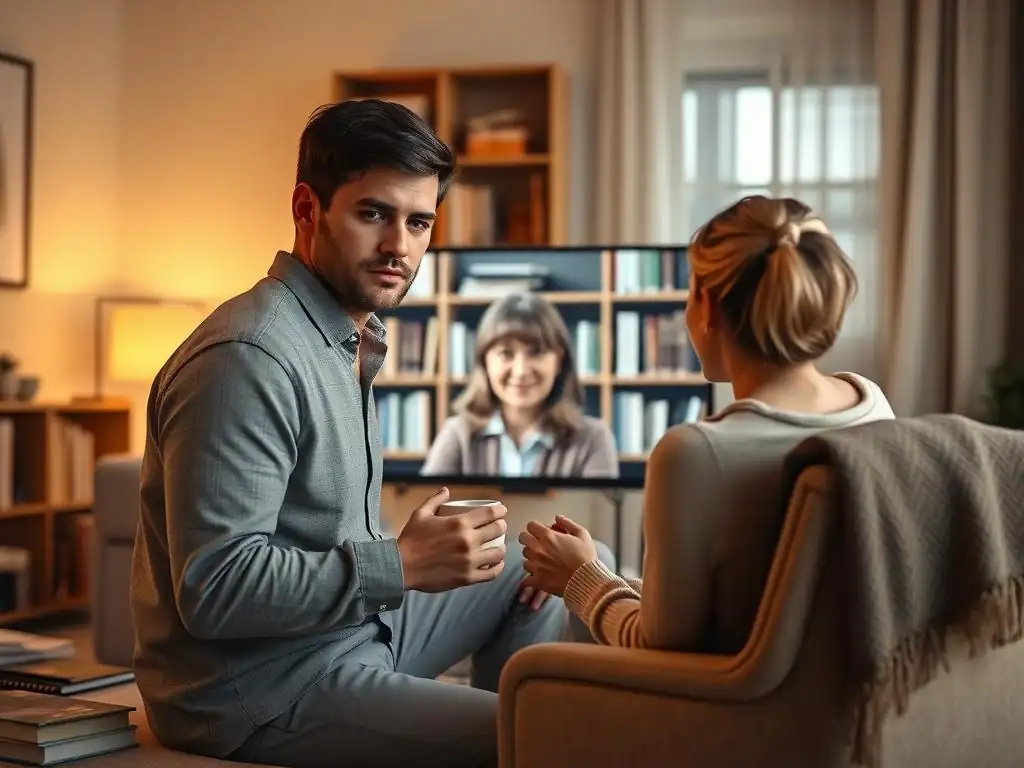
A primary concern regarding online couples therapy effectiveness is the perceived lack of personal connection. Critics argue that the absence of shared physical space diminishes rapport, makes it harder for the therapist to read non-verbal cues, and ultimately hinders the therapeutic bond essential for progress. This myth suggests that the digital barrier is insurmountable when it comes to the deeply personal work of couples counseling. However, the reality often proves quite different, as technology introduces new avenues for connection and communication that can complement or even enhance the therapeutic process.
While it's true that the dynamic is different, many couples and therapists find that strong rapport and connection are achievable online. Therapists trained in teletherapy utilize specific techniques to engage clients effectively through video platforms, focusing intently on verbal communication, facial expressions, and tone of voice. Furthermore, conducting therapy sessions from the comfort and familiarity of one's own home can reduce anxiety and make participants feel more open and less inhibited, paradoxically fostering a sense of safety and vulnerability that can deepen the therapeutic connection.
Reality: Enhanced Communication and Convenience with Asynchronous Messaging
Beyond scheduled video sessions, many online couples therapy platforms offer asynchronous communication tools, such as secure messaging. This feature allows couples and therapists to communicate between sessions, sharing thoughts, feelings, or reflections as they arise. This capability directly addresses some online couples therapy effectiveness concerns by providing continuous support and allowing for processing in real-time situations, rather than waiting for the next appointment.
This ongoing dialogue can significantly enhance the therapeutic process. For example, if a conflict arises between sessions, a partner can message the therapist for guidance or share their perspective while the experience is fresh. The therapist can then offer timely insights or suggest coping strategies. This consistent interaction helps maintain momentum, integrate learned skills into daily life more effectively, and provides a valuable channel for communication for couples who struggle to express themselves fully under pressure during live sessions. It transforms therapy from a weekly event into a more integrated part of the couple's life.
The Benefits of Asynchronous Communication: A Case Study
Consider a couple, Sarah and Mark, struggling with frequent arguments that escalate quickly. In traditional therapy, they might recount a fight days later, perhaps forgetting key details or emotions. Using an online platform with asynchronous messaging, Sarah could message their therapist shortly after an argument, describing her feelings and the trigger points. Mark could then respond with his perspective via message. The therapist could review these exchanges and provide targeted feedback or suggest specific de-escalation techniques before their next video session.
This approach allows the therapist to gain a richer, more immediate understanding of the couple's dynamic in real-time situations. It also empowers the couple to practice communication skills and conflict resolution strategies outside of the therapy hour, with the therapist's guidance readily available.
While specific outcome data varies, platforms offering robust asynchronous support often report high user engagement and satisfaction rates, with some indicating that clients who utilize messaging features report feeling more supported and making more consistent progress compared to those who rely solely on live sessions. This highlights how technology can introduce new, effective modalities within online couples counseling.
Myth #2: Online Therapists Are Less Qualified Than In-Person Therapists
Another common misconception contributing to online couples therapy effectiveness concerns is the belief that therapists practicing online are somehow less qualified or experienced than those working in traditional brick-and-mortar settings. This myth often stems from a lack of familiarity with the regulatory standards governing teletherapy and the assumption that the digital space is less professional or more accessible to unqualified individuals.
In reality, the vast majority of reputable online therapy platforms rigorously vet their therapists. These professionals are typically licensed, certified, and experienced practitioners who have chosen to extend their practice into the digital realm. The licensing requirements for therapists, whether they practice online or in-person, are determined by state or national boards and generally mandate specific educational degrees, supervised clinical hours (often thousands), and successful completion of standardized examinations. Practicing therapy across state lines can add further complexity, sometimes requiring additional licensing or registration, ensuring that online practitioners are held to high professional standards.
Reality: Credentialed Therapists Provide Quality Care
Online platforms serving couples therapy typically employ licensed marriage and family therapists (LMFTs), licensed professional counselors (LPCs), licensed clinical social workers (LCSWs), or psychologists (PsyDs or PhDs). These titles signify that the therapist has met stringent educational and experiential criteria set by their respective licensing boards. For example, becoming an LMFT in many states requires a Master's or Doctoral degree in marriage and family therapy, followed by 2,000-4,000 hours of supervised clinical experience and passing a national licensing exam.
Furthermore, many therapists working online have significant prior experience in traditional settings before transitioning to teletherapy. They bring this wealth of experience, combined with training specific to delivering therapy effectively online, to their digital practice. Online platforms serve as a delivery method for therapy, not a separate, lower standard of professional practice. Concerns about online couples therapy effectiveness related to therapist qualifications are largely unfounded when utilizing reputable, established services that prioritize credential verification.
Checking Therapist Credentials: A Step-by-Step Guide
Ensuring your online couples therapist is properly credentialed is a crucial step in addressing online couples therapy effectiveness concerns. Reputable platforms make this information readily available. Here’s how you can typically verify credentials:
- Check the therapist's profile on the platform. Look for their full name, license type (e.g., LMFT, LCSW, LPC, Psychologist), license number, and the state(s) where they are licensed to practice.
- Verify the license independently. Most state licensing boards have online databases where you can search for a therapist by name or license number to confirm their active license status and check for any disciplinary actions. A quick search on your state's Department of Health or Professional Licensing website should lead you to the relevant board.
- Inquire directly. Don't hesitate to ask the platform or the therapist during an initial consultation about their qualifications, experience with couples, and licensing details.
Task List: Verifying Online Therapist Credentials

- [ ] Locate therapist's full name and license information on the platform.
- [ ] Identify the state(s) where the therapist is licensed.
- [ ] Find the website for the relevant state licensing board.
- [ ] Use the board's online search tool to look up the therapist's license.
- [ ] Confirm the license is active and in good standing.
- [ ] Note the license type and any specializations listed.
Taking these steps provides peace of mind and confirms that you are receiving care from a qualified professional, mitigating concerns about the quality of online couples counseling.
Myth #3: Online Couples Therapy Isn't Suitable for Serious Relationship Issues
Some people believe that online couples therapy is only appropriate for minor relationship tune-ups or basic communication issues, not for serious or complex problems like infidelity, addiction impacting the relationship, or significant conflict. This myth suggests that the depth and intensity required to address such challenging issues cannot be achieved through a screen, contributing significantly to online couples therapy effectiveness concerns for couples facing severe distress.
While the mode of delivery is different, online couples therapy can be highly effective for a wide range of serious relationship issues. Many online platforms employ therapists with specialized training in areas such as trauma, infidelity recovery, addiction counseling, or high-conflict resolution. These therapists utilize evidence-based therapeutic approaches, such as Emotionally Focused Therapy (EFT), Gottman Method, or Cognitive Behavioral Therapy (CBT), which are adaptable to the online format and proven effective in addressing deep-seated relationship problems.
Reality: Addressing Complex Challenges with Specialized Programs
Many online therapy providers offer specialized programs or match couples with therapists who have specific expertise in dealing with complex relationship dynamics. For instance, a couple dealing with the aftermath of infidelity might be matched with a therapist who has extensive experience in infidelity recovery and utilizes structured protocols designed for this specific issue. These programs often involve a blend of individual and joint sessions, specific exercises, and communication strategies tailored to rebuilding trust and navigating the complex emotions involved.
The effectiveness of online couples counseling for serious issues is increasingly supported by anecdotal evidence from couples who have successfully navigated crises using these services. The convenience of online sessions can also be a significant advantage for couples in crisis, who may find it difficult to coordinate schedules, travel, or even be physically present in a therapy room together initially. The ability to access support from their own homes can lower barriers to entry during a highly stressful time.
Addressing Infidelity Online: An Infidelity Recovery Program
Consider a couple grappling with the fallout of infidelity. An online therapy platform might offer access to therapists specializing in infidelity recovery. A typical online program could involve several phases:
- Crisis Management: Initial sessions focus on managing intense emotions, ensuring safety (physical and emotional), and establishing ground rules for communication.
- Understanding the Impact: Exploring the reasons behind the infidelity and its impact on both partners, fostering empathy and accountability.
- Rebuilding Trust: Implementing strategies for transparency, consistent communication, and demonstrating changed behavior over time.
- Forgiveness (if desired) and Moving Forward: Deciding whether to stay together and how to build a new, stronger relationship, or how to navigate separation respectfully.
Throughout this process, the online therapist guides discussions, provides resources, and assigns "homework" exercises. While the specific success rates for infidelity recovery vary greatly depending on the couple's commitment and the severity of the situation, therapists specializing in this area online report helping numerous couples successfully navigate these complex challenges, often reporting outcomes comparable to in-person therapy for motivated couples. The structure and expert guidance available through specialized online programs directly counter online couples therapy effectiveness concerns regarding severe issues.
Myth #4: The Effectiveness of Online Couples Counseling is Not Scientifically Proven
A significant factor fueling online couples therapy effectiveness concerns is the perception that it is a relatively new and untested modality, lacking the robust scientific backing of traditional in-person therapy. Skeptics argue that without extensive, long-term research demonstrating comparable outcomes, online couples counseling cannot be considered a truly effective treatment option for relationship distress.
While it's true that research into online therapy is newer than studies on traditional therapy, a growing body of scientific literature does support the efficacy of online modalities for various mental health conditions, including relationship issues. Numerous studies and meta-analyses have compared the outcomes of online therapy to in-person therapy for individuals dealing with depression, anxiety, and other common issues, consistently finding comparable results.
While research specifically focused on couples therapy delivered online is still developing, the positive findings from individual online therapy studies, coupled with research on the effectiveness of specific therapeutic models when adapted for online delivery, provide strong indicators of its potential.
Reality: Growing Body of Research Supports the Efficacy of Online Therapy
Recent research syntheses and studies are increasingly validating the effectiveness of online therapy. For example, a meta-analysis published in the Journal of Affective Disorders (though focusing on individual therapy) found that online CBT was as effective as face-to-face CBT for reducing depression and anxiety symptoms. While direct comparisons for couples therapy are less numerous, studies specifically examining online couples interventions based on models like Integrative Behavioral Couple Therapy (IBCT) or Emotionally Focused Therapy (EFT) have reported positive outcomes regarding relationship satisfaction and conflict reduction.
One study focusing on online delivery of a specific couples intervention found that participants reported significant improvements in communication and relationship satisfaction, comparable to outcomes seen in studies of the same intervention delivered in-person. These findings, though still emerging, directly challenge online couples therapy effectiveness concerns by demonstrating that the therapeutic process and outcomes can translate effectively to the digital space when evidence-based methods are used by qualified therapists.
How Data Improves Outcomes
Data collection plays a significant role in enhancing the effectiveness of online couples counseling. Many online platforms incorporate features that allow therapists to track client progress systematically. This can include:
- Regular check-ins or questionnaires: Couples might complete brief assessments before or after sessions rating their mood, conflict levels, or relationship satisfaction.
- Session notes analysis: Therapists can use platform tools to organize and analyze notes, identifying patterns and tracking interventions.
- Engagement metrics: Platforms can track session attendance, use of messaging features, and completion of assigned homework.
This data provides therapists with valuable insights into what is working and what isn't, allowing them to tailor their approach more effectively. For instance, if data shows a couple is consistently struggling with homework related to active listening, the therapist can dedicate more session time to practicing that specific skill. This data-driven approach helps personalize the therapeutic process and optimize the effectiveness of online couples therapy interventions.
Reality: Maximizing Online Couples Therapy Effectiveness

While online couples therapy can be highly effective, its success is often influenced by how couples approach the process. Simply logging into a session isn't enough; creating the right environment and actively engaging with the tools and techniques provided are crucial for maximizing the benefits. Addressing online couples therapy effectiveness concerns also involves understanding the client's role in making the therapy work.
Couples who achieve the best results from online therapy typically commit to the process, actively participate in sessions, and implement the strategies learned in their daily lives. They recognize that the online format offers flexibility but still requires dedication and effort, just like traditional therapy. By taking proactive steps to optimize their online therapy experience, couples can significantly enhance the likelihood of achieving their relationship goals.
Creating a Dedicated and Distraction-Free Environment
One of the most important factors in maximizing online couples therapy effectiveness is ensuring a conducive environment for sessions. While the comfort of home is a benefit, it can also present distractions.
It is highly recommended that both partners:
- Choose a private, quiet space where they will not be interrupted by children, pets, or other household activities.
- Ensure a stable internet connection and working audio/video equipment.
- Minimize background noise and turn off notifications on phones and computers.
- Ideally, sit together in the same room during the session if possible, to facilitate non-verbal communication and a shared experience, or ensure their individual spaces are equally private if joining separately.
Creating this dedicated therapeutic space signals a commitment to the process and allows both partners to fully focus on the session content and their interaction with the therapist and each other. Ignoring this step is a common pitfall that can diminish the effectiveness of online couples counseling.
Utilizing Communication Tools Effectively
Online platforms often provide various communication tools beyond video sessions, such as secure messaging, shared journals, or resource libraries. Actively and thoughtfully utilizing these tools can significantly augment the work done in live sessions and contribute to the overall effectiveness of online couples therapy.
Couples should:
- Use messaging to share thoughts, feelings, or brief updates between sessions, especially if the platform encourages it. This keeps the therapist informed and maintains momentum.
- Complete any assigned homework or exercises diligently, such as communication practice logs, conflict resolution worksheets, or shared journaling prompts.
- Explore the platform's resources, which might include articles, videos, or recommended readings related to their specific challenges.
Consistent engagement with these tools helps reinforce learning, practice new skills, and integrate therapeutic insights into the couple's daily interactions, thereby enhancing the long-term effectiveness of the therapy.
Combining Online Therapy with Self-Help Resources
For many couples, combining online therapy with self-help resources can further accelerate progress and deepen their understanding of relationship dynamics. Therapists may recommend specific books, podcasts, or online courses that complement the work being done in sessions.
Examples of beneficial self-help integration include:
- Reading books on relationship communication or conflict resolution (e.g., based on the Gottman Method or Nonviolent Communication).
- Practicing mindfulness or stress-reduction techniques individually or as a couple to better manage emotional reactivity.
- Utilizing relationship-focused apps that offer exercises or check-ins.
By actively seeking out and engaging with these additional resources, couples take greater ownership of their growth process. This proactive approach, combined with the structured support of online couples counseling, creates a powerful synergy that addresses issues from multiple angles and reinforces positive changes, significantly boosting the overall effectiveness of online couples therapy.
Choosing the Right Online Couples Therapy Platform: Considerations and Recommendations
Given the growing number of online therapy platforms, choosing the one that best fits your needs is critical for a positive and effective experience. Not all platforms are created equal, and understanding the key differences can help you address potential online couples therapy effectiveness concerns before you even begin.
Making an informed choice involves assessing your specific situation, understanding what different platforms offer, and considering practical factors like cost and therapist availability. Taking the time to research and compare options can significantly impact the quality and outcome of your online couples counseling journey.
Assessing Your Needs and Preferences
Before selecting a platform, couples should discuss their specific relationship challenges, goals for therapy, and preferences regarding the therapeutic process. Consider:
- The nature of your issues: Are you dealing with communication breakdowns, infidelity, conflict, parenting disagreements, or something else? Do you need a therapist specializing in a particular area?
- Desired therapeutic approach: Are you looking for a structured, skills-based approach (like CBT or Gottman Method) or something more emotionally focused (like EFT)?
- Communication preferences: Do you prefer live video sessions only, or would you benefit from asynchronous messaging or phone calls?
- Logistical needs: Do you need flexible scheduling? Are you comfortable with one therapist or do you prefer options?
Discussing these points together helps clarify expectations and guides your search for a platform that aligns with your specific requirements, thereby increasing the likelihood of finding a service that contributes positively to online couples therapy effectiveness.
Comparing Platform Features: Pricing, Therapist Specializations, and Communication Options
Once you have a clear idea of your needs, compare different platforms based on tangible features. Look closely at:
- Pricing Structure: Understand how billing works (weekly, monthly, per session). What is the cost per session or subscription period? Are there options for different budgets? Costs can range significantly, from approximately $60-$90 per week for subscription models offering messaging and weekly live sessions, to $150-$300+ per session for platforms that bill per live appointment.
- Therapist Specializations: Does the platform allow you to filter therapists by specialization (e.g., infidelity, trauma, LGBTQ+ issues, parenting)? Can you view therapist profiles and choose who you work with? Access to a therapist with relevant expertise is paramount for addressing complex online couples therapy effectiveness concerns.
- Communication Modalities: What types of communication are offered? Is it just live video, or does it include phone, chat, or asynchronous messaging? Are group sessions or workshops available?
Key Platform Comparison Points:

- Price per session/subscription cost
- Availability of therapists with specific expertise (infidelity, conflict, etc.)
- Options for choosing or switching therapists
- Communication methods offered (video, phone, chat, messaging)
- Availability of supplemental resources (worksheets, articles, etc.)
- Platform ease of use and technical requirements
- Privacy and security measures
Carefully comparing these features allows couples to select a platform that not only provides access to qualified therapists but also offers the specific tools and flexibility needed to make their online couples counseling experience as effective as possible.
Conclusion: The Surprising Truth About Online Couples Therapy's Potential
Contrary to lingering online couples therapy effectiveness concerns, the surprising truth is that online couples counseling can be a highly effective and valuable resource for improving relationship health. While the format differs from traditional therapy, it offers unique advantages, including convenience, accessibility, and innovative communication tools like asynchronous messaging. The quality of care is determined by the therapist's credentials and expertise, which are held to the same high standards as in-person practitioners on reputable platforms.
Online therapy is increasingly supported by research and has proven capable of addressing a wide spectrum of relationship issues, from communication tune-ups to complex challenges like infidelity. Maximizing its effectiveness relies on couples creating a focused environment, actively using the available tools, and potentially supplementing therapy with self-help resources. By understanding the realities and taking proactive steps in choosing the right platform and engaging fully in the process, couples can unlock the significant potential of online couples therapy to build stronger, healthier relationships. The digital age has truly expanded the possibilities for seeking and receiving effective relationship support.
Frequently Asked Questions
Is online couples therapy as effective as in-person therapy?
Studies suggest that online couples therapy can be just as effective as in-person therapy for many couples. Factors like communication style and relationship dynamics play a bigger role than the modality.
What are the main concerns about the effectiveness of online couples therapy?
Some concerns include technical difficulties, potential for distractions at home, and challenges in building rapport with the therapist remotely.
Can online couples therapy address serious relationship issues like infidelity or abuse?
While online therapy can be helpful, cases involving domestic violence or severe mental health issues might require in-person intervention for safety and optimal support.
What qualifications should an online couples therapist have?
It's crucial to ensure the therapist is licensed and experienced in couples therapy. Look for credentials such as LMFT (Licensed Marriage and Family Therapist) or equivalent qualifications in your region.
How can we maximize the effectiveness of online couples therapy?
Create a private and distraction-free environment, commit to open and honest communication, and be patient with the adjustment to the online format.
Final Reflection: Bridging the Distance, Strengthening the Bond
The accessibility of online couples therapy has exploded, yet concerns about its effectiveness remain a significant hurdle. This digital revolution in relationship counseling offers incredible potential, but only if we address the valid questions surrounding its efficacy compared to traditional in-person sessions. The surprising truth, as explored throughout this article, is that online therapy, when implemented correctly, can be just as effective – and sometimes even more so – for certain couples.
The shift towards online platforms reflects a broader societal change, a growing acceptance of technology's role in even the most intimate aspects of our lives. This isn't simply about convenience; it's about breaking down barriers to access for couples who might otherwise struggle to find or afford in-person therapy. The stigma surrounding mental health is slowly diminishing, and online platforms play a crucial role in this progress. The greatest barrier to mental health care is not the lack of resources, but the lack of access.
This quote highlights the vital role online therapy plays in overcoming geographical and financial limitations.
Consider the implications of this for your own relationships, both personal and professional. Are you open to exploring new avenues for support and growth? Don't let concerns about effectiveness overshadow the potential benefits of online couples therapy. If you or someone you know is struggling, explore the resources available. Research therapists, read reviews, and consider the unique advantages of online platforms in your specific circumstances. The journey towards a stronger, healthier relationship begins with a single step – a step that might just be a click away.
Unlock Deeper Connection: Take the Next Step in Your Relationship
Thanks for taking the time to explore the world of online couples therapy with us! We hope you gained valuable insights into its effectiveness and potential. Now, it's time to turn those insights into action.
- Schedule a free consultation with a therapist: This is the most crucial step towards improving your relationship dynamics. Many therapists offer free initial consultations to discuss your needs and goals.
- Share this article with your partner: Starting a conversation about seeking professional help is often the hardest part. Sharing this article can facilitate that important dialogue.
- Explore relationship-building exercises: Try implementing one of the communication techniques mentioned in the article this week. Even small changes can make a big difference.
Ready to invest in the health of your relationship? What's one small step you can take today to foster greater understanding and connection with your partner?