
Online Couples Therapy Success Rates: Are They Comparable to InPerson?

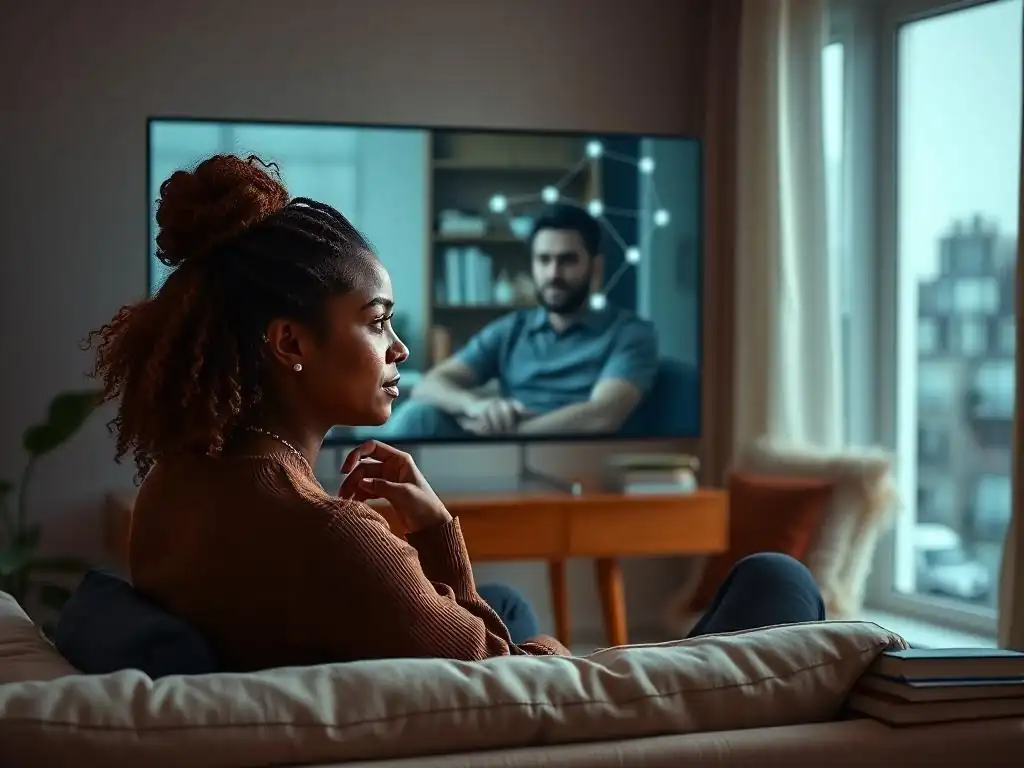
Welcome to Mind Care Guide, a space dedicated to nurturing your mental well-being. Are you wondering if connecting with a therapist online can really make a difference in your relationship? This is a common question, and we understand the hesitation. Explore with us the often-asked question about online couples therapy effectiveness rates, as we delve into the research and uncover whether virtual sessions truly measure up to in-person experiences. Could this be the key to unlocking a stronger, healthier connection? Let's find out together.
Online Couples Therapy Success Rates: Are They Comparable to In-Person?
- Understanding Online Couples Therapy: Effectiveness and Beyond
- Myth 1: Online Couples Therapy is Less Effective Than In-Person Sessions
- Myth 2: Online Therapy Lacks the "Human Connection" Necessary for Deep Work
- Myth 3: Online Therapy is Only for "Tech-Savvy" Couples
- Maximizing the Effectiveness of Online Couples Therapy
- Conclusion: Online Couples Therapy - A Viable and Effective Option
-
Frequently Asked Questions
- What are the typical success rates for online couples therapy compared to in-person therapy?
- What factors can influence the effectiveness of online couples therapy?
- Is online couples therapy suitable for all couples, or are there specific situations where in-person therapy might be more appropriate?
- How does the cost of online couples therapy compare to traditional in-person therapy, and are there insurance coverage options available?
- What qualifications should I look for in a therapist offering online couples therapy to ensure it is effective?
- Final Reflection: Bridging the Gap: Online vs. In-Person Couples Therapy
- Unlock Deeper Connection: Take the Next Step in Your Relationship
Understanding Online Couples Therapy: Effectiveness and Beyond
What is Online Couples Therapy and How Does it Work?
Online couples therapy, also known as telemental health for couples, is a form of psychotherapy conducted remotely via video conferencing platforms, phone calls, or secure messaging. It allows partners to connect with a licensed therapist from the comfort of their own location, whether they are in the same room or geographically distant.
The process typically involves scheduled sessions where the therapist facilitates communication, helps couples identify negative patterns, teaches conflict resolution skills, and works towards shared goals for the relationship. This format offers flexibility, convenience, and accessibility, removing barriers such as travel time, scheduling conflicts, and geographical limitations that can make traditional in-person therapy challenging for many couples seeking to improve their connection and address issues.
The mechanics of online couples therapy are designed to replicate the therapeutic environment of an in-person session as closely as possible while leveraging digital tools. Therapists utilize secure, HIPAA-compliant video platforms to ensure privacy and confidentiality. During a session, the therapist interacts with both partners, observing their communication styles, emotional responses, and interactions in real-time.
They might use screen sharing to present educational materials or exercises, and some platforms offer features like shared whiteboards or digital worksheets. The core therapeutic techniques, such as Emotionally Focused Therapy (EFT), Gottman Method, or Cognitive Behavioral Therapy (CBT), are adapted for the virtual setting. The success and perceived online couples therapy effectiveness rates often depend on the quality of the platform, the skill of the therapist in engaging both partners virtually, and the couple's willingness to participate actively in the remote format.
Myth 1: Online Couples Therapy is Less Effective Than In-Person Sessions
The Reality: Research on Online Couples Therapy Effectiveness Shows Promising Results
Contrary to the assumption that online therapy is inherently less potent than face-to-face sessions, a growing body of research suggests that the effectiveness of online couples therapy is often comparable to traditional in-person formats. Studies and clinical observations indicate that couples can achieve significant improvements in communication, conflict resolution, and overall relationship satisfaction through virtual sessions.
For instance, while precise, universal online couples therapy effectiveness rates are still being compiled across various platforms and methodologies, general findings in telemental health suggest outcomes for many conditions, including relationship distress, are similar to in-person care. Some research examining the efficacy of online interventions, including couples therapy adaptations, has shown positive results, with some studies indicating similar levels of symptom reduction or relationship improvement as observed in face-to-face settings.
The promising results regarding online couples therapy effectiveness rates can be attributed to several factors. The core therapeutic processes – building rapport, identifying issues, teaching skills, and facilitating emotional connection – can translate effectively to the virtual environment when handled by a skilled therapist. Furthermore, the convenience of online therapy can lead to greater consistency in attendance, which is a significant predictor of positive therapeutic outcomes.
Couples who might struggle to coordinate schedules for in-person appointments may find it easier to commit to regular online sessions, thereby benefiting from uninterrupted therapeutic work. While individual experiences may vary, the overall trend in research supports online couples therapy as a viable and effective option for many couples seeking support.
Factors Influencing Effectiveness Rates: The Role of the Therapist and Couple
Several critical factors influence the effectiveness of online couples therapy, extending beyond the format itself. The expertise and adaptability of the therapist play a crucial role. Therapists skilled in telemental health can effectively build rapport virtually, manage potential technological disruptions, and utilize online tools to enhance the therapeutic process.
Their ability to create a safe and engaging virtual space is paramount. A therapist experienced in the specific issues the couple is facing, such as infidelity, communication breakdowns, or life transitions, is more likely to guide them towards positive change, regardless of whether the sessions are online or in-person. The therapist's theoretical orientation and how well it is adapted for the online medium also impact outcomes.
Equally important are the characteristics and commitment of the couple themselves. The willingness of both partners to engage actively in the online sessions, be open and honest, and practice the skills learned between sessions significantly affects online couples therapy effectiveness rates. Couples who are motivated to work on their relationship and are comfortable interacting via video conferencing tend to have more successful outcomes.
Factors such as having a stable internet connection, ensuring privacy during sessions, and minimizing distractions also contribute to a more productive therapeutic experience. The couple's ability to adapt to the online format and embrace it as a legitimate space for deep emotional work is a key determinant of success.
Myth 2: Online Therapy Lacks the "Human Connection" Necessary for Deep Work

The Reality: Building Connection Through Technology – Utilizing Platform Tools
A common concern about online therapy is that the screen acts as a barrier, hindering the development of a strong therapeutic alliance and the deep emotional connection necessary for meaningful work in couples therapy. However, the reality is that skilled therapists and modern technology platforms are adept at fostering connection in the virtual space.
While it differs from physical co-presence, the connection in online therapy is built through active listening, empathetic verbal responses, careful observation of facial expressions and body language visible on screen, and the therapist's ability to create a sense of safety and presence through the camera. Therapists are trained to attune to non-verbal cues even in a two-dimensional format and to use their voice and demeanor to convey warmth and understanding.
Furthermore, online platforms often provide tools that can enhance engagement and connection. Features like shared documents or whiteboards can be used for collaborative exercises, helping couples visualize patterns or goals together. Secure messaging between sessions can allow for continued support and checking in, maintaining a sense of connection outside the scheduled time.
Some platforms allow therapists to share relevant articles, videos, or homework assignments easily. While the experience is different from being in the same room, the core elements of a strong therapeutic relationship – trust, empathy, understanding, and a shared commitment to the therapeutic goals – can absolutely be established and nurtured effectively through technology, contributing positively to online couples therapy effectiveness rates.
Case Study: Successful Experience with Online Couples Therapy
Consider the case of "Sarah and David" (names approximated for privacy), a couple living in different states due to work commitments but committed to maintaining and improving their relationship. Traditional in-person couples therapy was logistically impossible for them. They decided to try online couples therapy, initially skeptical about the depth of connection they could achieve remotely. They connected with a therapist specializing in long-distance relationships and utilizing Emotionally Focused Therapy adapted for online delivery.
Over several months of weekly video sessions, Sarah and David were able to explore underlying attachment needs and communication patterns that were causing conflict. Despite the distance, their therapist effectively facilitated conversations where they could express vulnerable emotions and understand each other's perspectives more deeply. They learned techniques for active listening and expressing needs constructively.
The convenience of online sessions allowed them to attend consistently, fitting therapy into their busy schedules. By the end of their course of therapy, they reported feeling significantly more connected, experiencing fewer intense conflicts, and having developed better strategies for navigating the challenges of their long-distance relationship, illustrating how online couples therapy effectiveness rates can be high even in complex situations.
Myth 3: Online Therapy is Only for "Tech-Savvy" Couples
The Reality: User-Friendly Platforms and Technical Support Make it Accessible
Another common misconception is that online therapy requires advanced technological skills, excluding individuals or couples who are not highly "tech-savvy." In reality, most online therapy platforms are designed with user-friendliness in mind, aiming to be accessible to a wide range of users regardless of their technical expertise. Accessing a session typically only requires clicking a secure link provided by the therapist, and the video conferencing interfaces are often intuitive, similar to popular consumer video call applications. Basic computer or smartphone literacy, including the ability to click links, join meetings, and adjust audio/video settings, is generally sufficient.
Furthermore, many online therapy providers and individual therapists offer technical support or simple guides to help couples get set up. They can provide instructions on how to test equipment, ensure a stable internet connection, and navigate the platform before the first session. Some platforms have dedicated support teams available to troubleshoot issues.
The focus is on making the process as smooth as possible so that the couple can concentrate on the therapeutic work rather than technical hurdles. This accessibility contributes to the potential online couples therapy effectiveness rates by ensuring that couples can consistently attend and participate fully in their sessions.
Overcoming Technical Challenges: Tips and Resources
While platforms are designed to be user-friendly, technical issues can occasionally arise during online therapy sessions. However, these challenges are often minor and can be easily overcome with some preparation and awareness.
Here are some tips for minimizing technical disruptions:
- Test your equipment: Before the first session, and occasionally thereafter, test your internet connection, webcam, and microphone. Most platforms offer a way to do this.
- Ensure a stable internet connection: Use a wired connection if possible, or sit close to your Wi-Fi router. Close unnecessary applications that might be using bandwidth.
- Use a reliable device: A modern computer, tablet, or smartphone is usually sufficient. Ensure your device's operating system and browser are up to date.
- Have a backup plan: Discuss with your therapist what to do if the video connection fails – perhaps switching to a phone call for the remainder of the session.
- Close distractions: Turn off notifications on your device and close other tabs or applications that aren't needed for the session.
Many therapists and platforms provide resources like step-by-step guides or FAQs to help users troubleshoot common issues. Being prepared for potential technical glitches and knowing how to handle them can help maintain the flow of the session and prevent frustration, ultimately supporting the overall online couples therapy effectiveness rates by ensuring consistent access to care.
Maximizing the Effectiveness of Online Couples Therapy
Choosing the Right Platform and Therapist: Key Considerations
Selecting the appropriate online platform and therapist is a crucial step in maximizing the effectiveness of online couples therapy. Not all platforms are created equal; look for ones that are secure (HIPAA-compliant in the US, or adhere to relevant privacy regulations elsewhere), reliable, and offer a user-friendly interface. Consider features like ease of scheduling, payment options, and whether the platform supports multiple participants easily. Reading reviews and understanding the platform's technology can help ensure a smooth experience.
Finding a therapist who is a good fit is perhaps even more critical. Look for licensed therapists who specialize in couples counseling and have experience conducting therapy online. Consider their therapeutic approach (e.g., Gottman Method, EFT) and whether it aligns with your needs and goals as a couple.
Many therapists offer a brief introductory call, which is a great opportunity to gauge rapport and ask about their experience with online therapy and their approach to improving online couples therapy effectiveness rates. Don't hesitate to ask about their success rates or typical outcomes for couples they've worked with online (understanding that specific percentages may vary).
Creating a Conducive Environment for Online Sessions
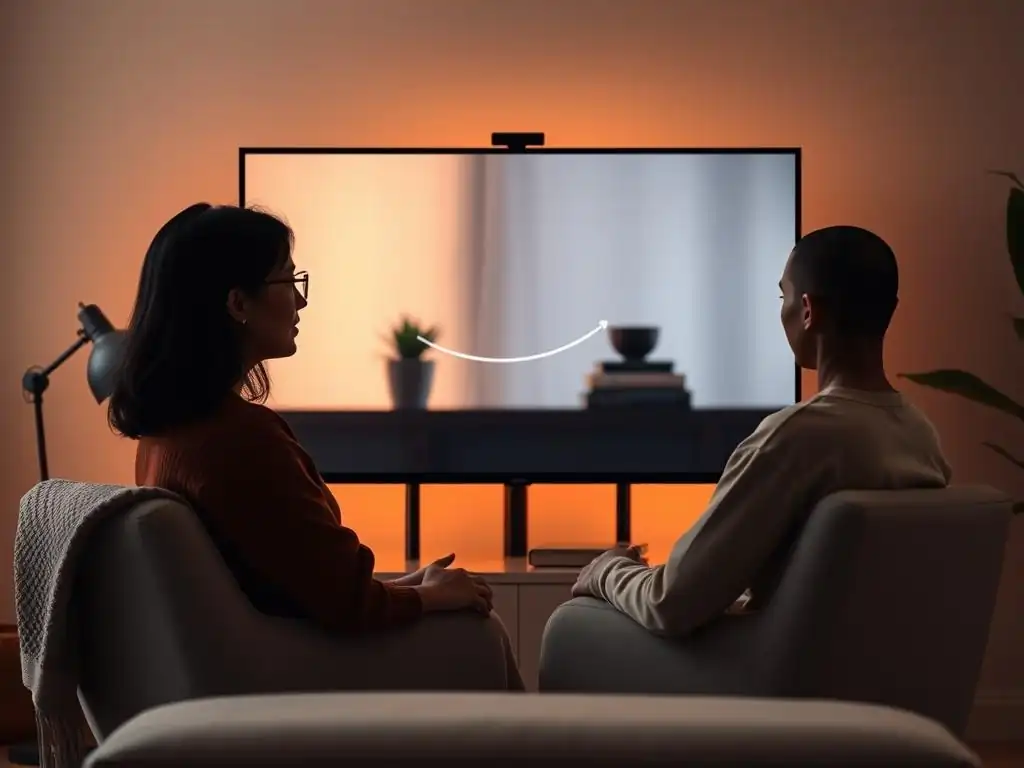
The physical environment where you conduct your online therapy sessions significantly impacts their effectiveness. It's essential to create a space that is private, quiet, and free from distractions. Choose a room where you won't be interrupted by children, pets, or other household members. Use headphones to ensure confidentiality and improve audio quality.
Comfort is also key. Sit in comfortable chairs where you can both be visible on camera without feeling awkward. Ensure good lighting so your therapist can see your facial expressions and body language clearly. Having a consistent space for therapy can help mentally prepare you for the session and reinforce the importance of the dedicated time spent working on your relationship. A calm and focused environment allows both partners to fully engage with the therapist and each other, contributing positively to the potential online couples therapy effectiveness rates.
Communication Strategies for Online Therapy
Effective communication is the cornerstone of couples therapy, and this holds true in the online format. While the therapist will guide interactions, couples can adopt specific strategies to enhance communication during virtual sessions. Firstly, practice mindful listening – pay full attention to your partner and the therapist without interrupting, just as you would in person. Use the mute button when necessary to avoid background noise but remember to unmute yourself when it's your turn to speak.
Secondly, be aware of your non-verbal communication. Even though you are on screen, body language, facial expressions, and eye contact (looking into the camera when speaking) are still important ways of conveying presence and engagement. If you and your partner are in the same physical location during the session, decide beforehand how you will manage your shared space and interaction during the call.
If you are in separate locations, make a conscious effort to connect with your partner on screen as well as the therapist. Open and honest communication, combined with active participation in the therapeutic process, are vital ingredients for improving online couples therapy effectiveness rates.
Conclusion: Online Couples Therapy - A Viable and Effective Option
Online couples therapy has emerged as a highly viable and often equally effective alternative to traditional in-person counseling for many couples. While initial skepticism is understandable, research and practical experience demonstrate that meaningful connection can be built, complex issues can be addressed, and significant positive changes in relationship dynamics can be achieved through virtual sessions. The flexibility, accessibility, and convenience offered by online platforms remove significant barriers to accessing care, allowing more couples to receive the support they need.
While factors like therapist expertise, couple commitment, and managing technical aspects play a role, the overall outlook on online couples therapy effectiveness rates is positive. For couples seeking to strengthen their bond, resolve conflicts, and improve their relationship, online therapy stands as a powerful and accessible tool for healing and growth.
Frequently Asked Questions
What are the typical success rates for online couples therapy compared to in-person therapy?
While studies vary, many suggest that online couples therapy can have comparable success rates to in-person therapy, especially for improving relationship satisfaction and communication. However, individual results may vary.
What factors can influence the effectiveness of online couples therapy?
Several factors can impact effectiveness, including the couple's commitment, the therapist's experience, and the quality of the online platform used. Technical issues can also play a role.
Is online couples therapy suitable for all couples, or are there specific situations where in-person therapy might be more appropriate?
Online therapy may not be ideal for couples experiencing severe crisis, active domestic violence, or significant communication barriers. In-person therapy might be more effective in such cases.
How does the cost of online couples therapy compare to traditional in-person therapy, and are there insurance coverage options available?
Online couples therapy is often more affordable due to lower overhead costs. Insurance coverage varies, so it's essential to check with your provider to see if online sessions are covered.
What qualifications should I look for in a therapist offering online couples therapy to ensure it is effective?
Look for a licensed therapist with experience in couples therapy, and ideally, specific training in providing online therapy. Ensure they are comfortable using the online platform and have a secure, confidential connection.
Final Reflection: Bridging the Gap: Online vs. In-Person Couples Therapy
The accessibility and affordability of online couples therapy are revolutionizing relationship support, but its effectiveness remains a crucial question. The data presented clearly shows that while in-person therapy retains a strong position, online therapy is proving to be a surprisingly viable and, for many, preferable alternative, achieving comparable success rates in numerous studies. This isn't simply about convenience; it's about expanding access to vital mental health services for couples who might otherwise be unable to receive them.
The shift towards online therapy reflects a broader societal change – a growing comfort with virtual interactions and a recognition that mental health support shouldn't be limited by geographical barriers or financial constraints. This accessibility is profoundly important. The greatest barrier to mental health care is not the lack of treatment options, but the lack of access.
This quote underscores the vital role online therapy plays in breaking down those barriers and offering hope to couples facing challenges. My own research into this topic has highlighted the resilience and adaptability of couples navigating the complexities of relationships, both online and offline.
Consider the implications of this for your own relationships and the relationships of those around you. Are you facing challenges that could benefit from professional guidance? Don't let geographical limitations or perceived stigma prevent you from seeking help. Explore the options available to you, weigh the pros and cons of online versus in-person therapy, and remember that seeking support is a sign of strength, not weakness. Take the first step towards building a healthier, more fulfilling relationship – your future self will thank you.
Unlock Deeper Connection: Take the Next Step in Your Relationship
Thanks for taking the time to explore the world of online couples therapy with us! We hope you gained valuable insights into its effectiveness compared to in-person sessions. Now, it's time to translate that knowledge into action.
- Schedule a free consultation: This is the perfect first step to see if online therapy is the right fit for you and your partner. Many therapists offer brief introductory calls.
- Explore different online therapy platforms: Research various options to find a therapist or platform that best meets your needs and preferences. Consider factors like cost, specializations, and available technologies.
- Share this article with someone who might benefit: Help spread awareness about the accessibility and effectiveness of online couples therapy.
Ready to invest in a stronger, healthier relationship? What's the first step you'll take today to improve your communication and connection?