
Connect and Cope: How Online Counseling Makes Therapy More Accessible

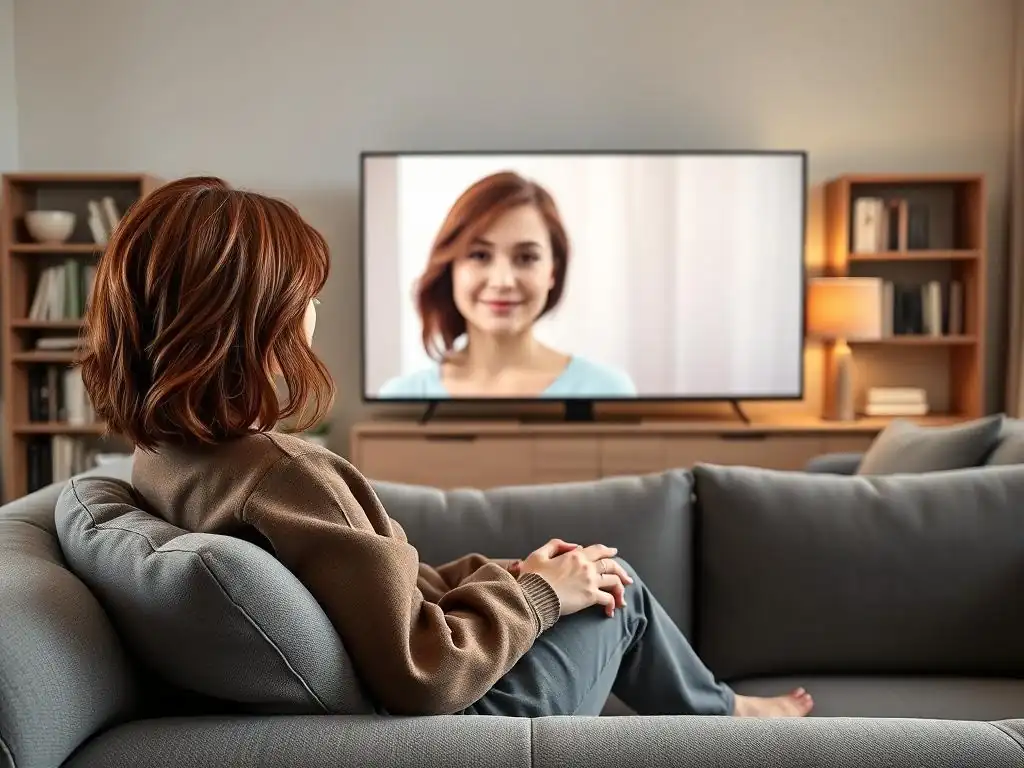
Welcome to Mind Care Guide, a space dedicated to nurturing your mental well-being.
Feeling overwhelmed by the thought of seeking help? You're not alone. We understand the barriers to accessing mental health support, and we're here to explore solutions. Dive into our guide on Online counseling accessibility benefits and discover how technology is breaking down walls, making therapy more convenient and affordable. Curious about how this innovative approach can help you connect and cope? Let's explore the possibilities together...
- Connect and Cope: How Online Counseling Makes Therapy More Accessible
- Understanding the Landscape of Online Counseling
- Online Counseling Accessibility Benefits: A Deep Dive
- The Affordability Factor: Making Therapy More Economical
- Removing the Stigma: Embracing Digital Therapy Options
- Addressing Common Concerns and Misconceptions about Online Counseling
- Types of Online Counseling Platforms and Services
- Choosing the Right Online Counselor or Therapist
- Optimizing Your Online Counseling Experience
- The Future of Accessible Mental Healthcare: Online Counseling's Role
-
Frequently Asked Questions
- How does Connect and Cope address the issue of accessibility in mental health care?
- What are some specific online counseling accessibility benefits highlighted in the Connect and Cope article?
- How does Connect and Cope suggest that online counseling improves access for individuals in rural or underserved areas?
- Does Connect and Cope discuss any potential drawbacks or limitations related to online counseling accessibility?
- How can Connect and Cope's information help someone decide if online counseling is a suitable option for their mental well-being needs?
- Final Reflection: Bridging the Gap to Mental Wellness
- Unlock Your Well-being: Start Your Therapy Journey Today!
Connect and Cope: How Online Counseling Makes Therapy More Accessible
Perspectives on Accessible Mental Healthcare
Mental healthcare accessibility remains a significant challenge for many individuals globally. Despite growing awareness of mental health issues, barriers such as geographic location, cost, stigma, and time constraints prevent countless people from receiving the support they need. For instance, individuals living in rural or underserved areas often face long distances to the nearest therapist's office, limited provider options, and lengthy waiting lists. Similarly, the cost of traditional therapy sessions, which can range from $100 to $250 or more per hour in many regions, is a prohibitive factor for those with limited financial resources or inadequate insurance coverage.
The conversation around improving access has shifted significantly with the advent of digital technologies. Recognizing these persistent barriers, mental health professionals and technology innovators have explored how digital solutions can bridge the gap. This has led to the rise of online counseling and teletherapy, offering new avenues for individuals to connect with licensed therapists. The core promise of these digital platforms is to democratize access, making mental health support available to a wider population, regardless of their physical location or socioeconomic status.
Understanding the Landscape of Online Counseling
Defining Online Counseling and Teletherapy
Online counseling, often used interchangeably with terms like teletherapy, e-therapy, or telemental health, refers to the provision of mental health services through digital communication technologies. This can include live video conferencing, phone calls, text messaging, email, or chat. Unlike self-help apps, online counseling involves interaction with a licensed mental health professional, such as a therapist, counselor, psychologist, or social worker, who provides assessment, diagnosis, and treatment for various mental health conditions.
The fundamental difference from traditional, in-person therapy lies in the delivery method. Instead of meeting in a physical office, the client and therapist connect remotely via a secure, encrypted platform. This digital format allows for flexibility in scheduling and location, significantly expanding the reach of mental health services. While the format differs, the therapeutic principles and goals remain the same: to help individuals understand their challenges, develop coping strategies, and improve their overall well-being, leveraging the online counseling accessibility benefits to reach more people.
The Rise of Digital Mental Health Services
The adoption of digital mental health services has accelerated dramatically in recent years, particularly influenced by global events that necessitated remote interactions. Before 2020, while online therapy existed, its widespread use was still relatively niche. However, necessity spurred rapid innovation and acceptance. Reports from various mental health organizations indicate a substantial increase in the utilization of teletherapy services, with some platforms reporting user growth rates exceeding 300% in a short period.
This surge in demand has led to the development of numerous online platforms and services, each offering different models of care, from subscription-based unlimited messaging to scheduled live video sessions. The regulatory landscape has also evolved, with many insurance providers expanding coverage for teletherapy, further legitimizing and facilitating its use. This digital transformation is not just a temporary trend but represents a fundamental shift towards integrating technology into mental healthcare delivery, highlighting the growing understanding of online counseling accessibility benefits.
Breaking Down Barriers: Addressing the Accessibility Challenge
Traditional therapy models, while effective for many, inherently face limitations in reaching everyone who needs support. Geographic isolation is a major barrier; for example, estimates suggest millions in rural areas across countries like the United States have limited access to mental health specialists within a reasonable driving distance. Stigma also plays a significant role, with many individuals feeling uncomfortable or anxious about being seen entering a therapist's office, potentially fearing judgment from their community or workplace.
Furthermore, practical issues like finding time off work, arranging childcare, or securing transportation can make regular in-person appointments difficult or impossible. Online counseling directly addresses these challenges. By removing the need for travel and allowing sessions to take place from the comfort and privacy of one's home, it significantly lowers the logistical hurdle. This ease of access is one of the most compelling online counseling accessibility benefits, making mental health support a more realistic option for busy individuals, those with mobility issues, and people in remote locations.
Online Counseling Accessibility Benefits: A Deep Dive
Geographic Accessibility: Therapy Beyond Location
One of the most significant online counseling accessibility benefits is its ability to transcend geographic limitations. For individuals living in rural areas, where mental health professionals are often scarce, online therapy opens up a world of options. Instead of having to drive hours for an appointment or face limited choices of therapists, they can connect with licensed practitioners located anywhere within their state or even country, depending on licensing regulations.
Consider a case in a sparsely populated region where the nearest psychologist is 150 miles away. A weekly in-person session would consume half a day, including travel time, making it impractical for most people, especially those with work or family commitments. Online counseling eliminates this travel burden entirely. Sessions can take place from a home office, a quiet room, or even a parked car during a lunch break, drastically reducing the logistical effort and making consistent therapy possible for those previously excluded due to location.
Overcoming Geographical Barriers to Mental Health Support
Beyond rural communities, geographic barriers also affect individuals with mobility impairments, chronic illnesses that make travel difficult, or those who are temporarily living abroad for work or study. For someone using a wheelchair, navigating public transport or finding accessible parking near a therapist's office can be a significant hurdle. Similarly, an expatriate experiencing anxiety or depression may struggle to find a therapist who speaks their language or understands their cultural background in their host country.
Online therapy provides a solution by bringing the therapist directly to the client, wherever they are, provided they have internet access. This removes the physical obstacles associated with travel and allows individuals to access support from a professional who is the best fit for their needs, regardless of their physical location. This aspect of online counseling accessibility benefits is crucial for ensuring that mental health support is available to diverse populations facing unique geographical challenges.
Convenience and Flexibility: Fitting Therapy into Your Life
The demands of modern life often make adhering to a fixed weekly appointment challenging. Work schedules, family responsibilities, and unexpected events can easily disrupt traditional therapy attendance. Online counseling offers unparalleled convenience and flexibility, allowing individuals to schedule sessions at times that genuinely work for them, including evenings or weekends that might not be standard office hours for traditional practices.
Many online platforms offer various communication methods, adding another layer of flexibility. Some individuals might prefer scheduled video calls for a face-to-face feel, while others might benefit from the ability to send text messages to their therapist throughout the week as issues arise. This adaptability makes it easier for people to integrate therapy into their busy lives without the stress of commuting or rigid scheduling, highlighting key online counseling accessibility benefits related to personal time management.
The Affordability Factor: Making Therapy More Economical

Cost-Effective Mental Health Solutions: Online Counseling vs. Traditional Therapy
The cost of therapy is a significant deterrent for many. Traditional in-person therapy sessions can be expensive, often ranging from $100 to $250 or even more per hour, depending on the therapist's qualifications, location, and the type of therapy. For someone needing weekly sessions, this can amount to $400 to $1000+ per month, a substantial financial burden for most households.
Online counseling platforms often offer more varied and sometimes more affordable pricing structures. While individual session costs can still vary, many platforms operate on a subscription model, charging a weekly or monthly fee that covers a certain number of live sessions (video, phone, or chat) and often unlimited text messaging. These subscription costs can range from approximately $60 to $150 per week, which, while still an investment, can be significantly less than the cumulative cost of weekly in-person sessions, making therapy more financially accessible for many.
Reduced Overhead and Lower Session Fees
One reason online counseling can sometimes be more affordable is the reduced overhead for the therapist or platform. Therapists providing online services don't require a physical office space, which eliminates costs like rent, utilities, office maintenance, and administrative staff associated with managing a brick-and-mortar practice. These savings can, in turn, be passed on to the client in the form of lower session fees or more competitive subscription pricing.
Additionally, clients save money on associated costs like transportation (gas, public transport fares), parking fees, and potentially lost wages from taking time off work to travel to and attend appointments. While these costs might seem small individually, they add up over time and contribute to the overall expense of seeking traditional therapy. The elimination of these indirect costs further enhances the affordability aspect, reinforcing the online counseling accessibility benefits.
Exploring Insurance Coverage for Online Mental Health Services
Insurance coverage for online counseling has expanded significantly, especially in recent years. Many major insurance providers now offer coverage for teletherapy services, often at the same rate as in-person visits. However, coverage can vary widely depending on the specific insurance plan, the type of service (video vs. text), the therapist's licensing state, and the client's location.
It is crucial for individuals considering online therapy to verify their insurance benefits beforehand. This typically involves contacting the insurance provider directly or checking their online portal to understand what teletherapy services are covered, the co-pay or deductible amounts, and if the therapist or platform is in-network. While not all plans cover all online services equally, the trend towards increased coverage is a positive step in making online therapy a more financially viable option for a larger population, contributing significantly to the online counseling accessibility benefits.
Removing the Stigma: Embracing Digital Therapy Options
Privacy and Comfort: Seeking Help on Your Own Terms
Stigma surrounding mental health remains a powerful barrier to seeking help. Many individuals fear judgment from friends, family, colleagues, or even healthcare providers if they admit to struggling with their mental well-being. The act of visiting a therapist's office can itself be a source of anxiety, with concerns about privacy and being seen entering the building.
Online counseling offers a heightened level of privacy and comfort by allowing individuals to participate in therapy sessions from a location of their choosing – most commonly their own home. There's no waiting room to navigate, no chance of bumping into someone you know, and the entire interaction takes place within a secure, private digital space. This sense of anonymity and control over the environment can significantly reduce the anxiety associated with seeking help, making it easier for individuals to take the first step.
For individuals who experience social anxiety, the prospect of visiting a new office, interacting with receptionists, and sitting in a waiting room can be overwhelming. These anxieties can sometimes be so intense that they prevent individuals from even scheduling an initial appointment for traditional therapy.
Online counseling removes these specific social stressors. The interaction is direct between the client and the therapist, eliminating the need to navigate potentially anxiety-inducing social situations in a clinical setting. This can be particularly beneficial for those whose primary challenges include social interactions, allowing them to access therapeutic support without facing an immediate trigger. The comfort of engaging from a familiar environment contributes significantly to the online counseling accessibility benefits for this population.
The Empowering Nature of Digital Engagement in Mental Health
Engaging with mental health support through digital platforms can feel empowering for many individuals. It allows them to proactively seek help on their own terms, at their own pace, and from a space where they feel safe and in control. The process of signing up for a platform, choosing a therapist, and scheduling sessions online can feel less intimidating than making a phone call to a traditional office or navigating a complex healthcare system.
Furthermore, the ability to communicate with a therapist via text or chat between live sessions can provide a sense of continuous support and connection, reinforcing coping skills learned in therapy. This digital engagement model puts the client more in the driver's seat of their therapeutic journey, reducing feelings of vulnerability and fostering a sense of agency in managing their mental health. This empowerment is a subtle yet powerful aspect of the online counseling accessibility benefits.
Addressing Common Concerns and Misconceptions about Online Counseling
Debunking Myths About the Effectiveness of Online Therapy
A common concern about online counseling is whether it is as effective as traditional in-person therapy. Research conducted over the past decade, particularly in areas like cognitive behavioral therapy (CBT) delivered online, indicates that for many common conditions such as depression, anxiety disorders, and PTSD, online therapy can be just as effective as face-to-face sessions. For instance, studies published in journals like the Journal of Affective Disorders have shown comparable outcomes for treating depression via online CBT versus in-person CBT.
While the format is different, the core therapeutic principles and interventions remain the same. A skilled therapist can build rapport and provide effective support through video or even text-based communication. However, it's important to note that effectiveness can depend on the individual's specific needs, the severity of their condition, and their comfort level with technology. It's not a universal replacement for all types of therapy or all individuals, but for a significant population, it offers comparable outcomes, making the online counseling accessibility benefits even more impactful.
Ensuring Security and Privacy in Virtual Sessions
Security and privacy are paramount concerns when discussing online health services. Reputable online counseling platforms utilize secure, encrypted technology to protect client data and session content, complying with health data privacy regulations like HIPAA in the United States. Communications occur within the platform's secure environment, rather than standard email or messaging apps, to prevent unauthorized access.
Clients should ensure they are using a secure, private internet connection (avoiding public Wi-Fi) and conducting sessions in a private space where they cannot be overheard. While no online system is entirely risk-free, established platforms invest heavily in security measures. Therapists working online are bound by the same ethical and confidentiality standards as those in traditional practice. Users should review a platform's privacy policy and security measures before signing up to ensure they meet their comfort level.
Understanding the Limitations of Online Counseling and When to Seek In-Person Care
Despite the many online counseling accessibility benefits, it is not suitable for everyone or every situation. Online therapy may not be appropriate for individuals experiencing severe mental health crises, such as active suicidal ideation, psychosis, or severe substance abuse, which may require immediate in-person intervention, hospitalization, or a higher level of care. Complex conditions or those requiring intensive, multi-disciplinary treatment might also be better served by traditional or blended care models.
Furthermore, some therapeutic approaches rely heavily on non-verbal cues or require physical interaction, which can be challenging to fully replicate online. Individuals who are uncomfortable with technology, lack reliable internet access, or do not have a private space for sessions may also find online therapy less effective or feasible. Therapists providing online services are trained to assess whether online therapy is appropriate for a client's needs and should make referrals for in-person care when necessary.
Types of Online Counseling Platforms and Services
Video Conferencing Therapy: Face-to-Face Interaction from Anywhere
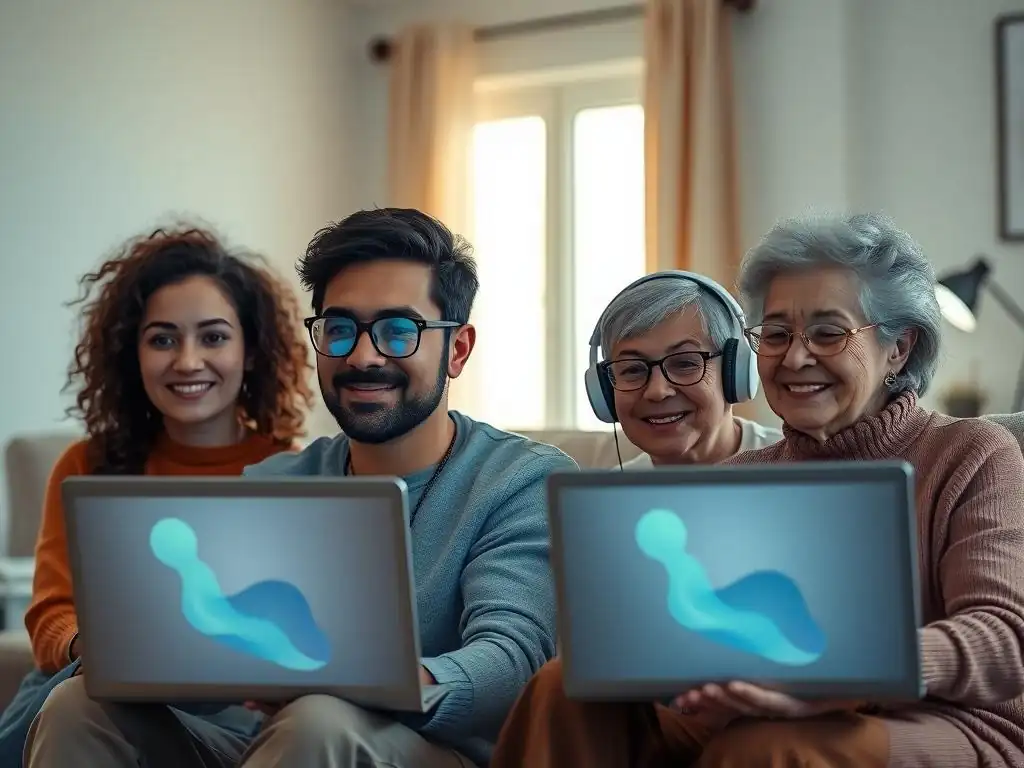
Video conferencing therapy is perhaps the most popular and widely used format in online counseling. It closely mimics the experience of traditional therapy by allowing the client and therapist to see and hear each other in real-time via a secure video link. This format facilitates the reading of non-verbal cues, body language, and facial expressions, which are important components of therapeutic communication.
Platforms dedicated to teletherapy often provide their own integrated video conferencing tools designed with privacy and security in mind, rather than relying on general-purpose video chat applications. This ensures compliance with health data regulations. Video therapy offers a strong sense of connection and presence, making it suitable for a wide range of therapeutic modalities and conditions, and it is a core component of the online counseling accessibility benefits offered by many platforms.
Text-Based Therapy: Convenient and Immediate Support
Text-based therapy, often delivered through secure messaging within a platform's app or website, offers a different kind of accessibility and convenience. This format allows clients to write messages to their therapist at any time, day or night, and receive responses typically within a certain timeframe (e.g., once or twice daily, depending on the plan). It doesn't require scheduling a specific live session time.
This can be particularly beneficial for individuals who prefer processing their thoughts in writing, have difficulty expressing themselves verbally, or need flexibility outside of scheduled appointments. It also provides a continuous thread of communication, allowing clients to share thoughts or experiences as they happen. While it lacks the immediate back-and-forth of live sessions, it offers a unique form of support that fits certain lifestyles and preferences, expanding the reach of online counseling accessibility benefits.
Audio-Only Therapy: A Comfortable Option for Some
Audio-only therapy, conducted via phone call or voice chat within a secure platform, serves as a middle ground between text-based and video therapy. It allows for real-time verbal communication without the visual component. This can be preferred by individuals who might feel self-conscious on video, have limited bandwidth for video streaming, or simply feel more comfortable expressing themselves verbally without the added visual element.
Phone sessions offer flexibility as they can be taken from virtually anywhere with a reliable phone signal or internet connection for voice chat. While non-verbal visual cues are absent, the therapist can still focus on tone of voice and other auditory cues. This format adds another layer to the diverse ways online counseling can be accessed, catering to different client needs and preferences, further enhancing the online counseling accessibility benefits.
Exploring Platform Features: BetterHelp, Talkspace, and Amwell
The online counseling landscape includes various platforms, each with its own model and features. BetterHelp is known for its subscription model offering unlimited messaging plus scheduled live sessions (video, phone, or chat). It matches clients with therapists based on their needs and preferences. Talkspace also uses a subscription model, primarily focusing on unlimited text, audio, and video messaging, with options for live video sessions.
Amwell (formerly American Well) is another prominent platform, often partnering with employers and health plans. It typically offers scheduled live video sessions with licensed therapists, psychiatrists, and other healthcare professionals, often on a per-session basis or through employer-sponsored benefits. Exploring these different platforms and their features is key to understanding the range of online counseling accessibility benefits available and finding the service that best fits individual needs and budget.
Choosing the Right Online Counselor or Therapist
Credentials and Qualifications: Ensuring Professional Care
When selecting an online counselor or therapist, verifying their credentials and qualifications is paramount, just as it would be for an in-person therapist. Ensure the professional is licensed to practice independently in your state or region. Licensing ensures they have met the necessary educational requirements, completed supervised clinical hours, and passed examinations demonstrating their competence.
Look for their specific license type (e.g., Licensed Professional Counselor - LPC, Licensed Clinical Social Worker - LCSW, Licensed Marriage and Family Therapist - LMFT, Psychologist - Ph.D. or Psy.D.). Reputable online platforms make therapist credentials easily accessible on their profiles. Don't hesitate to ask about their experience, areas of specialization, and therapeutic approach. Prioritizing qualified professionals is essential to receiving effective care and maximizing the potential online counseling accessibility benefits.
Matching Your Needs with a Therapist's Specialization
Therapists often specialize in specific areas, such as anxiety, depression, trauma, relationship issues, or specific therapeutic modalities like CBT, Dialectical Behavior Therapy (DBT), or psychodynamic therapy. Choosing a therapist whose specialization aligns with your reasons for seeking therapy can significantly impact the effectiveness of the treatment.
Most online platforms allow you to filter therapists by their areas of expertise, therapeutic approaches, gender, age, and other preferences. Take the time to read therapist profiles and understand their background and focus. For example, if you are seeking help for trauma, finding a therapist trained in Eye Movement Desensitization and Reprocessing (EMDR) or Trauma-Focused CBT might be beneficial. Matching your needs with a therapist's expertise is a crucial step in finding the right fit within the diverse options offered by online counseling.
Trial Sessions and Initial Consultations: Finding the Right Fit
The therapeutic relationship, or rapport, between a client and therapist is a key predictor of successful outcomes. Even with a qualified therapist specializing in your area, personal chemistry matters. Many therapists and platforms offer a brief initial consultation or allow for a trial session to help you determine if the therapist is a good fit for you.
Use this opportunity to gauge your comfort level with the therapist's communication style, ask questions about their approach, and discuss your goals for therapy. It's okay if the first therapist you connect with isn't the right match; finding someone you feel comfortable opening up to is essential. Don't feel pressured to stick with the first therapist you try. The ease of switching therapists on many online platforms can actually be seen as one of the online counseling accessibility benefits, allowing you to find your best match more easily.
Optimizing Your Online Counseling Experience
Creating a Private and Comfortable Therapy Space
Having a dedicated, private, and comfortable space for your online therapy sessions is crucial for a positive experience. This space should be free from distractions and where you can speak openly without being overheard by family members, roommates, or colleagues. A quiet room with a closed door is ideal.
Ensure the lighting is adequate, and consider using headphones, especially if others are nearby or if you are concerned about privacy. Making your space comfortable can also help you relax and focus on the session. This preparation helps create an environment conducive to therapeutic work, ensuring you can fully engage with your therapist and make the most of the online counseling accessibility benefits.
Technical Considerations: Reliable Internet and Devices
Reliable technology is fundamental to successful online counseling. Ensure you have a stable internet connection with sufficient bandwidth, especially for video sessions. A weak connection can lead to dropped calls, frozen screens, and frustration, disrupting the therapeutic flow. Test your internet speed beforehand if possible.
You will also need a suitable device – a computer, tablet, or smartphone – with a working camera (for video), microphone, and speakers or headphones. Ensure your device is charged and any necessary software or apps are installed and updated before your session. Resolving technical issues ahead of time minimizes stress and allows you to focus entirely on your therapy session.
Communicating Effectively with Your Online Therapist
Effective communication is a two-way street in online therapy. Be open and honest with your therapist about your thoughts, feelings, and experiences. Share your goals and what you hope to gain from therapy. If you encounter any issues with the online format, technology, or your comfort level, communicate these openly with your therapist.
Similarly, therapists should clearly explain their approach, session structure, and how they can be contacted between sessions if applicable. Don't hesitate to ask clarifying questions or seek further explanation if something is unclear. Providing feedback on what feels helpful or unhelpful can also allow the therapist to tailor their approach to better meet your needs within the online setting. Clear communication enhances the therapeutic alliance and ensures you are maximizing the online counseling accessibility benefits.
The Future of Accessible Mental Healthcare: Online Counseling's Role
The Integration of Technology and Mental Well-being
The integration of technology into mental healthcare is set to deepen, with online counseling playing a central role. As digital literacy increases and technology becomes more sophisticated, online platforms will likely offer even more seamless and personalized experiences. This integration extends beyond live sessions to include mental wellness apps, digital mood trackers, virtual reality therapy components, and AI-powered support tools, all working together to create a more connected and accessible mental health ecosystem.
This technological evolution isn't about replacing human therapists but augmenting their reach and capabilities. Technology can help manage administrative tasks, provide supplementary resources, and collect data that can inform treatment. The synergy between human expertise and technological tools is paving the way for more flexible, data-driven, and personalized mental health support, further expanding the scope of online counseling accessibility benefits.
Expanding Access to Underserved Communities
One of the most promising aspects of online counseling's future is its potential to expand access to underserved communities. This includes individuals in remote areas, those with limited mobility, people with demanding schedules, minority groups who may face cultural barriers in traditional settings, and individuals with lower incomes. As platforms evolve and potentially offer more tiered pricing or integrate more broadly with public health initiatives, the cost barrier may continue to decrease for some.
Efforts are also underway to address the digital divide, ensuring that more people have the necessary internet access and devices to utilize online services. Furthermore, training more culturally competent therapists who can practice online can help reach diverse populations who may feel more comfortable connecting with a therapist who understands their background. These developments are key to realizing the full potential of online counseling accessibility benefits for all.
AI and Personalized Mental Health: Future Trends in Online Counseling
Artificial intelligence (AI) is beginning to influence the mental health landscape, particularly in the online space. While AI is not a substitute for human therapy, it is being explored for various applications, such as providing initial mental health assessments, offering guided self-help exercises, analyzing communication patterns to assist therapists, or providing support during crises when a human therapist is unavailable.
The future may see AI integrated into online counseling platforms to offer more personalized therapeutic experiences, perhaps suggesting specific coping strategies based on user input or helping clients track their progress more effectively. While ethical considerations and the need for human oversight are crucial, AI has the potential to make mental health support even more responsive, personalized, and widely available, adding another layer to the evolving online counseling accessibility benefits.
Frequently Asked Questions
How does Connect and Cope address the issue of accessibility in mental health care?
This article focuses on how online counseling dramatically increases accessibility to therapy by removing barriers like location and scheduling conflicts. It highlights the benefits of remote sessions in reaching a broader audience.
What are some specific online counseling accessibility benefits highlighted in the Connect and Cope article?
The article emphasizes benefits like increased convenience, reduced travel time and costs, and access to a wider range of therapists. It also notes the potential for greater comfort and anonymity for some individuals.
How does Connect and Cope suggest that online counseling improves access for individuals in rural or underserved areas?
The article explains that online platforms bridge geographical gaps, allowing individuals in remote locations to connect with qualified therapists. This is particularly crucial for those with limited access to traditional in-person services.
While the article primarily focuses on the benefits, it implicitly acknowledges that reliable internet access and digital literacy are necessary for effective participation. These can be limitations for some.
How can Connect and Cope's information help someone decide if online counseling is a suitable option for their mental well-being needs?
The article provides a clear overview of online counseling accessibility benefits, enabling individuals to assess if the convenience, flexibility, and increased access align with their specific circumstances and preferences for therapy.
Final Reflection: Bridging the Gap to Mental Wellness
The accessibility of mental healthcare is no longer a luxury; it's a necessity. The rising prevalence of mental health challenges, coupled with persistent systemic barriers to traditional therapy, underscores the critical importance of innovative solutions like online counseling. This readily available and increasingly affordable option is revolutionizing how individuals access the support they need to thrive.
The shift towards online therapy has profoundly impacted the cultural landscape, dismantling geographical limitations and challenging the stigma surrounding mental health. It's allowed individuals in remote areas, those with mobility issues, or those facing financial constraints to engage in therapy, fostering a more inclusive and equitable approach to mental wellness. The greatest barrier to mental health care is not the lack of resources, but the lack of access.
This quote highlights the power of online counseling to break down those barriers and make professional help a tangible reality for a wider population. This personal connection, forged through a screen, has been a powerful force for positive change in my own life and the lives of countless others.
Consider the impact online counseling has had on your own life, or the lives of those around you. Perhaps you know someone who has benefited from this increased accessibility. Now, I challenge you to take a moment to reflect on the potential of this technology to further improve mental healthcare.
Share your experiences, advocate for increased access to online therapy resources in your community, or simply reach out to someone you know who might benefit from this vital support. The journey to better mental health begins with a single step, and online counseling can be that crucial first step for many.
Unlock Your Well-being: Start Your Therapy Journey Today!
Thanks for taking the time to learn about the benefits of online counseling. We hope this article helped you understand how accessible and effective therapy can be. Now, let's take the next step towards improved mental well-being!
- Schedule a free consultation: Many online therapy platforms offer initial consultations to help you find the right therapist and discuss your needs. This is the most important step towards starting your journey.
- Explore different therapy styles: Research the various approaches to therapy (CBT, DBT, etc.) to find one that resonates with you. This empowers you to actively participate in your healing process.
- Share this article with someone who might benefit: Let's break down the stigma surrounding mental health and encourage others to prioritize their well-being.
What specific step will you take today to prioritize your mental health?