
Digital vs. Traditional: Comparing the Effectiveness of Online Counseling

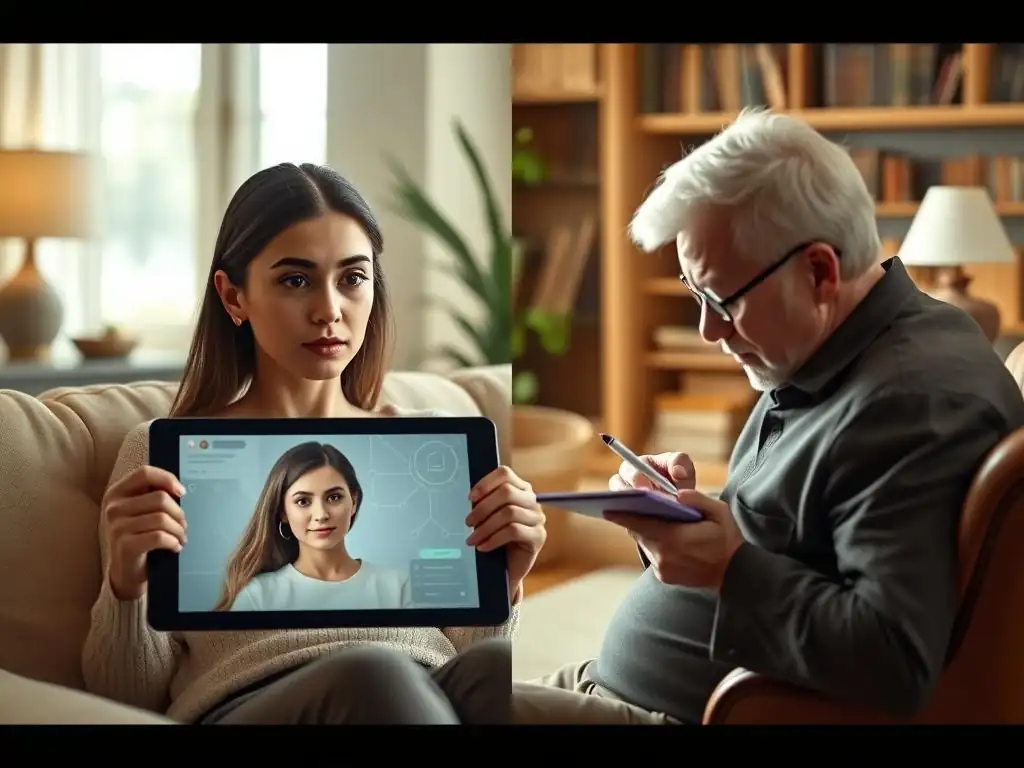
Welcome to Mind Care Guide, your sanctuary for navigating the complexities of mental well-being. Feeling overwhelmed by the choices in mental healthcare? You're not alone. Many are now exploring the benefits of digital solutions. Dive into our insightful comparison of online counseling effectiveness and discover which approach, digital or traditional, might be the best fit for your unique journey. Uncover the facts, dispel the myths, and empower yourself to make informed decisions. Ready to explore?
- Digital vs. Traditional Counseling: An Effectiveness Comparison
- Understanding Traditional Counseling
- Exploring Digital Counseling: Online Therapy Options
- Effectiveness Comparison: Digital vs. Traditional
- Addressing Specific Mental Health Conditions
- Choosing the Right Approach: Factors to Consider
- Overcoming Challenges in Online Counseling
- The Future of Mental Healthcare: Integrating Digital and Traditional Approaches
- Conclusion: Making an Informed Decision
-
Frequently Asked Questions
- How does the effectiveness of online counseling compare to traditional, in-person therapy?
- What are the primary benefits of online counseling that contribute to its effectiveness?
- Are there any specific mental health conditions for which online counseling is shown to be particularly effective?
- What are some potential drawbacks of online counseling that might impact its overall effectiveness?
- How can individuals ensure they are receiving effective online counseling and maximize its benefits?
- Final Reflection: Bridging the Gap: The Future of Mental Healthcare
- Unlock Your Mental Wellness Journey: Next Steps
Digital vs. Traditional Counseling: An Effectiveness Comparison
Introduction: The Evolving Landscape of Mental Healthcare
The way we access support for our mental well-being has undergone significant transformation in recent years. While traditional in-person therapy has been the cornerstone of mental healthcare for decades, the rise of digital technologies has introduced new possibilities. Online counseling, often referred to as teletherapy or e-therapy, has emerged as a prominent alternative, offering therapy sessions through various digital platforms. This shift prompts an important question for individuals seeking help: how does the effectiveness of online counseling compare to traditional face-to-face methods? Understanding this comparison is crucial for making informed decisions about your mental health journey.
As technology continues to integrate into nearly every aspect of our lives, its application in healthcare, particularly mental health, is expanding rapidly. This evolution is driven by factors like increased internet access, advancements in video conferencing technology, and a growing need for more accessible and flexible mental health services. The online counseling effectiveness comparison is not just an academic exercise; it has real-world implications for countless individuals who may face barriers to traditional care, whether due to location, cost, or scheduling challenges. Exploring this comparison helps illuminate the potential benefits and considerations of both approaches.
Understanding Traditional Counseling
Defining Traditional In-Person Therapy
Traditional in-person therapy involves meeting face-to-face with a licensed mental health professional in a physical office setting. This format has been the standard for psychotherapy and counseling for over a century. Sessions typically occur weekly or bi-weekly and last for a standard duration, often 50 minutes. The core of traditional therapy lies in the direct, physical presence of both the therapist and the client, fostering a unique dynamic built on personal interaction within a controlled environment.
This model of therapy encompasses various approaches, including cognitive behavioral therapy (CBT), psychodynamic therapy, dialectical behavior therapy (DBT), and humanistic therapies, all delivered through direct interaction. The physical setting provides a consistent, private space free from potential distractions of daily life, which many find conducive to deep introspection and open communication. The therapist's office serves as a dedicated sanctuary for healing and growth, distinct from the client's home or workplace.
Key Features of Traditional Counseling Sessions
Traditional counseling sessions are characterized by several distinct features that contribute to their therapeutic process. One primary feature is the non-verbal communication that is readily apparent in a face-to-face setting. Therapists can observe subtle cues like body language, facial expressions, and tone of voice in real-time, providing rich data that informs their understanding of the client's emotional state and responses. This direct observation allows for immediate, nuanced feedback and adjustments to the therapeutic approach.
Another key feature is the consistent, dedicated time and space away from the client's usual environment. Arriving at a therapist's office signifies a transition into a therapeutic mindset, separating the session from daily stressors. This ritual of attending therapy physically can reinforce commitment and provide a clear boundary between therapeutic work and everyday life. The physical presence also allows for the use of in-session tools or activities that might involve physical objects or shared space, although this varies greatly depending on the therapeutic modality.
Benefits of Face-to-Face Interaction in Therapy
One of the most cited benefits of face-to-face interaction in therapy is the potential for building a strong therapeutic alliance. The physical presence allows for a more immediate and perhaps intuitive sense of connection and trust between the client and therapist. Subtle non-verbal cues, the shared physical space, and the direct exchange of energy can contribute significantly to the feeling of being truly seen and understood, which is foundational for effective therapy across many modalities. Research consistently highlights the therapeutic alliance as a strong predictor of positive outcomes, and many believe face-to-face interaction facilitates this connection uniquely.
Furthermore, certain therapeutic techniques are often considered more impactful or easier to implement in person. For example, techniques involving physical grounding exercises, specific art therapy methods, or psychodrama elements often rely on the shared physical environment. While adaptations exist for online platforms, the original design and typical delivery of some interventions are rooted in the face-to-face dynamic. The ability to directly read and respond to a client's emotional state through immediate physical presence can also be invaluable, particularly in moments of intense emotion or crisis.
Limitations of Traditional Counseling: Accessibility and Cost
Despite its long-standing effectiveness, traditional counseling faces significant limitations, particularly regarding accessibility and cost. For many individuals, geographic location poses a major barrier. Living in rural areas, having limited transportation, or residing far from suitable therapists' offices can make regular in-person sessions difficult or impossible. This geographic constraint significantly impacts access to care, especially for specialized therapy types or therapists with specific expertise.
Cost is another substantial limitation. Traditional therapy sessions can be expensive, often ranging from $100 to $250 per session, depending on the location, therapist's experience, and insurance coverage. While insurance can offset some costs, high deductibles, co-pays, or limited mental health coverage can still make consistent therapy financially burdensome for many. The time commitment, including travel to and from appointments, also represents a hidden cost, impacting work schedules and daily responsibilities. These factors collectively contribute to a significant portion of the population struggling to access or maintain traditional mental healthcare.
Exploring Digital Counseling: Online Therapy Options
What is Online Counseling and How Does It Work?
Online counseling, also known as teletherapy, e-therapy, or virtual therapy, provides mental health services remotely using digital communication technologies. Instead of meeting in a physical office, clients connect with therapists through the internet. This can involve scheduled appointments conducted via video conferencing, much like a virtual face-to-face meeting, or asynchronous communication through secure messaging platforms. The core principle is to deliver therapeutic support and interventions without the need for physical proximity.
The process typically begins with a client finding a therapist or platform that offers online services. After an initial consultation or intake process, sessions are scheduled. For video sessions, both client and therapist log into a secure platform at the appointed time. Messaging-based therapy allows clients to send messages, thoughts, or updates to their therapist at any time, with the therapist responding within a certain timeframe (e.g., once or twice per day). The delivery method is digital, but the therapeutic goals and processes often mirror those of traditional therapy, focusing on diagnosis, treatment planning, and therapeutic interventions.
Different Modalities of Online Therapy (e.g., video, chat, phone)
Online counseling is delivered through several distinct modalities, offering flexibility to suit different preferences and needs. Video conferencing is perhaps the most popular, closely mimicking the face-to-face experience by allowing clients and therapists to see and hear each other in real-time. Platforms like Zoom, Doxy.me, or specific telehealth portals are commonly used, often built with enhanced security features to protect privacy. This modality allows for observation of visual cues, which can be important for therapeutic rapport and assessment.
Other modalities include phone calls, which eliminate the visual element but still provide real-time auditory interaction. This can be suitable for clients who prefer not to be on camera or have limited bandwidth. Text-based therapy, delivered via secure chat or messaging platforms, offers an asynchronous option.
Clients can write out their thoughts and feelings without the pressure of immediate response, and therapists reply when they are available. Some platforms also offer live chat sessions, which are real-time text conversations. The choice of modality can impact the dynamic and effectiveness for different individuals and conditions, and the online counseling effectiveness comparison often considers these varying formats.
Advantages of Online Counseling: Convenience and Affordability
Online counseling offers significant advantages, particularly in terms of convenience and affordability, addressing key limitations of traditional therapy. Convenience is paramount; clients can attend sessions from the comfort and privacy of their own homes, offices, or any location with a stable internet connection. This eliminates travel time and costs, reduces the need to take extended breaks from work or other responsibilities, and makes scheduling much more flexible. For individuals with mobility issues, chronic illness, or caregiving responsibilities, the ability to access therapy remotely is a major benefit.
Affordability is another compelling advantage. While costs vary, online therapy platforms and individual online therapists often charge less per session than their traditional counterparts. This can be due to lower overhead costs for therapists (no office rent, utilities, etc.) and the business models of some larger online therapy platforms.
Estimates suggest online therapy can be 10% to 40% less expensive than in-person sessions. Furthermore, the elimination of travel costs and time off work adds to the overall financial savings for the client, making therapy more accessible for those on a budget. This financial aspect is a critical factor in the online counseling effectiveness comparison from a practical perspective.
Addressing Concerns about Online Counseling: Security and Privacy
Despite its advantages, online counseling raises valid concerns regarding security and privacy, which must be carefully addressed. When engaging in online therapy, sensitive personal and health information is transmitted over the internet, making it potentially vulnerable to breaches or unauthorized access if proper security measures are not in place. Clients worry about their sessions being intercepted, recorded, or their data being improperly stored or shared.
Reputable online therapy platforms and licensed therapists offering online services mitigate these risks by using encrypted connections, secure servers, and HIPAA-compliant software (in the United States, or equivalent standards elsewhere). They implement strict data protection policies and train staff on privacy protocols.
However, clients also bear responsibility for ensuring their own environment is private during sessions and that their personal devices and internet connections are secure. While risks exist, adherence to professional and technical standards significantly enhances the safety and confidentiality of online therapy sessions, bringing the level of privacy closer to that expected in traditional settings when done correctly.
Effectiveness Comparison: Digital vs. Traditional

Comparing Therapeutic Outcomes
When conducting an online counseling effectiveness comparison, a primary focus is on therapeutic outcomes: whether clients achieve similar results in managing symptoms, improving functioning, and achieving their therapeutic goals regardless of the delivery method. Numerous studies and meta-analyses have been conducted to investigate this.
Research Studies on Online Counseling Effectiveness
Extensive research over the past two decades has explored the effectiveness of online counseling across various mental health conditions. Meta-analyses, which synthesize findings from many individual studies, generally indicate that online therapy can be as effective as traditional in-person therapy for many common conditions, including depression and anxiety disorders. For instance, a 2014 meta-analysis published in the Journal of Affective Disorders found that online CBT was just as effective as face-to-face CBT for treating depression.
Subsequent studies have supported these findings, suggesting comparable outcomes for a significant portion of the client population. While the body of evidence is still growing, particularly for less common or more severe conditions, the existing research provides strong support for the efficacy of online modalities for many individuals seeking help.
Specific studies have also looked at different online formats. Research published in the World Journal of Psychiatry in 2013, for example, reviewed studies on internet-delivered CBT and concluded it was effective for various anxiety disorders, including panic disorder and social anxiety disorder. While outcomes can vary depending on the specific condition, the platform used, and the individual client, the overall picture painted by research is positive, demonstrating that the lack of physical presence does not inherently diminish the potential for positive change in therapy.
The Impact of Therapeutic Alliance in Digital Settings
A critical factor in the effectiveness of any therapy is the strength of the therapeutic alliance, the collaborative and trusting relationship between client and therapist. Concerns were initially raised about whether this vital connection could be effectively built and maintained in a digital environment without the benefit of physical presence and all its non-verbal cues.
However, research and clinical experience suggest that a strong therapeutic alliance is indeed achievable in online settings. Studies using standardized measures of therapeutic alliance have found that clients report similar levels of rapport, trust, and collaboration with online therapists as with in-person therapists. For example, a study published in the journal Psychotherapy (Chicago) in 2011 found no significant difference in client-rated therapeutic alliance between online and face-to-face therapy for depression.
Therapists and clients adapt to the digital medium, learning to utilize verbal communication, tone of voice, and visible facial expressions via video to build connection. While it may feel different than in-person interaction, it does not appear to be inherently less effective for forming a working therapeutic relationship for many individuals.
Accessibility and Affordability: A Key Differentiator
While comparing therapeutic outcomes is essential, the practical factors of accessibility and affordability are where online counseling often demonstrates clear advantages, significantly impacting who can access care. These factors are crucial components of the online counseling effectiveness comparison when viewed through the lens of public health and equity.
Reaching Underserved Populations
Online counseling has proven particularly effective in reaching populations that have historically been underserved by traditional mental healthcare models. This includes individuals in rural or remote areas with limited local mental health resources, people with physical disabilities or chronic illnesses that make travel difficult, and those with significant social anxiety or agoraphobia who find leaving home challenging. For these groups, online therapy removes major logistical barriers, providing access to licensed professionals they otherwise might not be able to see.
Furthermore, online platforms can sometimes offer greater access to therapists with specific cultural backgrounds, language proficiencies, or expertise in niche areas that may not be available locally. This expanded reach means that individuals who previously had limited or no access to appropriate mental health support can now connect with qualified providers, potentially leading to significant improvements in their well-being. The ability to connect with a therapist who truly understands their unique needs is a powerful aspect of increased accessibility.
Cost-Effectiveness
As mentioned earlier, online counseling is often more cost-effective than traditional therapy. This difference in cost can be a deciding factor for many individuals and families when considering whether they can afford consistent mental healthcare. Lower session fees, combined with savings on travel, parking, and potentially less time taken off work, reduce the overall financial burden of therapy.
For someone needing weekly therapy over several months, the cumulative savings from choosing an online option can be substantial. For example, if an online session costs $120 compared to a traditional $180 session, that's a $60 saving per week. Over a year of weekly sessions, this amounts to over $3000 in savings, a significant amount that makes long-term therapy a more viable option for individuals with limited financial resources. This improved affordability directly impacts the effectiveness of care by making it sustainable for more people.
Convenience and Flexibility: Fitting Therapy into Your Lifestyle
Beyond cost and basic accessibility, the sheer convenience and flexibility offered by online counseling are major benefits that can enhance engagement and adherence to therapy. These practical advantages play a role in the overall online counseling effectiveness comparison by making it easier for clients to prioritize and consistently attend sessions.
Scheduling and Time Management Benefits
Online counseling offers unparalleled flexibility in scheduling. Clients are not limited by a therapist's office hours or the need to find a time when they can travel to an appointment. Sessions can often be scheduled during lunch breaks, in the evenings after work, or at times that fit seamlessly into a busy schedule. This ease of scheduling reduces the likelihood of missed appointments due to logistical conflicts, promoting greater consistency in therapy.
The elimination of travel time is a significant time-saver. A traditional appointment might require 30-60 minutes of travel each way, plus the session time, totaling 2-3 hours out of a day. An online session effectively takes only the session time, typically 50-60 minutes. This allows individuals to more easily integrate therapy into demanding work or family schedules without causing major disruptions, making it a more practical option for many.
Overcoming Geographic Barriers
The most obvious aspect of convenience is the complete removal of geographic barriers. Whether living in a remote village, a different state, or even a different country (subject to licensing laws), clients can connect with a therapist of their choice as long as the therapist is licensed to practice in their location. This opens up a vast pool of potential therapists, allowing clients to find the best fit for their specific needs and preferences, rather than being limited to providers within a commutable distance.
This ability to choose from a wider range of therapists is particularly beneficial for individuals seeking specialized care for specific conditions or those looking for a therapist with a particular cultural background or therapeutic approach. It empowers clients to find the most appropriate help, regardless of where they live, thereby improving the potential quality and effectiveness of their therapeutic experience.
Addressing Specific Mental Health Conditions
The applicability and online counseling effectiveness comparison can vary somewhat depending on the specific mental health condition being addressed. While research generally shows broad effectiveness, it's helpful to look at common conditions individually.
Online Therapy for Anxiety Disorders
Online therapy, particularly using Cognitive Behavioral Therapy (CBT) principles, has shown significant effectiveness in treating various anxiety disorders, including Generalized Anxiety Disorder (GAD), Panic Disorder, Social Anxiety Disorder, and specific phobias. Many online platforms offer structured CBT programs specifically designed for anxiety.
Studies have repeatedly demonstrated comparable outcomes between online CBT and in-person CBT for anxiety. For example, a 2018 review in JAMA Psychiatry found internet-delivered CBT to be effective for reducing anxiety symptoms. The structured, educational nature of CBT, focusing on identifying and challenging anxious thoughts and gradually exposing individuals to feared situations (which can sometimes be simulated or planned effectively online), translates well to a digital format. The convenience of online sessions can also make it easier for individuals with severe anxiety, particularly social anxiety or agoraphobia, to initiate and attend therapy consistently without the stress of leaving home.
Digital Counseling for Depression
Similar to anxiety, online therapy has demonstrated effectiveness in treating depression, ranging from mild to moderate severity. CBT, Interpersonal Therapy (IPT), and other evidence-based approaches are successfully delivered online for depressive symptoms.
Numerous studies, including meta-analyses like the one mentioned earlier in the Journal of Affective Disorders, support the conclusion that online therapy can lead to significant reductions in depressive symptoms comparable to traditional therapy. The accessibility and convenience of online sessions can be particularly beneficial for individuals struggling with the low energy, lack of motivation, and feelings of isolation often associated with depression, making it easier for them to engage in treatment consistently.
While severe depression or those with suicidal ideation may require a higher level of care that includes in-person components or crisis services, online therapy serves as a valuable and effective option for many experiencing depression.
Treating Trauma and PTSD
The effectiveness of online therapy for trauma and PTSD is a more complex area, though promising research is emerging. While some trauma-focused therapies, like Prolonged Exposure (PE) or Eye Movement Desensitization and Reprocessing (EMDR), were traditionally delivered in person, adaptations for online delivery are being developed and studied.
Initial research suggests that online delivery of trauma-focused therapies like CBT for PTSD can be effective for some individuals. A 2017 study in JAMA Psychiatry found that internet-delivered PE was effective for reducing PTSD symptoms. However, treating trauma requires a strong therapeutic alliance and careful management of emotional responses.
Some therapists and clients may feel more comfortable addressing deeply sensitive and potentially overwhelming trauma material in the physical presence of a therapist. The suitability of online therapy for trauma depends heavily on the individual's specific trauma history, symptom severity, coping mechanisms, and the therapist's experience and training in delivering trauma-focused care online. It is crucial for both therapist and client to carefully assess whether online therapy is the appropriate modality for complex trauma.
Online Support for Relationship Issues
Online counseling is also frequently used for relationship issues, including couples therapy. While the dynamic of having multiple people in a virtual room can differ from a physical one, video conferencing allows partners or family members to participate from different locations if needed, which can be a significant advantage for those with conflicting schedules or who live apart.
Effectiveness research on online couples therapy is still relatively nascent compared to individual therapy, but initial findings are encouraging. Studies suggest that online couples therapy can help improve communication, resolve conflicts, and strengthen relationships. For example, a 2020 study published in the Journal of Marital and Family Therapy reviewed existing research and concluded that videoconference-based couples therapy appears promising.
The ability to participate from a comfortable, familiar environment might even reduce some of the initial tension or anxiety associated with discussing difficult topics in a therapist's office. Success in online couples therapy, as in individual therapy, relies heavily on the therapist's skill and the active engagement of both partners.
Choosing the Right Approach: Factors to Consider
Deciding between online and traditional counseling is a personal choice with no single right answer. Understanding the online counseling effectiveness comparison is helpful, but the best approach depends on your unique circumstances and needs.
Your Individual Needs and Preferences
Your personal comfort level and preferences are paramount. Some people feel more at ease and able to open up in the physical presence of a therapist, valuing the non-verbal communication and the distinct space of a therapy office. Others find the anonymity and convenience of online therapy more appealing, feeling less inhibited when participating from their own environment. Consider how you best communicate and whether you feel you can build a strong, trusting relationship with a therapist through a screen. Reflect on what kind of environment makes you feel safest and most able to engage in deep personal work.
Think about your lifestyle and logistical needs. Do you have a busy schedule that makes travel difficult? Do you live far from potential therapists? Are you comfortable using technology for sensitive conversations? Your answers to these questions can strongly point you towards one modality over the other. There is no inherent superiority; it is about finding the format that best supports your engagement and therapeutic process.
The Severity of Your Mental Health Condition
The severity and nature of your mental health condition are important factors in determining the most appropriate therapy format. For mild to moderate anxiety, depression, or adjustment issues, online therapy is often highly effective and a convenient starting point.
However, for severe mental illness, conditions requiring intensive support (like severe eating disorders or psychosis), or situations involving immediate crisis or significant safety risks (like active suicidal ideation with intent or plan), traditional in-person therapy or a higher level of care may be more suitable or even necessary. The immediate availability of in-person support and the ability for a therapist to directly assess risk in a shared physical space can be critical in these situations.
While some online platforms offer crisis support, the standard format is generally best suited for conditions where the client is stable and able to manage their immediate safety.
The Importance of a Qualified and Licensed Therapist
Regardless of whether you choose online or traditional counseling, the most crucial factor for effectiveness is working with a qualified, licensed, and ethical mental health professional. Licensing ensures the therapist has met educational requirements, passed examinations, and adheres to professional standards and ethics.
When seeking online therapy, verify that the therapist is licensed to practice in your location. Licensing requirements vary by state or country, and a therapist must be authorized to provide services where you are physically located during the session. Research their credentials, experience, and therapeutic approach. A skilled therapist, whether online or in-person, will prioritize your safety, confidentiality, and therapeutic goals, adapting their methods to the chosen modality while maintaining professional standards. The therapist's competence and the quality of the therapeutic relationship are often more significant predictors of success than the delivery method itself.
Considerations for Choosing Between Modalities
Beyond the core factors, consider practicalities like your internet connection reliability if opting for online therapy – poor connection can disrupt sessions and be frustrating. Ensure you have a private, comfortable space free from interruptions for online sessions.
Consider the therapeutic approach you need. While many modalities are adapted for online, some niche or experiential therapies might be more challenging or less effective remotely. Discuss the modality with potential therapists during initial consultations. They can often provide insight into whether their approach translates well to online sessions and whether they believe it would be a good fit for your specific needs and condition, contributing to a more informed online counseling effectiveness comparison for your personal situation.
Overcoming Challenges in Online Counseling

While convenient and often effective, online counseling does present unique challenges that clients and therapists must navigate. Being aware of these challenges is key to maximizing the benefits of digital therapy.
Building Trust and Rapport in a Virtual Setting
One challenge is intentionally building trust and rapport without the benefit of physical presence. While research shows it's possible, some individuals or therapists may initially find it more challenging to establish the same depth of connection as in person.
To overcome this, therapists often make conscious efforts to enhance their "web-side manner," focusing on active listening, empathetic verbal responses, and maintaining eye contact with the camera. Clients can also contribute by being in a focused environment, minimizing distractions, and actively engaging verbally. Open communication about the process and any discomfort with the virtual format is essential. Recognizing that the connection may develop differently, but can still become strong and supportive, helps manage expectations.
Ensuring Privacy and Security of Your Data
Maintaining privacy and security is paramount in online counseling. While platforms use encryption, the risk of data breaches or unauthorized access, however small, is inherent in digital transmission. Clients also face privacy challenges in their own environment.
Clients should ensure they are using a secure, private network (avoiding public Wi-Fi) and are in a room where they cannot be overheard or interrupted. Using headphones can enhance privacy. Therapists must use HIPAA-compliant platforms and educate clients on security best practices. Openly discussing confidentiality and how data is stored and protected at the outset builds trust and addresses potential concerns. Awareness and proactive measures by both parties are crucial for safeguarding sensitive information.
Addressing Technical Issues
Technical glitches – poor internet connection, software malfunctions, camera or microphone problems – can disrupt the flow of an online session, causing frustration and potentially impacting the therapeutic process. These issues are unique to the digital format and can detract from the focus on mental health.
Both clients and therapists should try to use reliable equipment and internet connections. Having a backup plan, such as switching to a phone call if video fails, is advisable. Starting the session a few minutes early to troubleshoot technology can prevent lost therapy time. Therapists should be prepared to patiently handle technical difficulties and guide clients through solutions, ensuring that technology serves as a bridge to therapy, not a barrier.
The Future of Mental Healthcare: Integrating Digital and Traditional Approaches
The landscape of mental healthcare is likely heading towards a future where digital and traditional approaches are not seen as mutually exclusive but rather as complementary tools in a broader system of care. The online counseling effectiveness comparison will continue to evolve within this integrated model.
Hybrid Models of Therapy
Hybrid models, sometimes called blended care, are becoming more common. These models combine elements of both online and in-person therapy. For example, a client might meet with a therapist in person initially to establish rapport and address complex issues, then transition to online sessions for maintenance or convenience. Or, a client might primarily use online therapy but schedule occasional in-person check-ins.
Hybrid models offer the potential to leverage the benefits of both formats – the depth of connection or suitability for certain techniques in person, combined with the convenience and accessibility of online sessions. This flexibility allows treatment plans to be highly customized to the individual's evolving needs, potentially optimizing both effectiveness and sustainability of care.
The Role of Technology in Expanding Access
Technology's role in mental health is expanding beyond just one-on-one therapy sessions. Mental health apps, online support groups, virtual reality therapy, and AI-powered tools are becoming part of the ecosystem. These technologies can provide supplementary support, psychoeducation, symptom tracking, and even deliver interventions on their own or as part of a blended approach.
This expansion of digital tools is crucial for increasing access to mental health support on a larger scale. It allows for stepped care models, where individuals might start with self-guided digital tools, move to online therapy if needed, and access in-person care for more intensive support. Technology is not just changing how therapy is delivered but is broadening the very definition of mental health support and making it available to more people than ever before.
Future Trends in Digital Mental Health
Looking ahead, future trends in digital mental health are likely to include more sophisticated personalized interventions powered by AI, increased integration of wearable technology to monitor physiological indicators related to stress or mood, and the further development of virtual and augmented reality for exposure therapy and skills training.
There will also likely be continued focus on refining the effectiveness of online modalities for a wider range of conditions and populations, driven by ongoing research and technological advancements. The goal is to create a seamless, accessible, and effective mental healthcare system where digital tools are integrated thoughtfully to complement traditional care, ensuring that everyone can find the support they need in a format that works best for them. The online counseling effectiveness comparison will remain a relevant area of study as these technologies evolve.
Conclusion: Making an Informed Decision
Summarizing the Comparison
The online counseling effectiveness comparison reveals that for many common mental health conditions like anxiety and depression, online therapy can be just as effective as traditional in-person therapy. Both modalities offer the potential for positive therapeutic outcomes and the development of a strong therapeutic alliance.
Where online therapy often demonstrates clear advantages is in its accessibility, affordability, convenience, and flexibility. It removes significant geographic and logistical barriers, can be more cost-effective, and makes fitting therapy into a busy life much easier. However, traditional therapy may be preferred by those who value the physical presence for rapport or for certain complex or severe conditions where immediate in-person assessment or support is critical.
Empowering You to Choose the Best Option
Ultimately, the "best" option is the one that you are most likely to engage with consistently and that meets your individual needs. Consider your comfort with technology, your specific mental health challenges, your financial situation, and your scheduling needs. Don't feel pressured into one format over the other; explore both possibilities.
Speak to potential therapists about their experience with both modalities and discuss which they believe might be a better fit for you. Many therapists offer initial consultations that can help you get a feel for their approach and whether you feel comfortable connecting with them, regardless of the format. Your active participation in choosing your therapy path is itself an empowering step towards better mental well-being.
Resources for Finding Qualified Therapists
Finding a qualified therapist is the first step, whether you choose online or traditional counseling. Numerous resources can help you locate licensed professionals.
- Professional organizations: Websites for national or regional psychological, counseling, or social work associations often have searchable directories of licensed therapists.
- Online therapy platforms: Reputable platforms connect you with licensed therapists who offer services via video, phone, or chat. Research platforms to understand their approach, therapist credentials, and pricing.
- Insurance providers: Contact your health insurance company to get a list of in-network mental health providers, specifying whether you are interested in online or in-person options.
- Referrals: Ask your primary care physician or friends and family if they have recommendations.
When searching, verify licenses, check reviews if available, and consider scheduling brief consultations to find the best fit for your needs and preferences in this important online counseling effectiveness comparison.
Frequently Asked Questions
How does the effectiveness of online counseling compare to traditional, in-person therapy?
Studies suggest that online counseling can be as effective as traditional therapy for many conditions. The key difference lies in accessibility and convenience, not necessarily a decrease in therapeutic benefit.
What are the primary benefits of online counseling that contribute to its effectiveness?
Online counseling offers increased accessibility, convenience, and often, lower costs. This can lead to higher engagement and adherence to treatment plans, ultimately boosting effectiveness.
Are there any specific mental health conditions for which online counseling is shown to be particularly effective?
Online counseling has demonstrated success in treating anxiety, depression, and PTSD, among others. Its effectiveness often depends on the individual's preferences and the specific therapeutic approach used.
What are some potential drawbacks of online counseling that might impact its overall effectiveness?
Some potential drawbacks include technical difficulties, lack of in-person connection, and concerns about privacy and security. These factors can hinder the therapeutic relationship and reduce effectiveness.
How can individuals ensure they are receiving effective online counseling and maximize its benefits?
Choosing a licensed and qualified therapist with experience in online modalities is crucial. Additionally, ensuring a secure and private platform and actively engaging in the therapeutic process are essential for maximizing the benefits and effectiveness of online counseling.
Final Reflection: Bridging the Gap: The Future of Mental Healthcare
The accessibility and affordability of online counseling are revolutionizing mental healthcare, offering a vital lifeline to those who previously lacked access to support. This shift necessitates a critical evaluation of its effectiveness compared to traditional methods, ensuring we leverage the best of both worlds to create a truly comprehensive system of care.
The ongoing debate surrounding the efficacy of online versus in-person therapy highlights a crucial societal need: accessible and personalized mental health support. The convenience and anonymity offered by online platforms have undeniably broadened access, particularly for individuals in rural areas or those facing social stigma. However, the human connection, the subtle nuances of nonverbal communication, remain powerful tools in the therapeutic process. The greatest gift you can give someone is your time, because you are giving a portion of your life that you will never get back.
– Unknown. This quote underscores the importance of both the time commitment and the personal connection inherent in effective therapy, regardless of the medium.
Consider the implications of this ongoing evolution. How can we integrate the strengths of both digital and traditional approaches to create a hybrid model that caters to individual needs? What ethical considerations must we address as technology continues to shape the landscape of mental healthcare? You, the reader, are now empowered to actively participate in this conversation. Reflect on your own experiences, consider the needs of your community, and advocate for a future where mental health support is accessible, affordable, and effective for all.
Unlock Your Mental Wellness Journey: Next Steps
Thanks for taking the time to explore the world of online versus traditional counseling with us! We hope you gained valuable insights into which approach might best suit your needs. Now, it's time to take the next step towards prioritizing your mental health.
- Schedule a free consultation: Many therapists offer brief introductory calls to discuss your specific needs and determine if their approach is a good fit. This is the most important step to finding the right support.
- Explore different online platforms: Research various telehealth options to discover the features and therapists available to you. Consider factors like cost, specialization, and platform ease of use.
- Share your insights: We'd love to hear your thoughts on this comparison. Which approach resonates most with you, and why? Share your perspective in the comments below to help others on their journey.
Ready to begin your path toward improved mental well-being? What’s the first step you’ll take today to prioritize your mental health?