
Online Counseling Explored: Is Virtual Therapy Right for You?


Welcome to Mind Care Guide, your trusted source for navigating the complexities of mental well-being. Feeling overwhelmed by anxiety? You're not alone. Discover the potential of "Online counseling benefits for anxiety" and how virtual therapy might be the key to unlocking a calmer, more centered you. Could this innovative approach be the answer you've been searching for? Let's explore together...
Online Counseling Explored: Is Virtual Therapy Right for You? - Mind Care Guide
- Understanding Online Counseling and its Growing Popularity
- Exploring the Benefits of Online Counseling for Anxiety
- Assessing the Pros and Cons of Online Therapy
- Is Online Counseling Effective? Examining the Research
- Different Types of Online Counseling Available
- How to Choose the Right Online Therapist for Anxiety
- Cost Considerations: Affordability of Online Counseling
- Getting Started with Online Counseling: A Step-by-Step Guide
- Online Counseling for Specific Anxiety Disorders
- Maintaining Your Mental Well-being After Online Counseling
- Final Thoughts: Is Online Counseling Right for You and Your Anxiety?
-
Frequently Asked Questions
- What are the primary online counseling benefits for anxiety, as highlighted in the article?
- How does online counseling address the specific challenges associated with anxiety disorders?
- Is online counseling as effective as traditional face-to-face therapy for treating anxiety?
- What types of online counseling options are available for individuals struggling with anxiety?
- What are some potential drawbacks or limitations of using online counseling for anxiety?
- Final Reflection: Navigating Anxiety in the Digital Age
- Unlock Your Inner Peace: Take the Next Step Towards Better Mental Wellbeing
Understanding Online Counseling and its Growing Popularity
Online counseling, also known as teletherapy or virtual therapy, represents a significant evolution in how mental health support is delivered. Leveraging digital technology, it allows individuals to connect with licensed therapists and counselors remotely, typically through video calls, phone calls, or text-based communication. This format removes geographical barriers and offers a flexible alternative to traditional in-person sessions.
The expansion of internet access and advancements in secure communication platforms have fueled the rapid growth of online counseling. What was once a niche option is now a mainstream choice for many seeking mental health care, driven by its convenience and increasing acceptance by both clients and practitioners. This digital shift is transforming access to support for a wide range of mental health challenges.
What is Online Counseling? Defining Virtual Therapy
Virtual therapy encompasses a broad spectrum of digitally-delivered mental health services. At its core, it involves a licensed mental health professional providing therapeutic interventions to a client via electronic means. This can range from synchronous methods like live video sessions or phone calls, which closely mimic the real-time interaction of in-person therapy, to asynchronous methods such as email or text-based exchanges, allowing for communication at different times.
The definition extends beyond simple communication tools; it requires the use of secure, confidential platforms that comply with health privacy regulations, such as HIPAA in the United States. Therapists conducting virtual sessions are typically licensed in the state or region where the client is located, ensuring adherence to local professional standards and legal requirements. The therapeutic process—including assessment, goal setting, and therapeutic techniques—remains fundamentally the same as in traditional therapy, adapted for the digital medium.
The Rise of Digital Mental Health: Why People Are Choosing Online Therapy
The surge in popularity of digital mental health services is multifaceted, driven by several key factors. One primary motivator is convenience; individuals can attend sessions from the comfort of their home, office, or any private location with an internet connection, eliminating commute time and the need to arrange childcare or take significant time off work. This flexibility makes therapy more accessible for busy professionals, parents, and students.
Another significant factor is accessibility, particularly for those in rural or underserved areas where mental health professionals are scarce. Online platforms bridge geographical gaps, connecting clients with a wider pool of therapists who may specialize in their specific needs. Furthermore, for individuals with mobility issues or physical disabilities, virtual therapy removes barriers posed by physical office spaces. The perceived anonymity of connecting from home can also lower the initial hurdle for some people hesitant to seek help due to stigma.
Exploring the Benefits of Online Counseling for Anxiety
Anxiety disorders are among the most common mental health conditions globally, affecting millions of people. Finding effective support is crucial, and online counseling has emerged as a valuable tool in managing anxiety symptoms. The digital format offers specific advantages that can make therapeutic interventions more accessible and effective for those struggling with excessive worry, panic attacks, social fears, and other forms of anxiety.
The online counseling benefits for anxiety are numerous, addressing not just the symptoms but also the practical challenges that anxiety can create in seeking help. For instance, someone with severe social anxiety might find attending an in-person appointment incredibly daunting, whereas connecting from home feels much safer and manageable. This inherent accessibility is a major advantage when targeting conditions often characterized by avoidance.
Online Counseling Benefits for Anxiety: A Detailed Look
One of the primary online counseling benefits for anxiety is the immediate access to support. When anxiety flares up or feels overwhelming, knowing that a therapy session can be scheduled relatively quickly, sometimes even within the same day or week, provides a sense of relief and proactive coping. Unlike traditional settings where scheduling can be a challenge, the efficiency of online platforms often allows for more timely appointments, fitting into varied schedules with greater ease.
Furthermore, the comfort of the home environment can significantly reduce anxiety levels during sessions themselves. For someone prone to panic attacks or social discomfort, being in a familiar, safe space can make it easier to open up and engage with the therapeutic process. This can lead to more productive sessions, as the individual isn't simultaneously battling the stress of being in an unfamiliar clinical setting. This comfort factor directly enhances the potential effectiveness of the therapy provided virtually.
Reducing Anxiety Symptoms with Virtual Therapy: How it Works
Virtual therapy utilizes evidence-based techniques proven effective for anxiety management, adapting them for the digital format. Cognitive Behavioral Therapy (CBT), for example, a cornerstone in treating anxiety, is highly adaptable to online delivery. Therapists guide clients through identifying negative thought patterns, challenging cognitive distortions, and developing coping strategies, all via video call or secure messaging. Homework assignments, like tracking anxious thoughts or practicing exposure exercises, can be managed and discussed digitally.
Exposure therapy, another effective method for anxiety disorders like phobias or OCD, can also be incorporated. While direct, in-vivo exposure might require creativity in a virtual setting (e.g., facing a fear within one's home environment), therapists can still guide clients through imaginal exposure or discuss real-world exposures they undertake between sessions. The core mechanisms of anxiety reduction – understanding triggers, developing coping skills, and gradually facing fears – are effectively facilitated through virtual interactions, making online mental health support a viable option.
Convenience and Accessibility: Key Advantages of Online Mental Health Support
The unparalleled convenience of online counseling is a major draw, particularly for individuals whose anxiety impacts their ability to leave home or navigate public transport. Scheduling a session requires only an internet connection and a private space, eliminating travel time, parking hassles, and waiting rooms. This ease of access means fewer missed appointments due to logistical challenges or sudden increases in anxiety levels on the day of the session.
Accessibility extends beyond geography and convenience; it also includes reaching specialized therapists. Someone living in a small town might struggle to find a therapist specializing in, say, Obsessive-Compulsive Disorder or health anxiety. Online platforms connect them to experts located anywhere, broadening the options for finding a therapist with the right experience and approach. This expanded access to specialized care significantly enhances the potential for effective treatment for specific anxiety disorders.
Assessing the Pros and Cons of Online Therapy
Like any healthcare service delivery method, online therapy has its distinct advantages and potential drawbacks. Weighing these factors is crucial for individuals considering whether virtual counseling is the right fit for their specific needs, preferences, and circumstances, particularly when seeking online counseling benefits for anxiety. Understanding both sides of the coin helps in making an informed decision.
While the convenience and accessibility are significant benefits, potential limitations exist, such as reliance on technology and the absence of in-person cues. These need to be carefully considered alongside the positive aspects to form a balanced view of whether online mental health support aligns with one's expectations and requirements for therapeutic growth.
Advantages of Online Counseling
The advantages of online counseling are compelling for many. Foremost among them is the flexibility in scheduling, allowing sessions to fit into busy lives more easily than traditional appointments. This can lead to greater consistency in therapy engagement. The comfort and privacy of attending sessions from a familiar environment can also reduce inhibition and make it easier for some individuals, particularly those with social anxiety or agoraphobia, to participate fully.
Furthermore, online platforms often provide access to a wider network of therapists, potentially including specialists who are not available locally. This expands choices significantly. Cost can also be an advantage; while not universally true, online therapy sessions are sometimes priced lower than in-person sessions, and the elimination of travel costs adds to the overall affordability. The discrete nature of attending therapy from home can also appeal to those concerned about privacy or stigma.
Potential Drawbacks of Online Therapy
Despite its benefits, online therapy is not without its challenges. A primary concern is the reliance on technology; a poor internet connection, technical glitches, or software issues can disrupt sessions and interfere with the therapeutic flow. Ensuring a private and secure space free from interruptions can also be difficult for some individuals living in shared or crowded households.
Another potential drawback is the absence of non-verbal cues that are readily apparent in a face-to-face setting. While video can capture many visual cues, subtle body language or the overall 'feel' of being in the same room with a therapist might be missed. This can potentially impact the therapist's ability to fully assess a client's state or build rapport for some individuals. Online therapy may also not be suitable for individuals with severe mental health conditions requiring crisis intervention or intensive support.
Is Online Counseling Effective? Examining the Research
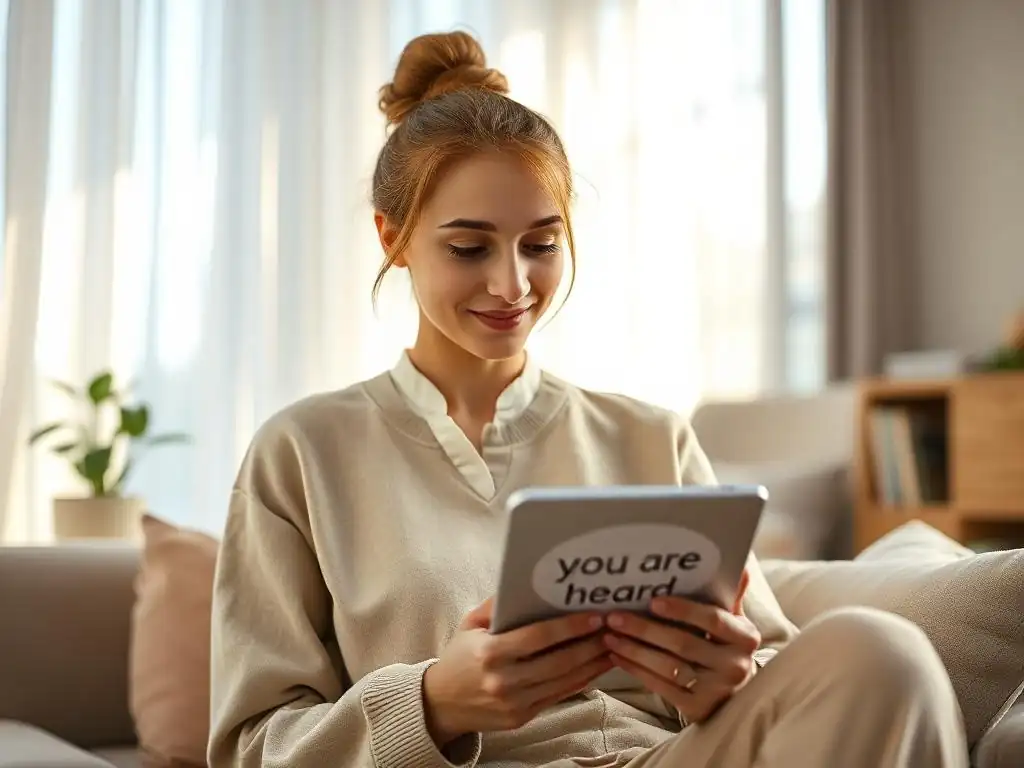
A critical question for anyone considering virtual therapy is its effectiveness compared to traditional in-person counseling. Fortunately, a growing body of research has investigated this very topic, providing valuable insights into the outcomes of online mental health support across various conditions, including anxiety disorders. The findings generally support the efficacy of online interventions.
Studies have explored different modalities of online therapy and their impact on symptom reduction, treatment adherence, and overall well-being. This research helps validate online counseling as a legitimate and often equally effective alternative for many individuals seeking help for mental health challenges, reinforcing the potential online counseling benefits for anxiety.
Studies on the Effectiveness of Online Therapy for Anxiety
Numerous studies and meta-analyses have evaluated the effectiveness of online therapy for anxiety disorders. Research consistently indicates that online CBT, a common form of virtual therapy, can be as effective as in-person CBT for treating conditions like Generalized Anxiety Disorder (GAD), panic disorder, and social anxiety. For example, a meta-analysis published in the Journal of Anxiety Disorders pooling data from multiple trials found comparable outcomes between online and face-to-face CBT for anxiety.
Another study focusing specifically on GAD found that participants receiving online therapy showed significant reductions in worry and anxiety symptoms, comparable to those receiving traditional therapy. While results can vary depending on the specific platform, therapeutic approach, and individual client factors, the overall consensus in the research community is that online therapy is a valid and effective treatment option for many forms of anxiety, supporting the claims about online counseling benefits for anxiety.
Comparing Online Counseling to Traditional In-Person Therapy
When comparing online counseling to traditional in-person therapy, research suggests that for many common conditions, including anxiety and depression, the outcomes are often similar. A significant review by the American Psychological Association noted that telepsychology is an effective alternative to in-person care for a range of psychological services. Client satisfaction rates for online therapy are also frequently reported as high.
However, the comparison isn't a one-size-fits-all conclusion. For individuals with severe or complex mental health needs, or those in crisis, in-person therapy may still be the preferred or necessary option due to the ability for immediate, direct intervention and assessment of risk. The therapeutic alliance, the bond between client and therapist, is a critical factor in therapy success regardless of format. While rapport can certainly be built online, some individuals may find it easier to connect deeply in person. Ultimately, the "better" option depends heavily on the individual's specific needs, comfort level, and the nature of their condition.
Different Types of Online Counseling Available
The landscape of online counseling is diverse, offering various formats and therapeutic approaches to meet different needs. Understanding these options is key to finding the most suitable form of virtual therapy, particularly when seeking online counseling benefits for anxiety. From large platforms connecting users with therapists to specialized online programs, choices abound.
This section explores some of the common modalities and platforms available in the digital mental health space, providing a glimpse into the variety of ways individuals can access professional support for their anxiety and other mental health concerns.
Teletherapy Platforms: A Comparison of Popular Options
The market features numerous teletherapy platforms, each with its own model, pricing structure, and network of therapists. Some platforms operate on a subscription model, offering access to messaging, phone, and video sessions for a flat weekly or monthly fee. Examples include platforms like BetterHelp or Talkspace. Others function more like directories, allowing users to search for therapists based on criteria like specialization, location (for licensing purposes), and insurance, and then schedule and pay for individual sessions (e.g., Zocdoc, Psychology Today's telehealth filter).
Key differences often lie in the therapist matching process (algorithmic vs. user-selected), the types of communication offered (some prioritize text, others video), and the specific therapeutic approaches represented in their network. When considering these platforms, it's important to research therapist credentials, read reviews if available, and understand the platform's privacy policies and crisis protocols.
Online Cognitive Behavioral Therapy (CBT) for Anxiety
Online Cognitive Behavioral Therapy (CBT) is arguably the most widely available and researched form of online therapy for anxiety. Given CBT's structured, goal-oriented nature, it translates very well to the digital format. Online CBT can be delivered synchronously via live video sessions with a therapist or asynchronously through interactive online programs and modules that guide users through CBT principles and exercises at their own pace, sometimes with minimal therapist interaction.
A typical online CBT course for anxiety might involve learning about the nature of anxiety, identifying triggers, challenging anxious thoughts using thought records (digital worksheets), practicing relaxation techniques, and developing coping strategies. Live online sessions with a CBT therapist allow for deeper exploration of personal issues, personalized guidance, and real-time support in applying these techniques to specific anxiety-provoking situations. The effectiveness of online CBT for reducing anxiety symptoms is well-established.
Group Online Therapy: Finding Support in a Virtual Community
Beyond individual sessions, group online therapy offers a valuable avenue for support, particularly for those dealing with anxiety. Virtual therapy groups bring together individuals facing similar challenges, guided by a licensed therapist. These groups can focus on specific types of anxiety, such as social anxiety or panic disorder, or cover general anxiety management techniques.
Participating in a virtual group allows individuals to share experiences, learn from others' coping strategies, and feel less alone in their struggles. For someone with social anxiety, joining a group from home might feel less intimidating than an in-person group, providing a safe space to practice social interaction skills. Group therapy can be a cost-effective option and provides a unique form of peer support that complements individual therapy or serves as a primary source of help.
How to Choose the Right Online Therapist for Anxiety
Selecting the right therapist is a crucial step in ensuring successful therapy, whether online or in person. Finding a good match, particularly when seeking online counseling benefits for anxiety, can significantly impact the effectiveness of the treatment. It requires careful consideration of the therapist's qualifications, experience, therapeutic approach, and how well their style aligns with your personal needs and preferences.
Taking the time to research potential therapists, ask pertinent questions, and trust your intuition during initial interactions are vital parts of this process. A good therapist-client relationship, or therapeutic alliance, is a strong predictor of positive outcomes in therapy.
Finding a Licensed and Qualified Online Counselor
The most critical step in choosing an online therapist is verifying their credentials. Ensure the therapist is licensed to practice mental health counseling or therapy in the state or country where you are physically located. Licensing ensures they have met the necessary educational requirements, completed supervised practice hours, and passed examinations demonstrating competence. You can typically verify a therapist's license through their state's licensing board website.
Look for therapists who specialize in treating anxiety disorders. While many therapists treat general anxiety, some have specific training or extensive experience with particular types of anxiety, such as OCD, phobias, or panic disorder. Their profile or website should clearly state their areas of expertise and the therapeutic modalities they use, such as CBT, exposure therapy, or acceptance and commitment therapy (ACT), which are evidence-based for anxiety.
Matching Your Needs and Preferences to a Therapist's Expertise
Consider what you are looking for in a therapist and the type of support you need for your anxiety. Do you prefer a structured, skills-based approach like CBT, or a more exploratory, insight-oriented therapy? Are you looking for a therapist with experience in a specific area related to your anxiety, such as trauma or chronic illness? Think about your communication style – do you feel more comfortable with a therapist who is very directive or one who takes a more facilitative role?
Reviewing therapist profiles, watching introductory videos if available, and reading about their philosophy can help you gauge potential matches. Many platforms allow you to switch therapists if the first match isn't a good fit. Don't hesitate to use this option; finding someone you feel comfortable with and confident in their ability to help is paramount to realizing the online counseling benefits for anxiety.
Questions to Ask Before Starting Online Therapy
Before committing to a therapist, it's wise to have an initial consultation or ask questions via message or phone call. Prepare a list of questions to ensure clarity and comfort. Important questions include:
- What is your experience treating anxiety disorders, specifically the type I'm struggling with?
- What therapeutic approaches do you use for anxiety, and how do they work?
- How are sessions conducted (video, phone, chat), and how long are they?
- What is your fee structure, and do you offer a sliding scale or payment plans?
- How do you handle emergencies or crisis situations?
- What is your policy on confidentiality and privacy?
- How do you track progress and set goals?
Asking these questions helps clarify expectations, assess the therapist's approach, and ensures they are a good professional fit for your needs. It's also an opportunity to get a sense of their personality and communication style, which is vital for building a strong therapeutic alliance in the virtual space.
Cost Considerations: Affordability of Online Counseling
The cost of therapy is a significant factor for many individuals seeking mental health support. Online counseling presents a range of pricing options, and understanding these can help in budgeting for care. While sometimes more affordable than traditional therapy, the cost can vary widely depending on the platform, therapist's qualifications, session length, and whether insurance is involved.
Exploring the financial aspects is an essential part of deciding if online therapy is a viable option. This includes comparing session fees, understanding insurance coverage, and looking into potential financial assistance programs. The goal is to find effective support for anxiety that is also financially sustainable.
Comparing the Cost of Online Therapy vs. Traditional Therapy
Generally, the cost per session for online therapy can be slightly lower than traditional in-person therapy. Average costs for in-person therapy in the US can range from $100 to $200 or more per session, particularly in urban areas. Online therapy sessions might range from $60 to $150 per session, or subscription models might offer unlimited messaging plus weekly live sessions for a monthly fee ranging from $200 to $400.
However, these are averages, and costs vary greatly. Therapists with highly specialized expertise or those in high-cost-of-living areas may charge similar rates online as they would in person. The potential cost savings in online therapy often come from eliminating commute costs and time off work, as well as potentially lower overhead costs for the therapist which may be passed on to the client.
Insurance Coverage for Online Mental Health Services
Insurance coverage for online counseling has significantly increased in recent years, particularly accelerated by the need for remote services during global health events. Many major insurance providers now cover teletherapy sessions, often at the same rate as in-person visits. However, coverage varies greatly depending on your specific insurance plan, the state you live in, and the therapist's network status (in-network vs. out-of-network).
It is crucial to contact your insurance provider directly to understand your benefits for "telehealth," "telemedicine," or "telemental health." Ask specifically about coverage for video sessions with licensed therapists, deductibles, co-pays, and any limitations on the number of sessions. Verify that the online platform or therapist you choose accepts your specific insurance plan.
Financial Assistance and Payment Options
For individuals without insurance or those facing financial constraints, several options may help make online counseling more affordable. Some online platforms offer sliding scale fees based on income. Many individual therapists, even those practicing online, reserve a portion of their practice for sliding scale clients. It's always worth asking if this is an option.
Non-profit organizations and community mental health centers may also offer low-cost or free online counseling services, sometimes on a limited basis. University psychology departments often have training clinics that provide affordable therapy from supervised students. While navigating these options takes some effort, resources are available to help reduce the financial barrier to accessing online mental health support for anxiety.
Getting Started with Online Counseling: A Step-by-Step Guide
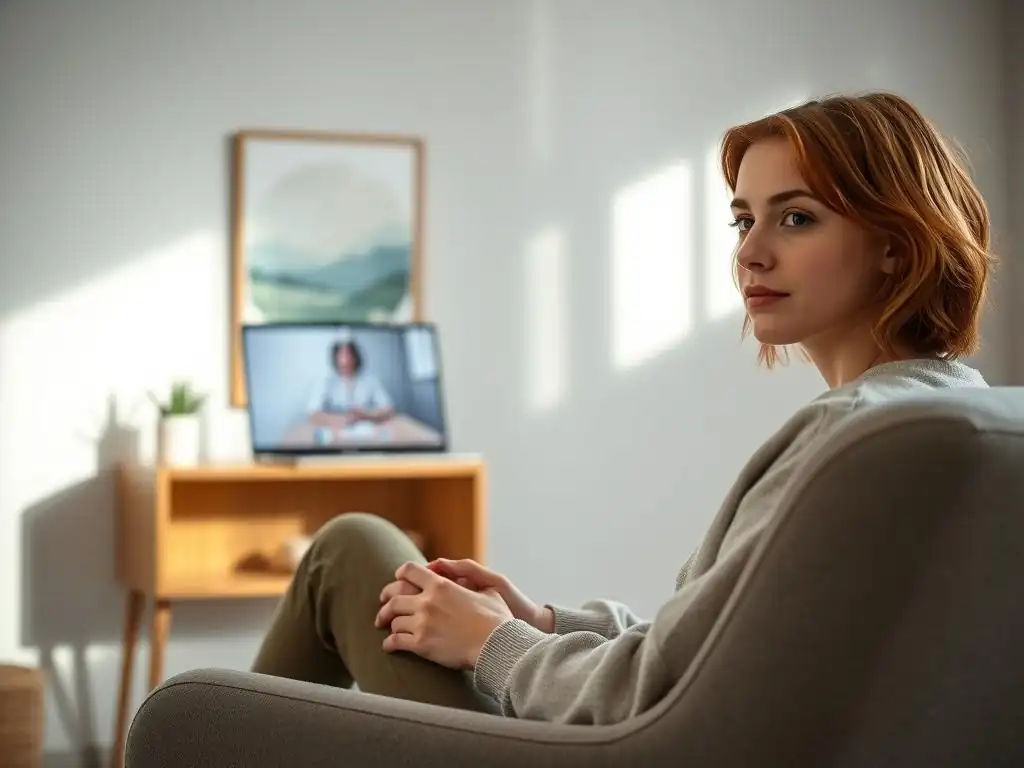
Embarking on the journey of online counseling for anxiety involves a few practical steps. Once you've decided that virtual therapy is a potential fit and have considered the financial aspects, the next phase is setting up your service, preparing for your first session, and understanding how to make the most of the experience. This process is designed to be straightforward, facilitating easier access to care.
Taking these steps deliberately can help ensure a smooth start and lay the groundwork for a productive therapeutic relationship. Preparation can also help alleviate any initial anxiety about trying a new form of therapy, maximizing the potential online counseling benefits for anxiety.
Setting Up Your Virtual Therapy Account
The first step is typically choosing an online therapy platform or an independent therapist offering virtual services and setting up an account. This usually involves providing basic personal information, contact details, and potentially some initial information about why you are seeking therapy (e.g., for anxiety). If using a platform, you might complete a questionnaire to help match you with a therapist.
You will also need to provide payment information and potentially insurance details. Ensure you are using a secure, private computer or device and a stable internet connection. Download any necessary software or apps required by the platform before your first session to avoid last-minute technical issues. Familiarize yourself with the platform's interface for joining sessions or sending messages.
Preparing for Your First Online Counseling Session
Your first online counseling session is similar to an initial in-person appointment – it's a chance for the therapist to get to know you and for you to share what brings you to therapy, particularly regarding your anxiety. Before the session, find a quiet, private space where you won't be interrupted. This is crucial for maintaining confidentiality and focus. Use headphones if possible to further ensure privacy.
Think about your main concerns and goals for therapy. What specifically about your anxiety is causing you distress? What do you hope to achieve through counseling? Jotting down a few points can help you remember everything you want to share. Test your internet connection and device beforehand. Approach the session with an open mind, ready to share honestly and engage with the therapist.
Maximizing Your Online Therapy Experience
To get the most out of online counseling for anxiety, active participation is key. Be open and honest with your therapist about your feelings, experiences, and any challenges you face, including those related to the online format itself. Don't hesitate to provide feedback on what feels helpful or unhelpful.
Engage fully during sessions, minimizing distractions from your environment or device notifications. Take notes if it helps you remember key insights or homework assignments. Crucially, commit to practicing the skills and strategies discussed in therapy between sessions. Therapy is not just the weekly meeting; it's the work you do outside of it. Consistently applying techniques like thought challenging or relaxation exercises is vital for seeing real progress in managing anxiety symptoms and realizing the full online counseling benefits for anxiety.
Online Counseling for Specific Anxiety Disorders
Anxiety manifests in various forms, each with its unique characteristics and challenges. While general online counseling can be beneficial, tailored approaches are often necessary for specific anxiety disorders. The adaptability of virtual therapy allows for the implementation of specialized, evidence-based treatments designed to address the nuances of conditions like Generalized Anxiety Disorder, Social Anxiety Disorder, and Panic Disorder.
Understanding how online platforms and therapists can target these specific issues can provide greater confidence in seeking virtual help. The potential online counseling benefits for anxiety are amplified when the treatment is specifically geared towards the type of anxiety disorder an individual is experiencing.
Online Therapy for Generalized Anxiety Disorder (GAD)
Generalized Anxiety Disorder (GAD) is characterized by excessive, uncontrollable worry about a variety of topics. Online therapy for GAD often employs CBT techniques focused on identifying and challenging worry thoughts, learning relaxation techniques, and developing coping strategies for managing uncertainty. Therapists guide clients through examining the function of worry and reducing avoidance behaviors that maintain anxiety.
Through video sessions, clients can discuss their worries in real-time, and therapists can teach and practice skills like mindfulness or diaphragmatic breathing. Digital worksheets or journaling prompts can be used between sessions to track worry patterns and practice cognitive restructuring. Online platforms make it convenient for individuals with GAD, who might struggle with decision-making and leaving home due to their worry, to access consistent support.
Social Anxiety Disorder involves intense fear of social situations where one might be judged or scrutinized. Online therapy offers particular advantages for individuals with social anxiety, as the initial step of connecting with a therapist from the safety of home can be significantly less anxiety-provoking than going to an office.
Treatment often involves CBT, focusing on identifying and challenging negative beliefs about social interactions and gradually engaging in exposure therapy. While exposure to real-life social situations is key, online therapy can facilitate this by guiding clients through imaginal exposures, practicing social skills during the session, or assigning real-world practice with subsequent debriefing online. The therapist can help clients set achievable goals for social exposure and process the experiences in a supportive virtual environment, directly addressing a core challenge of social anxiety.
Addressing Panic Disorder with Virtual Counseling
Panic Disorder is characterized by recurrent, unexpected panic attacks and persistent worry about having more attacks. Online counseling for panic disorder typically utilizes CBT and exposure-based techniques, specifically Interoceptive Exposure, which involves intentionally bringing on physical sensations associated with panic (like increased heart rate) in a controlled way to learn they are not dangerous.
Therapists can guide clients through these exercises during video sessions. They also help clients identify triggers, challenge catastrophic thoughts associated with panic attacks, and develop coping strategies like breathing techniques. The accessibility of online therapy means individuals can connect with a therapist quickly after experiencing panic or when anticipating a potential attack, providing timely support and reinforcing learned skills to manage the intense fear and physical symptoms, highlighting the online counseling benefits for anxiety in its most acute form.
Maintaining Your Mental Well-being After Online Counseling
Completing a course of online counseling is a significant achievement in managing anxiety. However, maintaining the progress made is an ongoing process. Therapy equips individuals with valuable tools and insights, but continued effort is required to sustain positive changes and prevent relapse. This involves actively using the coping mechanisms learned and knowing where to find continued support if needed.
The skills gained through online therapy are intended to be lifelong resources. Integrating them into daily life and proactively addressing challenges that arise are key to long-term mental well-being after formal therapy concludes.
Developing Coping Mechanisms Learned in Therapy
Online therapy for anxiety teaches a range of coping mechanisms, such as cognitive restructuring to challenge anxious thoughts, relaxation techniques like deep breathing or progressive muscle relaxation, mindfulness practices to stay present, and strategies for gradual exposure to feared situations. The period after therapy is crucial for solidifying these skills. Make a conscious effort to integrate them into your daily routine, not just when anxiety is high.
Practice challenging negative thoughts regularly, even about minor worries. Use relaxation techniques proactively, perhaps daily, rather than only during moments of panic. Continue to gently expose yourself to situations that cause mild anxiety to build confidence and prevent avoidance. Think of these skills as mental fitness exercises – consistent practice makes them stronger and more readily available when you need them most, helping to sustain the online counseling benefits for anxiety you experienced.
Continued Support Options After Completing Online Therapy
Maintaining mental well-being doesn't mean you have to navigate challenges alone after formal therapy ends. Many individuals benefit from periodic "booster" sessions with their therapist, either online or in person, to check in, reinforce skills, and address any new or returning difficulties. This can be scheduled as needed, perhaps every few months.
Joining a support group, either online or in person, can also provide ongoing peer support and a sense of community. Many online platforms offer alumni groups or resources. Utilizing mental wellness apps that reinforce therapeutic concepts, practicing mindfulness or meditation, engaging in regular physical activity, and maintaining healthy sleep and nutrition habits are all crucial components of a proactive approach to sustaining the benefits achieved through online counseling for anxiety.
Final Thoughts: Is Online Counseling Right for You and Your Anxiety?
Deciding whether online counseling is the right path for addressing your anxiety is a personal choice. It offers significant advantages in terms of accessibility, convenience, and potentially cost-effectiveness, and research supports its effectiveness for many individuals with anxiety disorders. However, it also has limitations, such as the reliance on technology and the absence of physical presence.
Weighing these factors against your specific needs, the severity of your anxiety, your comfort with technology, and your living situation is essential. The goal is to find a therapeutic approach and format that you can consistently engage with and that provides the support necessary to manage your anxiety effectively and improve your quality of life.
Key Considerations for Choosing Online Therapy
- Severity of Anxiety: For severe anxiety, panic attacks, or co-occurring conditions, assess if you need in-person support or if the online format feels safe enough. Individuals in crisis or with suicidal ideation typically require more immediate, higher levels of care than most online platforms can provide.
- Comfort with Technology: Are you comfortable using video calls and online platforms? Technical issues can be frustrating and disrupt sessions.
- Privacy and Space: Can you consistently find a private, quiet space for your sessions? Confidentiality is key, and interruptions can hinder progress.
- Therapist Match: Can you find a licensed online therapist who specializes in anxiety and with whom you feel you can build a good rapport?
- Insurance and Cost: Does your insurance cover online therapy, or is the cost manageable for you?
Considering these points will help you determine if the potential online counseling benefits for anxiety align with your practical circumstances and therapeutic needs.
The Future of Online Mental Health
The field of online mental health is rapidly evolving. Advancements in technology, including potential uses of artificial intelligence in supportive roles (always under human therapist guidance), and the increasing integration of wearable devices to track biometric data related to stress or anxiety, suggest a future where digital tools play an even more significant role in mental health care.
As research continues to deepen our understanding of effective online interventions and platforms become more sophisticated, online counseling is poised to become an even more accessible and integral part of the mental healthcare landscape. This expansion holds promise for reaching more individuals struggling with anxiety and other conditions, making support more available than ever before.
Frequently Asked Questions
What are the primary online counseling benefits for anxiety, as highlighted in the article?
The article emphasizes that online counseling benefits for anxiety include increased accessibility, convenience, and often a reduced cost compared to traditional therapy. It also allows individuals to receive support from the comfort of their own homes.
How does online counseling address the specific challenges associated with anxiety disorders?
Online counseling offers tools and techniques, such as cognitive behavioral therapy (CBT) delivered virtually, to help manage anxiety symptoms. This can include challenging negative thoughts and developing coping mechanisms.
Is online counseling as effective as traditional face-to-face therapy for treating anxiety?
Studies suggest that online counseling can be just as effective as in-person therapy for many individuals with anxiety. However, its suitability depends on the severity of the anxiety and the individual's personal preferences.
What types of online counseling options are available for individuals struggling with anxiety?
Various options exist, including video conferencing, phone calls, text messaging, and email communication. Many platforms offer licensed therapists specializing in anxiety disorders.
What are some potential drawbacks or limitations of using online counseling for anxiety?
Potential drawbacks include technical difficulties, lack of face-to-face interaction, and concerns about privacy and data security. It's important to choose a reputable platform and therapist.
The accessibility of online counseling represents a revolutionary shift in mental healthcare, offering a lifeline to countless individuals struggling with anxiety. This accessibility, coupled with the growing body of research supporting its efficacy, dismantles the stigma surrounding mental health and empowers individuals to seek help on their own terms. The convenience and flexibility offered by virtual therapy are no longer a luxury, but a crucial component of a comprehensive approach to mental well-being.
The impact of online therapy on the cultural landscape is undeniable. We're witnessing a gradual but significant shift in how society perceives mental health, moving away from hushed conversations and towards open dialogue. This change is fueled, in part, by the increased visibility and normalization of online counseling platforms. The greatest barrier to seeking help is often the first step,
and online therapy significantly lowers that barrier, making professional support more readily available. This increased accessibility has the potential to reshape our understanding of mental health, fostering a more compassionate and supportive environment.
Consider the anxieties you face – whether they stem from work, relationships, or the uncertainties of life. Online counseling offers a safe, private space to explore these anxieties, develop coping mechanisms, and build resilience. You are not alone in your struggles, and help is within reach. Take the time to explore the options available, weigh the benefits against your individual needs, and take that crucial first step towards a healthier, more fulfilling life. Your mental well-being is an investment worth making.
Unlock Your Inner Peace: Take the Next Step Towards Better Mental Wellbeing
Thanks for taking the time to explore the world of online counseling with us! We hope this article shed light on the benefits and considerations of virtual therapy. Ready to move forward?
- Schedule a free consultation: Many therapists offer brief introductory calls to discuss your needs and see if they're the right fit. This is your chance to ask questions and explore if online therapy aligns with your goals.
- Share this article with someone you care about: Mental health is a journey we often share. Helping others discover resources can make a significant difference in their lives.
- Explore different online therapy platforms: Research different platforms and compare their approaches, therapists, and pricing models. Finding the right fit is crucial for a successful therapeutic experience.
So, what's the first step you'll take towards prioritizing your mental well-being today?