
Peer Pressure Online: Navigating Social Dynamics on Social Media


Welcome to Mind Care Guide, a safe space dedicated to nurturing your mental well-being.
Are you concerned about the unseen influences shaping your teen's online world? In today's digital age, the pressures of social media can feel overwhelming. Ever wondered how online peer pressure subtly impacts teens and their mental health? Explore our guide, "Peer Pressure Online: Navigating Social Dynamics on Social Media," to uncover the realities and find practical strategies for support. Let's navigate these challenges together and empower our teens to thrive in the digital landscape.
Navigating Social Dynamics on TikTok: Understanding Peer Pressure
- Understanding Online Peer Pressure Effects on Teens
- The Psychological Impact of Online Peer Pressure on Teenagers
- Common Forms of Online Peer Pressure Experienced by Teens on TikTok
- Identifying the Signs of Online Peer Pressure in Teens
- Strategies for Teens to Navigate Online Peer Pressure on TikTok
- Parental Guidance: Helping Teens Cope with Online Peer Pressure Effects on TikTok
- The Role of Schools in Addressing Online Peer Pressure
- Resources and Support for Teens Facing Online Peer Pressure
- Promoting Positive Online Interactions and Mental Well-being on TikTok
- Long-Term Effects of Online Peer Pressure and Prevention Strategies
-
Frequently Asked Questions
- What is online peer pressure and how does it affect teenagers?
- How does social media contribute to the online peer pressure experienced by teenagers?
- What are some signs that a teenager is struggling with online peer pressure?
- What strategies can parents use to help their teens navigate online peer pressure?
- Where can teenagers and their parents find resources and support to address the online peer pressure effects teens?
- Final Reflection: The Unseen Weight of Online Peer Pressure
- Unleash Your Digital Confidence: Take Control of Your Online World
Understanding Online Peer Pressure Effects on Teens
Social media platforms have fundamentally reshaped how young people interact, connect, and perceive themselves. Among these platforms, TikTok has rapidly become a dominant force, captivating millions of teens with its short-form video content. While offering creative outlets and community, the unique dynamics of TikTok also present new challenges, particularly concerning peer pressure. Understanding the nuances of online peer pressure effects teens on platforms like TikTok is crucial for both young users and those who support them. It's a complex phenomenon driven by visibility, algorithms, and the constant pursuit of validation in a highly curated digital space.
The pressure teens experience online goes beyond traditional face-to-face interactions. On TikTok, it's amplified by features designed for virality and engagement, creating an environment where conforming to trends or pursuing likes and followers can feel paramount. This digital form of influence can significantly impact adolescent development, self-esteem, and mental well-being. Exploring how this manifests on TikTok specifically helps shed light on the unique pressures faced by today's youth and the specific online peer pressure effects teens encounter in this environment.
Defining Online Peer Pressure on TikTok: A Modern Challenge
Online peer pressure on TikTok refers to the direct or indirect influence exerted by peers through the platform, encouraging individuals to conform to specific behaviors, trends, aesthetics, or opinions prevalent within the TikTok community or their immediate online social circle. Unlike traditional peer pressure, which might occur face-to-face, online pressure is often amplified by the platform's public nature, the visibility of content, and the metrics of social validation like likes, shares, and comments. This can manifest as pressure to participate in viral challenges, adopt certain appearances through filters, or express specific viewpoints to gain acceptance or avoid criticism.
This modern challenge is distinct because it operates at scale and is always "on." Teens are exposed to a constant stream of content showcasing what is popular, what is considered desirable, and what their peers are doing. Failing to align with these digital norms can lead to feelings of exclusion or inadequacy. The online peer pressure effects teens feel on TikTok are often subtle, driven by the fear of missing out or the desire to fit in with a perceived online consensus, making it a pervasive and sometimes invisible force in their daily lives.
How TikTok's Algorithm Exacerbates Peer Influence
TikTok's powerful "For You Page" (FYP) algorithm plays a significant role in how online peer pressure effects teens. By curating personalized feeds based on user interactions (likes, shares, watch time, etc. ), the algorithm can quickly identify and promote content that is trending or popular within a user's network or broader community. This means that if a particular trend or challenge is gaining traction among a teen's friends or demographic, the algorithm is likely to show them more of it, creating an illusion of ubiquity and increasing the pressure to conform or participate to stay relevant.
Furthermore, the algorithm prioritizes engagement. Content that generates likes, comments, and shares is pushed to a wider audience. This incentivizes users to create content that is likely to be popular, which often means imitating or adapting existing trends. This algorithmic push towards conformity inadvertently exacerbates peer influence, making it harder for teens to resist participating in activities they might not genuinely enjoy or feel comfortable with, purely for the sake of algorithmic visibility and peer validation. Understanding this mechanism is key to recognizing the depth of online peer pressure effects teens face on the platform.
The Psychological Impact of Online Peer Pressure on Teenagers
The pervasive nature of online peer pressure on platforms like TikTok has profound psychological implications for teenagers during a critical period of identity formation. Their developing brains are highly sensitive to social cues and peer validation, making them particularly vulnerable to the pressures of the online world. The constant exposure to curated lives and trending behaviors can significantly shape their self-perception and emotional state.
Studies and observations consistently show that increased social media use, particularly when involving high levels of social comparison and pressure, correlates with negative mental health outcomes in adolescents. The online peer pressure effects teens experience on TikTok contribute to issues ranging from lowered self-esteem to increased anxiety and depression. Navigating these digital landscapes requires significant emotional resilience, which many teens are still developing.
TikTok's visual format and emphasis on performance directly fuel social comparison, severely impacting teen self-esteem. Users are constantly exposed to content showcasing idealized versions of reality – from flawless appearances achieved with filters and editing to seemingly effortless participation in popular trends or displays of wealth and popularity. This creates an environment where teens inevitably compare their own lives, looks, and content to these often unrealistic standards.
This perpetual comparison can lead to feelings of inadequacy, self-doubt, and a negative self-image. When a teen's own content doesn't receive the same level of engagement as their peers or popular creators, it can be internalized as a personal failing, diminishing their sense of worth. The online peer pressure effects teens feel to look, act, or perform in a certain way to achieve validation directly erodes their natural self-esteem, making them question their authentic selves.
The pressure to keep up with rapidly changing trends and participate in viral challenges on TikTok can be a significant source of anxiety for teenagers. The constant need to be "on" and relevant, coupled with the fear of missing out (FOMO) or being perceived as uncool, creates a perpetual state of stress. Teens may feel compelled to engage in activities they are uncomfortable with or spend excessive time creating content, leading to burnout and emotional distress.
Furthermore, negative interactions, cyberbullying, or the lack of expected positive feedback on their posts can trigger feelings of sadness, isolation, and hopelessness, contributing to symptoms of depression. Research indicates a correlation between high levels of social media engagement characterized by negative experiences and increased rates of anxiety and depression among adolescents. The specific online peer pressure effects teens encounter on TikTok, driven by its unique features, play a role in this worrying trend.
Fear of Missing Out (FOMO) and its Connection to TikTok Challenges
Fear of Missing Out, or FOMO, is particularly potent on a platform like TikTok where trends and challenges emerge and spread with incredible speed. When teens see their friends and popular creators participating in a viral challenge, dance, or meme, they may feel an intense pressure to join in to avoid feeling left out or disconnected from their social group. This isn't just about wanting to participate; it's often driven by the anxiety of being perceived as irrelevant or not "in the loop."
This pressure to constantly engage with fleeting trends can be exhausting and detrimental to mental health. Teens may feel compelled to spend excessive time on the app, monitoring trends and preparing to participate, taking away from other important activities like schoolwork, sleep, or offline social interactions. The online peer pressure effects teens experience through FOMO on TikTok highlight how the platform's structure can feed into existing adolescent anxieties about social acceptance and belonging.
Common Forms of Online Peer Pressure Experienced by Teens on TikTok
Online peer pressure on TikTok manifests in various ways, often intertwining with the platform's core features and user behaviors. Recognizing these specific forms is essential for understanding the environment teens navigate daily. These pressures can be explicit, like direct dares or challenges, or implicit, driven by the desire to emulate popular content or gain social validation through likes and comments.
These pressures aren't just about harmless fun; they can influence everything from a teen's style and interests to their body image and mental state. The visual and performance-driven nature of TikTok makes certain types of pressure particularly prevalent. Understanding these common forms helps illuminate the specific online peer pressure effects teens are likely to encounter.
Viral challenges are a cornerstone of TikTok's culture, ranging from harmless dance routines to potentially risky stunts. Teens often feel immense pressure to participate in challenges that are trending among their peers or on the "For You Page." This pressure stems from the desire to be part of a collective experience, gain visibility, and demonstrate their ability to keep up with popular culture.
While many challenges are benign, some can be dangerous or inappropriate. The pressure to conform can override a teen's better judgment, leading them to take risks they wouldn't otherwise consider. The visibility of participation, or lack thereof, means that opting out can feel like a public declaration of being outside the trend, intensifying the online peer pressure effects teens feel to join in, regardless of their comfort level or safety concerns.
Cyberbullying and Online Harassment as Forms of Peer Pressure on TikTok
While not always framed purely as "peer pressure," cyberbullying and online harassment on TikTok are often deeply connected to peer dynamics and the pressure to conform or maintain a certain online image. Teens who don't fit in, express unpopular opinions, or whose content is deemed "cringe" by others can become targets of cruel comments, public shaming, or exclusion. This negative feedback loop acts as a powerful form of pressure to either change their behavior, delete content, or even leave the platform.
The public nature of TikTok means that harassment can occur in comments sections, through stitched videos, or duets, exposing the negative interactions to a wider audience. Witnessing such treatment of others can also create a chilling effect, pressuring teens to censor themselves or stick to safe, popular content to avoid becoming targets. This hostile aspect significantly contributes to the negative online peer pressure effects teens can experience.
Pressure to Create "Perfect" Content for TikTok
TikTok, despite its reputation for authenticity, also fosters a strong pressure to create content that is visually appealing, entertaining, and polished enough to go viral or at least garner positive attention. This means mastering editing techniques, finding the right lighting, choosing popular sounds, and often presenting an idealized version of oneself or one's life. The pursuit of the "perfect" TikTok can be exhausting and consuming.
Teens may spend hours staging shots, filming multiple takes, and editing videos, driven by the pressure to meet the unspoken standards of the platform and their peers. This pressure is often fueled by seeing the high engagement rates of popular, polished content. The online peer pressure effects teens feel to constantly produce engaging, high-quality videos contribute to stress and can blur the lines between their online persona and their real-life identity.
The Impact of TikTok's Beauty Standards
TikTok is heavily influenced by visual trends, including those related to physical appearance and beauty standards. Filters that alter facial features, makeup tutorials promoting specific looks, and body-focused challenges contribute to a narrow and often unrealistic standard of beauty. Teens are bombarded with content showcasing these ideals, leading to significant pressure to conform.
This pressure can manifest as a desire to use specific filters to alter one's appearance, experiment with makeup or fashion trends they may not genuinely like, or even develop negative feelings about their natural appearance. Constant exposure to idealized images and the pressure to emulate them contributes significantly to body image issues and low self-esteem, representing a potent form of the online peer pressure effects teens feel regarding their physical selves.
Identifying the Signs of Online Peer Pressure in Teens
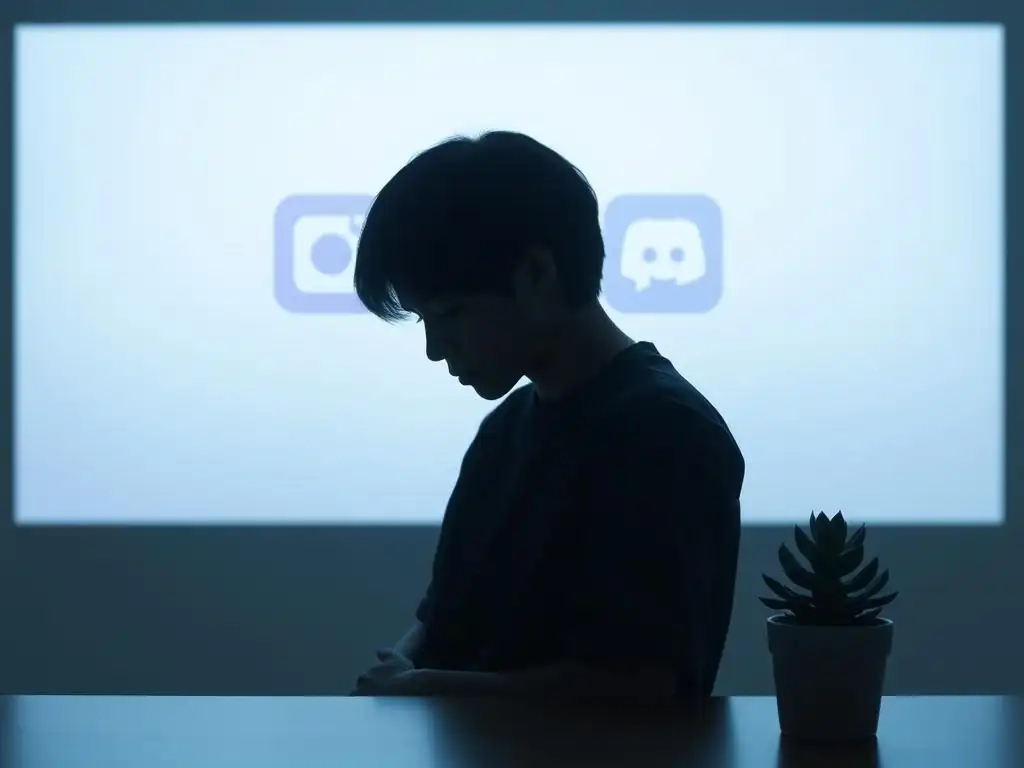
Recognizing that a teenager is struggling with online peer pressure on TikTok can be challenging, as they may not always express these feelings directly. However, there are often observable changes in behavior, mood, and their relationship with the platform that can serve as indicators. Parents and caregivers should be attuned to these signs, which can signal distress related to their online social interactions.
These signs are not always definitive proof of online peer pressure but warrant open communication and further investigation. Ignoring these indicators can allow the negative online peer pressure effects teens face to escalate, potentially impacting their mental health more severely.
Changes in Behavior and Mood
A significant indicator of a teen struggling with online peer pressure might be noticeable changes in their typical behavior or mood. They might become more withdrawn, irritable, or secretive, especially regarding their phone usage. Conversely, they might exhibit behaviors that seem uncharacteristic, such as suddenly adopting new styles of dress or language that align with online trends, even if they previously expressed disinterest.
Look for signs of increased anxiety, sadness, or frustration after spending time on TikTok. They might become overly concerned with their appearance, seek constant reassurance about their looks or actions, or express feelings of not being good enough. These shifts can be subtle but are often a reflection of the internal conflict caused by navigating online social pressures.
Increased TikTok Usage and Secrecy
An uptick in the amount of time a teen spends on TikTok, especially if accompanied by secrecy around their activities, can be a red flag. If they quickly close the app when you enter the room, become defensive when asked about what they're doing online, or seem preoccupied with their phone even when not actively using it, it could indicate they are grappling with stressful online interactions or the pressure to constantly engage.
Excessive time spent scrolling, creating content, or monitoring likes and comments suggests a preoccupation with the online world that might stem from the pressure to maintain a certain status or keep up with peers. This increased, secretive usage can be a coping mechanism or a symptom of the deep immersion in the environment where online peer pressure effects teens the most.
Expressing Concerns About TikTok Interactions
Sometimes, teens might directly or indirectly express concerns about their experiences on TikTok. They might talk about drama involving friends, mention feeling left out of a trend, complain about negative comments they or others received, or express frustration with the pressure to be popular. While they might not explicitly use the term "peer pressure," their language can reveal the influence and stress they are experiencing.
Listen for phrases indicating anxiety about posting, fear of judgment, or a preoccupation with how others perceive them online. For example, they might say things like, "Everyone's doing this challenge, I have to," or "What if nobody likes my video?" These statements, though seemingly minor, can be direct reflections of the online peer pressure effects teens are feeling on the platform.
Empowering teenagers with strategies to navigate online peer pressure is crucial for their mental well-being and digital citizenship. Simply telling them to get off the app is often impractical and doesn't address the underlying social dynamics they face. Instead, providing them with tools and perspectives allows them to engage with TikTok more healthily and resist negative influences.
These strategies focus on building internal resilience, developing critical media literacy, and fostering positive online habits. Implementing these approaches can help mitigate the negative online peer pressure effects teens experience and allow them to use the platform in a way that supports rather than harms their self-esteem.
Building Self-Confidence and Self-Esteem
One of the most effective defenses against online peer pressure is a strong sense of self-confidence and self-esteem. When teens feel good about who they are offline, they are less likely to seek external validation online or feel compelled to conform to trends that don't align with their values. Encouraging participation in activities they enjoy, celebrating their unique talents, and providing consistent positive affirmation can help build this foundation.
Help teens understand that their worth is not determined by likes, followers, or their ability to go viral. Encourage them to focus on creating content that they genuinely enjoy, rather than solely pursuing popularity. Fostering a strong sense of identity outside of social media reduces their vulnerability to the negative online peer pressure effects teens face when their self-worth becomes tied to online metrics.
Developing Critical Thinking Skills for TikTok Content
Teaching teens to critically evaluate the content they consume on TikTok is vital. Help them understand that much of what they see is curated, edited, and designed for entertainment or virality. Discuss how filters distort reality, how trends are manufactured, and that the highlight reels shared by peers and influencers don't represent the full picture of their lives.
Encourage them to question the motives behind content, identify potential manipulation (like sponsored posts disguised as organic content), and recognize when content might be promoting unrealistic standards. Developing these critical thinking skills helps them recognize online peer pressure when they see it and empowers them to resist conforming to ideals that aren't authentic or healthy.
Setting Boundaries and Limiting TikTok Usage
Establishing healthy boundaries around TikTok usage is a practical step teens can take. This might involve setting time limits for daily use, designating certain times of day or locations as phone-free zones (e.g., during meals, before bed), or taking intentional breaks from the app. Limiting exposure reduces the constant influx of content that can fuel comparison and pressure.
Encourage teens to be mindful of how using TikTok makes them feel. If they consistently feel anxious, sad, or pressured after scrolling, it's a sign that boundaries are needed. Setting limits helps them regain control over their time and attention, reducing the intensity of the online peer pressure effects teens might otherwise experience from constant immersion.
Identifying and Connecting with Positive TikTok Communities
While TikTok can be a source of negative pressure, it also hosts many positive and supportive communities centered around shared interests, hobbies, or identities. Encourage teens to seek out and engage with these communities where they feel accepted for who they are, rather than pressured to conform.
Finding niches related to their genuine passions – whether it's art, music, reading, a specific sport, or a unique hobby – allows them to connect with like-minded individuals. Engaging in positive interactions within these communities can provide a sense of belonging and counterbalance the negative online peer pressure effects teens might encounter in more mainstream or trend-driven parts of the platform.
Parental Guidance: Helping Teens Cope with Online Peer Pressure Effects on TikTok
Parents and caregivers play a crucial role in helping teens navigate the complexities of online peer pressure on TikTok. Their support, guidance, and understanding are invaluable in equipping teens with the resilience and skills needed to manage digital social dynamics. This isn't about surveillance but about fostering a safe environment for discussion and learning.
Addressing online peer pressure effects teens face requires open communication, education, and leading by example. Parents can help by understanding the platform themselves and validating the challenges their teens face in the online world.
Open Communication and Active Listening
Creating an environment where teens feel comfortable talking about their online experiences without fear of judgment is paramount. Initiate conversations about what they see and do on TikTok, asking open-ended questions like "What trends are popular right now?" or "How does seeing certain types of videos make you feel?" Listen actively and empathetically to their responses.
Validate their feelings and experiences, acknowledging that online peer pressure is real and challenging. Avoid dismissive statements or immediate calls to delete the app, which can shut down communication. Regular, calm discussions help teens process their experiences and feel supported in navigating the online peer pressure effects teens encounter daily.
Monitoring TikTok Activity (Responsibly)
Responsible parental monitoring, focused on safety and well-being rather than surveillance, can be helpful. This might involve discussing account privacy settings, understanding who they interact with, and being aware of the type of content they are consuming and creating. The goal is to ensure safety and identify potential issues like cyberbullying or exposure to harmful trends, not to police every interaction.
Setting clear expectations about online behavior and monitoring can foster trust if done collaboratively. Explain why you are monitoring (for their safety and well-being) and involve them in discussions about appropriate online conduct. This approach helps parents stay informed about the online peer pressure effects teens might be facing without eroding trust.
Educating Teens About Online Safety and Digital Citizenship on TikTok
Educate teens about the specific risks associated with TikTok, including privacy concerns, the potential for cyberbullying, and the dangers of participating in risky challenges driven by peer pressure. Discuss the importance of protecting their personal information and being mindful of their digital footprint.
Teach them what digital citizenship means – being responsible, respectful, and safe online. Discuss how to report inappropriate content or behavior, how to block users who are causing distress, and the importance of thinking before they post. Empowering them with this knowledge helps them identify and respond to negative online peer pressure effects teens might encounter.
Balancing online life with robust offline activities and social connections is crucial for a teen's overall well-being and resilience to online pressure. Encourage participation in sports, clubs, hobbies, volunteering, and face-to-face interactions with friends and family.
Spending quality time engaged in activities they enjoy outside of the digital realm helps teens build a stronger sense of identity and self-worth that isn't tied to online validation. Strong offline relationships provide a support system and perspective that can buffer the negative online peer pressure effects teens might feel from their digital interactions.
The Role of Schools in Addressing Online Peer Pressure

Schools are key environments in a teenager's life and have a significant role to play in addressing online peer pressure, particularly as it often spills over from platforms like TikTok into the school environment. Educators and administrators can contribute by integrating relevant education into the curriculum, fostering a supportive school culture, and having clear protocols for handling online issues that affect students.
Addressing online peer pressure effects teens face requires a proactive approach within the educational system. Schools can provide valuable knowledge and support structures that complement efforts made by parents and families.
Integrating Digital Literacy and Online Safety into Curriculum
Schools can integrate comprehensive digital literacy and online safety education into their curriculum starting from an early age. This education should cover topics such as:
- Understanding social media algorithms and how they work.
- Recognizing and critically evaluating online content.
- Identifying different forms of online peer pressure and manipulation.
- Practicing responsible digital citizenship and ethical online behavior.
- Understanding privacy settings and online footprint.
- Knowing how to seek help for cyberbullying or online distress.
Providing this foundational knowledge helps students understand the environment they are navigating and equips them with the skills to identify and resist negative online peer pressure effects teens encounter daily.
Creating a Supportive School Environment
A school environment that promotes open communication, empathy, and mutual respect can significantly mitigate the impact of online peer pressure. Fostering a culture where students feel safe to be themselves, where differences are celebrated, and where seeking help is normalized reduces the incentive to conform solely for acceptance.
Implementing programs that build social-emotional learning skills can help students develop the confidence and resilience needed to navigate complex social dynamics, both online and offline. When students feel supported by their peers and adults at school, they are better equipped to handle the online peer pressure effects teens might experience outside of school hours.
Addressing Cyberbullying and Online Harassment Incidents Originating on TikTok
Schools need clear policies and procedures for addressing incidents of cyberbullying or online harassment that originate on platforms like TikTok but impact the school environment or student well-being. This includes having trained staff who can investigate reports, provide support to victims, and implement appropriate disciplinary actions when school policies are violated through online behavior.
Collaborating with parents and, when necessary, law enforcement, is crucial in handling severe cases. Taking online harassment seriously demonstrates to students that the school is a safe space and that harmful online behavior has consequences, helping to reduce one of the most severe online peer pressure effects teens can face.
Resources and Support for Teens Facing Online Peer Pressure
Teens struggling with online peer pressure effects teens should know that they are not alone and that help is available. Access to appropriate resources and support systems is vital for their mental health and safety. These resources can provide guidance, counseling, and practical strategies for coping.
Knowing where to turn for help empowers teens and provides them with the necessary tools to navigate challenging online situations. It's important for both teens and their support networks to be aware of these options.
Mental Health Organizations and Helplines
Numerous mental health organizations offer resources, information, and direct support for young people experiencing anxiety, depression, or distress related to social media and peer pressure. Helplines and crisis texts lines provide immediate support for those in crisis. These organizations often have websites with valuable articles, guides, and self-help tools specifically tailored for teens.
Encourage teens to reach out if they are feeling overwhelmed. Resources like the National Alliance on Mental Illness (NAMI) or the Crisis Text Line offer confidential support from trained individuals who can provide guidance and connect them with further help.
Online Safety Resources and Tips for TikTok
Websites dedicated to online safety and digital citizenship often provide specific guides and tips for using platforms like TikTok safely. These resources can help teens understand privacy settings, how to block or report users, identify scams or harmful content, and manage their online presence responsibly.
Organizations focused on child safety online frequently update their advice based on the latest platform features and trends. Reviewing these resources together can be a proactive step in helping teens manage the online peer pressure effects teens might face by equipping them with practical safety skills.
School Counseling Services
School counselors are valuable resources for students experiencing difficulties, including those related to online peer pressure. They can provide individual counseling, facilitate peer support groups, and help students develop coping strategies. Counselors can also act as a liaison between students, parents, and school administration regarding issues like cyberbullying.
Encourage teens to talk to a school counselor if they are feeling overwhelmed by online pressure or negative interactions. School counseling services offer a confidential space for teens to process their experiences and receive professional support within a familiar environment.
Promoting Positive Online Interactions and Mental Well-being on TikTok
Beyond addressing the negative aspects, fostering positive online interactions and promoting mental well-being on TikTok is equally important. This involves encouraging empathy, building supportive communities, and promoting responsible usage among all users, including adults who serve as role models. Shifting the focus towards positive engagement can help counteract the harmful online peer pressure effects teens often face.
Creating a more positive digital environment requires collective effort from users, platforms, and the broader community. Promoting kindness and support online benefits everyone.
Encouraging Empathy and Respect Online
Educating teens and young people about the importance of empathy and respect in their online interactions is fundamental. Discuss how comments and content can impact others, emphasizing that behind every profile is a real person with feelings. Encourage them to think before they post or comment and to treat others online as they would in person.
Promoting a culture of kindness and discouraging negative behaviors like trolling or shaming helps to reduce the prevalence of cyberbullying, a major source of online peer pressure effects teens experience. Encouraging teens to use their voice to support others and speak out against negativity contributes to a healthier online climate.
Fostering a Culture of Support and Inclusion
Highlighting and supporting positive, inclusive communities on TikTok can help counteract the pressure to conform to narrow standards. Encourage teens to celebrate diversity in content and creators, and to engage with profiles that promote body positivity, mental health awareness, and authentic self-expression.
Platforms can also play a role by promoting diverse voices and content that challenges mainstream trends. Creating spaces where teens feel safe to be their authentic selves without fear of judgment or pressure to conform is crucial for mitigating the negative online peer pressure effects teens often encounter.
Adults, including parents, educators, and public figures, have a responsibility to model responsible and healthy social media behavior. This includes being mindful of the content they share, how they interact with others online, and demonstrating healthy boundaries with technology.
Children and teens observe adult behavior closely. If adults constantly seek validation online, engage in negative interactions, or are overly consumed by social media, it sends a message that this behavior is normal or desirable. Leading by example in navigating online spaces mindfully helps guide teens in developing healthy habits and reduces the likelihood of them succumbing to harmful online peer pressure effects teens witness and experience.
Long-Term Effects of Online Peer Pressure and Prevention Strategies
The online peer pressure effects teens experience during adolescence can have lasting implications for their mental health, self-esteem, and social development. Chronic exposure to negative online pressures can contribute to entrenched anxiety, depression, body image issues, and difficulty forming genuine connections. Therefore, focusing on long-term prevention strategies is essential.
Building resilience and fostering healthy digital habits from a young age provides teens with the tools to navigate the evolving online landscape throughout their lives. Addressing potential issues early is key to mitigating long-term harm.
Addressing Potential Mental Health Issues Early
If a teen shows persistent signs of distress, anxiety, or depression related to online peer pressure, seeking professional mental health support is crucial. Early intervention can prevent issues from becoming more severe and help teens develop effective coping mechanisms. Therapists specializing in adolescent mental health and digital well-being can provide targeted support.
Ignoring the psychological impact of online pressure can lead to more significant challenges down the line. Recognizing that online peer pressure effects teens' mental health significantly is the first step in providing timely and appropriate support.
Building Resilience and Coping Mechanisms
Teaching teens resilience – the ability to bounce back from challenges – is a key long-term strategy. This involves helping them develop healthy coping mechanisms for stress, disappointment, and negative feedback, both online and offline. Techniques like mindfulness, exercise, pursuing hobbies, and talking to trusted individuals can be incredibly beneficial.
Equipping teens with these skills helps them process difficult online experiences without letting them define their self-worth. A resilient teen is better able to withstand the online peer pressure effects teens face and make choices based on their own values rather than external validation.
The goal is not necessarily to eliminate social media use, but to foster healthy, sustainable habits that teens can carry into adulthood. This includes promoting mindful usage, understanding the difference between online connections and real-life relationships, maintaining privacy, and being critical consumers of online content.
Encouraging a balanced lifestyle that prioritizes offline interactions, physical health, and personal interests over constant online engagement helps teens develop a healthier relationship with platforms like TikTok. Establishing these habits early is a vital prevention strategy against the long-term online peer pressure effects teens might otherwise endure.
Frequently Asked Questions
What is online peer pressure and how does it affect teenagers?
Online peer pressure refers to the social influence exerted through digital platforms. It can significantly impact teens by shaping their self-esteem and behavior, often leading to unhealthy comparisons and risky activities.
Social media amplifies peer pressure through constant exposure to curated images and trends. This creates a sense of needing to conform to online ideals, fostering anxiety and a fear of missing out (FOMO).
What are some signs that a teenager is struggling with online peer pressure?
Signs include increased anxiety, sudden changes in behavior, a strong need for validation through likes and comments, and engaging in activities they wouldn't normally consider. Withdrawal from real-life interactions can also be a key indicator.
Parents can foster open communication, encourage critical thinking about online content, and help teens develop a strong sense of self-worth. Setting healthy boundaries around social media usage is also crucial.
Where can teenagers and their parents find resources and support to address the online peer pressure effects teens?
Numerous websites and organizations offer resources, including mental health support groups, educational materials, and online safety tips. Seeking professional help from a therapist or counselor is also a valuable option for addressing underlying issues.
Final Reflection: The Unseen Weight of Online Peer Pressure
The pervasive nature of social media has amplified the effects of peer pressure, transforming it from a playground phenomenon into a 24/7 force shaping the identities and mental health of teenagers. This isn't simply about fleeting trends; it's about the constant, subtle pressure to conform, impacting self-esteem, body image, and even academic choices in profound ways. The digital landscape, while offering connection, also presents a unique and often overwhelming challenge to adolescent development.
The insidious nature of online peer pressure lies in its constant visibility and the curated perfection often presented. It's a pressure cooker environment where the fear of missing out (FOMO) fuels a relentless cycle of comparison and self-doubt. The internet is a powerful tool, but it can also be a dangerous weapon. We must teach our children how to use it wisely and safely.
This quote, while not directly addressing online peer pressure, highlights the crucial need for digital literacy and critical thinking skills in navigating this complex social environment. Understanding the mechanisms of online influence is the first step towards fostering resilience and healthy online habits.
You, the reader, are now equipped with a deeper understanding of the complexities of online peer pressure. Consider your own digital footprint and the messages you consume. Challenge the curated realities presented online and actively cultivate a healthy relationship with social media. Engage in critical thinking, prioritize your well-being, and remember that true connection lies in authenticity, not in conforming to unrealistic online standards. Let's work together to create a more supportive and empowering digital environment for our teens.
Unleash Your Digital Confidence: Take Control of Your Online World
Thanks for taking the time to explore the complexities of peer pressure online! We hope you gained valuable insights into navigating the digital landscape and protecting your well-being. Now it's time to put that knowledge into action. Let's help you build a more positive and empowering online experience.
- Prioritize your mental health: Identify one area where you feel social media pressure most strongly and consciously adjust your usage or interactions. This could involve limiting time spent on specific platforms, unfollowing accounts that trigger negative feelings, or simply taking more breaks.
- Share your newfound wisdom: Talk to a friend or family member about what you've learned. Sharing your insights can not only benefit them but also reinforce your own understanding and commitment to positive online habits. Consider starting a conversation about healthy social media practices with those in your life.
- Explore Mind Care Guide's resources: Discover more tools and support to help you build resilience and navigate challenging online situations. (Note: This would typically include a link to related articles or resources on the website, but per the instructions, it is omitted here).
What small step will you take today to cultivate a healthier relationship with your online world?