
Your Pocket Therapist? What Mental Health Apps Can (and Can't) Do


Welcome to Mind Care Guide.
Feeling overwhelmed? You're not alone. We understand the journey to mental well-being can feel daunting, and finding the right support is crucial. In today's world, technology offers new avenues for self-care. Are mental health apps truly a helpful tool, or just another fleeting trend? Dive into our Mental Health Apps Benefits Guide and discover how these tools can potentially support your journey, while understanding their limitations. Let's explore the pros and cons together, empowering you to make informed choices for your mental health.
Your Pocket Therapist? What Mental Health Apps Can (and Can't) Do
- Introduction: Navigating the World of Mental Health Apps
-
The Benefits of Mental Health Apps: A Comprehensive Guide
- Accessibility and Convenience: Mental Health Support at Your Fingertips
- Affordability: Cost-Effective Mental Wellness Resources
- Anonymity and Privacy: Seeking Help Discretely
- Tracking and Monitoring: Gaining Insights into Your Mental State
- Personalized Mental Health Support: Tailored Programs and Interventions
- Exploring Different Types of Mental Health Apps
- The Limitations of Mental Health Apps: What They Can't Replace
- Mental Health Apps Benefits Guide: Making Informed Choices
- Choosing the Right Mental Health App for Your Needs: A Step-by-Step Approach
- The Future of Mental Health Apps: Innovation and Integration
- Conclusion: Embracing Mental Health Apps as a Complementary Tool
-
Frequently Asked Questions
- What are some potential benefits of using mental health apps?
- Can mental health apps replace traditional therapy?
- How do I choose a safe and effective mental health app?
- What are the limitations of relying solely on mental health apps for mental well-being?
- What types of mental health challenges can mental health apps potentially help with?
- Final Reflection: The Promise and Peril of Pocket-Sized Therapy
- Unlock Your Mental Wellness Journey
Understanding the Rise of Digital Mental Wellness Solutions
In recent years, the landscape of mental health support has expanded dramatically with the proliferation of digital tools. Mental health apps have emerged as accessible resources, offering everything from mood tracking and meditation exercises to cognitive behavioral therapy (CBT) modules. This surge in popularity is driven by increasing awareness of mental health challenges and the need for flexible, on-demand support that fits into busy modern lives.
The market for these apps is significant and growing. Reports indicate that the global mental wellness app market was valued at billions of dollars in the past few years and is projected to continue its strong growth trajectory, potentially reaching tens of billions in the coming decade. This growth reflects not just technological advancement but also a societal shift towards integrating digital tools into personal health management, including mental well-being.
Mind Care Guide's Perspective on Mental Health App Usage
At Mind Care Guide, we view mental health apps as valuable complementary tools in the journey towards well-being. They offer a gateway for many individuals to explore mental health concepts, develop coping strategies, and gain self-awareness in a low-pressure environment. Our perspective emphasizes that while apps provide significant benefits, they are not a substitute for professional diagnosis or therapy when dealing with moderate to severe mental health conditions.
This article serves as a mental health apps benefits guide, aiming to help you understand the potential these digital tools hold. We believe that an informed approach is key. By highlighting both the capabilities and limitations of various apps, we empower our readers to make conscious choices about how to incorporate technology into their personal mental health plans effectively and safely.
The Benefits of Mental Health Apps: A Comprehensive Guide
Accessibility and Convenience: Mental Health Support at Your Fingertips
One of the most significant advantages of mental health apps is unparalleled accessibility. Unlike traditional therapy appointments that require scheduling and travel, apps are available 24/7, whenever and wherever you need them, provided you have a smartphone or tablet. This means support is available during moments of acute stress, anxiety, or difficulty sleeping, regardless of the time of day or your location.
This convenience is particularly impactful for individuals living in remote areas, those with mobility issues, or people with demanding schedules that make regular appointments challenging. For instance, someone experiencing a panic attack late at night can access guided breathing exercises or calming sounds instantly through an app, whereas finding a therapist or support group at that hour would be impossible.
Affordability: Cost-Effective Mental Wellness Resources
Compared to the cost of traditional therapy sessions, which can range from $100 to over $250 per hour depending on location and therapist experience, mental health apps offer a significantly more affordable entry point to support. Many apps offer free basic versions, while premium subscriptions typically range from about $10 to $60 per month.
This cost-effectiveness lowers the barrier to entry for many people who may not have insurance coverage for mental health services or whose budgets cannot accommodate regular therapy. For example, a year's subscription to a popular meditation app costing around $70 might be less than the cost of a single therapy session, providing daily access to resources that can help manage stress and improve mood over time. This makes exploring the benefits of mental health apps more feasible for a broader population.
Anonymity and Privacy: Seeking Help Discretely
Mental health apps offer a level of anonymity that can be crucial for individuals who feel hesitant or stigmatized about seeking traditional help. Users can explore symptoms, learn about conditions, and practice coping mechanisms without disclosing their identity to another person. This discretion can make it easier for some people to take the first step towards addressing their mental health.
While not completely anonymous (as data is collected), the interaction is typically with an algorithm or pre-recorded content rather than a live human being. This can reduce anxiety for those worried about judgment or sharing personal details face-to-face. For instance, someone struggling with social anxiety might find it much easier to use an app's guided exposure therapy exercises privately at home before feeling ready to discuss their challenges with a therapist.
Tracking and Monitoring: Gaining Insights into Your Mental State
Many mental health apps include features for tracking moods, sleep patterns, activity levels, and even thoughts or triggers. This functionality provides users with valuable data about their own mental state over time, helping them identify patterns and understand what factors might be influencing their feelings and behaviors.
By consistently logging information, users can gain objective insights that are often difficult to recognize through introspection alone. For example, a mood tracking app might reveal that a person's anxiety levels consistently spike on certain days of the week or after specific activities, providing concrete data points that can be discussed with a therapist or used to inform personal coping strategies. This tracking is a key component when evaluating a mental health apps benefits guide.
Personalized Mental Health Support: Tailored Programs and Interventions
A growing number of mental health apps offer personalized content and programs based on user input. By asking questions about symptoms, goals, and preferences, these apps can recommend specific exercises, meditations, or therapeutic modules tailored to the individual's needs. Some apps even use AI to adapt the content over time as the user progresses.
While not as deeply personalized as one-on-one therapy, this tailored approach is a significant step beyond generic self-help resources. An app might, for example, create a customized plan for managing panic attacks that includes specific breathing techniques, thought challenging exercises, and relaxation practices, adapting the frequency and intensity based on the user's reported experiences and progress within the app.
Exploring Different Types of Mental Health Apps
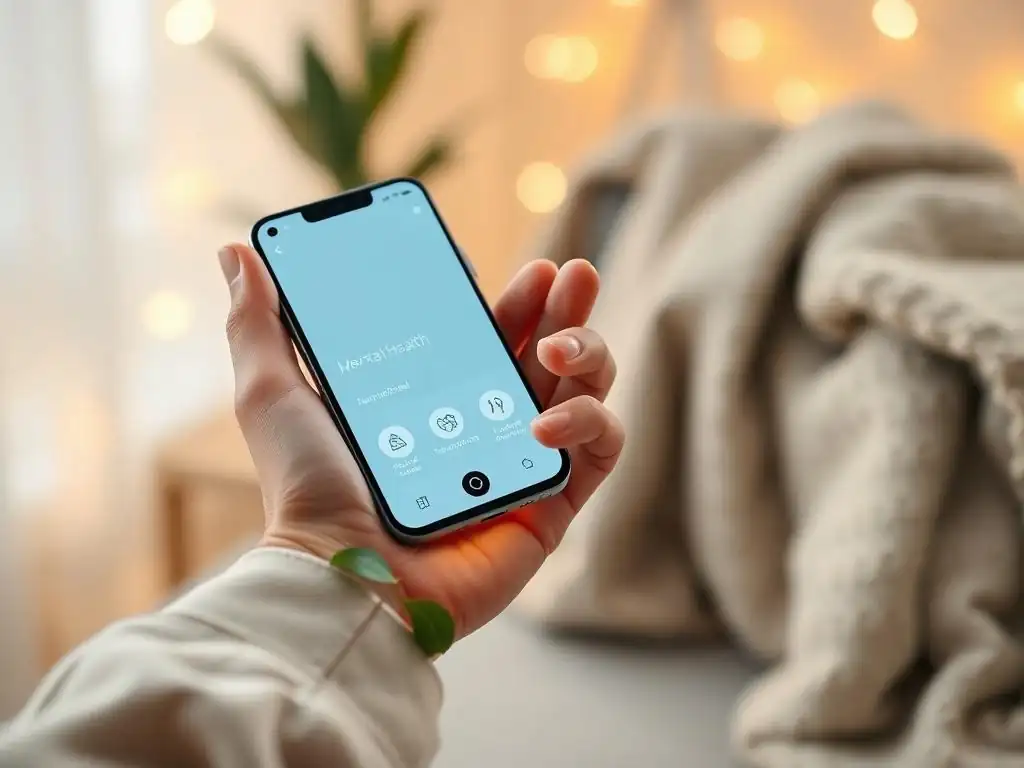
Meditation and Mindfulness Apps: Finding Inner Peace
Meditation and mindfulness apps are among the most popular types of digital mental wellness tools. They offer guided meditations, breathing exercises, relaxation techniques, and mindfulness practices designed to help users reduce stress, improve focus, and cultivate a sense of calm awareness. These apps often feature extensive libraries of sessions varying in length and focus, such as meditations for sleep, anxiety, or compassion.
These apps can be incredibly effective for stress reduction. Studies have shown that consistent use of mindfulness apps can lead to measurable decreases in reported stress levels, sometimes within just a few weeks. For instance, dedicating 10-15 minutes daily to guided meditation through an app can help individuals develop skills to manage racing thoughts and react more calmly to challenging situations throughout their day.
Cognitive Behavioral Therapy (CBT) Apps: Retraining Your Thoughts
CBT apps translate principles from traditional Cognitive Behavioral Therapy into interactive digital formats. They help users identify negative thought patterns, challenge distorted thinking, and develop healthier coping mechanisms. These apps often include modules on topics like identifying cognitive distortions, thought journaling, behavioral activation, and exposure therapy exercises.
Using a CBT app can provide a structured way to learn and practice therapeutic techniques outside of therapy sessions. For example, an app might guide a user through challenging the thought "I'm a complete failure" by asking for evidence supporting and contradicting the thought, helping them restructure it into something more balanced, like "I made a mistake on this one task, but I succeed at many other things."
Mood Tracking Apps: Charting Your Emotional Landscape
Mood tracking apps are designed to help users monitor and understand their emotional fluctuations. They typically allow users to log their mood levels multiple times a day, often alongside notes about activities, triggers, sleep, or social interactions. Over time, the app can generate charts and graphs that visualize mood patterns.
This visual representation of emotional data can be incredibly insightful. For instance, a user might notice through their mood tracking app that their mood consistently dips on days they skip their morning walk or that they feel more anxious after spending a lot of time on social media. This objective data helps individuals and potentially their therapists identify correlations and develop targeted strategies.
Anxiety and Stress Management Apps: Calming Techniques and Tools
Many apps focus specifically on providing tools and techniques for managing anxiety and stress. These can include guided breathing exercises, progressive muscle relaxation instructions, calming sounds or music, visualization techniques, and educational content about the nature of anxiety and stress. Some apps also incorporate biofeedback using smartphone sensors.
These apps provide immediate access to coping strategies when anxiety or stress levels rise. For example, a user feeling overwhelmed before a presentation could quickly open an anxiety management app to follow a 5-minute guided deep breathing exercise, helping to calm their nervous system and regain composure.
Sleep Improvement Apps: Promoting Restful Nights
Given the strong link between sleep and mental health, many apps are dedicated to improving sleep patterns. These apps may offer guided meditations for sleep, relaxing soundscapes, bedtime stories, sleep tracking and analysis, and educational content about sleep hygiene principles. Some integrate with wearable devices for more accurate tracking.
Using a sleep improvement app can help establish healthier bedtime routines and address sleep-related anxiety. For instance, listening to a guided body scan meditation from an app before bed can help quiet a restless mind, making it easier to fall asleep and potentially improving sleep quality over time, which positively impacts overall mental well-being.
The Limitations of Mental Health Apps: What They Can't Replace
Lack of Personal Connection: The Importance of Human Interaction
While apps offer convenience and anonymity, they fundamentally lack the nuanced, empathetic, and personal connection that is central to the therapeutic relationship with a human professional. Therapy involves a dynamic interaction where a therapist can read non-verbal cues, build rapport, and tailor their approach in real-time based on a deep understanding of the individual.
An app cannot replicate the feeling of being truly heard and understood by another person, which is a vital component of healing and growth for many. For complex issues or trauma, the supportive and trusting relationship with a therapist provides a level of safety and containment that digital tools simply cannot offer. This is a key consideration when reviewing any mental health apps benefits guide.
Diagnostic Accuracy: Apps vs. Professional Assessment
Mental health apps are not equipped to provide accurate clinical diagnoses. While some apps may include screening questionnaires or ask about symptoms, these are typically for informational or tracking purposes only and should never be considered a substitute for a professional evaluation by a licensed psychiatrist, psychologist, or therapist.
Diagnosing mental health conditions requires clinical expertise, including in-depth interviews, evaluation of medical history, and consideration of various factors that an app cannot assess. Relying solely on an app for diagnosis can lead to misidentification of problems, inappropriate self-treatment, and delays in receiving necessary professional care for serious conditions.
Data Privacy Concerns: Protecting Your Sensitive Information
Using mental health apps involves sharing highly sensitive personal information about your emotional state, thoughts, behaviors, and potentially even health data. While many reputable apps have privacy policies, the potential for data breaches, sharing data with third parties (like advertisers or researchers), or inadequate security measures remains a significant concern.
Users must be aware of how their data is collected, stored, and used. Unlike the strict confidentiality laws (like HIPAA in the United States) that govern interactions with licensed therapists, the regulations around app data can be less stringent depending on the developer and jurisdiction. It's crucial to carefully review privacy policies before using an app, as highlighted in any comprehensive mental health apps benefits guide.
Over-Reliance and Dependency: Finding a Healthy Balance
There is a risk that individuals may become overly reliant on mental health apps, using them as a crutch instead of developing their own coping skills or seeking appropriate professional help when needed. While apps can be helpful tools, they should empower users, not create dependency.
An over-reliance might manifest as using an app's mood boost feature instead of engaging in real-world activities or seeking social support. It's important to view apps as aids that complement other strategies, including professional help, lifestyle changes, and building a personal support network, rather than the sole solution to mental health challenges.
The "One-Size-Fits-All" Approach: Recognizing Individual Needs
Despite efforts towards personalization, many mental health apps still offer a relatively standardized approach compared to the highly individualized nature of professional therapy. Therapeutic interventions need to be tailored not just to a diagnosis but to a person's unique history, personality, cultural background, and specific circumstances.
An app's pre-programmed modules or exercises may not resonate with everyone or be appropriate for the complexity of certain issues. For example, a generic mindfulness exercise from an app might be unhelpful or even distressing for someone with a history of trauma, whereas a therapist could adapt the technique or suggest alternative approaches.
Mental Health Apps Benefits Guide: Making Informed Choices

Researching App Credibility and Evidence-Based Practices
When considering a mental health app, it is crucial to research its credibility. Look for apps developed by organizations with expertise in mental health or those that have been clinically tested or validated through research. Check if the app's content is based on evidence-based therapeutic approaches like CBT, DBT (Dialectical Behavior Therapy), or mindfulness.
- Check the developer's background.
- Look for mentions of clinical trials or research studies.
- Verify if the techniques used align with established therapeutic modalities.
An app that claims to reduce anxiety but uses untested methods or lacks transparency about its approach should be approached with caution. Prioritizing apps with a foundation in psychological science increases the likelihood that the benefits of mental health apps will be realized effectively.
Consulting with a Mental Health Professional: Integrating Apps into Your Treatment Plan
Mental health apps can be powerful allies when used in conjunction with professional care. If you are seeing a therapist or psychiatrist, discuss your interest in using apps with them. A professional can help you select an app that aligns with your treatment goals and condition, and they can guide you on how to use the app effectively as part of your overall plan.
A therapist might recommend specific apps for tracking symptoms between sessions, practicing skills learned in therapy, or providing supplementary resources. For example, a therapist treating a patient with panic disorder might suggest a specific breathing exercise app to use during moments of high anxiety, reinforcing the techniques practiced together in session.
Reading User Reviews and Ratings: Understanding Real-World Experiences
Before committing to an app, especially a paid subscription, take the time to read user reviews and ratings on app stores or independent review websites. Pay attention to comments about the app's ease of use, effectiveness, technical glitches, customer support, and how well it delivered on its promises.
While individual experiences vary, a pattern of negative reviews regarding functionality, misleading claims, or poor user experience can be a red flag. Conversely, consistently positive reviews highlighting genuine improvements in mood or stress levels can indicate an app's potential value. Look for detailed reviews that describe specific benefits or drawbacks experienced by users.
Considering Data Security and Privacy Policies: Protecting Your Information
Given the sensitive nature of the information shared with mental health apps, thoroughly review the app's privacy policy and terms of service. Understand what data is collected, how it is stored, who it is shared with (if anyone), and how it is protected. Look for clear statements about data encryption, anonymization, and compliance with relevant privacy regulations.
- Does the policy clearly state how your data is used?
- Is your data shared with third parties (e.g., for advertising)?
- What security measures are in place to protect your information?
- Can you easily request deletion of your data?
If a privacy policy is vague, difficult to find, or raises concerns about data sharing, it might be safer to look for an alternative app. Protecting your personal information is paramount when exploring the benefits of mental health apps.
Choosing the Right Mental Health App for Your Needs: A Step-by-Step Approach
Identifying Your Specific Mental Health Goals
The first step in selecting a mental health app is to clearly define what you hope to achieve. Are you looking to reduce stress, improve sleep, manage anxiety, track your mood, learn meditation, or practice specific therapeutic techniques like CBT? Different apps specialize in different areas, and clarifying your goals will help narrow down your options significantly.
For instance, someone primarily struggling with insomnia might look for apps focused on sleep hygiene and relaxation, while someone dealing with persistent negative thoughts might prioritize apps based on cognitive restructuring techniques. Having a clear objective ensures you seek out apps designed to address your particular challenges and maximize the benefits of mental health apps for your situation.
Exploring Different App Features and Functionalities
Once you have identified your goals, explore apps that offer features relevant to those goals. Look beyond the basic premise and examine the specific tools provided. Does a meditation app offer different types of meditation? Does a CBT app include interactive exercises or just informational text? Does a mood tracker allow detailed logging and analysis?
Consider also the user interface, ease of navigation, and overall design. An app that is difficult or frustrating to use is unlikely to be used consistently, regardless of its potential effectiveness. Check if the app offers features like goal setting, progress tracking, reminders, or integration with other health platforms if those are important to you.
Trying Free Trials and Demo Versions
Many mental health apps offer free basic versions or limited-time free trials of their premium features. Take advantage of these opportunities to test out an app before committing to a subscription. A free trial allows you to experience the app's interface, content style, and core functionalities to see if it's a good fit for your needs and preferences.
Spending a few days or weeks using a trial version provides a much better sense of the app's value and usability than just reading descriptions. For example, you might find that the voice of the meditation guide in one app is soothing, while in another, it's distracting. This hands-on testing is invaluable in making an informed decision.
Assessing App Compatibility with Your Lifestyle
Finally, consider how the app fits into your daily routine and lifestyle. Is it designed for short, frequent interactions, or longer, dedicated sessions? Does it require a strong internet connection? Is it compatible with your device? Think about when and where you plan to use the app and whether its structure supports that usage pattern.
An app might have great content, but if it's cumbersome to access or requires more time than you realistically have available, you won't benefit from it. Choosing an app that seamlessly integrates into your existing habits will make it easier to use it consistently and harness the potential benefits of mental health apps.
The Future of Mental Health Apps: Innovation and Integration
The Role of Artificial Intelligence (AI) in Mental Wellness
Artificial intelligence is poised to play an increasingly significant role in the evolution of mental health apps. AI can be used to personalize content more dynamically, analyze user data to identify subtle patterns or potential risks, and even power conversational interfaces (chatbots) that provide support or guide users through exercises.
While AI chatbots are not a replacement for human therapists, they can offer immediate, accessible, and non-judgmental support for low-acuity issues or serve as a bridge to professional care. For example, an AI within an app might analyze a user's mood logs and journal entries to identify recurring negative thought patterns and then suggest specific CBT exercises tailored to challenge those patterns.
Integrating Mental Health Apps with Teletherapy Services
The future will likely see closer integration between standalone mental health apps and teletherapy platforms. This could allow for seamless sharing of data (with user consent) between an app used for daily tracking or skill practice and a therapist providing virtual sessions. This integration can provide therapists with richer data points about their clients' day-to-day experiences.
Imagine a scenario where a mood tracking app automatically shares aggregated data with a therapist before a teletherapy session, allowing the therapist to quickly identify trends or challenging periods the client experienced during the week. This integration could make teletherapy more efficient and personalized, combining the convenience of apps with the depth of human support, enhancing the overall mental health apps benefits guide experience.
Personalized Mental Health Care Through Wearable Technology
Wearable devices like smartwatches and fitness trackers collect vast amounts of physiological data, such as heart rate, sleep duration and quality, and activity levels. Integrating this data with mental health apps could lead to highly personalized insights and interventions. For instance, an app could correlate changes in heart rate variability or sleep patterns with reported stress levels, offering real-time suggestions for coping.
Wearables could potentially provide passive monitoring that complements active user input. An app might detect signs of increased stress based on physiological data and prompt the user to engage in a calming exercise, offering proactive support. This convergence of wearable technology and mental health apps holds promise for delivering more timely and tailored support.
Conclusion: Embracing Mental Health Apps as a Complementary Tool
Mental Health Apps: A Valuable Resource for Overall Well-being
Mental health apps have undeniably emerged as valuable resources in the pursuit of overall well-being. They offer significant benefits in terms of accessibility, affordability, convenience, and privacy, making mental health support more available to a wider population. From meditation and mood tracking to learning therapeutic techniques, these apps provide tools that can help individuals manage stress, improve sleep, gain self-awareness, and develop coping skills.
As outlined in this mental health apps benefits guide, their strengths lie in providing on-demand support, educational content, and tracking capabilities. They can be a great starting point for those new to mental wellness practices or a supplementary aid for individuals already engaged in therapy or other forms of support.
Combining Technology with Traditional Mental Health Practices
The most effective approach to leveraging mental health apps is often by combining them with traditional mental health practices. Apps work best not as replacements for professional care but as complements to it. They can reinforce skills learned in therapy, provide support between sessions, and help users monitor their progress over time, offering data that can be shared with a therapist.
For individuals with more severe or complex mental health conditions, professional diagnosis and therapy remain essential. Apps can serve as supportive tools within a comprehensive treatment plan overseen by a qualified professional, ensuring that technology enhances rather than detracts from effective care.
Mind Care Guide's Commitment to Digital Mental Wellness
At Mind Care Guide, we are committed to providing information and guidance on navigating the evolving landscape of digital mental wellness. We believe that understanding the potential benefits of mental health apps, as well as their limitations, is crucial for making informed decisions about incorporating them into your personal health journey.
We encourage our readers to explore these tools thoughtfully, prioritize apps based on evidence-based practices and strong privacy policies, and always consider consulting with a mental health professional to ensure that digital tools are used safely and effectively as part of a holistic approach to mental well-being.
Frequently Asked Questions
What are some potential benefits of using mental health apps?
Mental health apps can offer convenient access to support, track your mood and progress, and provide educational resources about mental well-being.
Can mental health apps replace traditional therapy?
Generally, no. Mental health apps are best used as a supplement to traditional therapy, not a replacement. They offer supportive tools, but professional guidance is often necessary for complex issues.
How do I choose a safe and effective mental health app?
Look for apps developed by reputable organizations, that prioritize data privacy, and are backed by evidence-based research. Read reviews and consider trial periods to find what works best for you.
What are the limitations of relying solely on mental health apps for mental well-being?
Apps may not be suitable for crisis situations, lack the personalized interaction of a therapist, and are limited in their ability to address complex underlying issues.
What types of mental health challenges can mental health apps potentially help with?
Apps can assist with managing anxiety, depression, stress, and improving sleep quality, among other things. They often offer tools like meditation guides and mood trackers.
Final Reflection: The Promise and Peril of Pocket-Sized Therapy
The accessibility of mental health apps represents a monumental shift in how we approach wellbeing, yet their limitations underscore the enduring need for human connection in mental healthcare. While technology offers convenient tools for self-management and support, it's crucial to remember that these apps are not a replacement for professional help. This accessibility, while revolutionary, also presents a challenge in ensuring responsible and informed usage.
The rise of mental health apps reflects a growing societal awareness of mental wellbeing, yet also highlights the existing gaps in access to affordable and timely care. The convenience and anonymity these apps offer are undeniably powerful, particularly for individuals who might otherwise struggle to seek help. However, the potential for misdiagnosis, over-reliance, and the lack of personalized care remain significant concerns. Technology can be a powerful tool, but it's only as good as the people who use it.
This sentiment rings true when considering the responsible use of mental health apps.
Consider the information presented in this guide, and reflect on your own relationship with technology and mental wellbeing. Are you utilizing apps responsibly, understanding their limitations and seeking professional help when necessary? Take a moment to assess your needs and explore the resources available to you, remembering that your mental health is a journey, not a destination, and that seeking support is a sign of strength, not weakness. Let's work together to create a future where technology complements, rather than replaces, the vital human element in mental healthcare.
Unlock Your Mental Wellness Journey
Thank you for taking the time to explore the world of mental health apps with us! We hope you gained valuable insights into their potential benefits and limitations. Now it's time to put that knowledge into action.
- Prioritize your mental well-being: Identify one app from the article that resonates most with your needs and download it today. Try it out for a week and see how it fits into your routine.
- Share your experience: Discuss your experience (positive or negative!) with a friend or family member. Starting a conversation is a powerful step towards better mental health.
- Explore further: Dive deeper into the resources mentioned – there’s a wealth of information available to support your wellness journey!
What small step will you take today to invest in your mental wellness?